English
  Spanish
  French
  Arabic
  Portuguese
  Russian
  Chinese
 Cameroon Battery Market Overview
Explore the Africa Cameroon battery market with expert insights into carbon zinc batteries, alkaline batteries, lithium batteries, LiFePO₄ batteries, and OEM private label battery manufacturing. Discover Central Africa battery market opportunities and learn why Shandong Huatai New Energy Battery Co., Ltd. is a trusted battery supplier for Cameroon.
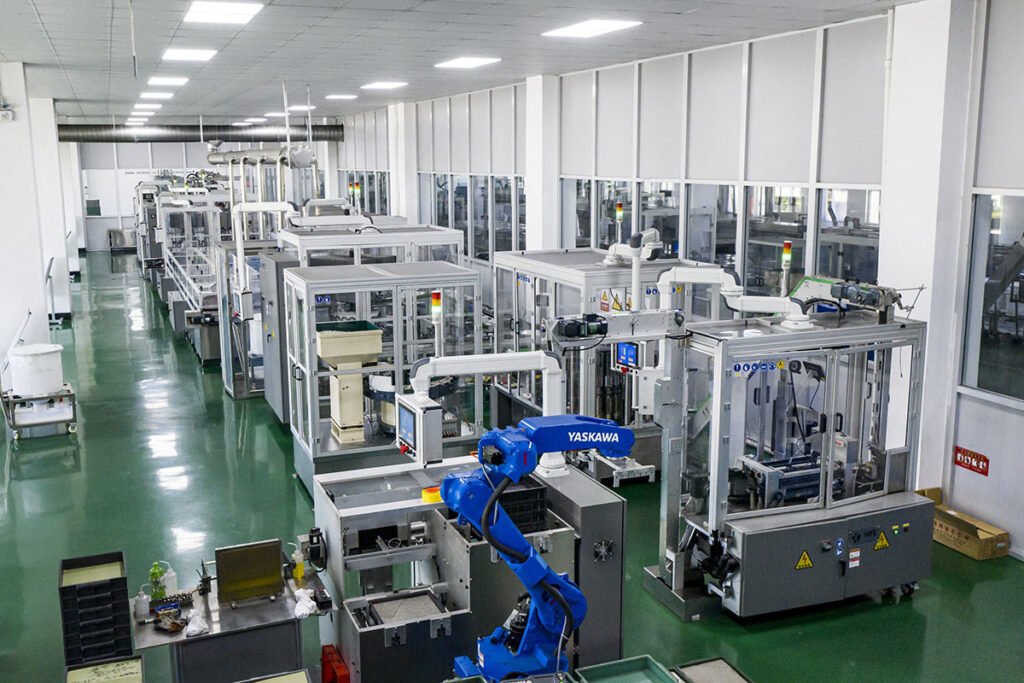
Shandong Linyi Huatai New Energy Battery Co., Ltd. was established in May 1993,but our factory’s history can date back to the establishment of the Linyi Battery Plant in 1956.We are currently one of the leading Eco-friendly & Mercury-free alkaline battery manufacturers and lithium battery manufacturers in China and the world’s largest heavy duty zinc-carbon batteries manufacturer & factory. Our products are produced with HUATAI, Power Flash and KINGCELL brands and customer’s private label, supplied 6 billion annual output by HIBAR high-speed automated production lines, offering OEM solutions for zinc carbon, alkaline, and lithium batteries worldwide.

Cameroon is one of the largest and most diversified economies in Central Africa, often referred to as the commercial gateway between West Africa and Central Africa. With a population of nearly 30 million, expanding urbanization, growing infrastructure investment, and increasing electricity demand, Cameroon offers significant opportunities for battery manufacturers seeking long-term growth in the African market.
Demand for carbon zinc batteries, alkaline batteries, lithium batteries, and LiFePO₄ energy storage batteries continues to increase across residential, commercial, industrial, and public sectors. Consumer electronics, telecommunications, healthcare, agriculture, construction, mining, and renewable energy projects all contribute to steady battery consumption.
Unlike European markets, where purchasing decisions are heavily influenced by regulatory compliance, battery importers in Cameroon focus primarily on product quality, competitive pricing, long shelf life, high-temperature and humidity resistance, stable supply capacity, and reliable OEM manufacturing services, while still requiring internationally recognized certifications.
With a manufacturing history tracing back to the Linyi Battery Factory established in 1956, Shandong Huatai New Energy Battery Co., Ltd. has grown into one of China’s leading comprehensive battery manufacturers, supplying high-quality battery products to customers across Africa and more than 100 countries worldwide.

Cameroon Battery Market Deep Dive: Strategic Hub of Central Africa
In the business landscape of Central Africa, Cameroon is widely recognized as the “Gateway to Central Africa.” With a population approaching 30 million, a rapidly expanding urban population, and massive investments in infrastructure, Cameroon is far more than just a large national market—it is the central logistics and trading engine for the entire region.
For battery manufacturers, importers, and distributors, understanding Cameroon’s unique distribution mechanics is the key to unlocking the broader Central African market.
1. Strategic Advantage: Why Cameroon Drives Central Africa’s Battery Trade
At the heart of Cameroon’s market power is the Port of Douala, one of the busiest maritime trade hubs along the Gulf of Guinea. Due to its geography and Cameroon’s active membership in regional trade blocs—such as CEMAC (Central African Economic and Monetary Community) and ECCAS (Economic Community of Central African States)—Douala serves as the primary transit point for goods heading into landlocked nations.
Established battery wholesalers in Douala and Yaoundé rarely sell only to local retailers. Their distribution networks reach deep into:
Landlocked Neighbors: Chad and the Central African Republic (which rely almost entirely on Douala for sea freight).
Regional Markets: Republic of the Congo, Gabon, and Equatorial Guinea.
Cross-Border Routes: Northern Nigeria.
| Regional Advantage | Direct Business Opportunity |
| Port of Douala Logistics Hub | Consolidated customs clearing and bulk transit to cut unit shipping costs |
| CEMAC Regional Integration | Lower cross-border trade friction and tariff advantages for re-exports |
| Landlocked Country Reliance | Captive demand from neighboring markets lacking primary manufacturing |
| Solar & Infrastructure Push | Rapidly accelerating demand for energy storage and telecom batteries |
2. Matching Product Types to Market Segments
Cameroon’s battery demand spans a wide spectrum—from remote off-grid farming communities to urban high-tech infrastructure:
Retail & Traditional Trade: Carbon Zinc Batteries remain the absolute volume drivers. Low-income households across rural and peri-urban areas rely on them heavily for flashlights, radios, wall clocks, and TV remotes due to their extreme affordability.
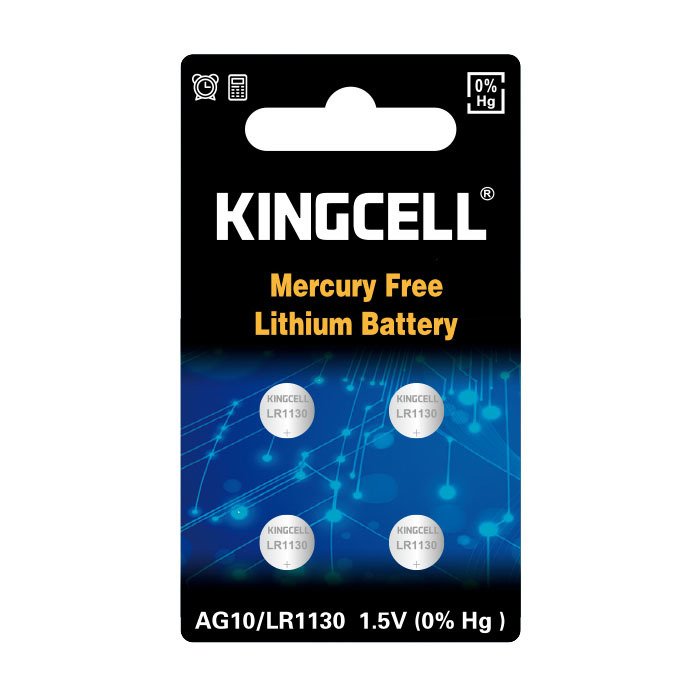
Consumer Electronics: Alkaline Batteries are experiencing steady growth. As middle-class purchasing power rises, so does the use of wireless peripherals, digital toys, smart home devices, and portable medical tools requiring stable voltage and longer runtimes.
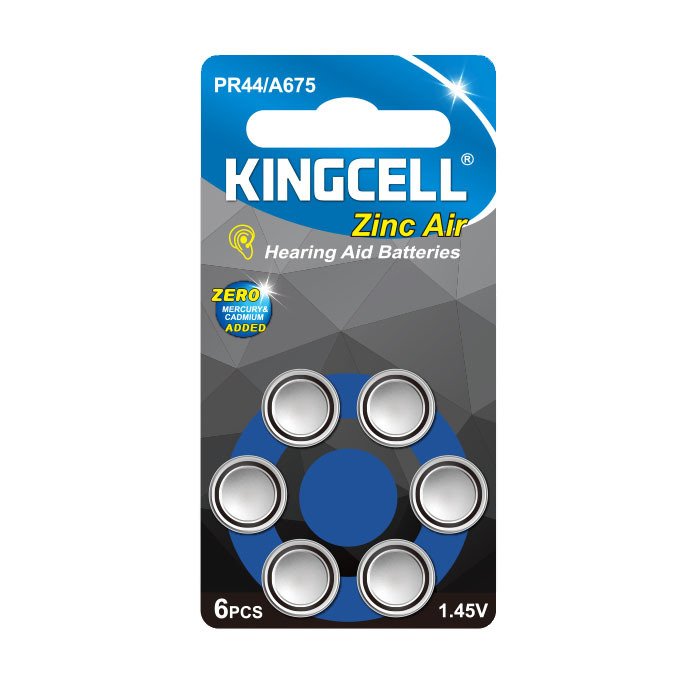
Telecom & Critical Infrastructure: Lithium-ion Batteries are essential for telecom tower back-up power, healthcare devices, and security monitoring systems where long cycle life and reliability are mandatory.
Off-Grid Solar & Microgrids: LiFePO₄ (Lithium Iron Phosphate) Batteries are the fastest-growing sector. Frequent grid instability and ongoing rural electrification initiatives drive massive adoption for home solar systems and commercial energy storage.
3. Key Operational Pain Points: Heat, Humidity, and Transit Rimes
Unlike European markets—where buying decisions are heavily driven by complex environmental compliance—African importers prioritize practical durability, shelf life, and price-to-performance ratio.
The biggest technical challenge in Cameroon is the harsh climate combined with extended shipping timelines.
A batch of batteries produced in Asia spends weeks at sea, additional time clearing customs at the humid Port of Douala, and often sits in non-climate-controlled warehouses before traversing rough roads to reach end-users. If a battery lacks superior high-temperature tolerance and anti-leak seals, it will degrade, self-discharge, or leak long before reaching the retail shelf.
What professional importers look for in a factory partner:
Robust Leak-Proof Engineering (built for high heat and humidity).
Ultra-Low Self-Discharge & Long Shelf Life (locking power during long storage).
High Production Capacity & Competitive Pricing.
End-to-End OEM / Private Label Services (to build their own regional brand).
Essential Export Certifications (IEC, UN38.3, MSDS for hassle-free customs clearance).

4. Manufacturing Excellence: Shandong Huatai New Energy Battery Co., Ltd.
Navigating Central Africa’s demanding environmental and logistical hurdles requires a manufacturing partner with deep practical experience. Tracing its history back to the Linyi Battery Factory established in 1956, Shandong Huatai New Energy Battery Co., Ltd. brings nearly 70 years of manufacturing heritage to the table.
Huatai addresses the exact pain points faced by Cameroonian importers through targeted technical innovations:
1. Power Lock Technology (Up to 10-Year Shelf Life)
To combat long transit times and extended warehouse storage, Huatai utilizes self-produced high-purity zinc powder, high-density steel casings, and proprietary bottom collectors. This technology maintains over 80% capacity even after years in storage, protecting distributors from inventory degradation.
2. Mercury-Free & Enhanced Leak Resistance
Eliminating mercury, cadmium, and lead used to compromise battery seal integrity in hot climates. Huatai overcame this through optimized electrolyte formulas and upgraded mechanical sealing structures, ensuring eco-friendly batteries that don’t leak under tropical heat.
3. Complete OEM / Private Label Support
For major distributors in Central Africa, building a proprietary brand is the key to long-term profitability. Huatai offers end-to-end OEM customization—including custom performance tuning, French/English bilingual packaging design, barcode registration, and compliant export documentation.
Cameroon’s Regional Influence in the Central Africa Battery Market
Cameroon occupies a unique strategic position in Central Africa. Through the Port of Douala, the country serves not only its domestic market but also several neighboring landlocked countries.
Many battery distributors in Cameroon also export or distribute products to:
- Chad
- Central African Republic
- Republic of the Congo
- Equatorial Guinea
- Gabon
- Northern Nigeria
Cameroon is a member of the Economic Community of Central African States (ECCAS) and the Central African Economic and Monetary Community (CEMAC), making it one of the most important logistics and distribution hubs for the Central Africa battery market.
| Regional Advantage | Business Opportunity |
| Port of Douala | Regional import and distribution hub |
| ECCAS & CEMAC membership | Cross-border trade opportunities |
| Gateway to landlocked countries | Expanded battery distribution network |
| Growing economy | Increasing battery consumption |
| Renewable energy development | Rising lithium battery demand |
For manufacturers looking to expand across Central Africa, Cameroon represents one of the region’s most strategic entry points.

Battery Demand Across Cameroon’s Key Industries
Economic diversification continues to create strong demand for batteries across multiple sectors.
| Industry | Recommended Battery Products | Typical Applications |
| Retail & Wholesale | Carbon Zinc Batteries | Household electronics |
| Agriculture | Carbon Zinc & Alkaline Batteries | Portable farming equipment |
| Telecommunications | Lithium Batteries | Communication backup systems |
| Healthcare | Lithium Batteries | Medical devices |
| Construction & Mining | Alkaline Batteries | Measuring and inspection equipment |
| Renewable Energy | LiFePO₄ Batteries | Solar energy storage systems |
| Security Industry | Alkaline Batteries | CCTV, alarms, emergency lighting |
The rapid expansion of mobile communications and solar electrification projects continues to drive demand for both primary and rechargeable battery technologies.
Best-Selling Battery Products in Cameroon
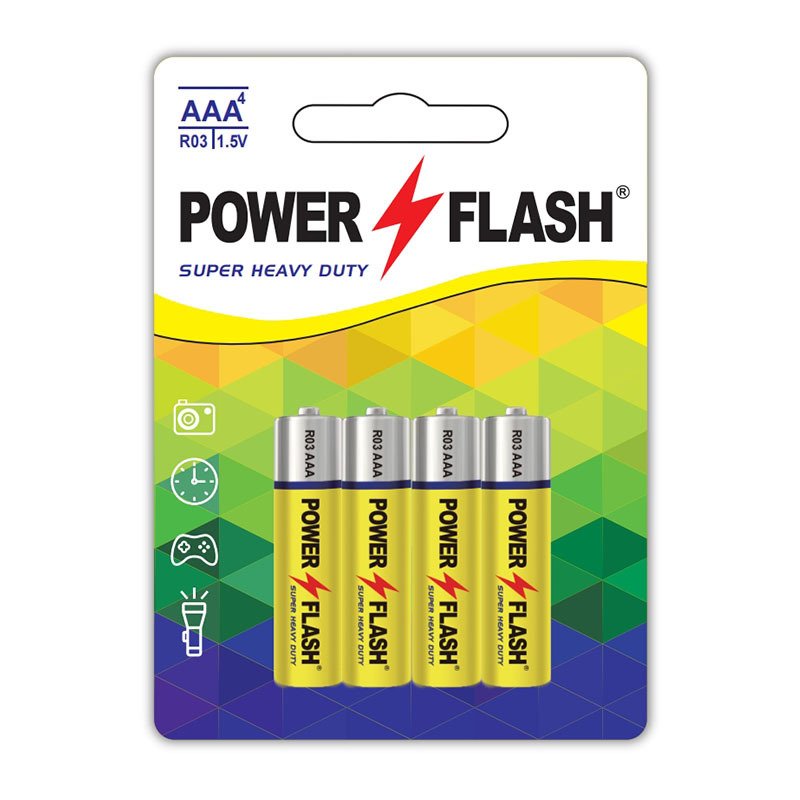
Carbon Zinc Batteries
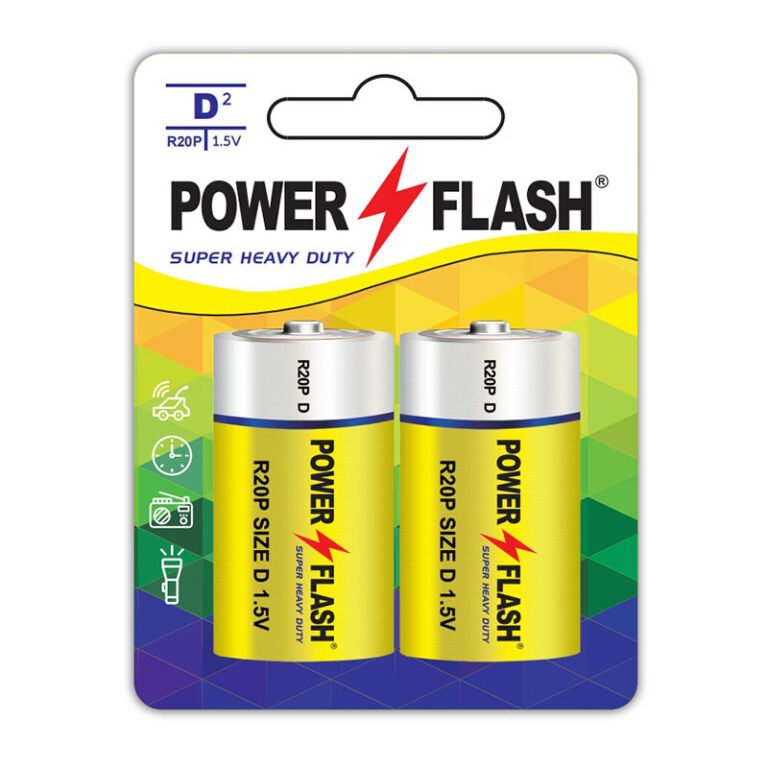
Carbon zinc batteries continue to dominate Cameroon’s retail battery market because they provide dependable performance at competitive prices.
Popular models include:
- R03 AAA Carbon Zinc Battery
- R6 AA Carbon Zinc Battery
- R14 C Battery
- R20 D Battery
- 6F22 9V Battery
Typical applications include:
- Flashlights
- Radios
- Wall clocks
- TV remote controls
- Household electronic products
- Children’s educational toys
Carbon zinc batteries remain especially popular among wholesalers serving traditional retail markets and rural communities.
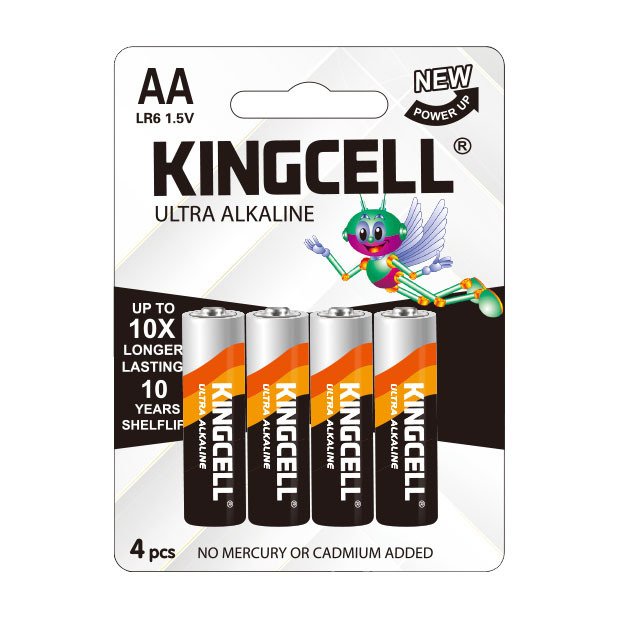
Alkaline Batteries
Demand for alkaline batteries continues to grow as consumers purchase more electronic devices requiring longer-lasting power.
Typical applications include:
- Wireless computer accessories
- Electronic toys
- Digital cameras
- Medical equipment
- Portable measuring instruments
- Smart home devices
Compared with carbon zinc batteries, alkaline batteries offer higher capacity, longer operating life, and more stable voltage output.
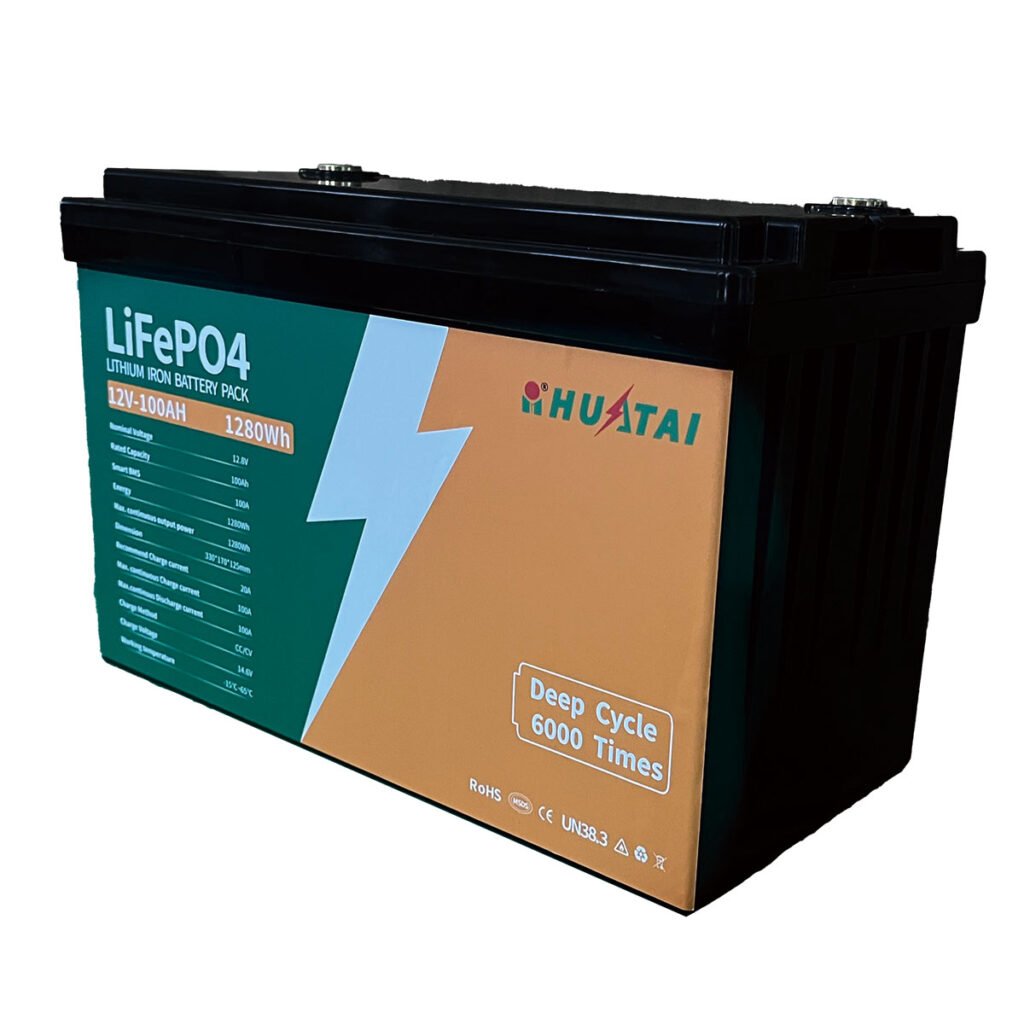
Lithium & LiFePO₄ Batteries
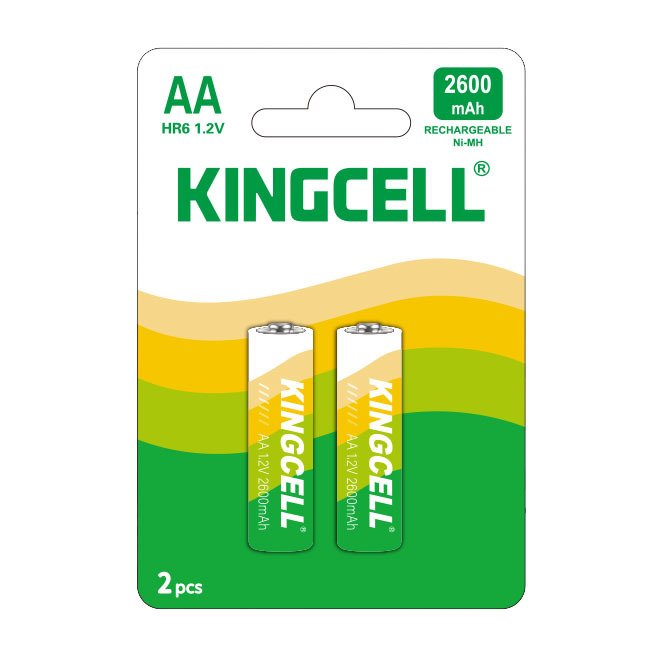
Cameroon’s investment in renewable energy and digital infrastructure has accelerated demand for lithium batteries and LiFePO₄ battery systems.
Major applications include:
- Residential solar systems
- Commercial energy storage
- UPS backup systems
- Telecom backup power
- Portable power stations
- Off-grid electrification projects
As rural electrification continues to expand, lithium battery demand is expected to experience sustained long-term growth.

Climate Adaptability Is Essential
Cameroon experiences tropical climates with high temperatures and humidity across much of the country. Imported batteries often travel long distances and remain in warehouses before reaching end users.
Professional importers therefore prioritize batteries that offer:
- Excellent high-temperature performance
- Superior humidity resistance
- Advanced leak-proof technology
- Low self-discharge
- Stable discharge voltage
- Long shelf life
Reliable performance under these demanding environmental conditions helps reduce product returns while improving customer satisfaction.
Frequently Asked Questions (FAQ)
Q1: Which battery sizes generate the highest sales volume in Cameroon?
AA (R6) and AAA (R03) Carbon Zinc batteries generate the largest sales volume across retail markets due to their low unit cost and everyday use in flashlights, radios, and remotes. However, Alkaline AA/AAA and LiFePO₄ solar batteries offer higher profit margins and are growing significantly faster in urban centers.
Q2: What packaging details are critical when exporting batteries to Cameroon?
Bilingual packaging (French dominant, English secondary) is essential. While Cameroon is officially bilingual, French is spoken by the vast majority of the business community. Furthermore, key re-export markets like Gabon, Congo-Brazzaville, Chad, and the Central African Republic are all Francophone. Clear French labeling drastically improves market acceptance across the region.
Q3: Why is LiFePO₄ preferred over lead-acid for solar energy projects in Central Africa?
While lead-acid has a lower upfront cost, tropical ambient temperatures accelerate lead-acid battery degradation, causing them to fail quickly. LiFePO₄ (Lithium Iron Phosphate) handles high heat significantly better, offers 2,000 to 3,000+ deep charge cycles, and delivers a far lower total cost of ownership over its lifespan.

Q4: What customs and technical documentation do Cameroonian importers typically require?
Customs clearance at the Port of Douala requires standard shipping documents (Bill of Lading, Commercial Invoice, Packing List, Certificate of Origin) alongside technical safety files: MSDS, IEC 60086 test reports for primary batteries, and UN38.3 test reports with transport safety certificates for lithium shipments.
Q5: Why is high-temperature and humidity resistance so critical for battery storage?
In humid tropical climates like Cameroon, elevated ambient heat accelerates internal chemical reactions within batteries. Poorly sealed batteries suffer from rapid self-discharge, gas buildup, and seal rupture. Leak-proof engineering ensures the product remains fresh and safe throughout the distribution chain.
Q6: How does Huatai support importers who want to launch their own private label brand?
Huatai provides comprehensive OEM/ODM solutions—from selecting the optimal performance-to-price ratio for the local market to designing bilingual retail packaging, applying international barcodes, and preparing all required safety and transport certifications.

Conclusion
As one of the largest and most strategically located economies in Central Africa, Cameroon offers outstanding opportunities for suppliers of carbon zinc batteries, alkaline batteries, lithium batteries, and LiFePO₄ energy storage systems. Continued investment in infrastructure, telecommunications, agriculture, healthcare, mining, construction, and renewable energy will continue driving demand for reliable battery products throughout the country and neighboring markets.
For importers and distributors, selecting a manufacturer capable of providing high-quality products, competitive pricing, long shelf life, excellent high-temperature and humidity resistance, stable supply capacity, and flexible OEM manufacturing services is essential for long-term success.
With a manufacturing heritage dating back to 1956, recognition as a Well-known Trademark in China and National Little Giant Enterprise, advanced Mercury-Free Technology, Power Lock Technology, vertically integrated production capabilities, and billions of batteries produced annually, Shandong Huatai New Energy Battery Co., Ltd. is committed to supporting distributors with reliable battery solutions across the Cameroon battery market and the broader Central Africa battery market.