English
  Spanish
  French
  Arabic
  Portuguese
  Russian
  Chinese
 How Huatai Battery Is Rethinking Global B2B Battery Development
Huatai Battery explains how changing global trade shows, fragmented demand and e-commerce are reshaping battery exports—and how a Chinese battery manufacturer is building a new B2B growth strategy through OEM, digital marketing and global distribution.
For Huatai Battery, the future of international battery sales can no longer depend primarily on traditional trade shows. After years of participating in major international exhibitions, including the Canton Fair, Hong Kong electronics exhibitions and IFA Berlin, we have observed a clear change: professional B2B buyers are becoming harder to reach through general exhibitions, while consumer traffic, small online sellers and fragmented purchasing demand are taking a larger share of exhibition attention. At the same time, global economic uncertainty, supply-chain restructuring, cross-border e-commerce and declining inventory capacity among traditional distributors are fundamentally changing the way batteries are purchased.
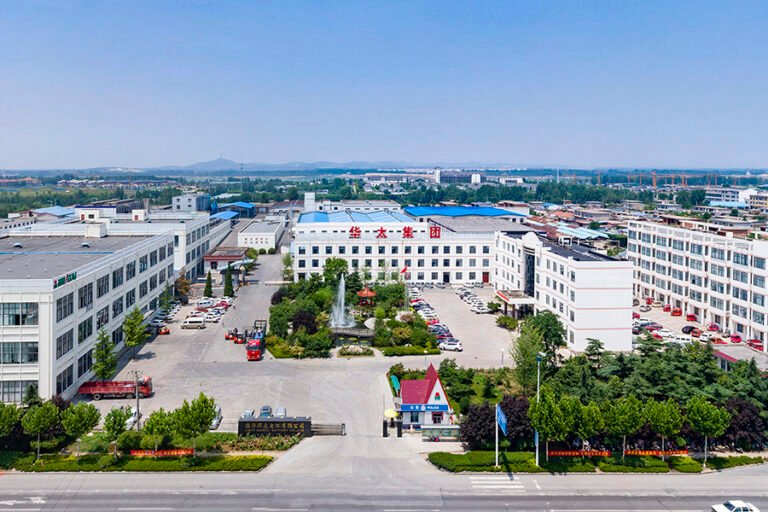
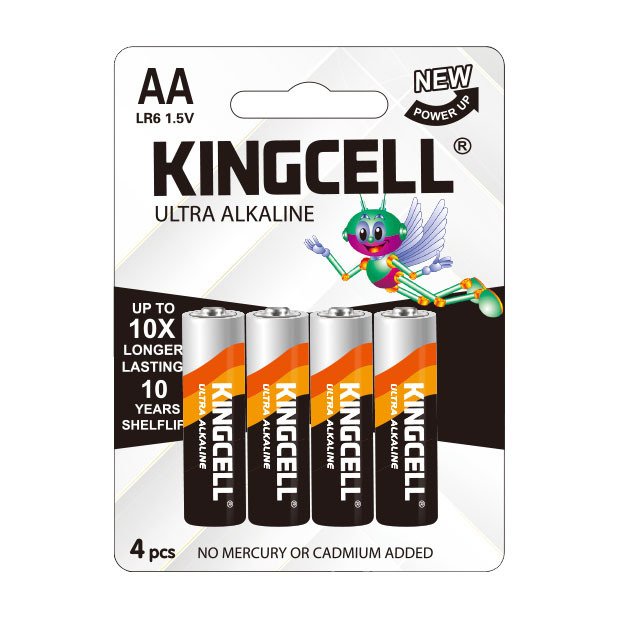
Our answer is not to abandon exhibitions completely, but to reduce dependence on them and build a more direct, technology-driven and sustainable global B2B development model. Shandong Linyi Huatai New Energy Battery Co., Ltd. was established in May 1993,but our factory’s history can date back to the establishment of the Linyi Battery Plant in 1956.We are currently one of the leading Eco-friendly & Mercury-free alkaline battery manufacturers and lithium battery manufacturers in China and the world’s largest heavy duty zinc-carbon batteries manufacturer & factory. Our products are produced with HUATAI, Power Flash and KINGCELL brands and customer’s private label, supplied 6 billion annual output by HIBAR high-speed automated production lines, offering OEM solutions for zinc carbon, alkaline, and lithium batteries worldwide.
The Global Battery Export Model Is Changing
For many Chinese manufacturers, international trade exhibitions were once one of the most efficient ways to acquire overseas customers.
The traditional process was relatively simple:
Exhibition → buyer visits booth → sample discussion → quotation → order → long-term cooperation.
This model still works in certain industries and specialized exhibitions. However, the environment surrounding general electronics and consumer-product exhibitions has changed considerably.
At recent exhibitions, we have increasingly encountered several structural changes:
- More Chinese suppliers competing for the same buyers
- More consumer-oriented visitors
- More small-scale cross-border e-commerce sellers
- More fragmented purchasing requirements
- More price-focused inquiries
- Fewer traditional large-volume distributors
- Higher exhibition and logistics costs
- Longer purchasing decision cycles
The problem is therefore not simply that “trade shows no longer work.”
The deeper issue is that the purchasing behavior of international B2B customers has changed faster than the traditional exhibition-based sales model.
For a battery manufacturer, this distinction is particularly important.
Batteries are highly standardized products. A buyer can compare dozens of carbon zinc battery suppliers, alkaline battery manufacturers, lithium battery factories and private label battery manufacturers without physically visiting every factory.
Increasingly, buyers first search online, compare specifications, check certifications, investigate suppliers and evaluate manufacturing capabilities before contacting a factory.
That means the first supplier meeting may happen on Google rather than at an exhibition booth.
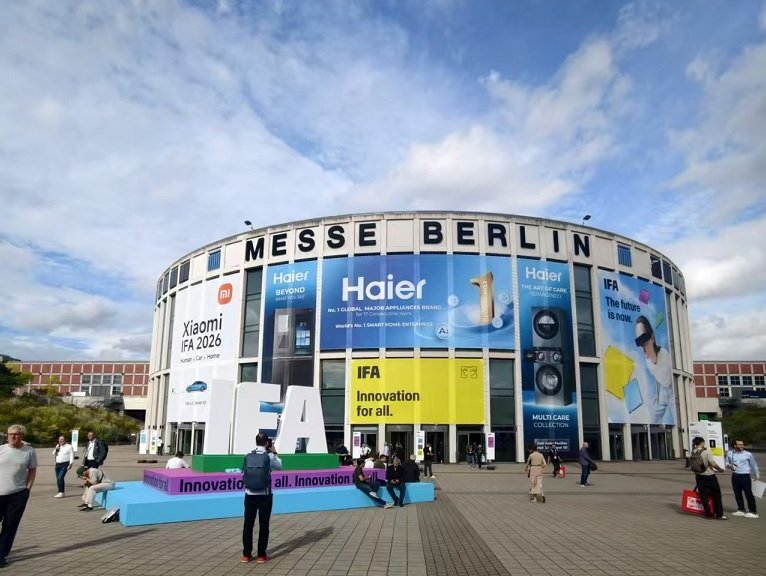
What We Learned from IFA Berlin
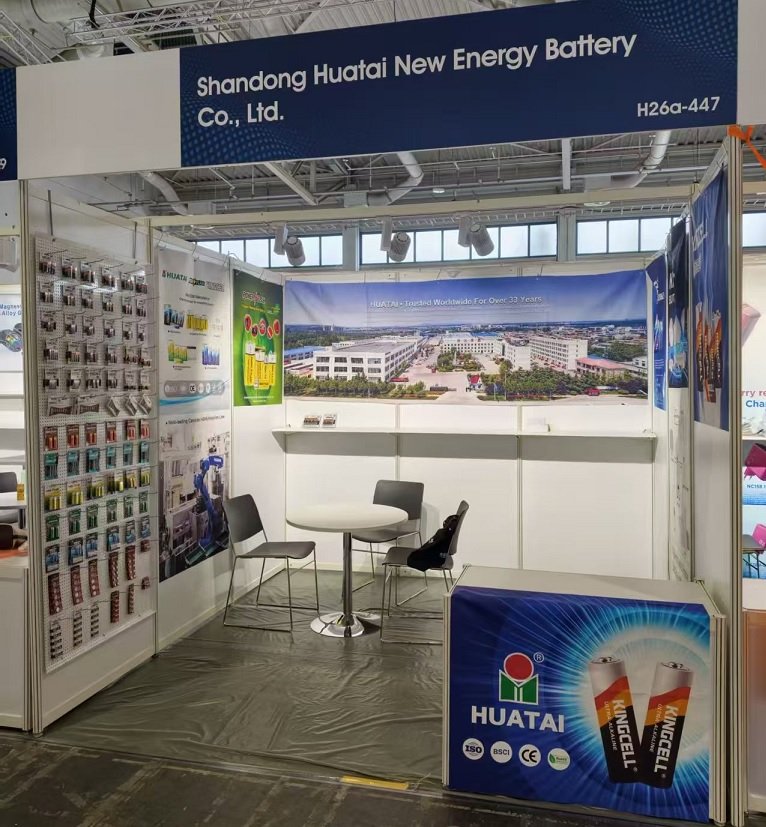
Huatai Battery has participated in international exhibitions for many years. IFA Berlin has been particularly valuable because it provides an opportunity to observe the changing relationship between manufacturers, distributors, brands and consumers.
However, our recent experience also made one point increasingly clear:
Exhibition traffic does not necessarily equal qualified B2B demand.
The presence of a large number of Chinese exhibitors demonstrates China’s enormous manufacturing strength. At the same time, it also creates intense competition among Chinese suppliers themselves.
When many factories offer similar products, buyers can easily compare:
- Battery prices
- MOQ
- Packaging
- Production capacity
- Delivery times
- Certifications
- OEM services
The exhibition floor can therefore become a place where suppliers compete primarily for attention and price.
For a manufacturer like Huatai Battery, this is not the direction we want to pursue.
Our competitive advantage should not be reduced to:
“Who offers the lowest battery price?”
Instead, the more important question is:
“Which battery manufacturer can create the highest total value for the buyer?”
Why Traditional Overseas Distributors Are Under Pressure
Another important change is occurring on the customer side.
Traditional overseas distributors used to purchase relatively large quantities, hold inventory and distribute products through regional wholesalers, hardware stores, supermarkets and specialty retailers.
The rise of cross-border e-commerce has changed this structure.
Many sellers can now purchase smaller quantities directly from manufacturers. At the same time, online marketplaces have increased price transparency.
This creates pressure on traditional distributors because they may face:
- Smaller average orders
- Higher inventory risk
- Lower margins
- Faster price competition
- Shorter product life cycles
- Increasing direct competition from online sellers
This does not mean that distributors are disappearing.
Quite the opposite.
We believe professional distributors are becoming more valuable—but their requirements are changing.
A modern distributor needs a manufacturing partner that can help reduce inventory pressure, support private labeling, provide stable supply and respond quickly to market changes.
This is where Huatai Battery sees a new opportunity.
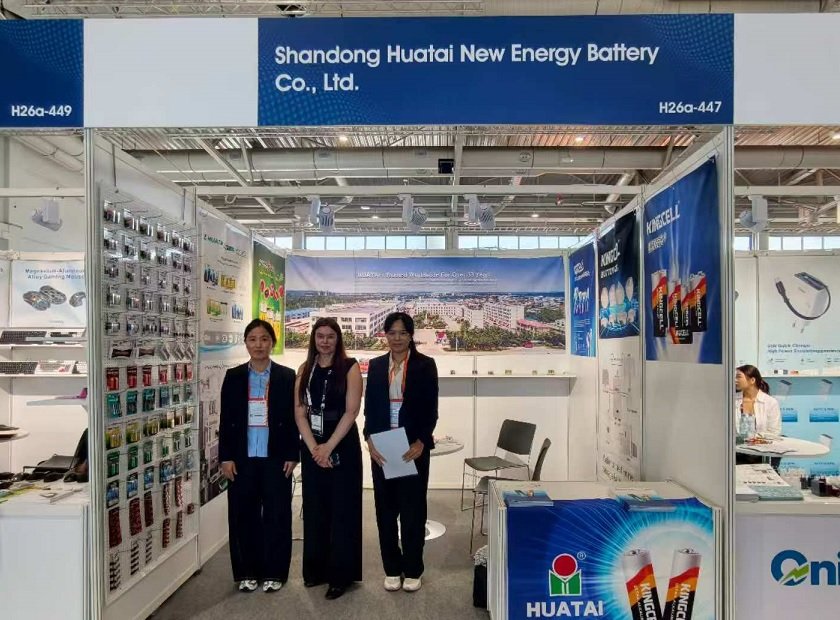
Huatai Battery’s Strategic Shift: From Exhibition Traffic to Direct B2B Demand
Our strategy is not simply to spend less money on exhibitions.
It is to build a more diversified customer-acquisition system.
The new model can be summarized as:
Manufacturing capability + technical content + Google search visibility + direct B2B inquiry + OEM/private label service + distributor support.
The objective is to allow an overseas buyer searching for a specific battery product to discover Huatai Battery before the buyer has decided which Chinese factory to contact.
For example, a buyer may search:
- Carbon zinc battery manufacturer China
- Heavy duty battery supplier
- Alkaline battery manufacturer China
- AA alkaline battery OEM
- AAA battery private label manufacturer
- Zinc carbon battery factory
- Private label battery manufacturer
- OEM battery supplier China
- Lithium coin cell manufacturer
- CR2032 battery OEM supplier
- Rechargeable NiMH battery manufacturer
- USB rechargeable battery supplier
- Battery manufacturer for Africa
- Battery supplier for Middle East distributors
- Battery OEM supplier for Latin America
These searches represent much stronger commercial intent than general exhibition traffic.
Manufacturing Strength Remains the Foundation
Digital marketing cannot compensate for weak manufacturing.
For Huatai Battery, the first step in our new global strategy remains manufacturing.
Our production history can be traced back to the Linyi Battery Factory established in 1956, while the modern Huatai enterprise was established in 1993.
Over the decades, our product portfolio has expanded from traditional zinc-carbon batteries into a broader battery manufacturing system.
Today, our primary product categories include:
| Battery Category | Representative Products | Typical Applications |
| Carbon Zinc Batteries | R6P, R03P, R14P, R20P, 6F22 | Remotes, clocks, radios, flashlights |
| Alkaline Batteries | LR6, LR03, LR14, LR20, 9V | Toys, electronics, medical devices |
| High Voltage Alkaline | 23A, 27A, 9V | Alarms, doorbells, remote controls |
| Button Batteries | AG, Zinc Air, CR series | Watches, medical devices, electronics |
| NiMH Rechargeable | AA, AAA, C, D, 9V | Consumer electronics |
| USB Rechargeable Batteries | USB lithium rechargeable cells | Portable electronics |
| Lithium Batteries | Cylindrical and specialized lithium products | Portable power and electronic applications |
| Energy Storage | LiFePO4 and related systems | Solar and energy-storage applications |
| Sodium-ion Batteries | Emerging energy-storage products | Low-temperature and energy-storage applications |
This broad product structure gives overseas buyers the possibility of developing multiple battery categories through one manufacturing partner.

Canadian HIBAR Technology and Large-Scale Production
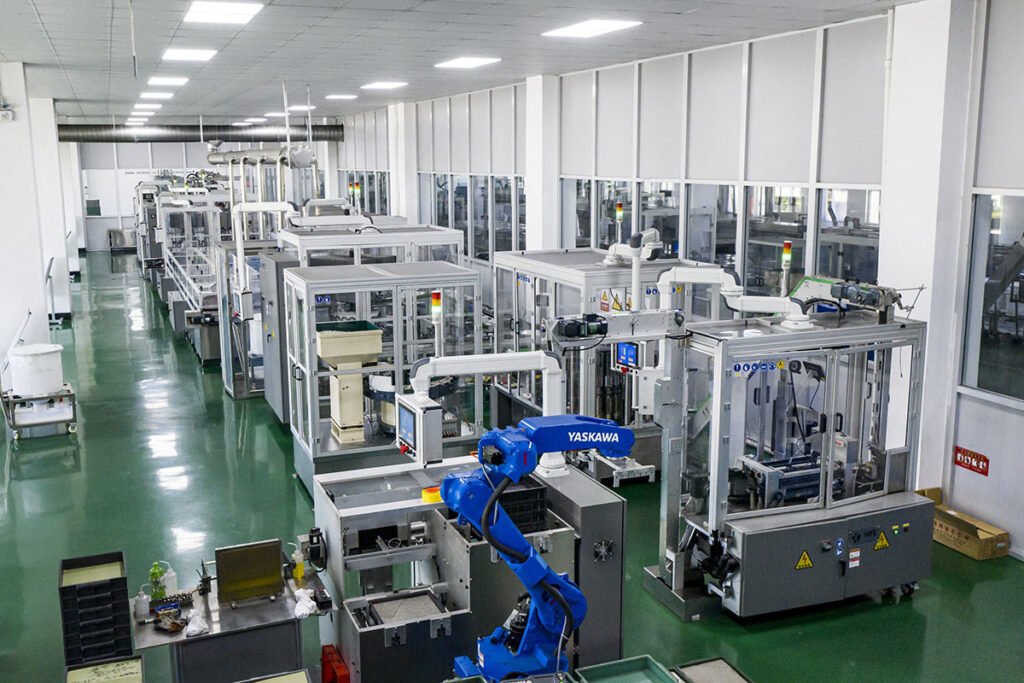
One of Huatai Battery’s important manufacturing advantages is the use of advanced Canadian HIBAR automated battery production technology.
The company operates approximately:
- 48 primary dry battery production lines
- 10+ lithium battery production lines
- Annual production exceeding 6 billion batteries
- Multiple supporting component workshops
- Automated production and packaging systems
- Dedicated quality-control and testing facilities
Large-scale manufacturing is particularly important for OEM customers.
An importer launching a private label battery brand does not only need a competitive first order.
They need a factory that can continue supplying the same specification months and years later.
Consistency is therefore more valuable than temporary low pricing.
OEM and Private Label Battery Manufacturing Is Becoming More Important
We believe OEM/private label manufacturing will become one of the most important growth directions for international battery trade.
A distributor no longer necessarily needs to sell a manufacturer’s existing brand.
Instead, it can develop:
- Its own battery brand
- Its own packaging
- Its own market positioning
- Its own product portfolio
- Its own regional distribution network
Huatai Battery can support this model through:
Battery Specification Selection
Customers can select suitable:
- Carbon zinc batteries
- Alkaline batteries
- High-voltage alkaline batteries
- Button cells
- Lithium batteries
- NiMH rechargeable batteries
- USB rechargeable batteries
- Energy-storage products
Private Label Printing
OEM battery packaging can include:
- Brand logo
- Custom battery jacket
- Brand colors
- Product specifications
- Barcode
- QR code
- Country-specific labeling
- Customized retail packaging
Retail Packaging
Available packaging concepts include:
- Shrink packs
- Blister packs
- Hanging cards
- Color boxes
- Multipacks
- Display cartons
- Wholesale packaging
This enables a distributor to move from being simply a battery importer to becoming a battery brand owner.
Product Quality Must Support the Brand
Private label manufacturing creates a different responsibility from ordinary commodity trading.
If a distributor sells a battery under its own brand, every customer complaint ultimately affects the distributor’s reputation.
Therefore, battery quality control becomes a critical part of the OEM relationship.
Huatai focuses on several areas:
Leak-proof performance
For primary batteries, leakage is one of the most serious quality concerns. Huatai has developed sealing and leak-resistant structures for its carbon zinc and alkaline battery products.
Stable energy output
Battery capacity alone does not determine user satisfaction. Discharge performance, internal resistance, material consistency and production stability all influence the actual operating experience.
Storage stability
For international distributors, batteries may spend months in warehouses or transportation. Stable storage performance is therefore an important purchasing consideration.
Environmental compliance
Mercury-free and cadmium-free battery products are increasingly important in international markets.
Batch consistency
Large OEM customers require products manufactured to consistent specifications from one production batch to another.
Export Compliance Is Becoming Part of the Product
International battery sales are no longer simply about manufacturing and shipping.
Regulatory compliance has become an important part of supplier selection.
Depending on product type and destination market, customers may require documentation such as:
- CE
- RoHS
- REACH
- MSDS
- UN38.3 for applicable lithium batteries
- SGS testing documentation
- Certificate of Origin
- Product testing reports
- Country-specific market-entry documents
For markets such as Europe, the Middle East, Africa and North America, understanding compliance requirements before shipment can prevent unnecessary customs and distribution problems.
Huatai therefore treats documentation and compliance support as part of the OEM service rather than an afterthought.

From Global Exhibition Supplier to Global Digital Battery Supplier
The biggest change in our strategy is therefore not simply “online instead of offline.”
We see the future as a combination of both.
Trade shows remain useful for:
- Meeting established customers
- Building personal relationships
- Displaying new products
- Understanding competitors
- Conducting market research
But digital channels provide something exhibitions cannot easily provide:
continuous visibility throughout the year.
A well-structured battery manufacturer’s website can answer buyer questions before the first inquiry:
- Who manufactures the battery?
- What battery chemistries are available?
- What are the specifications?
- What certifications are available?
- What is the production capacity?
- Can the battery be private labeled?
- What packaging options are available?
- Which countries does the factory export to?
- Can the factory support large-volume orders?
- Can the manufacturer customize products for different climates?
This is why Huatai Battery is investing increasingly in technical product pages, battery application guides, market-specific content, OEM landing pages and detailed FAQ resources.
The goal is not simply to generate website traffic.
The goal is to generate qualified battery inquiries.

Building a More Effective Global B2B Customer Acquisition System
Our future overseas marketing strategy can be summarized in five directions.
1. Build Product-Level Search Visibility
Instead of creating generic company advertising, we are developing content around specific purchasing requirements.
For example:
“Carbon Zinc Battery Manufacturer” is more commercially meaningful than simply “Battery Factory.”
Likewise:
- Alkaline Battery OEM Manufacturer
- Heavy Duty Battery Supplier
- Private Label AA Battery Manufacturer
- AAA Battery OEM Factory
- CR2032 Battery Supplier
- NiMH Rechargeable Battery Manufacturer
- USB Rechargeable Battery OEM
- Lithium Battery Supplier China
These long-tail searches allow us to reach customers closer to an actual purchasing decision.
2. Develop Market-Specific Battery Solutions
Different markets require different products.
For example:
Africa
Strong demand for cost-effective carbon zinc batteries, alkaline batteries and selected rechargeable/energy products.
Middle East
Strong opportunities for carbon zinc and alkaline batteries, private label products and climate-adapted packaging.
Latin America
Opportunities across household batteries, OEM/private label products and rechargeable battery categories.
Europe
Greater emphasis on environmental compliance, documentation, product consistency and private label quality.
North America
More sophisticated requirements around packaging, certifications, retail channels and private label programs.
Therefore, one generic global sales page is not enough.
We need market-specific information that answers the actual questions of local buyers.
3. Make Technical Information Easier to Find
B2B buyers want evidence.
They want:
- Specifications
- Product dimensions
- Battery chemistry
- Nominal voltage
- Capacity
- Discharge performance
- Shelf life
- Certifications
- Packaging information
- MOQ
- Production capacity
The more clearly this information is presented, the easier it becomes for an overseas procurement manager to evaluate Huatai.
4. Develop Long-Term Distributor Partnerships
Huatai does not view every overseas customer as a one-time order.
For suitable distributors, we want to develop long-term cooperation through:
- Private label manufacturing
- Stable production scheduling
- Flexible order planning
- Packaging support
- Product portfolio expansion
- Technical documentation
- Export compliance assistance
- After-sales support
The objective is to help distributors build a sustainable battery business rather than simply sell another container of batteries.
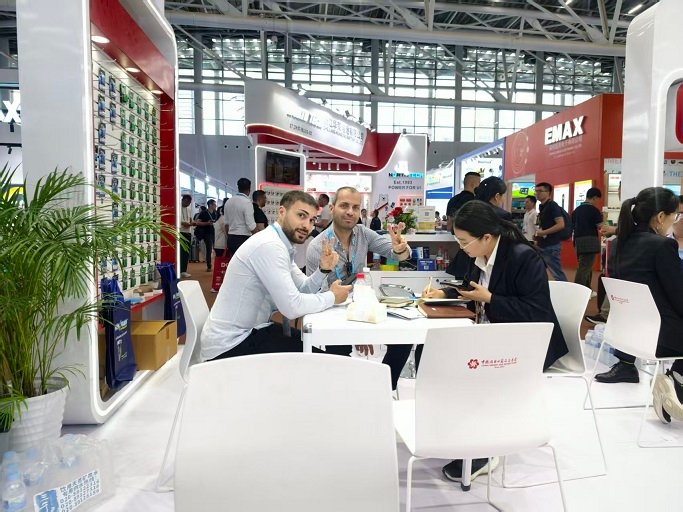
5. Continue Selective Participation in Trade Shows
Huatai is not abandoning international exhibitions.
Instead, we are changing the role they play.
The exhibition should become one component of the customer-acquisition system rather than the entire system.
A stronger model is:
Google search → website research → inquiry → technical communication → sample → exhibition meeting → factory verification → order → long-term cooperation.
This is fundamentally different from waiting for a buyer to walk past a booth.
Why the Future of Battery Export Will Favor Manufacturers With Real Capabilities
The global battery market is becoming increasingly competitive.
Low-cost suppliers will continue to exist, but price alone cannot solve every problem.
A professional international buyer needs a supplier that can provide:
Manufacturing capacity + quality consistency + competitive cost + OEM capability + compliance + technical support + reliable delivery.
These capabilities become particularly important when customers move from small trial orders to annual purchasing programs.
Huatai Battery therefore believes that the next stage of Chinese battery exports will not be defined simply by how many products Chinese factories can manufacture.
It will be defined by how effectively manufacturers can connect their manufacturing capabilities with the actual needs of overseas customers.
Frequently Asked Questions About Huatai Battery’s Global B2B Strategy
Q1. Is Huatai Battery a battery manufacturer or a trading company?
Huatai Battery is an integrated battery manufacturing enterprise based in Linyi, Shandong, China. Its manufacturing history can be traced back to 1956, while the modern company was established in 1993. The company manufactures primary batteries, rechargeable batteries, lithium batteries, button cells and energy-storage products.
Q2. What types of batteries does Huatai manufacture?
Huatai manufactures carbon zinc batteries, alkaline batteries, high-voltage alkaline batteries, button batteries, lithium batteries, NiMH rechargeable batteries, USB rechargeable batteries and selected energy-storage battery products.
Q3. Does Huatai provide private label battery manufacturing?
Yes. Huatai provides OEM and private label battery services, including customized battery printing, packaging, specifications and retail presentation.
Q4. What is Huatai Battery’s annual production capacity?
Huatai’s annual battery output exceeds 6 billion batteries, supported by approximately 48 primary battery production lines and more than 10 lithium battery production lines.
Q5. Why does Huatai continue to invest in digital B2B marketing?
Because international battery buyers increasingly research manufacturers online before making purchasing decisions. Huatai is therefore developing technical product pages, market-specific content and detailed battery information to connect directly with qualified B2B buyers.
Q6. Does Huatai still participate in international exhibitions?
Yes. Huatai has participated in the Canton Fair for more than 20 years and has also participated in international exhibitions such as IFA Berlin and Hong Kong electronics exhibitions. However, exhibitions are increasingly being treated as one part of a broader global marketing strategy rather than the only customer-acquisition channel.
Q7. Can Huatai manufacture batteries for different regional markets?
Yes. Product selection, packaging, labeling and OEM solutions can be adapted to different market requirements, including those of Africa, the Middle East, Latin America, Europe and North America.
Q8. Why should an overseas distributor work directly with a battery factory?
Direct factory cooperation can provide better control over product specifications, pricing, quality, packaging, production planning and long-term supply. For private label customers, direct cooperation also makes it easier to build a consistent brand and product portfolio.

Conclusion: The Next Chapter of Huatai Battery’s Global Development
The global battery export market is changing. Traditional trade exhibitions remain useful, but they can no longer be regarded as the only reliable route to international B2B customers. The combination of economic uncertainty, fragmented demand, cross-border e-commerce, changing distributor structures and increasing supplier competition requires Chinese battery manufacturers to rethink how they develop overseas markets.
For Huatai Battery, the answer is to build a more balanced system based on manufacturing strength, digital B2B customer acquisition, technical information, OEM/private label manufacturing and long-term distributor cooperation.
Our manufacturing foundation remains the same: a history dating back to 1956, modern development since 1993, approximately 48 primary battery production lines, 10+ lithium battery production lines, annual output exceeding 6 billion batteries, and a broad product portfolio covering carbon zinc, alkaline, lithium, button and rechargeable battery categories.
What is changing is the way we connect these capabilities with global customers.
We will continue to participate in important international exhibitions, but we will no longer wait for customers to find us only on an exhibition floor.
Our goal is to make Huatai Battery easier to discover, easier to evaluate and easier to work with—wherever a professional buyer is searching for a reliable battery manufacturer.
For overseas importers, distributors, brand owners and OEM customers looking for a long-term battery manufacturer in China, we believe the future belongs to direct, transparent and capability-driven cooperation.
Huatai Battery is ready to build that future together with global B2B partners.