English
  Spanish
  French
  Arabic
  Portuguese
  Russian
  Chinese
 Google Is Becoming the New Starting Point for B2B Battery Sourcing
Discover why B2B battery buyers increasingly use Google to find battery manufacturers, OEM suppliers and private label partners, and how Huatai Battery is adapting to the new global sourcing environment.
For B2B battery buyers, the traditional supplier-search process is changing rapidly. Google Search, supplier websites, technical content and AI-assisted search are becoming increasingly important for finding and evaluating battery manufacturers before direct contact. For overseas importers, distributors, wholesalers and private-label brands, a Google search can reveal battery manufacturers, product specifications, certifications, production capabilities and OEM services long before a buyer visits a trade show.
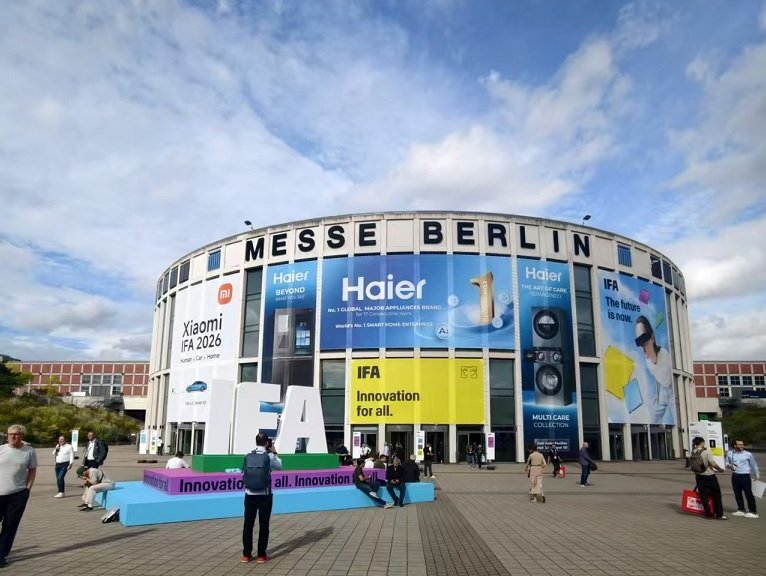
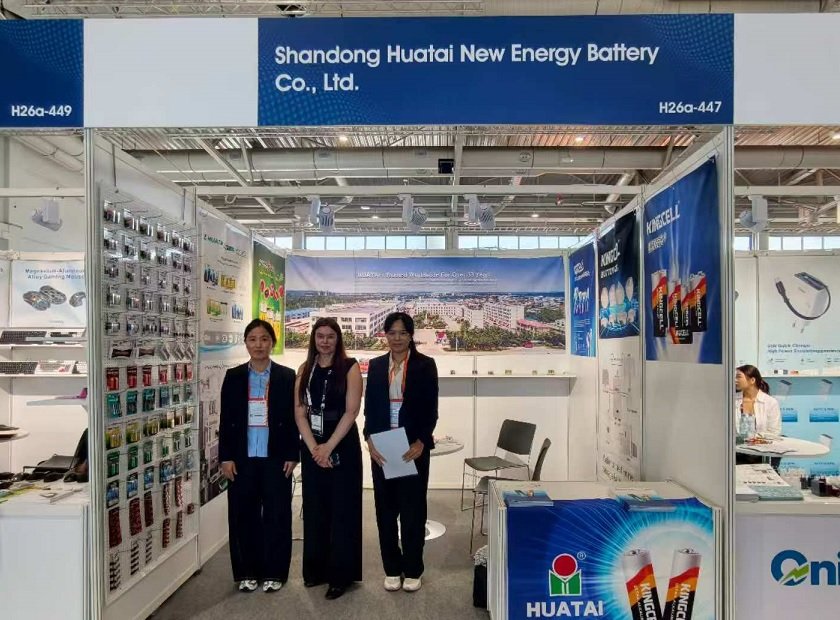
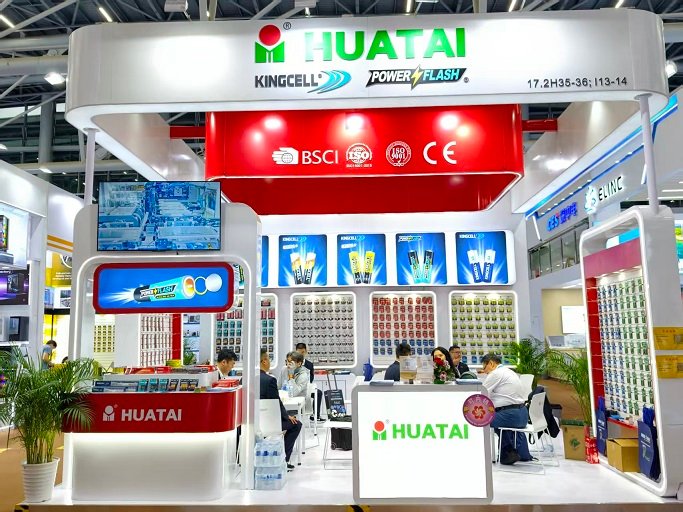
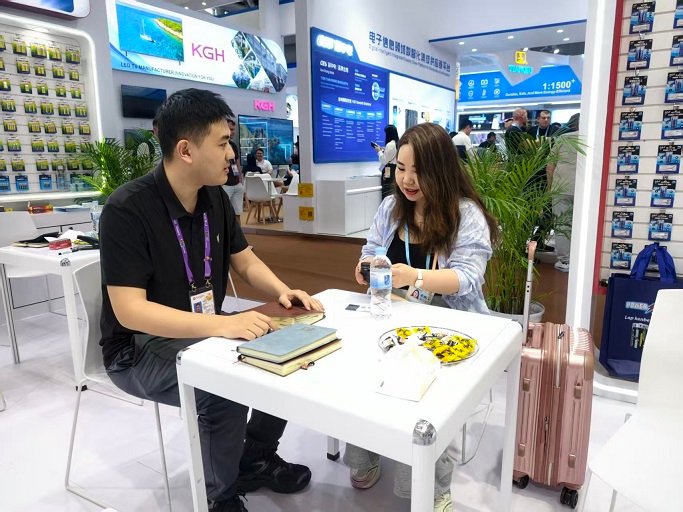
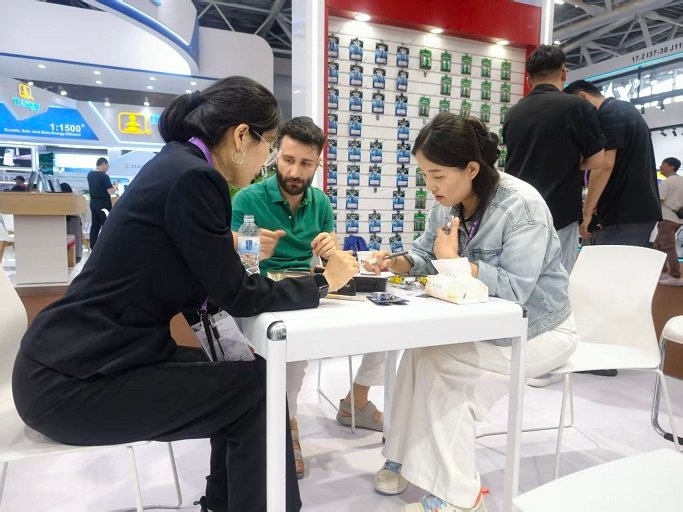
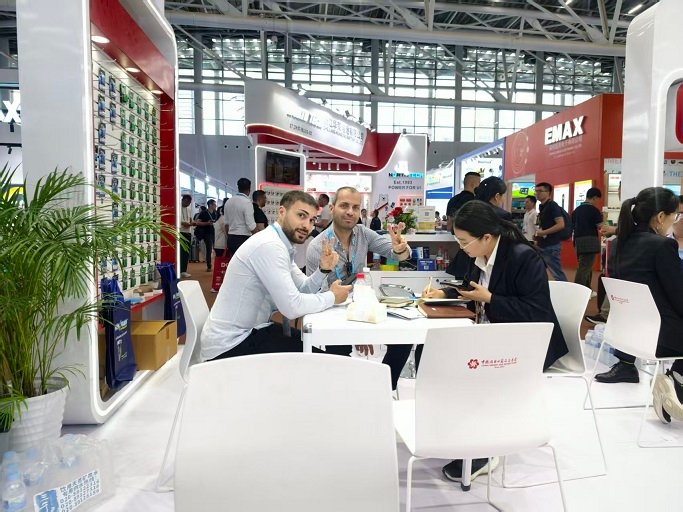
For Shandong Huatai New Energy Battery Co., Ltd., this change is particularly important. After years of participating in major international exhibitions, including the Canton Fair, IFA Berlin and other electronics and battery-related exhibitions, we have seen firsthand how B2B buyer behavior is changing. Trade shows remain valuable for relationship building and face-to-face communication, but they are no longer sufficient as the primary global customer-acquisition channel. A modern battery manufacturer must be discoverable where buyers increasingly begin their research: online search.

Recent B2B research supports this shift. A 2025 Google/NRG study found that 94% of surveyed B2B buyers who discovered a product online used Google Search, while 60% of surveyed buyers said they used AI tools during their purchasing journey.
For the battery industry, this means that the supplier who provides the most useful and verifiable information online can enter the buyer’s consideration set before a salesperson ever receives an inquiry.
The Traditional Trade Show Model Is Facing New Challenges
Trade shows have played an important role in international battery sourcing for decades.
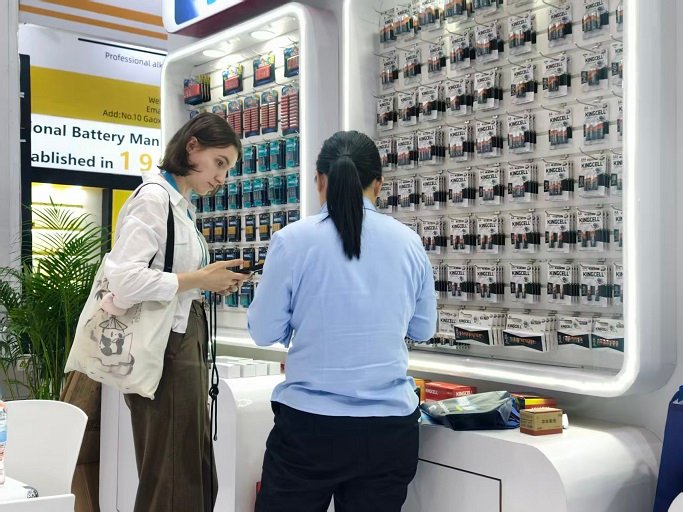
An importer looking for a carbon zinc battery manufacturer, alkaline battery supplier, lithium battery factory or private label battery manufacturer could previously travel to Guangzhou, Hong Kong, Berlin or other international exhibitions, visit dozens of booths and collect catalogs and business cards.
This model still works.
However, it has become more difficult to achieve the same return on investment.
A modern international exhibition requires significant expenditure on:
- Booth rental
- Exhibition construction
- Samples and promotional materials
- International transportation
- Hotel and travel expenses
- Staff salaries and travel costs
- Product samples
- Follow-up after the exhibition
At the same time, exhibitors increasingly compete for the attention of the same buyers.
For Chinese battery manufacturers in particular, international exhibitions can sometimes create an environment where dozens of factories offer similar:
- AA alkaline batteries
- AAA alkaline batteries
- R6P carbon zinc batteries
- R03P carbon zinc batteries
- 9V batteries
- lithium batteries
- rechargeable batteries
- button batteries
- OEM battery products
The result is that having a booth does not automatically create a competitive advantage.
A buyer may meet ten battery suppliers during one afternoon and receive ten almost identical quotations.
The more important question becomes:
What happens after the buyer leaves the exhibition?
B2B Battery Buyers Now Research Suppliers Before Making Contact
The biggest change is not that trade shows have disappeared.
It is that the buying journey increasingly starts before the trade show—and often starts online.
Industrial buyer research published in 2025 found that 82% of surveyed industrial buyers had shortlisted suppliers before speaking with them, while supplier websites were preferred as an initial research source more often than in-person trade events.
This is highly relevant to battery procurement.
Imagine a European importer searching for:
“carbon zinc battery manufacturer China”
Another buyer may search:
“alkaline battery supplier for private label”
A distributor in Africa may search:
“AA AAA battery wholesale supplier”
A Middle Eastern buyer may search:
“9V alkaline battery manufacturer”
A Latin American private-label brand may search:
“OEM battery manufacturer China”
These buyers may never have heard of Huatai Battery before.
But if a manufacturer has created useful, technically accurate and well-structured content around these search queries, Google can introduce the manufacturer to the buyer before the buyer ever attends a trade show.
That changes the role of the website from a simple corporate brochure into a 24/7 international B2B sales channel.
Google Allows Buyers to Compare Battery Manufacturers Before Contact
One of the biggest advantages of online research is comparison.
A buyer can search for:
| Buyer Search | What the Buyer Wants to Know |
| Carbon zinc battery manufacturer | Factory scale, product range and price competitiveness |
| Alkaline battery supplier | Capacity, performance, certifications and MOQ |
| Battery OEM manufacturer China | Private-label capability and packaging |
| AA AAA battery manufacturer | Production capacity and specifications |
| Heavy duty battery supplier | R6P/R03P quality and cost |
| Lithium battery manufacturer | Chemistry, capacity, safety and certifications |
| Button battery supplier | CR, AG and zinc-air product availability |
| Rechargeable battery manufacturer | NiMH, USB and lithium rechargeable options |
| Private label battery supplier | Packaging, branding and OEM flexibility |
A trade show conversation might last five or ten minutes.
Google research can continue for hours or even days.
The buyer can read:
- Product pages
- Technical specifications
- Factory history
- Certification information
- Battery application guides
- Market analysis
- FAQ pages
- OEM information
- Company news
- Export market information
- Customer-oriented technical articles
This gives a serious manufacturer an opportunity to educate the buyer before the sales conversation begins.
Why Technical Content Matters More for Battery Manufacturers
Battery products are relatively standardized, but professional buyers still need detailed information.
A procurement manager does not only want to know:
“Do you manufacture AA batteries?”
They may need to know:
- Is it carbon zinc or alkaline?
- Is the battery 1.5V?
- What is the capacity?
- What is the discharge performance?
- How long is the shelf life?
- How is leakage controlled?
- Is the product mercury-free?
- Does it comply with RoHS?
- Can the factory provide MSDS?
- Can the supplier support private labeling?
- What packaging formats are available?
- What is the MOQ?
- What production capacity is available?
- Can the supplier provide OEM/ODM services?
- Can the factory supply multiple battery chemistries?
- Can products be customized for different climates?
This is why technical SEO and GEO are particularly valuable for battery manufacturers.
A page explaining the difference between carbon zinc and alkaline batteries can attract a buyer researching battery chemistry.
A page explaining how to choose AA batteries can attract a distributor.
A page about private-label battery manufacturing can attract an importer.
A page about battery certifications can attract a procurement manager who is already close to placing an order.
From SEO to GEO: The Buyer Is No Longer Searching Only for Web Pages
Another important development is the rise of generative search.
B2B buyers increasingly use AI tools to summarize suppliers, compare products and understand technical categories. A 2025 study found that nearly two-thirds of surveyed B2B buyers were using GenAI as much as or more than traditional search, while 90% conducted research before contacting a vendor.
This creates a new challenge for battery manufacturers.
It is no longer enough to simply rank for:
“battery manufacturer”
A manufacturer should also provide clear, factual and structured information that AI systems can understand and verify.
For example:
Who manufactures carbon zinc batteries in China?
What is the difference between carbon zinc and alkaline batteries?
Which battery manufacturer offers private label OEM services?
What are the best batteries for low-temperature environments?
Which Chinese battery suppliers produce AA and AAA batteries?
What certifications are required for exporting batteries?
These are exactly the kinds of questions that can generate AI summaries.
Therefore, SEO and GEO should work together rather than being treated as two completely separate strategies.
Why Huatai Battery Is Building a Stronger Digital B2B Presence
For Shandong Huatai New Energy Battery Co., Ltd., digital customer acquisition is not about abandoning exhibitions.
It is about changing the balance between different channels.
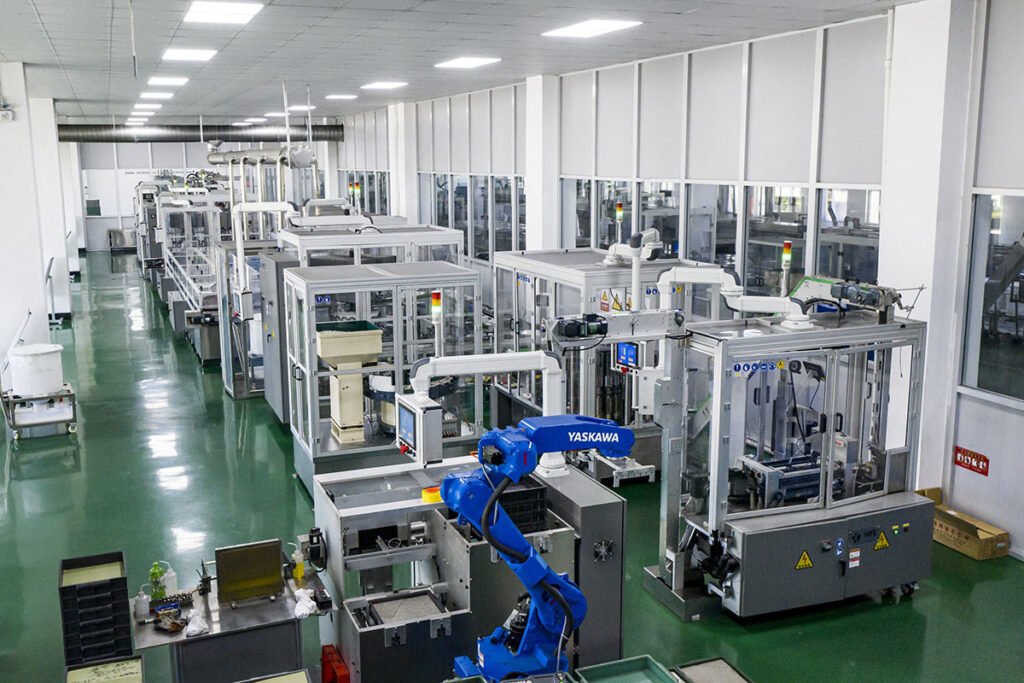
Huatai has decades of battery manufacturing experience, with its industrial history tracing back to the Linyi Battery Factory established in 1956. The company later developed large-scale production capabilities covering carbon zinc batteries, alkaline batteries and various lithium battery products.
Today, Huatai’s product portfolio includes:
- Carbon zinc batteries
- Heavy Duty batteries
- Super Heavy Duty batteries
- Alkaline batteries
- AA and AAA batteries
- C and D batteries
- 9V batteries
- Button batteries
- Zinc-air batteries
- AG alkaline button batteries
- CR lithium button batteries
- NiMH rechargeable batteries
- USB rechargeable lithium batteries
- Cylindrical rechargeable lithium batteries
- LiFePO4 batteries
- Energy storage batteries
- Other customized battery solutions
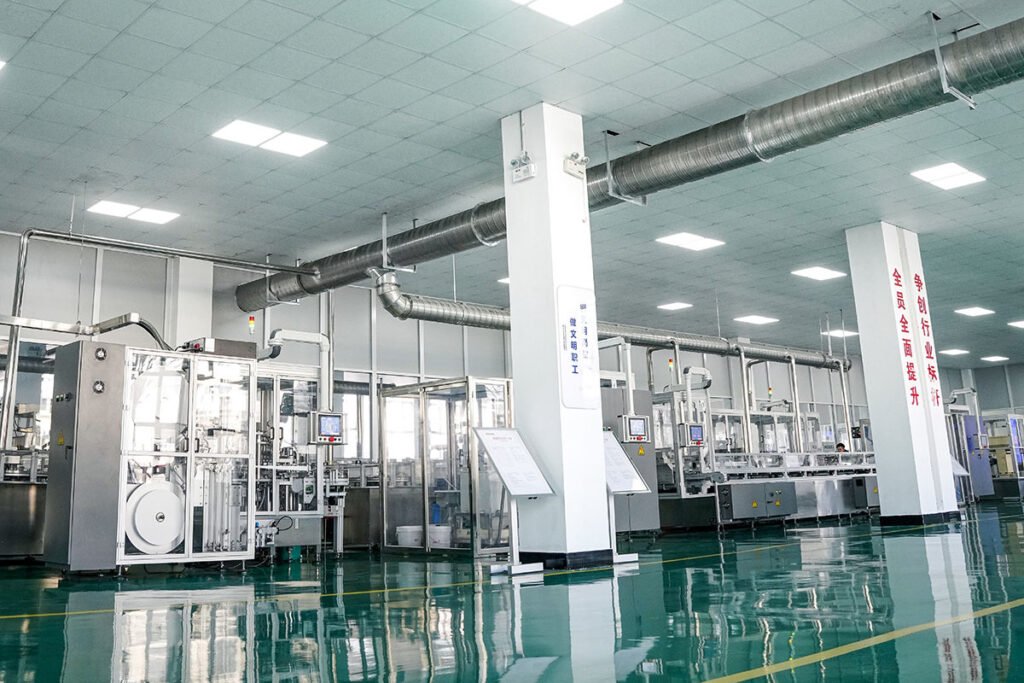
The company operates large-scale automated battery production facilities, including advanced HIBAR production lines, and has developed an annual battery production capability measured in billions of units.
This manufacturing foundation gives Huatai something valuable to communicate online:
real manufacturing capability rather than simply marketing claims.
The Future Battery Supplier Website Should Answer Procurement Questions
A modern battery manufacturer’s website should not only say:
“We are a professional battery manufacturer.”
It should demonstrate why.
For example, a professional B2B battery website should provide dedicated information about:
Carbon Zinc Batteries
Content should explain:
- R6P / R03P / R14P / R20P
- Heavy Duty and Super Heavy Duty options
- Low-drain applications
- Cost-performance advantages
- Leakage protection
- Shelf life
- OEM/private-label options
Alkaline Batteries
Content should cover:
- LR6 AA
- LR03 AAA
- LR14 C
- LR20 D
- 9V alkaline batteries
- Higher energy density
- High-drain applications
- Low-temperature performance
- Leakage resistance
- Private-label packaging
Lithium Batteries
The website should explain:
- Lithium primary batteries
- CR button batteries
- Rechargeable lithium batteries
- LiFePO4 battery solutions
- Energy storage applications
- Safety and transportation requirements
OEM and Private Label Batteries
Buyers should be able to understand:
- Minimum order requirements
- Battery chemistry selection
- Product specifications
- Packaging customization
- Brand printing
- Retail packaging
- Compliance documentation
- Production lead times
- Quality-control procedures
- Export experience
This kind of content is far more useful to a procurement professional than a generic corporate introduction.
Google Search Can Reach Buyers at the Exact Moment They Have Demand
Trade shows are event-driven.
Google is demand-driven.
A trade show takes place on a particular date.
A procurement manager can search Google at 9:00 a.m. on Monday, 11:30 p.m. on Saturday or during a production emergency.
For example, if a distributor suddenly needs a new AA alkaline battery supplier, the buyer does not necessarily wait for the next electronics exhibition.
They search.
If a private-label brand needs a new carbon zinc battery OEM factory, they search.
If an importer wants a competitive 9V battery manufacturer in China, they search.
If a wholesaler needs a supplier capable of producing billions of batteries annually, they search.
This creates an enormous advantage for manufacturers that have built strong organic search visibility.
Google Also Helps Buyers Verify What They See at Trade Shows
There is another important point.
Google does not necessarily replace trade shows.
In many cases, Google strengthens the value of a trade show.
A buyer may meet Huatai at an exhibition.
After returning home, the buyer may search:
“Huatai Battery China”
Then compare:
- Official website
- Product information
- Company history
- Factory capabilities
- Certifications
- Export markets
- OEM services
- News
- Technical information
In other words, the trade show creates the initial human connection, while Google provides the digital verification layer.
This is why the strongest B2B strategy is not:
Trade show OR Google
but:
Trade show + Google + technical content + GEO + direct sales.

Why This Is Particularly Important for Battery OEM and Private Label Buyers
Private-label battery procurement involves greater supplier risk than buying a standard retail product.
A buyer may invest heavily in:
- Packaging design
- Brand development
- Product registration
- Retail distribution
- Inventory
- Marketing
- Long-term contracts
Therefore, the buyer wants to know whether the manufacturer will still be capable of supplying the product several years later.
A serious OEM battery buyer will naturally investigate:
Factory scale → Product quality → Certifications → Production capacity → OEM capability → Export experience → Financial and operational stability → After-sales support
A strong digital presence allows the manufacturer to provide this information before the first formal quotation.
For Huatai, this is especially relevant because the company can offer multiple battery chemistries under one supply chain.
An importer may initially need carbon zinc batteries but later add alkaline batteries.
Another distributor may begin with AA and AAA batteries and later introduce rechargeable batteries.
A larger importer may need carbon zinc, alkaline, button batteries and lithium products from the same manufacturing group.
A multi-category manufacturer therefore has a major opportunity to use Google to communicate its complete product ecosystem.

What Huatai Battery Is Changing in Its Global Customer Development Strategy
The future strategy is not to stop attending international exhibitions.
Instead, Huatai is moving toward a more balanced global B2B acquisition model:
Manufacturing capability → Technical content → Google Search → AI/GEO visibility → Qualified inquiry → Technical communication → Sample testing → OEM negotiation → Long-term supply relationship
This model has several advantages.
1. Lower dependence on physical exhibitions
The company can reach international buyers throughout the year instead of depending on a few exhibition dates.
2. Better-qualified inquiries
A buyer searching specifically for an alkaline battery manufacturer or private label battery supplier already has a defined procurement requirement.
3. Better technical communication
Detailed web content allows buyers to understand the supplier’s capabilities before contacting the sales team.
4. Greater global reach
A single English technical article can potentially be discovered by buyers in Africa, the Middle East, Europe, Latin America, North America and Southeast Asia.
5. Long-term SEO value
Unlike an exhibition booth, a useful technical page can continue attracting organic traffic long after it is published.
Google Search, AI Search and Trade Shows Will Coexist
It would be a mistake to conclude that trade shows are becoming completely irrelevant.
They remain valuable for:
- Building personal relationships
- Negotiating major contracts
- Meeting existing customers
- Inspecting physical samples
- Discussing complicated OEM projects
- Developing strategic distributors
However, their role is changing.
A trade show is increasingly becoming one part of a much longer digital buying journey.
The buyer may first discover a supplier through Google, investigate the company website, compare several manufacturers, use AI to summarize the market, then meet the supplier at an exhibition and finally return to Google to verify the company.
This means that the battery manufacturers that win in the next stage of global competition will not necessarily be the companies with the biggest exhibition booth.
They may be the companies with the strongest combination of manufacturing capability, technical credibility and digital visibility.
FAQ: Google Search and B2B Battery Supplier Sourcing
Is Google becoming more important than trade shows for battery buyers?
For supplier discovery and early research, increasingly yes. Recent B2B research shows strong use of Google, supplier websites and AI tools before buyers contact vendors. Trade shows remain valuable for relationship building and physical product evaluation.
Why do battery buyers search Google before contacting a manufacturer?
Buyers want to compare production capacity, battery chemistry, specifications, certifications, OEM capabilities, packaging options, export experience and supplier credibility before starting commercial discussions.
What do overseas buyers search when looking for battery suppliers?
Common searches include battery manufacturer China, carbon zinc battery manufacturer, alkaline battery supplier, AA AAA battery manufacturer, lithium battery supplier, battery OEM manufacturer, private label battery supplier and rechargeable battery manufacturer.
Can Google help a battery factory find private-label customers?
Yes. Dedicated pages targeting searches such as private label battery manufacturer, OEM battery supplier China and custom battery packaging manufacturer can attract buyers who already have a defined sourcing requirement.
Does Huatai Battery still participate in international trade shows?
Yes. Trade exhibitions remain an important part of Huatai’s international business development and customer relationship strategy. However, digital B2B marketing and organic search are becoming increasingly important complements to physical exhibitions.
What types of batteries can Huatai supply?
Huatai’s product portfolio covers carbon zinc batteries, alkaline batteries, button batteries, rechargeable NiMH batteries, USB rechargeable batteries, lithium batteries, LiFePO4 solutions and other customized battery products.
Why is technical content important for battery manufacturers?
Because professional battery buyers need more than a product photograph. They need specifications, application information, performance characteristics, certification information, OEM capabilities and supply-chain information before making a purchasing decision.
Is SEO enough for modern B2B battery marketing?
No. Modern B2B battery marketing should combine SEO, GEO/AIO, technical content, a strong manufacturer website, digital sales follow-up and offline relationship building. Search visibility creates the opportunity; manufacturing capability and commercial execution convert it into business.

Conclusion: The Future of Global Battery Sourcing Is Digital + Human
The international battery market is not simply moving from trade shows to Google. It is moving from event-based supplier discovery to continuous, information-driven supplier evaluation.
Trade shows can introduce buyers and manufacturers to each other, but Google allows buyers to research suppliers whenever demand appears. AI-assisted search is adding another layer by summarizing markets, comparing manufacturers and helping procurement teams create supplier shortlists.
For Shandong Huatai New Energy Battery Co., Ltd., this represents both a challenge and an opportunity.
With decades of battery manufacturing experience, large-scale production capacity and a product portfolio covering carbon zinc batteries, alkaline batteries, lithium batteries, button batteries, rechargeable batteries and OEM/private-label battery solutions, Huatai has substantial manufacturing information that can be communicated directly to global buyers.
The next stage is to make that information easier to discover, understand and verify.
The battery factory of the future does not wait for buyers to walk past its exhibition booth. It makes sure that when a buyer searches for the right battery supplier, the factory can be found, understood and trusted.
That is why Google Search, technical SEO and GEO are becoming increasingly important components of Huatai Battery’s global B2B development strategy.