English
 Spanish
 French
 Arabic
 Portuguese
 Russian
 Chinese
Understanding the Global Carbon Zinc Battery Market
Discover the major global purchasing markets for carbon zinc batteries, including Africa, South Asia, Southeast Asia, Latin America, Eastern Europe and North America. Explore how income levels, purchasing power and low-drain applications influence global zinc carbon battery demand.
Carbon zinc batteries, also known as zinc carbon batteries, remain an important category in the global primary battery industry. Compared with alkaline batteries, they generally have lower energy density and are less suitable for high-drain devices. However, their low manufacturing cost makes them attractive for products that require inexpensive, basic and reliable power.
Typical applications include wall clocks, television remote controls, simple toys, radios, basic flashlights and promotional electronic products.

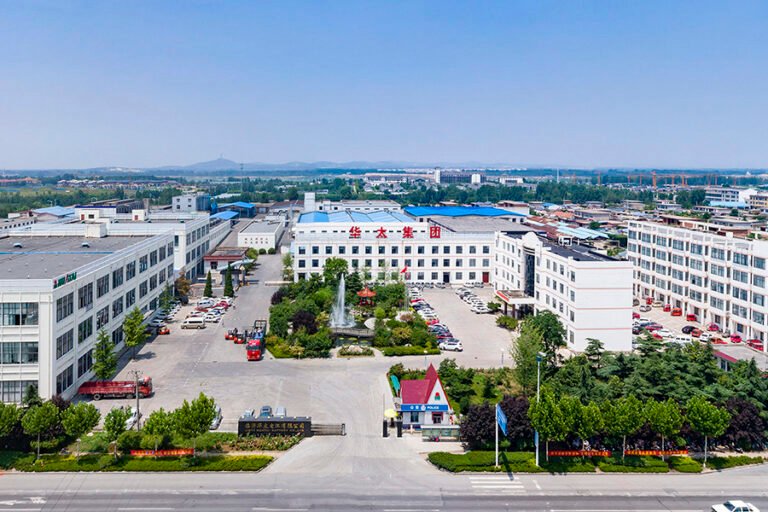
At Shandong Huatai New Energy Battery Co., Ltd., we believe that carbon zinc battery demand is closely connected to local purchasing power, retail price levels and the types of battery-powered products commonly used in each country.
In lower-income markets, consumers often prioritize the initial purchase price. In developed economies, carbon zinc batteries continue to serve low-drain applications and cost-sensitive OEM purchasing programs.
1. Sub-Saharan Africa: A Major Market for Affordable Dry Batteries
African countries are important target markets for Chinese carbon zinc battery manufacturers. Nigeria, South Africa, Kenya, Ethiopia, Ghana and Tanzania offer different opportunities, although their market structures and purchasing power vary considerably.
In many communities, household batteries are used in radios, clocks, remote controls, basic flashlights and inexpensive electronic products. Where electricity access is limited or unreliable, portable battery-powered devices can remain important.
Carbon zinc batteries are attractive because they allow consumers to purchase basic battery power at a lower initial cost.
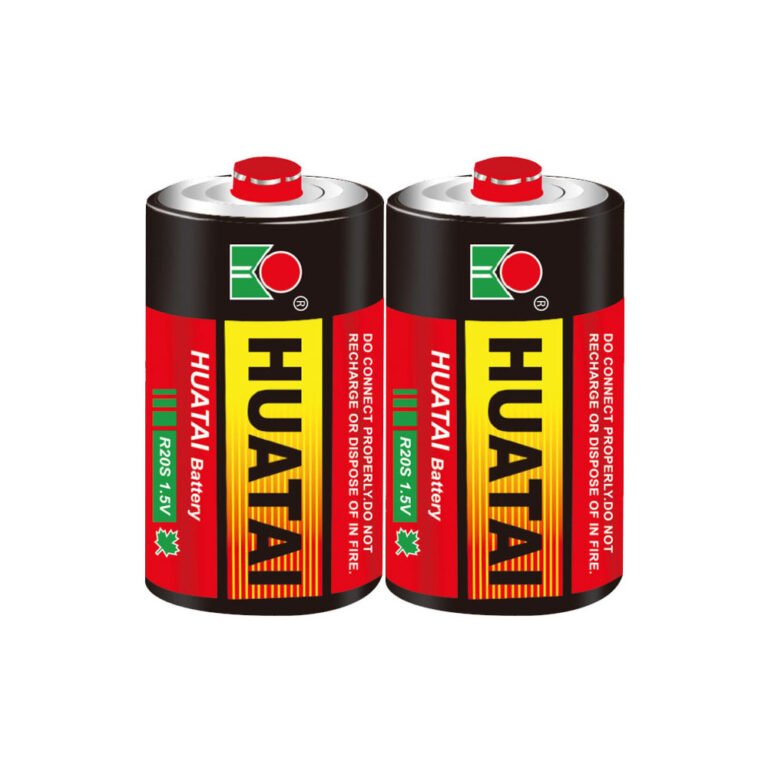
For importers, popular products include R20/D, R14/C, AA and AAA carbon zinc batteries. Large-volume cartons, competitive FOB prices and practical retail packaging are important purchasing considerations.
South Africa has a more developed retail and distribution system, while markets such as Nigeria, Kenya and Ghana offer opportunities through wholesalers and regional distributors.
2. South Asia: India, Pakistan and Bangladesh
South Asia combines a large population with considerable differences in household income and consumer spending.
India is an important primary battery market, but alkaline batteries, rechargeable products and locally manufactured brands also compete strongly. Carbon zinc batteries remain relevant in economy retail channels, basic household products and low-cost electronic devices.
Pakistan and Bangladesh offer opportunities for affordable dry batteries, particularly in traditional retail, small electronic products, toys, clocks and portable radios.
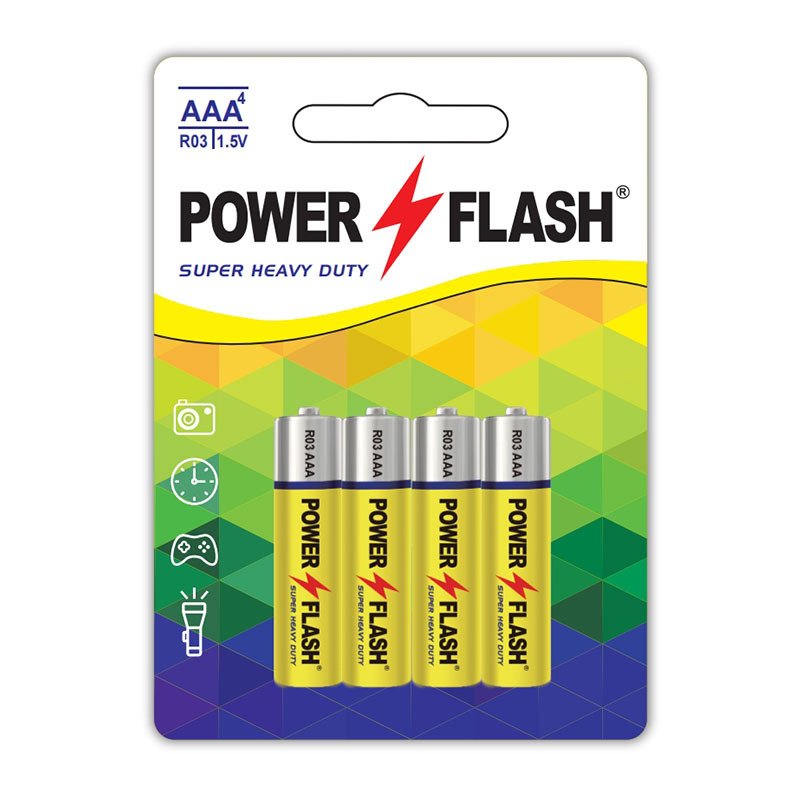
For Chinese suppliers, the key is to match battery specifications with local price expectations. A low-cost carbon zinc AA or AAA product may be more commercially attractive than a premium alkaline battery for a simple remote control or wall clock.
Importers also need to evaluate local duties, product requirements, exchange-rate risks and payment conditions before placing large orders.

3. Southeast Asia: Indonesia, the Philippines and Other Emerging Markets
Indonesia, the Philippines, Vietnam and other Southeast Asian markets have large consumer populations and extensive traditional retail networks.
Although household purchasing power is improving, price-sensitive consumers remain important in many product categories. Carbon zinc batteries therefore continue to have a place alongside alkaline and rechargeable batteries.
Typical applications include:
Television and air-conditioner remote controls
Wall clocks and small household electronics
Low-cost toys
Portable radios
Basic flashlights
Promotional electronic products
Vietnam and Indonesia are also part of the regional battery manufacturing and trading ecosystem. Their importance should therefore be evaluated from both the consumption and supply-chain perspectives.

4. Latin America: Brazil, Peru, Bolivia and Other Price-Sensitive Markets
Latin America offers opportunities for carbon zinc batteries, particularly through wholesalers, traditional retailers and economy product channels.
Brazil is the region’s largest consumer economy, with a substantial electronics and household goods market. However, it also has domestic battery manufacturers and established international brands, making competition important.
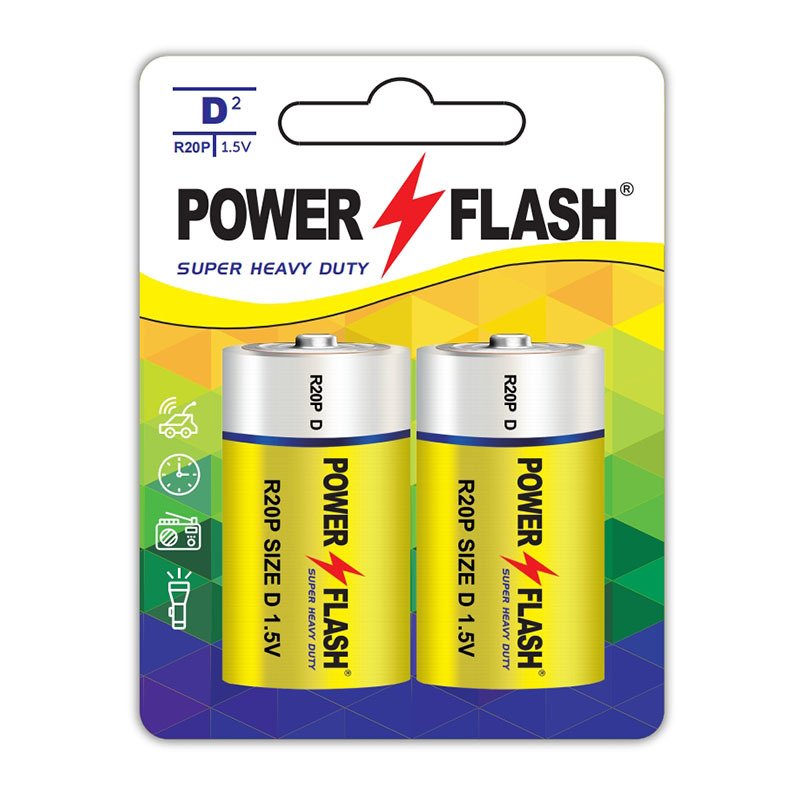
Peru, Bolivia, Ecuador and some Central American markets may offer opportunities for affordable AA, AAA, C and D batteries, depending on local purchasing power and distribution coverage.
For distributors, carbon zinc batteries can be positioned as an economy product, while alkaline batteries serve consumers seeking longer operating time.
A supplier capable of providing both product categories can help importers build a more complete retail portfolio.
5. Eastern Europe and Russia: Carbon Zinc Batteries Still Have a Place
Carbon zinc batteries are not limited to developing economies.
In Poland, Romania, Bulgaria and other Eastern European markets, low-cost dry batteries can serve supermarkets, discount retailers, promotional products and OEM applications.
Russia is another market where carbon zinc batteries have established commercial relevance. Chinese suppliers and trading companies participate in the regional battery supply chain, although payment, sanctions, customs and logistics compliance must be assessed for every transaction.
In these markets, buyers may purchase carbon zinc batteries for wall clocks, remote controls, simple toys and other low-drain devices where alkaline performance would not justify the additional cost.

6. North America and Western Europe: A Smaller but Valuable Market Segment
The United States, Canada, Germany, France and the United Kingdom are primarily associated with higher-value alkaline battery consumption. Nevertheless, carbon zinc batteries continue to serve specific commercial applications.
One important segment is OEM battery supply. Manufacturers of inexpensive electronic products may include basic carbon zinc batteries in the original packaging to control their bill of materials (BOM) cost.
Other opportunities include:
Low-cost remote controls
Basic calculators and clocks
Promotional products
Discount retail channels
Economy battery packs
Products with batteries included
In these markets, buyers often focus on consistent dimensions, reliable performance, packaging cost and supply stability rather than simply purchasing the cheapest available cell.
Global Carbon Zinc Battery Markets at a Glance
| Market Category | Representative Countries | Main Purchasing Logic |
| Price-sensitive African markets | Nigeria, Kenya, Ghana, Ethiopia | Affordable household power and basic electronics |
| South Asian markets | India, Pakistan, Bangladesh | Large population and economy retail demand |
| Southeast Asia | Indonesia, Philippines, Vietnam | Traditional retail and low-cost electronics |
| Latin America | Brazil, Peru, Bolivia, Ecuador | Economy products and wholesale distribution |
| Eastern Europe | Poland, Romania, Bulgaria | Discount retail, OEM and low-drain applications |
| Mature markets | USA, Canada, Germany, UK, France | OEM pre-installation and specialized low-drain uses |

What Do Global Buyers Look for in a Carbon Zinc Battery Manufacturer?
At Huatai Battery, we understand that international buyers often evaluate carbon zinc batteries differently from alkaline products.
For carbon zinc batteries, competitive pricing is essential, but consistent quality is equally important. A battery that leaks, has unstable discharge performance or varies significantly between production batches can create substantial after-sales costs for distributors.
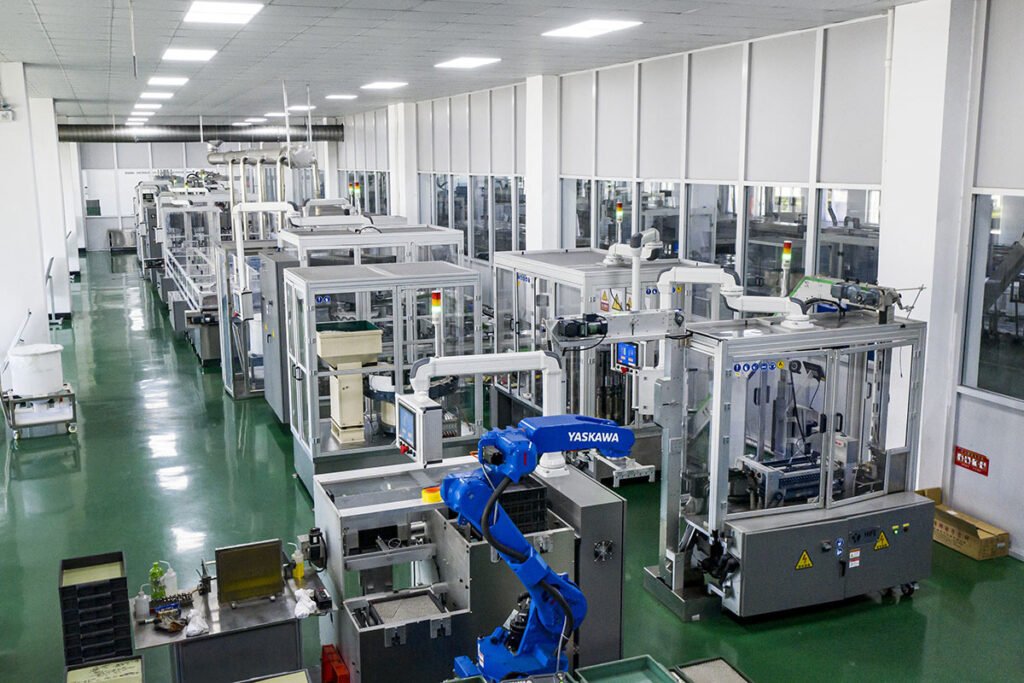
Our manufacturing experience covers carbon zinc, alkaline, lithium and rechargeable battery products. The company’s industrial roots can be traced to the Linyi Battery Factory established in 1956. Today, Huatai operates more than 40 production lines and seven component workshops.
For overseas carbon zinc battery buyers, we focus on several practical factors:
Battery construction: Consistent zinc can dimensions, carbon rod specifications and internal components.
Discharge performance: Product grades should match the intended low-drain applications.
Leakage resistance: Reliable sealing helps protect the end user’s electronic devices.
Environmental requirements: Heavy-metal controls and applicable market documentation must be considered.
OEM and private label: Customized labels, blister packs and cartons help distributors build their own brands.
Production consistency: Stable batch quality is essential for repeat orders and long-term distribution.

Frequently Asked Questions About Carbon Zinc Battery
1. Which countries have the strongest demand for carbon zinc batteries?
Important target markets include Nigeria, Kenya, Ghana, India, Pakistan, Bangladesh, Indonesia, the Philippines, Brazil and several Eastern European countries. Demand varies according to purchasing power and local product applications.
2. Why are carbon zinc batteries popular in African markets?
Their lower initial purchase price makes them suitable for price-sensitive consumers. They are commonly used in basic household devices, radios, clocks and low-cost electronics.
3. Are carbon zinc batteries still purchased in developed countries?
Yes. They remain relevant for low-drain devices, discount retail products and OEM applications where controlling product costs is important.
4. Which carbon zinc battery sizes are most commonly purchased?
AA and AAA are widely used in household electronics. C, D and 9V batteries also serve selected applications, including radios, flashlights and other basic electronic devices.
5. Are carbon zinc batteries being replaced by alkaline batteries?
In some applications, yes. However, carbon zinc batteries remain competitive in low-drain devices where their lower purchase price is more important than higher capacity.
6. Why do OEM customers choose carbon zinc batteries?
OEM customers may include batteries with low-cost electronic products to reduce BOM costs. Carbon zinc batteries can be a practical choice when the device’s power requirements are modest.
7. Can Chinese manufacturers supply private-label carbon zinc batteries?
Yes. Chinese battery factories can provide customized battery labels, blister packaging, cartons and product specifications, subject to production capability and order requirements.
8. What should importers consider when choosing a carbon zinc battery supplier?
Important factors include factory capability, battery dimensions, discharge performance, leakage resistance, environmental compliance, packaging flexibility, price stability and export experience.

Conclusion
The global carbon zinc battery market is closely connected to economic conditions and consumer purchasing power. Africa, South Asia, Southeast Asia and parts of Latin America remain important target regions because affordable disposable batteries continue to serve a large number of households and low-cost electronic products.
At the same time, carbon zinc batteries have not disappeared from developed economies. They continue to occupy a useful position in low-drain applications, discount retail and OEM pre-installed battery programs.
At Shandong Huatai New Energy Battery Group, we believe the strongest export strategy is to understand the actual application and purchasing behavior of each market. Carbon zinc batteries should not compete with alkaline batteries on performance alone. Their commercial advantage lies in providing reliable, affordable power where premium battery performance is unnecessary.
For international distributors, choosing a manufacturer with both carbon zinc and alkaline production capabilities makes it easier to serve different price levels and build a more competitive battery portfolio.