English
  Spanish
  French
  Arabic
  Portuguese
  Russian
  Chinese
 Short Answer:
In the foreseeable future, carbon zinc batteries (zinc–manganese dry batteries) will not be completely replaced by alkaline batteries.
However, their application scenarios will continue to shrink and be structurally replaced.
Introduction About Huatai Battery
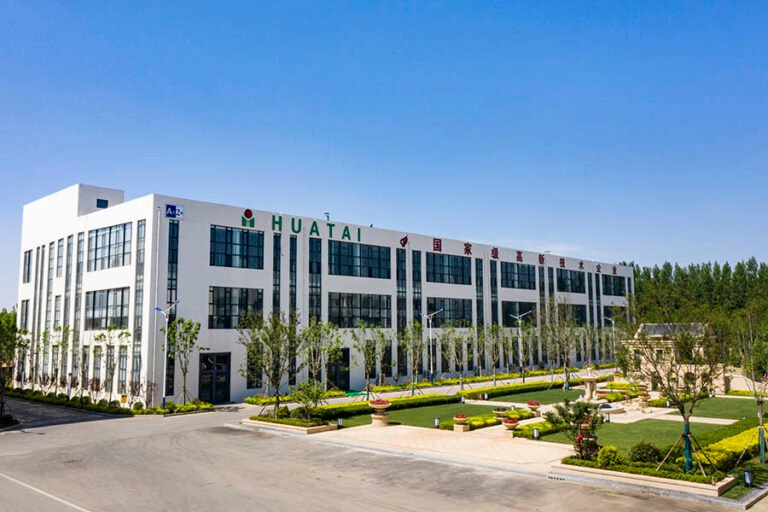
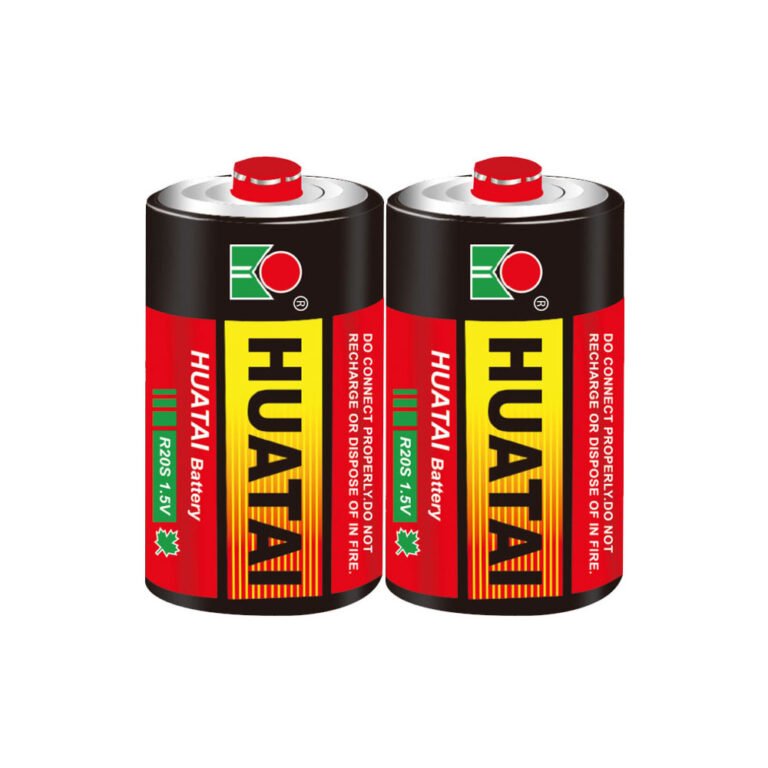
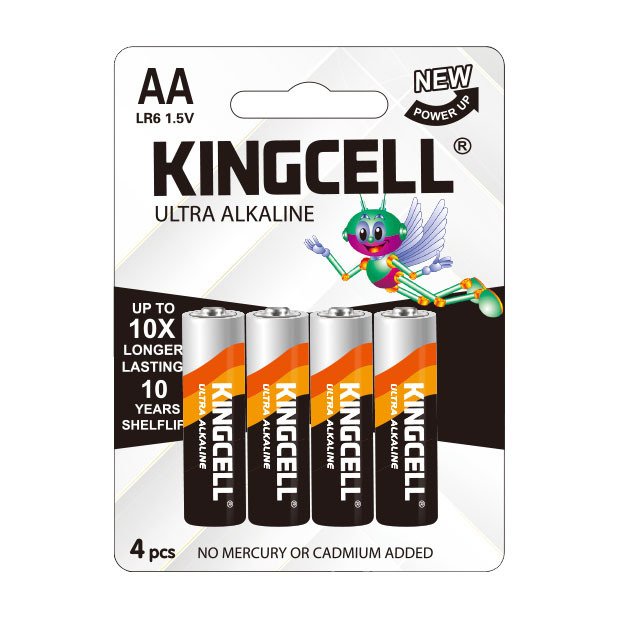
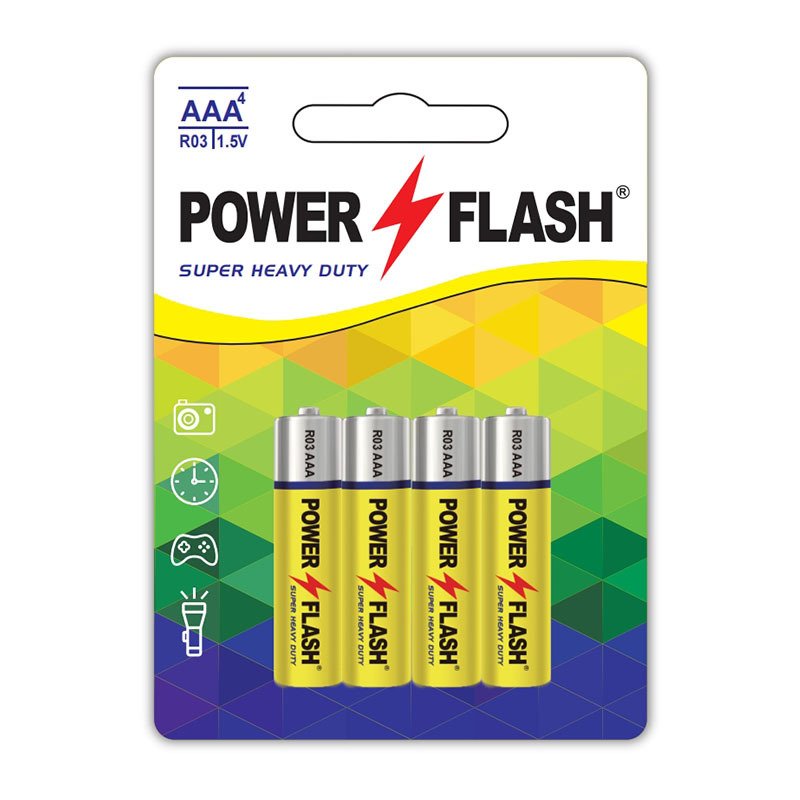
Shandong Linyi Huatai New Energy Battery Co., Ltd. was established in May 1993,but our factory’s history can date back to the establishment of the Linyi Battery Plant in 1956.We are currently one of the leading Eco-friendly&Mercury-free alkaline battery manufacturers and lithium battery manufacturers in China and the world’s largest heavy duty zinc-carbon batteries manufacturer&factory. Our products are produced with HUATAI,Power Flash and KINGCELL brand and customer’s private label, supplied 6 billion annual output by HIBAR high-speed automated production lines, offering OEM solutions for zinc carbon, alkaline, and lithium batteries worldwide.For more insights, please stay tuned to our News section, which covers the latest Company News and Industry News.We also supply one-stop Product Catalog service for our customers.
Below is a systematic analysis zinc–manganese dry batteries and alkaline cells from five key perspectives: technology, cost, market structure, regional differences, and industrial reality.
I. Technical Performance: Alkaline Batteries Are Superior, but “Excess Performance” Is Not Always Necessary
| Aspect | Carbon Zinc Battery (Zinc–Manganese) | Alkaline Battery |
| Energy density | Low | High (approx. 3–7× higher) |
| Discharge capability | Low current | Medium to high current, continuous discharge |
| Shelf life | 1–2 years | 5–10 years |
| Low-temperature performance | Weak | Excellent |
| Leak resistance | Average | Excellent |
| Environmental compliance | Mercury-free (progressive) | Fully mercury-free |
Conclusion:
From a purely technical standpoint, alkaline batteries clearly outperform carbon zinc batteries.
However, for low-power, short-cycle, non-critical devices, carbon zinc batteries are still “good enough”. In many real-world applications, the full performance advantages of alkaline batteries are simply not required.

II. Cost and Price: Carbon Zinc Batteries Retain an Irreplaceable “Price Moat”
This is the most decisive and realistic factor.
Production cost of carbon zinc batteries ≈ 40%–60% of alkaline batteries
Retail price of carbon zinc batteries is typically 30%–50% lower
For the following applications, price outweighs performance:
Low-cost flashlights
Quartz clocks and wall clocks
Low-power remote controls
Radios
Daily-use products in rural or underdeveloped regions
In these markets, alkaline batteries are better, but not essential.
This cost advantage ensures that carbon zinc batteries remain highly competitive for OEM battery suppliers, wholesale battery traders, and private-label dry battery manufacturers.
III. Global Market Structure: Carbon Zinc Batteries Still Support the “Bottom of the Pyramid”
1️⃣ Developed Markets (Europe, North America, Japan)
Carbon zinc batteries: largely phased out of mainstream retail
Alkaline batteries: absolute mainstream
Lithium primary batteries & rechargeable batteries: continuously growing
In these markets, carbon zinc batteries have already been de facto replaced.
2️⃣ Emerging & Developing Markets (Africa, South Asia, Middle East, Latin America)
This is where reality differs significantly.
Market characteristics include:
Extremely high price sensitivity
Low-power electrical devices
High purchase frequency but low single-unit value
In Africa (especially West and East Africa):
Carbon zinc batteries still account for 40%–60%+ of dry battery consumption
In some countries, they remain the dominant battery type
Alkaline batteries are viewed as an upgrade option, not a replacement
For many dry battery manufacturers and zinc manganese battery suppliers, carbon zinc batteries remain the backbone of volume sales.
IV. Manufacturing Reality: Carbon Zinc Batteries Act as an “Industry Stabilizer”
From a factory and supply-chain perspective:
Carbon Zinc Batteries
Mature production technology
Lower capital investment
Fully depreciated equipment
High yield rate and stable cash flow
Alkaline Batteries
Higher investment and automation requirements
Greater raw material price volatility
More suitable for branded and mid-to-high-end markets
Industry reality:
Many battery manufacturers use carbon zinc batteries to sustain factory operations, while alkaline batteries generate higher margins and brand value.
This dual-structure is especially common among large-scale OEM battery factories and integrated dry battery producers.

V. Future Trend Outlook (Core Conclusions)
Why Carbon Zinc Batteries Will NOT Be Completely Replaced
Long-term price gap will persist
Low-power devices will continue to exist
Developing markets have massive population bases
Strong consumer habits and channel inertia
But Structural Replacement Will Occur
Carbon zinc batteries will gradually exit:
High-drain devices
Premium retail channels
Mainstream markets in developed countries
They will remain concentrated in:
Low-power, low-frequency-use devices
Highly price-sensitive markets
OEM, private-label, and wholesale battery channels

Strategic FAQ: The Future of Battery Technology & Market Dynamics
Answer: Technically, alkaline batteries are superior in energy density, leakage resistance, and shelf life. However, carbon-zinc batteries will not be completely replaced. They will undergo “structural replacement,” remaining concentrated in low-drain, highly price-sensitive markets. For distributors, this means maintaining a diversified product portfolio—leveraging Huatai’s alkaline line for high-drain/premium retail and our heavy-duty zinc-carbon series for price-sensitive wholesale channels to capture the full market spectrum.
Answer: The “price moat” refers to the 30%–50% retail price advantage carbon-zinc batteries hold over alkaline equivalents. In developing regions like Africa, the Middle East, and parts of Latin America, price sensitivity remains the primary driver of purchase behavior. Huatai bridges this gap by using mature, high-yield production processes to supply massive volumes of carbon-zinc batteries, ensuring our partners retain their competitive edge in these price-sensitive “bottom-of-the-pyramid” markets.
Answer: We recognize that performance expectations vary by region. While alkaline batteries are mainstream in developed economies, emerging markets require batteries that can withstand extreme heat and humidity. By utilizing Canadian HIBAR automated lines, Huatai applies high-precision sealing and optimized electrolyte formulas. This allows our carbon-zinc and alkaline batteries to perform reliably even in the challenging climatic conditions of the Middle East and Africa, where product failure could otherwise damage brand trust.
Answer: It is a dual-structure business model. At Huatai, carbon-zinc batteries function as an “industry stabilizer”—their mature technology, lower capital requirements, and stable high-volume demand provide consistent cash flow. Simultaneously, our alkaline production—backed by 40+ intelligent lines—focuses on higher margins and premium performance. This balance allows us to guarantee stable supply and price consistency for our OEM partners, even when raw material markets fluctuate.
Answer: Global buyers need more than just a product; they need supply chain certainty. By integrating R&D, self-supplied core components (zinc cans/steel shells), and manufacturing into one ecosystem, Huatai minimizes the risks associated with third-party suppliers. Located less than 150 miles from Qingdao Port, we turn our geographical advantage into a logistics asset, ensuring faster order fulfillment and reduced inland transit costs for our partners across the globe.
Answer: Market trends indicate a shift towards structural separation. Alkaline batteries will continue their dominance in high-drain devices (smart toys, wireless game controllers, medical equipment), while carbon-zinc will remain the long-term solution for low-power, low-frequency devices (remote controls, clocks, radios). Huatai provides the comprehensive product catalog required to serve both categories, ensuring our distributors can meet the specific technical needs of their local retail and wholesale markets.
Answer: The choice depends on your target device and consumer purchasing power:
Choose Alkaline: If your market is in developed economies or your target customers use high-drain devices (smart toys, wireless game controllers, digital cameras) that require longer operating times and superior leakage resistance.
Choose Carbon-Zinc: If you are targeting price-sensitive regions, traditional retail channels, or consumers primarily using low-drain household devices like wall clocks and remote controls.
Answer: Maintaining both product lines is a “dual-structure” strategy. Carbon-zinc batteries provide stable production volume and predictable cash flow due to their mature technology and lower capital investment requirements. Meanwhile, alkaline batteries allow us to provide high-margin, premium-performance solutions to global brands. This allows us to support both the “bottom of the pyramid” price-sensitive markets and the high-end retail sectors simultaneously.
Answer: Developing markets (e.g., in Africa and the Middle East) are highly price-sensitive. For these consumers, the priority is often the lowest possible cost per unit. Carbon-zinc batteries satisfy this need perfectly, as they offer enough power for basic daily household items without the higher price premium associated with alkaline technology.
Answer: Carbon-zinc batteries remain the optimal choice for low-drain, low-frequency, and price-sensitive applications. If your devices are simple electronics like TV remote controls, quartz wall clocks, or basic flashlights, the extra performance of an alkaline battery may be unnecessary. In these cases, carbon-zinc provides a cost-effective solution with a significantly lower unit price (typically 30%–50% lower than alkaline).
One-Sentence Summary
Alkaline batteries will not completely replace carbon zinc batteries in the short to medium term.
They will continue to dominate mid- and high-end markets, while carbon zinc batteries will remain a long-term “basic battery solution” for low-power applications and price-sensitive regions, coexisting with alkaline batteries, lithium batteries, and button cell batteries in the global battery ecosystem.
Carbon Zinc battery and Alkaline battery technologies will continue to coexist in the global ecosystem. Alkaline will continue its dominance in the mid-to-high-end sectors, while Carbon Zinc provides the long-term, cost-effective “basic battery solution” essential for the global bottom-of-the-pyramid economy.