English
  Spanish
  French
  Arabic
  Portuguese
  Russian
  Chinese
 A Complete Guide Backed by Shandong Huatai New Energy Battery Co., Ltd.
In today’s electronics-driven world, batteries play a fundamental role in powering everyday devices—from TV remote controls and wall clocks to portable electronics and industrial equipment. Among all primary and secondary battery technologies, alkaline batteries, zinc carbon batteries, and lithium batteries remain the most widely used across global markets.
As a professional battery manufacturer, Shandong Huatai New Energy Battery Co., Ltd. has developed a comprehensive product portfolio covering carbon zinc batteries, alkaline batteries, and lithium battery solutions, supplying OEM and ODM customers in Europe, the Middle East, Africa, Southeast Asia, and the Americas.
This article introduces these three battery types from the perspectives of definition, working principle, key features, and usage precautions, while reflecting Huatai’s real manufacturing strengths and market applications.
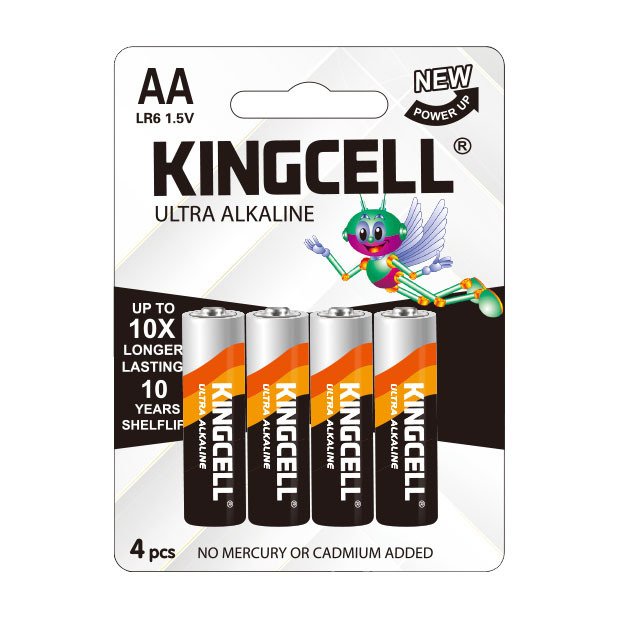
1. What Is an Alkaline Battery?
An alkaline battery is a type of primary dry battery that uses potassium hydroxide (KOH) as the electrolyte, with a zinc anode and manganese dioxide cathode. Compared with traditional zinc carbon batteries, alkaline batteries offer higher energy density, longer service life, and more stable discharge performance.
At Shandong Huatai New Energy Battery Co., Ltd., alkaline batteries are one of the core product lines, including AA alkaline batteries, AAA alkaline batteries, C size, D size, and 9V alkaline batteries, widely used in remote controls, wireless keyboards, toys, flashlights, and portable electronics.
Working Principle of Alkaline Batteries
An alkaline battery operates through a redox reaction between zinc and manganese dioxide in an alkaline environment.
The zinc anode undergoes oxidation and releases electrons
Electrons flow through the external circuit to power devices
At the manganese dioxide cathode, reduction reactions occur
Potassium hydroxide acts as an ion-conducting medium and is not consumed
This reaction mechanism allows alkaline batteries to maintain stable voltage output over a long discharge period.
Key Features of Alkaline Batteries
High energy density and long-lasting power
Stable voltage output for continuous-use devices
Long shelf life (up to 5–7 years)
Low self-discharge rate
Reliable performance under high and low temperatures
Mercury-free, cadmium-free, environmentally compliant
These advantages make Huatai alkaline batteries ideal for OEM alkaline battery manufacturing, private label alkaline batteries, and wholesale alkaline battery supply.
Usage Precautions for Alkaline Batteries
Do not mix alkaline batteries with zinc carbon or lithium batteries
Avoid mixing new and used batteries
Do not crush, disassemble, or expose to high temperatures
Store in a cool, dry place
Remove depleted batteries promptly and recycle responsibly
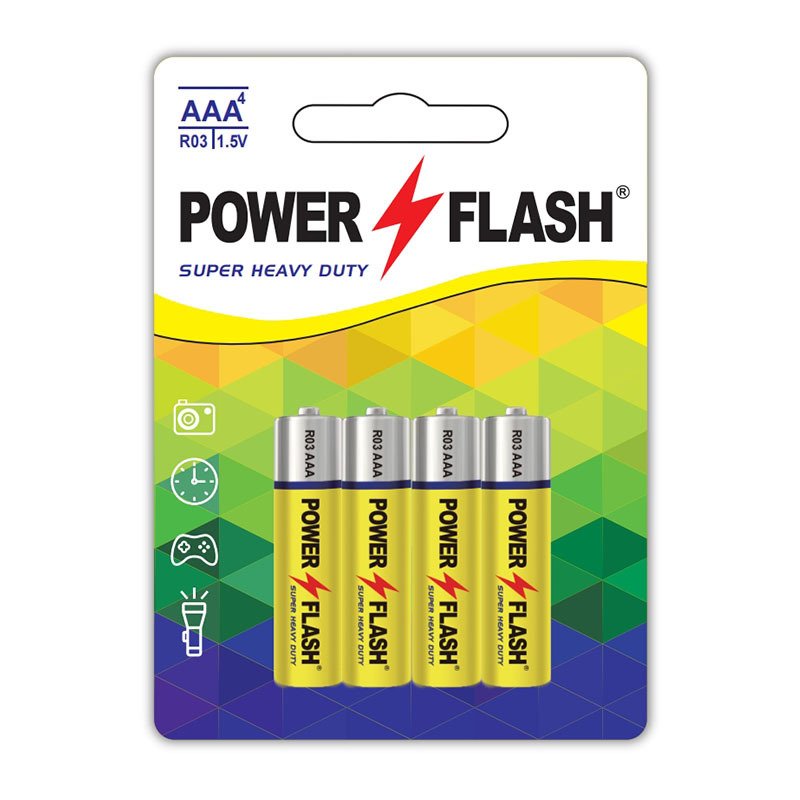
2. What Is a Zinc Carbon Battery?
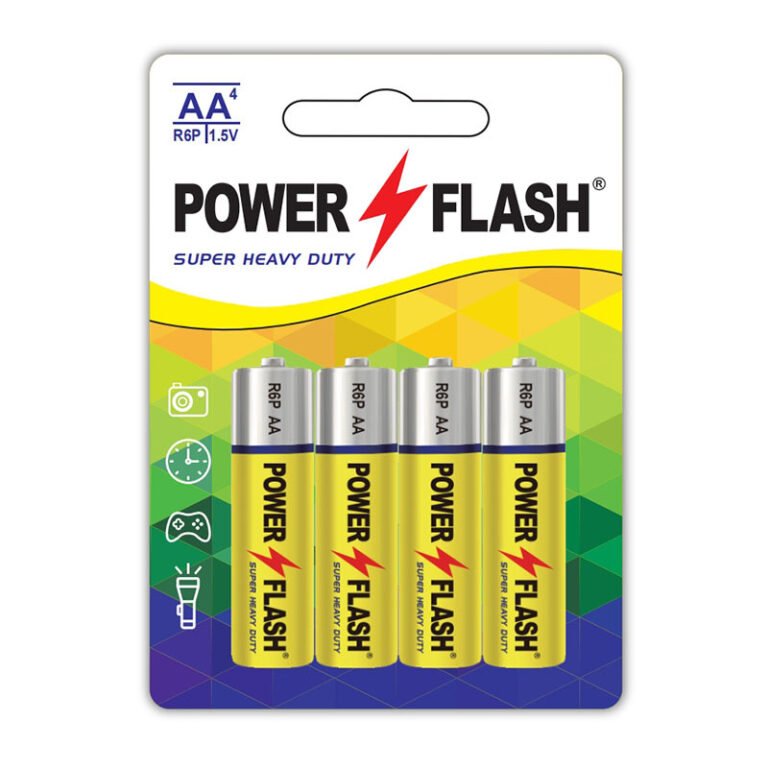
A zinc carbon battery, also known as a carbon zinc dry battery, is one of the earliest commercial battery technologies. It is widely favored for its low cost and simple structure, making it suitable for low-drain and intermittent-use devices.
Shandong Huatai produces a full range of R6 AA zinc carbon batteries, R03 AAA carbon batteries, UM-1, UM-2, and UM-3 dry batteries, supplying large-volume markets in Africa, South America, and the Middle East.
Working Principle of Zinc Carbon Batteries
Zinc carbon batteries use:
Zinc can as the anode
Manganese dioxide mixed with carbon as the cathode
Ammonium chloride or zinc chloride paste electrolyte
During discharge, zinc is oxidized, electrons flow through the circuit, and manganese dioxide is reduced, producing electrical energy.
Key Features of Zinc Carbon Batteries
Very competitive cost for mass markets
Mature and stable manufacturing technology
Suitable for low-power devices such as clocks, radios, and remote controls
Lower energy density compared to alkaline batteries
Not suitable for high-drain or continuous-use applications
Huatai zinc carbon batteries are widely used in OEM dry battery projects and private label carbon battery distribution.
Usage Precautions for Zinc Carbon Batteries
Not recommended for high-current devices
Avoid long-term storage inside equipment
Do not mix with alkaline batteries
Replace exhausted batteries promptly to prevent leakage
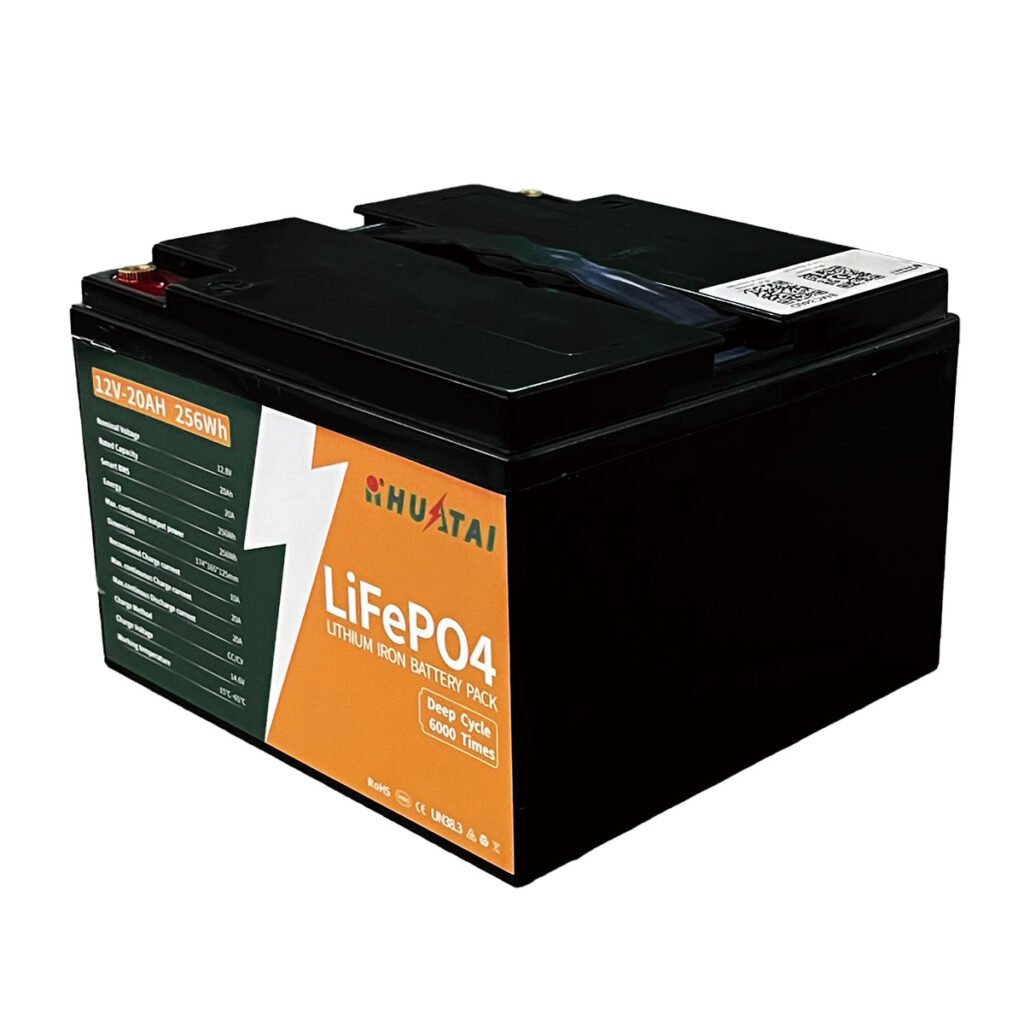
3. What Is a Lithium Battery?
A lithium battery refers to batteries that use lithium or lithium compounds as active materials. This category includes both primary lithium batteries and rechargeable lithium-ion batteries.
Shandong Huatai New Energy Battery Co., Ltd. has continuously expanded into lithium battery applications, focusing on high-energy-density, lightweight, and high-performance power solutions for modern electronics and energy systems.
Working Principle of Lithium Batteries
Lithium batteries operate based on the movement of lithium ions between the anode and cathode:
During discharge, lithium ions move from the anode to the cathode
Electrons flow through the external circuit to deliver power
During charging, lithium ions return to the anode
This reversible process enables lithium batteries to achieve long cycle life and high efficiency.
Key Features of Lithium Batteries
Very high energy density
Lightweight and compact design
High operating voltage
Low self-discharge rate
Long cycle life for rechargeable lithium batteries
Lithium batteries are widely used in consumer electronics, portable devices, energy storage systems, and industrial applications.
Usage Precautions for Lithium Batteries
Use only matched chargers and protection circuits
Avoid overcharging and deep discharging
Do not expose to high temperatures or fire
Do not puncture or disassemble
Store at moderate temperature and partial charge when unused

4. Why Choose Shandong Huatai New Energy Battery Co., Ltd.?
With decades of manufacturing experience, Shandong Huatai New Energy Battery Co., Ltd. is a trusted battery manufacturer and exporter offering:
Alkaline battery factory direct supply
Zinc carbon battery OEM & ODM services
Lithium battery development and customization
Strict quality control and international compliance
Stable large-scale production capacity
Global export experience across multiple regions
Introduction About Huatai Battery
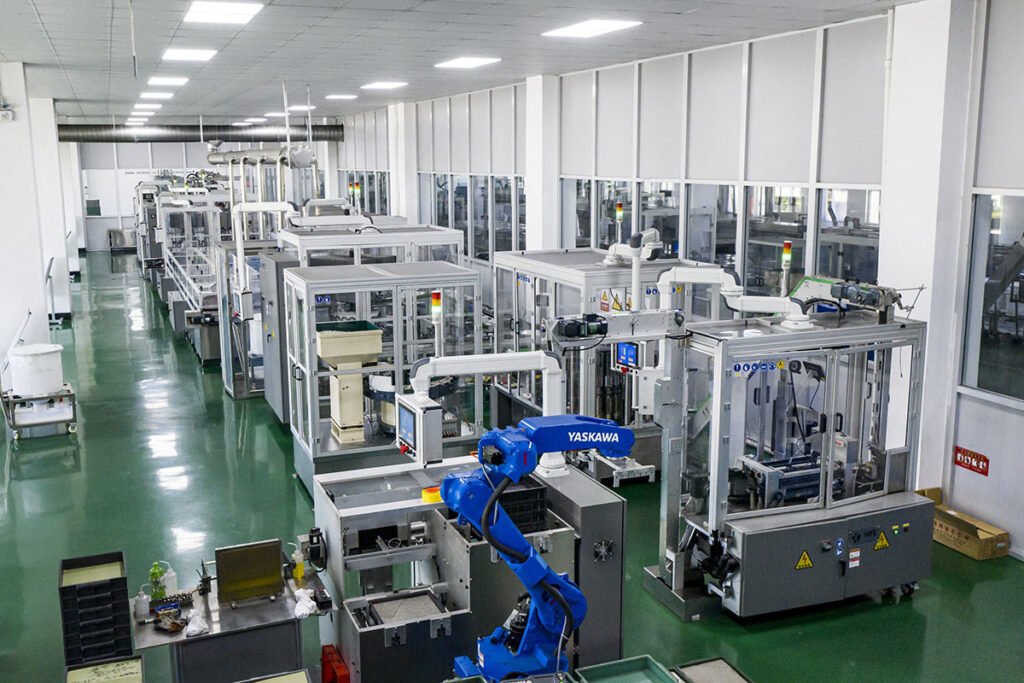
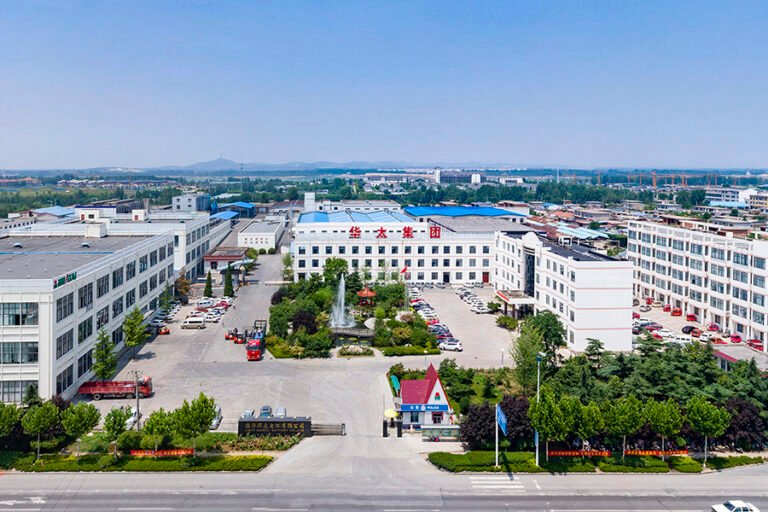
Shandong Linyi Huatai New Energy Battery Co., Ltd. was established in May 1993,but our factory’s history can date back to the establishment of the Linyi Battery Plant in 1956.We are currently one of the leading Eco-friendly&Mercury-free alkaline battery manufacturers and lithium battery manufacturers in China and the world’s largest heavy duty zinc-carbon batteries manufacturer&factory. Our products are produced with HUATAI,Power Flash and KINGCELL brand and customer’s private label, supplied 6 billion annual output by HIBAR high-speed automated production lines, offering OEM solutions for zinc carbon, alkaline, and lithium batteries worldwide.For more insights, please stay tuned to our News section, which covers the latest Company News and Industry News.We also supply one-stop Product Catalog service for our customers.
Huatai’s manufacturing quality has been validated through long-term cooperation with internationally recognized companies.
Global OEM Partnerships:
Panasonic
Philips
Energizer
Domestic Strategic Clients:
Bull Group
Haier
Hisense
Huatai provides complete OEM / ODM battery services, including:
private label battery production
customized packaging design
flexible MOQ solutions
fast production turnaround
Many well-known battery brands rely rely on Huatai for zinc carbon battery&alkaline battery&lithium battery OEM production, demonstrating its strong cost-performance advantage in global markets.
Shandong Huatai Battery Group – Battery Technology & Comparison FAQ
Answer: Each battery type serves distinct needs:
Zinc Carbon Batteries: Most cost-effective, ideal for low-drain devices (clocks, remotes).
Alkaline Batteries: Use potassium hydroxide as an electrolyte, offering higher energy density, longer shelf life (5–7 years), and stable power for continuous-use devices.
Lithium Batteries: Represent advanced energy solutions with very high energy density, lightweight design, and high operating voltage, suitable for modern high-tech electronics.
Answer: Huatai offers a rare combination of heritage and scale. Founded on a factory history dating back to 1956, we are the world’s largest manufacturer of heavy-duty zinc-carbon batteries. Our 6-billion annual output is powered by HIBAR high-speed automated lines, and our quality is trusted by global giants like Panasonic, Philips, and Energizer. We provide a one-stop service from private label production to customized packaging.
Answer: Alkaline (AA/AAA/9V): Best for wireless keyboards, motorized toys, flashlights, and high-drain portable electronics.
Zinc Carbon (R6/R03/UM series): Best for low-power, intermittent devices like wall clocks, radios, and standard TV remote controls where cost-efficiency is a priority.
Answer: Our lithium batteries—including both primary and rechargeable ions—are designed for high efficiency. They feature very high energy density, a low self-discharge rate, and a long cycle life. We focus on high-performance power solutions for modern electronics, energy storage systems, and specialized industrial applications.
Answer: We are a leading manufacturer of Eco-friendly, Mercury-free, and Cadmium-free batteries. All our products are designed and produced in full compliance with international environmental and safety standards, ensuring they are safe for both household use and global export.
Answer: Do Not Mix: Never mix different battery types (e.g., Alkaline with Zinc Carbon) or new batteries with used ones.
Proper Storage: Store in a cool, dry place and avoid exposure to high temperatures or fire.
Timely Removal: Remove depleted batteries promptly to prevent leakage.
Use Matched Equipment: For lithium batteries, use only compatible chargers and protection circuits.
Answer: Huatai has extensive global export experience. We currently supply stable, large-scale battery solutions to customers across Europe, the Middle East, Africa, Southeast Asia, South America, and the Americas. Our flexible MOQ solutions and fast production turnaround make us a preferred partner for international distributors and brand owners.
Conclusion
Zinc carbon batteries, alkaline batteries, and lithium batteries each serve distinct market needs.
Zinc carbon batteries focus on affordability and basic power demand
Alkaline batteries balance performance, reliability, and cost
Lithium batteries represent advanced energy solutions for modern applications
By choosing the right battery type and a reliable manufacturer like Shandong Huatai New Energy Battery Co., Ltd., customers can ensure consistent performance, safety, and long-term value.