English
  Spanish
  French
  Arabic
  Portuguese
  Russian
  Chinese
 Explore Nepal’s battery market demand for zinc carbon batteries, alkaline batteries, button cell batteries, rechargeable batteries,soudium batteries and lithium batteries. Discover OEM opportunities and why Nepal is not a reliable gateway to India.For more insights, please stay tuned to our News section, which covers the latest Company News and Industry News.We also supply one-stop Product Catalog service for our customers.
Nepal has strong and consistent demand for dry batteries (zinc carbon and alkaline batteries) due to its mountainous geography, uneven electricity supply, and reliance on portable power devices. However, Nepal is not a reliable gateway to the Indian market unless products meet strict Rules of Origin (30%–40% local value addition).
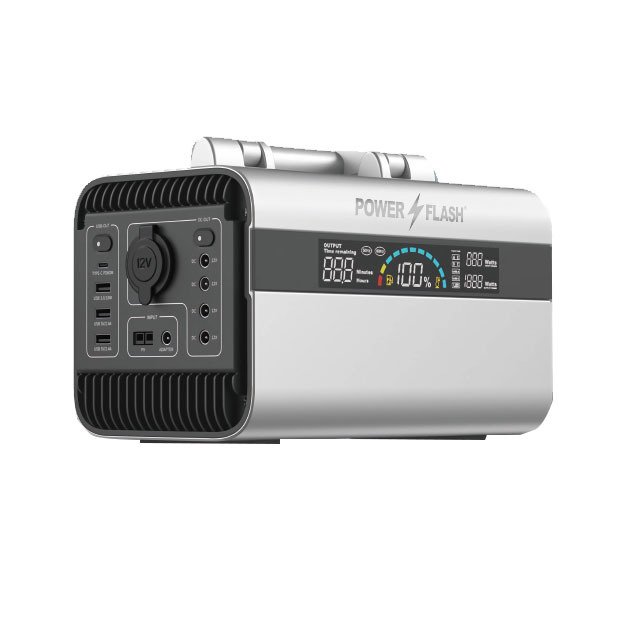
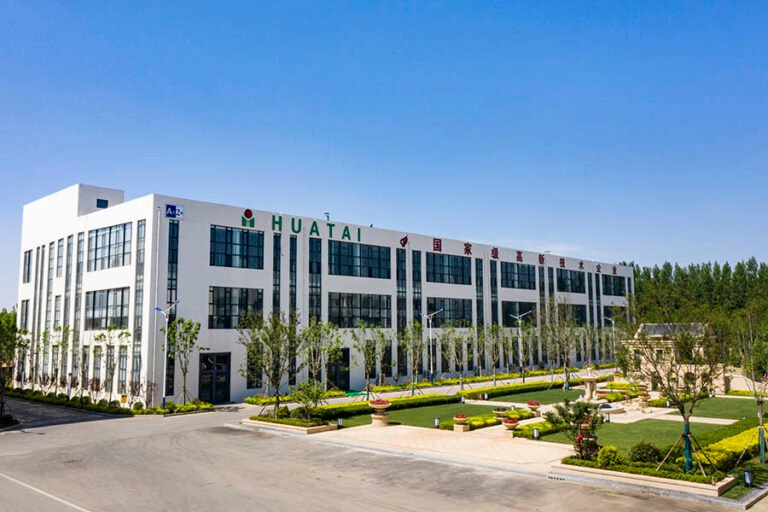
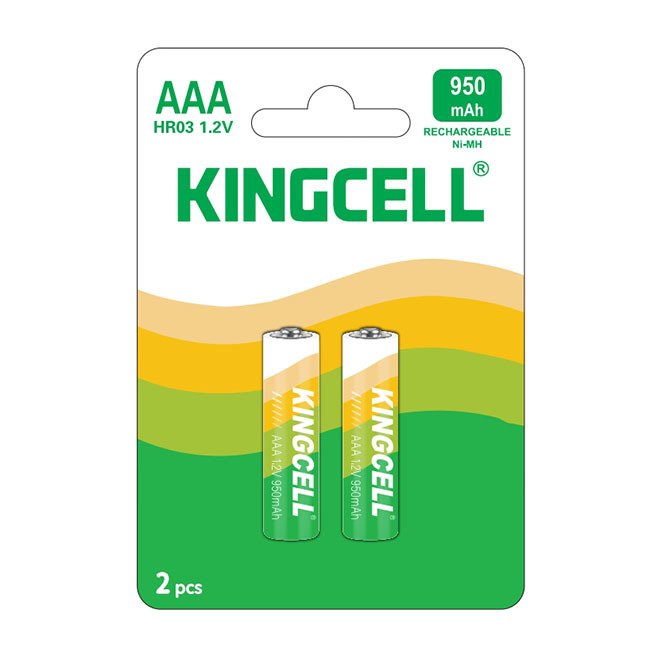
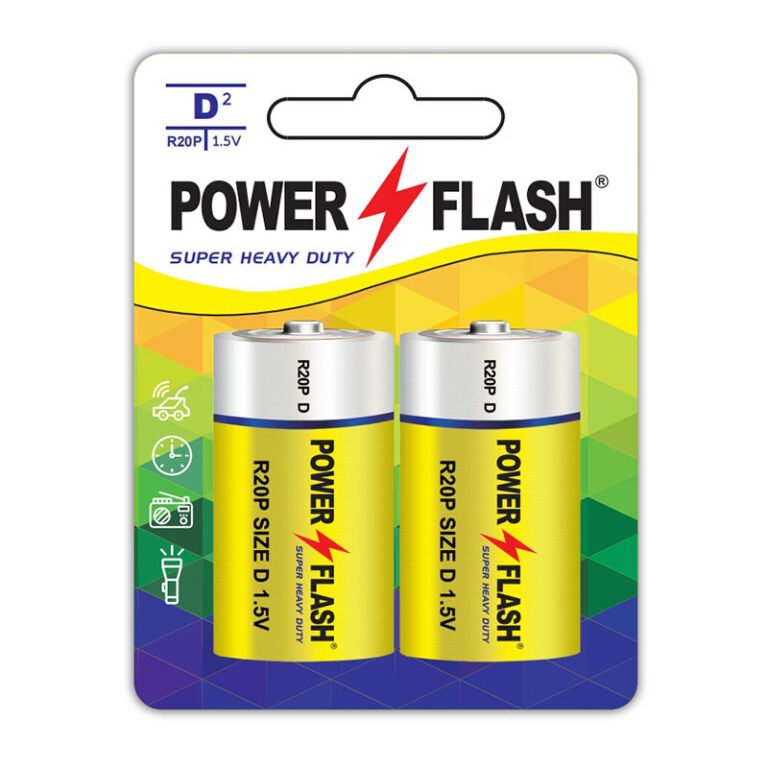
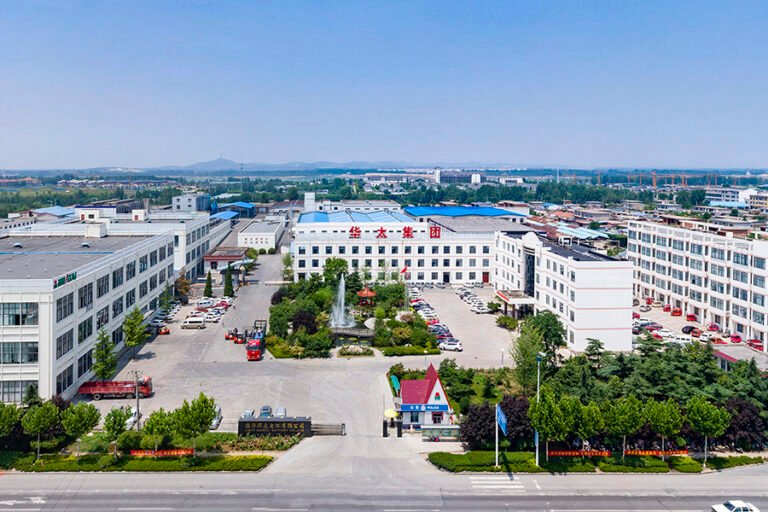
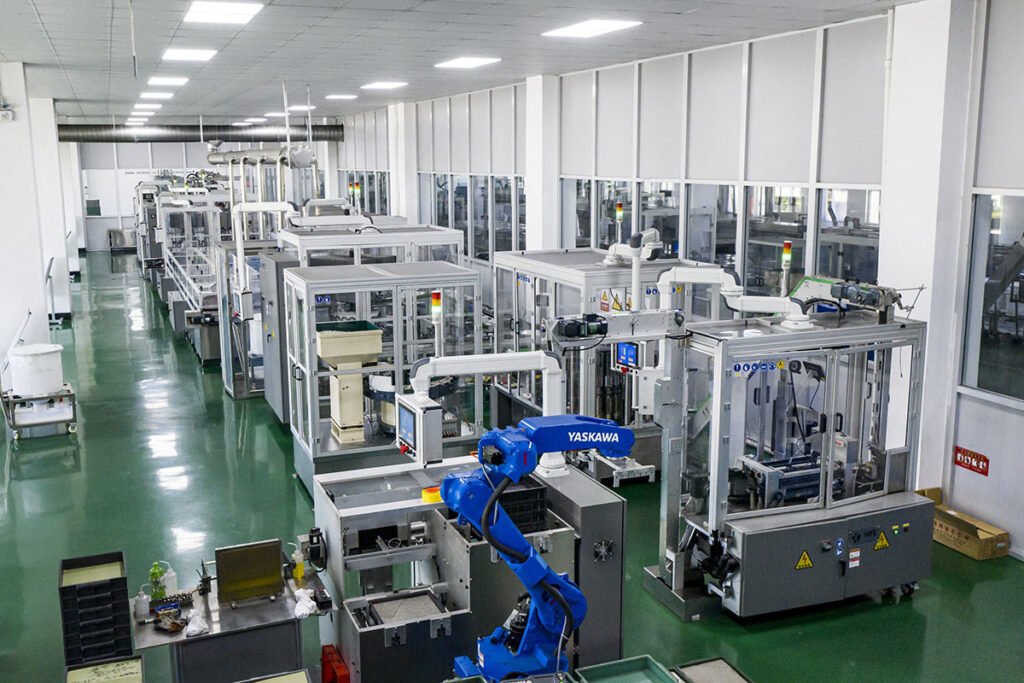
Shandong Linyi Huatai New Energy Battery Co., Ltd. was established in May 1993.We are currently one of the leading alkaline battery manufacturers and lithium battery manufacturers in China and the world’s largest heavy duty zinc-carbon batteries manufacturer&factory. Our products are produced with HUATAI,Power Flash and KINGCELL brand and customer’s private label, supplied 6 billion annual output by HIBAR high-speed automated production lines, offering OEM solutions for zinc carbon, alkaline, and lithium batteries worldwide.
For manufacturers like Shandong Huatai New Energy Battery Co., Ltd., Nepal should be treated as a high-potential independent market, where building distributor networks and offering cost-effective OEM battery solutions is the most sustainable strategy.

Why Nepal Has Long-Term Demand for Dry Batteries
From an energy and infrastructure perspective, Nepal represents a classic demand-driven battery market.
1. Geography Creates Natural Demand
Nepal is largely mountainous:
Limited grid access in rural areas
Frequent power instability
Heavy reliance on battery-powered devices
Common applications:
Flashlights
Radios
Remote controls
Key demand keywords:
AA AAA zinc carbon battery supplier / dry battery manufacturer
2. Backup Power Is Still Essential
Despite hydropower growth:
Electricity shortages still occur during dry seasons
Households rely on backup power solutions
Typical usage:
Emergency lighting
Household electronics
Small portable devices
3. Price Sensitivity Shapes the Market
Nepal is a highly price-sensitive market:
Low-income consumer base
Wholesale-driven distribution system
Market structure:
Zinc carbon batteries: 50%–60% (dominant)
Alkaline batteries: 25%–35% (growing segment)
Urban demand (e.g., Kathmandu):
Cameras
Outdoor equipment
Higher-performance battery needs
Lithium Battery Growth: The Emerging Opportunity
Nepal is entering a new phase of battery demand:
Key growth sectors:
Electric rickshaws (E-rickshaw)
Telecom backup power
Market growth rate:
15%–25% annually
This creates opportunities for manufacturers to evolve into:
“Full-range battery solution providers”
Local Manufacturing Capacity: Limited but Present
Nepal has small-scale local production, such as
Nepal Battery Company
Limitations include:
Heavy dependence on imported raw materials
Limited automation
Low production capacity
Result:
Strong reliance on imports
Chinese batteries dominate due to cost-performance advantage

Can Nepal Be a Gateway to the Indian Market?
This is a key strategic question.
1. Theoretical Opportunity: Open Border
Nepal shares an open border with India
Favorable trade agreements
Simplified cross-border movement
2. Practical Barrier: Rules of Origin
To export to India via Nepal:
Must achieve 30%–40% local value addition
Otherwise treated as Chinese-origin goods
Risks include:
Import tariffs
Anti-dumping duties
Conclusion:
❌ Simple re-export is not viable
✅ Local manufacturing is required
3. Market Reality: Indian Brands Already Compete
Strong competitors include:
Eveready Industries India
Nippo Batteries
Nepal is a competitive end market, not just a transit hub

Huatai Battery Strategy for Nepal Market
From the perspective of
Shandong Huatai New Energy Battery Co., Ltd.:
1. Build Strong Distribution Networks
Key entry cities:
Birgunj (trade gateway)
Biratnagar (industrial center)
Benefits:
Nationwide coverage
Faster market penetration
2. Optimize Product Portfolio
Recommended structure:
Core: Zinc carbon batteries (price advantage)
Profit: Alkaline batteries
Growth: Lithium batteries
3. Focus on OEM & Private Label
Market characteristics:
Distributor-driven
Fragmented branding
Best approach:
OEM battery manufacturing
Private label battery supply
Long-term partnerships
4. Match Huatai Strengths to Market Needs
Huatai’s competitive advantages align perfectly:
High cost-performance ratio
Up to 10-year shelf life
Superior leakproof technology
Annual capacity: 6+ billion batteries
Ideal for:
Bulk imports
Long-term storage markets
High-temperature transportation
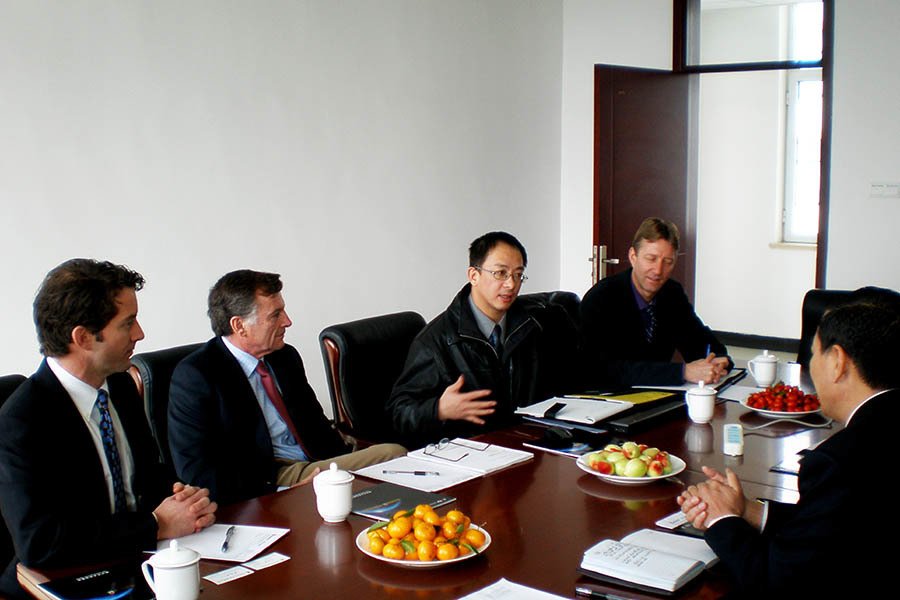
FAQ from customers
Yes. It is a stable and long-term demand market, especially in rural and mountainous regions.
Zinc carbon batteries dominate in volume, while alkaline batteries offer higher margins and are growing in urban areas.
Not reliably. Only products meeting Rules of Origin requirements can legally enter India with benefits.
Moderate. Main competitors include Chinese exporters and Indian battery brands.
Building local distributor partnerships is the most effective and sustainable approach.
Conclusion: How to Position Nepal Market Strategically
Nepal’s battery market can be summarized as:
✅ Stable demand for dry batteries-High quality alkaline battery&heavy duty carbon zinc cell battery
✅ Zinc carbon dominates volume
✅ Lithium battery demand is rising
✅ Heavy reliance on imports
For
Shandong Huatai New Energy Battery Co., Ltd.:
Nepal is a high-potential standalone market
Not a reliable shortcut to India
Winning Strategy:
Distribution + Product Mix + OEM Branding,to establish win-win and long-time cooperation tegother.