English
  Spanish
  French
  Arabic
  Portuguese
  Russian
  Chinese
 Discover how the global battery market is changing in 2026 amid fragmented orders, supply chain restructuring, rising competition, and declining trade show effectiveness. Learn how Shandong Huatai New Energy Battery Co., Ltd. is adapting through digital transformation, regional market strategies, alkaline battery innovation, lithium battery development, OEM battery manufacturing, and global compliance capabilities.
The global battery industry in 2026 is entering one of the most challenging and transformative periods since the rise of modern globalization. Behind the seemingly prosperous international trade exhibitions and growing official trade figures, manufacturers are facing fragmented orders, shrinking margins, supply chain instability, geopolitical uncertainty, and increasingly aggressive global competition. Traditional trade show marketing is losing effectiveness, while digital marketing, regional market specialization, and supply chain resilience are becoming the new core competitive advantages. For companies like Shandong Linyi Huatai New Energy Battery Co., Ltd., whose battery manufacturing history can be traced back to the Linyi Battery Factory established in 1956, the future of the battery export business no longer depends solely on low-cost manufacturing, but on comprehensive capabilities including technology, compliance, digitalization, regional market penetration, and integrated battery solutions.

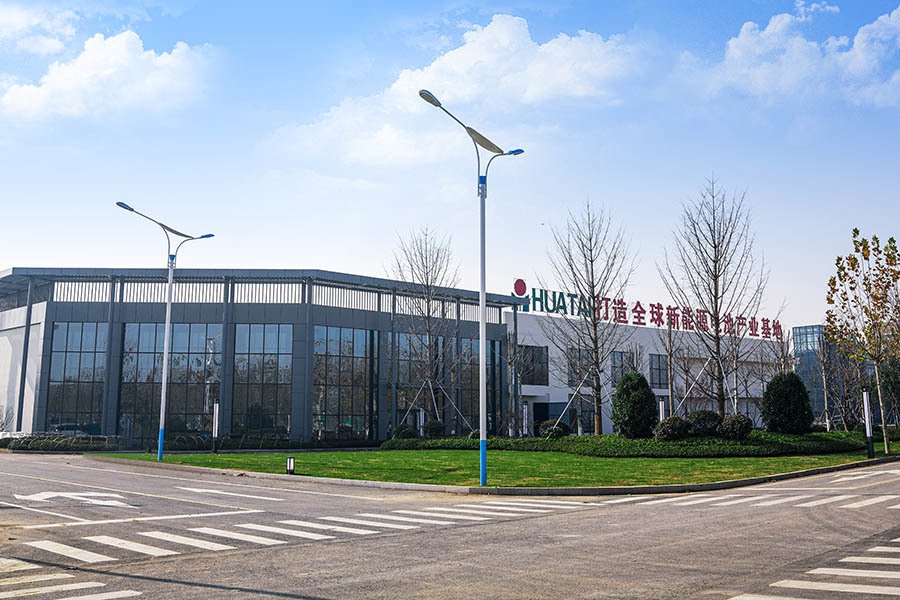
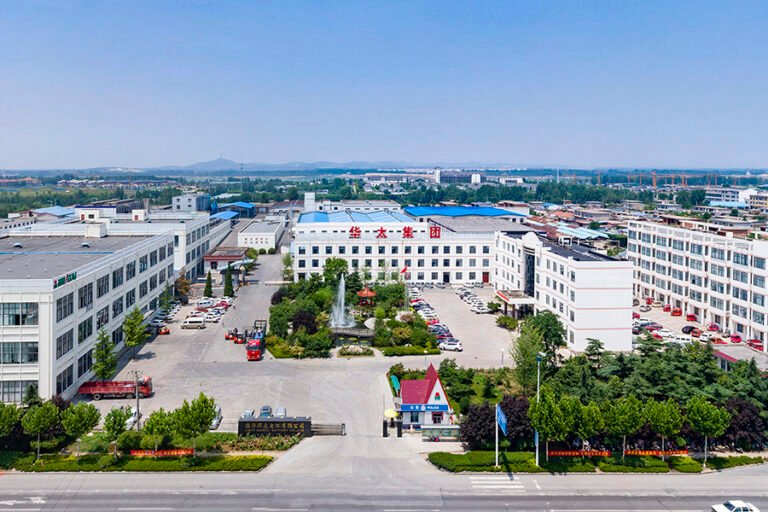
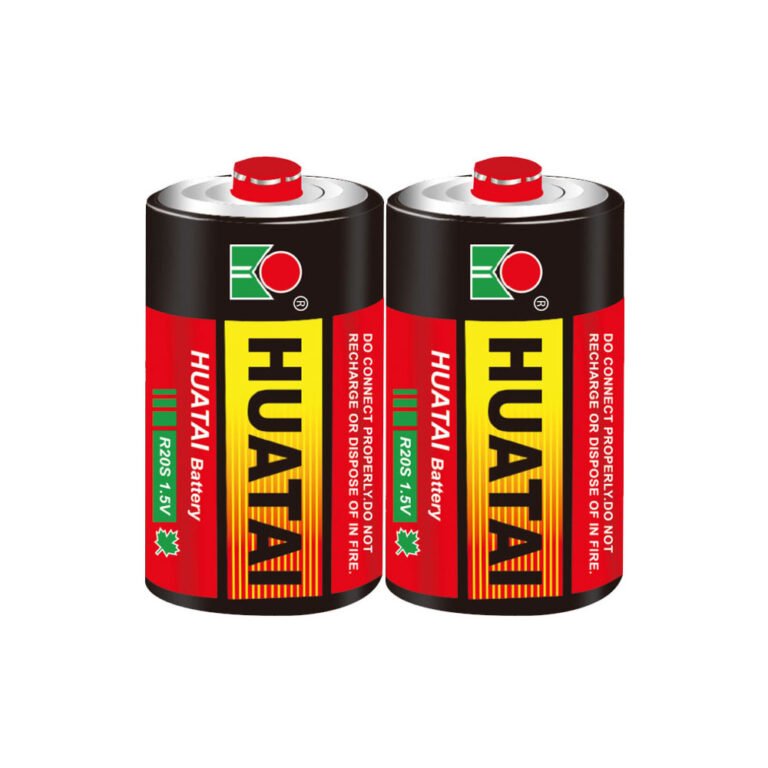
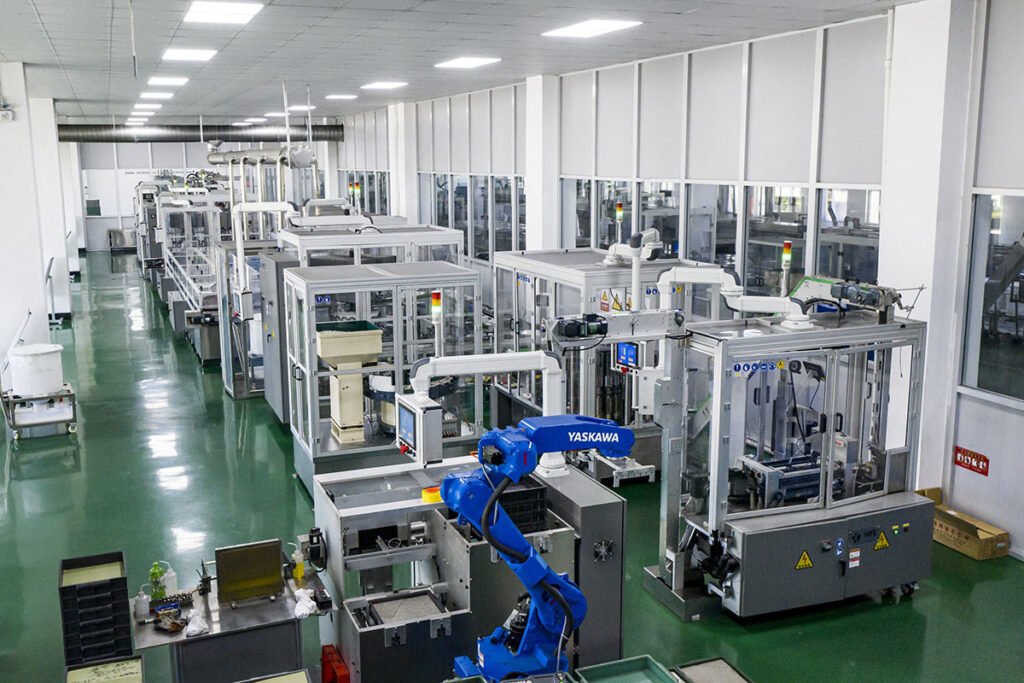
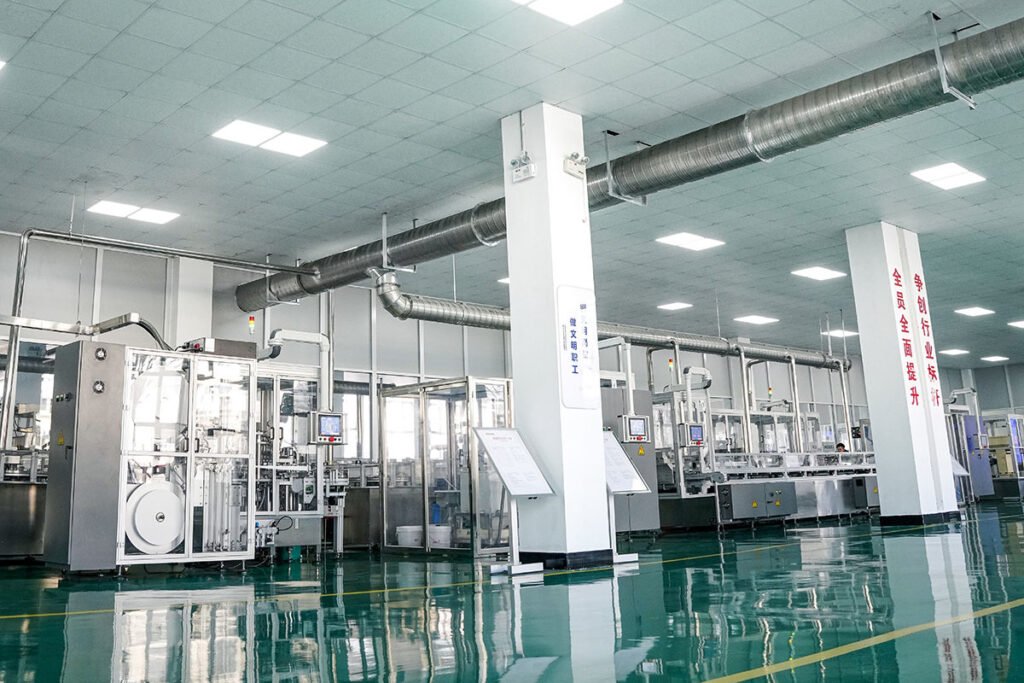
Shandong Huatai New Energy Battery Co., Ltd. is currently one of the leading Eco-friendly&Mercury-free alkaline battery manufacturers and lithium battery manufacturers in China and the world’s largest heavy duty zinc-carbon batteries manufacturer&factory. Our products are produced with HUATAI, Power Flash and KINGCELL brands and customer’s private label, supplied 6 billion annual output by HIBAR high-speed automated production lines, offering OEM solutions for zinc carbon, alkaline, and lithium batteries worldwide.For more insights, please stay tuned to our News section, which covers the latest Company News and Industry News.We also supply one-stop Product Catalog service for our customers.
The Reality Behind the “Prosperity” of Global Trade Shows
For many experienced exporters in the battery industry, international trade fairs are no longer the highly efficient order-generating platforms they once were.
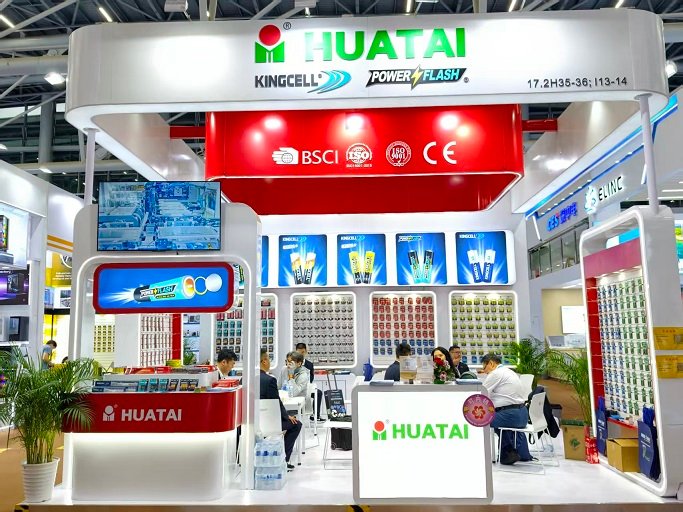
Today, exhibitions such as the Canton Fair, Hong Kong Electronics Fair, and other global sourcing exhibitions increasingly resemble large-scale price comparison centers.
In highly standardized industries such as:
- AA AAA C D 9V alkaline batteries
- AA AAA C D 9V carbon zinc batteries
- lithium batteries
- rechargeable batteries
- button cell batteries
- Sodium-Ion batteries
- OEM private label batteries
buyers can easily compare multiple suppliers within minutes.
As a result, many battery manufacturers face severe pricing pressure.
The traditional advantages of exhibitions are gradually disappearing because:
| Traditional Trade Show Value | Current Trade Show Reality |
| New customer development | Existing customer meetings |
| Product discovery | Price comparison competition |
| Information asymmetry | Highly transparent markets |
| Large-volume orders | Small fragmented inquiries |
| Long-term partnerships | Short-term procurement testing |
For many manufacturers, especially those purchasing expensive secondary-market booths, exhibition ROI is becoming increasingly difficult to justify.
Why Global Battery Export Business Has Become More Difficult
Stable Supplier Relationships Dominate the Market
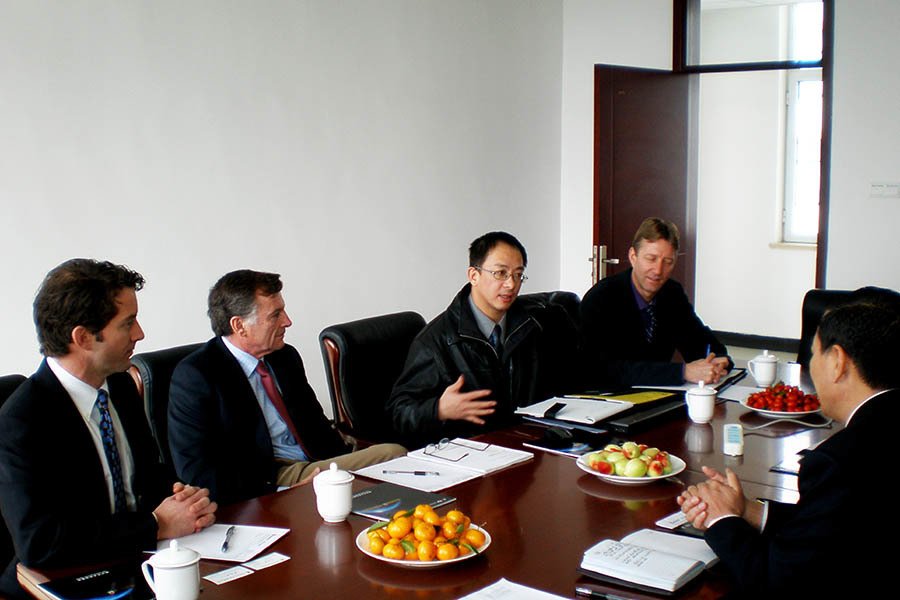
After more than two decades of globalization and international trade integration, most large-scale buyers already have mature and stable supply chains.
Major importers, distributors, retailers, and industrial procurement companies prioritize:
- supply stability
- certification reliability
- quality consistency
- shipping security
- long-term cooperation
over small price differences.
For large battery buyers, changing suppliers involves significant risks:
- factory audits
- product retesting
- certification updates
- logistics adjustments
- payment risks
- quality control uncertainty
This is why major international buyers rarely change core suppliers easily.

China’s Domestic “Price War” Is Expanding Into Global Markets
Over the past few years, many Chinese battery manufacturers have entered export markets seeking additional revenue growth.
However, intense domestic competition has pushed many companies to export aggressive low-price strategies internationally.
This includes:
- extreme price competition
- extended payment terms
- low-margin bidding
- excessive customization pressure
- irrational discounting
As more suppliers compete solely on price, the global perception of Chinese manufacturing risks becoming increasingly associated with “cheap products” rather than high-value manufacturing.
This trend places enormous pressure on the entire battery industry, especially for products such as:
- carbon zinc battery bulk supply
- alkaline battery wholesale
- OEM lithium battery manufacturing
- rechargeable battery supplier solutions
The Global Supply Chain Is Entering the Era of Fragmented Orders
The global battery market in 2026 is heavily influenced by geopolitical instability and economic uncertainty.
Key factors include:
- Red Sea shipping disruptions
- Russia-Ukraine conflict
- Middle East geopolitical risks
- global freight fluctuations
- currency volatility
- changing import regulations
As a result, buyers are becoming increasingly cautious about inventory management.
Instead of placing large annual orders, buyers now prefer:
- small-volume procurement
- frequent replenishment
- fast delivery cycles
- diversified sourcing strategies
This trend has fundamentally changed the operating model of battery exporters worldwide.
The Global Manufacturing Industry Is Facing Structural Challenges
The current difficulties are not simply cyclical downturns.
Instead, the global manufacturing industry is undergoing deep structural transformation.
Disappearance of Labor Cost Advantages
China’s traditional low-cost manufacturing advantage is gradually disappearing due to:
- rising labor costs
- aging workforce
- declining manufacturing labor participation
Accelerated Industrial Relocation
Many manufacturers are moving operations to:
- Vietnam
- Mexico
- Southeast Asia
- Middle East countries
While these moves aim to reduce costs or avoid trade barriers, they also intensify competition among Chinese-origin manufacturers globally.
Weak Global Consumer Demand
Global economic growth remains slow.
High interest rates, inflation pressures, and cautious corporate investment continue to suppress overall demand.
The market is entering an era characterized by:
- lower growth
- higher competition
- fragmented demand
- higher compliance requirements
Deep Regional Market Strategies Are Becoming Critical
The future no longer belongs to companies attempting to serve all markets identically.
Instead, successful battery manufacturers must deeply localize strategies for regions such as:
| Region | Key Battery Market Characteristics |
| Africa battery market | High demand for affordable carbon zinc batteries |
| Middle East battery market | Strong certification requirements and premium alkaline demand |
| Russia battery market | Extreme low-temperature battery performance requirements |
| Latin America battery market | Cost-performance balance and growing retail battery demand |
| North America battery market | High-quality alkaline and lithium battery standards |
| Southeast Asia cell battery market | High demand for affordable carbon zinc and premium alkaline batteries |

Huatai Battery Has Evolved Beyond Traditional Carbon Zinc Manufacturing
The history of Shandong Huatai New Energy Battery Co., Ltd. can be traced back to the Linyi Battery Factory established in 1956.
Over decades of technological upgrading and industrial development, Huatai has evolved from a major carbon zinc battery manufacturer into a comprehensive global battery solution provider.
Today, Huatai’s product portfolio includes:
- carbon zinc batteries
- alkaline batteries
- lithium batteries
- rechargeable batteries
- button cell batteries
- sodium-ion batteries
- OEM private label batteries
- energy storage battery solutions
Being one of the world’s largest carbon zinc battery manufacturers was only part of Huatai’s historical identity.
Today, Huatai is becoming a globally competitive comprehensive battery manufacturer with strong capabilities in:
- alkaline battery production
- lithium battery innovation
- customized OEM battery manufacturing
- integrated energy storage solutions
- global battery export services

The Future Survival Logic of Global Battery Manufacturers
In the coming years, the companies that survive will not necessarily be those with the lowest prices.
Instead, the winners will be companies with:
- strong supply chain resilience
- stable product quality
- advanced compliance systems
- powerful digital marketing capabilities
- regional market expertise
- long-term technological investment
The era of relying purely on low-cost competition is ending.

FAQ: 2026 Global Battery Market and Supply Chain Challenges
Why are battery export orders becoming increasingly fragmented?
Global buyers are reducing inventory risks due to geopolitical uncertainty, shipping instability, and currency fluctuations. Instead of placing large annual orders, many buyers now prefer smaller, more frequent procurement cycles to maintain operational flexibility.
Why is it becoming harder to develop new battery customers internationally?
Most large battery importers already have long-term stable suppliers. Changing suppliers involves factory audits, certification testing, shipping risks, and quality verification. As a result, buyers are becoming more conservative when selecting new battery manufacturers.
Are traditional trade shows still effective for battery exporters?
Trade shows still provide value for maintaining relationships with existing customers, but their effectiveness for generating large new orders has declined significantly. Many battery buyers now complete supplier research online before attending exhibitions.
Why is online selling becoming increasingly important for battery manufacturers?
Modern buyers search online for:
- alkaline battery suppliers
- OEM lithium battery manufacturers
- private label battery factories
- rechargeable battery exporters
- industrial battery solutions
Companies with strong online selling visibility and technical content have greater opportunities to attract high-intent buyers globally.
Which battery categories are expected to grow fastest in the coming years?
Several battery categories are expected to maintain strong growth potential:
| Battery Type | Growth Drivers |
| Lithium batteries | Energy storage, EVs, smart devices |
| Alkaline batteries | Premium household electronics |
| Rechargeable batteries | Sustainability and cost efficiency |
| Sodium-ion batteries | Emerging low-cost energy storage |
| Button cell batteries | Medical devices and wearable electronics |
What should buyers look for when choosing a battery supplier in 2026?
Professional buyers should evaluate:
- manufacturing history
- certification capabilities
- supply chain stability
- product consistency
- digital transparency
- OEM customization capabilities
- regional export experience
Long-term reliability is becoming more important than short-term low pricing.

Conclusion
The global battery market in 2026 is entering a new era defined by fragmentation, digitalization, geopolitical restructuring, and supply chain uncertainty.
The traditional export model based purely on low-cost manufacturing and trade show participation is gradually losing effectiveness.
Future success will depend on:
- digital competitiveness
- regional market specialization
- compliance expertise
- supply chain resilience
- technological innovation
- long-term brand development
For Shandong Huatai New Energy Battery Co., Ltd., the transformation from a traditional carbon zinc battery producer into a global comprehensive battery solution provider represents not only an industrial upgrade, but also a strategic response to the profound restructuring of the global battery industry.