English
  Spanish
  French
  Arabic
  Portuguese
  Russian
 Executive Summary
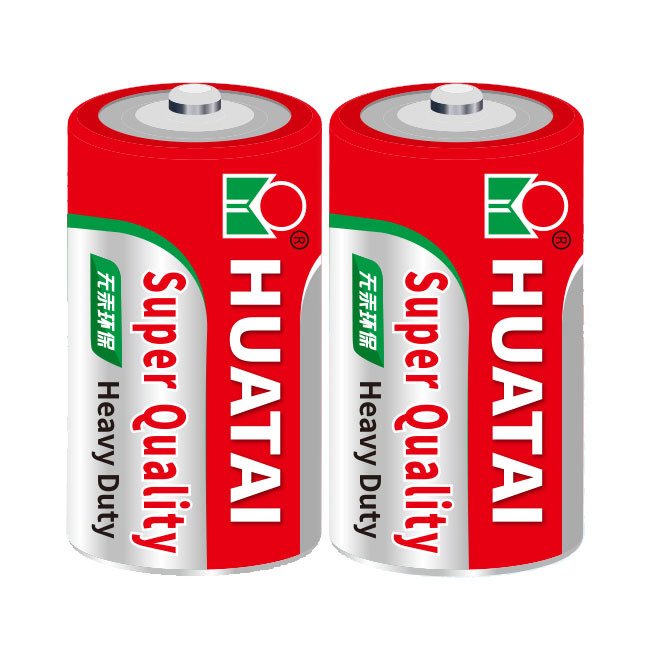
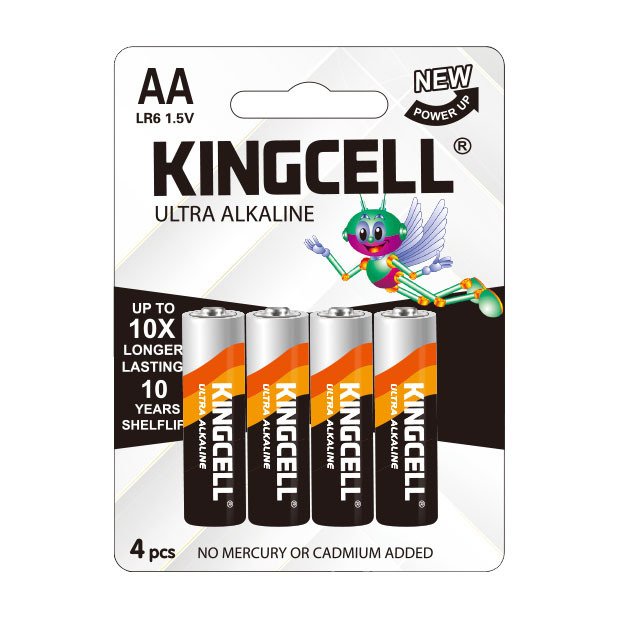
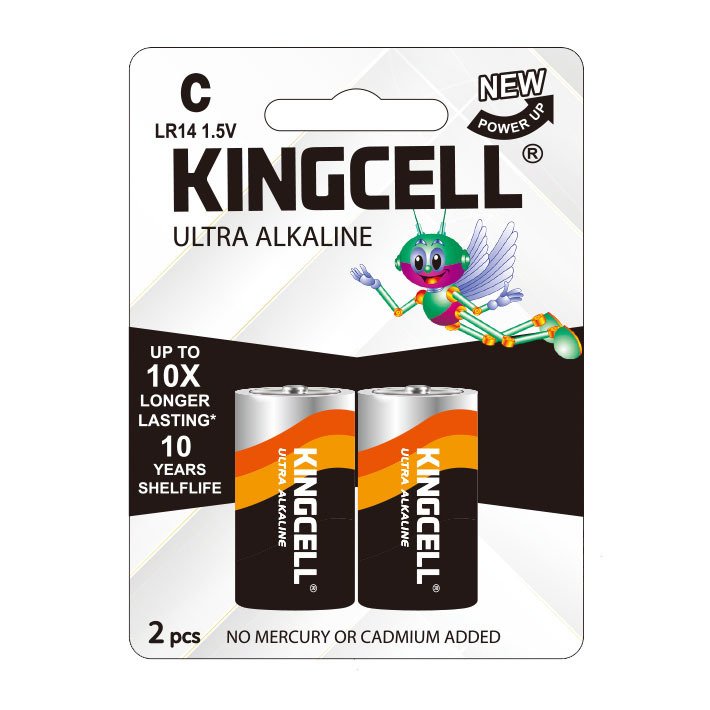
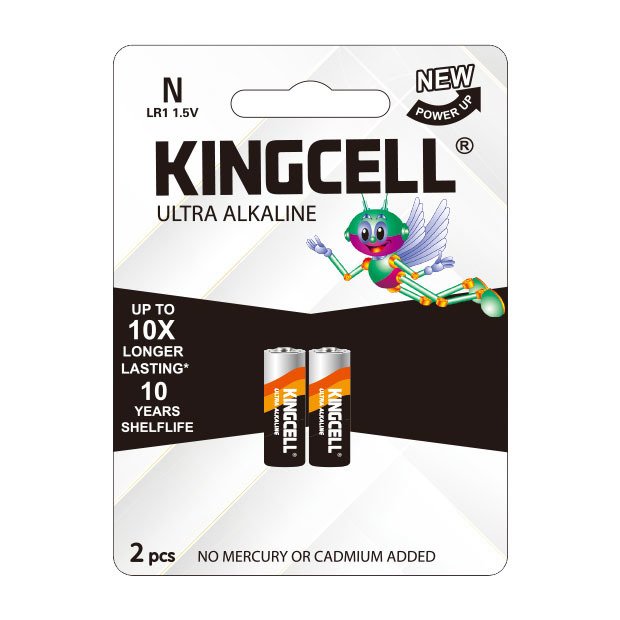
Shandong Linyi Huatai New Energy Battery Co., Ltd. was established in May 1993.We are currently one of the leading alkaline battery manufacturers and lithium battery manufacturers in China and the world’s largest heavy duty zinc-carbon batteries manufacturer&factory. Our products are produced with HUATAI,Power Flash and KINGCELL brand and customer’s private label, supplied 6 billion annual output by HIBAR high-speed automated production lines, offering OEM solutions for zinc carbon, alkaline, and lithium batteries worldwide.
As a trusted global battery supplier, Huatai Battery Group provides high-performance alkaline batteries designed for safety, durability, and consistent energy output. Proper usage is essential not only to maximize battery life but also to protect your devices from leakage and performance issues.
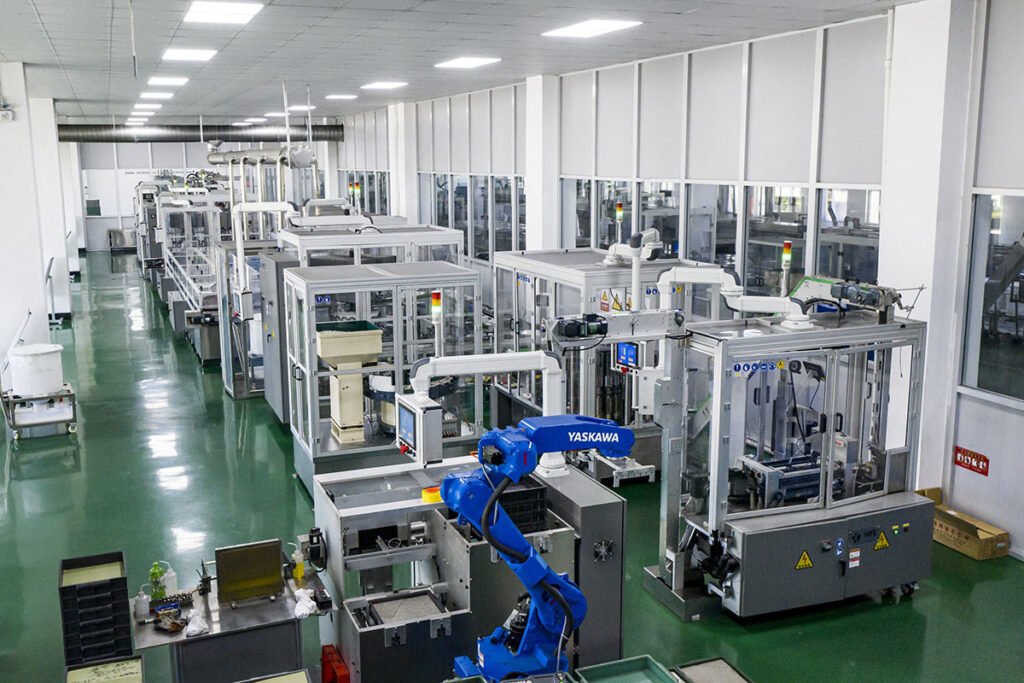
Huatai’s manufacturing quality has been validated through long-term cooperation with internationally recognized companies.
Global OEM Partnerships:
Panasonic
Philips
Energizer
Domestic Strategic Clients:
Bull Group
Haier
Hisense
Huatai provides complete OEM / ODM battery services, including:
private label battery production
customized packaging design
flexible MOQ solutions
fast production turnaround
Many well-known battery brands rely on Huatai for zinc carbon battery&alkaline battery&lithium battery OEM production, demonstrating its strong cost-performance advantage in global markets.

This comprehensive guide explains how to use alkaline batteries correctly, based on real-world applications and industry best practices. Whether you are a distributor, OEM buyer, or end user, understanding these principles will help you achieve better performance and reduce long-term costs.
1. Understanding Alkaline Batteries and Their Applications
Alkaline batteries are widely used due to their high energy density and stable discharge performance. Compared with zinc carbon batteries, they are better suited for medium- to high-drain devices.
Common Applications:
- Remote controls
- Wireless mouse and keyboards
- Toys and gaming devices
- LED flashlights
- Portable electronics
For global buyers searching for reliable solutions, alkaline batteries are often preferred in applications where longer runtime and stable voltage are critical.
2. Correct Installation: The First Step to Safe Usage
Improper installation is one of the most common causes of battery failure.
Best Practices:
- Always match the positive (+) and negative (−) terminals correctly
- Use the same brand and model within one device
- Replace all batteries at the same time
Avoid:
- Mixing old and new batteries
- Mixing alkaline with zinc carbon batteries
These mistakes can lead to:
- Voltage imbalance
- Internal pressure increase
- Leakage risk
3. Choosing the Right Battery for the Right Device
Selecting the correct battery type is essential for performance optimization.
Recommended Usage:
- Alkaline batteries → toys, wireless devices, flashlights
- Zinc carbon batteries → clocks, remotes, low-drain devices
- Lithium batteries → high-drain or professional equipment
For example, AA and AAA alkaline batteries are widely used in consumer electronics where stable output over time is required.
4. Storage Guidelines: Extending Battery Shelf Life
Proper storage can significantly extend the lifespan of alkaline batteries.
Ideal Conditions:
- Temperature: 10°C–25°C
- Dry and ventilated environment
- Away from direct sunlight and heat sources
High-quality alkaline batteries typically offer a shelf life of up to 10 years, making them suitable for bulk purchasing and long-term storage.
5. Preventing Leakage: A Key Concern for Global Buyers
Battery leakage is one of the most critical issues affecting both consumers and B2B buyers.
Main Causes:
- Over-discharge
- Long-term storage inside devices
- Poor sealing technology
How to Prevent Leakage:
- Remove batteries from devices when not in use
- Replace batteries before they are fully depleted
- Choose batteries with advanced sealing technology
Modern automated production systems—such as high-precision sealing and electrolyte control—play a major role in reducing leakage risks. This is especially important for OEM buyers who prioritize product reliability and brand reputation.

6. Never Recharge Alkaline Batteries
Alkaline batteries are non-rechargeable.
Important Safety Rule:
Do NOT attempt to recharge alkaline batteries
Doing so may cause:
- Gas buildup
- Leakage
- Explosion risk
Always use a proper charger only with rechargeable battery types.
7. Removing Batteries from Unused Devices
One of the simplest yet most effective practices:
Remove batteries if the device will not be used for a long time
This prevents:
- Leakage damage
- Corrosion of battery contacts
- Device failure

8. Expiry Date and Battery Performance
Always check the expiration date before use.
Why It Matters:
- Older batteries may have reduced capacity
- Chemical stability decreases over time
- Leakage risk increases
High-quality alkaline batteries maintain performance stability even after long storage periods, making them ideal for distributors and wholesalers.
9. Why Quality Manufacturing Matters
From a B2B perspective, correct usage is only part of the equation—manufacturing quality is equally important.
At Huatai Battery Group, advanced automated production lines and strict quality control systems ensure:
- Consistent electrolyte distribution
- High-precision sealing
- Stable voltage output
- Reduced defect rates
This results in batteries that deliver:
- Longer service life
- Lower leakage probability
- Better end-user experience
For global importers and private label buyers, this translates into fewer complaints and stronger market competitiveness.

FAQ (Frequently Asked Questions)
Q1: Can alkaline batteries be recharged?
No. Alkaline batteries are designed for single use only. Recharging them is unsafe and not recommended.
Q2: How long do alkaline batteries last?
They typically last 5–10 years in storage, depending on quality and storage conditions.
Q3: Why do alkaline batteries leak?
Leakage is usually caused by over-discharge, improper storage, or low-quality sealing during manufacturing.
Q4: Should batteries be removed when devices are not in use?
Yes. This is the most effective way to prevent leakage and protect your device.
Q5: What is the best way to store alkaline batteries?
Store them in a cool, dry place at room temperature, away from direct sunlight.
Conclusion
Proper use of alkaline batteries is essential for achieving maximum performance, safety, and longevity. By following simple practices—correct installation, proper storage, and avoiding misuse—users can significantly reduce risks such as leakage and device damage.
Combined with high-quality manufacturing standards, alkaline batteries remain one of the most reliable and widely used power solutions in the global market. Backed by strong production capabilities and global export experience, Huatai Battery Group continues to deliver dependable alkaline battery solutions for distributors, OEM clients, and end users worldwide.