Arabic
  English
  Spanish
  French
  Portuguese
  Russian
  Chinese
 عندما يرتفع الطلب على البطاريات بينما يتعذر التجارة الدولية
استكشف فرص توريد البطاريات الجافة التي تستخدم لمرة واحدة في أوكرانيا, روسيا و إيران. تعلم كيف بطارية هواتاي تتولى إدارة الشؤون اللوجستية، والمدفوعات، والامتثال، ومخاطر التوريد. ويواجه السوق الدولي للبطاريات الجافة التي تستخدم لمرة واحدة تناقضاً غير معتاد.
في البلدان المتضررة من الحروب ونقص الطاقة والبنية التحتية المتضررة، قد يزداد الطلب على البطاريات الأساسية فعليًّا. فالمصابيح اليدوية وأجهزة الراديو المخصصة لحالات الطوارئ والساعات وأجهزة التحكم عن بُعد والألعاب وأجهزة الإضاءة المحمولة وغيرها من الأجهزة منخفضة الاستهلاك للطاقة لا تزال تعتمد على البطاريات القابلة للاستخدام لمرة واحدة من أنواع AA وAAA وC وD و9V.
بالنسبة لشركة مصنعة مثل شركة شاندونغ هواتاي نيو إنيرجي للبطاريات المحدودة, ، وهذا يخلق فرصًا تجارية حقيقية في أسواق مثل أوكرانيا, روسيا و إيران.

ومع ذلك، فإن وجود طلب لا يعني بالضرورة وجود صفقة تصدير قابلة للتنفيذ.
أما الأسئلة الصعبة فهي الآن أكثر عملية بكثير:
- هل يمكن أن تصل البضائع إلى العميل بأمان؟
- هل يمكن لشركة «هواتاي» استلام المبلغ عبر قناة مصرفية قانونية ومقبولة؟
- هل يمكن الحصول على خدمات التأمين والنقل للشحنة؟
- هل يُعتبر المشتري والبنك الذي يتعامل معه مقبولين بموجب متطلبات العقوبات المعمول بها؟
- هل ستترك التكاليف اللوجستية والمالية الإضافية هامشًا كافيًا؟
- ماذا يحدث إذا تأخرت المعاملة لعدة أشهر؟
بالنسبة للبطاريات التي تُستخدم لمرة واحدة، والتي تُعد ثقيلة نسبيًّا مقارنةً بقيمتها الوحدوية، يمكن أن تحدد هذه الأسئلة ما إذا كان الطلب مجديًّا من الناحية التجارية أم لا.
وهذا يعني أن لم يعد من المفترض أن يكون الطلب في السوق وحده هو المعيار الرئيسي لقبول طلب شراء بطاريات عالية المخاطر.
المشكلة الحقيقية: الطلب لا يعني قابلية التداول
قد تتلقى شركة «هواتاي» استفسارات من عملاء في روسيا أو أوكرانيا أو إيران ممن يحتاجون فعليًّا إلى بطاريات الكربون والزنك أو البطاريات القلوية.
بل وقد يطلب العميل كمية كبيرة.
لكن الاستفسار لا ينبغي أن يتحول تلقائيًا إلى أمر.
بالنسبة لسوق تصدير عادي، قد تكون العملية الأساسية كما يلي:
استفسار العميل → عرض الأسعار → الدفع → الإنتاج → الشحن → التسليم
بالنسبة لسوق عالية المخاطر، ينبغي على «هواتاي» أن تنظر بدلاً من ذلك في ما يلي:
فحص العملاء → التحقق من الاستخدام النهائي → فحص العقوبات → التحقق من الدفع → التحقق من الجوانب اللوجستية → عرض الأسعار المعدل وفقًا للمخاطر → الإنتاج → الشحن
هذه عملية مبيعات مختلفة جذريًّا.
بالنسبة لشركة كبيرة متخصصة في تصنيع البطاريات، لا يُعد هذا الانضباط الإضافي عائقًا. بل في الواقع، يمكن أن يصبح ميزة تنافسية مقارنة بالمصانع الصغيرة والشركات التجارية التي تفتقر إلى الخبرة.
أوكرانيا: طلب حقيقي، لكن مسار لوجستي أكثر تعقيدًا
ربما تكون أوكرانيا أوضح مثال على الفرق بين الطلب على المنتج والجدوى اللوجستية.
وقد فرضت الحرب المستمرة ضغوطاً كبيرة على البنية التحتية للطاقة والنقل في البلاد. ويمكن أن يكون للبطاريات الأساسية القابلة للاستبدال تطبيقات عملية في الإضاءة الطارئة والمصابيح اليدوية وأجهزة الراديو والساعات وغيرها من المعدات التي لا تعتمد على شبكة الكهرباء الرئيسية.
ومع ذلك، لا يمكن التخطيط للشحن إلى أوكرانيا بالاعتماد فقط على المسار التقليدي الذي يمر عبر الصين والبحر الأسود وأوديسا.
تشير التقارير الأخيرة إلى أن الهجمات والاضطرابات التي تشهدها موانئ أوكرانيا المطلة على البحر الأسود قد دفعت المزيد من حركة النقل إلى اتخاذ مسارات بديلة، بما في ذلك موانئ ريني وإيزمايل على نهر الدانوب. وفي أواخر أغسطس 2026، تشكل طابور كبير من السفن حول قناة سولينا، مما يوضح القيود على السعة وعدم اليقين التشغيلي اللذين يؤثران على تلك المسارات.
وبالتالي، قد يكون النموذج الأكثر عملية بالنسبة لشركة «هواتاي» هو:
مصنع في الصين → مركز لوجستي أوروبي → أوروبا الشرقية → أوكرانيا
قد تشمل المراكز اللوجستية المحتملة مواقع في بولندا، رومانيا، سلوفاكيا، المجر أو ألمانيا, ، اعتمادًا على الشحنة المعنية وظروف النقل الحالية.
النقطة المهمة هي أنه لا ينبغي اعتبار هذه المواقع حلولاً ثابتة. بل يجب تقييم المسار لكل شحنة على حدة وفقاً لقبول شركة النقل الحالية، والتأمين، والظروف الحدودية، والتكلفة.
لماذا قد يكون إنشاء مركز أوروبي فكرة مجدية
يمكن للهيكل اللوجستي المكون من مرحلتين أن يفصل بين مرحلة التصدير الدولي — التي تعتبر طبيعية نسبيًا — ومرحلة التسليم النهائي التي تنطوي على مخاطر أعلى.
قد تقوم شركة «هواتاي» بتسليم البضائع إلى شريك لوجستي أوروبي معترف به، وبعد ذلك يتولى المستورد الأوكراني أو الشركة اللوجستية التي يعينها مسؤولية النقل النهائي.
هذا لا يلغي المخاطر.
ومع ذلك، فإن هذا يسمح لشركة «هواتاي» بتجنب وضع كل عرض أسعار على أساس التسليم المباشر إلى وجهة متأثرة بالحرب.
بالنسبة للمنتجات منخفضة القيمة وذات الكميات الكبيرة مثل بطاريات الزنك الكربونية والبطاريات القلوية, ، وقد يُحدث هذا التمييز فرقًا كبيرًا في التكلفة النهائية بعد الشحن.

روسيا: مشكلة اللوجستيات أسهل من مشكلة الدفع
أما روسيا، فهي تمثل حالة مختلفة.
وعلى عكس أوكرانيا، ترتبط روسيا بالصين عبر حدود برية مباشرة. ولذلك، يُشكل النقل بالسكك الحديدية والطرق البرية بديلاً عن الطرق البحرية.
من منظور سلسلة التوريد البحت من الناحية المادية،, يمكن أن يكون التبادل التجاري بين الصين وروسيا في مجال البطاريات أكثر مرونة بكثير من التبادل التجاري بين الصين وأوكرانيا.
يكمن الجزء الصعب في الامتثال المالي والتنظيمي.
ومن المهم أيضًا وصف الوضع فيما يتعلق بشبكة سويفت (SWIFT) بدقة. فلم يتم استبعاد روسيا من شبكة سويفت ببساطة كدولة بأكملها. وتشير شبكة سويفت إلى أنها قطعت الاتصال الكيانات الروسية المحددة والشركات التابعة المحددة التي تتخذ من روسيا مقراً لها وفقًا للعقوبات المعمول بها، في حين وسّعت الإجراءات اللاحقة التي اتخذها الاتحاد الأوروبي نطاق القيود لتشمل بعض المؤسسات المالية والمعاملات الروسية.
لذلك، لا ينبغي لشركة «هواتاي» أبدًا أن تتخذ قرارًا تجاريًّا استنادًا إلى هذا البيان وحده:
“لا يمكن للعميل الروسي استخدام نظام سويفت.”
الأسئلة الصحيحة أكثر تحديدًا بكثير:
| سؤال | ما أهمية ذلك |
| من هو المشتري الشرعي؟ | يحدد الطرف المتعاقد الفعلي |
| من يملك المشتري؟ | يساعد في تحديد المخاطر المتعلقة بالملكية أو السيطرة الخاضعة للعقوبات |
| أي بنك سيقوم بالدفع؟ | يعتمد قبول الدفع على القيود المصرفية |
| إلى أين سيتم تسليم البضائع؟ | يحدد المخاطر اللوجستية ومخاطر الاستخدام النهائي |
| من هو العميل النهائي؟ | أمر مهم فيما يتعلق بفحص الاستخدام النهائي وفحص العقوبات |
| ما هي شركات الخدمات اللوجستية المشاركة؟ | قد يكون لدى شركات النقل والوسطاء قيودها الخاصة |
| هل يمكن لبنك «هواتاي» قبول هذه المعاملة؟ | يجب أن يتم قبول الدفع قبل الشحن |
ينبغي أن يصبح هذا جزءًا من المعايير القياسية لشركة «هواتاي» قائمة مراجعة تصدير البطاريات من روسيا.

إيران: سوق يتطلب توخي مزيد من الحذر
ربما تكون إيران هي السوق التي ينبغي على شركة «هواتاي» توخي أقصى درجات الحذر فيها.
الطلب بحد ذاته ليس بالضرورة هو المشكلة.
تتمتع إيران بعدد سكاني كبير، وطلب واسع على الأجهزة الإلكترونية الاستهلاكية، وتطبيقات عملية لـ بطاريات AA، وبطاريات AAA، وبطاريات C و D، وبطاريات 9 فولت، وبطاريات الكربون والزنك، والبطاريات القلوية.
يكمن التحدي في مزيج من العقوبات والقيود المصرفية ومخاطر الشحن والظروف الجيوسياسية المتغيرة بسرعة.
يواصل الاتحاد الأوروبي فرض تدابير تقييدية على إيران، وقد قام في عام 2026 بتوسيع نطاق إطاره القانوني المتعلق بالإجراءات التي تؤثر على حرية الملاحة في مضيق هرمز.
كما واصل الاتحاد الأوروبي خلال عام 2026 تطبيق أنظمة عقوبات منفصلة تتعلق بإيران.
بالنسبة لشركة «هواتاي»، هذا يعني أنه لا ينبغي تقييم أي طلبية إيرانية من الجانب الإيراني وحده.
قد تشمل سلسلة المخاطر ما يلي:
المشتري الإيراني → البنك الإيراني → البنك الوسيط → شركة الشحن → شركة التأمين → ميناء الوجهة
قد تؤدي أي مشكلة في أي مرحلة إلى تأخير المعاملة أو منعها.
لذلك، ينبغي على شركة «هواتاي» أن عدم إبرام ترتيبات دفع غير رسمية أو غير شفافة لمجرد الحفاظ على الطلب.
قد يؤدي وجود ترتيب دفع من طرف ثالث، أو وسيط غير معلن عنه، أو حساب شخصي، أو مستندات تجارية غير متسقة إلى مخاطر تفوق بكثير قيمة طلب شراء البطاريات نفسه.
المبدأ الأكثر أمانًا بسيط وواضح:
إذا تعذر إتمام إجراءات الدفع وفقًا للعمليات المصرفية وإجراءات الامتثال ذات الصلة، فلا ينبغي المضي قدمًا في الشحنة.
لا تزال البطاريات التي تُستخدم لمرة واحدة تلعب دورًا مهمًا في تطبيقات الطوارئ
وهناك نقطة تجارية مهمة أخرى.
عند الحديث عن الأسواق المتأثرة بالحرب، من السهل الافتراض بأن الحل يجب أن يكمن في تكنولوجيا الليثيوم المتطورة أو أنظمة تخزين الطاقة الضخمة.
هذا ليس صحيحًا بالضرورة.
لا تزال العديد من التطبيقات الأساسية تتطلب بطاريات أولية رخيصة الثمن وقابلة للحمل.
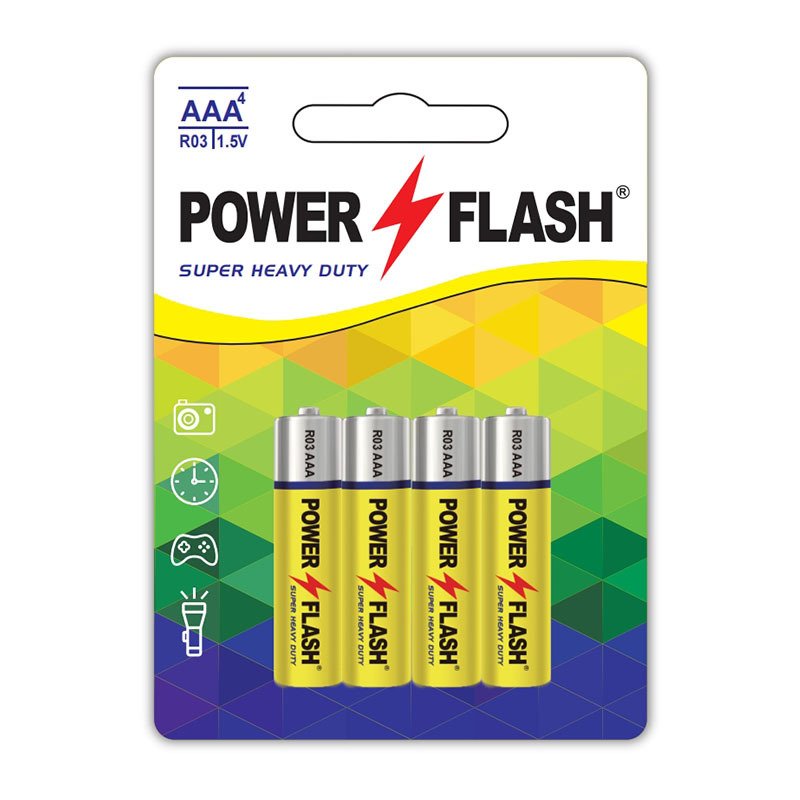
بطاريات الزنك الكربونية
تظل بطاريات الكربون والزنك خيارًا جذابًا في الحالات التي سعر شراء منخفض وأداء يومي ملائم هذه هي المتطلبات الأساسية.
تشمل التطبيقات النموذجية ما يلي:
- المصابيح اليدوية
- ساعات حائط
- أجهزة التحكم عن بُعد
- أجهزة الراديو
- الألعاب
- المعدات المنزلية الأساسية
للعملاء الذين يبحثون عن مورد للبطاريات التي تستخدم لمرة واحدة ذات التكلفة المعقولة, ، يمكن أن تظل بطاريات الكربون والزنك حلاً عمليًّا.
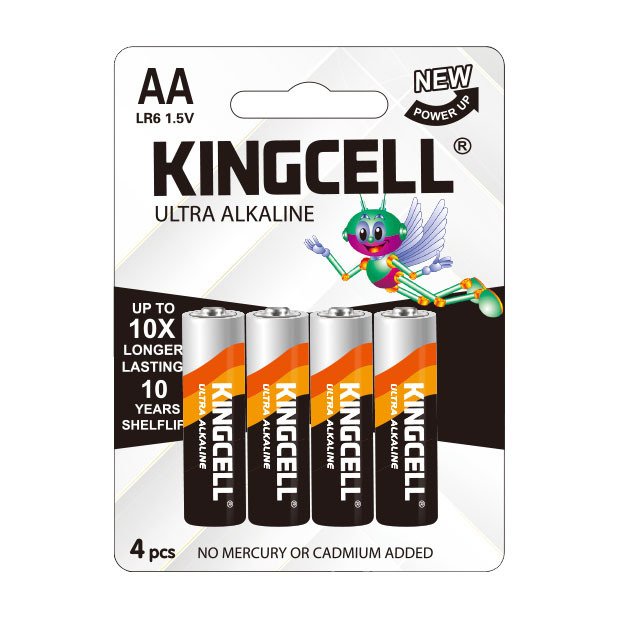
البطاريات القلوية
تُعد البطاريات القلوية أكثر ملاءمةً في الحالات التي تتطلب وقت تشغيل أطول وأداءً أقوى.
تشمل التطبيقات النموذجية ما يلي:
- مصابيح يدوية تُستخدم بكثرة
- الأجهزة الإلكترونية المحمولة
- الألعاب
- الملحقات اللاسلكية
- المعدات المنزلية
- معدات الطوارئ
تكمن قوة «هواتاي» في أنها لا تحتاج إلى الاختيار بين الفئتين.
إنه أمر مؤكد القدرة على تصنيع بطاريات الكربون والزنك يمكنها أن تستهدف شريحة السوق الاقتصادية، في حين أن منتجاتها ذات النطاق الواسع إنتاج البطاريات القلوية تدعم العملاء الباحثين عن بطاريات يمكن التخلص منها ذات أداء أعلى.
وهذا يؤدي إلى وضع استراتيجية منتجات مفيدة ذات مستويين:
| وضع السوق | البطارية الموصى بها | الميزة الرئيسية للمنتج |
| الاقتصاد | الزنك الكربوني | تكلفة تنافسية وإمدادات مستقرة |
| قياسي/مميز | قلوي | أداء أعلى ووقت تشغيل أطول |
| متخصصون | بطارية الليثيوم الأولية | كثافة طاقة أعلى وتطبيقات متخصصة |
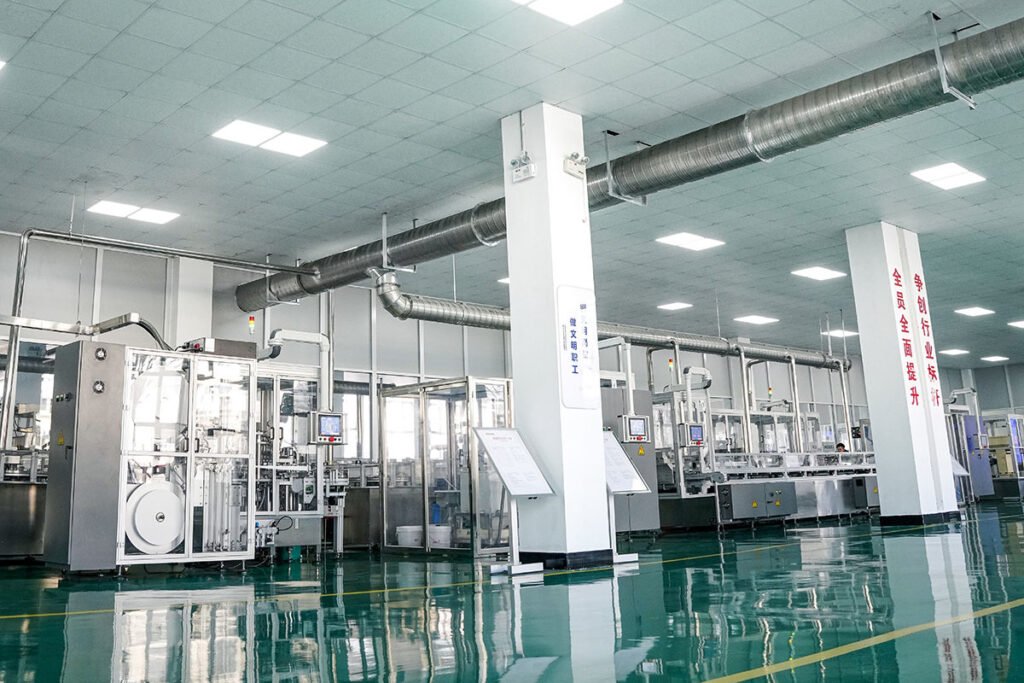
ينبغي على شركة «هواتاي» أن تتخذ أربعة إجراءات وقائية قبل قبول أي طلب ينطوي على مخاطر عالية
بالنسبة لشركة «هواتاي»، أود أن أوصي بتحويل المبادئ المذكورة أعلاه إلى إجراء داخلي فعلي.
البوابة 1: التحقق من هوية العميل
قبل تقديم عروض أسعار لكميات كبيرة، يجب الحصول على المعلومات التالية والتحقق منها:
- الاسم القانوني للشركة
- تسجيل الشركة
- رخصة تجارية
- الموقع الإلكتروني وخلفيات الشركة
- معلومات عن المستورد
- معلومات عن الملكية الفعلية، عند الاقتضاء
- الوجهة النهائية
- التطبيق المقصود
- معلومات المستخدم النهائي، عند الاقتضاء
لا ينبغي أن يحظى العميل الذي يرفض تقديم المعلومات التجارية الأساسية بنفس أولوية الائتمان والمبيعات التي يتمتع بها العميل الدائم.
البوابة 2: التحقق من الدفع
لا ينبغي أن يكون السؤال:
“هل يمكن للعميل إيجاد وسيلة للدفع؟”
ينبغي أن يكون السؤال كما يلي:
“هل يمكن لشركة هواتاي استلام هذا المبلغ بشكل قانوني وآمن؟”
ينبغي مراجعة ترتيبات الدفع من خلال بنك «هواتاي» واتباع إجراءات الامتثال المناسبة قبل بدء الإنتاج.
وهذا الأمر مهم بشكل خاص بالنسبة لروسيا وإيران.
البوابة 3: التحقق اللوجستي
لا تنتظر حتى تصبح البضاعة جاهزة لتكتشف أن شركة الشحن لن تقبل الشحنة.
يجب تأكيد المسار مسبقًا:
المصنع → ميناء التصدير → نقطة العبور → الوجهة → العميل النهائي
بالنسبة لأوكرانيا، قد يكون إنشاء مركز أوروبي ووسائل نقل متخصصة للرحلات التالية خيارًا أكثر واقعية من التسليم المباشر.
بالنسبة لروسيا، قد توفر مسارات السكك الحديدية والطرق البرية القادمة من الصين مرونة لوجستية أكبر، رهناً بالمتطلبات الحالية لشركات النقل والعقوبات المفروضة.
بالنسبة لإيران، ينبغي التحقق من سلسلة العمليات الكاملة المتعلقة بالشحن والخدمات المصرفية والتأمين والامتثال قبل قبول الطلب.
الباب الرابع: الأرباح المعدلة حسب المخاطر
قد يكون هذا هو الحساب التجاري الأهم.
لنفترض أن طلب شراء بطاريات ينتج عنه:
الربح الإجمالي على أساس سعر فوب: 1 تيرابايت × 4 تيرابايت × 10,000
قد تشمل النفقات الإضافية وتكاليف المخاطر ما يلي:
- وسائل النقل الخاصة
- عمليات إعادة الشحن الإضافية
- الرسوم المصرفية
- التأمين
- المخاطر المتعلقة بالعملات
- التخزين
- تأخير السداد
- تكاليف الامتثال الإضافية
إذا استهلكت هذه الصفقات 7,000 US$، فإن الربح الظاهري البالغ 10,000 US$ لا يتجاوز في الواقع 3,000 US$ قبل احتساب التمويل والخسارة المحتملة.
لذلك:
الهامش المُعلن ≠ الهامش الفعلي المُعدَّل وفقًا للمخاطر
ينبغي على «هواتاي» أن تحسب الخيار الأخير.
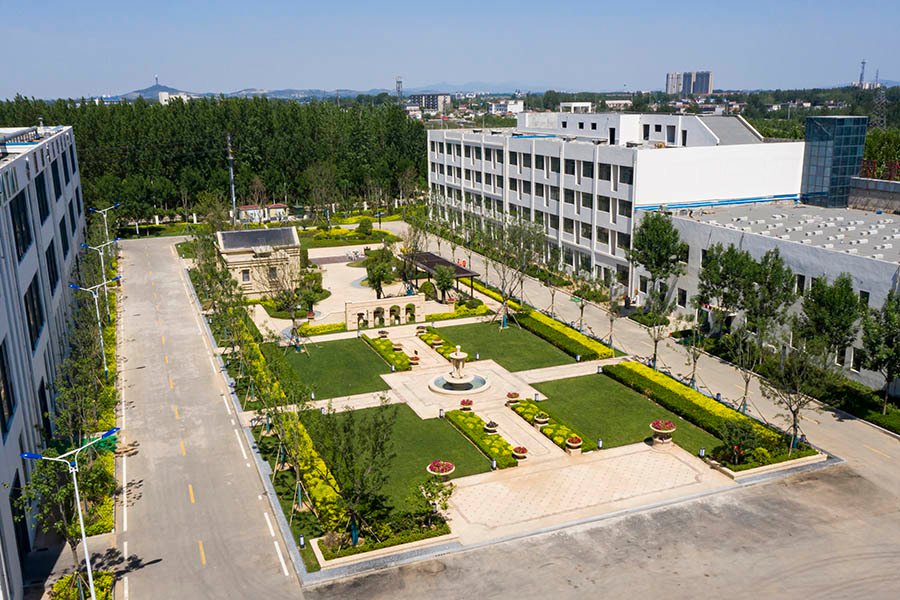
من “هل نستطيع فعل ذلك؟” إلى “هل ينبغي أن نفعل ذلك؟”
هذا هو التغيير الأكبر الذي أوصي به لفريق مبيعات التصدير في شركة «هواتاي».
عندما يطلب عميل من سوق عالية المخاطر 10,000 كرتونة من بطاريات الزنك الكربونية من فئة AA, ، ولا ينبغي أن يكون رد الفعل الأول هو:
“كيف يمكننا شحنها؟”
ينبغي أن يكون:
“هل يمكن إتمام هذه الصفقة بطريقة آمنة وقانونية ومربحة؟”
وهذا يغير عملية اتخاذ القرار برمتها.
لا ينبغي المضي قدمًا في تنفيذ أمر عالي المخاطر إلا عند استيفاء أربعة شروط:
عميل واضح
طرق الدفع المقبولة
خدمات لوجستية موثوقة
ربح كافٍ معدل وفقًا للمخاطر
إذا فشل أحد هذه العناصر الأربعة، فيجب تأجيل الطلب أو رفضه.
لماذا قد تصبح هذه الظروف مواتية لشركة «هواتاي» في نهاية المطاف
إن تدهور بيئة التجارة الدولية ليس بالضرورة أمراً سلبياً بالنسبة لشركة تصنيع مثل «هواتاي» على المدى الطويل.
كلما ازدادت تعقيدات التجارة الدولية، زادت صعوبة المنافسة بالنسبة للمصانع الصغيرة جدًّا والشركات التجارية التي تفتقر إلى الخبرة.
يحتاج مورد دولي جاد للبطاريات إلى:
- قدرة تصنيع مستقرة
- أنظمة مراقبة الجودة
- الخبرة في مجال التصدير الدولي
- فئات متعددة من منتجات البطاريات
- التوثيق الاحترافي
- إدارة سلسلة التوريد
- التوعية بالشؤون المصرفية والامتثال
- القدرة على إنتاج منتجات بموجب العلامة التجارية الخاصة أو العلامة التجارية للمصنع الأصلي (OEM)
- القدرة على الحفاظ على علاقات طويلة الأمد مع العملاء
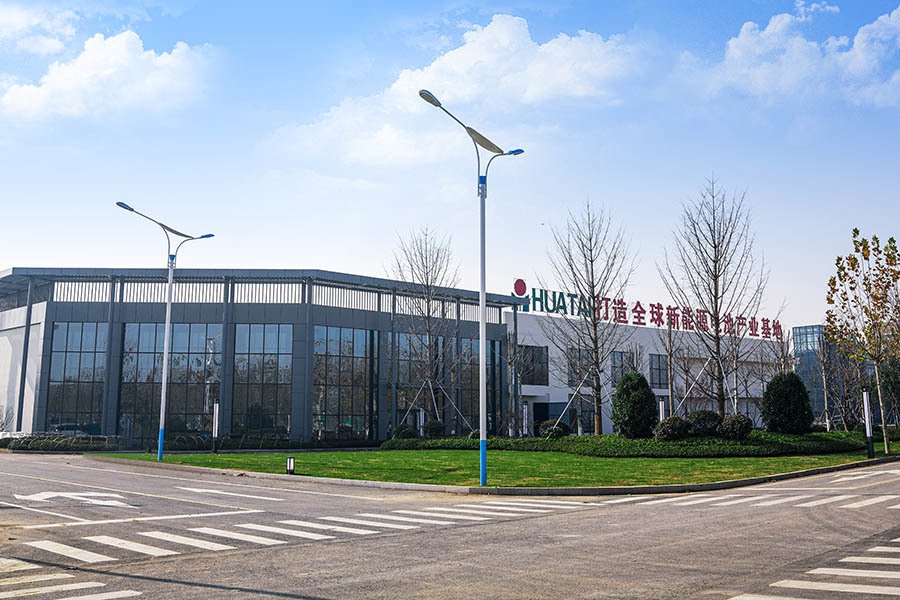
تطور شركة «هواتاي» انطلاقًا من جذورها في صناعة البطاريات التي تعود إلى تأسس مصنع ليني للبطاريات في عام 1956 إن تحول الشركة إلى مصنع متنوع للبطاريات اليوم يمنحها أساسًا أوسع بكثير من مجرد كونها مصنعًا للبطاريات الكربونية منخفضة التكلفة.
وتشمل محفظتها حالياً بطاريات الكربون والزنك، والبطاريات القلوية، وبطاريات الليثيوم، والبطاريات الزرّية، والبطاريات القابلة لإعادة الشحن، ومنتجات الطاقة الجديدة الأخرى.
وهذا يعني أن شركة «هواتاي» قادرة على تلبية متطلبات السوق المختلفة دون الاعتماد كليًّا على فئة منتجات واحدة.
استراتيجية أكثر عملية لشركة «هواتاي»
سأقسم هذه الأسواق إلى ثلاث فئات داخلية.
| فئة السوق | مثال | النهج الموصى به |
| السوق العادية | معظم أسواق التصدير التقليدية | الإجراءات القياسية للمبيعات |
| سوق المخاطر المرتفعة | روسيا، وأسواق مختارة في الشرق الأوسط | العميل + الدفع + الخدمات اللوجستية + مراجعة الامتثال |
| سوق شديد التقييد | المعاملات التي تنطوي على عقوبات أو قيود كبيرة على المدفوعات | الموافقة على أساس كل حالة على حدة؛ والرفض في حالة عدم إمكانية إثبات الامتثال |
هذا النهج أكثر فائدة بكثير من مجرد القول:
“روسيا بلد صعب.”أو:“لا يمكن البيع إلى إيران”.”
الأسواق تتغير.
تتغير العقوبات.
تتغير القنوات المصرفية.
تتغير مسارات الشحن.
لذلك، تحتاج شركة «هواتاي» إلى نظام صنع القرار القابل للتكرار, ، وليست قائمة دائمة من نوع «نعم» أو «لا».
الأسئلة الشائعة
1. هل لا يزال هناك طلب على البطاريات الجافة التي تستخدم لمرة واحدة في الأسواق المتضررة من الحرب؟
نعم. قد تظل التطبيقات الأساسية مثل المصابيح الكهربائية وأجهزة الراديو والساعات وأجهزة التحكم عن بُعد ومعدات الطوارئ تتطلب البطاريات الأولية من فئات AA وAAA وC وD و9V, ، حتى في حالة تعطل البنية التحتية.
2. ما هي البطاريات التي تُستخدم لمرة واحدة الأكثر ملاءمةً للاستخدامات الطارئة؟
بالنسبة للتطبيقات التي تراعي التكلفة،, بطاريات الزنك الكربونية يجب أن تظل عملية. وعندما يتطلب الأمر وقت تشغيل أطول وأداءً أقوى،, بطاريات قلوية تُعدّ بشكل عام أكثر ملاءمة. ويمكن النظر في استخدام بطاريات الليثيوم الأولية في التطبيقات المتخصصة.
3. هل لا يزال بإمكان شركة «هواتاي» تصدير البطاريات إلى أوكرانيا؟
من المحتمل، لكن ينبغي تقييم المسار اللوجستي بعناية. ونظرًا لأن عمليات موانئ البحر الأسود لا تزال عرضة للاضطرابات الأمنية ومشاكل السعة الاستيعابية، فإن أي هيكل يتضمن مركز لوجستي أوروبي، يليه نقل متخصص إلى أوكرانيا قد يكون ذلك أكثر عملية بالنسبة لبعض الطلبات. يجب التحقق من الظروف الحالية لكل شحنة.

4. هل تم قطع اتصال روسيا تمامًا بشبكة سويفت؟
لا. الوصف الدقيق هو أن شبكة SWIFT قد قطعت الاتصال الكيانات الروسية المحددة والشركات التابعة المحددة التي تتخذ من روسيا مقراً لها, ، في حين تُطبق الاتحاد الأوروبي قيودًا إضافية على بعض المؤسسات المالية والمعاملات الروسية.
5. لماذا يُعدّ تلقي المدفوعات من العملاء الروس أو الإيرانيين أمرًا صعبًا للغاية؟
لا تكمن الصعوبة في مجرد توفر نظام سويفت (SWIFT) فحسب. فالعقوبات المصرفية، وسياسات البنوك المراسلة، وفحص هوية العملاء، والملكية، وتوجيه المعاملات، ومتطلبات الامتثال — كلها عوامل يمكن أن تؤثر على إمكانية معالجة الدفعة من الناحيتين القانونية والعملية.
6. هل ينبغي لشركة «هواتاي» أن تقبل ترتيبات دفع من طرف ثالث أو غير معتادة لضمان الحصول على طلب شراء؟
ليس تلقائيًا. يجب أن تخضع أي ترتيبات دفع غير قياسية لمراجعة البنك الذي تتعامل معه الشركة والمتخصصين المعنيين في شؤون الامتثال. ويجب ألا تلجأ شركة «هواتاي» أبدًا إلى استخدام مستندات مزورة، أو إخفاء هوية المشتري الفعلي، أو تصميم معاملة ما عمدًا بهدف التهرب من العقوبات.
7. كيف ينبغي لشركة «هواتاي» تقييم طلب شراء بطاريات عالية المخاطر؟
استخدم أربعة بوابات: التحقق من هوية العملاء، والتحقق من المدفوعات، والتحقق من العمليات اللوجستية، والربحية المعدلة حسب المخاطر. ولا ينبغي المضي في تنفيذ الطلب إلا إذا كانت العناصر الأربعة جميعها مقبولة.
8. هل يمكن أن تخلق الظروف الصعبة التي يمر بها التجارة الدولية فرصًا لشركة «هواتاي»؟
نعم. قد تصبح الشركات المصنعة الكبيرة والراسخة التي تتمتع بإنتاج مستقر وأنظمة جودة وخبرة دولية ومحافظ منتجات متنوعة أكثر جاذبية، مع تراجع رغبة المشترين في الاعتماد على الموردين الصغار أو غير الشفافين أو غير الموثوق بهم. وتزداد الميزة التنافسية بشكل متزايد إمدادات موثوقة ومتوافقة مع المعايير, ، بدلاً من الاكتفاء بأقل سعر للبطاريات.
الخلاصة: حماية الشركة أولاً، ثم السعي وراء السوق
تمثل البيئة التجارية الدولية الحالية تناقضًا واضحًا بالنسبة لصناعة البطاريات الجافة القابلة للاستبدال: لا يزال الطلب على البطاريات قوياً في الأسواق المتضررة من الحروب والتي تعاني من اضطرابات في البنية التحتية، في حين أصبحت إدارة المخاطر المتعلقة بالمدفوعات الدولية والخدمات اللوجستية والتأمين والامتثال أكثر صعوبة بشكل ملحوظ.
وبالتالي، بالنسبة لشركة “شاندونغ هواتاي للطاقة الجديدة للبطاريات” المحدودة، لا ينبغي تصنيف أسواق مثل أوكرانيا وروسيا وإيران ببساطة على أنها «أسواق مستحيلة». بل ينبغي التعامل معها على أنها الأسواق عالية المخاطر التي تتطلب إجراءات أكثر صرامة لفحص العملاء، والتحقق من المدفوعات، وتقييم الخدمات اللوجستية، وتحليل الربحية المعدلة حسب المخاطر.

لا تزال أوكرانيا تشهد طلبًا فعليًّا على البطاريات القابلة للاستخدام لمرة واحدة من أنواع AA وAAA وC وD و9V, ، لا سيما بالنسبة للمصابيح اليدوية وأجهزة الراديو والإضاءة الطارئة والمعدات الإلكترونية الأساسية. ومع ذلك، فقد أصبح النموذج اللوجستي التقليدي للبحر الأسود أكثر تعقيدًا بشكل ملحوظ، مما يجعل من المفيد تقييم المراكز اللوجستية الأوروبية وطرق النقل البديلة.
تتمتع روسيا بميزة مختلفة بفضل اتصالها البري المباشر بالصين. الخدمات اللوجستية للسكك الحديدية والطرق بين الصين وروسيا يمكن أن توفر مرونة أكبر من الناحية العملية، لكن العمليات المصرفية، وفحص العقوبات، وقبول المدفوعات تظل من الاعتبارات الحاسمة.
تُشكل إيران مزيجًا أكثر تعقيدًا من العقوبات المالية، والقيود المصرفية، وحالة عدم اليقين في مجال الشحن، والمخاطر الجيوسياسية. بالنسبة للطلبات الإيرانية، ينبغي على شركة «هواتاي» إعطاء الأولوية للامتثال والتحقق من السداد على حساب حجم المبيعات.
على مستوى المنتج،, تظل بطاريات الكربون والزنك حلاً مهمًا يراعي الجوانب الاقتصاديةفي حين أن بطاريات قلوية توفر أداءً أعلى للتطبيقات التي تتطلب وقت تشغيل أطول. وتتيح قدرات التصنيع المتنوعة لشركة «هواتاي» لها تلبية احتياجات كلا القطاعين بدلاً من الاعتماد على فئة واحدة من البطاريات التي تُستخدم لمرة واحدة.
الدرس الأساسي الذي يجب أن تستخلصه شركة «هواتاي» هو أن المنافسة المستقبلية في الأسواق الدولية الصعبة لن تقتصر فقط على من الذي يقدم أقل سعر للبطاريات؟. وسيتزايد التركيز على الذين يمكنهم التوريد بطريقة موثوقة وقانونية ومتسقة ومربحة في ظل ظروف التجارة الدولية المعقدة.
فيما يتعلق بالأسواق عالية المخاطر، ينبغي على شركة «هواتاي» اتباع أربعة مبادئ أساسية:
عميل واضح → طريقة دفع مقبولة → خدمات لوجستية موثوقة → ربح كافٍ مع مراعاة المخاطر.
وإذا تعذر استيفاء هذه الشروط الأربعة، فقد لا يكون من المجدي قبول طلب شراء بطاريات، حتى لو كان طلبًا كبيرًا.