Arabic
 English
 Spanish
 French
 Portuguese
 Russian
 Chinese
Middle East vs South America Primary Dry Battery Markets
Explore the differences between شرق أوسطي و South American disposable battery markets بواسطة مجموعة شاندونغ هواتاي للبطارياتبما في ذلك قلوي و الزنك الكربوني cell demand, product applications, distribution channels, regulations and تصنيع المعدات الأصلية sourcing opportunities.
إن الشرق الأوسط و أمريكا الجنوبية are two commercially important destinations for disposable battery manufacturers, but their purchasing structures are quite different. The Middle East combines strong alkaline battery demand in higher-income Gulf markets with continued demand for economical carbon zinc batteries in price-sensitive segments. South America, led by Brazil and supported by markets such as Colombia, Chile and Argentina, offers a large consumer base, established local brands and extensive wholesale distribution networks.
بالنسبة لـ Chinese disposable battery manufacturers, these differences influence product selection, pricing, packaging, regulatory preparation and customer development. At شركة شاندونغ هواتاي نيو إنيرجي للبطاريات المحدودة, we believe that successful market entry requires more than offering competitive FOB prices. It requires matching battery chemistry, physical specifications and supply arrangements to the actual needs of local importers.

Middle East vs. South America: Market and Product Comparison
| مقارنة | الشرق الأوسط | أمريكا الجنوبية |
| الأسواق الرئيسية | Saudi Arabia, UAE, Iraq, Qatar and other regional markets | Brazil, Colombia, Chile, Argentina and Peru |
| هيكل السوق | Modern retail, importers, wholesalers and re-export trade | Local brands, national distributors, wholesalers and e-commerce |
| كيمياء البطارية | Alkaline demand is strong in Gulf markets; carbon zinc remains relevant in economical segments | Both chemistries are important; carbon zinc competes on price while alkaline serves higher-performance applications |
| الأحجام الرئيسية | AA, AAA, C, D and 9V | AA, AAA, C, D and 9V, depending on local applications |
| Key applications | Remote controls, toys, flashlights, radios and household electronics | Remote controls, clocks, toys, flashlights, radios and household electronics |
| أولويات الشراء | Price-performance, heat-resistant storage performance, packaging and distribution flexibility | Competitive landed cost, product consistency, local compliance and reliable replenishment |
| التوزيع | Retail chains, importers and regional trading hubs | Local distributors, wholesale markets, supermarkets and online platforms |
These are broad commercial patterns, not fixed market-share statistics. Battery consumption and chemistry preferences vary by country, income group, retail channel and device type.
Different Demand Structures for Carbon Zinc and Alkaline Batteries
Middle East: Two Distinct Consumer Segments
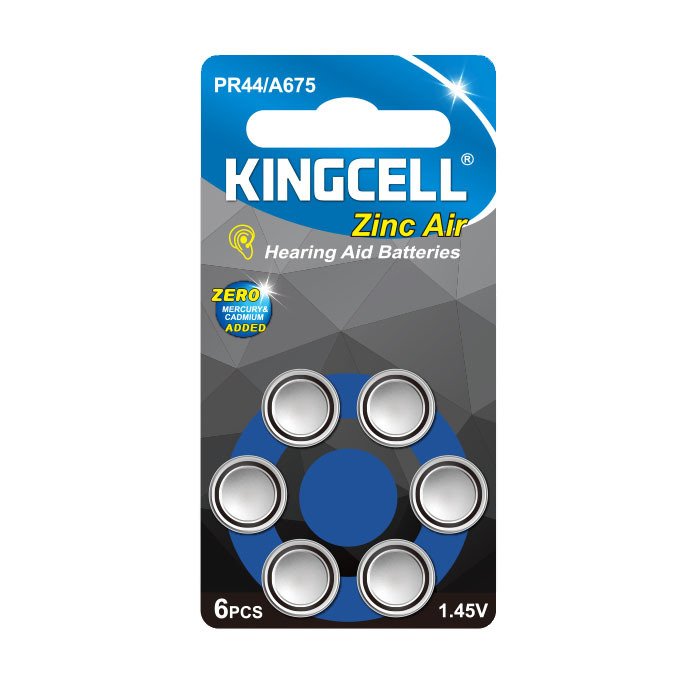
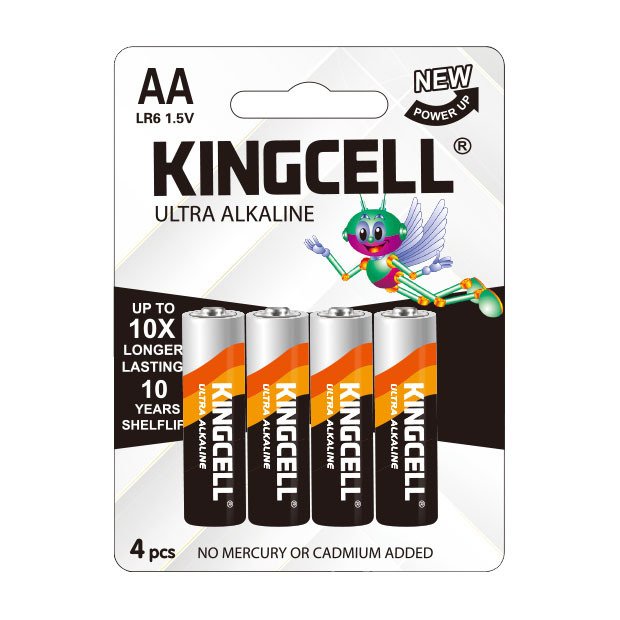
In Saudi Arabia, the UAE, Qatar and other Gulf markets, alkaline batteries are widely used in household electronics, children’s toys, wireless accessories and portable devices. Their higher capacity compared with conventional carbon zinc batteries makes them suitable for products with relatively higher current requirements.
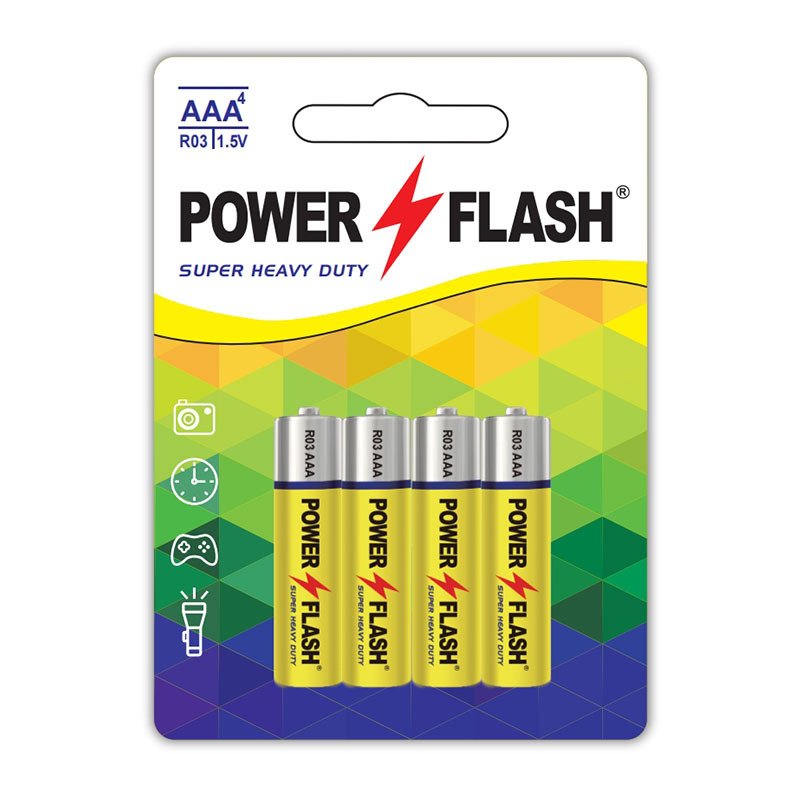
However, carbon zinc batteries remain commercially relevant. They provide an economical power source for low-drain equipment such as basic television remote controls, wall clocks and simple radios. In price-sensitive markets and wholesale channels, their lower purchase price can be an important advantage.
This creates opportunities for suppliers offering both alkaline and carbon zinc batteries. AA (LR6/R6) and AAA (LR03/R03) are practical core products, while C (LR14/R14) and D (LR20/R20) sizes can serve compatible radios, lanterns and larger flashlights.
South America: Competitive Pricing and Broad Household Applications
South America has a large and diverse market for primary batteries. Brazil is particularly important because of its population, retail scale and domestic battery industry. Colombia, Chile, Argentina and Peru also provide opportunities for imported products, although their market structures and import requirements differ.
Carbon zinc batteries compete in economical household applications, especially where consumers prioritize initial purchase price. Alkaline batteries serve users who need longer operating life or more reliable performance in devices such as electronic toys, wireless accessories and higher-output flashlights.
Common applications include television and air-conditioning remote controls, wall clocks, children’s toys, portable radios, flashlights and selected gas-stove ignition systems. D-size batteries remain relevant for equipment designed around larger cells, but should not automatically be treated as equally important in every country.
For distributors, a balanced product range can cover several price points without assuming that one chemistry will replace the other across the entire region.
Physical Performance, Climate and Packaging Requirements
The operating environment affects battery storage and product condition, but the challenges are not identical.
In parts of the Middle East, high ambient temperatures and prolonged storage can accelerate battery aging and self-discharge. Exporters should pay attention to storage-temperature recommendations, sealing integrity, carton protection and shelf-life validation. Batteries stored in hot warehouses or shipping containers may experience conditions different from those used in standard laboratory testing.
South America has a wider range of climates, from humid tropical areas in Brazil and northern South America to drier coastal regions and cooler southern areas. For imported batteries, the practical concerns include moisture exposure, condensation during transport, corrosion protection and packaging durability. Salt air near coastal logistics facilities may also affect exposed metal surfaces if storage and packaging are inadequate.
| Product or packaging factor | الشرق الأوسط | أمريكا الجنوبية |
| Storage conditions | High-temperature exposure in ports, warehouses and distribution facilities | Varying humidity and temperature during storage and transport |
| Battery construction | Sealing performance and storage stability | Sealing performance and protection against corrosion |
| Common packaging options | 2-piece and 4-piece blister packs, multipacks and retail cartons | Shrink packs, blister cards and display cartons |
| Labeling considerations | Arabic and English where required or commercially appropriate | Spanish or Portuguese according to destination |
| Buyer priorities | Shelf life, product availability and packaging presentation | Competitive unit cost, carton efficiency and local-market presentation |
Shrink packaging and display cartons can help South American wholesalers manage unit costs and retail replenishment. Blister cards may be more suitable for organized retail. Neither format is universally preferred: the best option depends on the distributor’s sales channel and packaging specifications.

Distribution Channels and OEM Purchasing Opportunities
Middle East: Retail Chains and Regional Trading Networks
Modern retail chains such as Carrefour and Lulu serve consumers in several Gulf markets, while local importers and wholesalers supply independent shops and smaller distributors.
Dubai and Jebel Ali are important logistics and re-export centers. Importers operating from the UAE may serve customers in other Middle Eastern, African and nearby markets, subject to destination-country customs and conformity requirements.
For Huatai, this creates opportunities to supply both branded distributors and customers developing their own alkaline or carbon zinc battery labels. Product combinations, Arabic-English packaging and different pack sizes can be discussed according to the buyer’s target market.
South America: Local Brands and Multi-Level Distribution
South American battery distribution includes domestic manufacturers and established brands, international brands, importers, regional wholesalers and modern retail chains. In Brazil especially, local production and established distribution relationships influence competition.
Online marketplaces such as Mercado Libre and Shopee provide additional sales channels for consumer products, although their importance varies by country. They can help smaller brands reach consumers, but online visibility does not remove the need for competitive pricing, reliable fulfillment and local compliance.
For overseas manufacturers, working with established importers and distributors is often a practical route to market. Private-label production can also help regional buyers differentiate their products, provided that the supplier can maintain consistent specifications and support repeat orders.
Regulatory Requirements: Important Country Differences
Regulatory compliance should be assessed separately for each destination. It is not accurate to assume that all Middle Eastern or South American countries apply the same certification system.
In Saudi Arabia, importers should verify the applicable product classification and conformity assessment route through the SABER platform. The relevant SASO technical regulations must be checked before assuming that a particular certificate applies to ordinary cylindrical dry batteries. The UAE’s MoIAT conformity procedures similarly depend on whether the product falls within the scope of a current technical regulation.
In South America, Brazil requires importers to consider environmental obligations for alkaline and zinc-carbon batteries. IBAMA guidance identifies physical-chemical reporting and battery management plan obligations for relevant manufacturers and importers. Importers should also check the product’s NCM classification and the current SISCOMEX administrative treatment to determine whether any Inmetro import approval applies. An Inmetro certificate should not be assumed to be mandatory for every ordinary dry battery.
Argentina has specific national requirements under Law 26.184 for primary batteries, including mercury, cadmium and lead limits, expiry-date marking, liquid-tight protective casings and minimum discharge-duration performance. Certification and import procedures have also been updated, so importers should review the latest implementing measures before shipment.
For Colombia, Chile and Peru, importers should independently verify current tariff classification, labeling, environmental and customs requirements. A certificate or approval used in one South American country should not automatically be treated as valid throughout the region.

How Huatai Battery Serves Different Market Requirements
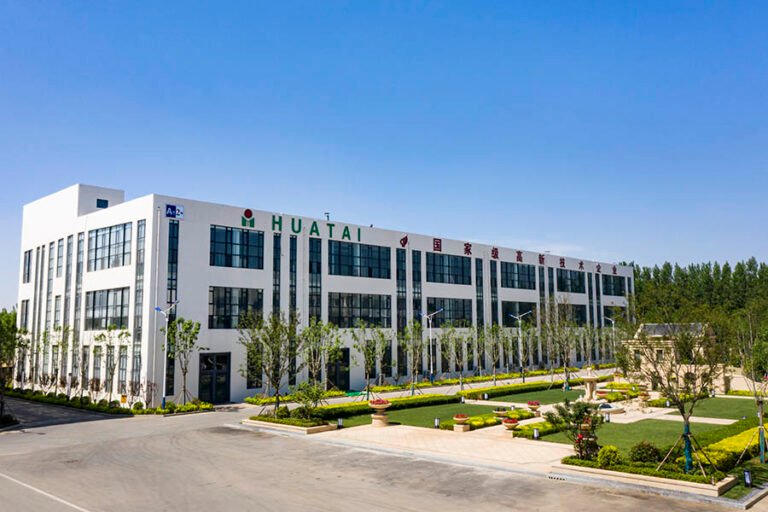
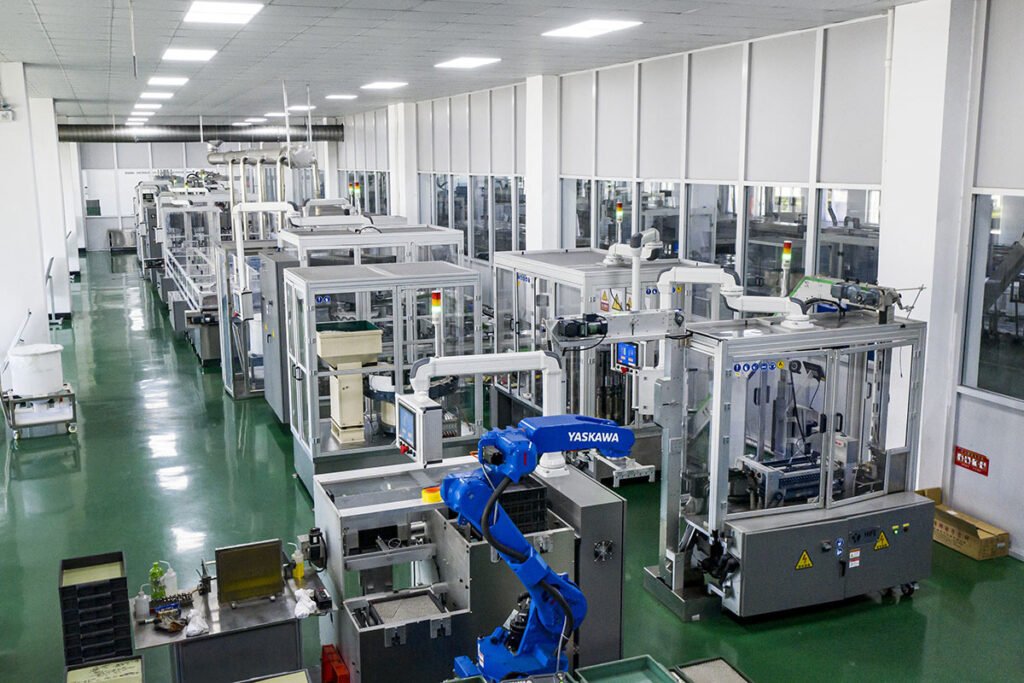
Shandong Huatai New Energy Battery Co., Ltd. traces its manufacturing history to Linyi Battery Factory, established in 1956. Our modern company was established in 1993. Today, our product portfolio includes carbon zinc and alkaline dry batteries alongside other battery categories.
With 48 dry battery production lines and company-reported annual production capacity exceeding six billion batteries across product categories, we support different specifications and OEM requirements.
For Middle Eastern customers, we can offer alkaline batteries for higher-performance household applications and carbon zinc products for economical, low-drain uses. Packaging and product combinations can be adjusted for local distributors and regional trading customers.
For South American importers, our focus is on competitive manufacturing costs, consistent battery specifications, suitable packaging formats and product documentation. AA, AAA and selected larger battery sizes can be incorporated into a product range according to local demand.
We also recognize that compliance preparation is part of export supply. Product specifications, test reports, labeling and destination-specific documentation should be confirmed with the importer before production and shipment.

الأسئلة الشائعة
1. Which battery types are most relevant in the Middle East?
Both alkaline and carbon zinc batteries are relevant. Alkaline batteries serve many Gulf household and electronic applications, while carbon zinc batteries remain competitive in low-drain and price-sensitive segments.
2. Is carbon zinc battery demand important in South America?
Yes. Carbon zinc batteries remain an economical option for low-drain household devices. Their competitiveness depends on local retail prices, consumer purchasing power and the availability of alkaline alternatives.
3. Which battery sizes should South American importers consider?
AA and AAA are practical starting points because of their broad household applications. C and D batteries can be added where local distributors identify demand for larger portable devices.
4. Does Brazil require Inmetro certification for all imported dry batteries?
Not necessarily. Importers should check the NCM code, current SISCOMEX administrative treatment and applicable Inmetro regulations. Environmental and reporting obligations may also apply.
5. What should buyers consider when exporting batteries to Argentina?
They should review Law 26.184, including heavy-metal limits, expiry-date marking, leakage protection, discharge-performance requirements and the current certification and import procedures.
6. Is Dubai a useful distribution base for Middle Eastern battery buyers?
Yes. Dubai and Jebel Ali provide important logistics and re-export infrastructure. However, each destination market still has its own customs and conformity requirements.
7. Can Huatai supply OEM carbon zinc and alkaline batteries?
Yes. We support OEM and private-label requirements for both battery chemistries. Specifications, packaging, order quantities and destination-market documentation should be agreed before production.

الخاتمة
إن الشرق الأوسط و أمريكا الجنوبية offer different opportunities for disposable battery manufacturers. The Middle East combines strong alkaline demand in Gulf markets with continuing carbon zinc applications in more price-sensitive segments. South America offers a broad consumer market in which both chemistries compete through local brands, importers and multi-level distribution networks.
بالنسبة لـ بطارية هواتاي, the appropriate approach is to develop a flexible product portfolio rather than apply one export strategy to every country. Competitive carbon zinc batteries, reliable alkaline products, suitable packaging and accurate regulatory preparation provide a practical foundation for building long-term تصنيع المعدات الأصلية and distributor relationships in both regions.