Spanish
  English
  Arabic
  French
  Portuguese
  Russian
 An Actionable Strategic Analysis for Decision-Making

I. Company Profile and Evidence of Export Activity to West Africa
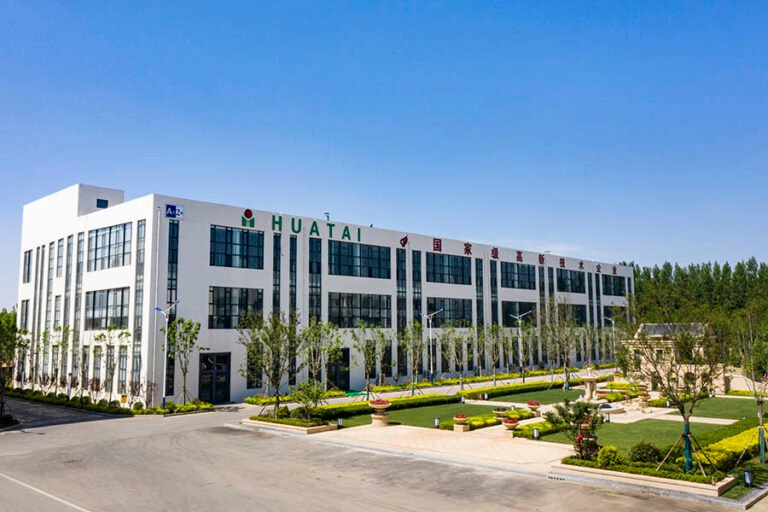
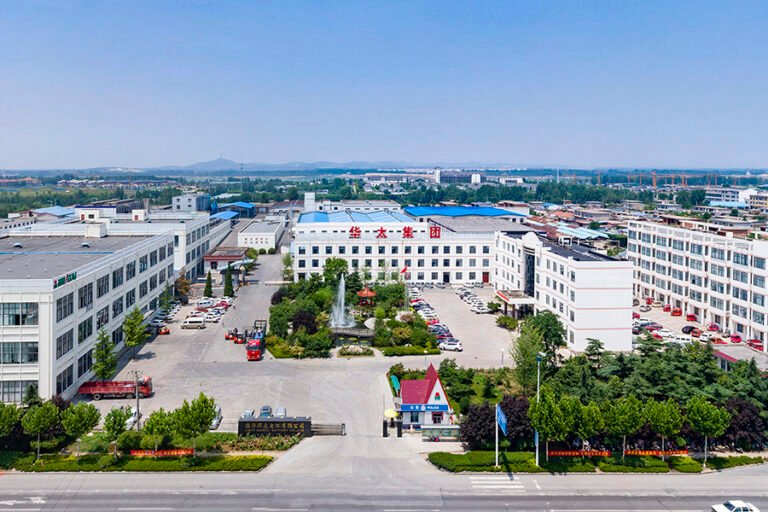
Shandong Huatai New Energy Battery Co. is one of China’s large-scale manufacturers of primary batteries and new energy battery products, with an annual output of several billion units. The company’s core product portfolio includes:
Pilas secas
Carbon zinc batteries (zinc–manganese dioxide batteries / carbon-zinc dry cells)
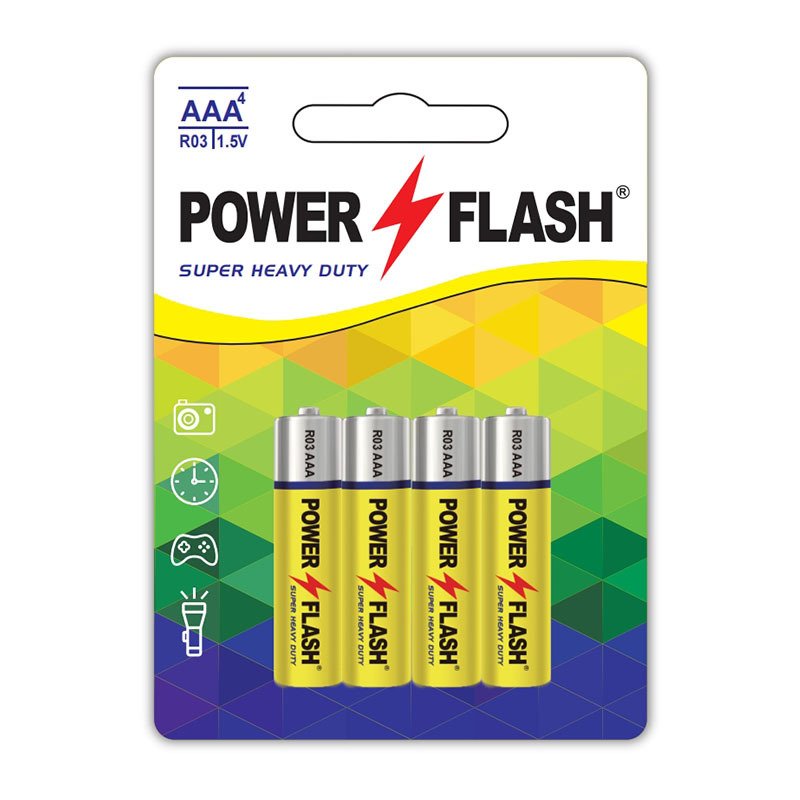
Alkaline batteries (AA / AAA / 9V)
Lithium primary batteries
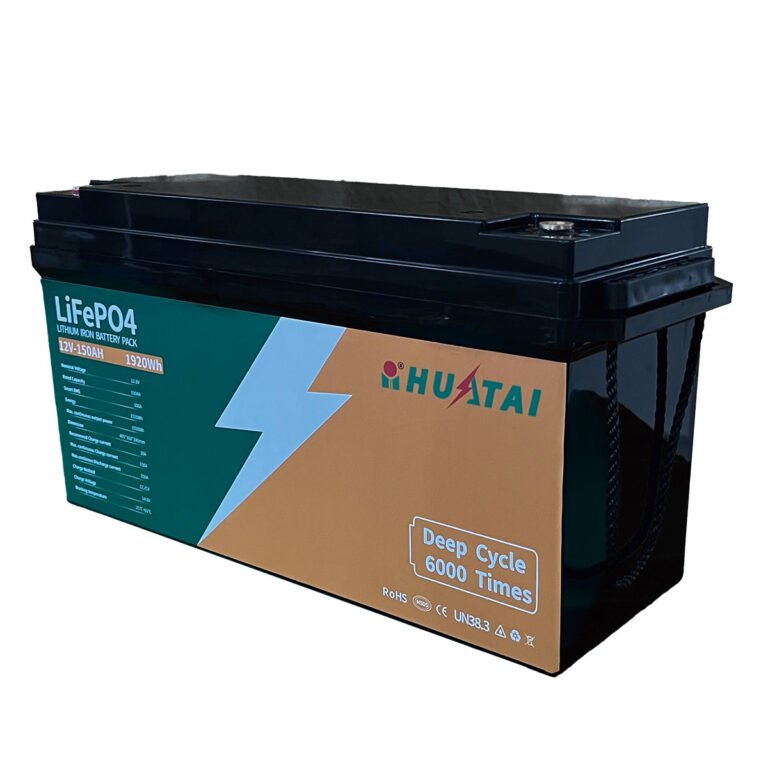
LiFePO₄ (LFP) batteries
Centrales eléctricas portátiles
Baterías solares
Huatai also provides custom packaging, OEM and ODM battery manufacturing services for global retailers, wholesalers, and distribution partners, positioning itself as a reliable battery manufacturer, producer, and supplier para los mercados internacionales.
The company operates an independent English-language website targeting overseas markets, with product inquiry pages segmented by country and city. Nigeria and other West African countries already generate real business inquiries and transactions. Huatai battery products are currently available through platforms such as Global Sources and eBay, where West African buyers have begun bulk purchasing.
These facts demonstrate that Huatai has already entered the West African market, with proven export capability, scalable production capacity, and supply-chain readiness.
II. Current Market Distribution Pattern in West Africa
Based on existing trade flows, online sales data, and wholesale market observations, Huatai batteries show the following distribution characteristics in West Africa:
1. Importer–Distributor–Wholesale-Oriented Market Structure
The typical supply chain follows this path:
China ports → full container or LCL shipment → Lagos / Abidjan ports → local importers or clearing agents → wholesalers, retailers, kiosks, and online sellers
This structure aligns well with Huatai’s strengths as a high-volume dry battery manufacturer and supplier.
2. Modern Urban Channels Are Emerging, but Traditional Trade Dominates
In major cities such as Lagos, Abidjan, and Accra, Huatai-branded alkaline batteries, carbon zinc batteries, and button cells can already be found in supermarkets and e-commerce platforms. However, the majority of sales volume still flows through traditional wholesale markets, street vendors, and township distributors, where price sensitivity is high and coverage is extensive.
Huatai’s strategy of large-pack and bulk-oriented dry battery supply is well matched to this reality.
3. Primary Battery Categories Dominate Demand
West African demand remains heavily focused on pilas secas primarias, especially:
Carbon zinc dry batteries (zinc-manganese batteries)
Alkaline AA/AAA batteries
Pilas de 9 V y pilas de botón
These categories represent Huatai’s core production strengths, ensuring strong product–market fit.
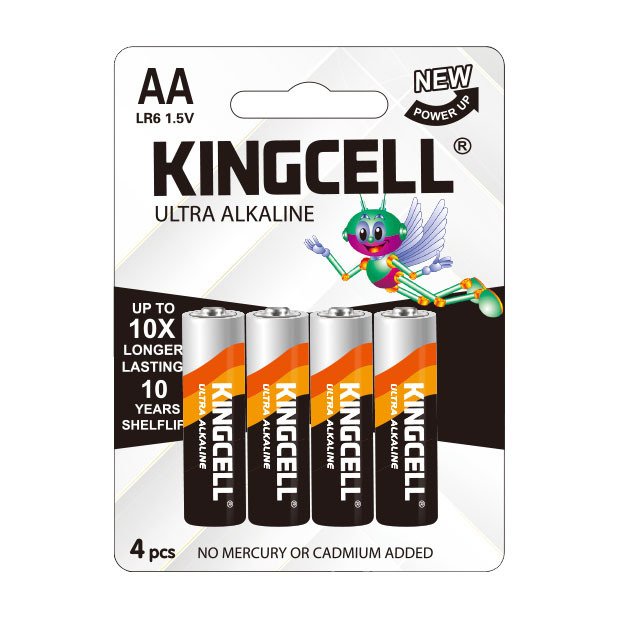
III. Competitive Landscape
International Premium Brands
Marcas como Duracell, Energizer y Panasonic dominate premium urban channels and professional applications (medical devices, specialized equipment). While Huatai does not primarily compete in high-margin premium segments, these segments represent a smaller share of the total market volume.
Chinese Cost-Competitive Brands and OEM Suppliers
This is Huatai’s direct competitive arena. Brands such as Camelion and various private-label or unbranded suppliers compete on price, volume, and wholesale penetration. As a large-scale battery manufacturer and OEM supplier, Huatai holds a natural advantage in production efficiency and cost control.
Local and Regional Battery Producers
Local manufacturing is mainly concentrated in baterías de plomo y baterías industriales, with limited presence in consumer dry batteries. Their impact on Huatai’s primary battery business remains limited.

IV. Competitive Advantages and Key Challenges
Ventajas
Large-scale production capacity enabling stable supply and competitive pricing—ideal for price-sensitive West African markets.
Existing market entry and early traction, allowing faster scaling compared to late entrants.
Highly relevant product mix, especially carbon zinc batteries, alkaline batteries, and button cell batteries.
Challenges and Risks
Brand recognition vs. counterfeit risk—low-end markets are vulnerable to imitation and mixed packaging.
Currency fluctuation and payment risks, including FX controls and margin volatility.
Dependence on local distributors for after-sales and dispute handling.
Intense price competition, especially against established Chinese brands already active in the region.
V. Market Opportunities: Why Invest Now
Mass-volume, low-cost dry battery sales remain the core battlefield, where Huatai’s scale and cost advantages shine.
Urban mid-range and e-commerce channels present opportunities for brand building and higher margins.
Private-label (OEM/ODM) cooperation with local distributors and retailers offers fast, low-friction expansion.
Environmental compliance and recycling initiatives can become a long-term differentiation point.

VI. Recommended Phased Market Strategy
Short Term (0–6 Months)
Focus on key port cities: Lagos (Nigeria), Accra (Ghana), Abidjan (Côte d’Ivoire).
Secure local wholesalers plus one e-commerce operating partner.
Establish competitive FOB and CIF pricing models with built-in promotion margins.
Mid Term (6–18 Months)
Implement anti-counterfeiting and traceability systems (QR codes, authentication labels).
Expand private-label battery manufacturing partnerships.
Set up small local warehouses or distribution hubs.
Long Term (18+ Months)
Assess feasibility of local assembly or packaging operations to reduce tariffs and enhance localization.
Invest in brand building, CSR, and battery recycling programs.

VII. Key Risks and Mitigation Measures
Counterfeiting → Unique packaging, QR verification, legal safeguards with distributors.
Payment & FX risk → USD/RMB contracts, L/C or bank-backed payment methods.
Logistics delays → Reliable freight forwarders and buffer inventory.
Price wars → Dual-SKU strategy: low-cost bulk + differentiated urban products.
VIII. Actionable Checklist
Finalize vetted local importer and distributor lists.
Prepare standardized FOB Qingdao and CIF Lagos/Abidjan price sheets.
Launch pilot listings on Jumia with two SKUs.
Implement a basic anti-counterfeiting QR system.
Secure at least one private-label OEM battery supply contract.
Allocate 6–12 months of marketing and channel support budget.
Conduct quarterly performance reviews to optimize SKU and channel mix.

IX. Conclusion
Shandong Huatai New Energy Battery Co. possesses the three critical success factors for West Africa:
large-scale production capacity, a highly suitable primary battery product line, and existing export activity.
En el low-cost, high-volume dry battery market, Huatai has a clear structural advantage as a carbon zinc battery manufacturer, alkaline battery producer, and global battery supplier. The optimal strategy is to captar volumen mediante la venta al por mayor y a granelal tiempo que desarrolla comercio electrónico urbano y canales de marca propia proteger el valor de la marca a largo plazo.
Con un despliegue adecuado de medidas contra la falsificación, control de pagos y una fuerte distribución localHuatai está bien posicionada para convertirse en un fabricante y proveedor líder de pilas secas en el mercado de África Occidental.