French
 English
 Spanish
 Arabic
 Portuguese
 Russian
 Chinese
Top China Carbon Zinc Alkaline Battery Manufacturer for Guatemala
Explorer Latin America Guatemala’s battery market par Groupe Shandong Huatai Battery, y compris carbone zinc, alcalin, lithium and rechargeable batteries, import requirements, renewable energy, energy storage, automotive demand and OEM battery opportunities from China.
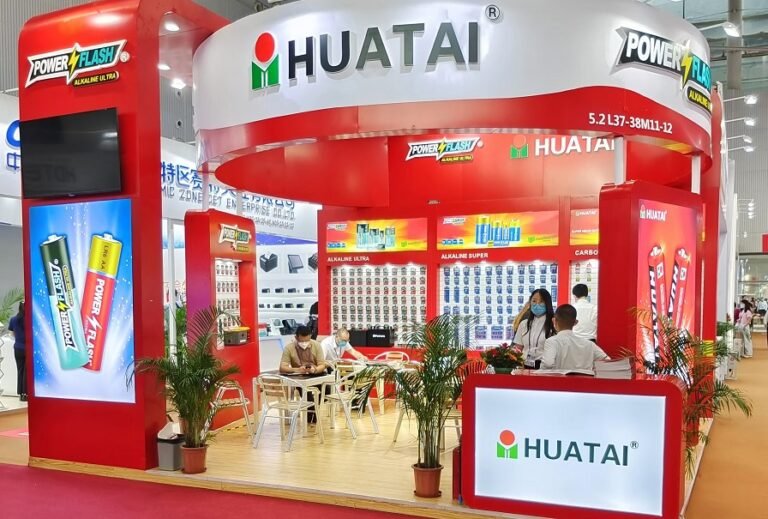
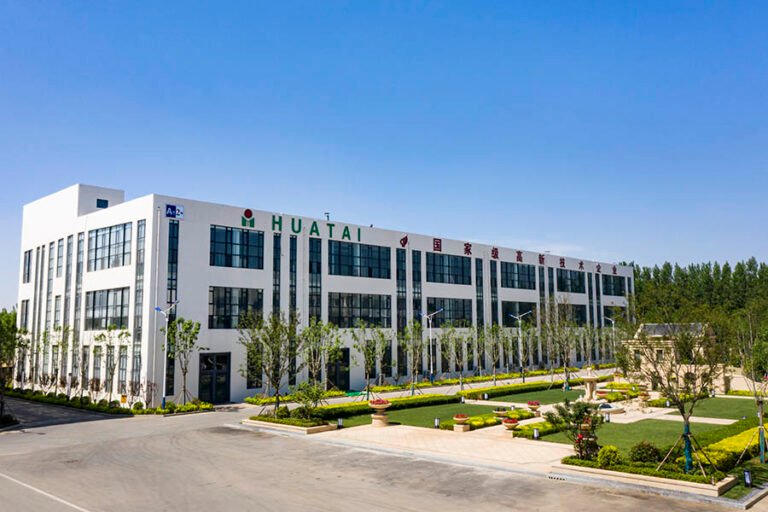
Shandong Linyi Huatai New Energy Battery Co, Ltd. a été créée en mai 1993, mais l'histoire de notre usine remonte à la création de l'usine de batteries de Linyi en 1956. leader dans le domaine de l'écologie et Fabricants de piles alcalines sans mercure et fabricants de piles au lithium en Chine et la le plus grand fabricant et usine au monde de piles zinc-carbone à usage intensif. Nos produits sont fabriqués avec HUATAI, Power Flash et KINGCELL Les marques et les marques de distributeur des clients ont fourni 6 milliards d'euros de production annuelle par an. Lignes de production automatisées à grande vitesse HIBAR, offrant Solutions OEM pour les piles au carbone-zinc, les piles alcalines et les piles au lithium dans le monde entier.

Guatemala is a strategically important battery market in Central America, where traditional dry batteries continue to serve household, retail and commercial applications while rechargeable lithium batteries are opening new opportunities in solar power, backup systems, mobility and energy storage. For importers searching for a China battery manufacturer for Guatemala, the market is not simply about finding the lowest unit price. Product chemistry, shelf life, leakage resistance, packaging, customs classification, environmental compliance and the ability to supply different battery categories all influence long-term purchasing decisions.
Guatemala’s energy sector also creates a different growth path from some other Latin American markets. The country is expanding renewable generation and transmission infrastructure, while its latest power-generation procurement process has explicitly incorporated energy storage into the future electricity system. In February 2026, Guatemala received more than 1,400 MW of technical offers in the PEG-5 generation tender, while the Ministry of Energy and Mines has highlighted storage as part of the country’s evolving power-market structure.
For Chinese battery suppliers, this creates two connected opportunities: high-volume primary batteries for everyday consumption and distributors, and higher-value rechargeable and lithium battery solutions for energy, mobility and backup applications.
Understanding the Guatemala Battery Market
Guatemala should be viewed as a diversified battery market rather than a single-product market.
Primary batteries remain important because AA, AAA, C, D and 9V batteries are used in remote controls, clocks, toys, flashlights, radios, measuring equipment, security devices and many other everyday products. Carbon-zinc batteries remain attractive for cost-sensitive applications, while alkaline batteries are more appropriate where customers require longer runtime and better discharge performance.
At the same time, rechargeable batteries are becoming increasingly relevant. Solar systems, telecommunications equipment, backup power, electric mobility and small-scale energy-storage systems can create demand for lithium-ion, LiFePO4 and other rechargeable technologies.
For an importer, the commercial structure can therefore look like this:
| Segment des batteries | Typical Guatemala applications | Principales priorités en matière d'achats |
| Zinc-carbone | Household products, toys, clocks, radios, flashlights | Price, capacity, leakage resistance, shelf life |
| Alcaline | Consumer electronics, flashlights, toys, professional equipment | Runtime, stability, shelf life, leakage protection |
| Pile au lithium primaire | Cameras, meters, electronics, specialty devices | Energy density, reliability, storage life |
| Rechargeable NiMH | Consumer rechargeable products | Cycle life, capacity, safety |
| Li-ion / LiFePO₄ | Solar, backup, mobility, energy storage | Safety, cycle life, BMS, certification |
| Fabricant d'équipement d'origine (OEM) / marque de distributeur | Retail chains, distributors, local brands | Conditionnement, quantité minimale de commande, homogénéité, image de marque |
This multi-category structure favors suppliers capable of supporting several battery technologies rather than factories specializing in only one type.
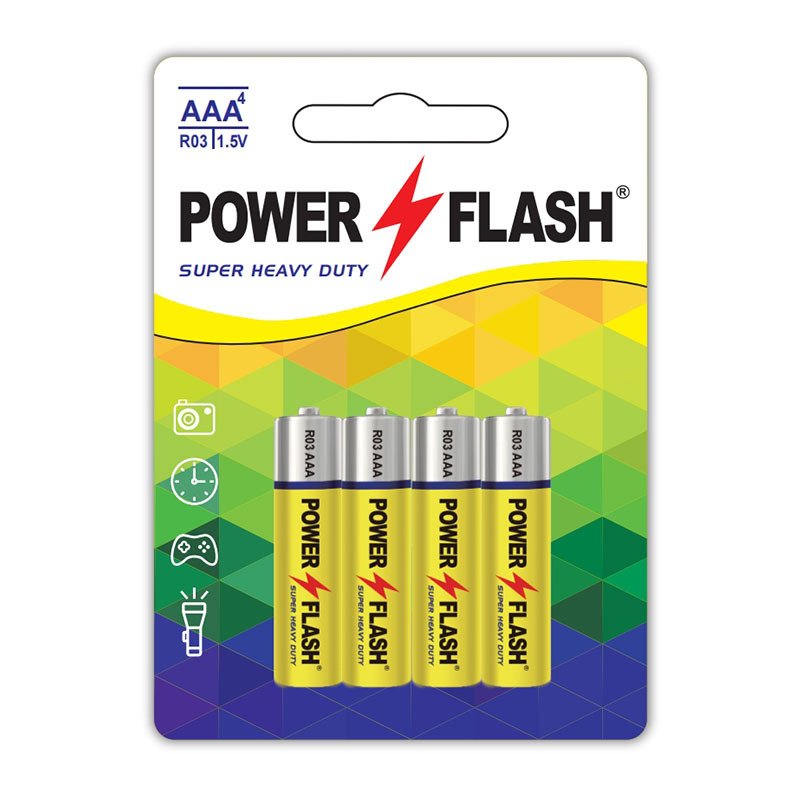
Carbon Zinc Batteries Remain Relevant in Guatemala
Carbon-zinc batteries are still commercially useful when the application does not require the higher performance of alkaline technology.
For Guatemalan distributors, the most common formats are likely to include AA/R6, AAA/R03, C/R14, D/R20 et 9V/6F22. The right product depends on the equipment, price level and expected discharge pattern.
Carbon-zinc batteries are particularly suitable for products with relatively low or intermittent current demand. They can also provide a competitive entry-level product for wholesalers and retailers that serve price-sensitive consumers.
A professional supplier should not describe carbon-zinc batteries simply as “cheap batteries.” Performance depends on manganese dioxide quality, zinc-can construction, electrolyte formulation, carbon rod quality, sealing and production consistency.
For OEM customers, technical specifications should therefore be confirmed before quotation. These may include battery dimensions, nominal voltage, discharge characteristics, zinc-can weight, manganese dioxide grade, leakage requirements and packaging configuration.
Carbon Zinc vs. Alkaline Batteries for Guatemala
The choice between carbon-zinc and alkaline batteries should be based on application rather than simply price.
| Facteur | Carbone Zinc | Alcaline |
| Prix d'achat | Plus bas | Plus élevé |
| Suitable applications | Dispositifs à faible drain | Low to medium/high-drain devices |
| Performance énergétique | Standard | Plus élevé |
| Durée de conservation | Bien | Généralement plus longues |
| Résistance aux fuites | Depends on design | Generally stronger |
| Positionnement dans le commerce de détail | Économie/rapport qualité-prix | Grand public/haut de gamme |
| Opportunité OEM | High-volume private label | High-volume branded/private label |
For Guatemala, offering both products allows an importer to serve different retail channels instead of forcing every customer toward one chemistry.

Guatemala Importers Need to Check Customs Classification Carefully
Battery importers should establish the correct SAC tariff classification before shipment. Guatemala uses the Central American Tariff System (SAC), with eight-digit tariff codes used to identify imported merchandise. The Guatemalan Tax Administration, SAT, publishes the Central American Import Tariff and related customs classification resources.
Commercial importers must also register in Guatemala’s Importer Registry. SAT states that commercial importers need, among other requirements, an active tax registration, compliance with tax and customs obligations and an authorized customs agent.
This is particularly important for battery importers because primary batteries, rechargeable batteries, battery components and energy-storage products do not necessarily fall under the same tariff or regulatory treatment.
Before confirming a large order, the importer and customs broker should verify:
- Code tarifaire SAC correct
- Description du produit
- Pays d'origine
- Valeur en douane
- Applicable import duties
- Applicable non-tariff permits
- Commercial invoice requirements
- Packaging and transportation documents
- Any environmental or dangerous-goods requirements applicable to the specific chemistry
SAT also provides an integrated tariff and non-tariff permit system for checking requirements associated with imported goods.
La gestion environnementale prend de plus en plus d'importance
Battery suppliers entering Guatemala should pay attention not only to the battery itself but also to its end-of-life management.
Guatemala’s Ministry of Environment and Natural Resources, MARN, operates regulatory systems covering products, substances and controlled hazardous wastes. Its SIPRODE platform specifically addresses licenses related to controlled products, substances and hazardous wastes.
This does not mean that every imported AA or AAA battery automatically requires a hazardous-waste license. Instead, the applicable requirements depend on the battery chemistry, composition, activity and intended handling.
For a professional importer, the practical approach is to determine the regulatory status of the exact product before shipment rather than applying a general assumption to all batteries.
This becomes increasingly important as Guatemala moves toward more structured environmental management and circular-economy practices.
Renewable Energy Is Creating a New Battery Opportunity
Guatemala’s energy market gives its battery industry an additional growth dimension.
The Ministry of Energy and Mines has published long-term generation and transmission expansion plans for 2026–2050. These plans address growing electricity demand, climate-related risks, system resilience and investment in electricity infrastructure.
The country’s PEG-5 procurement process is particularly relevant. In March 2026, MEM reported that 50 companies submitted technical and economic offers and that the process aims to contract up to 1,400 MW of guaranteed power and 150 MW of installed capacity, with supply beginning from 2030.
Energy storage is also becoming part of the discussion. Guatemala’s Ministry of Energy and Mines has stated that the PEG-5 process could mark the beginning of battery storage deployment in Guatemala, while regional energy planning increasingly recognizes storage as important for integrating renewable generation.
This creates potential demand beyond conventional consumer batteries.

Lithium and LiFePO4 Batteries Have Long-Term Potential
Lithium batteries should not be treated as a replacement for primary batteries. They represent a different market.
Potential applications in Guatemala include:
- Stockage de l'énergie solaire
- Alimentation de secours
- Telecom equipment
- Systèmes d'alimentation portables
- Electric bicycles and tricycles
- Équipements industriels
- Emergency power
- Stockage d'énergie résidentiel
- Commercial and small-scale BESS applications
For stationary storage, LiFePO4 is particularly relevant because of its combination of safety characteristics, cycle life and suitability for repeated charging and discharging.
A Chinese battery supplier serving Guatemala should therefore be able to provide more than a nominal capacity figure. Customers may need information about:
- Chimie cellulaire
- Tension nominale
- Capacité nominale
- Durée de vie
- Température de fonctionnement
- Battery management system
- Fonctions de protection
- Interfaces de communication
- Enclosure protection
- UN38.3 transportation documentation where applicable
- Installation and operating requirements
The greater the system size, the more important technical documentation and after-sales support become.
Solar and Off-Grid Applications Can Be Especially Relevant
Guatemala has substantial renewable-energy potential and has maintained policies supporting renewable-energy development. The Ministry of Energy and Mines reports that the Renewable Energy Development Incentives Law provides tax and tariff incentives for qualifying renewable-energy projects, including solar, wind, hydro and geothermal projects.
For battery manufacturers, this creates opportunities in both grid-connected and off-grid applications.
Small LiFePO4 systems can support homes, shops, telecommunications equipment and small businesses. Larger systems can be integrated with solar generation to shift energy use, provide backup capacity or improve system resilience.
This market requires a different sales strategy from disposable batteries. Instead of competing only on FOB price, suppliers need to provide technical specifications, system integration support and reliable quality control.
Automotive and Mobility Batteries Are Another Growth Segment
Guatemala has an active vehicle-import and registration market, and SAT maintains current statistical resources covering the country’s vehicle fleet and vehicle imports.
This supports demand for several battery categories, although automotive batteries should not be confused with household dry cells.
The broader mobility market can create opportunities for:
- Lithium batteries for electric bicycles
- Batteries for electric tricycles
- Batteries auxiliaires
- Motorcycle-related applications
- Automotive starter batteries
- EV and hybrid battery components
- Portable charging and backup systems
For a battery exporter, product segmentation is essential. A distributor looking for AA/AAA dry cells may have completely different technical and certification requirements from an importer purchasing a 48V LiFePO4 pack.
What Battery Products Have the Best Commercial Fit in Guatemala?
A practical product portfolio for a Guatemalan distributor could be structured in several layers.
| Market level | Produits recommandés | Commercial logic |
| Économie | Piles carbone-zinc AA/AAA/C/D/9 V | Volume, price-sensitive retail |
| Grand public | Piles alcalines AA/AAA/C/D/9 V | Better performance and wider applications |
| Spécialité | Button and lithium primary batteries | Electronics and professional devices |
| Rechargeable | NiMH AA/AAA/C/D/9 V | Applications grand public réutilisables |
| Énergie | LiFePO₄ / lithium-ion | Solar, backup and storage |
| OEM | Customized primary/rechargeable batteries | Local brands and retail chains |
For a new importer, carbon-zinc and alkaline batteries can establish distribution volume first, while rechargeable and lithium products provide opportunities to move into higher-value applications.
OEM and Private Label Battery Opportunities in Guatemala
Guatemala’s distributors, wholesalers, supermarkets, hardware retailers and local brands may require batteries under their own packaging rather than under the factory’s international brand.
A capable OEM battery manufacturer can provide:
- Private-label battery branding
- Customized labels
- Emballage sous blister pour la vente au détail
- Shrink-wrap configurations
- Conception d'emballages en carton
- Battery color and appearance
- Mixed product portfolios
- Quantités par carton personnalisées
- Emballage multilingue
- Different performance grades
The most important issue is consistency. If a distributor changes factories frequently to save a small amount on the purchase price, differences in capacity, leakage resistance, labeling or packaging can create much larger downstream costs.
For Guatemala, a supplier that can maintain stable specifications across repeated orders is therefore particularly valuable.
Pourquoi Huatai Battery est bien plus qu'un simple fabricant de piles au carbone-zinc
Shandong Huatai New Energy Battery Co., Ltd. has roots going back to the L'usine de batteries de Linyi a été créée en 1956, giving the company a long industrial history in battery manufacturing.
Today, Huatai should be viewed as a comprehensive battery manufacturer rather than only a carbon-zinc battery factory. Its product portfolio covers carbon-zinc, alkaline, lithium, rechargeable and newer energy-storage-related battery products.
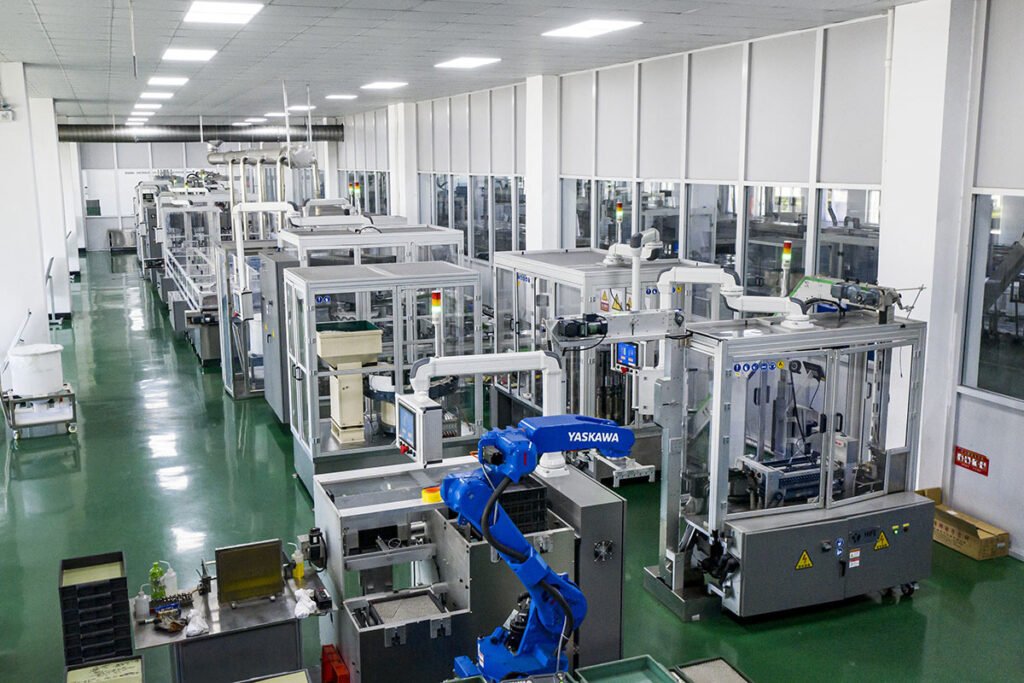
Its manufacturing capabilities include more than 40 production lines and seven component workshops, while high-speed alkaline production lines support large-volume manufacturing. This combination is relevant to importers that want to purchase multiple battery categories from one Chinese source.
For Guatemalan buyers, the practical value is not simply factory scale. A supplier needs to combine:
- Qualité stable des produits
- Competitive manufacturing cost
- Spécifications cohérentes
- Capacité de fabrication en OEM/marque de distributeur
- Expérience à l'exportation
- Appropriate technical documentation
- Reliable packaging and shipment preparation
These factors matter when a distributor plans to build a long-term battery business rather than complete a single spot purchase.

What Should Guatemalan Importers Look for in a China Battery Supplier?
A professional supplier evaluation should begin with the application rather than the quotation.
Ask the factory for technical specifications and test information for the exact battery model being quoted. For primary batteries, confirm nominal voltage, dimensions, discharge performance, leakage resistance, shelf life and packaging.
For rechargeable batteries, request information about capacity testing, cycle life, protection functions and battery management systems.
For lithium shipments, logistics documentation should also be reviewed before the order is finalized.
A useful supplier comparison can therefore include:
| Evaluation item | What the importer should verify |
| Capacité de production | Production lines, capacity and product range |
| Qualité | Inspection process and batch consistency |
| Primary batteries | Discharge, leakage and shelf-life data |
| Rechargeables | Capacity, cycle life and protection |
| Lithium | Cell chemistry, BMS and transportation documents |
| OEM | Artwork, MOQ, packaging and lead time |
| Export | Previous international shipping experience |
| Conformité | Applicable standards and documents |
| Logistique | FOB/CIF terms, packing and dangerous-goods handling where required |
The cheapest quotation is not necessarily the lowest total procurement cost. Battery failures, leakage, inconsistent capacity, packaging problems or customs delays can quickly eliminate a small price advantage.

Frequently Asked Questions About the Guatemala Battery Market
1. What type of batteries are most commonly used in Guatemala?
Carbon-zinc and alkaline AA, AAA, C, D and 9V batteries remain important for everyday consumer applications. Rechargeable and lithium batteries serve growing applications in solar energy, backup power, mobility and energy storage.
2. Are carbon-zinc batteries still suitable for the Guatemala market?
Yes. Carbon-zinc batteries remain commercially useful for low-drain and cost-sensitive applications. They can be particularly suitable for distributors serving economy and high-volume retail segments.
3. Should Guatemalan importers choose alkaline or carbon-zinc batteries?
It depends on the application and target price. Carbon-zinc is generally positioned toward economical applications, while alkaline batteries provide higher performance and are better suited to devices with greater energy requirements.
4. Does Guatemala use the Central American Tariff System for battery imports?
Yes. Guatemala’s customs authority uses the Central American Tariff System, or SAC, and publishes tariff-classification and non-tariff-permit information. Importers should confirm the exact tariff classification for each battery category before shipment.
5. Is battery energy storage developing in Guatemala?
Yes. Energy storage has become part of Guatemala’s electricity-market planning, particularly in connection with renewable generation and the PEG-5 procurement process. The Ministry of Energy and Mines has explicitly discussed battery storage as part of the country’s future electricity system.
6. Which lithium battery chemistry is suitable for solar energy storage?
LiFePO4 is widely used for stationary storage because it offers a combination of safety, cycle life and suitability for repeated charging and discharging. The final chemistry and configuration should be selected according to the system design and operating requirements.
7. Can Chinese battery manufacturers provide private-label batteries for Guatemala?
Yes. OEM/private-label programs can cover battery labels, colors, blister packs, cartons, case quantities and other packaging specifications. The manufacturer should confirm MOQ, artwork requirements, lead time and technical specifications before production.
8. What should a Guatemalan importer verify before buying batteries from China?
The importer should verify product specifications, factory capability, quality-control procedures, applicable customs classification, required documentation, packaging, shipping conditions and after-sales support. For lithium products, transportation and safety documentation should be reviewed before shipment.

Conclusion
The Guatemala battery market has two distinct but increasingly connected layers. The first is the established consumer market for carbon-zinc and alkaline batteries, where price, reliable performance, leakage resistance, shelf life and packaging remain fundamental. The second is the emerging market for rechargeable lithium batteries, solar storage, backup power and mobility applications, supported by Guatemala’s broader investment in renewable generation and electricity infrastructure.
The country’s PEG-5 process and long-term power-sector plans indicate that storage is becoming more relevant to Guatemala’s energy strategy, while the customs system requires importers to pay close attention to SAC classification and applicable non-tariff requirements.
For distributors searching for a China battery manufacturer for Guatemala, the most practical strategy is therefore not to focus on one battery chemistry. A supplier capable of providing carbon-zinc, alkaline, lithium, rechargeable and OEM/private-label solutions can support different levels of the market as demand develops.
With its battery-manufacturing history dating back to 1956, broad product portfolio and experience in large-scale production, Huatai Battery can serve as a potential China sourcing partner for Guatemalan importers looking for both traditional dry batteries and newer rechargeable energy-storage solutions.