French
 English
 Spanish
 Arabic
 Portuguese
 Russian
 Chinese
Market Overview: Two Regions with Different Purchasing Priorities
Comparer Moyen-Orient et European primary dry battery markets par Shandong Huatai New Energy Battery Co. Ltd., including carbon zinc and alkaline battery demand, AA and AAA sizes, consumer applications, private label sourcing, packaging preferences and import regulations.
Les Moyen-Orient et L'Europe are important destinations for disposable batteries, but their market structures and purchasing priorities are significantly different. The Middle East combines growing demand for alkaline batteries in higher-income Gulf countries with continued demand for economical carbon zinc batteries in price-sensitive markets. Dubai also plays an important role in regional wholesale distribution and re-export trade.
Europe, by comparison, is a mature and highly regulated market. Alkaline batteries are widely established in household retail, while carbon zinc batteries occupy more limited, price-oriented segments. Buyers place considerable emphasis on product consistency, chemical compliance, packaging sustainability and supply-chain transparency.

Pour des fabricants tels que Shandong Huatai New Energy Battery Co. Ltd., these differences require distinct product and sourcing strategies. The Middle East calls for flexibility across battery types and price levels, whereas Europe requires a stronger focus on consistent alkaline battery performance and documented regulatory compliance.
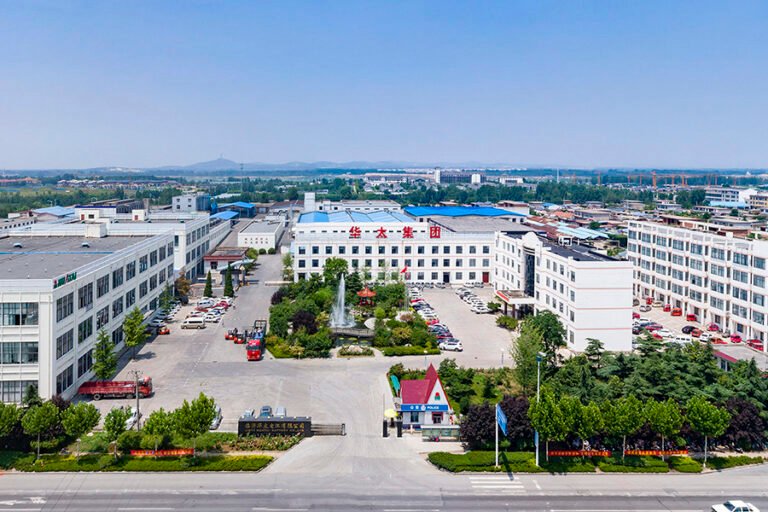
Shandong Linyi Huatai New Energy Battery Co, Ltd. a été créée en mai 1993, mais l'histoire de notre usine remonte à la création de l'usine de batteries de Linyi en 1956. leader dans le domaine de l'écologie et Fabricants de piles alcalines sans mercure et fabricants de piles au lithium en Chine et la le plus grand fabricant et usine au monde de piles zinc-carbone à usage intensif. Nos produits sont fabriqués avec HUATAI, Power Flash et KINGCELL Les marques et les marques de distributeur des clients ont fourni 6 milliards d'euros de production annuelle par an. Lignes de production automatisées à grande vitesse HIBAR, offrant Solutions de fabrication de piles sèches primaires pour les équipementiers (OEM) pour les piles au carbone-zinc, les piles alcalines et les piles au lithium dans le monde entier.
Middle East vs. Europe: Key Market Differences
| Facteur de marché | Moyen-Orient | L'Europe |
| Market structure | A mixture of premium retail, traditional wholesale and regional re-export trade | Mature retail networks, private label programs and professional B2B distribution |
| Chimie des batteries | Alkaline demand is strong in developed Gulf markets; carbon zinc remains relevant in economical segments | Alkaline is widely established; carbon zinc serves selected low-cost applications |
| Main sizes | AA, AAA, C and D | AA and AAA, with continued demand for 9V and button cells |
| Main applications | Toys, remote controls, flashlights, household electronics and emergency lighting | Wireless accessories, toys, clocks, sensors, smoke alarms and household devices |
| Priorités d'achat | Price-performance, heat resistance, leakage protection and packaging | Consistency, compliance, shelf life, traceability and environmental considerations |
| Retail structure | Supermarkets, importers, wholesalers and re-export traders | Supermarket groups, drugstores, discount retailers and specialist distributors |
| Main sourcing challenge | Matching product and packaging to different national markets | Meeting regulatory, quality, documentation and retailer requirements |
These characteristics describe general market tendencies, not universal rules. Eastern and Southern European countries can have different price structures from Western and Northern Europe. Similarly, demand in the Gulf differs from that in Iraq, Yemen and other price-sensitive Middle Eastern markets.
Carbon Zinc and Alkaline Batteries: Different Roles in Each Market
Carbon Zinc Batteries in Price-Sensitive Applications
Carbon zinc batteries, also known as zinc-carbon or heavy-duty batteries, are designed for relatively low and intermittent power consumption. Their typical applications include wall clocks, television remote controls, basic toys, portable radios and conventional flashlights.
They commonly use zinc chloride or ammonium chloride-based electrolyte systems and have a nominal voltage of 1.5V per cell. Their relatively economical production cost makes them suitable for consumers who prioritize purchase price over maximum operating time.
In the Middle East, carbon zinc batteries remain relevant in traditional wholesale channels and lower-priced product segments. In Europe, their presence is more limited, but they can still serve low-drain devices and value-oriented retail products.
Alkaline Batteries in Modern Household Electronics
Alkaline batteries use potassium hydroxide (KOH) as their electrolyte. Although they also commonly provide a nominal voltage of 1.5V, their discharge characteristics and practical capacity differ from those of carbon zinc batteries.
Under comparable test conditions, alkaline cells generally provide higher capacity and better performance in devices with greater or more sustained current requirements.
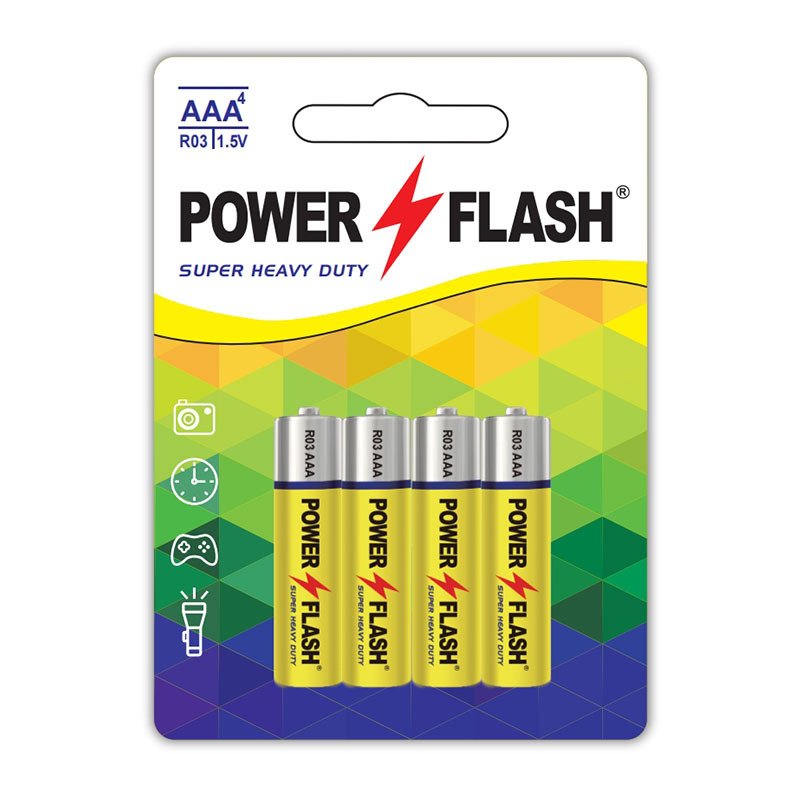
Typical applications include wireless keyboards and mice, electronic toys, digital thermometers, household sensors and selected medical devices. AA (LR6) and AAA (LR03) are especially important sizes in both regions.
In Europe, established supermarket and drugstore distribution supports a mature alkaline battery market. In the Gulf countries, higher household purchasing power and demand for electronic products also support alkaline battery sales.
Battery Sizes and Practical Applications
Battery size selection reflects the equipment used by consumers and the distribution channels served by importers.
| Battery Size | Carbon Zinc Model | Alkaline Model | Applications typiques |
| AA | R6 | LR6 | Remote controls, toys, clocks and wireless accessories |
| AAA | R03 | LR03 | Compact remote controls, small toys and household devices |
| C | R14 | LR14 | Medium-size flashlights and portable radios |
| D | R20 | LR20 | Large flashlights, radios and emergency lighting |
| 9V | 6F22 | 6LR61 | Smoke alarms, testing instruments and selected electronics |
AA and AAA batteries are central to both markets, but the European product mix generally places greater emphasis on these compact household formats. C and D batteries retain a role in Middle Eastern markets where larger flashlights and emergency lighting equipment remain common.
Button batteries such as CR2032 and other lithium coin cells also serve important applications in automotive keys, watches, sensors and small electronic devices. They should be treated as a separate product category rather than confused with conventional alkaline and carbon zinc cylindrical batteries.
Consumer Trends, Packaging and Private Label Opportunities
Middle East: Performance, Brand Recognition and Regional Distribution
In Saudi Arabia, the UAE and other Gulf markets, international battery brands have strong visibility in modern retail. However, local importers and distributors also develop private label products to achieve more control over pricing, packaging and retail margins.
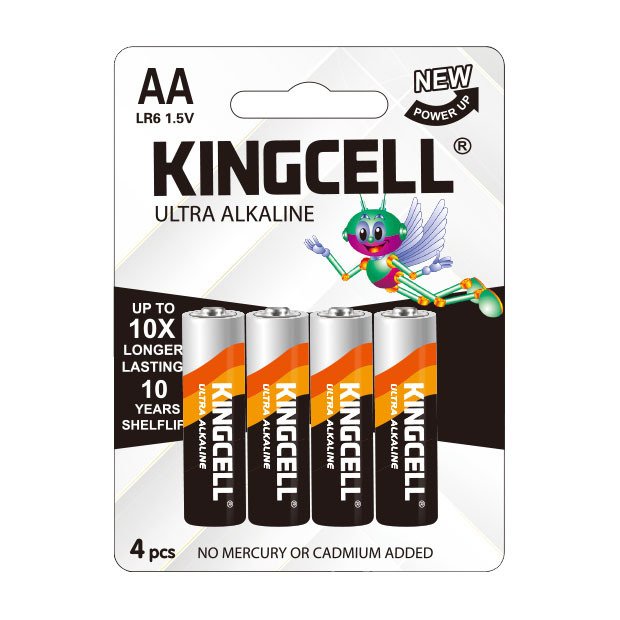
Buyers may request alkaline AA and AAA batteries for household electronics alongside economical carbon zinc products for traditional applications. Packaging often includes blister cards, multipacks and larger household packs. Arabic and English labeling may be required depending on the destination market and applicable regulations.
Dubai’s position as a regional trading hub also allows importers to source products for distribution into neighboring markets. This creates opportunities for manufacturers capable of supporting different packaging specifications and order quantities.
Europe: Mature Private Label Retail and Sustainability Requirements
European retail is characterized by established brands and extensive private label programs. Discount retailers, supermarkets and drugstore chains compete through product quality, pricing, packaging and supply-chain efficiency.
For OEM manufacturers, this creates opportunities to supply alkaline AA and AAA batteries under retailer or distributor brands. However, buyers commonly expect documented performance testing, stable production quality, traceability and compliance with applicable chemical and environmental requirements.
Packaging is another important consideration. Paper-based and reduced-plastic packaging is increasingly favored by European retailers. Nevertheless, it would be inaccurate to say that all European retailers universally prohibit plastic blister packaging. Specific packaging requirements depend on the retailer’s purchasing policy, national packaging rules and applicable EU legislation.

Regulatory Requirements: Middle East vs. Europe
Regulatory compliance is one of the most important differences between these markets.
In Saudi Arabia, exporters should check applicable SASO technical requirements and SABER procedures, including product and shipment conformity documentation where required. In the UAE, relevant MoIAT conformity requirements and restricted-substance rules should be confirmed. Iraq and other Middle Eastern destinations may also require specific conformity assessment or pre-shipment inspection procedures.
Europe operates under the EU Batteries Regulation, Regulation (EU) 2023/1542. Its requirements cover chemical restrictions, labeling, information, collection, recycling and producer responsibilities.
For portable batteries, the regulation sets maximum limits of 0.0005% mercury, 0.002% cadmium and, from 18 August 2024, 0.01% lead by weight, subject to specified exemptions. Manufacturers and importers should maintain appropriate test reports and technical documentation to demonstrate compliance.
The regulation also introduces phased labeling and information requirements. Importantly, the digital battery passport is not a general requirement for ordinary disposable AA and AAA batteries. From 18 February 2027, it applies to specified categories, including electric vehicle batteries, light means of transport batteries and industrial batteries above 2 kWh.
European importers also need to address national battery producer responsibility and waste management obligations. Packaging producer responsibility is a separate compliance area. BSCI, SMETA and SA8000 audits are frequently requested by major retailers as supplier qualification requirements, but they are not universal statutory product certifications under EU battery law.
The United Kingdom should also be assessed separately because EU regulations do not automatically apply there in exactly the same way.
Huatai Battery’s Approach to Both Markets
At Shandong Huatai New Energy Battery Co., Ltd., we recognize that successful export manufacturing requires more than offering the same battery products to every destination.
Our manufacturing history can be traced back to Linyi Battery Factory, established in 1956. The modern company was formally established in 1993. Today, our portfolio includes carbon zinc batteries, alkaline batteries, button cells and rechargeable battery products.
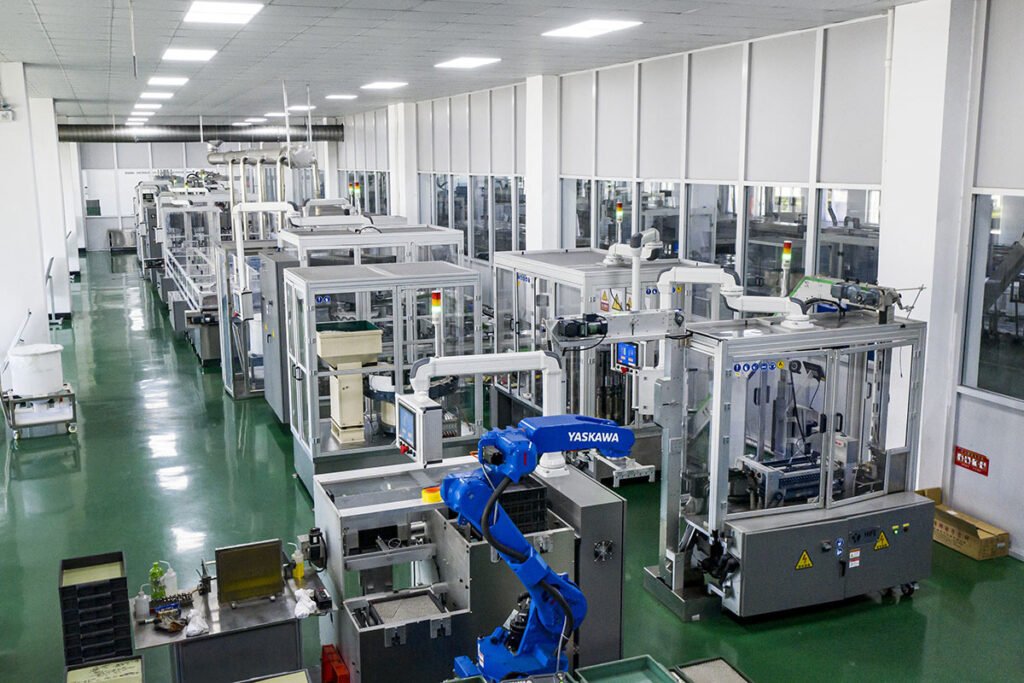
With 48 dry battery production lines and a reported annual production capacity of more than 6 billion batteries across product categories, we support different product specifications and OEM/private label requirements.
For Middle Eastern customers, our focus includes alkaline AA and AAA batteries, economical carbon zinc options, sealing performance, storage stability and market-specific packaging.
For European customers, we place greater emphasis on alkaline battery consistency, product testing, chemical compliance documentation and packaging specifications suitable for modern retail. We also understand that buyers need reliable production records and stable quality across repeated orders, not simply an attractive sample.
Our objective is to match battery chemistry, dimensions, performance and packaging to the actual application and destination market.

Questions fréquemment posées
1. What is the main difference between the Middle East and European battery markets?
The Middle East has a more varied market structure, with alkaline and carbon zinc batteries serving different income and retail segments. Europe has a more mature alkaline battery market and stronger emphasis on regulatory compliance and sustainability.
2. Which battery types are most important in Europe?
Alkaline AA (LR6) and AAA (LR03) batteries are widely used in household electronics, toys and wireless accessories. Button cells and 9V batteries also serve specific applications.
3. Are carbon zinc batteries still sold in Europe?
Yes. Although their market position is more limited than alkaline batteries, carbon zinc cells can still serve low-drain devices and price-sensitive retail segments.
4. Why is alkaline battery demand strong in the Middle East?
Modern household electronics, toys and other battery-powered devices support demand for alkaline batteries, particularly in higher-income Gulf markets. Their higher practical capacity also makes them suitable for applications requiring longer operating time.
5. Does the EU Battery Regulation require a battery passport for AA and AAA batteries?
No. The digital battery passport requirement from February 2027 applies to specified battery categories, not ordinary disposable AA and AAA cells.
6. What should Chinese battery manufacturers prepare before exporting to Europe?
They should review chemical restrictions, applicable labeling requirements, technical documentation, testing records and producer responsibility obligations. Retailer-specific quality and social compliance audits may also be required.
7. Why do European buyers source private label alkaline batteries from China?
OEM sourcing allows retailers and distributors to develop their own brands, manage product positioning and obtain manufacturing capacity at competitive costs. Long-term cooperation depends on consistent quality, compliance and reliable delivery.

Conclusion: Different Markets, Different Manufacturing Priorities
Les Moyen-Orient et L'Europe offer different opportunities for disposable fabricants de batteries. The Middle East combines demand for alkaline batteries in developed Gulf markets with continued carbon zinc consumption in economical product segments. Its wholesale and re-export networks also create opportunities for regional distribution.
Europe is a more mature and compliance-driven market, where alkaline AA and AAA batteries, private label retail programs, product consistency and environmental requirements play central roles.
For manufacturers, the key is not simply to export more batteries, but to supply the right chemistry, size, performance and packaging for each market. At Batterie Huatai, we believe that long-term competitiveness comes from combining manufacturing efficiency with reliable quality, regulatory awareness and flexible OEM service.