French
  English
  Spanish
  Arabic
  Portuguese
  Russian
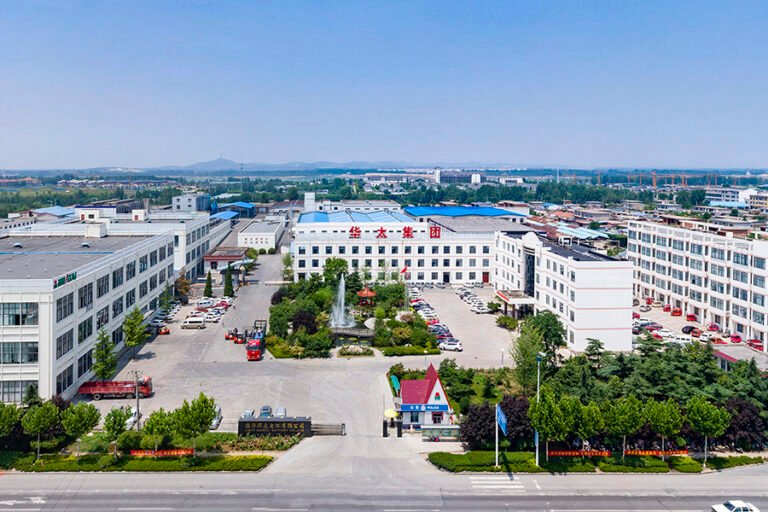
 A Brand-Level Market Analysis by Shandong Huatai New Energy Battery Co., Ltd.
Shandong Huatai New Energy Battery Co., Ltd. presents below a comprehensive, brand-level analysis of the current West African dry battery market, couvrant market size and drivers, channel and regional distribution, brand positioning (multinational premium brands, international mass brands, Chinese manufacturers, local producers and distributors), gray-market and counterfeit issuesainsi que key considerations for companies entering or expanding in the region.
This analysis is intentionally detailed and lengthy, with the aim of providing a practical reference for understanding today’s West African batterie sèche market.

I. Market Overview: Size, Structure, and Growth Drivers
1. Market Trends
Based on extensive research, the West African (and broader African) battery market is in a clear growth phase. Demand is driven primarily by:
Household energy consumption and daily-use devices,Mobile power needs and flashlights,Telecommunications base stations and backup power,Off-grid lighting (solar lamps, torches)。
In parallel, microgrids, backup power systems, automotive batteries, and industrial batteries are also expanding, further reinforcing overall battery demand.
2. Product Structure
Dans le cadre de la household and consumer primary battery segment, the market generally follows a three-tier structure:
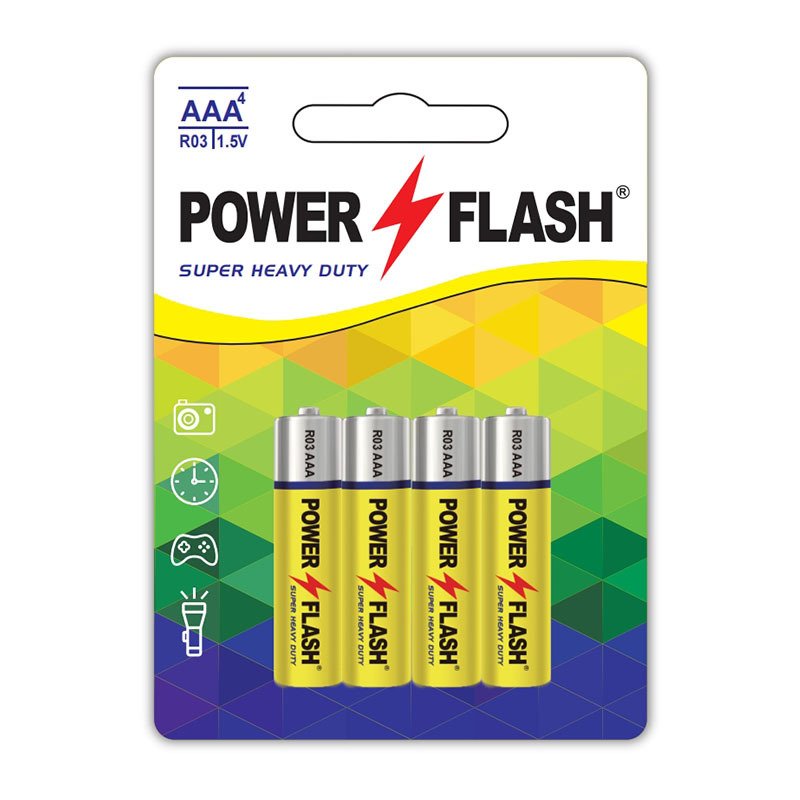
Piles carbone-zinc (zinc manganese dry batteries) – low-end, price-driven
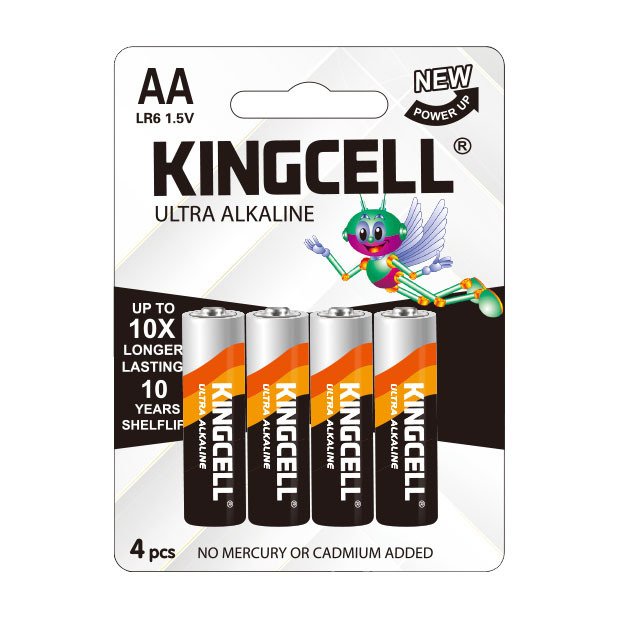
Piles alcalines – mass market, better performance
Primary lithium batteries & button cell batteries – small electronics and specialty devices
In many West African countries, price sensitivity remains extremely high, meaning carbon zinc batteries still dominate volume sales, especially in rural and informal markets. However, for high-drain or long-life applications (cameras, wireless devices, high-performance flashlights), consumers increasingly choose alkaline batteries or international brands.
Huatai Battery’s Competitive Fit in West Africa
Huatai batteries demonstrate strong advantages in this market due to:
Large-scale production capacity and cost efficiency, ideal for price-sensitive regions
Existing market presence and early-stage success in West Africa, enabling faster expansion
Highly compatible product portfolio, including carbon zinc batteries, alkaline batteries, and button cell batteries that match core consumer demand
Dry battery manufacturer, carbon zinc battery factory, alkaline battery supplier Africa
II. Channel and Regional Distribution
1. E-commerce Platforms
Major local e-commerce platforms such as Jumia et Konga play a growing role in urban battery sales. These platforms serve as formal and traceable channels, offering brands such as Duracell, Panasonic, GP, and Huatai directly to consumers.
2. Modern Offline Retail
Modern retail formats—supermarkets and electronics chains—are concentrated in major cities such as Lagos, Accra, and Abidjan. These channels primarily carry mid- to high-end brands and support stronger brand visibility and pricing discipline.
3. Traditional Markets and Small Shops
The largest sales volumes still come from small kiosks, open markets, and street vendors, where low-priced carbon zinc and alkaline batteries dominate. However, these channels carry:
Higher quality inconsistency
Serious traceability risks
Greater exposure to counterfeit products
4. B2B Distribution Networks
Huatai Battery leverages local distributors and wholesalers, using their existing sales networks to rapidly scale market share across multiple West African countries.
Mots clés SEO : battery supplier West Africa, OEM battery distributor, wholesale dry battery supplier
III. Major Battery Brands and Consumer Segments
A. Multinational Premium / Tier-One Global Brands
1. Duracell
Positionnement :
Global premium consumer battery brand, known for long lifespan, strong brand premium, and high retail recognition.
West Africa Presence:
Widely available in Nigeria, Ghana, and Côte d’Ivoire through authorized distributors and e-commerce platforms such as Jumia. Duracell enjoys high brand awareness and strong price premium in urban markets.
2. Energizer
Positionnement :
A global premium-to-mass-market hybrid brand, with strong alkaline and high-performance lithium battery lines.
West Africa Presence:
Energizer claims coverage in 160+ countries globally and enters West Africa mainly through local distributors and agents, with availability across retail and e-commerce channels.
3. Panasonic / VARTA / Maxell
Positionnement :
Panasonic: alkaline batteries, button cells, and rechargeable batteries
VARTA / Maxell: button cell batteries and specialty batteries for cameras and medical devices
West Africa Presence:
Typically supplied via regional master distributors. Selected models—especially button cell batteries and alkaline batteries—are available in modern retail and online channels.
B. Chinese and Asian Cost-Competitive Brands (Market-Dominant by Volume)
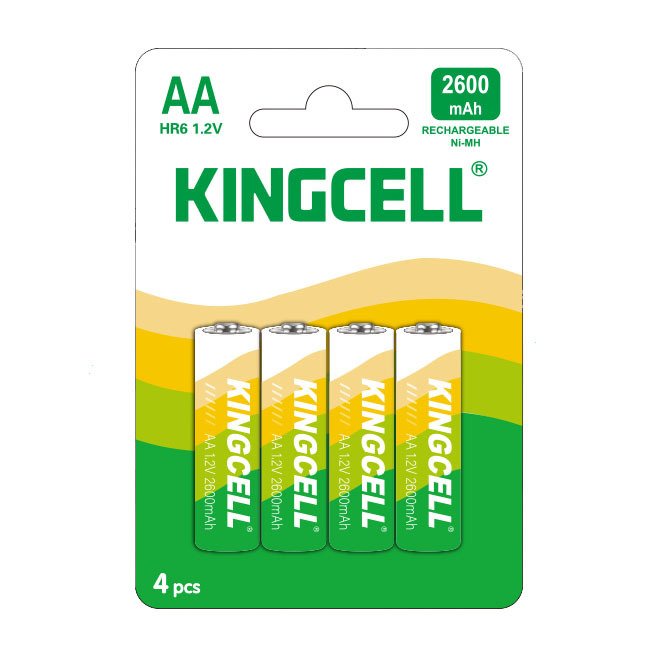
1. Huatai Battery (Established Chinese Manufacturer)
Positionnement :
Export-oriented carbon zinc and alkaline battery manufacturer, highly competitive in price, focused on high-volume daily-use markets.
West Africa Presence:
Huatai Battery operates through an authorized agency and distributor system, granting sales rights to large local wholesalers under strict compliance and incentive mechanisms. Supported by consistent quality, competitive pricing, and strong customer reputation, Huatai’s batteries continue to gain market share across West Africa.
Mots clés SEO : carbon zinc battery supplier Africa, alkaline battery manufacturer China, OEM dry battery factory
2. Forgo Battery (Nigeria – Local Manufacturer)
Overview:
Forgo is a Nigerian battery manufacturer primarily focused on automotive, solar, and backup power batteries. Corporate information indicates production capabilities in Ilorin, with compliance to local standards.
While Forgo is more concentrated in lead-acid and industrial batteries, it reflects a broader trend toward local manufacturing and upstream industrial development.

IV. Gray Market, Counterfeiting, and Recycling Issues
1. Counterfeit and Non-Authorized Products
Counterfeit batteries and unauthorized imports are extremely common in low-end channels. Weak regulation and large price gaps make fake packaging widespread in street markets, damaging brand trust and increasing after-sales risk.
Authorized distributors and e-commerce platforms are becoming the primary battlegrounds for anti-counterfeiting and product traceability.
2. Recycling and Environmental Challenges
The uncontrolled circulation of used batteries and lead-acid battery waste, including cross-border movement (e.g., large volumes of used batteries flowing out of Nigeria), creates environmental pressure and complicates local recycling efforts.
V. Regional Differences Within West Africa
1. Coastal Economic Hubs (Nigeria, Ghana, Côte d’Ivoire)
Large populations and higher urbanization
Concentrated ports and import infrastructure
Stronger presence of international brands and formal distribution
Preferred entry points for Chinese battery manufacturers and wholesalers
2. Inland and Secondary Markets
Reliance on road-based distribution and informal vendors
Dominance of low-cost carbon zinc batteries
Limited after-sales service and authenticity assurance

VI. Opportunities and Risks by Market Participant Type
1. International / Premium Brands
Opportunities:
Stable demand from urban middle-class consumers
Medical and professional equipment requiring quality assurance
Ability to protect brand value through e-commerce and authorized distribution
Risks:
Strong price sensitivity limits mass-market penetration
High costs for anti-counterfeiting, education, and channel control
2. Chinese Brands (Huatai, Camelion, etc.)
Opportunities:
Natural advantage in high-volume, low-price segments
Well-suited for wholesale and fast-turnover strategies
Huatai already has local distribution foundations for rapid expansion
Risks:
Low brand barriers and intense price competition
Limited acceptance in premium urban scenarios
3. Local Manufacturers and Assemblers (Forgo, Ibeto, etc.)
Opportunities:
Policy support and import substitution
Cost advantages when combined with recycling systems
Strong positioning in lead-acid and industrial batteries
Risks:
Disposable dry battery localization is difficult due to raw materials and scale
Requires significant capital and technical investment

Final Summary
Les West African consumer dry battery market is highly price-sensitive and clearly segmented. Primary disposable dry batteries remain the dominant energy source:
Urban formal channels prefer international and higher-quality brands and are willing to pay for longer lifespan—creating opportunities for high-capacity alkaline batteries such as Huatai’s.
Secondary cities and rural areas are dominated by low-priced bulk batteries sold through informal markets.
To successfully enter or expand in the West African battery market, suppliers must operate a dual strategy:
High-end and low-end products simultaneously
Combine authorized distribution and e-commerce in cities avec wholesale and traditional market coverage
Build both price competitiveness and supply chain reliability