
 English
  Spanish
  French
  Arabic
  Portuguese
  Russian
 Alkaline batteries and carbon zinc batteries are currently the two most important core products of Shandong Huatai New Energy Battery Co., Ltd., a leading dry battery manufacturer, producer, and supplier in China.
Both battery types have made significant contributions to Huatai’s stable growth in their respective markets and application fields.
This article provides a systematic comparison of Huatai alkaline dry batteries and carbon zinc (zinc manganese) batteries from the perspectives of material structure, performance characteristics, lifespan, cost, and application scenarios, helping global users and buyers select the most suitable battery solution.
Introduction About Huatai Battery
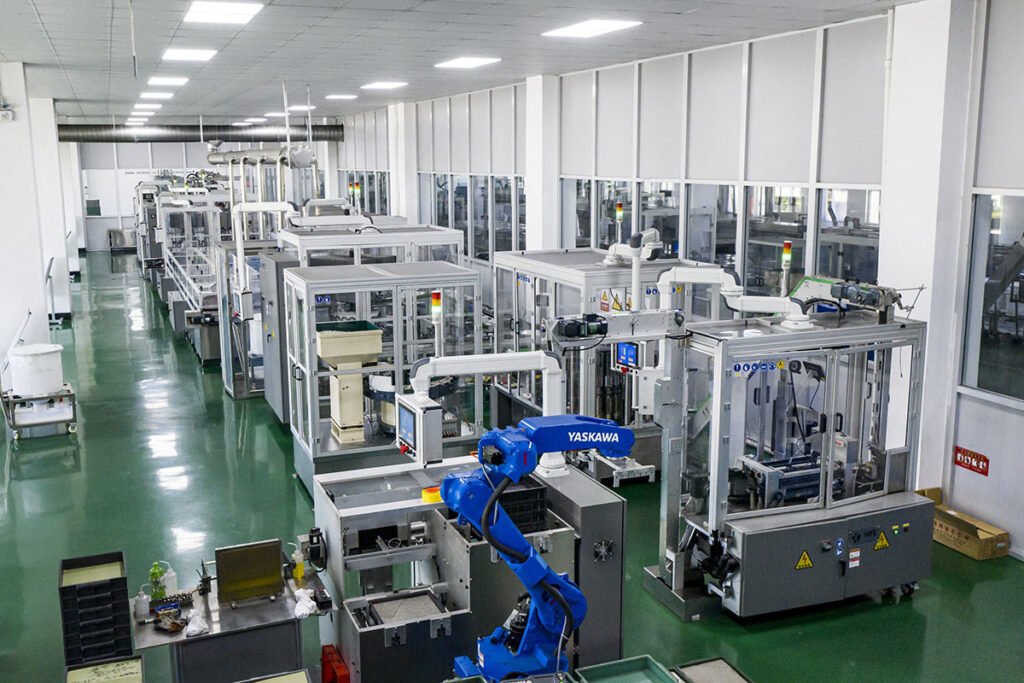
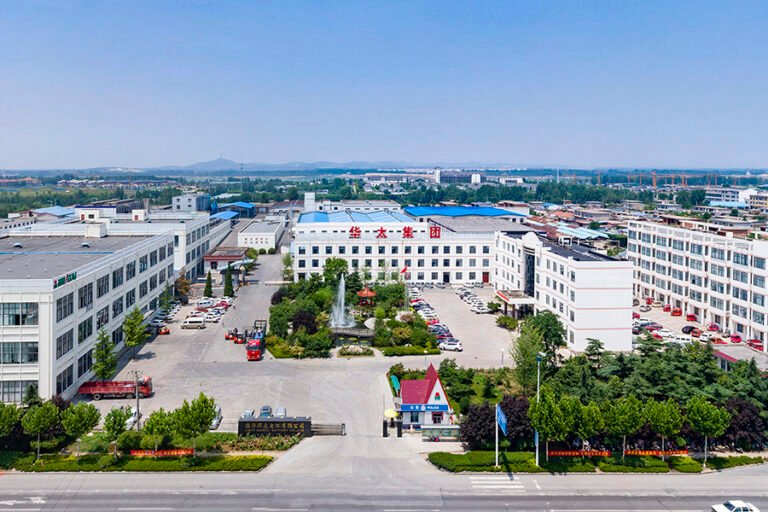
Shandong Linyi Huatai New Energy Battery Co., Ltd. was established in May 1993,but our factory’s history can date back to the establishment of the Linyi Battery Plant in 1956.We are currently one of the leading Eco-friendly&Mercury-free alkaline battery manufacturers and lithium battery manufacturers in China and the world’s largest heavy duty zinc-carbon batteries manufacturer&factory. Our products are produced with HUATAI,Power Flash and KINGCELL brand and customer’s private label, supplied 6 billion annual output by HIBAR high-speed automated production lines, offering OEM solutions for zinc carbon, alkaline, and lithium batteries worldwide.For more insights, please stay tuned to our News section, which covers the latest Company News and Industry News.We also supply one-stop Product Catalog service for our customers.

Overview: Alkaline vs. Carbon Zinc Dry Batteries
In consumer battery markets, alkaline batteries and carbon zinc batteries (also known as zinc carbon batteries) are the two most common types of primary dry batteries.
Both operate at 1.5V and are widely used in household appliances, toys, digital devices, remote controls, and clocks.
However, due to significant differences in internal structure, electrochemical systems, and product positioning, their performance, lifespan, cost, and suitable applications vary greatly. Understanding these differences is essential for choosing the right power source.
1. Differences in Materials and Internal Structure
The most fundamental difference between alkaline batteries and carbon zinc batteries lies in their electrode materials and electrolyte formulations.
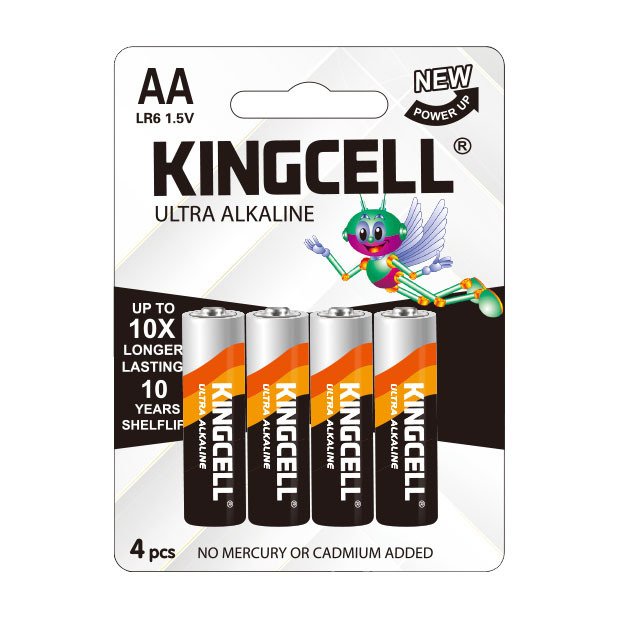
Alkaline Batteries
Negative electrode: Zinc powder
Positive electrode: Manganese dioxide (MnO₂)
Electrolyte: Potassium hydroxide (KOH) alkaline solution
Zinc powder provides a much larger reaction surface area than a zinc can, enabling stronger electrochemical reactions, higher output capacity, and improved discharge performance.
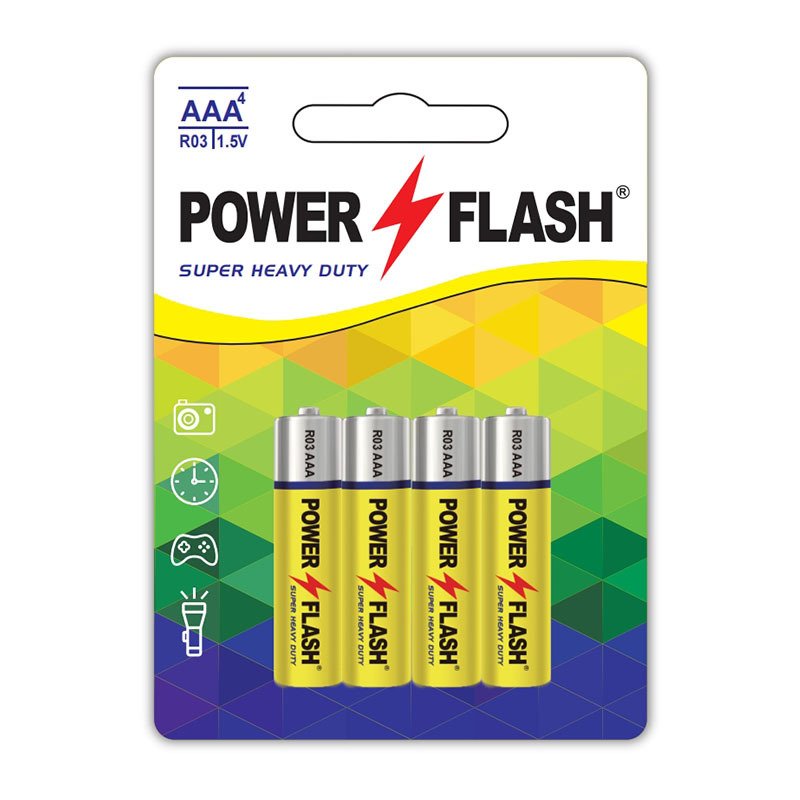
Carbon Zinc Batteries (Zinc Manganese Batteries)
Negative electrode: Zinc can
Positive electrode: Mixture of manganese dioxide and graphite
Current collector: Carbon rod
Electrolyte: Ammonium chloride (NH₄Cl) or zinc chloride (ZnCl₂)
This traditional structure is mature and stable, but its electrical conductivity and reaction efficiency are lower than those of alkaline systems, resulting in limited capacity and discharge power.
2. Electrical Performance Comparison
Due to their advanced material systems, alkaline batteries offer superior discharge performance:
Strong continuous output
Smooth and stable discharge curve
Better resistance to voltage drop under high current loads
They are ideal for medium- to high-drain devices such as:
Digital cameras
Electric toys
Shavers
Flashlights
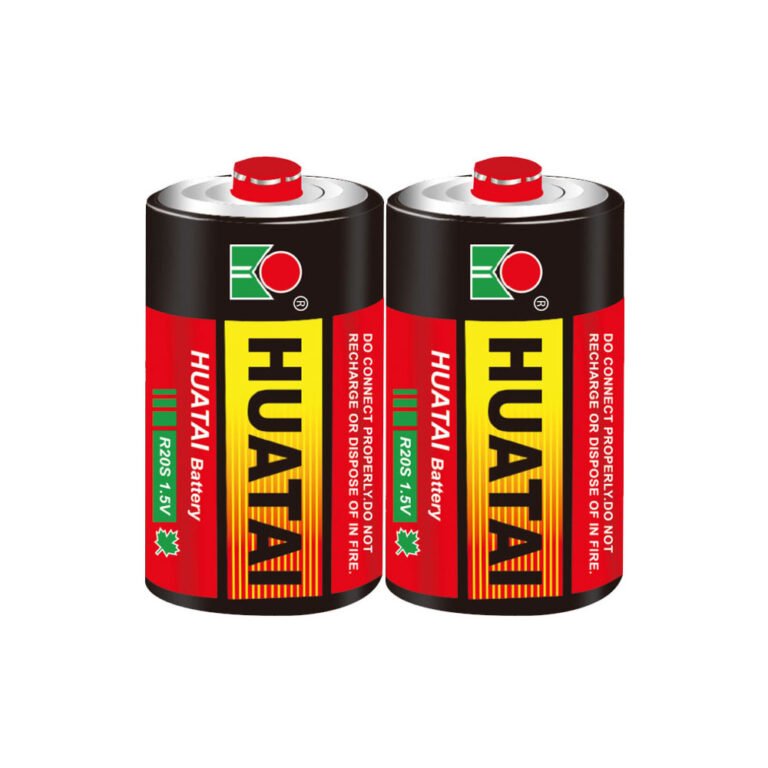
In contrast, carbon zinc batteries experience faster voltage decline and are best suited for low-current, intermittent-use devices, including:
Remote controls
Wall clocks
Calculators
In these applications, carbon zinc batteries deliver adequate performance at lower cost, but they are not recommended for high-drain devices.

3. Capacity, Lifespan, and Self-Discharge Rate
Capacity:
Alkaline batteries typically provide 3–7 times higher capacity than carbon zinc batteries.
Shelf life:
Alkaline batteries: 5–10 years
Carbon zinc batteries: 2–3 years
Self-discharge:
Alkaline batteries feature lower self-discharge, making them suitable for long-term storage and export markets.
Additionally, alkaline batteries perform better under extreme temperatures, particularly in cold environments, making them more reliable for outdoor or winter use.
4. Cost and Application Positioning
Due to superior materials and more complex manufacturing processes, alkaline batteries are generally priced higher than carbon zinc batteries.
Recommended Selection Guide
High-drain or frequently used devices:
→ Choose alkaline batteries for longer life and stable performance
Low-drain or disposable applications:
→ Choose carbon zinc batteries for better cost efficiency
This clear positioning allows Huatai batteries to meet diverse global market demands, from mass consumption to premium applications.
5. Environmental Safety and Leakage Risk
Modern Huatai alkaline batteries are:
Mercury-free
Designed with enhanced sealing structures
Low risk of leakage under proper use
Carbon zinc batteries, due to their ammonium chloride electrolyte, are more prone to corrosive leakage when fully discharged. Therefore, for devices where batteries remain installed for long periods, alkaline batteries are generally safer.
Technical Comparison Table
| Item | Alkaline Battery | Carbon Zinc Battery (Zinc Carbon) |
| Voltage | 1.5V | 1.5V |
| Materials | MnO₂ + Zinc Powder + KOH | MnO₂ + Carbon Rod + NH₄Cl / ZnCl₂ |
| Capacity | High | Low |
| Heavy Load Performance | Strong | Weak |
| Shelf Life | 5–10 years | 2–3 years |
| Price | Higher | Lower |
| Application | Medium / High drain | Low drain |

Conclusion: Choosing the Right Huatai Battery
Overall, the differences between Huatai alkaline batteries and Huatai carbon zinc (zinc manganese) batteries are reflected in materials, electrochemical systems, discharge performance, lifespan, cost, and safety.
Alkaline batteries offer superior performance and longer life, making them ideal for medium- and high-load devices.
Carbon zinc batteries provide a clear cost advantage, making them well-suited for low-power applications.
Choosing the correct battery type not only improves device performance but also reduces operating costs and enhances energy efficiency.
Your Reliable Battery Manufacturer & Supplier in China
Shandong Huatai New Energy Battery Co., Ltd. is a professional dry battery manufacturer, producer, and global supplier, offering:
Carbon zinc batteries
Zinc manganese batteries
Alkaline batteries
Lithium batteries
Button cell batteries
All products support OEM&ODM service, wholesale, and international export.
Contact Huatai Battery today for product catalogs, technical data sheets, or competitive quotations.




One Comment