Russian
 English
 Spanish
 French
 Arabic
 Portuguese
 Chinese
Introduction: Battery Value Is More Than the Purchase Price
Узнайте, почему щелочные батарейки can deliver better long-term value than цинково-углеродные батареи through higher usable capacity, reliable power, leakage resistance, longer shelf life, and lower replacement costs.
When comparing alkaline batteries with zinc-carbon batteries, the initial purchase price is only part of the equation. Although an alkaline battery usually costs more than a comparable carbon zinc battery, it can offer better overall value through longer operating time, more reliable power delivery, improved storage performance, and fewer battery replacements.
На сайте Shandong Huatai New Energy Battery Co., Ltd., we believe battery selection should be based on the actual requirements of the device rather than unit price alone. For distributors, importers, OEM customers, and end users, the more meaningful question is how much reliable operating time a battery delivers for every dollar spent.
The cost-effectiveness of alkaline batteries can be understood through five important factors.

1. Lower Cost per Hour of Actual Battery Use
One of the strongest advantages of alkaline batteries is their higher usable capacity, particularly in devices that require moderate or relatively high current.
Both alkaline and zinc-carbon batteries generally have a nominal voltage of 1.5V. However, their internal electrochemical systems differ. Alkaline batteries use potassium hydroxide (KOH) as their electrolyte, while conventional zinc-carbon batteries use an acidic electrolyte system. Their electrode structures and reaction characteristics also affect how efficiently they deliver energy under different loads.
In practical applications, an AA alkaline battery can often provide substantially longer service than a comparable zinc-carbon battery. The difference becomes particularly noticeable in motor-driven toys, wireless gaming controllers, portable radios, and high-output flashlights.
The actual performance ratio is not fixed. It depends on discharge current, operating temperature, duty cycle, and the device’s minimum operating voltage. Panasonic explains that zinc-carbon batteries are better suited to low-drain devices, while alkaline batteries are designed for applications requiring more power.
For buyers, the relevant calculation is:
Cost per hour of use = Battery purchase cost ÷ Actual operating hours
If an alkaline battery costs twice as much as a zinc-carbon battery but lasts three times longer in a particular device, its cost per operating hour is approximately one-third lower.
This is why alkaline batteries can be a more economical choice even when their retail price is higher.

2. Better Leakage Resistance Helps Protect Valuable Devices
Battery leakage is an often-overlooked source of hidden costs.
In conventional zinc-carbon batteries, the zinc container also functions as the negative electrode. As the battery operates, the zinc is gradually consumed through electrochemical reactions. Under certain conditions, corrosion and deterioration can contribute to leakage.
Modern alkaline batteries use a different construction. Their steel outer can provides mechanical containment, while the internal zinc-based negative electrode and sealing system are designed to reduce the risk of electrolyte leakage.
This distinction matters when batteries are installed in devices that are expensive, difficult to repair, or inconvenient to access.
Примеры включают:
Smart door locks and security equipment
Wireless keyboards, mice, and gaming controllers
Digital thermometers and blood pressure monitors
Cameras, flashlights, and household electronics
A leaking battery can damage electrical contacts or circuit boards, potentially costing far more than the batteries themselves. Good-quality alkaline batteries with reliable sealing structures therefore provide additional value through better device protection.
However, no disposable battery is completely leak-proof. Battery quality, storage conditions, operating temperature, and replacement timing all matter. Buyers should evaluate actual leakage-resistance performance rather than relying on marketing claims alone.
3. More Reliable Power for Devices with Higher Energy Demands
Battery performance is not determined by capacity alone. The ability to deliver sufficient current and maintain usable voltage is equally important.
Zinc-carbon batteries can work effectively in low-drain products such as television remote controls and basic wall clocks. However, when a device requires higher current, their available capacity can decrease significantly.
Alkaline batteries generally perform better under moderate- and high-drain conditions. Their discharge characteristics make them suitable for products such as motorized toys, portable radios, wireless accessories, and powerful flashlights.
For example, a battery-powered toy car needs enough current to operate its motor. A battery that loses voltage quickly may cause the vehicle to slow down or perform inconsistently before all its theoretical energy has been delivered.
Alkaline batteries can help maintain more consistent device performance over a longer operating period.
It is important, however, not to describe alkaline batteries as having a perfectly flat discharge curve. Their voltage also declines during use. The advantage is their generally stronger energy delivery under demanding loads compared with ordinary zinc-carbon cells.
4. Longer Shelf Life Reduces Storage and Emergency Replacement Costs
Shelf life is another important factor for battery distributors, retailers, and household users.
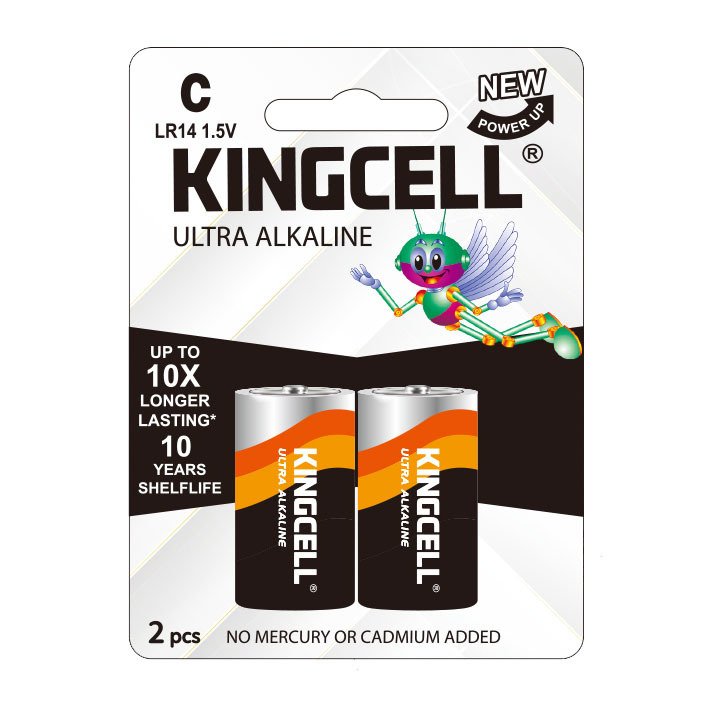
Alkaline batteries commonly offer a declared shelf life of approximately 5–10 years, depending on the product design and manufacturer specifications. Some premium products advertise storage periods of up to ten years under specified conditions.
This makes alkaline batteries particularly useful for:
Emergency flashlights and portable radios
Household emergency kits
Backup batteries for selected electronic devices
Retail inventory and long-distance distribution
Equipment that is used only occasionally
For distributors importing batteries from overseas, longer shelf life can provide greater flexibility in inventory planning. Products can move through international shipping, warehousing, and retail distribution without requiring such rapid turnover.
Nevertheless, shelf life is not the same as operating life. It refers to the period during which an unused battery is expected to retain specified performance under defined storage conditions. High temperatures and unsuitable storage environments can shorten that period.
As a manufacturer, we recommend that buyers check the declared shelf life, production-date traceability, and storage requirements for each battery model.

5. Fewer Replacements Mean Lower Maintenance and Labor Costs
In commercial and household applications, replacing batteries also requires time and labor.
Consider a facility using hundreds of wireless devices, electronic controls, sensors, or portable equipment. If each device requires frequent battery replacement, the total maintenance cost can become significant.
The same issue applies to household products installed in inconvenient locations, such as wall clocks, ceiling-mounted equipment, and security devices.
Because alkaline batteries can provide longer service in many applications, they may reduce:
Battery replacement frequency
Maintenance labor and inspection time
Inventory consumption
Device downtime
The inconvenience of repeated replacements
For businesses managing large numbers of battery-powered products, these savings can be more important than the difference in the purchase price of individual cells.

Which Applications Benefit Most from Alkaline Batteries?
Not every device needs an alkaline battery. The best choice depends on its power consumption and operating requirements.
| Приложение | Recommended battery option | Main reason |
| TV remote controls and basic clocks | Zinc-carbon or alkaline | Low power consumption |
| Motorized toys and gaming accessories | Щелочь | Better performance under higher loads |
| Flashlights and portable radios | Щелочь | Longer operating time in many models |
| Smart locks and security devices | Quality alkaline | Reliable power and sealing performance |
| Emergency household equipment | Щелочь | Longer shelf life and convenient storage |
For low-drain products, zinc-carbon batteries may remain the more economical option. For higher-drain devices, alkaline batteries often provide better overall value.
How Huatai Battery Approaches Alkaline Battery Value
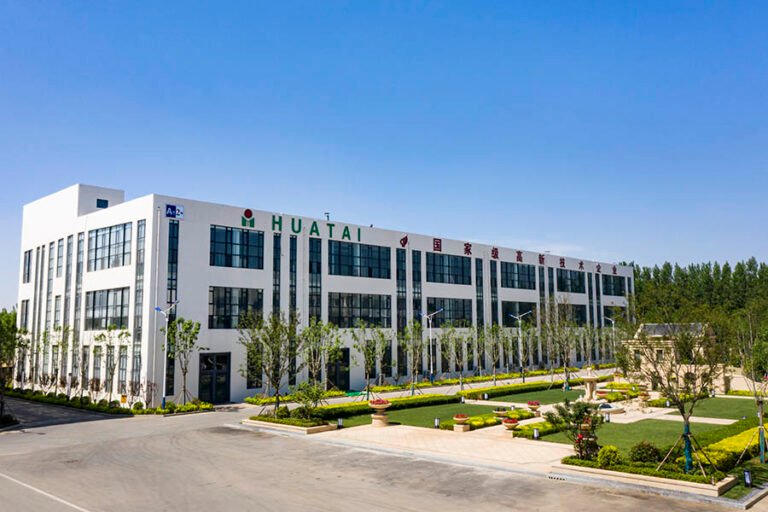
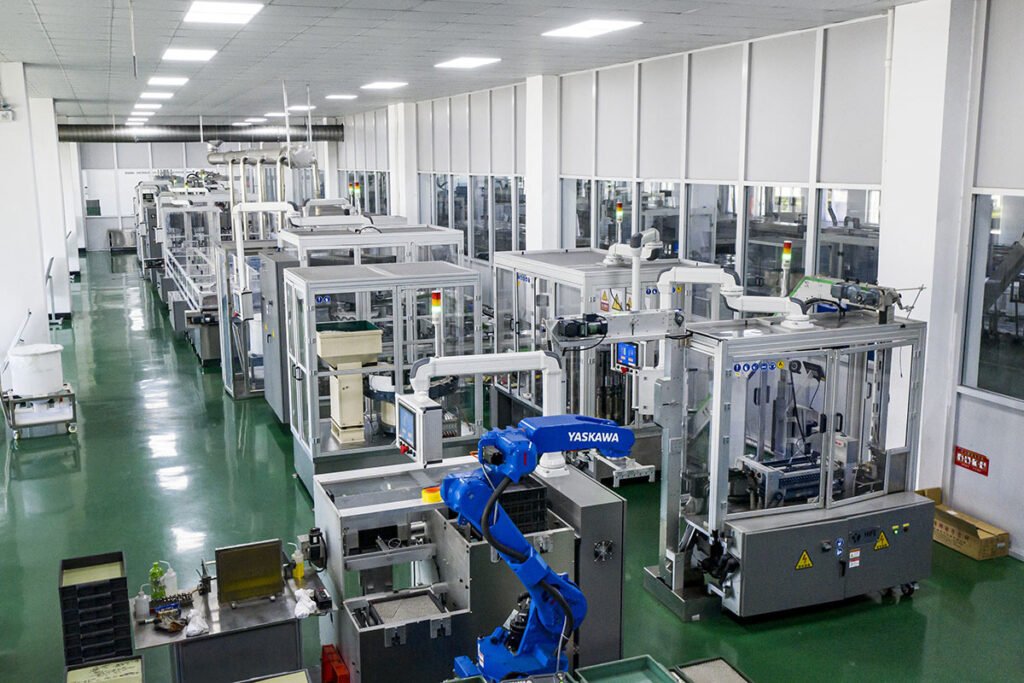
At Shandong Huatai New Energy Battery Co., Ltd., we manufacture a broad range of primary and rechargeable batteries, including zinc-carbon and alkaline batteries. Our battery manufacturing heritage dates back to the establishment of Linyi Battery Factory in 1956, while our modern company was established in 1993.
With more than 40 production lines and seven component workshops, we serve customers in different international markets through our HUATAI, KINGCELL, and POWER FLASH brands.
We understand that overseas buyers evaluate more than the battery’s wholesale price. Product consistency, leakage resistance, shelf life, packaging, production capacity, and delivery reliability all influence the long-term value of a battery supply relationship.
For OEM and private-label customers, we can discuss battery specifications, packaging requirements, branding, and product positioning according to the target market.
Our approach is straightforward: the right battery should match the device, the expected performance, and the customer’s cost expectations.

Часто задаваемые вопросы
1. Are alkaline batteries more cost-effective than zinc-carbon batteries?
They can be, particularly in moderate- and high-drain devices. Although their initial price is higher, longer operating time can reduce the cost per hour of use.
2. How many times longer do alkaline batteries last?
There is no universal ratio. Performance depends on battery size, discharge current, temperature, and device requirements. The difference is usually more noticeable under higher loads.
3. Why are alkaline batteries better for motorized toys?
Motorized toys require relatively high current. Alkaline batteries generally deliver energy more effectively under these conditions than ordinary zinc-carbon batteries.
4. Do alkaline batteries have a longer shelf life?
Generally, yes. Many alkaline batteries offer a declared shelf life of 5–10 years, depending on product specifications and storage conditions.
5. Can alkaline batteries prevent battery leakage?
They generally offer better leakage resistance than conventional zinc-carbon batteries when properly designed and manufactured. However, no battery is completely immune to leakage.
6. Are zinc-carbon batteries still worth buying?
Yes. They remain a practical and economical choice for low-drain devices such as basic remote controls and clocks.
7. What should importers consider when choosing an alkaline battery supplier?
Importers should evaluate discharge performance, leakage resistance, shelf-life documentation, production consistency, certifications, packaging options, and the supplier’s manufacturing capacity.
8. Does Huatai Battery provide OEM and private-label alkaline batteries?
Yes. Huatai Battery supports OEM and private-label cooperation, including product specifications, branding, and packaging arrangements for international customers.

Conclusion: Better Battery Value Comes from Lower Total Usage Costs
The cost-effectiveness of alkaline batteries is not simply about how much energy is stored inside a cell. It is about how reliably that energy can be delivered, how long the battery operates in a real device, how well it performs during storage, and how frequently it needs replacement.
For low-drain applications, zinc-carbon batteries remain a competitive option. For devices with higher power requirements, longer operating expectations, or greater maintenance costs, alkaline batteries can offer better overall value.
На сайте Аккумулятор Huatai, we believe that understanding these differences helps importers, distributors, and OEM customers select the right battery products for their markets. A competitive battery is not necessarily the one with the lowest unit price, but the one that delivers the most appropriate performance and value throughout its service life.