Chinese
 English
 Spanish
 French
 Arabic
 Portuguese
 Russian
Understanding the Position of Alkaline Batteries in Today’s Market
Discover the main applications of 碱性电池 in smart home devices, consumer electronics, toys, healthcare equipment, security systems and emergency lighting. Learn why 碱性电池 remain important despite their higher price compared with carbon zinc batteries.
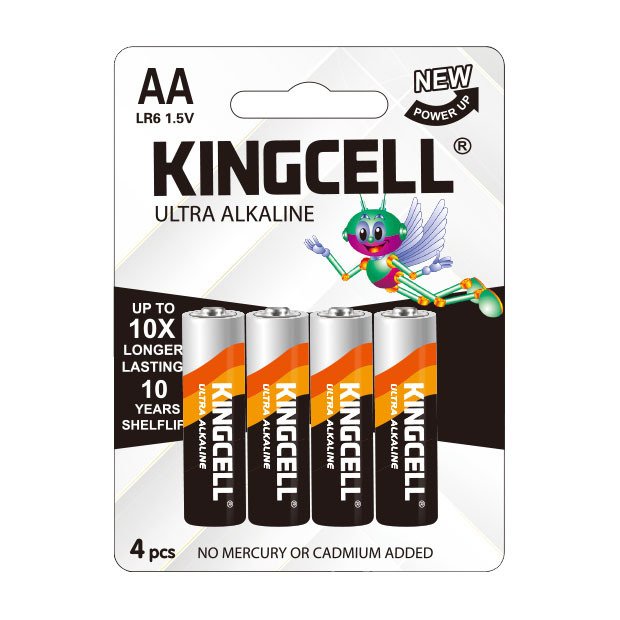
碱性电池 are one of the most widely used types of primary dry batteries. Compared with traditional carbon zinc batteries, they generally offer higher energy density, better performance under moderate and relatively high discharge loads, and longer shelf life. However, their higher purchase price means that consumers do not choose them for every battery-powered device.
在 山东华泰新能源电池有限公司., we see alkaline batteries as an important part of the global disposable battery market, particularly in applications where operating time, reliability and replacement frequency matter more than the lowest initial purchase price.

The key to understanding the alkaline battery market is not simply identifying which devices use AA or AAA batteries. It is understanding why certain applications justify paying more for alkaline batteries instead of choosing cheaper carbon zinc alternatives.
1. Consumer Electronics and Wireless Accessories
Consumer electronics represent one of the most established application markets for alkaline batteries. Common products include wireless keyboards, computer mice, game controllers, portable radios, digital accessories and selected cameras.
These devices often require more energy than basic clocks or remote controls. Wireless transmission, display functions, sensors and vibration motors can increase power consumption.
For example, a wireless mouse may operate intermittently, while a game controller can experience relatively high current demand when vibration and other functions are active. In these situations, alkaline batteries generally provide longer service than ordinary carbon zinc batteries.
AA and AAA alkaline batteries are particularly important because they fit a large installed base of consumer electronics and are widely available through retail and wholesale channels.
2. Smart Home Devices and IoT Applications
The growth of smart homes and the Internet of Things (IoT) has created additional opportunities for primary batteries.
典型的应用包括
Smart door locks and electronic access systems
Wireless door and window sensors
Temperature and humidity monitors
Water-leak detectors
Motion sensors and alarm accessories
Remote-control systems
These devices may remain installed for months or years, making battery replacement inconvenient. A battery with a long shelf life, stable output and reliable sealing is therefore valuable.
However, battery selection depends on the device’s actual power requirements. Some smart locks use alkaline batteries, while other wireless sensors are designed for lithium primary cells because of their lower self-discharge and different operating characteristics.
For manufacturers, it is important not to treat all IoT devices as one market. The correct chemistry must be determined by voltage requirements, current demand, operating temperature and expected service life.

3. Toys and Children’s Electronic Products
Toys remain an important traditional application for alkaline batteries.
Remote-control cars, electric toy trains, interactive dolls, musical toys, electronic learning products and light-up toys frequently use AA, AAA, C or D batteries.
Many of these products contain small motors, speakers, LEDs and electronic control circuits. Their power consumption can be significantly higher than that of a simple wall clock.
This is where alkaline batteries have a clear advantage over ordinary carbon zinc products. Energizer’s carbon zinc application manual, for example, shows that alkaline batteries can deliver substantially longer service in motor toys and flashlights under its specified test conditions. The actual difference varies according to battery size, discharge conditions and device design.
For toy manufacturers and distributors, battery leakage is another important consideration. A leaking battery can damage electronic components and create after-sales problems. Reliable sealing and appropriate storage conditions are therefore essential.
4. Healthcare and Personal Care Equipment
Healthcare and personal care products represent a market where dependable power is often more important than the lowest battery price.
常见的应用包括
数字温度计
Electronic blood pressure monitors
电动牙刷
Electric shavers and grooming devices
Portable health-monitoring equipment
Selected diagnostic accessories
These products have different discharge requirements. A digital thermometer may consume relatively little energy, whereas a motor-driven personal-care device may require more current.
Alkaline AA and AAA batteries are widely used in this category because they combine convenient replacement, broad availability and reasonable operating performance.
For medical and health-related equipment, however, battery manufacturers should avoid making universal compatibility claims. Some devices require lithium primary batteries or rechargeable cells, depending on their electrical design and certification requirements.
5. Security Systems, Emergency Lighting and Backup Devices
Security and emergency products are another important application market.
Examples include smoke alarms, carbon monoxide detectors, emergency flashlights, portable radios, safety lights and certain independent alarm devices.
The main purchasing consideration is often readiness: the battery may remain unused for a long period but must work when required.
This makes shelf life, low self-discharge, storage stability and leakage resistance important specifications.
Nine-volt alkaline batteries are used in some smoke alarms and security products, although the required battery type depends on the equipment manufacturer’s instructions. Other devices use AA, AAA or dedicated lithium batteries.
For distributors, this segment offers opportunities in both household retail and institutional procurement, particularly where batteries are purchased in bulk for maintenance and emergency supplies.
6. Flashlights and Portable Lighting
Flashlights remain a practical market for alkaline batteries, especially in households, workplaces, outdoor activities and emergency kits.
Compared with basic carbon zinc batteries, alkaline batteries generally perform better in devices that require higher discharge current or longer operating time.
AA, C and D formats are commonly used, depending on flashlight size and power requirements.
Nevertheless, high-powered LED flashlights increasingly use rechargeable lithium-ion batteries. Alkaline batteries are therefore most competitive in conventional portable lighting, general-purpose flashlights and products designed around standard disposable cells.

7. Commercial and Industrial Battery Applications
Alkaline batteries also serve selected commercial and industrial devices, including portable measuring instruments, wireless control accessories, electronic meters and maintenance equipment.
These applications may require consistent performance, convenient replacement and reliable supply. Buyers often evaluate batteries according to specified discharge tests rather than nominal capacity alone.
For industrial procurement, manufacturers should provide clear information about battery dimensions, voltage, discharge performance, operating temperature, shelf life and applicable test reports.
Why Are Alkaline Batteries Replacing Carbon Zinc Batteries in Some Applications?
The shift from carbon zinc to alkaline batteries is mainly driven by the difference between initial purchase price and total operating value.
| Comparison | 碳锌 | 碱性 |
| 购买价格 | 较低 | 更高 |
| 能量密度 | Generally lower | Generally higher |
| Moderate/high-drain performance | 更有限 | Generally better |
| 保质期 | Usually shorter | Usually longer |
| 适用场景 | Clocks, remote controls, low-drain devices | Toys, flashlights, wireless devices and more demanding applications |
| Main selling point | Low initial cost | Longer service and performance |
It would be misleading to claim that alkaline batteries always provide four to seven times the service life of carbon zinc batteries. The difference depends heavily on the device and discharge conditions. Under certain high-drain test conditions, the performance gap can be substantial; in low-drain applications, it may be much smaller.
Panasonic’s professional alkaline battery handbook also demonstrates that measured capacity changes considerably with discharge rate and test conditions. Therefore, battery comparisons should always specify the load, operating temperature and cut-off voltage.
How We View the Alkaline Battery Market at Huatai Battery
At Huatai Battery, we believe the future of alkaline batteries is not based on replacing carbon zinc batteries in every application. Instead, the two product categories will continue to serve different consumer groups.
Carbon zinc batteries remain competitive in highly price-sensitive, low-drain applications. Alkaline batteries are more suitable when customers expect longer operating time, better performance under heavier loads and fewer battery replacements.
Our manufacturing portfolio covers carbon zinc, alkaline, lithium and rechargeable battery products. With more than 40 production lines and seven component workshops, we can support different product grades and OEM/private-label requirements for international customers.
For overseas distributors, offering both carbon zinc and alkaline batteries is often a more practical strategy than focusing on only one chemistry. It allows them to serve economy, mainstream and performance-oriented market segments through a coordinated product portfolio.

常见问题
1. What are the main applications of alkaline batteries?
The main applications include consumer electronics, wireless accessories, toys, smart home devices, healthcare equipment, flashlights, security systems and selected industrial instruments.
2. Why are alkaline batteries more expensive than carbon zinc batteries?
Alkaline batteries use a different electrochemical system and generally provide higher energy density and better performance under moderate and higher discharge loads. Their manufacturing materials and construction also contribute to the higher price.
3. Are alkaline batteries better for electronic toys?
Generally, yes, especially for toys with motors, speakers, lights and other relatively high-power functions. However, the best choice depends on the toy’s electrical requirements and expected operating time.
4. Are alkaline batteries suitable for smart door locks?
Many smart door locks are designed for alkaline AA batteries because they offer convenient replacement and suitable performance. Buyers should always follow the lock manufacturer’s battery specifications.
5. Can alkaline batteries be used in medical devices?
Yes. Many digital thermometers, blood pressure monitors and personal-care devices use alkaline batteries. However, the required chemistry and battery size must be confirmed against the device manufacturer’s specifications.
6. Do alkaline batteries last four to seven times longer than carbon zinc batteries?
Not in every application. The difference depends on discharge current, duty cycle, temperature and device cut-off voltage. Alkaline batteries generally show a greater advantage in moderate- and high-drain applications.
7. Are alkaline batteries being replaced by rechargeable batteries?
Rechargeable batteries are increasingly used in frequently operated devices, but primary alkaline batteries remain convenient for products that require simple replacement, long storage and no charging equipment.
8. Should distributors sell carbon zinc and alkaline batteries together?
Yes. The two chemistries serve different price and performance requirements. A combined portfolio allows distributors to serve more customers and avoid relying on a single market segment.

结论
碱性电池 remain important because many everyday electronic products need more than the lowest-cost source of power. Consumer electronics, toys, smart home equipment, personal-care products, healthcare devices, security systems and portable lighting all provide established application markets.
Although rechargeable and lithium batteries are expanding, they do not eliminate the need for disposable 碱性电池. The market is becoming more segmented, with carbon zinc serving basic low-drain applications and 碱性电池 addressing consumers who value longer operating time and more dependable performance.
For battery manufacturers such as 华泰电池集团 and international distributors, understanding these application differences is essential to developing the right product portfolio, setting realistic specifications and building sustainable OEM and private-label business.