中国出口退税调整对电池行业的影响

-Challenges and Strategic Breakthroughs

Abstract

On April 1, 2026, China’s Ministry of Finance will reduce the export tax rebate rate for battery products from 9% to 6%, and further announce that the export tax rebate rate for batteries will be adjusted to zero starting January 1, 2027. This policy adjustment has drawn widespread attention across China’s battery manufacturing industry, especially among export-oriented enterprises such as 山东华泰新能源电池有限公司., a leading Chinese 干电池制造商, alkaline battery producer, carbon zinc battery supplier, and 钮扣电池 OEM.

This article provides a comprehensive analysis of how the export tax rebate adjustment will impact Huatai Battery Group and China’s battery industry as a whole, examining export performance, product profit margins, cost pressures, industry competition, and market strategies, while proposing practical pathways for strategic breakthroughs and sustainable development.

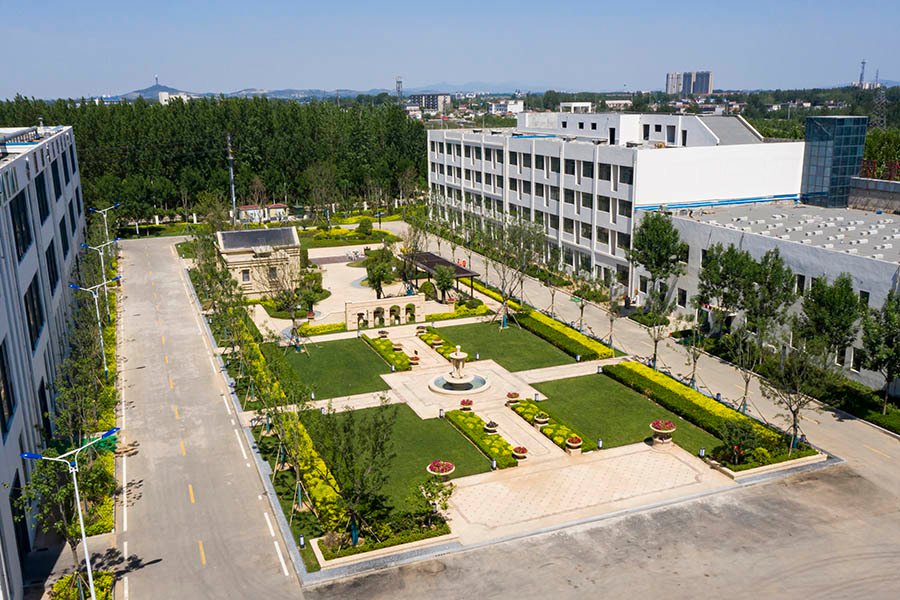
山东华太新能源电池有限公司.
山东华太新能源电池有限公司.

I. Policy Background: The Logic Behind Export Tax Rebate Adjustments

Export tax rebates have long been an important policy tool used by the Chinese government to support foreign trade and enhance the international competitiveness of Chinese manufacturers. For many years, the 9% export tax rebate played a key role in helping Chinese battery manufacturers establish strong cost-performance advantages in global markets.

However, with changes in the global economic environment, China’s industrial policy shifting toward high-quality development, and increasing constraints related to energy consumption and environmental protection, the gradual reduction—and eventual cancellation—of export tax rebates has become an inevitable trend. The phased adjustment from 9% → 6% → 0% represents a structural shift that will have a tangible impact on export-driven battery manufacturers.

II. Overview of Huatai Battery and the Current State of China’s Battery Industry

Founded in 1993, 华泰电池 is one of China’s leading dry battery manufacturers and suppliers, operating large-scale automated production lines that cover a full range of products, including:

Carbon zinc batteries (zinc manganese dry batteries)

碱性电池

钮扣电池

Lithium batteries and lithium-ion batteries

With an annual production capacity reaching several billion units, Huatai exports its batteries to more than 80 countries and regions worldwide, serving as a long-term OEM/ODM battery supplier to numerous international brands and distributors.

At the industry level, China has become the world’s largest manufacturing base for primary batteries, rechargeable batteries, and new energy batteries. In emerging markets such as Africa, the Middle East, Southeast Asia, and South America, Chinese battery manufacturers have rapidly expanded market share by leveraging competitive pricing, strong customization capabilities, and flexible OEM/ODM services.

Nevertheless, rising raw material costs, increasing international logistics expenses, and stricter environmental and quality standards in Europe and North America continue to put pressure on profit margins, especially in the mid- to high-end battery segments.

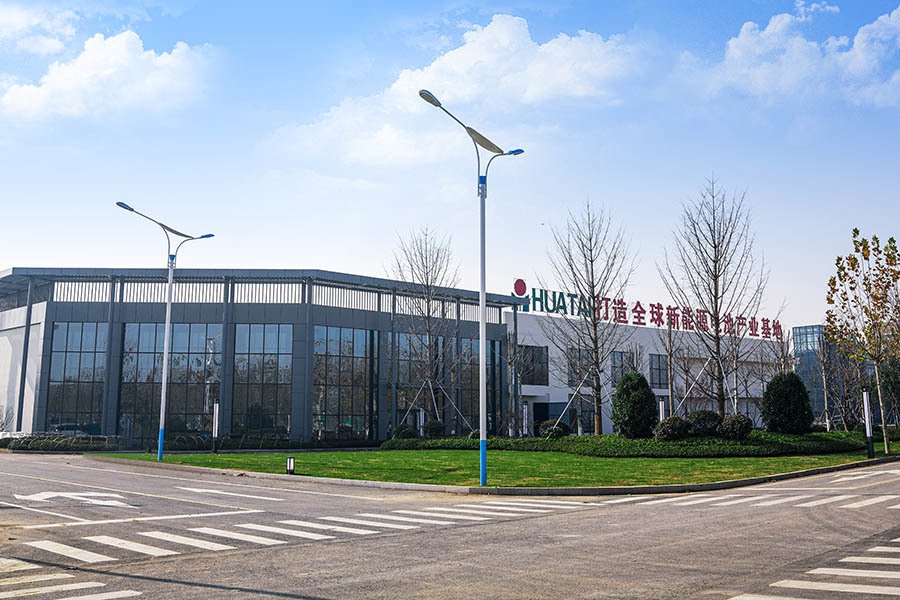
华泰电池集团
山东华太新能源电池有限公司.

III. Direct Impact of Export Tax Rebate Adjustments on Huatai Battery Group

1. Rising Export Costs and Margin Compression

The reduction of the export tax rebate rate from 9% to 6% directly decreases the refundable tax amount for exported battery products. When the rebate rate is reduced to zero in 2027, export-oriented battery manufacturers will face a substantial increase in effective export costs.

For Huatai Battery Group, whose export portfolio includes alkaline batteries, carbon zinc batteries, button cell batteries, and disposable dry batteries, this policy change will result in:

An overall decline in export gross profit margins

Weakened price competitiveness of battery products in international markets

Reduced room to rely on scale-driven exports to generate profits

This impact is particularly pronounced for low-priced carbon zinc batteries and standard alkaline batteries, which depend heavily on bulk shipments and already operate with relatively thin margins.

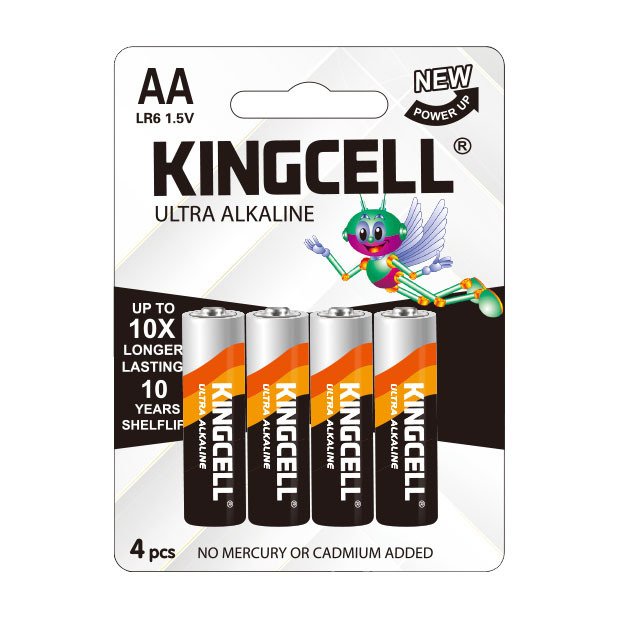
山东华泰新能源电池有限公司
山东华泰新能源电池有限公司

2. Intensified Cost Pressure in Competition with Global Brands

In overseas markets—especially in Africa and Southeast Asia—Huatai Battery competes directly with international brands such as Duracell, Energizer, and Panasonic. Historically, price competitiveness has been a key factor enabling Chinese battery manufacturers to penetrate distribution channels and gain consumer recognition.

Following the export tax rebate adjustment:

The cost advantage of Chinese-made batteries in the low- and mid-end segments will narrow

Multinational brands may gain greater pricing flexibility by leveraging brand premiums

Pricing strategies for high-end alkaline batteries and lithium battery products exported to Europe and North America will require reassessment

IV. Broader Impact on China’s Battery Industry

1. Industry-Wide Margin Pressure

The cancellation of export tax rebates will reshape cost structures across the battery industry. Manufacturers focused on primary dry batteries, carbon zinc batteries, and button cell batteries will be most affected.

As a result, battery manufacturers will be forced to:

Strengthen internal cost management

Optimize raw material procurement and inventory strategies

Accelerate the transition toward high value-added products, such as premium alkaline batteries, lithium batteries, energy storage batteries, and automotive batteries

2. Industry Consolidation and Supply Chain Restructuring

The policy adjustment will accelerate industry differentiation:

Low-end manufacturers: Profit margins will be compressed, leading to potential exits or a shift toward domestic markets

Leading battery manufacturers: Companies with scale advantages and strong cost control—such as Huatai Battery—will be better positioned to absorb shocks and maintain export volumes

3. Acceleration of Technological Upgrading

As export incentives weaken, technology, patents, and brand strength will become the primary drivers of profitability. High-capacity, long-shelf-life, and high-performance alkaline batteries and lithium-based energy solutions are increasingly becoming strategic priorities for Chinese battery producers.

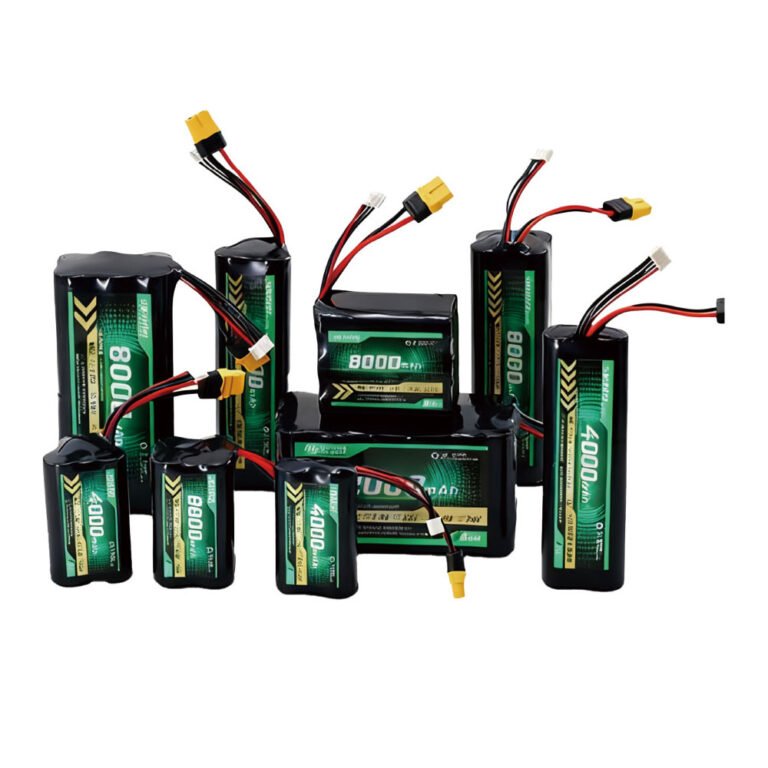
山东华泰新能源电池有限公司
山东华泰新能源电池有限公司

V. Strategic Breakthrough Paths for Huatai Battery

In response to the export tax rebate adjustment, Huatai Battery and similar Chinese dry battery manufacturers, alkaline battery producers, and carbon zinc battery suppliers can pursue the following strategies:

1. Product Mix Optimization and Value Enhancement

While low-end batteries are most affected by rebate cancellation, mid- and high-end batteries, including long-life alkaline batteries, button cell batteries, lithium batteries, and energy storage systems (ESS), face relatively less pressure.

Recommended actions include:

Increasing R&D investment in premium alkaline battery products

Expanding the market share of lithium batteries and energy storage solutions in Europe, Japan, and other high-standard markets

Shifting from a “low-price, high-volume export model” to a technology-driven, high-margin product structure

2. Supply Chain Cost Control and Smart Manufacturing

With its strong foundation in automated production lines and MES intelligent manufacturing systems, Huatai Battery should further advance:

Automation and flexible manufacturing upgrades

Centralized procurement and strategic raw material reserves

Intelligent warehousing and logistics optimization, including overseas warehouse deployment

These measures can help offset rising costs following the elimination of export tax rebates.

3. Diversification of Markets and Sales Channels

A more refined export strategy is essential:

Expanding the domestic battery market, where export tax rebate changes have no impact

Deepening presence on cross-border e-commerce platforms such as Amazon, Jumia, eBay, and Tmall Global to capture brand premiums

Establishing local marketing and after-sales networks in key overseas markets

Exploring private label battery manufacturing, customized packaging, and gift-oriented battery solutions to secure long-term client relationships

4. Strengthening Brand and Technological Barriers

With pricing advantages diminishing, brand recognition and product performance will become decisive competitive factors. Recommended initiatives include:

Developing internationally positioned product lines (e.g., Premium Alkaline Battery, Super-Duty Carbon Zinc Battery, Long Shelf-Life Button Cell Battery)

Expanding international certifications such as UL, CE, RoHS, and ISO

Enhancing brand storytelling and differentiated technology messaging, such as dual anti-leak technology 和 8–10 year shelf life alkaline batteries

山东华泰新能源电池有限公司
山东华泰新能源电池有限公司

Professional Strategic FAQ

Q1: How will the reduction and eventual cancellation of China’s export tax rebates affect battery prices?

请回答: The reduction from 9% to 6% (and eventually 0% in 2027) effectively increases the cost of goods sold for export-oriented manufacturers. While this puts immediate pressure on profit margins, leading manufacturers like Huatai are mitigating this by optimizing supply chain efficiencies and shifting toward high-value products. For global buyers, this policy signals a transition where competition will focus more on technological innovation and brand reliability rather than purely on low-cost subsidies.

Q2: Which battery categories are most sensitive to these policy changes?

请回答: Low-margin, high-volume products such as standard carbon-zinc (zinc-manganese) batteries and entry-level alkaline batteries are most affected. Because these products rely on scale and price competitiveness, the loss of tax rebates narrows the cost advantage. In contrast, high-tech segments like lithium-ion modules, button cells, and premium long-life alkaline batteries are better positioned to absorb these costs due to their higher value-added nature.

Q3: How does Huatai Battery intend to maintain its competitive edge against multinational brands?

请回答: Huatai is shifting its strategy from “price leadership” to “integrated value leadership.” By utilizing world-class Canadian HIBAR high-speed lines and self-supplying core components, we maintain a structural cost advantage that few can match. Furthermore, we are doubling down on R&D to enhance product performance—such as 10-year shelf life and superior anti-leakage technology—to compete directly with premium global brands on a technical level.

Q4: What role does “Smart Manufacturing” play in Huatai’s strategy to offset rising export costs?

请回答: Automation is our primary tool for cost control. Our ultra-precision production lines, operating at speeds up to 800-1,000 pcs/min, significantly reduce per-unit labor costs and material waste. By integrating MES (Manufacturing Execution Systems) and intelligent warehousing, we can optimize inventory and logistics, helping to neutralize the financial impact of the disappearing tax rebates.

Q5: Will this policy change affect Huatai’s commitment to OEM and private-label partners?

请回答: On the contrary, it strengthens it. As the industry consolidates, smaller, less efficient factories may exit the market. Huatai’s scale and stability make us an even more reliable long-term partner for OEM/ODM services. We are expanding our value-added services, such as customized packaging and marketing support (branded umbrellas, caps, etc.), to help our partners capture higher retail margins that can offset the broader industry cost increases.

Q6: Is Huatai expanding its presence in markets outside of traditional export channels?

请回答: Yes. To diversify risk, we are deepening our presence in the domestic Chinese market and aggressively expanding through cross-border e-commerce platforms like Amazon, Jumia, and eBay. This allows us to reach end-consumers directly and capture brand premiums that were previously lost in traditional wholesale layers.

Q7: How does Huatai’s proximity to Qingdao Port factor into its 2027 strategic outlook?

请回答: Being located less than 150 miles from one of China’s largest container terminals remains a permanent logistical advantage. Even with tax rebate changes, our ability to minimize inland transport costs and utilize efficient shipping routes to over 80 countries ensures that our CIF (Cost, Insurance, and Freight) pricing remains among the most competitive in the global battery industry.

Conclusion: Challenges as Catalysts for Transformation

The reduction of export tax rebates from 9% to 6%, and eventually to zero, will undoubtedly weaken short-term profit margins and price advantages for export-oriented battery manufacturers. However, from a long-term perspective, it also serves as a powerful catalyst for industrial upgrading.

This policy shift will:

Drive battery manufacturers to evolve from low-cost exporters into technology-driven, brand-oriented global battery producers

Accelerate the transition of China’s battery industry toward higher value-added product structures

Create differentiation opportunities for leading enterprises with scale, technology, and global operational capabilities

对于 山东华泰新能源电池有限公司., its comprehensive product portfolio, strong R&D capacity, mature export system, and extensive international market experience position it well to seize new opportunities arising from policy changes. In the future, competition will no longer be determined solely by price, but by the integrated strength of technology, brand equity, and global strategic execution.

相关

发表回复

您的邮箱地址不会被公开。 必填项已用 * 标注