For overseas distributors, OEM buyers, and investors researching the China 碱性电池 market or lithium primary battery suppliers, 2026 represents a stage of structural optimization rather than expansion volatility.
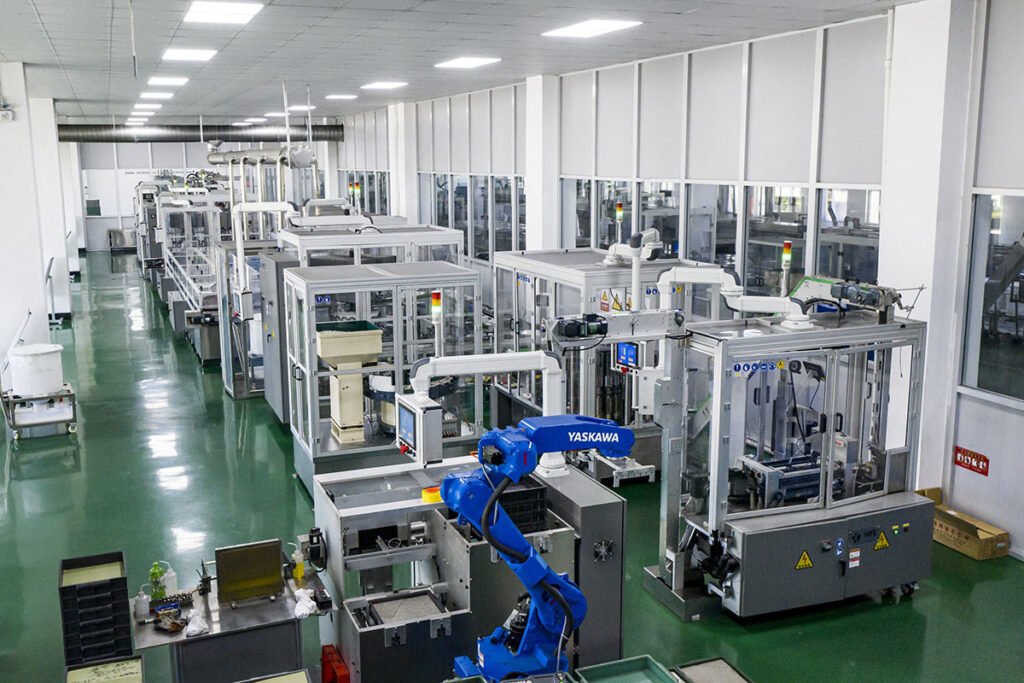
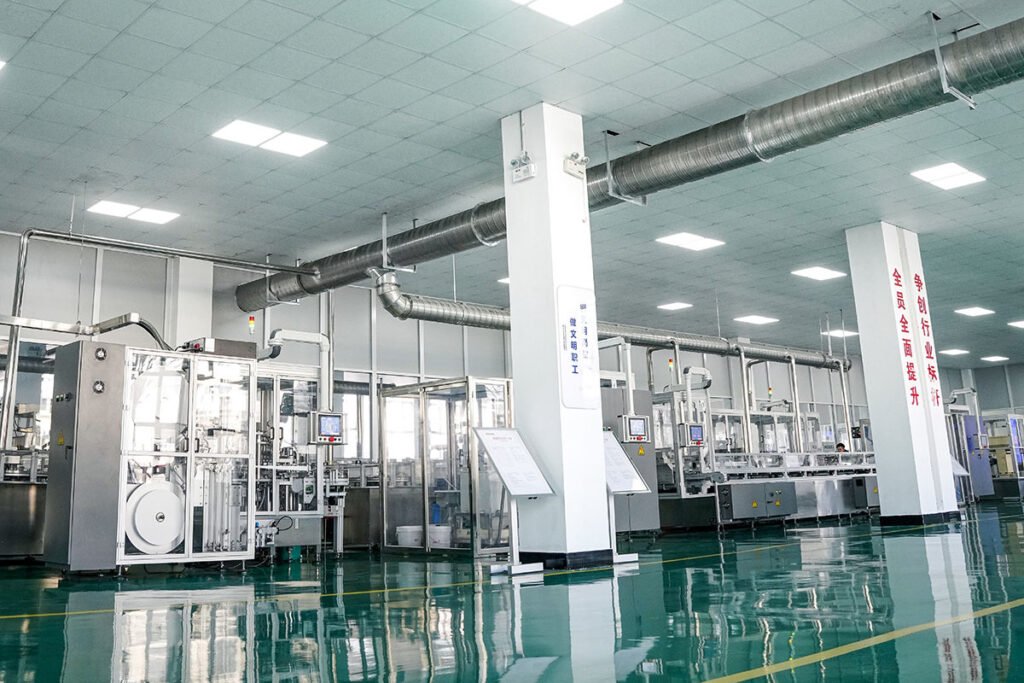
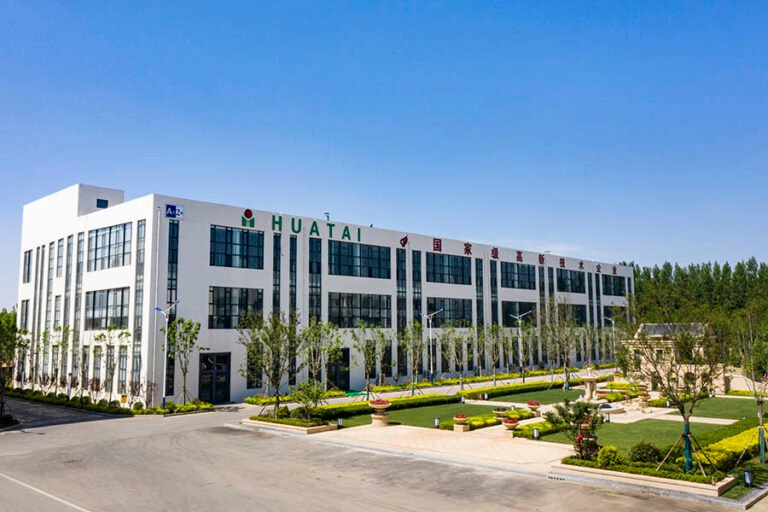
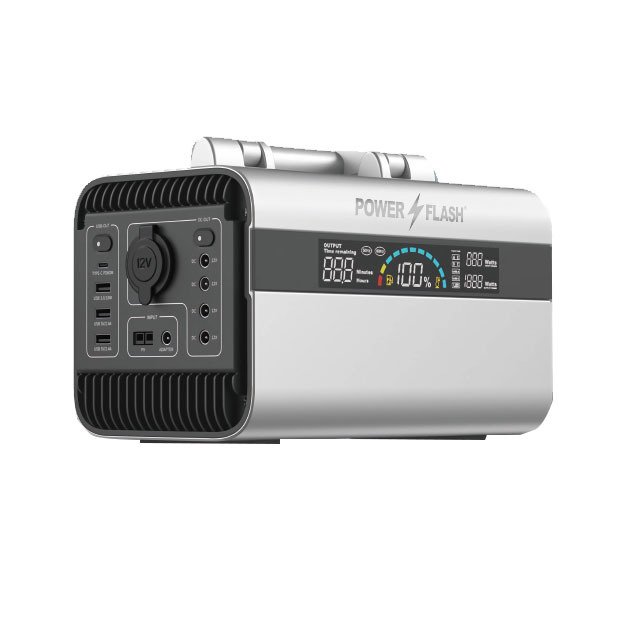
山东临沂华太新能源电池有限公司. 公司成立于 1993 年 5 月,但我们工厂的历史可以追溯到 1956 年临沂电池厂的成立。 领先的环保无汞碱性电池制造商 和 锂电池制造商 在中国和 全球最大的重型锌碳电池制造商和工厂.我们的产品采用 华太,电源闪光 和 金赛尔 品牌和客户的自有品牌,年产量达到 60 亿个 HIBAR 高速自动化生产线, 提供 OEM 解决方案 欲了解更多信息,请继续关注我们的 新闻版块, 其中涵盖了最新的 公司新闻 和 行业新闻.我们还提供 一站式产品目录服务 为客户服务。.
In-depth analysis of the China dry battery market 2026, including alkaline battery dominance, lithium primary battery growth, regional distribution, export trends, and leading manufacturers like Shandong Huatai.
China Dry Battery Market 2026: Industry Structure, Growth Trends & Competitive Landscape

1. Overview of the China Dry Battery Market in 2026
"(《世界人权宣言》) China dry battery market in 2026 continues to demonstrate stable and mature development. Total market size is projected to remain between RMB 33–35 billion (USD 4.6–4.9 billion), with an annual growth rate of approximately 3%–4%.
Rather than high-speed expansion, the industry is now characterized by:
Structural upgrading
Lithium primary battery growth
Environmental compliance acceleration
Increasing B2B customization demand
China remains the world’s largest manufacturing and export base for alkaline batteries, 碳锌电池, and lithium primary batteries.

2. Product Structure Analysis: Alkaline Dominance & Lithium Acceleration
2.1 Alkaline Batteries – Core Market Segment (≈60%)
Alkaline batteries continue to dominate the China dry battery market, accounting for approximately 60% of total market share.
Key drivers include:
Higher energy density than carbon zinc batteries
Longer operating life
Mercury-free compliance (mandatory nationwide in 2026)
Wide usage in remote controls, medical devices, smart appliances, and household electronics
As a leading alkaline battery manufacturer in North China,
Shandong Huatai New Energy Battery Co., Ltd. produces AA, AAA, C, D, 9V, and high-volt alkaline batteries (23A, 27A), supporting both domestic and export markets.

2.2 Carbon Zinc Batteries – Shrinking but Still Relevant (≈25%)
Carbon zinc batteries now represent approximately 25% of the market, with gradual decline in share.
However, they remain important in:
Price-sensitive export markets
Entry-level consumer applications
Certain industrial low-drain scenarios
For many OEM battery suppliers in China, carbon zinc batteries still provide stable volume sales in emerging markets.

2.3 Lithium Primary Batteries – Fastest Growing Segment (15%–18%)
Lithium primary batteries are the fastest-growing category in 2026, with annual growth exceeding 15%.
Market share is expected to reach 15%–18%, driven by:
IoT device expansion
Smart water and gas meters
Smart grid infrastructure
Wearable electronics
CR lithium button batteries and lithium thionyl chloride batteries are particularly strong in industrial and metering applications.
Chinese manufacturers are rapidly upgrading lithium primary battery capacity to meet high-end global demand.

3. Regional Distribution: Core Leadership + Multi-Polar Support
China’s dry battery industry demonstrates clear geographic concentration.
3.1 East China – Largest Production Hub (≈33.1%)
East China contributes approximately 33.1% of national output, with Jiangsu and Zhejiang provinces hosting mature supply chains and leading alkaline battery factories.
3.2 North China – Strategic Upgrade Center (≈32.3%)
North China accounts for around 32.3% of total production. Shandong Province plays a pivotal role due to:
Policy-driven industrial development
Integration with the Beijing-Tianjin-Hebei economic zone
Growing energy storage and smart device demand
Companies such as 山东华泰新能源电池有限公司. have strengthened North China’s presence in both domestic and global battery supply chains.

3.3 South China – Export & Customization Base (≈15.8%)
South China, centered around Guangdong and the Pearl River Delta, focuses on:
Export-oriented battery manufacturing
Private label alkaline battery production
Customized B2B battery solutions
This region remains critical for international OEM battery projects.
3.4 Central & Western China – Emerging Capacity Expansion
Provinces such as Sichuan, Jiangxi, and Henan are accelerating industry transfer, supported by:
Green electricity resources
Lithium mineral reserves
Lower production costs
These areas are expected to gain importance in long-term industry restructuring.

4. Competitive Landscape: High Industry Concentration
4.1 CR5 Exceeds 60%
The top five dry battery manufacturers account for over 60% of total market share, reflecting high industry concentration.
Key brands include:
华泰电池
Nanfu Battery
Shuanglu Battery
Duracell
Leading enterprises differentiate themselves through:
Production scale
Technology upgrades
Export capabilities
OEM customization services
4.2 B2B Customization as a Core Competitive Strategy
In 2026, B2B customization is a key growth driver.
Manufacturers now provide:
Inventory-linked supply management
After-sales guarantee mechanisms
Private label battery solutions
Integrated supply chain cooperation
Customized orders are growing at approximately 20% annually, particularly among appliance and electronics brands.

5. Export Performance and Global Outlook
China remains the world’s largest exporter of dry batteries.
In 2025:
Export value reached USD 3.535 billion
The United States ranked as the largest export destination
Trade surplus remained significant
Strong demand continues across:
北美
Europe
Africa
拉丁美洲
Middle East
For international buyers searching for a reliable China dry battery manufacturer, large-scale producers offer both cost advantages and stable supply capacity.
6. Industry Trends: From Product Sales to Power Solutions
The industry is transitioning from simple product sales to comprehensive power solutions.
Emerging strategic directions include:
Battery recycling systems
Trade-in programs
Lifecycle carbon footprint management
Compliance with the EU New Battery Regulation
Sustainability and carbon transparency are becoming essential for long-term export competitiveness.

2026 China Dry Battery Market – Industry Analysis & Sourcing FAQ
请回答: In 2026, the China dry battery market has entered a stage of structural optimization, with a total market size projected at RMB 33–35 billion (USD 4.6–4.9 billion). The industry is shifting from high-speed expansion to value-driven growth (3%–4% annually), characterized by the rapid adoption of lithium primary batteries and mandatory environmental compliance for mercury-free production across all sectors.
请回答: 碱性电池 now dominate approximately 60% of the market, driven by the high demand from smart appliances and medical devices. Conversely, Zinc Carbon batteries have decreased to a 25% share, though they remain vital for price-sensitive markets in Africa and Latin America. As a global leader, Huatai Battery maintains a balanced output of 6 billion units, ensuring a stable supply for both high-performance alkaline and cost-effective zinc carbon segments.
请回答: Lithium primary batteries are growing at over 15% annually, capturing an 18% market share. This surge is fueled by the massive expansion of IoT devices, smart water/gas meters, and smart grid infrastructure. Manufacturers like Huatai are rapidly upgrading lithium capacity to provide CR button cells and high-energy-density lithium packs for advanced industrial and wearable electronics.
请回答: The industry is concentrated in three main regions:
East China (33.1%): The largest hub, focusing on mature supply chains.
North China (32.3%): A strategic center led by Shandong Huatai, integrating with the Beijing-Tianjin-Hebei economic zone.
South China (15.8%): The primary base for export-oriented Private Label (OEM) production and customized B2B solutions.
请回答: The market is highly concentrated, with the Top 5 (CR5) accounting for over 60% of share. Leading manufacturers like Shandong Huatai differentiate themselves through automated HIBAR production lines, massive scale, and a transition from selling products to offering comprehensive power solutions, including lifecycle carbon footprint management and EU Battery Regulation compliance.
请回答: In 2026, B2B customization is growing at 20% annually. Huatai supports this trend by offering an integrated supply chain that includes inventory-linked supply management, private label branding, and technical R&D for application-specific discharge curves. Our 6 billion annual output ensures that we can handle large-volume OEM contracts for North American, European, and emerging markets with guaranteed lead times.
Strategic Market Insights & Supply Chain Partnership
Your Gateway to the China Battery Market 2026
For overseas distributors and investors, the 2026 landscape in China represents stability and professionalization. As a cornerstone of North China’s manufacturing hub, 山东华泰新能源电池有限公司. (est. 1993/1956) exemplifies the modern Chinese battery enterprise. We offer a one-stop product catalog ranging from alkaline battery wholesale 至 lithium primary battery innovation, providing the direct factory pricing and international compliance (ISO, CE, RoHS) required to secure a competitive edge in the global energy supply chain.
Conclusion: Structural Upgrade Within a Stable Market
"(《世界人权宣言》) China dry battery market in 2026 is defined by:
Stable overall growth
Alkaline battery dominance
Rapid lithium primary battery expansion
Clear regional clustering
High industry concentration
Strong B2B customization capabilities
For overseas distributors, OEM buyers, and investors researching the China alkaline battery market or lithium primary battery suppliers, 2026 represents a stage of structural optimization rather than expansion volatility.
Manufacturers such as 山东华泰新能源电池有限公司. exemplify the new-generation Chinese battery enterprise—combining large-scale alkaline battery production, expanding lithium capacity, and integrated OEM services—positioning China as a stable and strategic partner in the global battery supply chain.