Chinese
 English
 Spanish
 French
 Arabic
 Portuguese
 Russian
Top China Carbon Zinc Alkaline Battery Manufacturer for Mexico
探索 Latin America Mexico’s battery market 由 山东华泰电池集团, including carbon zinc, alkaline, lithium and rechargeable batteries, battery regulations, EV growth, energy storage, OEM opportunities and reliable battery supply from China.
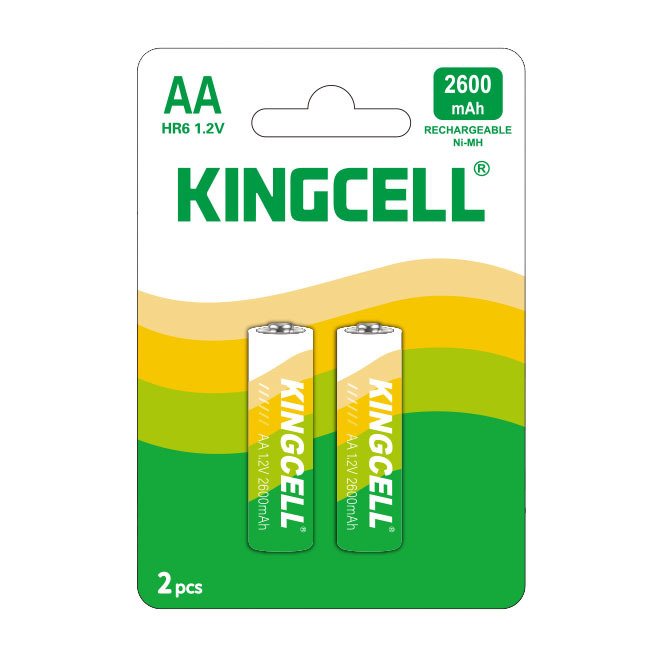
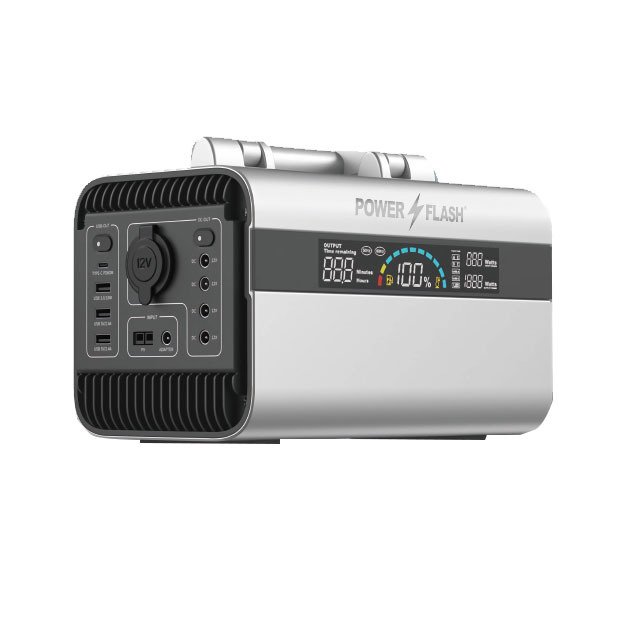
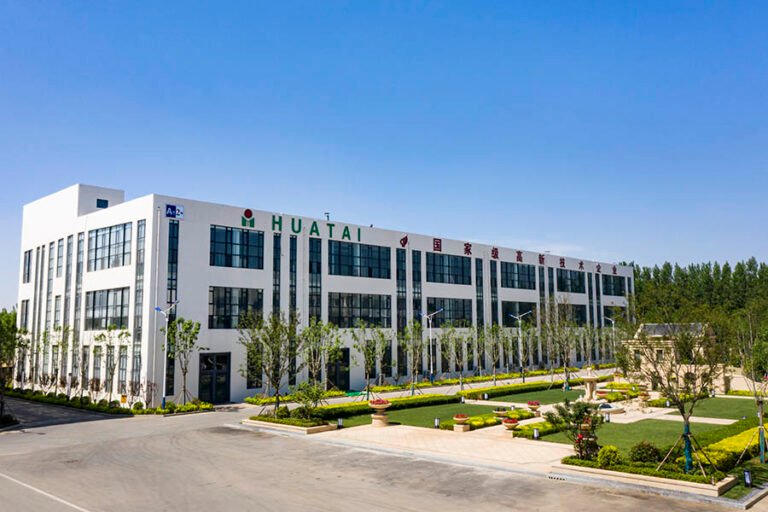
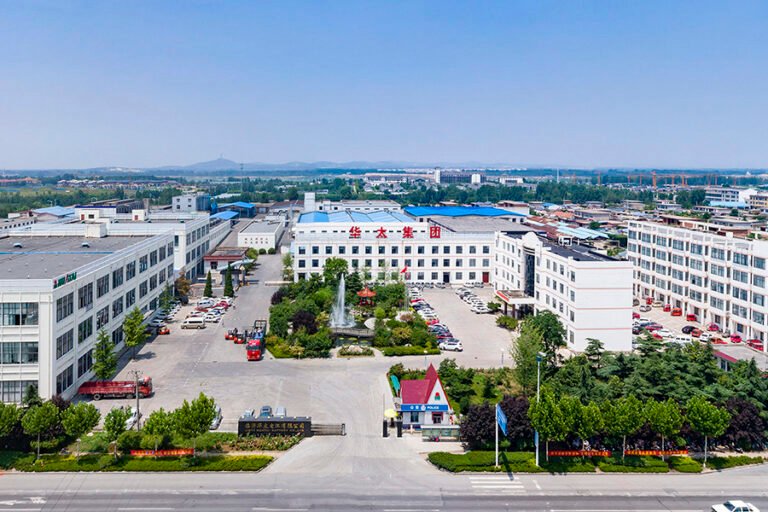
山东临沂华太新能源电池有限公司. 公司成立于 1993 年 5 月,但我们工厂的历史可以追溯到 1956 年临沂电池厂的成立。 领先的环保型及 无汞碱性电池制造商 和 锂电池制造商 在中国和 全球最大的重型锌碳电池制造商和工厂.我们的产品采用 HUATAI, Power Flash 和 KINGCELL 品牌和客户的自有品牌,年产量达 60 亿个。 依托加拿大海霸(HIBAR)高速自动化生产线, OEM 解决方案 碳锌、碱性和锂电池。.

墨西哥 是全球最具战略意义的电池市场之一 拉丁美洲 because it combines a large consumer market with automotive manufacturing, industrial production, electric mobility, renewable energy, telecommunications and energy-storage demand. For Chinese battery manufacturers, Mexico is also different from many South American markets because it is deeply integrated with North American manufacturing supply chains.
The market covers everything from carbon zinc and alkaline dry batteries used in household products to lithium-ion and LiFePO4 batteries used in electric vehicles, backup power, industrial equipment and energy storage.
Mexico’s electric-vehicle market is expanding rapidly. According to the International Energy Agency, electric car sales in Mexico more than tripled in 2025, pushing electric cars above 7% of total car sales, compared with around 2% in 2024. The IEA also reported that approximately 85% of Mexico’s electric-car sales in 2025 were imports from China.
At the same time, Mexico’s regulatory environment is becoming more detailed. NOM-212-SCFI-2017 establishes requirements for primary batteries concerning mercury and cadmium limits, testing and labeling, while Mexico’s 2026 national quality-infrastructure program includes work on safety, testing and labeling requirements for rechargeable batteries used in electromobility and safety requirements for stationary electrochemical energy-storage systems.
对于正在寻找一个 top China battery manufacturer for Mexico, therefore, supplier selection should consider not only factory price, but also product compliance, technical documentation, OEM capability, logistics, quality consistency and the ability to support multiple battery technologies.
Understanding the Mexico Battery Market
Mexico’s battery demand can be divided into several major segments.
| 市场细分 | 主要电池类型 | 典型应用 |
| 家庭及零售 | 碳锌、碱性、纽扣型 | 时钟、遥控器、玩具、手电筒 |
| 电子产品 | Alkaline, lithium, button | Consumer electronics, measuring devices |
| 汽车 | Lead-acid, lithium-ion | 汽车、摩托车、商用车 |
| 工业 | 可充电、锂电池、铅酸电池 | Equipment, communications, automation |
| 电信与不间断电源(UPS) | 铅酸电池、磷酸铁锂电池 | Telecom, data, backup power |
| Solar & storage | LiFePO4,锂离子 | Residential, commercial, grid support |
| 电动交通 | 锂离子电池、LiFePO4 | EVs, PHEVs, electric motorcycles |
This diversity makes Mexico a market where a comprehensive battery manufacturer can have an advantage over a supplier focused on only one chemistry.
A traditional retailer may need millions of AA and AAA batteries, while an automotive or energy customer may require battery packs with sophisticated battery-management systems.
Carbon Zinc Batteries Remain Relevant in Mexico
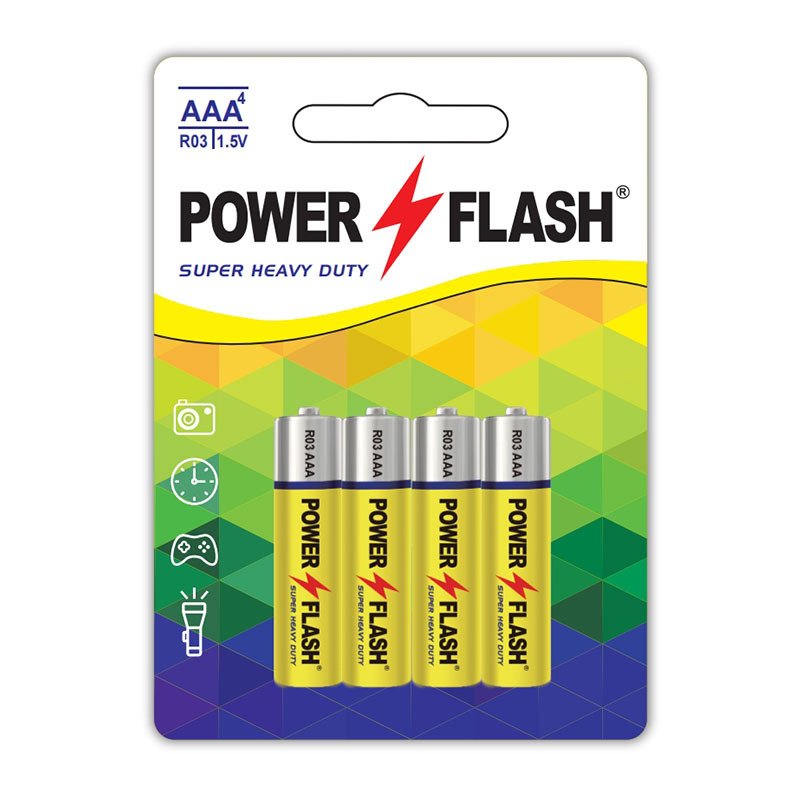
Carbon zinc batteries continue to serve price-sensitive consumer applications.
常见尺寸包括:
- R03 / AAA
- R6 / AA
- R14 / C
- R20 / D
- 6F22 / 9V
They are generally suitable for relatively low-drain devices such as:
- 遥控器
- 挂钟
- 基本玩具
- 收音机
- 手电筒
- 家用电子产品
Mexico’s large population and extensive retail distribution network provide a broad potential market for economical dry batteries.
For distributors, the commercial logic is straightforward: carbon zinc can be used where the customer wants an affordable battery and the application does not require the higher capacity of alkaline technology.
Carbon Zinc vs. Alkaline Batteries for Mexico
Carbon zinc and alkaline batteries should not be positioned as identical products.
| 系数 | 碳锌 | 碱性 |
| 购买价格 | 较低 | 更高 |
| 容量 | 较低 | 更高 |
| 低漏器件 | 紧身 | 紧身 |
| 中/高功耗器件 | 更有限 | 更合身 |
| 零售定位 | 经济性/性价比 | 主流/高端 |
| OEM/自有品牌 | 强大 | 非常强 |
| 常用尺寸 | AA、AAA、C、D、9V | AA、AAA、C、D、9V |
A Mexican distributor can therefore build a two-tier product portfolio.
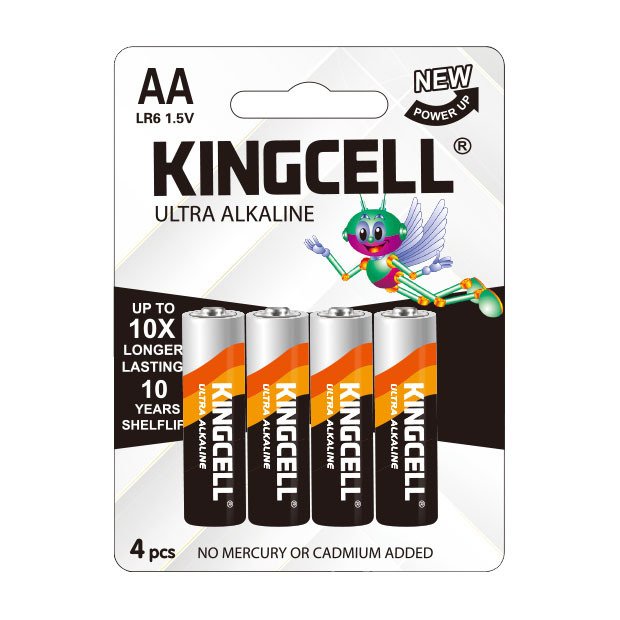
An economy series can use carbon zinc batteries for price-sensitive retail channels, while alkaline batteries can target electronics, toys, flashlights and other products where consumers expect longer operating time.
Mexico Has Specific Requirements for Primary Batteries
Battery compliance should be addressed before production.
Mexico’s NOM-212-SCFI-2017 covers primary cells and batteries and establishes maximum permissible mercury and cadmium levels, testing methods and labeling requirements. The standard sets maximum limits of 0.0005% mercury by weight and 0.0020% cadmium by weight per battery unit, with a specific provision for button batteries concerning mercury.
This is important for Chinese battery exporters because a supplier should not simply provide a generic declaration that its batteries are “environmentally friendly.”
For Mexican customers, the supplier should be prepared to provide relevant:
- 产品规格
- Material declarations
- Heavy-metal test reports
- Battery test results
- Labeling information
- Manufacturing information
- Applicable conformity documentation
For OEM batteries, compliance information should be confirmed before packaging artwork is finalized.
Primary Battery Standards Go Beyond Heavy Metals
Mexico also has a Mexican standard, NMX-J-160-1-ANCE-2020, covering general requirements for primary batteries.
The standard addresses areas including dimensions, nomenclature, terminal configurations, marking, test methods, typical performance, safety and environmental aspects. It also establishes standardized classification of electrochemical systems and test methods.
For importers, this means that battery quality should be discussed in technical terms.
A professional supplier should be able to provide specifications for:
- 额定电压
- 放电性能
- 内部阻力
- Dimensions
- Terminal configuration
- Capacity or service performance
- 安全
- 抗渗漏性
- Storage life
The more sophisticated the Mexican buyer, the less useful a simple “1.5V AA battery” quotation becomes.
Mexico’s Battery Market Is Closely Connected to Automotive Manufacturing
The automotive industry makes Mexico fundamentally different from many Latin American consumer markets.
Mexico is a major vehicle-production and export base, with extensive manufacturing clusters in northern, central and Bajío regions.
This creates demand for multiple battery technologies:
- Lead-acid starting batteries
- 12V auxiliary batteries
- Lithium-ion EV batteries
- Hybrid-vehicle batteries
- 工业电池
- 备用电池
- Battery components and packs
For Chinese suppliers, automotive opportunities should be separated from the conventional consumer-battery business.
Automotive customers usually require stricter requirements for:
- 可追溯性
- 循环寿命
- 质量的一致性
- Automotive standards
- 保修
- Process control
- Batch management
- 技术文件
A factory that is excellent at AA/AAA production should not automatically be presented as an automotive battery supplier without the relevant capabilities.

Mexico’s Electric-Vehicle Market Is Growing Rapidly
Mexico has become one of the most important electric-vehicle growth markets in Latin America.
The IEA reported that Mexican electric-car sales more than tripled in 2025, and electric cars exceeded 7% of total car sales. Plug-in hybrid sales increased particularly rapidly. The IEA also reported that Chinese imports represented about 85% of electric-car sales in Mexico in 2025.
This has direct implications for battery suppliers.
Demand can develop across:
- 电动汽车电池组
- PHEV battery systems
- Battery modules
- Battery cells
- BMS systems
- Auxiliary batteries
- 充电基础设施
- Stationary storage
Mexico is therefore moving from a traditional dry-battery market toward a broader battery ecosystem.
Mexico Is Developing a Regulatory Framework for EV Batteries
Mexico’s 2026 Programa Nacional de Infraestructura de la Calidad includes development work concerning rechargeable batteries for electromobility.
The proposed framework addresses lithium-ion and other rechargeable technologies used as the primary energy source for electric vehicles, plug-in hybrids and other electric-traction systems. The stated scope includes safety, testing and commercial labeling, with manufacturers, importers, assemblers and battery integrators identified as covered parties.
This is an important development for Chinese battery manufacturers.
It means that EV battery suppliers entering Mexico should monitor the regulatory process rather than assuming that requirements applicable to ordinary consumer batteries will also apply to traction batteries.
Energy Storage Is Becoming a New Battery Market in Mexico
Mexico’s battery opportunity is also expanding beyond transportation.
The 2026 national quality-infrastructure program includes work on stationary electrochemical energy-storage systems and safety requirements. Mexico’s 2026 institutional lithium program also notes that energy storage has been recognized within the electricity-sector framework and that administrative provisions were issued for integrating energy-storage systems into the national electricity system.
This creates potential applications for:
- Solar-plus-storage
- 商业储能
- 工业级备份
- 电信系统
- 数据中心
- 微电网
- Peak-shaving systems
- Residential backup
- 电网支持应用
For stationary storage, LFP is particularly important. Globally, the IEA reports that LFP batteries accounted for around 90% of new battery-storage deployments in 2025, reflecting their cost, safety and cycling characteristics.
Lithium Batteries Have Multiple Commercial Applications
For Mexican buyers, lithium batteries should not be treated as one homogeneous product.
Different applications require different designs.
| 应用 | Typical Technology | Key Requirements |
| EV traction | Li-ion / LFP / NMC | High power, thermal management, BMS |
| 太阳能储存 | LFP | Cycle life, safety, BMS |
| UPS | LFP / lead-acid | Reliability, backup duration |
| 便携式电源 | Li-ion / LFP | Energy density, weight |
| 电信 | LFP / lead-acid | Reliability, cycle life |
| 电动摩托车 | Li-ion / LFP | Weight, power, range |
| 工业设备 | Li-ion / LFP | Durability, safety |
A Mexican buyer should therefore specify the application before asking for a lithium-battery quotation.
A 12V LiFePO4 battery for residential backup is a very different product from a high-voltage EV battery pack.
Mexico’s Position in North American Manufacturing Adds Supply-Chain Opportunities
Mexico’s proximity to the United States and its role in North American manufacturing create an additional dimension for battery suppliers.
Battery demand can come from:
- Automotive manufacturers
- Tier-1 and Tier-2 suppliers
- 电子产品制造商
- Industrial equipment companies
- Solar companies
- 分销商
- 零售连锁店
- 电子商务卖家
- Battery assemblers
This means that a Chinese supplier may encounter very different customer requirements within the same country.
A consumer distributor may purchase finished batteries in cartons, while an industrial customer may need cells, modules or customized battery packs.
For this reason, Mexican customers should evaluate whether a supplier can scale from standardized batteries to customized products when required.
Battery Logistics and Transportation Need More Attention for Lithium Products
Ordinary carbon zinc and alkaline batteries are relatively straightforward compared with lithium batteries.
Lithium products can require additional transportation controls concerning:
- UN classification
- 包装
- Labels and marks
- Test documentation
- State of charge
- Shipping mode
- Dangerous-goods declarations
Mexico’s national dangerous-goods framework includes requirements concerning the marking and labeling of packages containing lithium batteries.
For Chinese exporters, this means lithium shipments should be prepared according to the exact battery type and transport mode.
The supplier should be able to provide the relevant safety and transportation documentation before booking the shipment.
Environmental Management Is Becoming More Important
Mexico’s environmental framework treats battery waste according to its composition and characteristics.
SEMARNAT explains that discarded batteries can become hazardous or special-management waste depending on their heavy-metal content and chemistry. The federal framework also places responsibilities on producers, importers, exporters and distributors for certain battery products and waste-management plans.
Mexico’s 2026 national waste-management strategy is also moving toward stronger circular-economy and resource-recovery approaches. SEMARNAT’s 2026 Basic Diagnosis for Integrated Waste Management is being used as a national technical reference for waste policy, recycling and circular-economy development.
This is especially important for battery importers because the commercial responsibility does not necessarily end when the product is sold.
For private-label brands, buyers should understand their role under Mexican environmental rules before launching large-scale battery programs.

Lithium-Battery Recycling Is an Emerging Regulatory Challenge
Mexico’s battery industry is moving faster than its specific lithium-battery waste framework.
A 2025 SEMARNAT technical report identified the management of lithium-ion batteries as an urgent environmental and regulatory issue and noted the need for a more specific and updated national framework covering their management as waste, transportation and recycling.
This is particularly relevant because EV and energy-storage battery volumes are growing.
Chinese manufacturers supplying Mexico should therefore prepare for increasing customer requests concerning:
- 电池化学
- 材料构成
- Safety data
- End-of-life handling
- Recycling
- Second-life applications
- 可追溯性
The regulatory situation should be monitored because Mexico’s battery framework is evolving alongside electric mobility and energy storage.
What Battery Products Have the Best Commercial Fit in Mexico?
Mexico’s diversified economy supports a broad battery portfolio.
| 产品 | 市场地位 | 主要应用 |
| 碳锌 AA/AAA 电池 | 经济 | 时钟、遥控器、玩具 |
| 碳锌 C/D/9V | 经济/专业 | Flashlights, household devices |
| 碱性 AA/AAA | 主流 | Electronics, toys, household equipment |
| 碱性C/D/9V电池 | 更高的性能 | 手电筒、专业设备 |
| 钮扣电池 | 专业化 | 手表、电子产品 |
| 镍氢(NiMH)可充电电池 | 消费级可充电 | 相机、玩具、电子产品 |
| 铅酸 | 汽车/备份 | 汽车、不间断电源(UPS)、电信 |
| 锂离子 | EV/portable applications | Mobility, electronics |
| 磷酸铁锂 | 能源储存 | 太阳能、UPS、备用电源 |
| 电动汽车电池组 | 工业 | 电动汽车 |
| Stationary storage systems | 能源 | Commercial/grid applications |
The right product mix depends on the customer’s channel.
For retail, AA/AAA carbon zinc and alkaline batteries remain fundamental.
For industrial customers, rechargeable and lithium batteries become more important.
For automotive customers, technical qualification and system integration matter much more than retail packaging.
OEM and Private Label Battery Opportunities in Mexico
Mexico’s large consumer market provides strong opportunities for private-label batteries.
A Chinese battery manufacturer can potentially customize:
- 品牌标志
- 电池标签
- 西班牙语包装
- 泡罩卡
- 零售纸箱
- 主纸箱
- Battery color
- 产品规格
- Carbon zinc and alkaline grades
- Rechargeable battery programs
A Mexican distributor could create a product hierarchy such as:
Economy carbon zinc → Standard alkaline → Premium alkaline → Rechargeable
The same brand can later expand into button batteries, lithium products and portable power.
For larger industrial customers, OEM can go much further, including:
- Battery-pack design
- Cell selection
- Capacity configuration
- BMS integration
- 附件
- Connectors
- 通信接口
- Thermal-management design
The key is to match the OEM program with the manufacturer’s actual engineering and production capabilities.
为什么华泰电池不仅仅是一家碳锌电池制造商
For Mexican buyers searching for a 中国领先的电池制造商, Huatai Battery’s carbon zinc heritage provides a strong manufacturing foundation, but its current business extends well beyond traditional dry batteries.
华泰的工业渊源可追溯至 临沂电池厂,成立于1956年. 该公司成立于1993年,现已发展成为一家综合性电池制造商。.
目前,华泰电池的业务范围包括:
- 碳锌电池
- 碱性电池
- 钮扣电池
- 锂电池
- 磷酸铁锂电池
- 镍氢充电电池
- 钠离子电池
- 太阳能电池
- 储能电池
- 便携式电源解决方案
- OEM和自有品牌电池制造
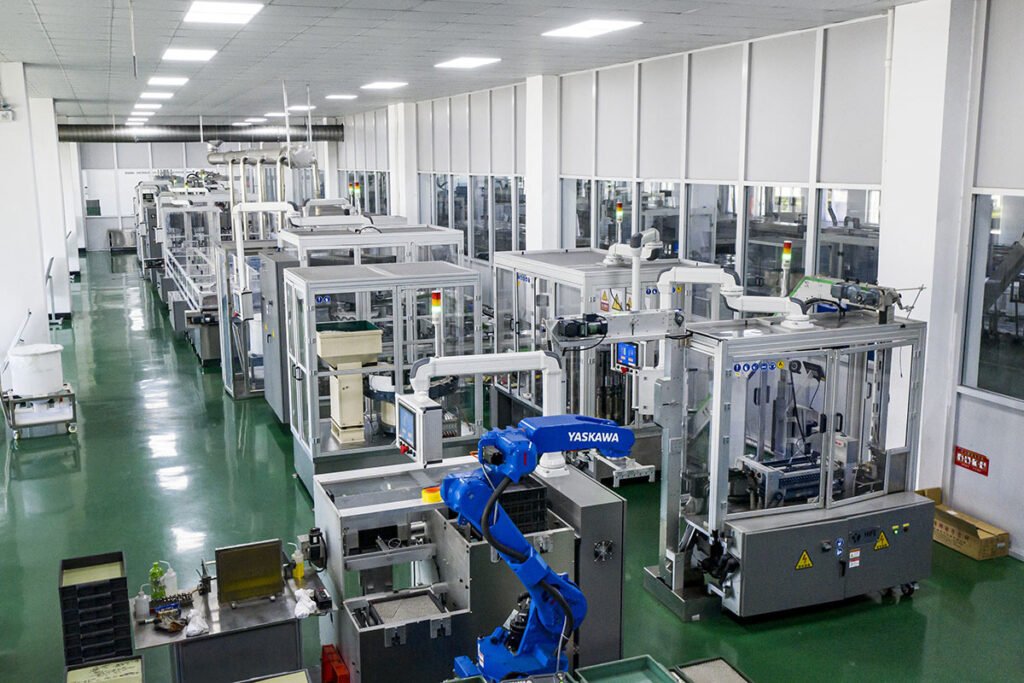
The company operates more than 40 production lines and multiple component workshops, allowing it to serve both high-volume consumer battery programs and newer rechargeable and energy-storage applications.
For Mexico, this broader product capability is relevant because the market itself spans traditional retail, industrial manufacturing, automotive, electric mobility and energy storage.

What Should Mexican Importers Look for in a China Battery Supplier?
Supplier evaluation should be based on the customer’s actual application.
| 评估因素 | What Mexican Buyers Should Check |
| 产品系列 | 碳锌电池、碱性电池、可充电电池和锂电池 |
| 质量控制 | Capacity, voltage, leakage and batch consistency |
| 合规性 | NOM-related requirements and applicable test reports |
| OEM 能力 | Spanish packaging and customized specifications |
| Automotive capability | Process control, traceability and technical support |
| 锂电池性能 | BMS, safety and transport documentation |
| 物流 | FOB/CIF options and container planning |
| 环境支持 | Chemistry and end-of-life information |
| 售后服务 | 批次可追溯性与投诉处理 |
| 产品开发 | Ability to move from dry cells to advanced batteries |
Mexico is a market where the phrase “battery supplier” can mean very different things.
A retail buyer needs finished consumer batteries.
An EV company needs traction battery technology.
A solar company needs energy-storage systems.
An industrial manufacturer may need a customized battery pack.
The supplier should therefore be evaluated according to the specific business model.
FAQs About Buying Batteries from China for Mexico
1. Are carbon zinc batteries still suitable for the Mexican market?
Yes. Carbon zinc batteries remain commercially useful for low-drain consumer applications where price is important, including clocks, remote controls, toys and some flashlights.
2. What are the most common consumer battery sizes for Mexico?
AA and AAA are important mass-market sizes, while C, D and 9V batteries serve flashlights, toys, household equipment and other applications. Button batteries address watches and compact electronics.
3. What Mexican standard applies to primary batteries?
NOM-212-SCFI-2017 establishes maximum permissible mercury and cadmium limits, testing methods and labeling requirements for primary batteries. Mexico also has NMX-J-160-1-ANCE-2020 covering general requirements for primary batteries.
4. Is Mexico’s electric-vehicle battery market growing?
Yes. The IEA reported that electric-car sales in Mexico more than tripled in 2025, with electric cars exceeding 7% of total car sales. Chinese imports represented about 85% of electric-car sales in Mexico in 2025.
5. Is LiFePO4 suitable for Mexico’s energy-storage market?
LiFePO4 can be suitable for stationary storage because of its cycle-life, safety and cost characteristics. Mexico’s 2026 regulatory framework is also developing specific provisions for stationary electrochemical energy-storage systems.
6. Can Chinese battery manufacturers provide private-label batteries for Mexico?
Yes. OEM/private-label programs can include battery specifications, brand printing, Spanish-language packaging, blister cards, cartons and different product grades.
7. Do Mexican importers need to consider battery recycling?
Yes. SEMARNAT identifies responsibilities for producers, importers, distributors and other actors concerning certain battery products and their waste management. The exact obligations depend on battery chemistry, waste classification and the applicable regulatory framework.
8. Should a Mexican importer choose one battery supplier for all battery products?
That depends on the business. A comprehensive manufacturer can simplify sourcing when a distributor needs carbon zinc, alkaline, rechargeable and lithium products, while specialized automotive or energy-storage projects may require additional technical qualification.

Conclusion: Mexico Is a Strategic Multi-Technology Battery Market
Mexico’s battery market is broader and more sophisticated than a conventional consumer dry-battery market.
Carbon zinc batteries remain relevant for economical low-drain applications, while alkaline batteries provide higher-performance mainstream products. Rechargeable batteries, lithium-ion and LiFePO4 technologies are increasingly important in automotive, electric mobility, backup power and energy storage.
The country’s electric-mobility expansion is particularly significant. The IEA reported that Mexican electric-car sales more than tripled in 2025, while Chinese-made vehicles accounted for a large share of the country’s EV imports.
At the same time, Mexico is developing its regulatory framework for rechargeable electromobility batteries and stationary energy storage. The 2026 national quality-infrastructure program specifically identifies safety, testing and labeling for electromobility batteries and safety requirements for stationary electrochemical storage systems.
Environmental management is another important consideration. Mexico already regulates primary-battery heavy-metal content through NOM-212-SCFI-2017, while SEMARNAT is working toward broader waste-management and circular-economy systems and has identified lithium-battery recycling as an emerging regulatory challenge.
For Chinese battery manufacturers, Mexico therefore offers opportunities across several levels of the value chain:
Carbon zinc → Alkaline → Rechargeable → Lithium → EV batteries → Energy storage
For a Mexican importer searching for a 中国领先的电池制造商, 例如 山东华泰新能源电池有限公司., the most useful long-term supplier is one that can combine stable mass production, regulatory documentation, OEM/private-label capability, export experience and a broad technology portfolio rather than focusing on only one battery chemistry.