碱性电池未来是否会完全取代碳锌电池

Short Answer

In the foreseeable future, 碳锌电池 (zinc–manganese dry batteries) will not be completely replaced 由 碱性电池.
However, their application scenarios will continue to shrink and be structurally replaced.

导言 关于华泰电池

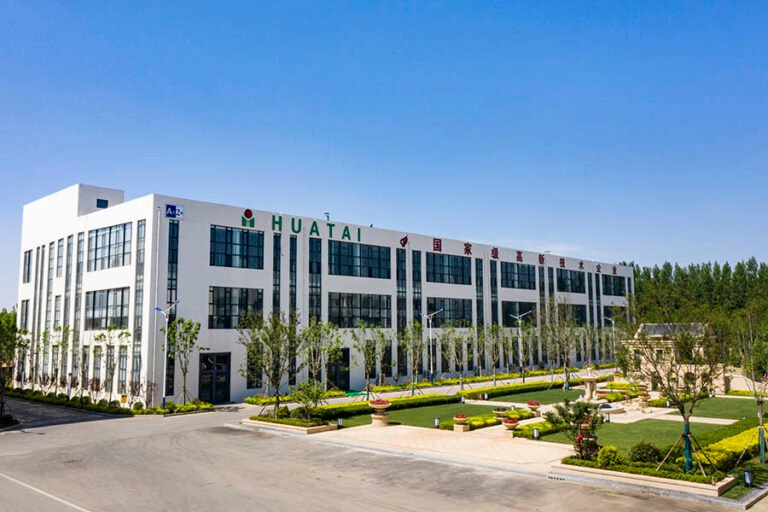
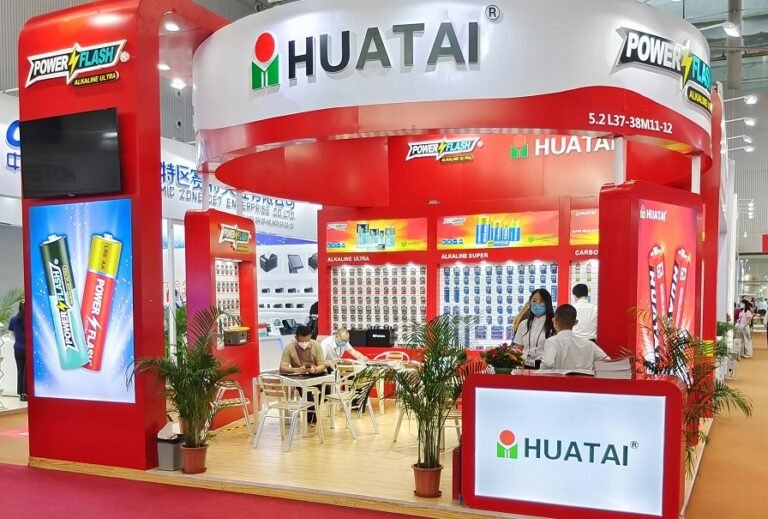
山东临沂华太新能源电池有限公司. 公司成立于 1993 年 5 月,但我们工厂的历史可以追溯到 1956 年临沂电池厂的成立。 领先的环保无汞碱性电池制造商 和 锂电池制造商 在中国和 全球最大的重型锌碳电池制造商和工厂.我们的产品采用 HUATAI,Power Flash 和 KINGCELL 品牌和客户的自有品牌,年产量达到 60 亿个 依托加拿大海霸(HIBAR)高速自动化生产线OEM 解决方案 欲了解更多信息,请继续关注我们的 新闻版块, 其中涵盖了最新的 公司新闻 和行业新闻.我们还提供 一站式产品目录服务 为客户服务。.

Below is a systematic analysis zinc–manganese dry batteriesalkaline cellsfive key perspectives: technology, cost, market structure, regional differences, and industrial reality.

I. Technical Performance: Alkaline Batteries Are Superior, but “Excess Performance” Is Not Always Necessary

方面Carbon Zinc Battery (Zinc–Manganese)碱性电池
能量密度High (approx. 3–7× higher)
放电能力Low currentMedium to high current, continuous discharge
保质期1–2 years5-10 年
低温性能优秀
Leak resistance平均优秀
环境合规Mercury-free (progressive)Fully mercury-free

Conclusion:
From a purely technical standpoint, alkaline batteries clearly outperform carbon zinc batteries.

然而,对于 low-power, short-cycle, non-critical devices, carbon zinc batteries are still “good enough”. In many real-world applications, the full performance advantages of alkaline batteries are simply not required.

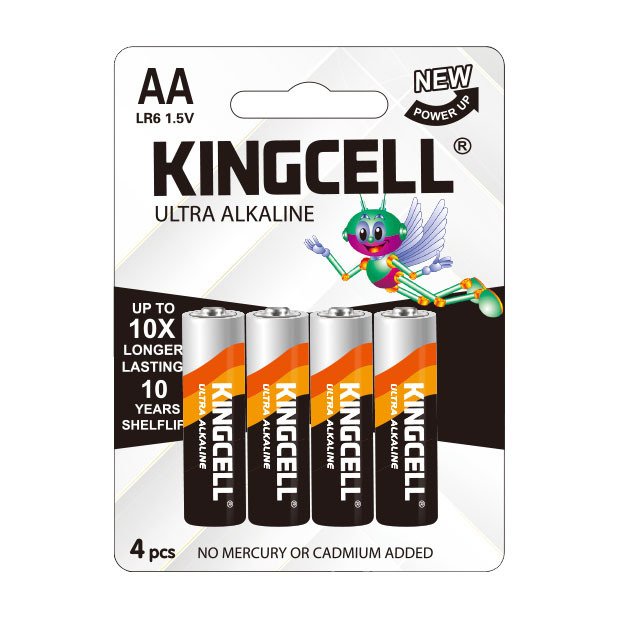
LR03,AAA 碱性电池芯
LR03,AAA 碱性电池芯

II. Cost and Price: Carbon Zinc Batteries Retain an Irreplaceable “Price Moat”

This is the most decisive and realistic factor.

Production cost of carbon zinc batteries ≈ 40%–60% of alkaline batteries

Retail price of carbon zinc batteries is typically 30%–50% lower

For the following applications, price outweighs performance:

Low-cost flashlights

Quartz clocks and wall clocks

Low-power remote controls

收音机

Daily-use products in rural or underdeveloped regions

In these markets, alkaline batteries are better, 但是 not essential.

This cost advantage ensures that carbon zinc batteries remain highly competitive for OEM 电池供应商, wholesale battery traders, and private-label dry battery manufacturers.

LR6P,AA 碱性电池
LR6P,AA 碱性电池

III. Global Market Structure: Carbon Zinc Batteries Still Support the “Bottom of the Pyramid”

1️⃣ Developed Markets (Europe, North America, Japan)

碳锌电池 largely phased out of mainstream retail

碱性电池 absolute mainstream

Lithium primary batteries & rechargeable batteries: continuously growing

In these markets, carbon zinc batteries have already been de facto replaced.

2️⃣ Emerging & Developing Markets (Africa, South Asia, Middle East, Latin America)

This is where reality differs significantly.

Market characteristics include:

Extremely high price sensitivity

Low-power electrical devices

High purchase frequency but low single-unit value

Africa (especially West and East Africa):

Carbon zinc batteries still account for 40%–60%+ of dry battery consumption

In some countries, they remain the dominant battery type

Alkaline batteries are viewed as an upgrade option, not a replacement

对于许多 dry battery manufacturers and zinc manganese battery suppliers, carbon zinc batteries remain the backbone of volume sales.

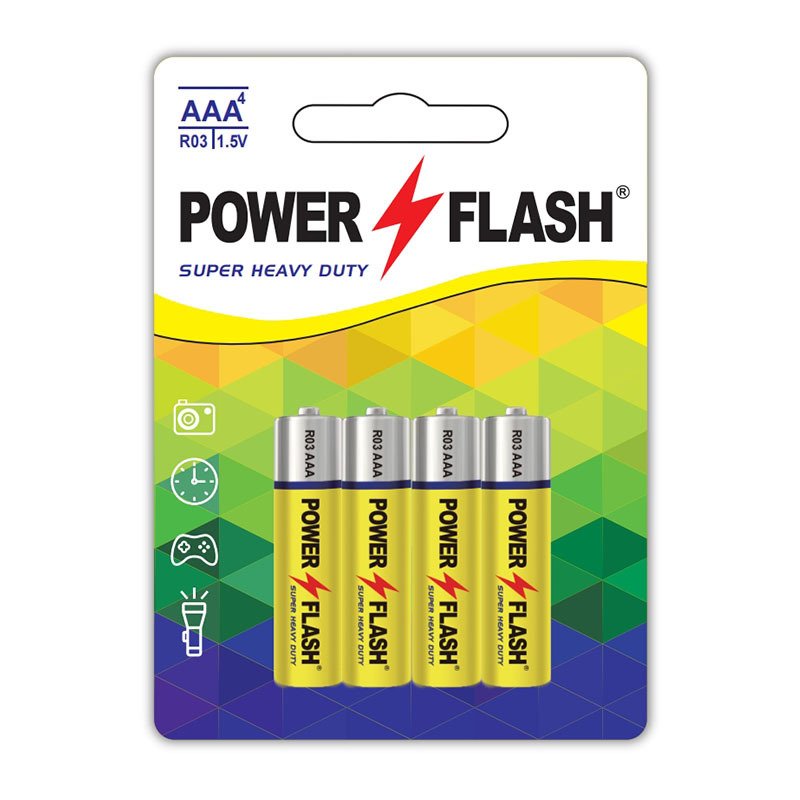
R03、AAA 碳锌电池
R03、AAA 碳锌电池

IV. Manufacturing Reality: Carbon Zinc Batteries Act as an “Industry Stabilizer”

From a factory and supply-chain perspective:

碳锌电池

Mature production technology

Lower capital investment

Fully depreciated equipment

High yield rate and stable cash flow

碱性电池

Higher investment and automation requirements

Greater raw material price volatility

More suitable for branded and mid-to-high-end markets

Industry reality:
Many battery manufacturers use carbon zinc batteries to sustain factory operations, 而 alkaline batteries generate higher margins and brand value.

This dual-structure is especially common among large-scale OEM battery factories and integrated dry battery producers.

华泰牌碳锌电池芯
华泰牌碳锌电池芯

V. Future Trend Outlook (Core Conclusions)

Why Carbon Zinc Batteries Will NOT Be Completely Replaced

Long-term price gap will persist

Low-power devices will continue to exist

Developing markets have massive population bases

Strong consumer habits and channel inertia

But Structural Replacement Will Occur

Carbon zinc batteries will gradually exit:

High-drain devices

Premium retail channels

Mainstream markets in developed countries

They will remain concentrated in:

Low-power, low-frequency-use devices

Highly price-sensitive markets

OEM, private-label, and wholesale battery channels

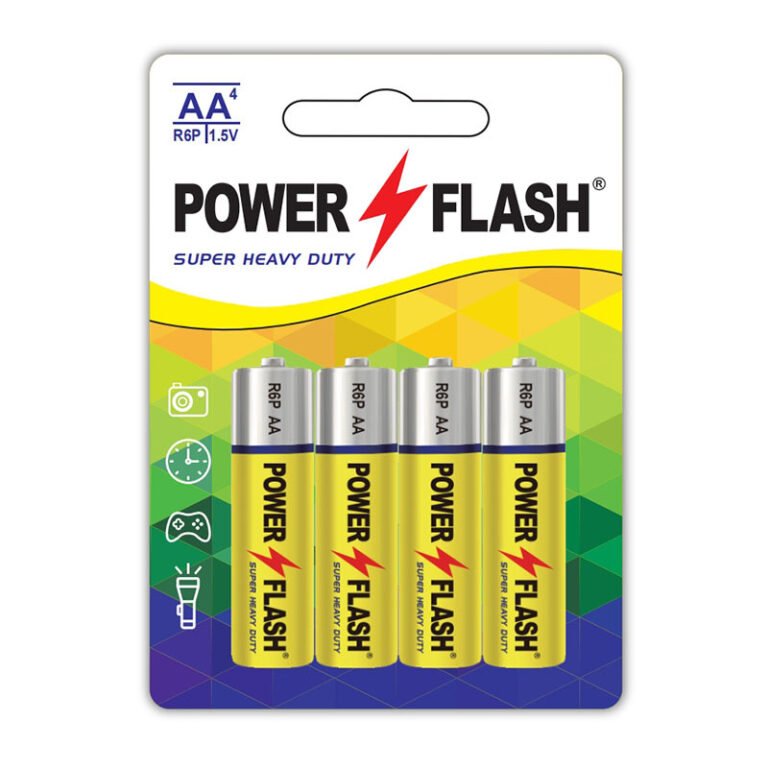
Huatai Brand R6P,AA  Carbon Zinc Battery Cell
Huatai Brand R6P,AA Carbon Zinc Battery Cell

Strategic FAQ: The Future of Battery Technology & Market Dynamics

问 1:碱性电池是否会完全取代碳锌电池,这对全球分销商意味着什么?

请回答: 从技术上讲,碱性电池在能量密度、抗漏电性和保质期方面更胜一筹。然而,碳锌电池不会被完全取代。它们将经历 "结构性替代",继续集中在低漏液、对价格高度敏感的市场。对于分销商来说,这意味着要保持 多元化的产品组合-利用华泰的碱性产品线,面向高耗电/高端零售渠道,利用我们的重型锌碳系列,面向价格敏感的批发渠道,全面占领市场。.

Q2: What is the “price moat” of carbon-zinc batteries, and why is it still relevant in 2026?

请回答: 价格护城河 "指的是 30%-50% 碳锌电池与碱性电池相比所具有的零售价格优势。在非洲、中东和拉丁美洲部分地区等发展中地区,价格敏感性仍然是购买行为的主要驱动因素。华泰利用成熟、高产的生产工艺供应大量碳锌电池,弥补了这一差距,确保我们的合作伙伴在这些对价格敏感的 "金字塔底层 "市场保持竞争优势。.

问题 3:华泰的制造标准如何缩小全球不同市场的性能差距?

请回答: 我们认识到,不同地区对电池性能的要求也不尽相同。碱性电池是发达经济体的主流,而新兴市场则需要能承受极端高温和潮湿的电池。通过利用 加拿大 HIBAR 自动生产线, 华泰采用高精度密封和优化的电解液配方。这使得我们的碳锌电池和碱性电池即使在中东和非洲极具挑战性的气候条件下也能可靠运行,否则产品故障可能会损害品牌信任度。.

问题 4: 从工业角度看,为什么制造商同时生产碳锌电池和碱性电池具有战略意义?

请回答: 这是一种双重结构的商业模式。在华泰,碳锌电池发挥着 "行业稳定器 "的作用--其成熟的技术、较低的资本要求和稳定的大批量需求提供了持续的现金流。与此同时,我们的碱性电池生产拥有 40 多条智能生产线,专注于更高的利润率和更优的性能。这种平衡使我们能够保证 稳定的供应和价格一致性 即使在原材料市场波动的情况下,也能为我们的原始设备制造商合作伙伴提供更好的服务。.

Q5: How does Huatai’s “one-stop” production capability impact supply chain efficiency for global buyers?

请回答: 全球买家需要的不仅仅是产品,他们还需要供应链的确定性。通过将研发、自供核心部件(锌罐/钢壳)和制造整合为一个生态系统,华泰将与第三方供应商相关的风险降至最低。华泰位于 距离青岛港 150 英里, 此外,我们还将地理优势转化为物流资产,确保全球各地的合作伙伴更快地完成订单并降低内陆运输成本。.

问题 6:高漏极与低漏极设备中电池选择的长期前景如何?

请回答: Market trends indicate a shift towards structural separation. Alkaline batteries will continue their dominance in high-drain devices (smart toys, wireless game controllers, medical equipment), while carbon-zinc will remain the long-term solution for low-power, low-frequency devices (remote controls, clocks, radios). Huatai provides the comprehensive product catalog required to serve both categories, ensuring our distributors can meet the specific technical needs of their local retail and wholesale markets.

Q7: How should a distributor choose between alkaline and carbon-zinc for their target market?

请回答: The choice depends on your target device and consumer purchasing power:
Choose Alkaline: If your market is in developed economies or your target customers use high-drain devices (smart toys, wireless game controllers, digital cameras) that require longer operating times and superior leakage resistance.
Choose Carbon-Zinc: If you are targeting price-sensitive regions, traditional retail channels, or consumers primarily using low-drain household devices like wall clocks and remote controls.

Q8: From a manufacturer’s perspective, why is it strategic for Huatai to produce both battery types?

请回答: Maintaining both product lines is a “dual-structure” strategy. Carbon-zinc batteries provide stable production volume and predictable cash flow due to their mature technology and lower capital investment requirements. Meanwhile, alkaline batteries allow us to provide high-margin, premium-performance solutions to global brands. This allows us to support both the “bottom of the pyramid” price-sensitive markets and the high-end retail sectors simultaneously.

Q9: Why do carbon-zinc batteries still have such a large market share in developing regions?

请回答: Developing markets (e.g., in Africa and the Middle East) are highly price-sensitive. For these consumers, the priority is often the lowest possible cost per unit. Carbon-zinc batteries satisfy this need perfectly, as they offer enough power for basic daily household items without the higher price premium associated with alkaline technology.

Q10: In what scenarios are carbon-zinc batteries still the better choice compared to alkaline?

请回答: Carbon-zinc batteries remain the optimal choice for low-drain, low-frequency, and price-sensitive applications. If your devices are simple electronics like TV remote controls, quartz wall clocks, or basic flashlights, the extra performance of an alkaline battery may be unnecessary. In these cases, carbon-zinc provides a cost-effective solution with a significantly lower unit price (typically 30%–50% lower than alkaline).

One-Sentence Summary

Alkaline batteries will not completely replace carbon zinc batteries in the short to medium term.
They will continue to dominate mid- and high-end markets, while carbon zinc batteries will remain a long-term “basic battery solution” for low-power applications and price-sensitive regions, coexisting with alkaline batteries, lithium batteries, and button cell batteries in the global battery ecosystem.

碳锌 电池碱性 电池 technologies will continue to coexist in the global ecosystem. Alkaline will continue its dominance in the mid-to-high-end sectors, while Carbon Zinc provides the long-term, cost-effective “basic battery solution” essential for the global bottom-of-the-pyramid economy.

相关

发表回复

您的邮箱地址不会被公开。 必填项已用 * 标注