Arabic
 English
 Spanish
 French
 Portuguese
 Russian
 Chinese
أكبر مصنع للبطاريات في الصين لإيران
استكشف الشرق الأوسط: سوق البطاريات في إيران بواسطة مجموعة «هواتاي» للبطاريات الصينية, ، بما في ذلك بطاريات الكربون والزنك، والبطاريات القلوية، وبطاريات الليثيوم، والبطاريات القابلة لإعادة الشحن، وتخزين الطاقة الشمسية، والمركبات الكهربائية، والتجارة بين الصين وإيران في مجال البطاريات، وفرص الاستيراد، واعتبارات الامتثال.
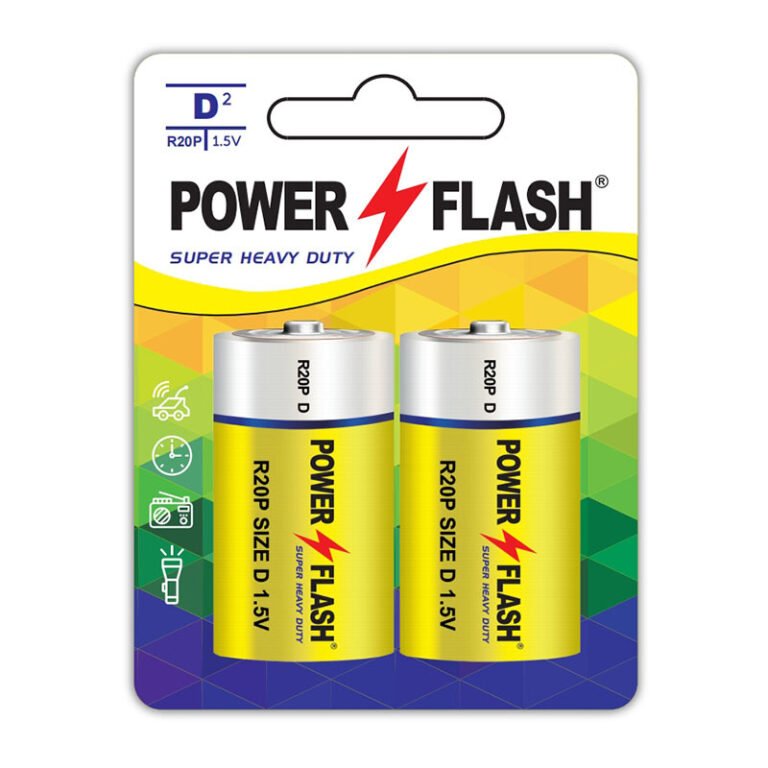
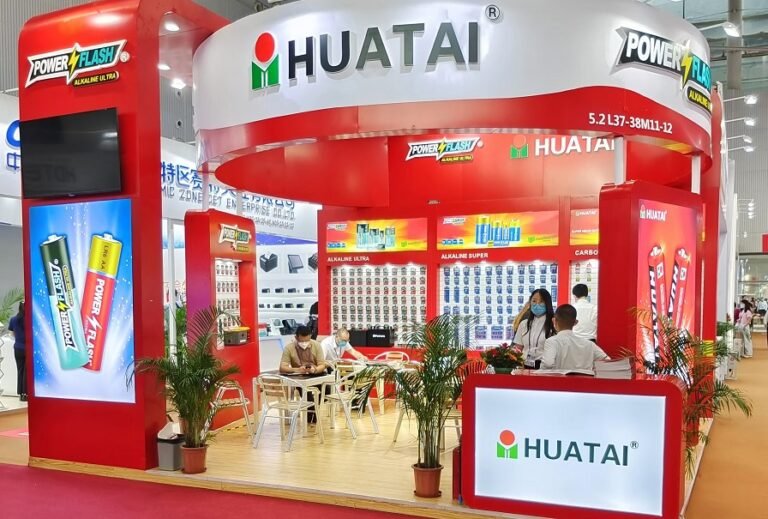
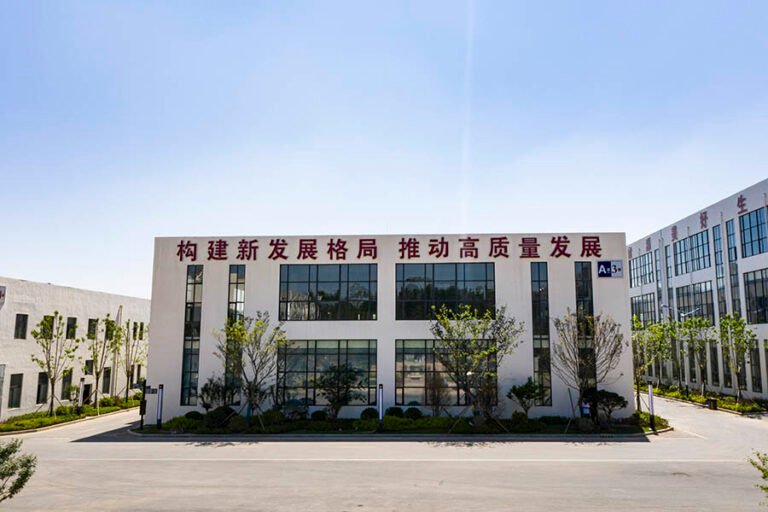
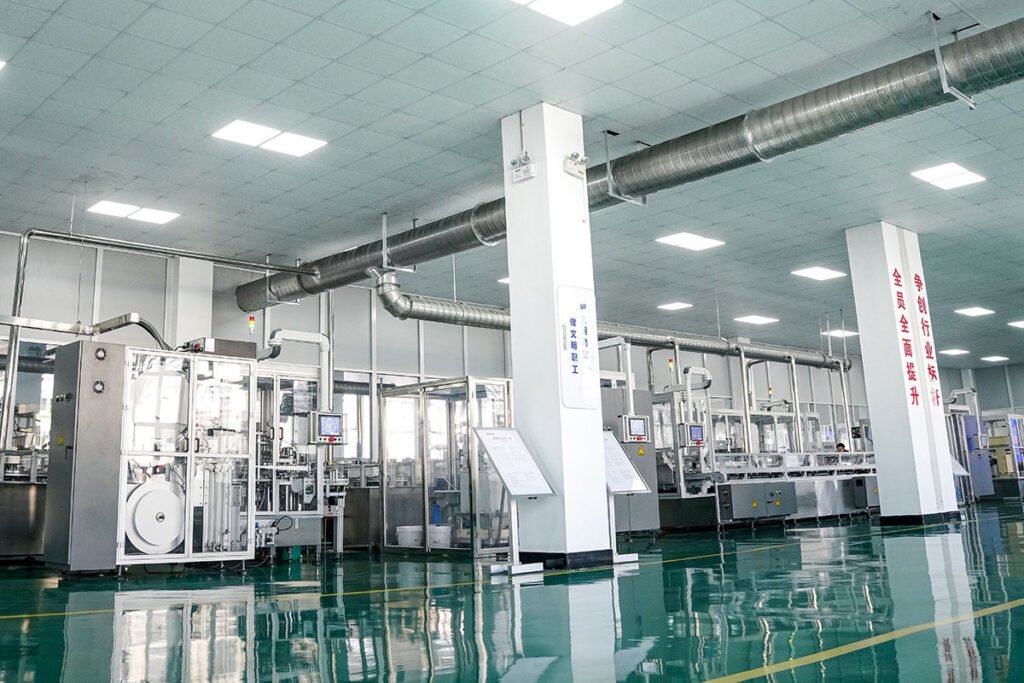
شركة شاندونغ لينيي هواتاي لبطاريات الطاقة الجديدة المحدودة. تأسست في مايو 1993، ولكن تاريخ مصنعنا يعود إلى إنشاء مصنع لينيي للبطاريات في عام 1956، ونحن حاليًا أحد رائدة في مجال المنتجات الصديقة للبيئة و- شركات تصنيع البطاريات القلوية الخالية من الزئبق و الشركات المصنعة لبطاريات الليثيوم في الصين و أكبر مصنع ومصنع لبطاريات الزنك والكربون الثقيلة في العالم. يتم إنتاج منتجاتنا باستخدام HUATAI, Power Flash و KINGCELL العلامات التجارية والعلامات التجارية الخاصة بالعميل، تم توريد 6 مليار دولار من الإنتاج السنوي من قبل خطوط الإنتاج المؤتمتة عالية السرعة HIBARتقدم حلول تصنيع البطاريات الأولية الجافة وفقًا لمعايير المصنع الأصلي (OEM) لبطاريات الزنك الكربونية والقلوية والليثيوم في جميع أنحاء العالم.

إيران يُعد أحد أكثر أسواق البطاريات تميزًا في الشرق الأوسط. ويوجد طلب على البطاريات في مختلف المجالات، بما في ذلك البطاريات المنزلية التقليدية، والمعدات الصناعية، وأنظمة الاتصالات، والأجهزة الإلكترونية، والمركبات، وأنظمة الطاقة الاحتياطية، وتطبيقات الطاقة المتجددة. وفي الوقت نفسه، تتأثر سلسلة توريد البطاريات في إيران بشدة بقيود الاستيراد، والعقوبات المالية، والقيود اللوجستية، واعتماد البلاد المتزايد على الصين في العديد من المنتجات المصنعة.
بالنسبة لـ الشركة المصنعة للبطاريات الصينية, ، ولذلك لا يمكن تقييم إيران بنفس الطريقة التي تُقيَّم بها المملكة العربية السعودية أو الإمارات العربية المتحدة أو أسواق الخليج الأخرى. الفرصة السوقية حقيقية، لكن يجب تقييم الجدوى التجارية جنبًا إلى جنب مع التحقق من هوية العملاء، وتصنيف المنتجات، والاستخدام النهائي، وترتيبات الدفع، وطرق الشحن، والعقوبات المعمول بها، ومتطلبات مراقبة الصادرات.
كما تُظهر البيانات التجارية الأخيرة أن الموردون الصينيون تتمتع بالفعل بمكانة ملموسة في سوق البطاريات الأولية الإيرانية. في عام 2024، صدرت الصين إلى إيران ما يقارب $203,000 دولار أمريكي من الخلايا والبطاريات الأولية ضمن الرمز HS 850619، وهو ما يمثل أكثر من 3.28 مليون وحدة وفقًا للبيانات التجارية المُبلغ عنها. كما تشير أبحاث السوق التي تغطي عام 2025 إلى أن الصين هي أكبر مورد للخلايا والبطاريات الأولية إلى إيران من حيث الكمية.
فهم سوق البطاريات في إيران
يمكن تقسيم سوق البطاريات في إيران إلى عدة قطاعات متميزة:
- بطاريات الزنك الكربونية
- البطاريات القلوية
- بطاريات الليثيوم الأولية
- بطاريات الأزرار
- بطاريات قابلة لإعادة الشحن
- بطاريات السيارات والبطاريات الصناعية
- بطاريات الليثيوم أيون
- بطاريات تخزين الطاقة الشمسية
- بطاريات الطاقة الاحتياطية
- بطاريات وسائل النقل الكهربائية
لا تزال البطاريات الأولية التقليدية تحظى بأهمية كبيرة لأنها غير مكلفة وسهلة التوزيع ومناسبة للعديد من المنتجات اليومية.
وفي الوقت نفسه، يشكل نظام الكهرباء في إيران وتطوير قطاع الطاقة المتجددة مصدرًا آخر للطلب على البطاريات. فقد تتطلب أنظمة الطاقة الشمسية المزودة بوسائل التخزين، ومعدات إمداد الطاقة غير المنقطعة (UPS)، وأنظمة الدعم الاحتياطي لقطاع الاتصالات، وحلول الطاقة الموزعة، بطاريات قابلة لإعادة الشحن.
| قطاع البطاريات | التطبيقات الشائعة في إيران | الخصائص التجارية الرئيسية |
| الكربون والزنك | الساعات، وأجهزة الراديو، والمصابيح اليدوية، وأجهزة التحكم عن بُعد | حساسة من حيث التكلفة، ذات حجم إنتاج كبير |
| قلوي | الألعاب، الأجهزة الإلكترونية، الأجهزة المنزلية | أداء أعلى من الكربون والزنك |
| بطارية ليثيوم أولية | أجهزة القياس، وأجهزة الاستشعار، والإلكترونيات، والمعدات الصناعية | عمر تخزين طويل وكثافة طاقة عالية |
| خلايا الأزرار | الساعات، الأجهزة الطبية/الإلكترونية، المعدات الصغيرة | تطبيقات ذات حجم صغير ولكن ذات قيمة أعلى |
| بطارية Ni-MH قابلة لإعادة الشحن | الأجهزة الاستهلاكية والمهنية | تقنية قابلة لإعادة الاستخدام ومثبتة الفعالية |
| ليثيوم أيون / LFP | تخزين الطاقة الشمسية، أنظمة الإمداد غير المنقطع (UPS)، حلول التنقل، الأنظمة الصناعية | الأهمية الاستراتيجية المتزايدة |
| أنظمة البطاريات الكبيرة | تخزين الطاقة الشمسية، والطاقة الاحتياطية، والطاقة الصناعية | المشتريات القائمة على المشاريع |
يُعد هذا التصنيف مهمًا لأن متطلبات الموزع الإيراني الذي يشتري بطاريات من فئتي AA وAAA تختلف اختلافًا كبيرًا عن متطلبات العميل الصناعي الذي يشتري حزم بطاريات الليثيوم.
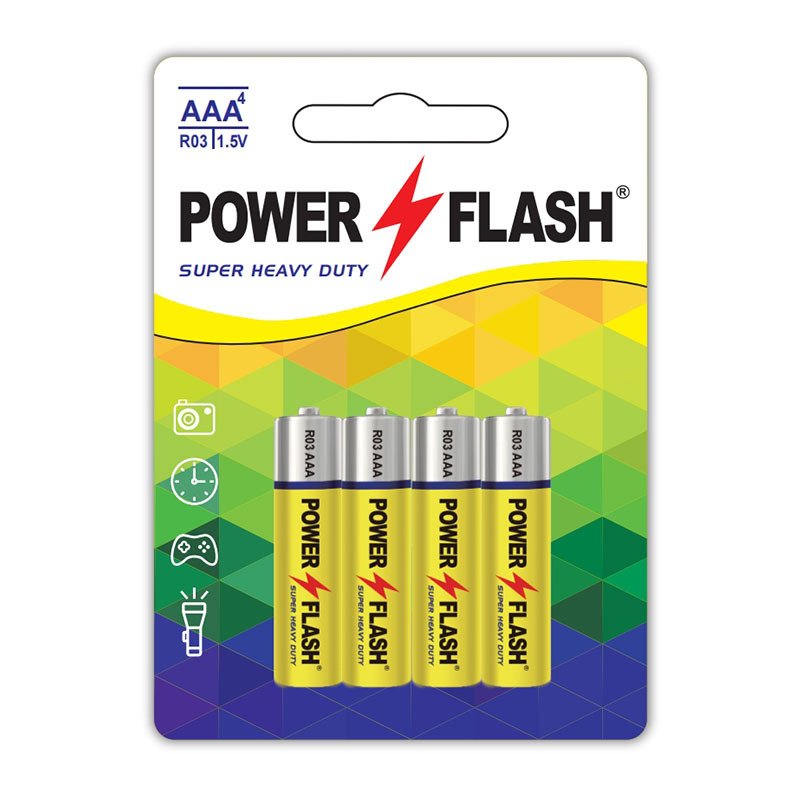
لا تزال بطاريات الكربون والزنك تحظى بأهمية في إيران
لا تزال بطاريات الكربون والزنك تحتل مكانة في الأسواق التي يُعد السعر فيها عاملاً رئيسياً في اتخاذ قرار الشراء.
تشمل التطبيقات النموذجية ما يلي:
- ساعات حائط
- أجهزة التحكم عن بُعد
- المصابيح اليدوية
- أجهزة الراديو
- الألعاب
- المنتجات الإلكترونية البسيطة
- أجهزة منزلية منخفضة الاستنزاف
- المنتجات الترويجية والمؤسسية
بالنسبة للموزعين الإيرانيين، يمكن أن تشكل بطاريات الكربون والزنك بديلاً اقتصاديًا للبطاريات القلوية في الحالات التي لا تتطلب أداءً عاليًا في استهلاك الطاقة.
ومع ذلك، فإن السعر المنخفض لا يعني أنه يمكن تجاهل الجودة.
ينبغي على أي شركة صينية مصنعة لبطاريات الكربون والزنك تستهدف السوق الإيرانية أن تنتبه إلى ما يلي:
- مقاومة التسرب
- جودة علب الزنك
- اتساق قضبان الكربون
- أداء التفريغ
- مدة الصلاحية
- جودة الإحكام
- جودة الملصقات والتغليف
- مراقبة المعادن الثقيلة
- اتساق الدُفعات
- أداء التخزين على المدى الطويل
بالنسبة للمستوردين، قد تكون تكلفة الشكاوى المتعلقة بالتسرب أعلى بكثير من الفرق في السعر بين بطارية رخيصة وبطارية مصممة هندسيًّا بشكل سليم.
البطاريات الكربونية الزنك مقابل البطاريات القلوية في إيران
ينبغي على العملاء الإيرانيين اختيار تركيبة البطارية وفقًا للاستخدام المقصود، بدلاً من الاكتفاء باختيار السعر الأقل للوحدة.
| المتطلبات | الزنك الكربوني | قلوي |
| سعر الشراء | أقل | أعلى |
| كثافة الطاقة | أقل | أعلى |
| أجهزة منخفضة الاستنزاف | مناسب جدًا | مناسب |
| أجهزة عالية الاستنزاف | محدودة | أكثر ملاءمةً |
| التطبيقات النموذجية | الساعات، وأجهزة الراديو، والمصابيح اليدوية | الأجهزة الإلكترونية، والألعاب، والمعدات |
| إمكانات تصنيع المعدات الأصلية (OEM) | عالية | عالية |
| Main advantage | الكفاءة من حيث التكلفة | Performance and longer operating time |
For distributors serving low-cost household products, carbon zinc can remain attractive.
For electronic equipment, toys, wireless accessories and devices with higher power consumption, alkaline AA and AAA batteries are generally more appropriate.
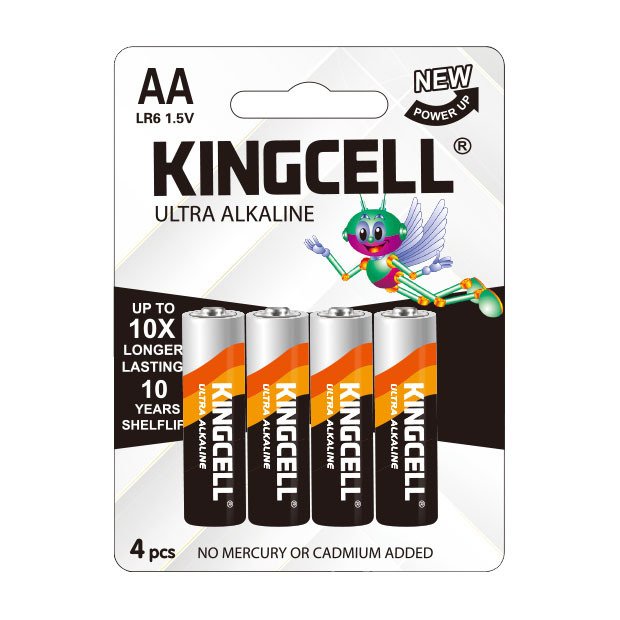
China Is Already an Important Battery Supply Partner for Iran
China’s importance to Iran’s battery supply chain is not theoretical.
World Bank WITS data show that in 2024 China exported approximately US$203,000 and 3.29 million units of primary cells and batteries under HS 850619 to Iran. Turkey exported a slightly higher value, but China’s reported quantity was substantially larger.
China’s role is even more visible in battery components. In 2022, Iran imported approximately US$48.7 million of parts of primary cells and primary batteries under HS 850690, with China accounting for approximately US$24.2 million—roughly half of the reported import value.
This suggests that the China-Iran battery relationship is not limited to finished batteries. Components and battery-related manufacturing inputs can also form part of the supply chain.
For Chinese factories, this creates potential commercial models including:
- Finished battery exports
- بطاريات المصنعين الأصليين (OEM)
- Private-label batteries
- Battery components
- Semi-finished products
- Technical cooperation
- Local assembly-related supply
However, each model needs to be assessed separately for compliance and transaction feasibility.
Alkaline Batteries Offer a Higher-Performance Consumer Option
Alkaline batteries are relevant to Iran’s consumer electronics and industrial markets because they offer better energy density and higher-drain performance than traditional carbon zinc batteries.
تشمل الأحجام الشائعة ما يلي:
- AA / LR6
- AAA / LR03
- C / LR14
- D / LR20
- 9V / 6LR61
For an Iranian distributor, the commercial requirements may include competitive pricing, reliable packaging, long shelf life and stable supply.
For a private-label customer, customization can include:
- Brand name
- ملصق البطارية
- عبوات نفطة التعبئة والتغليف
- Retail box
- تصميم الكرتون
- لون البطارية
- Pack quantity
- Distributor-exclusive packaging
This makes OEM and private-label alkaline batteries potentially more interesting than simply selling generic batteries.

Lithium Primary Batteries Serve Specialized Iranian Applications
Lithium primary batteries should be considered separately from ordinary AA and AAA consumer batteries.
Lithium primary cells are used in applications requiring:
- Long operating life
- تفريغ ذاتي منخفض
- تحمّل واسع لدرجات الحرارة
- حجم صغير
- جهد كهربائي مستقر
- عمر تخزين طويل
Potential Iranian applications include:
- Industrial meters
- معدات الأمن
- أجهزة الاستشعار
- معدات الأتمتة
- Medical and electronic devices
- الاتصالات
- Specialized monitoring systems
Trade-shipment data for Iran also show imports of lithium batteries such as CR2032 and lithium-thionyl-chloride cylindrical cells, demonstrating that the market includes specialized lithium applications in addition to ordinary household batteries.
For these products, technical documentation becomes much more important. Customers may request detailed specifications, safety documents, test reports, transportation documentation and application-specific information.
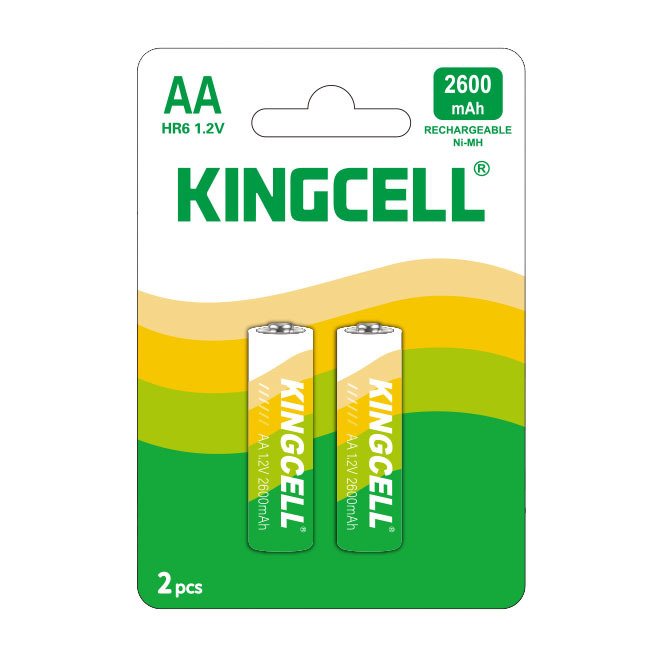
Rechargeable Batteries and Backup Power Have Strategic Importance
Iran has a large industrial and telecommunications infrastructure, and backup power is important wherever electricity continuity matters.
Rechargeable battery applications can include:
- النسخ الاحتياطي لخدمات الاتصالات
- أنظمة UPS
- أنظمة الأمان
- الأنظمة الشمسية
- معدات صناعية
- إضاءة الطوارئ
- طاقة احتياطية
- المعدات المحمولة
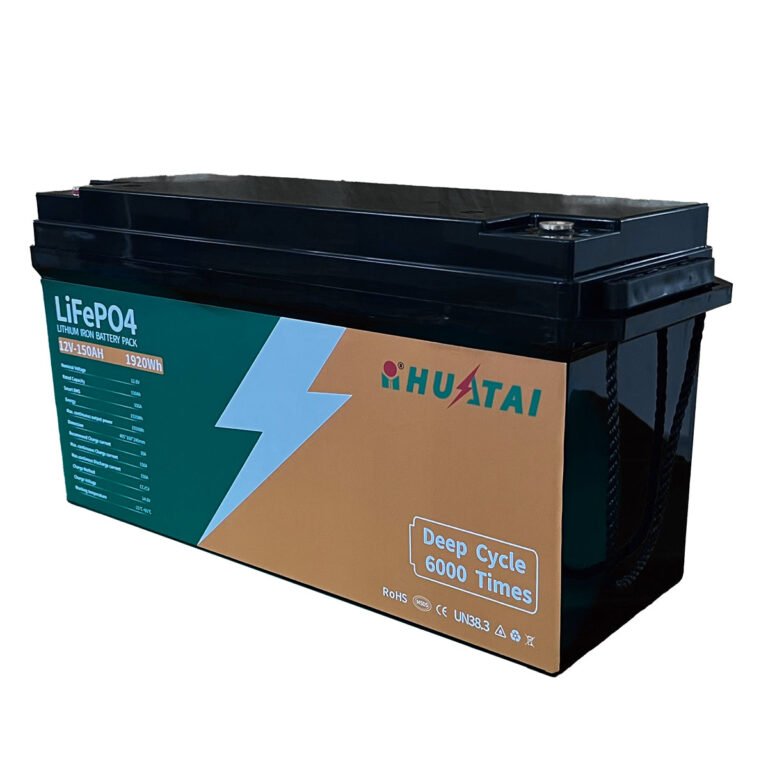
Traditional lead-acid technology remains important in many backup applications, but lithium-ion and LFP batteries provide another option where customers value lower weight, longer cycle life and higher usable energy.
For Chinese manufacturers, this means the Iranian rechargeable-battery market should be divided into at least two categories:
Consumer rechargeable batteries
و
Industrial / energy-storage batteries
The procurement process, technical requirements and commercial risk can be very different between them.

Solar Energy Creates a New Battery Demand Channel
Iran has substantial solar potential, and renewable-energy development is increasingly discussed as a way to address energy-system constraints and diversify electricity generation.
Research published in 2026 continues to identify solar power and electricity storage as important components of possible long-term Iranian energy-system development. However, sanctions, financing constraints and limited access to international technology remain significant barriers to rapid deployment.
This creates a paradox for battery suppliers.
Iran has technical and economic reasons to develop more solar-plus-storage systems, but international restrictions can make imported equipment, financing, insurance and payment arrangements difficult.
For Chinese battery manufacturers, potential applications include:
- Off-grid solar systems
- Telecom solar backup
- Rural power systems
- Industrial solar storage
- النسخ الاحتياطي التجاري
- الشبكات الصغيرة
- Solar street lighting
- Small ESS systems
LFP batteries can be particularly relevant to stationary applications because of their cycle-life and safety characteristics.
Iran’s Electricity Challenges Can Support Backup-Battery Demand
Iran’s battery demand should also be viewed through the country’s electricity infrastructure.
A battery can provide value even when it is not part of a large renewable-energy project.
على سبيل المثال:
Grid electricity → UPS → battery → critical load أو Solar PV → inverter → LFP battery → household/business load أو Solar PV → charge controller/inverter → battery bank → telecom equipment
These applications can create demand for batteries with very different specifications.
A household backup system may prioritize affordability.
A telecom operator may prioritize cycle life and reliability.
An industrial customer may prioritize total cost of ownership.
A solar installer may prioritize compatibility with inverters and BMS communication.
Therefore, Chinese suppliers should sell based on the application rather than simply quoting battery capacity.
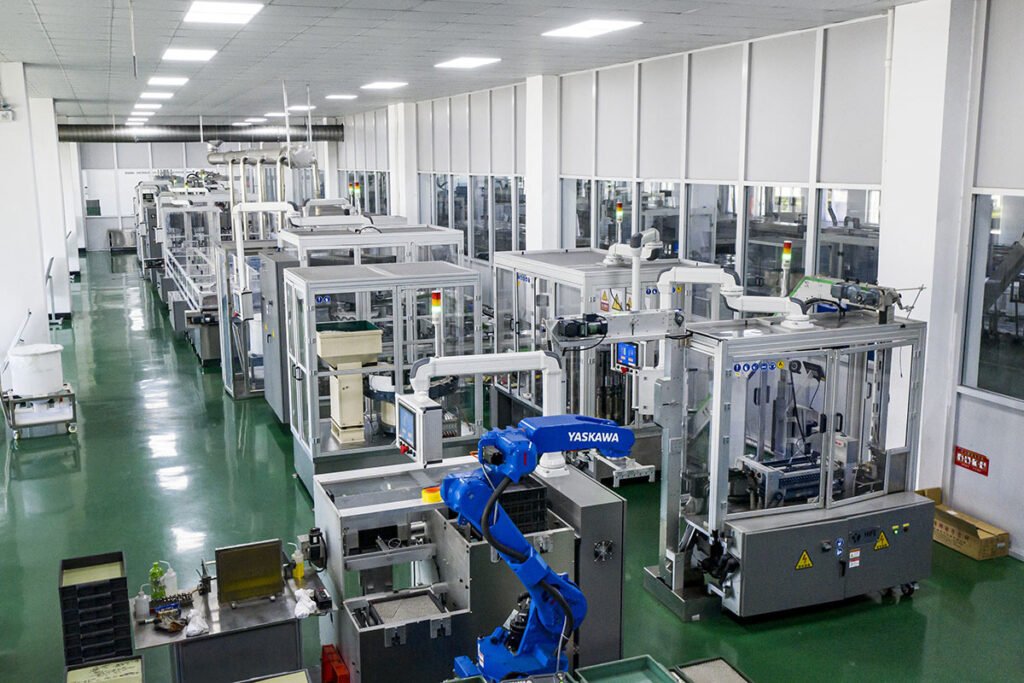
Electric Mobility and Lithium Batteries Are Emerging Opportunities
Iran has an established automotive industry, and electric mobility is also becoming part of the country’s longer-term transportation discussion.
Globally, lithium-ion battery manufacturing is dominated by Chinese, Korean and Japanese companies, while China accounted for more than 80% of global battery-cell production in 2025. This gives Chinese manufacturers significant advantages in supply-chain scale, battery materials and manufacturing cost.
For Iran, Chinese battery technology can therefore be relevant to:
- دراجات نارية كهربائية
- دراجات كهربائية
- Small electric vehicles
- Commercial vehicles
- حزم البطاريات
- أنظمة الشحن
- التخزين الثابت
However, automotive and mobility batteries require much more rigorous engineering than ordinary consumer batteries.
A Chinese supplier should evaluate:
- كيمياء الخلية
- Pack voltage
- الطاقة الاستيعابية
- BMS
- Thermal management
- عمر الدورة
- Mechanical protection
- رقم الأمم المتحدة 38.3
- Transport classification
- End-use
- Customer technical capability
Iran Is Not an Ordinary Export Market
This is one of the most important differences between Iran and many other Middle Eastern markets.
Iran is subject to extensive U.S. sanctions, and other jurisdictions—including the EU and UK—also maintain Iran-related restrictions. OFAC’s Iran sanctions program remains active and was updated repeatedly in 2026. The UK also announced additional Iran sanctions amendments taking effect on September 29, 2026.
هذا يفعل لا mean that every battery transaction with Iran is automatically prohibited.
It does mean that a supplier must not assume that an ordinary commercial battery can simply be shipped without checking the transaction.
Before accepting an Iranian battery order, a responsible exporter should review:
Customer → Ownership → Product → End user → End use → Sanctions → Export controls → Payment → Shipping → Insurance → Documentation
A transaction involving an ordinary household battery may have a different compliance profile from a lithium battery intended for industrial equipment.
Similarly, the nationality of the seller, banks involved, shipping company, insurers, destination, ownership structure and end use can all affect the transaction.
For companies subject to U.S. jurisdiction, OFAC’s rules are particularly important. OFAC guidance also shows that certain consumer communications-related products and accessories can receive specific authorization under defined conditions, illustrating why product classification and applicable regulations matter rather than assuming a blanket rule for all batteries.
إذا لم تكن هيكلية الدفع مطابقة للشروط، فلن يتم الشحن. وإذا لم يتم التحقق من هوية العميل، فلن يتم قبول الطلب. وإذا لم يكن مسار الشحن مقبولاً، فلن يتم التسليم.
A supplier should never rely on hidden end users, inaccurate product descriptions, deceptive intermediaries or altered shipping documents to bypass restrictions.

Payment and Logistics Are Critical for Iran
Even when a product is technically permissible, payment and logistics can determine whether a transaction is commercially workable.
Potential issues include:
- Banking restrictions
- Correspondent-bank exposure
- Currency settlement
- Shipping availability
- Marine insurance
- Carrier restrictions
- Port restrictions
- Sanctions screening
- Customer ownership
- Third-country involvement
This is especially important for lithium batteries because transportation rules are more complex than for ordinary alkaline or carbon zinc batteries.
For Iranian buyers, a Chinese supplier should therefore conduct transaction-specific due diligence before confirming:
- السعر
- Payment terms
- Incoterms
- Shipping route
- التأمين
- Product documentation
- Export classification
- الوجهة النهائية
The correct commercial sequence is:
Demand identification → customer verification → product classification → end-use review → sanctions/export-control review → payment review → logistics review → quotation → shipment
What Battery Products Have Commercial Relevance in Iran?
| Iranian buyer type | Potential products | Main considerations |
| موزع البطاريات | Carbon zinc, alkaline, 9V | Price, shelf life, packaging |
| Electronics distributor | البطاريات القلوية، وبطاريات الليثيوم الأولية، وبطاريات الأزرار | Performance and dimensions |
| Industrial customer | Lithium primary, rechargeable | Reliability and documentation |
| Solar installer | LFP, lithium-ion | Cycle life, BMS, inverter compatibility |
| Telecom company | LFP, rechargeable backup batteries | Reliability and lifecycle |
| OEM/private-label buyer | الكربون والزنك، القلوية، الليثيوم | MOQ, branding, packaging |
| Mobility company | Lithium-ion/LFP packs | Safety, BMS, technical qualification |
This diversified structure means that Iran should not be treated simply as a “cheap battery market.”
There are both commodity and specialized segments.
OEM and Private-Label Battery Opportunities in Iran
Iranian distributors and local brands can potentially use OEM manufacturing to develop their own battery products without investing in complete battery production facilities.
For primary batteries, OEM services may include:
- Battery label design
- تخصيص العلامة التجارية
- عبوات نفطة التعبئة والتغليف
- Box packaging
- Carton packaging
- Different pack quantities
- Carbon zinc or alkaline chemistry selection
- AA, AAA, C, D and 9V configurations
For lithium products, OEM may involve:
- اختيار الخلية
- الفولتية
- الطاقة الاستيعابية
- Pack configuration
- BMS
- Connector
- Housing
- التسمية
- تصميم مخصص للتطبيق
However, an OEM order does not remove the need for compliance review. The product’s end use and transaction structure remain important.

لماذا تُعد شركة «هواتاي للبطاريات» أكثر من مجرد شركة مصنعة لبطاريات الكربون والزنك
Shandong Huatai New Energy Battery Co., Ltd. has industrial roots dating back to the establishment of the Linyi Battery Factory in 1956 and was formally established in 1993.
Today, Huatai’s portfolio extends beyond traditional zinc-carbon batteries to alkaline, button, rechargeable, lithium and other new-energy battery products.
The company operates more than 40 production lines and seven component workshops, including high-speed HIBAR alkaline production lines. Huatai states that its annual battery output exceeds 6 billion pieces and that its products are exported to more than 80 countries.
For the Iranian market, this broader manufacturing portfolio allows different customer groups to source different battery types:
- R6P / AA كربون-زنك
- R03P / AAA كربون-زنك
- LR6 / بطاريات قلوية من نوع AA
- LR03 / بطاريات قلوية من نوع AAA
- بطاريات C و D
- بطاريات 9 فولت
- بطاريات الأزرار
- بطاريات الليثيوم الأولية
- بطاريات Ni-MH القابلة لإعادة الشحن
- بطاريات الليثيوم أيون
- LFP energy-storage products
- بطاريات مصنعة من قبل الشركة المصنعة الأصلية (OEM) أو بعلامة تجارية خاصة
For a market with both traditional battery demand and emerging lithium applications, a multi-chemistry supplier can potentially provide a more efficient sourcing relationship than a factory focused on only one battery category.
What Should Iranian Buyers Look for in a China Battery Supplier?
A professional Iranian importer should evaluate a Chinese supplier on more than price.
Important questions include:
- هل يقوم المصنع بتصنيع البطاريات بنفسه؟
- Which battery chemistries are produced in-house?
- Can the factory provide product specifications and test reports?
- What environmental and safety certifications are available?
- هل يمكن للمورد تقديم عينات قبل بدء الإنتاج بكميات كبيرة؟
- What is the MOQ for OEM batteries?
- Can packaging be customized?
- What is the battery shelf life?
- How is leakage performance controlled?
- For lithium batteries, can the supplier provide UN38.3 and relevant transportation documentation?
- Can the supplier maintain consistent quality across repeat orders?
- Can the transaction pass applicable sanctions, payment and logistics reviews?
For Iranian buyers, the final question is especially important.
A technically excellent battery is not commercially useful if the proposed transaction cannot be completed through a compliant payment and logistics structure.
FAQs About the Iran Battery Market
1. Is Iran a potential market for Chinese battery manufacturers?
Yes. Iran has demand for carbon zinc, alkaline, lithium primary, rechargeable and energy-storage batteries. China is already an important supplier of primary batteries to Iran. However, commercial feasibility must be evaluated together with sanctions, payment, logistics and customer due diligence.
2. Are carbon zinc batteries still used in Iran?
Yes. Carbon zinc batteries remain suitable for low-drain household and consumer applications where low purchase cost is important. AA, AAA, C, D and 9V formats can serve different applications.
3. Does Iran import batteries from China?
Yes. In 2024, China exported about US$203,000 of primary cells and batteries under HS 850619 to Iran, involving more than 3.28 million reported units. China has also been a major supplier of primary-battery components.
4. What battery products are suitable for Iranian solar projects?
LFP and other lithium-ion batteries can be suitable for solar-storage and backup applications, depending on system design. Important parameters include capacity, cycle life, BMS, inverter compatibility, operating temperature and safety.
5. Is lithium battery demand growing in Iran?
Lithium batteries have potential in solar storage, industrial equipment, telecom backup, mobility and specialized electronics. However, actual market growth depends on financing, imports, infrastructure, sanctions and the availability of compatible equipment.
6. Can Chinese companies freely export batteries to Iran?
A company should not assume that all battery exports are unrestricted. Product classification, end user, end use, sanctions, export controls, payment institutions, carriers and insurance arrangements should be reviewed before a transaction is accepted.
7. Can a Chinese factory provide private-label batteries for Iranian brands?
OEM/private-label production can be technically possible for products such as carbon zinc, alkaline, button and selected lithium batteries. However, the proposed transaction and end use must still satisfy all applicable compliance requirements.
8. What is the biggest difference between the Iran and Saudi Arabia battery markets?
Saudi Arabia is rapidly building a large formal market for grid-scale energy storage under a relatively open international investment environment. Iran also has potential for solar, backup power and lithium storage, but sanctions, financial restrictions, logistics and technology-access constraints make the commercial environment considerably more complicated.

Conclusion: Iran Has Battery Demand, but Compliance Determines Commercial Feasibility
Iran has a diverse battery market combining conventional consumer batteries with industrial, rechargeable, lithium and emerging energy-storage applications.
Carbon zinc and alkaline batteries remain relevant to everyday consumer products. Lithium primary batteries serve specialized electronics and industrial applications. Rechargeable batteries support telecom, UPS and backup-power systems. Meanwhile, solar development and electricity-system constraints create longer-term opportunities for LFP and other lithium-based energy-storage technologies.
China is already an important supplier to Iran’s primary-battery market, and Chinese battery manufacturers – such as شركة شاندونغ هواتاي نيو إنيرجي للبطاريات المحدودة, have advantages in production scale, product diversity and lithium-battery supply chains.
However, Iran is fundamentally different from many other Middle Eastern markets.
The most important question for a Chinese battery manufacturer is not simply “How large is Iranian battery demand?”
It is: “Can this specific product be sold to this specific customer, for this specific end use, through a compliant payment and logistics structure?”
That distinction should guide every Iran battery inquiry.
بالنسبة لـ Top China battery manufacturer for Iran - شركة شاندونغ هواتاي نيو إنيرجي للبطاريات المحدودة, the competitive proposition should therefore combine manufacturing capability with disciplined transaction screening. Huatai Battery’s long manufacturing history, carbon zinc and alkaline production, rechargeable and lithium product portfolio, OEM capability and international export experience provide a foundation for serving different battery applications, provided that each Iran-related transaction is independently reviewed for applicable sanctions, export controls, payment and logistics requirements.
In the Iranian market, technical capability creates the opportunity, but transaction compliance determines whether the opportunity can actually become a shipment.