English
  Spanish
  French
  Arabic
  Portuguese
  Russian
 —Technology Innovation, Environmental Awareness, Intelligent Applications, and Market Strategies
Content Overview
According to available data, China’s dry battery production increased from 80.316 billion units in 2014 to nearly 151 billion units in 2022, while domestic demand rose from 39.94 billion units in 2013 to approximately 111.08 billion units in 2022.
From the perspective of average market pricing, continuous technological advancement in dry batteries has significantly improved production efficiency. Ongoing product upgrades and process optimization have effectively enhanced manufacturing capacity and reduced unit production costs. As a result, the average market price of dry batteries manufacturer in China was approximately RMB 0.54 per unit in 2022.
Overall, the dry battery industry continues to demonstrate stable growth momentum, supported by mature technology, broad application scenarios, and strong global demand.
Introduction About Huatai Battery
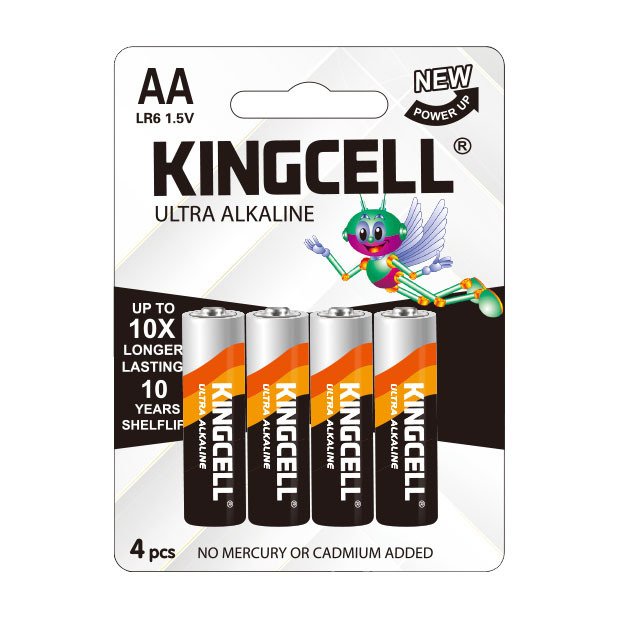
Shandong Linyi Huatai New Energy Battery Co., Ltd. was established in May 1993,but our factory’s history can date back to the establishment of the Linyi Battery Plant in 1956.We are currently one of the leading Eco-friendly&Mercury-free alkaline battery manufacturers and lithium battery manufacturers in China and the world’s largest heavy duty zinc-carbon batteries manufacturer&factory. Our products are produced with HUATAI,Power Flash and KINGCELL brand and customer’s private label, supplied 6 billion annual output by HIBAR high-speed automated production lines, offering OEM solutions for zinc carbon, alkaline, and lithium batteries worldwide.For more insights, please stay tuned to our News section, which covers the latest Company News and Industry News.We also supply one-stop Product Catalog service for our customers.
I. Overview of Dry Batteries
A dry battery is a type of voltaic cell that uses absorbent materials (such as sawdust or gelatin) to immobilize the electrolyte in a paste form, preventing leakage. Dry batteries are widely used as power sources for flashlights, radios, toys, remote controls, clocks, medical devices, and household appliances.
After decades of development, China’s dry battery technology has made notable breakthroughs in specific energy, shelf life, and adaptability to high- and low-temperature environments, significantly narrowing the gap with international leaders.
According to the National Economic Industry Classification and Codes (GB/T 4754–2011) issued by the National Bureau of Statistics of China, the dry battery industry falls under:
Manufacturing
Electrical Machinery and Equipment Manufacturing
Zinc–Manganese Battery Manufacturing
Battery Types by Electrolyte
Silver oxide batteries
Mercury batteries (largely phased out due to environmental regulations)
Each battery type differs in chemical composition, energy density, discharge performance, and application scope.
Battery Types by Size
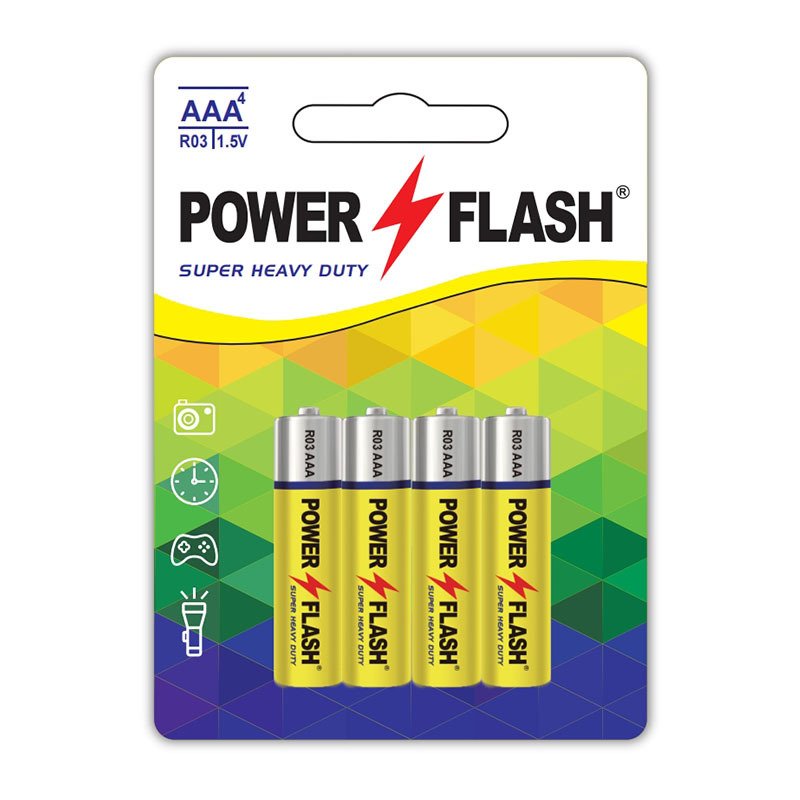
AAA (Micro)
AA (Standard)
C (Medium)
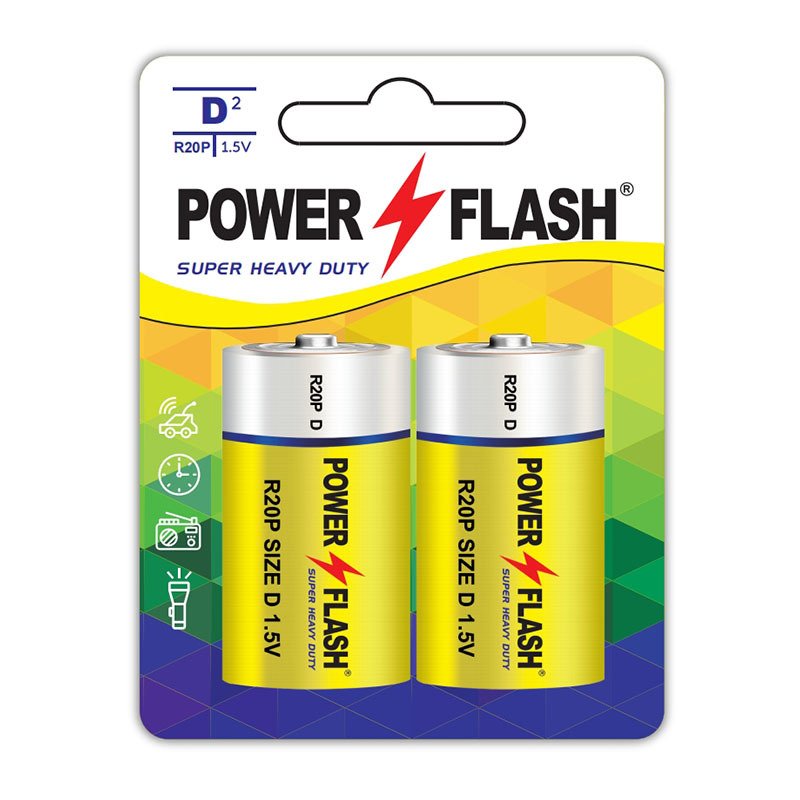
D (Large)
9V (Rectangular)
These standardized sizes allow dry battery manufacturers and suppliers to serve a wide range of consumer and industrial devices.
II. Industry Chain Analysis
The dry battery industry is characterized by mature technology, stable performance, high safety, ease of use, and wide applicability. Among them, zinc-manganese batteries—especially AA and AAA zinc-carbon batteries—are the most commonly used consumer batteries.
Industry data shows that zinc-carbon batteries offer the best cost-performance ratio, making them highly competitive in mass-market applications. Thanks to advantages such as:
Mature manufacturing processes
Low production cost
Long shelf life
Stable discharge performance
Environmentally friendly materials
Zinc-carbon and alkaline dry batteries remain irreplaceable consumer consumables in the short to medium term.

Key Application Scenarios
Electric toys
Household appliances
Home medical equipment
Outdoor electronic devices
Remote controls, clocks, and flashlights
As a result, dry battery manufacturers, producers, and OEM battery suppliers continue to play a vital role in global consumer electronics supply chains.
III. Current Development Status of China’s Dry Battery Industry
Since the 1990s, global manufacturing has gradually shifted toward developing countries, with China emerging as a global manufacturing hub due to its:
Stable economic environment
Complete industrial supply chain
Competitive labor and production costs
With continuous breakthroughs in fully automated battery production lines, China’s zinc-manganese and alkaline battery production capacity has expanded rapidly.
Meanwhile, due to rising labor costs and industrial restructuring, Europe, the United States, and Japan have largely exited large-scale zinc-manganese battery manufacturing, creating favorable conditions for Chinese dry battery factories and suppliers to dominate the global market.

Market Size and Regional Distribution
China’s dry battery market size reached approximately RMB 60.01 billion in 2022
Production is mainly concentrated in Zhejiang Province, accounting for about 29% of total output
Despite temporary disruptions caused by COVID-19 in early 2020, the industry quickly rebounded. Driven by rising alkaline battery output, total dry battery production and demand have continued to grow steadily.
IV. Market Competition Landscape
After years of development, China’s dry battery industry has achieved significant technological progress, with improvements in:
Energy density
Shelf life
Temperature adaptability
China has largely closed the gap with international leaders, and in some core technologies, has reached world-class standards, enabling domestic battery manufacturers and suppliers to expand exports worldwide.
However, the industry remains highly fragmented:
Many enterprises are small in scale
Technical levels vary significantly
Competition is concentrated in low-end products
Overall, industry concentration remains low, and market competition is intense.
Key Industry Players
Linyi Huatai Battery Co., Ltd. (Dry battery manufacturer & global supplier)
Dongguan Gaoli Battery Co., Ltd.
Zhejiang Yonggao Battery Co., Ltd.
Guangxi Wuzhou Xinhua Battery Co., Ltd.
These companies represent the core force of China’s dry battery manufacturing and export industry.
V. Future Development Trends of China’s Dry Battery Industry

1. Technology Innovation and High-Efficiency Energy
With continuous R&D investment, dry batteries are expected to achieve:
Higher capacity materials
Improved structural design
Increased energy density and discharge efficiency
Advanced alkaline batteries and lithium primary batteries will become key growth drivers for battery manufacturers and OEM suppliers.
2. Environmental Protection and Sustainability
Rising global environmental awareness is pushing the industry toward:
Mercury-free and heavy-metal-free batteries
Recyclable and eco-friendly materials
Reduced environmental impact across the battery lifecycle
Research into water-based batteries and organic batteries may accelerate in the future.
3. Intelligent Applications and IoT Integration
With the rapid development of smart devices and the Internet of Things (IoT), dry batteries will increasingly be used in:
Smart home systems
Wearable electronics
Sensors and low-power intelligent terminals
This trend will create new opportunities for battery producers and technology-oriented suppliers.
4. Market Diversification and Customized Solutions
As consumer and industrial demands diversify, dry battery applications will continue to expand. Manufacturers and suppliers will increasingly provide:
Customized battery solutions
OEM and private-label services
Specialized batteries for medical, industrial, and outdoor use.