English
  Spanish
  French
  Arabic
  Portuguese
  Russian
  Chinese
 The lifespan of your solar battery is a blend of chemistry, environment, and smart management. For those seeking the highest durability, LiFePO4 batteries with integrated BMS are the recommended choice for 2026.
As the global transition to renewable energy accelerates in 2026, solar power has become the cornerstone of a sustainable future. The solar energy storage battery is the “heart” of any photovoltaic (PV) system—it not only determines the reliability of your nighttime power supply but also dictates the total Return on Investment (ROI) and system longevity.
Why do some units degrade after only 3 years, while others remain stable for over 15 years? Shandong Huatai New Energy Battery Co., Ltd. provides an in-depth analysis of solar battery life cycles and modern storage technology.
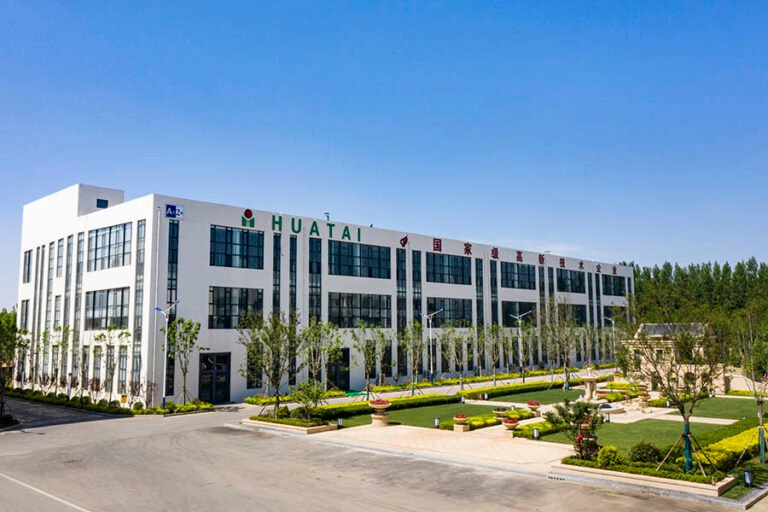
Shandong Linyi Huatai New Energy Battery Co., Ltd. was established in May 1993,but our factory’s history can date back to the establishment of the Linyi Battery Plant in 1956.We are currently one of the leading Eco-friendly&Mercury-free alkaline battery manufacturers and lithium battery manufacturers in China and the world’s largest heavy duty zinc-carbon batteries manufacturer&factory. Our products are produced with HUATAI,Power Flash and KINGCELL brand and customer’s private label, supplied 6 billion annual output by HIBAR high-speed automated production lines, offering OEM solutions for zinc carbon, alkaline, and lithium batteries worldwide.For more insights, please stay tuned to our News section, which covers the latest Company News and Industry News.We also supply one-stop Product Catalog service for our customers.
1. Mainstream Solar Battery Types & Lifespan Comparison (2026 Edition)
Choosing the right chemical composition is the first step in determining your system’s durability. In 2026, the market is divided into four primary categories:
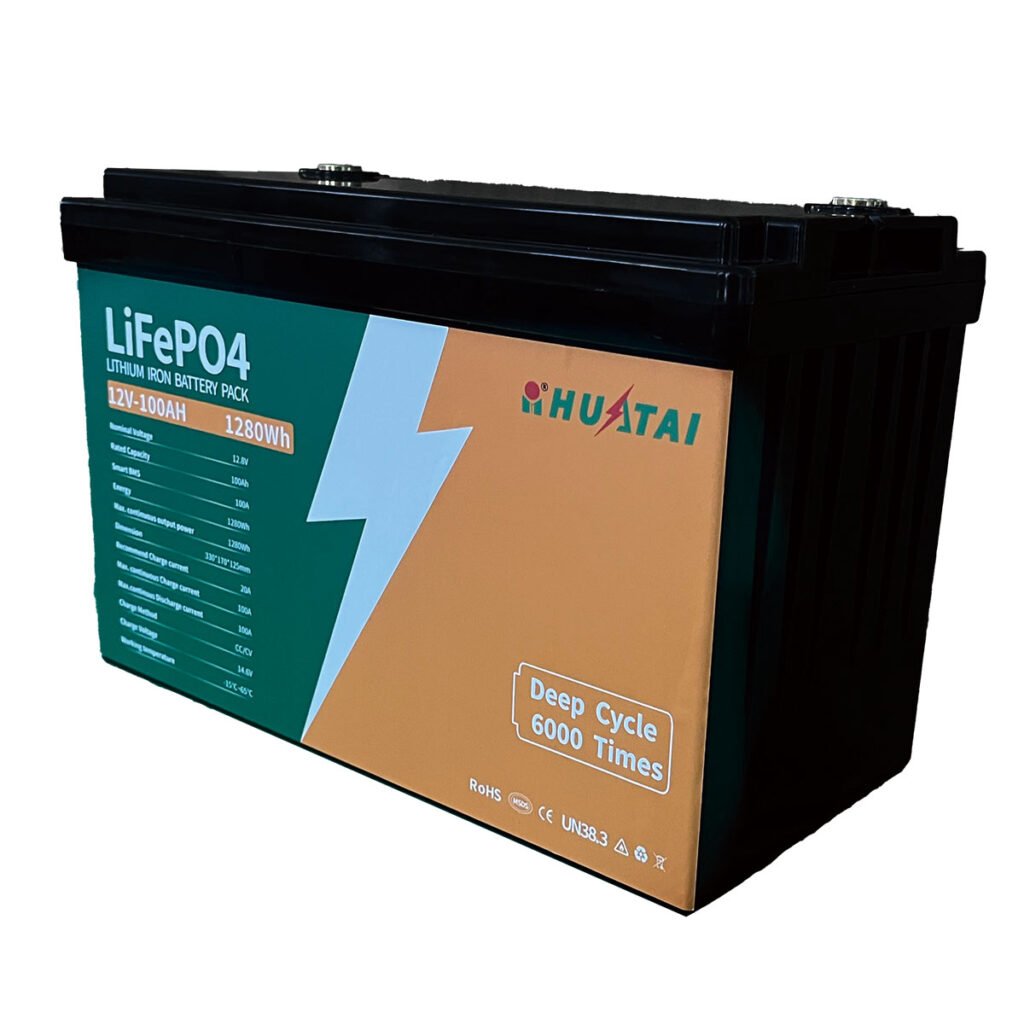
Lithium Iron Phosphate (LiFePO4) Solar Batteries
Average Lifespan: 10 – 15+ Years
Technical Edge: High energy density and superior thermal stability.
2026 Trend: With the rise of high-cycle LFP cells, premium units like Huatai’s Deep Cycle Lithium series now exceed 6,000 to 8,000 cycles at 80% DOD.
Solar GEL Batteries (Colloidal Electrolyte)
Average Lifespan: 5 – 8 Years
Technical Edge: The electrolyte is immobilized in a gel, preventing leakage and offering extreme temperature resistance.
Best For: Off-grid outdoor power stations and high-temperature regions.
AGM (Absorbent Glass Mat) Batteries
Average Lifespan: 3 – 5 Years
Technical Edge: Maintenance-free with low internal resistance.
Best For: Budget-friendly backup power and smaller solar setups.
Deep Cycle Lead-Acid Batteries
Average Lifespan: 4 – 6 Years
Technical Edge: Proven, cost-effective technology, though they require a larger footprint and regular environmental monitoring.

2. Technical Factors Affecting Solar Battery Longevity
Depth of Discharge (DOD) Management
There is a direct inverse correlation between DOD and cycle life.
Lead-Acid/AGM: Best kept at or below 50% DOD to prevent premature plate sulfation.
Huatai Lithium Solutions: Engineered for 80%-90% DOD, allowing users to utilize more capacity without sacrificing battery health.
The Role of Intelligent BMS (Battery Management System)
In 2026, a “smart” battery is non-negotiable.
Huatai Professional Insight: Our BMS-integrated solar batteries utilize AI algorithms to predict cell voltage imbalances. This proactive balancing can extend the total system lifespan by up to 30% compared to unmanaged traditional batteries.
Thermal Management & Housing
Excessive heat is the silent killer of batteries. Utilizing aluminum alloy or reinforced steel housings ensures better heat dissipation, which is critical for industrial energy storage solutions operating in harsh environments.

3. Top 5 Factors Determining Your Solar Battery ROI
| Factor | Impact on Service Life |
| Charge/Discharge Efficiency | Higher efficiency means less internal heat generation and slower degradation. |
| Ambient Temperature | Ideal operation is between 15°C – 25°C. Every 10°C increase can significantly age lead-acid types. |
| Inverter Compatibility | High-quality pure sine wave inverters prevent harmonic distortion that damages battery cells. |
| Manufacturing Quality | Brands with ISO9001/BSCI certification (like Huatai) ensure superior sealing and internal consistency. |
| Maintenance Habits | Regular terminal cleaning and firmware updates for smart lithium packs prevent parasitic drain. |
4. 2026 Industry Comparison Table
| Battery Chemistry | Cycle Count (80% DOD) | Design Life | Levelized Cost of Storage (LCOE) |
| Huatai LiFePO4 Pack | 6,000 – 8,000 | 15 Years | Lowest (Best Long-term Value) |
| GEL Battery | 1,200 – 1,500 | 6-8 Years | Medium |
| Deep Cycle Lead-Acid | 500 – 800 | 4-6 Years | High (Due to frequent replacement) |

5. FAQ: Expert Advice for Buyers
Answer:Absolutely. While the initial cost is higher, the cost-per-cycle of Lithium is significantly lower than Lead-Acid. For any long-term residential or commercial project, Lithium is the industry standard for efficiency.
Answer:Look for these “red flags”:
Rapid Voltage Drops: The battery loses charge significantly faster than when new.
Physical Deformation: Any signs of bulging, cracking, or leakage.
Capacity Loss: If the battery holds less than 70-80% of its original rated capacity.
Answer:With over 31 years of expertise, we provide OEM/ODM battery manufacturing with world-leading HIBAR production lines, ensuring that every cell meets rigorous European environmental and safety standards.
Answer: In 2026, the chemistry dictates the “Cycle Life.” While traditional Lead-Acid or AGM batteries are budget-friendly, they typically last only 3–5 years. In contrast, Lithium Iron Phosphate (LiFePO4) batteries have become the industry standard because they offer superior thermal stability and can exceed 6,000 to 8,000 cycles. This results in a design life of over 15 years, offering the lowest Levelized Cost of Storage (LCOE) for long-term projects.
Answer: DOD refers to how much of the battery’s capacity is used before recharging. Deeply discharging a battery (high DOD) every day can accelerate degradation. Traditional batteries are best kept at 50% DOD, effectively doubling the number of batteries you need. Huatai’s Deep Cycle Lithium series is engineered for 80%-90% DOD, allowing you to use more power from a smaller footprint without sacrificing battery health, thus maximizing your ROI.
Answer: In 2026, a “smart” battery is essential. Huatai’s BMS-integrated solar batteries use AI algorithms to monitor cell health in real-time, preventing overcharging, over-discharging, and overheating. By proactively balancing cell voltages, an intelligent BMS can extend the total system lifespan by up to 30% compared to unmanaged battery packs.
Answer: Heat is the primary killer of battery chemistry. For industrial systems operating in harsh environments, efficient heat dissipation is vital. Huatai utilizes aluminum alloy or reinforced steel housings in our energy storage packs to facilitate superior thermal exchange. Maintaining an ideal operating temperature (15°C – 25°C) prevents the accelerated chemical aging that occurs in poorly ventilated systems.
Answer: Monitor for three primary “red flags”:
Capacity Loss: The system holds less than 70-80% of its original rated capacity.
Rapid Voltage Drops: The battery loses its charge significantly faster under load than when it was new.
Physical Signs: Any bulging, cracking, or terminal corrosion. Huatai provides integrated monitoring software that alerts users to these performance shifts before a total system failure occurs.
Answer: With roots dating back to 1956, Huatai combines 31 years of modern manufacturing expertise with world-leading HIBAR high-speed lines. We offer one-stop OEM/ODM solutions that meet rigorous European environmental and safety standards. Whether you need custom LiFePO4 packs for residential use or large-scale industrial storage, our ISO9001/BSCI certified facilities ensure maximum internal consistency and reliability.
Strategic Sourcing for a Sustainable Future
The Heart of Your PV System Deserves Professional Engineering
In the 2026 global energy transition, your battery’s durability is a blend of chemistry, environment, and smart management. Shandong Huatai New Energy Battery Co., Ltd. provides the technical foundation for your growth, specializing in LiFePO4 solar batteries with integrated BMS. We offer direct factory pricing, 6-billion annual capacity, and expert application-first consulting to ensure your energy storage system delivers the highest possible stability and long-term value.
Conclusion
The lifespan of your solar battery is a blend of chemistry, environment, and smart management. For those seeking the highest durability, LiFePO4 batteries with integrated BMS are the recommended choice for 2026.
Would you like a customized quote for a specific residential or industrial energy storage project? Contact Huataibattery today to optimize your energy future.