Spanish
 English
 French
 Arabic
 Portuguese
 Russian
 Chinese
China Carbon Zinc Alkaline Battery Manufacturer for Ecuador
Explore South America Ecuador’s OEM Dry Primary mercado de bateríasincluyendo zinc al carbono, alcalino, lithium and rechargeable batteries, import requirements, technical regulations, energy-storage demand, automotive applications and private-label battery opportunities from Grupo Huatai Battery de China.
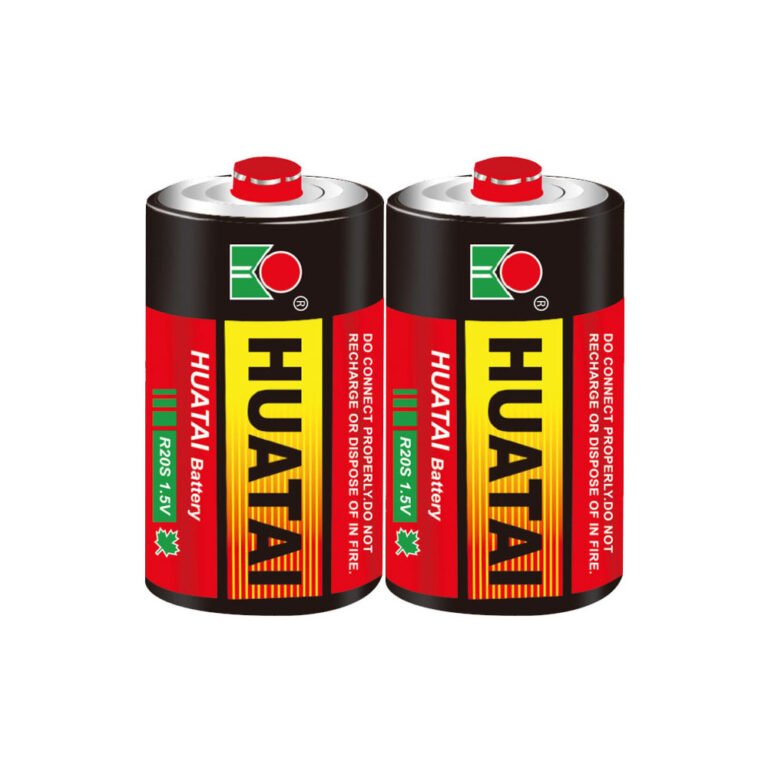
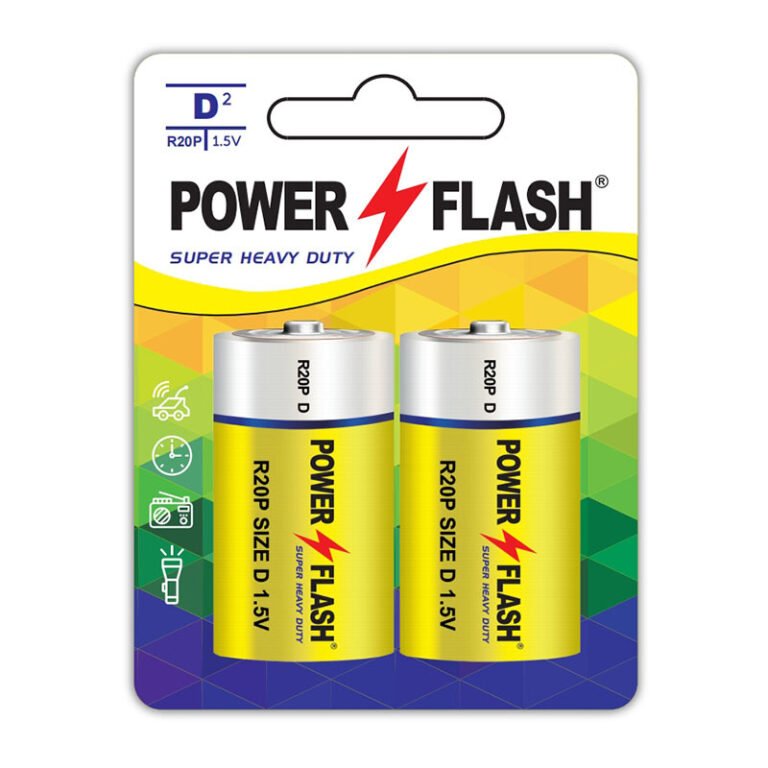
Shandong Linyi Huatai New Energy Battery Co. fue fundada en mayo de 1993, pero la historia de nuestra fábrica se remonta a la creación de la Fábrica de Baterías de Linyi en 1956. líder en productos ecológicos y Fabricantes de pilas alcalinas sin mercurio y fabricantes de baterías de litio en China y la El mayor fabricante y planta de baterías de zinc-carbono de alta resistencia del mundo. Nuestros productos se fabrican con HUATAI, Power Flash y KINGCELL marcas propias y de clientes, con una producción anual de 6.000 millones de Líneas de producción automatizadas de alta velocidad HIBAR, ofreciendo Soluciones OEM para pilas de zinc-carbón, alcalinas y de litio en todo el mundo.

Ecuador is a relatively compact but diverse battery market in América del Sur, with demand spanning household dry batteries, consumer electronics, automotive applications, industrial equipment, backup power and emerging energy-storage systems. For importers and distributors, the market is not simply about finding the lowest battery price. Product compliance, technical documentation, shelf life, leakage resistance, import procedures and after-sales consistency are becoming increasingly important.
For Chinese battery suppliers, Ecuador offers opportunities across carbon zinc batteries, alkaline batteries, lithium batteries, rechargeable batteries and energy-storage solutions. At the same time, Ecuador has its own technical framework for primary and secondary batteries, while environmental requirements increasingly address battery waste and producer responsibility.
For buyers searching for a top China battery manufacturer for Ecuador, the right supplier should therefore combine competitive manufacturing costs with reliable quality control, export experience, documentation and OEM/private-label capability.
Understanding the Ecuador Battery Market
Ecuador’s battery demand can broadly be divided into four segments:
| Segmento de mercado | Principales tipos de baterías | Aplicaciones típicas |
| Household & consumer | Carbon zinc, alkaline, lithium button | Remote controls, clocks, toys, flashlights, electronics |
| Commercial & industrial | Alcalinas, de litio, recargables | Security equipment, measuring devices, communications |
| Automoción | Lead-acid, lithium and other rechargeable batteries | Cars, motorcycles, commercial vehicles, EVs |
| Energy & backup | Lithium, LiFePO4, lead-acid | Solar systems, UPS, backup power and energy storage |
Disposable batteries remain important because many everyday devices do not require rechargeable power. Carbon zinc batteries can therefore maintain a commercial role in Ecuador, particularly in price-sensitive applications.
Alkaline batteries occupy a different position. They are more appropriate for devices requiring higher capacity, longer operating time or better performance under heavier loads.
Lithium batteries and rechargeable technologies represent a longer-term growth direction, particularly as Ecuador develops electric mobility, distributed energy resources and battery-based backup systems.

Carbon Zinc Batteries Remain Relevant in Ecuador
Carbon zinc batteries are still commercially useful when the application is relatively low-drain and price sensitivity is high.
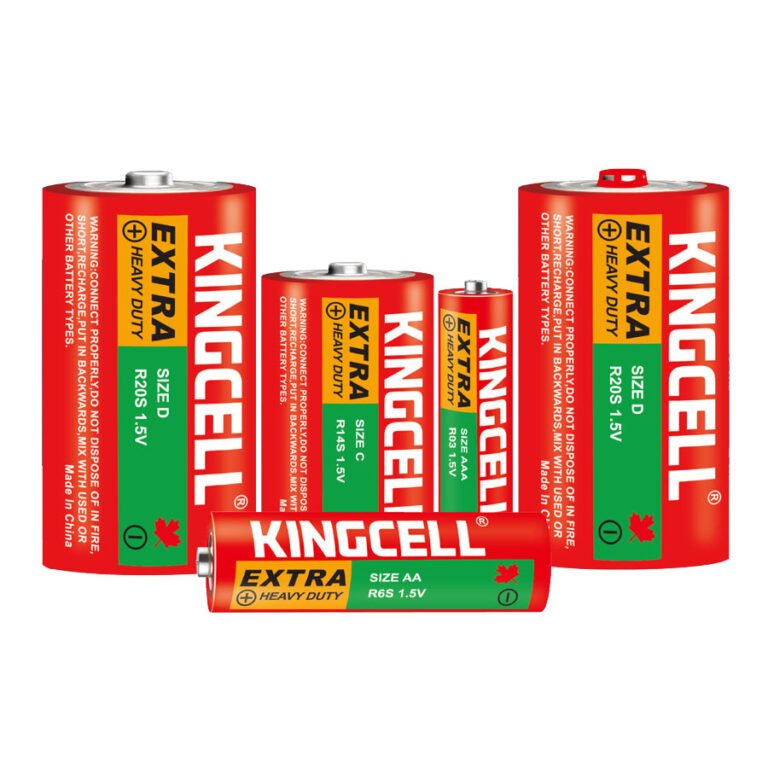
Entre los tamaños más habituales se encuentran:
- R03 / AAA
- R6 / AA
- R14 / C
- R20 / D
- 6F22 / 9 V
For Ecuadorian distributors, the most important question is usually not simply whether a battery is carbon zinc, but which carbon zinc specification fits the target retail channel.
A supermarket private-label battery, for example, may prioritize competitive FOB pricing and attractive packaging. A distributor supplying traditional stores may put greater emphasis on stable quality, shelf life and carton efficiency.
A professional carbon zinc supplier should therefore be able to provide different specifications for discharge performance, zinc-can dimensions, carbon-rod specifications, sealing structure and labeling.
For low-drain consumer products, carbon zinc can remain an economical option. For toys, high-powered flashlights and frequently used electronic devices, alkaline is generally more appropriate.

Carbon Zinc vs. Alkaline Batteries for Ecuador
The commercial positioning of the two technologies is quite different.
| Factor | Carbono Zinc | Alcalino |
| Precio de compra | Baja | Más alto |
| Typical application | Dispositivos de bajo drenaje | Dispositivos de consumo medio/alto |
| Capacidad | Baja | Más alto |
| Posicionamiento en el mercado minorista | Economía/relación calidad-precio | Standard/premium |
| Typical sizes | AA, AAA, C, D, 9V | AA, AAA, C, D, 9V |
| Oportunidad de fabricación para el mercado OEM | Fuerte | Muy fuerte |
| Suitable customers | Value distributors, supermarkets, traditional retail | Modern retail, electronics, branded/private-label distributors |
A Chinese battery manufacturer serving Ecuador should ideally offer both rather than forcing customers to choose one technology for every application.
This is particularly important for distributors building their own battery brands. A private-label portfolio can use carbon zinc for entry-level products and alkaline for higher-performance products.
Ecuador Has a Specific Technical Framework for Batteries
One of the most important differences between Ecuador and a purely price-driven import market is its technical regulation.
Ecuador’s RTE INEN 105 establishes mandatory safety requirements for primary and specified secondary batteries marketed in Ecuador, including imported and domestically manufactured products. The regulation covers primary batteries as well as specified rechargeable nickel-cadmium, nickel-metal hydride, lithium, lead and renewable-energy storage batteries.
However, the regulation also contains exclusions. For example, certain batteries used for starting internal-combustion engines in vehicles, aircraft, boats and mining applications are outside the scope of RTE INEN 105. Batteries already incorporated into electrical equipment are also treated differently.
This means an importer should determine the exact product classification and application before shipment rather than assuming that every battery follows the same conformity procedure.
The Ecuadorian Accreditation Service also recommends that importers review the applicable RTE INEN and confirm with their supplier whether the product has been tested or certified according to the relevant requirements.
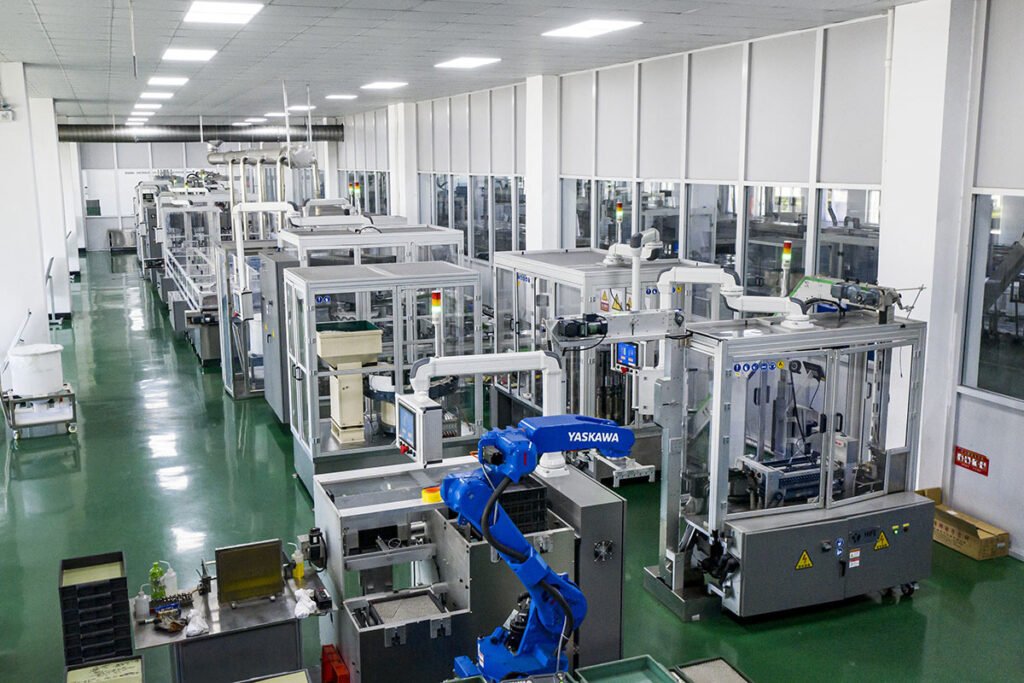
Es necesario comprobar el cumplimiento de la normativa de importación antes del envío
For a Chinese battery exporter, Ecuadorian import preparation should include at least the following:
- Confirm the HS/subheading classification.
- Check whether the battery is covered by an RTE INEN technical regulation.
- Confirm the applicable conformity-assessment procedure.
- Prepare product specifications and test documentation.
- Comprueba los requisitos de etiquetado.
- Check whether transportation documentation is required for lithium batteries.
- Confirm customs and tax treatment with the Ecuadorian importer.
- Review the latest Ecuadorian tariff and import-control requirements before shipment.
SENAE, Ecuador’s customs authority, states that importers should determine the correct tariff classification and use the national tariff system to identify applicable import requirements. Customs clearance normally involves the importer or an authorized customs agent and an import declaration.
The practical lesson for battery buyers is simple: technical compliance should be confirmed before production and not after the container arrives in Ecuador.
El control de los metales pesados y la uniformidad del producto son fundamentales
Battery compliance is not only about paperwork.
For disposable batteries, buyers increasingly expect control over mercury, cadmium, lead and other restricted substances. A manufacturer should be able to provide material declarations, laboratory reports and relevant environmental documentation where required.
For carbon zinc batteries, technical consistency also depends on details such as:
- Calidad del dióxido de manganeso
- Zinc-can purity and dimensions
- Especificaciones de las varillas de carbono
- Formulación de electrolitos
- Separator and paper materials
- Adhesivo sellador
- PVC, PET or aluminum-film labeling
- Resistencia interna
- Rendimiento de descarga
- Resistencia a las fugas
- Shelf-life testing
These factors can directly influence customer complaints.
For Ecuadorian importers selling under their own brand, consistency between batches may be more important than achieving the absolute lowest initial purchase price.
Climate and Storage Conditions Should Influence Battery Selection
Ecuador has substantial geographic and climatic diversity. Coastal areas, high-altitude cities and Amazonian regions can have very different temperature and humidity conditions.
This makes battery storage and packaging important considerations for distributors.
A professional supplier should be able to provide recommended storage conditions and shelf-life information rather than simply printing a long expiration period on the package.
For carbon zinc and alkaline batteries, double sealing, stable electrolyte formulation and controlled manufacturing are important for reducing leakage risk during storage and transportation.
For long-distance export from China to Ecuador, buyers should also consider:
- Carton strength
- Configuración del palé
- Container loading efficiency
- Humidity protection
- Trazabilidad de los lotes
- Production-date management
These details affect the real landed cost of a battery order.

Ecuador’s Energy System Creates Opportunities for Rechargeable Batteries
Ecuador’s electricity market provides an important reason to look beyond disposable batteries.
CENACE data for 2026 show that hydropower remains the dominant source of electricity generation. In September 2026, for example, hydropower accounted for the large majority of electricity generation in the reported daily and year-to-date figures.
At the same time, Ecuador experienced significant electricity-supply challenges during the 2024 dry season. A U.S. government market overview reported that hydropower accounted for approximately 78% of generation in 2024 and that drought-related power shortages contributed to prolonged blackouts.
This creates a practical market for backup power and energy-storage technologies.
Entre las posibles aplicaciones se incluyen:
- Almacenamiento solar residencial
- Small commercial energy storage
- Sistemas SAI
- Sistema de respaldo de telecomunicaciones
- Sistemas de seguridad
- Off-grid applications
- Centrales eléctricas portátiles
- Sistemas de respaldo de emergencia
Lithium-ion and LiFePO4 batteries are particularly relevant where users require higher cycle life and energy density.
Lithium Batteries Have a Different Growth Logic
Lithium batteries should not be treated as a direct replacement for AA or AAA batteries.
Their commercial applications are different.
For Ecuador, lithium technology can serve:
- Almacenamiento de energía solar
- Movilidad eléctrica
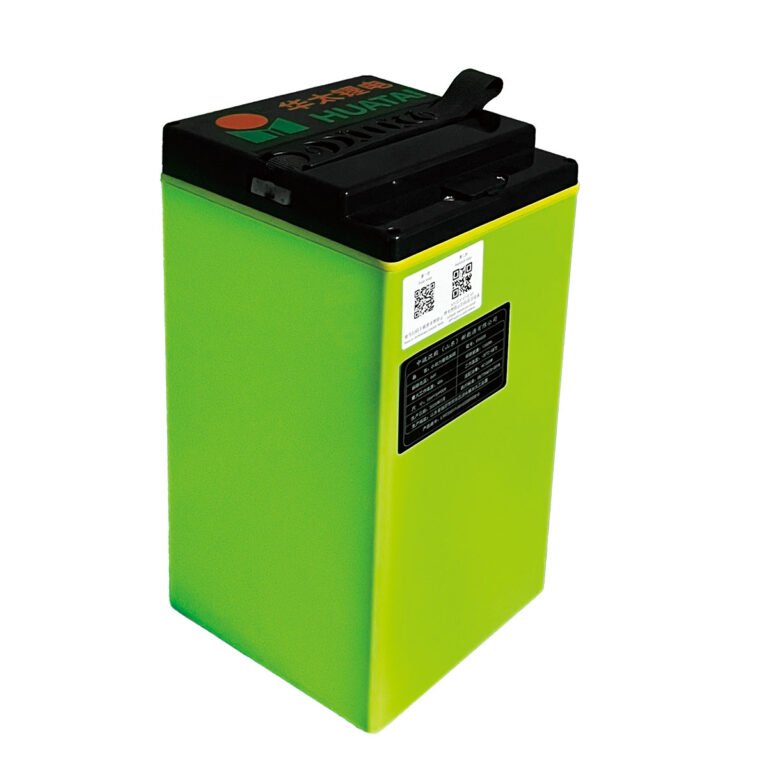
- E-bikes and e-tricycles
- Centrales eléctricas portátiles
- Sistemas SAI
- Equipamiento industrial
- Communication backup
- Specialized electronic devices
Ecuador’s customs authority has also published an advance tariff-classification ruling involving LiFePO4 and lithium-ion batteries, demonstrating that lithium battery imports can involve product-specific customs classification questions.
For exporters, this reinforces the importance of preparing a complete technical datasheet, including chemistry, voltage, capacity, configuration, intended application and transportation information.
Electric Mobility Adds Another Battery Demand Channel
Ecuador’s automotive market is also becoming more relevant to the battery industry.
The Ecuadorian Association of Automotive Companies (AEADE) publishes monthly vehicle sales data, including electric-vehicle sales. Its January 2025 report recorded 184 BEV sales, compared with 87 in January 2024, representing a substantial year-on-year increase from a relatively small base.
This does not mean disposable batteries are being replaced by EV batteries. Instead, it demonstrates that Ecuador’s broader battery ecosystem is becoming more diversified.
For Chinese manufacturers, this creates opportunities across both consumer batteries and higher-value rechargeable battery systems.
Environmental Responsibility Is Becoming More Important
Ecuador’s environmental framework includes extended producer responsibility principles.
The country’s Ministry of Environment has established an extended producer responsibility framework for used lead-acid batteries, covering their management from import or generation through collection, transportation, storage and recovery.
Ecuador’s environmental framework also provides for integrated management programs for hazardous and special waste, with producer responsibility potentially applying to importers and manufacturers depending on the regulated product.
For battery importers, this means environmental compliance should be considered as part of the complete product lifecycle rather than only at the point of import.
Disposable battery exporters should therefore be prepared to provide product composition information and cooperate with local importers on environmental documentation where applicable.

What Battery Products Have the Best Commercial Fit in Ecuador?
For a Chinese manufacturer targeting Ecuador, a practical product portfolio could look like this:
| Producto | Ecuador Market Position | Suitable Applications |
| Pilas de zinc-carbono AA/AAA | Value-oriented | Mandos a distancia, relojes, juguetes |
| Carbono-zinc C/D/9 V | Traditional dry-battery demand | Linternas, artículos para el hogar |
| Alcalina AA/AAA | Corriente principal | Electrónica, juguetes, electrodomésticos |
| Alcalinas C/D/9 V | Higher-performance segment | Linternas, equipamiento profesional |
| Pilas de botón | Especializada | Watches, small electronics, medical/electronic devices |
| Recargable de NiMH | Reusable consumer segment | Cámaras, juguetes, productos electrónicos |
| Iones de litio / LiFePO₄ | Growing energy segment | Solar, UPS, mobility, storage |
| Centrales eléctricas portátiles | Emerging backup market | Home, outdoor and emergency use |
The most commercially practical strategy is not to push one battery chemistry across the entire market. Instead, suppliers should match chemistry, capacity and price to the application.
OEM and Private Label Battery Opportunities in Ecuador
Ecuadorian importers that already have retail distribution can consider private-label batteries from China.
OEM/private-label programs can include:
- Brand and logo printing
- AA/AAA/C/D/9V battery packaging
- Carbon zinc and alkaline product lines
- Blister-card design
- Retail carton design
- Envases en español
- Different discharge specifications
- Customized order quantities
- Export cartons and pallet configuration
Spanish-language labeling can be particularly useful for Ecuadorian retail distribution.
A capable supplier should also help the importer determine whether the selected battery specification is appropriate for the target price segment before mass production begins.
Por qué Huatai Battery es algo más que un fabricante de pilas de zinc-carbono
For Ecuadorian buyers looking for a Fabricante chino de baterías, Huatai Battery’s historical carbon zinc expertise is an important foundation, but it is no longer the company’s only product capability.
The company’s industrial history can be traced to Linyi Battery Factory, established in 1956. The modern company was established in 1993 and has developed from traditional dry-cell production into a broader battery manufacturing business.
En la actualidad, Huatai Battery abarca:
- Pilas de carbono-zinc
- Pilas alcalinas
- Pilas de botón
- Baterías de litio
- Baterías LiFePO4
- Pilas recargables NiMH
- Baterías de iones de sodio
- Baterías solares y de almacenamiento de energía
- Soluciones energéticas portátiles
- Fabricación de baterías para fabricantes de equipos originales (OEM) y de marca blanca
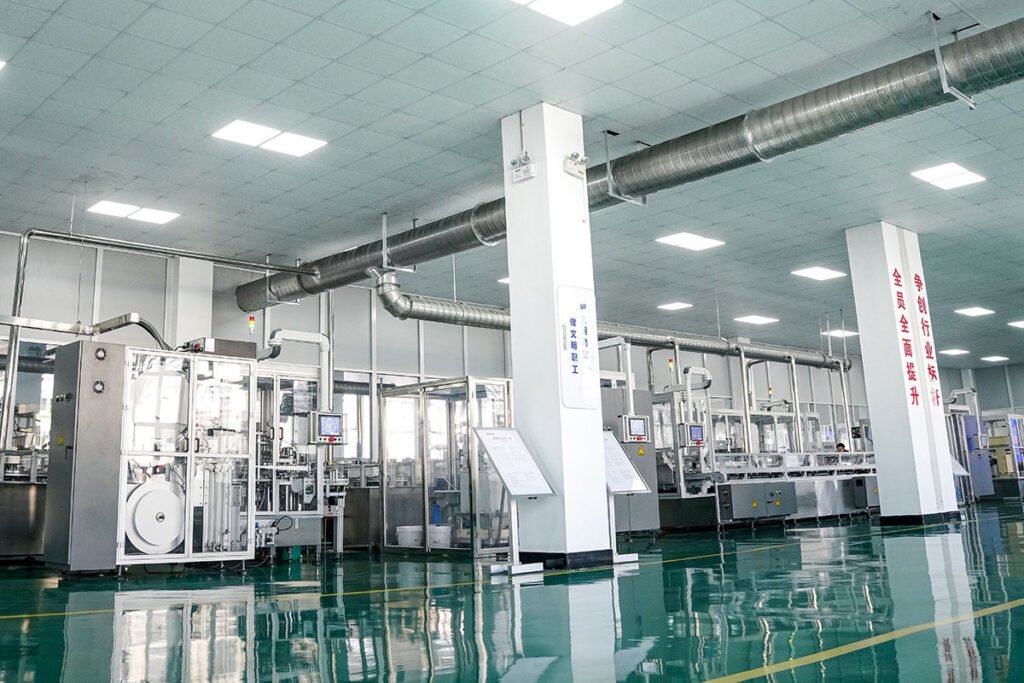
Its manufacturing system includes more than 40 production lines and multiple component workshops, supporting both standardized products and customized export programs.
For Ecuador, this broader product range matters because one importer may require inexpensive carbon zinc batteries for mass retail while another customer needs alkaline, rechargeable or lithium solutions.
What Should Ecuadorian Importers Look for in a China Battery Supplier?
A reliable supplier evaluation should include more than a price quotation.
| Supplier Evaluation Factor | Questions to Ask |
| Capacidad de fabricación | How many production lines and battery chemistries are available? |
| Control de calidad | How are leakage, capacity and voltage tested? |
| Conformidad | Can the supplier provide applicable test reports and conformity documents? |
| Capacidad OEM | Can packaging and specifications be customized? |
| Experiencia en exportación | Has the supplier handled Latin American shipments before? |
| Gama de productos | Can one supplier cover carbon zinc, alkaline and rechargeable products? |
| Logística | What are the FOB/CIF options and normal production lead times? |
| Servicio posventa | Is batch traceability available if quality problems occur? |
For Ecuadorian distributors, supplier stability can be especially valuable because changing battery factories frequently can create inconsistent retail performance.
FAQs About Buying Batteries from China for Ecuador
1. Are carbon zinc batteries still suitable for the Ecuador market?
Yes. Carbon zinc batteries remain suitable for low-drain applications where purchase price is important, including clocks, remote controls, toys and basic flashlights. Alkaline batteries are generally more suitable for higher-drain applications.
2. What battery sizes are commonly suitable for Ecuadorian distributors?
AA and AAA are usually the core sizes for household and consumer applications, while C, D and 9V can serve flashlights, toys, security equipment and other specialized devices. Button batteries are relevant to smaller electronic products.
3. Does Ecuador have mandatory battery regulations?
Yes. RTE INEN 105 establishes mandatory technical requirements for covered primary and secondary batteries marketed in Ecuador. However, its scope includes specific products and exclusions, so importers should confirm the exact classification and application of each battery.
4. Can Chinese battery manufacturers provide private-label batteries for Ecuador?
Yes. OEM/private-label programs can include battery specifications, brand printing, blister packaging, cartons, Spanish-language artwork and product positioning.
5. Are lithium batteries a growth opportunity in Ecuador?
Lithium batteries have applications in solar storage, backup power, electric mobility, portable power and industrial equipment. Ecuador’s growing interest in energy resilience and electrification provides opportunities beyond traditional disposable batteries.
6. What documents should an Ecuadorian battery importer request from a Chinese supplier?
Depending on the battery type, buyers may need product specifications, test reports, conformity documents, safety documentation, material declarations, transport documentation and other documents required under the applicable Ecuadorian regulations.
7. How should Ecuadorian buyers choose between carbon zinc and alkaline batteries?
The decision should be based on the application, expected discharge rate, retail price, required operating time and target customer. Carbon zinc is generally better suited to low-drain value applications, while alkaline provides higher performance for many medium- and higher-drain devices.
8. Why should an Ecuadorian importer consider a comprehensive battery manufacturer?
A supplier capable of producing carbon zinc, alkaline, rechargeable and lithium batteries can support different market segments through one supply chain. This can simplify OEM development, quality management, packaging coordination and future product expansion.

Conclusion: Building a Reliable Battery Supply Chain for Ecuador
Ecuador’s battery market combines traditional consumer demand with increasingly important opportunities in rechargeable batteries, lithium technology, electric mobility and energy storage.
Carbon zinc batteries remain commercially relevant, especially in price-sensitive low-drain applications. Alkaline batteries provide a higher-performance mainstream optionmientras que NiMH, lithium-ion and LiFePO4 technologies open opportunities in rechargeable products, backup power, mobility and energy storage.
For importers, the most important issue is not simply finding a cheap battery supplier from China. Ecuador’s RTE INEN framework, customs procedures, conformity assessment, environmental responsibilities and product-specific technical requirements make supplier qualification an important part of the purchasing process.
A China battery manufacturer –Grupo de baterías Huatai with long-term manufacturing experience, multiple battery technologies, stable quality control, OEM/marca propia capability and international export experience can therefore provide more value than a factory focused on a single battery chemistry.
For Ecuadorian distributors and importers, the practical strategy is to build a product portfolio around carbon zinc + alkaline + rechargeable + lithium, while matching each chemistry to its actual application, price segment and regulatory requirements.