Spanish
 English
 French
 Arabic
 Portuguese
 Russian
 Chinese
Understanding the Global Alkaline Battery Purchasing Market
Explore the world’s leading pila alcalina purchasing markets, including the United States, Germany, the UK, Japan, Canada, Australia, India and Brazil. Understand import trends, regional demand and opportunities for Chinese alkaline battery manufacturers.
Pilas alcalinas remain an important category in the global primary battery industry. Although rechargeable batteries and lithium technologies are expanding, disposable alkaline batteries continue to serve consumer electronics, toys, smart home devices, healthcare equipment, flashlights and emergency products.
According to Fortune Business Insights, the global alkaline battery market was valued at approximately USD 7.8 billion in 2025. North America accounted for around 47.15% of the market, making it the largest regional market in its estimates. Europe and Asia-Pacific are also major consumption centers.[1]
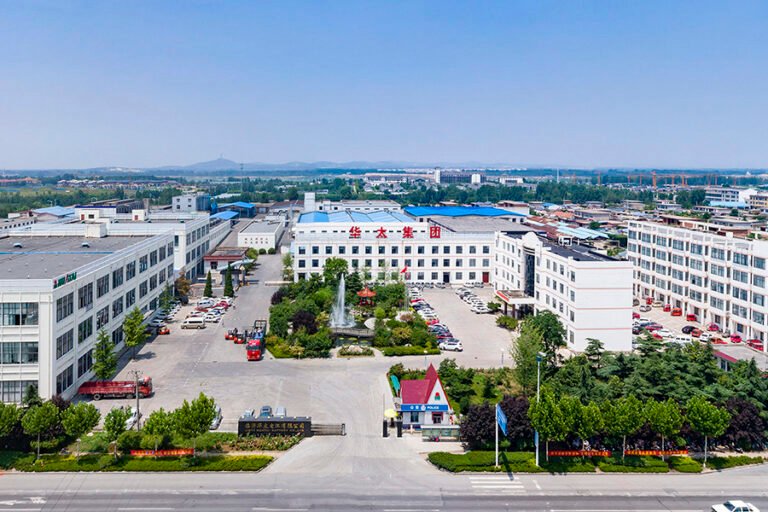
From our perspective at Shandong Huatai New Energy Battery Co., the most attractive purchasing markets are not necessarily the countries with the largest populations. Import demand is influenced by household purchasing power, retail distribution networks, the installed base of battery-powered devices, local manufacturing capacity and the extent to which consumers prefer alkaline batteries over lower-priced carbon zinc alternatives.

1. North America: The World’s Most Important Alkaline Battery Market
United States
The United States is one of the world’s largest alkaline battery consumption and import markets. Its demand comes from a mature consumer electronics sector, extensive retail distribution and widespread use of AA, AAA, C, D and 9V batteries.
Major applications include wireless accessories, toys, smart home devices, smoke alarms, flashlights, healthcare equipment and emergency supplies.
The 2024 trade data provide a useful indication of its scale. Under HS 850611, covering manganese dioxide primary cells and batteries, the United States imported approximately USD 658.2 million worth of products. China supplied about USD 307.7 million, followed by Indonesia, Belgium, Singapore and Vietnam.[2]
For Chinese alkaline battery manufacturers, the United States is therefore a major market, but it is also highly competitive. Buyers commonly evaluate battery capacity, leakage resistance, shelf life, packaging, compliance documentation and private-label manufacturing capability.
Canadá
Canada shares many purchasing characteristics with the United States. Its demand is supported by household electronics, outdoor activities, portable lighting, toys and emergency preparedness.
However, Canada’s market is smaller. Distributors may source through both direct Asian imports and North American brand supply chains. For Chinese factories, working with established importers and regional distributors can be an effective route into the market.

2. Europe: Large Import Demand and Strong Quality Requirements
Europe is another major alkaline battery purchasing region. Germany, the United Kingdom, France, Poland, Italy, Spain and the Netherlands are important markets.
Alemania
Germany is one of Europe’s largest individual markets for manganese dioxide primary batteries. In 2024, its imports under HS 850611 reached approximately USD 274.5 million, equivalent to about 1.745 billion reported units. China supplied approximately USD 155.1 million, making it the largest listed supplier.[3]
Demand comes from household retail, industrial distribution, electronic equipment, toys and professional applications.
For German buyers, competitive pricing alone is rarely enough. Product consistency, technical documentation, environmental compliance, leakage performance and reliable supply are important purchasing considerations.
United Kingdom, France and Other European Markets
The United Kingdom is a substantial battery purchasing market, supported by supermarkets, private-label brands, consumer electronics and online retail.
France, Italy and Spain also provide opportunities for alkaline battery suppliers, particularly in AA/AAA products, toys, personal-care devices and household applications. Poland and Belgium are important in the wider European battery trade and distribution network.
For manufacturers exporting to Europe, the EU Battery Regulation and applicable product requirements should be considered alongside buyer-specific testing, labeling and environmental documentation.
3. Asia-Pacific: A Combination of Manufacturing and Consumption
Asia-Pacific is different from North America and Europe because it includes both major battery manufacturing centers and large consumer markets.
Japón
Japan is a mature battery consumption market with established domestic brands and demanding consumers. Panasonic, FDK and other manufacturers have strong positions.
Nevertheless, international sourcing remains part of the wider supply chain. Overseas manufacturers may participate in OEM production and supply selected product segments.
Japanese buyers typically place considerable emphasis on product reliability, packaging quality, stable performance and manufacturing consistency.
India and Southeast Asia
India, Indonesia, Thailand, Vietnam and the Philippines offer opportunities as household electronics and modern retail distribution expand.
In some consumer segments, carbon zinc batteries remain highly competitive because of their lower initial price. However, alkaline batteries can gain market share where consumers use toys, wireless devices, flashlights and other products requiring longer operating time.
For Chinese suppliers, these markets should be approached with a clear product-grade strategy: affordable carbon zinc batteries for price-sensitive customers and alkaline batteries for consumers willing to pay more for performance.
Australia
Australia is a relatively mature import market. Household electronics, camping, outdoor activities, portable lighting and emergency preparedness support demand for standard alkaline batteries.
AA and AAA batteries are particularly relevant, while C, D and 9V formats serve selected applications.
4. Latin America: Brazil and Mexico Are Important Purchasing Markets
Latin America offers opportunities for both established distributors and developing private-label brands.
Brazil is the region’s largest economy and an important battery import market. In 2024, Brazil imported approximately USD 71.44 million under HS 850611. China supplied about USD 55.77 million, accounting for a substantial part of the reported import value.[4]
Mexico is another important market because of its manufacturing links with North America, extensive retail distribution and consumer electronics industry.
Other markets, including Chile, Colombia, Peru and Argentina, also offer opportunities, although purchasing volumes, import procedures and price positioning vary considerably.
5. Middle East and Africa: Import-Dependent Markets with Different Price Levels
Saudi Arabia, the UAE, South Africa, Egypt and other regional markets rely substantially on international battery supply chains.
In the Gulf region, higher consumer purchasing power, modern retail channels, smart buildings and electronic equipment support demand for alkaline batteries.
In many African markets, carbon zinc batteries remain more price-competitive. Alkaline demand is concentrated in higher-income consumers, supermarkets, electronics distributors and applications where longer battery life is valued.
For Chinese manufacturers, the key is to select suitable product grades and packaging rather than treating the entire region as one market.

Global Alkaline Battery Purchasing Markets at a Glance
| Región | Important Countries | Main Purchasing Characteristics |
| Norteamérica | USA, Canada | Large consumer market, strong retail and private-label demand |
| Europa | Germany, UK, France, Poland, Italy | Quality, compliance and brand positioning |
| Asia-Pacific | Japan, India, Australia, Indonesia, Thailand, Vietnam | Mature demand and developing consumption markets |
| América Latina | Brazil, Mexico, Chile, Colombia | Import dependence and growing retail demand |
| Oriente Medio | Saudi Arabia, UAE | Imported brands, modern retail and higher-value applications |
| África | South Africa, Egypt, Nigeria and others | Price-sensitive demand with opportunities for alkaline upgrades |

What Do Global Buyers Look for in a Chinese Alkaline Battery Manufacturer?
At Huatai Battery, we understand that different markets require different product strategies. A US private-label importer may focus on retail packaging, leakage resistance and consistent capacity, while an Indian distributor may prioritize price and carton-level purchasing costs.
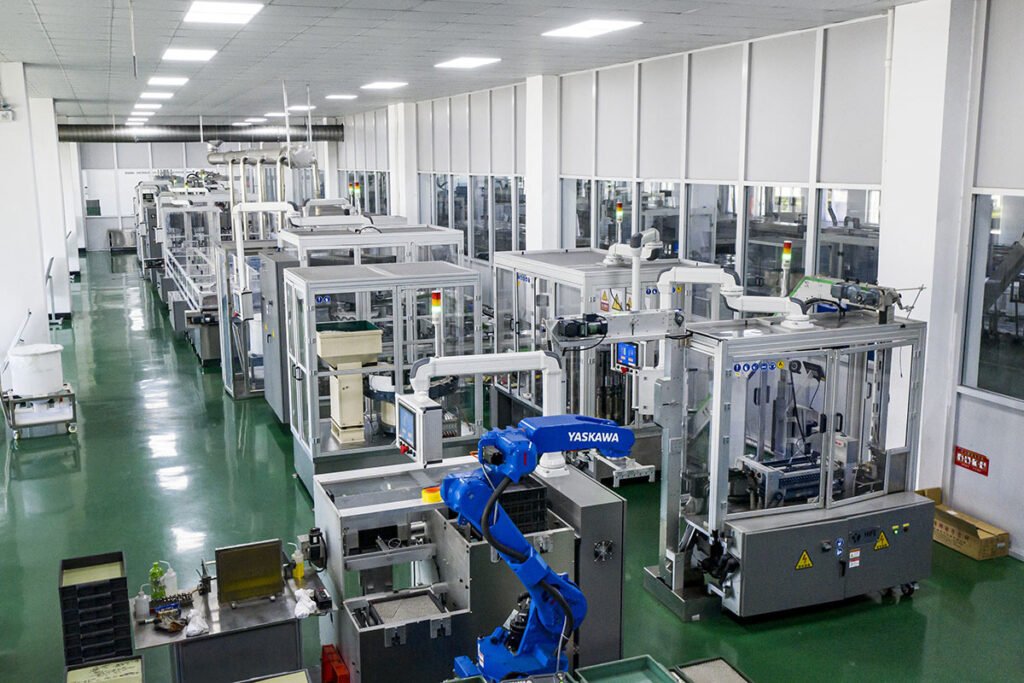
Our manufacturing portfolio includes carbon zinc, alkaline, lithium and rechargeable batteries. With more than 40 production lines and seven component workshops, we can support different battery categories and OEM/private-label requirements.
For overseas buyers, the following factors are particularly important:
Product performance: Capacity and discharge performance should match the intended application.
Leakage resistance: Reliable sealing helps protect consumer devices and brand reputation.
Caducidad: Stable storage performance matters for international shipping and distribution.
Environmental compliance: Buyers should verify applicable heavy-metal restrictions and product documentation.
OEM flexibility: Customized labels, blister packaging and cartons help distributors develop their own brands.
Supply consistency: Stable production capacity and batch-level quality control support long-term purchasing.
Preguntas frecuentes
1. Which country is the world’s largest alkaline battery market?
The United States is widely identified as the largest national alkaline battery market. Fortune Business Insights estimates that North America represented approximately 47.15% of the global alkaline battery market in 2025.
2. Which countries import the most manganese dioxide primary batteries?
2024 WITS/UN Comtrade data identify the United States, Germany, the United Kingdom, Poland, France and Canada among the major import markets under HS 850611. This category is broader than alkaline batteries alone.
3. Does the United States import alkaline batteries from China?
Yes. In 2024, China supplied approximately USD 307.7 million of US imports under HS 850611, making it the largest listed supplier in that category.
4. Is Germany an important market for Chinese alkaline battery manufacturers?
Yes. Germany imported approximately USD 274.5 million under HS 850611 in 2024, with China accounting for approximately USD 155.1 million.
5. Which emerging markets offer opportunities for alkaline batteries?
India, Indonesia, Vietnam, Thailand, Brazil and Mexico are worth evaluating. Their opportunities are supported by expanding consumer electronics markets, modern retail and gradual demand for higher-performance batteries.
6. Are alkaline batteries more profitable than carbon zinc batteries?
Not automatically. Alkaline batteries generally have higher selling prices, but raw material costs, production specifications, quality requirements, competition and distribution margins determine actual profitability.
7. Do international buyers prefer OEM or established battery brands?
Both models are important. Established brands serve consumers who prioritize brand recognition, while OEM and private-label products allow distributors and retailers to control positioning, packaging and market development.
8. What should buyers consider when selecting a Chinese alkaline battery supplier?
Buyers should evaluate manufacturing capability, discharge performance, leakage resistance, shelf life, compliance documentation, OEM flexibility and long-term supply reliability rather than comparing quotations alone.

Conclusión
The global pila alcalina purchasing market is concentrated in several major economic regions. The United States remains the most important national market, while Germany, the United Kingdom, Japan, Canada and Australia are established purchasing destinations. Brazil and Mexico are important Latin American markets, and India and Southeast Asia offer opportunities as battery consumption patterns evolve.
For Chinese manufacturers, these markets require different commercial strategies. North America and Europe generally demand strong product consistency, documentation and private-label capabilities. Emerging markets often require a more balanced combination of price, performance and packaging.
En Shandong Huatai New Energy Battery Co., we believe that long-term export growth depends on matching the right battery chemistry and product grade to each market. By offering carbon zinc, alkaline, lithium and rechargeable battery solutions, we aim to support international distributors seeking a stable and diversified battery supply partner.