French
 English
 Spanish
 Arabic
 Portuguese
 Russian
 Chinese
Top China Battery Manufacturer for Iran
Explorer Middle East Iran’s battery market par Groupe chinois Huatai Battery, including carbon zinc, alkaline, lithium and rechargeable batteries, solar energy storage, electric mobility, China-Iran battery trade, import opportunities and compliance considerations.
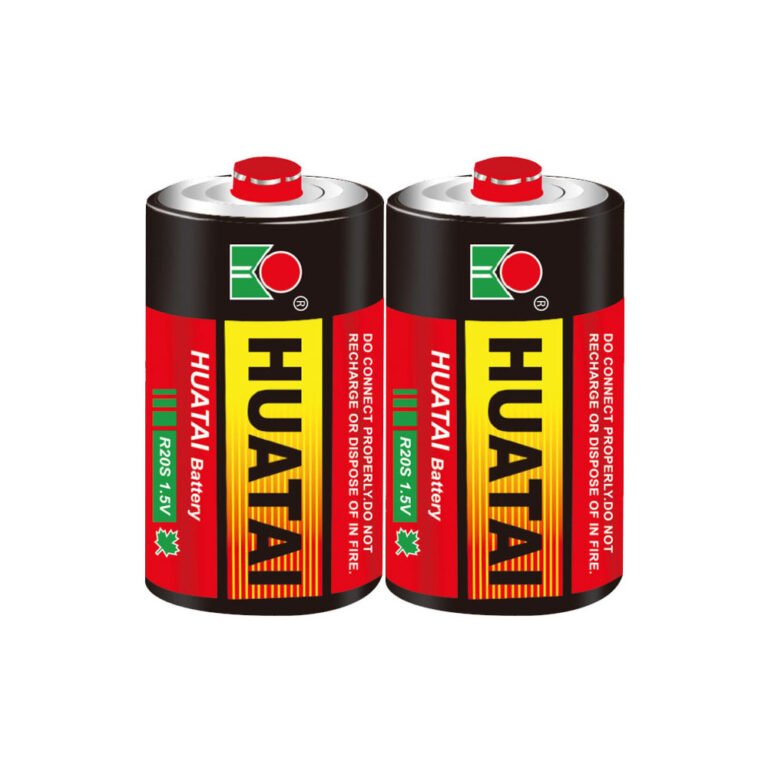
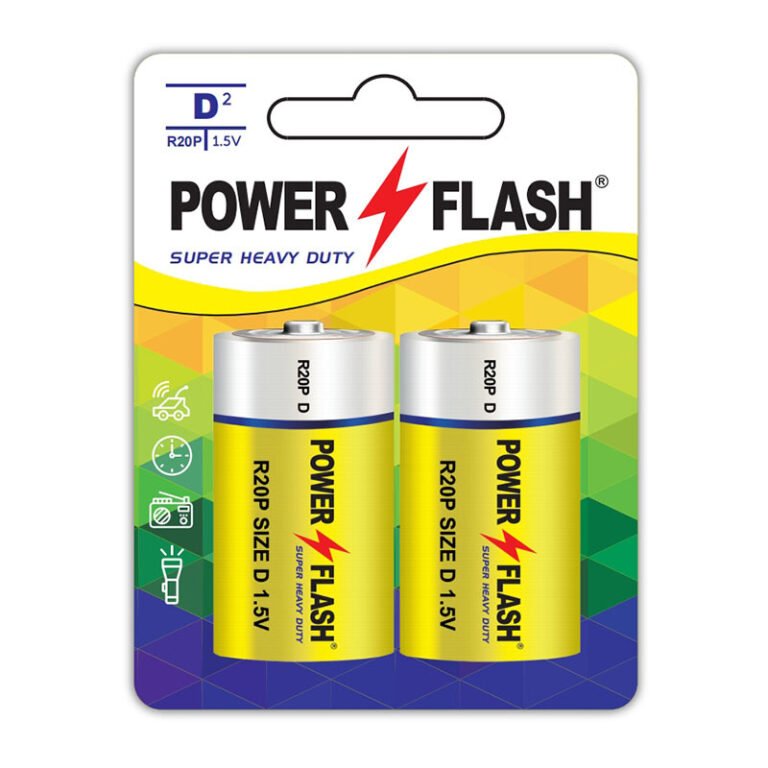
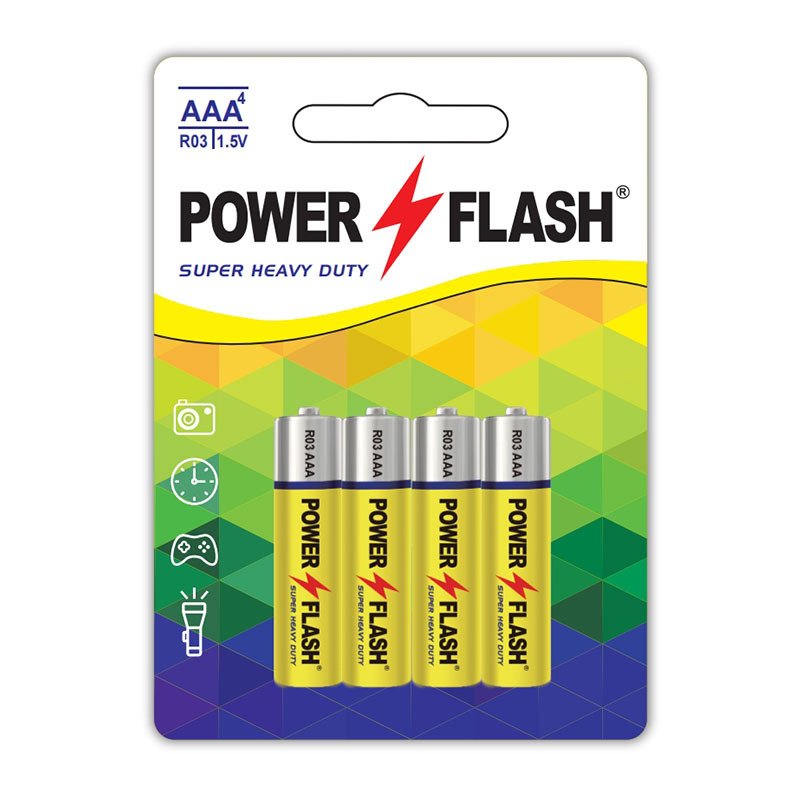
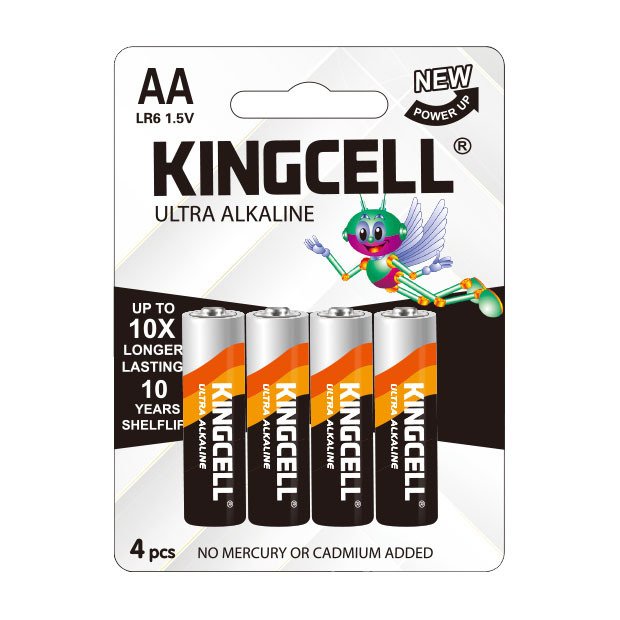
Shandong Linyi Huatai New Energy Battery Co, Ltd. a été créée en mai 1993, mais l'histoire de notre usine remonte à la création de l'usine de batteries de Linyi en 1956. leader dans le domaine de l'écologie et Fabricants de piles alcalines sans mercure et fabricants de piles au lithium en Chine et la le plus grand fabricant et usine au monde de piles zinc-carbone à usage intensif. Nos produits sont fabriqués avec HUATAI, Power Flash et KINGCELL Les marques et les marques de distributeur des clients ont fourni 6 milliards d'euros de production annuelle par an. Lignes de production automatisées à grande vitesse HIBAR, offrant Solutions de fabrication de piles sèches primaires pour les équipementiers (OEM) pour les piles au carbone-zinc, les piles alcalines et les piles au lithium dans le monde entier.

L'Iran is one of the more distinctive battery markets in the Moyen-Orient. Demand exists across conventional household batteries, industrial equipment, telecom systems, electronics, vehicles, backup power and renewable-energy applications. At the same time, Iran’s battery supply chain is strongly influenced by import restrictions, financial sanctions, logistics constraints and the country’s growing dependence on China for many manufactured products.
Pour un Fabricant chinois de batteries, Iran therefore cannot be evaluated in the same way as Saudi Arabia, the UAE or other Gulf markets. The market opportunity is real, but commercial feasibility must be assessed together with customer verification, product classification, end use, payment arrangements, shipping routes and applicable sanctions and export-control requirements.
Recent trade data also show that Chinese suppliers already have a meaningful position in Iran’s primary-battery market. In 2024, China exported about US$203,000 of primary cells and batteries under HS 850619 to Iran, representing more than 3.28 million units in the reported trade data. Market research covering 2025 also identifies China as Iran’s largest supplier of primary cells and batteries by quantity.
Understanding the Iran Battery Market
Iran’s battery market can be divided into several distinct segments:
- Piles carbone-zinc
- Piles alcalines
- Piles primaires au lithium
- Piles bouton
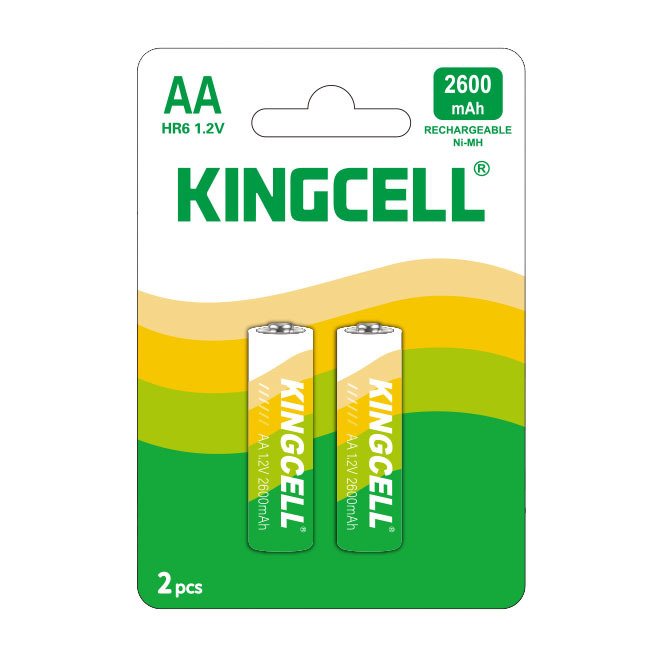
- Piles rechargeables
- Automotive and industrial batteries
- Batteries au lithium-ion
- Solar-storage batteries
- Backup-power batteries
- Batteries for electric mobility
Traditional primary batteries remain relevant because they are inexpensive, easy to distribute and suitable for many everyday products.
At the same time, Iran’s electricity system and renewable-energy development create another source of battery demand. Solar-plus-storage systems, UPS equipment, telecom backup and distributed power solutions can all require rechargeable batteries.
| Segment des batteries | Typical applications in Iran | Main commercial characteristics |
| Zinc-carbone | Clocks, radios, flashlights, remote controls | Cost-sensitive, high-volume |
| Alcaline | Toys, electronics, household devices | Higher performance than carbon zinc |
| Pile au lithium primaire | Meters, sensors, electronics, industrial equipment | Long shelf life and high energy density |
| Cellules boutons | Watches, medical/electronic devices, small equipment | Small-volume but higher-value applications |
| Ni-MH rechargeable | Consumer and professional devices | Reusable and established technology |
| Lithium-ion / LFP | Solar storage, UPS, mobility, industrial systems | Growing strategic importance |
| Large battery systems | Solar, backup and industrial energy storage | Project-based procurement |
This segmentation is important because an Iranian distributor purchasing AA and AAA batteries has very different requirements from an industrial customer purchasing lithium battery packs.
Carbon Zinc Batteries Remain Relevant in Iran
Carbon zinc batteries continue to have a place in markets where price is a major purchasing factor.
Les applications typiques sont les suivantes
- Horloges murales
- Télécommandes
- Lampes de poche
- Radios
- Jouets
- Simple electronic products
- Appareils ménagers à faible consommation d'eau
- Promotional and institutional products
For Iranian distributors, carbon zinc batteries can provide an economical alternative to alkaline batteries where high-drain performance is not required.
However, low price does not mean that quality can be ignored.
A Chinese carbon zinc battery manufacturer targeting Iran should pay attention to:
- Résistance aux fuites
- Zinc-can quality
- Carbon-rod consistency
- Performances de décharge
- Durée de conservation
- Qualité de l'étanchéité
- Label and packaging quality
- Contrôle des métaux lourds
- Cohérence des lots
- Performances de stockage à long terme
For importers, the cost of leakage complaints can be considerably higher than the difference between a cheap battery and a properly engineered battery.
Carbon Zinc vs. Alkaline Batteries for Iran
Iranian customers should select the battery chemistry according to the application rather than simply choosing the lowest unit price.
| Exigence | Carbone Zinc | Alcaline |
| Prix d'achat | Plus bas | Plus élevé |
| Densité énergétique | Plus bas | Plus élevé |
| Dispositifs à faible drain | Très adapté | Adapté |
| Dispositifs à drainage élevé | Limitée | Plus adapté |
| Applications typiques | Horloges, radios, lampes de poche | Electronics, toys, equipment |
| OEM potential | Haut | Haut |
| Main advantage | Rentabilité | Performance and longer operating time |
For distributors serving low-cost household products, carbon zinc can remain attractive.
For electronic equipment, toys, wireless accessories and devices with higher power consumption, alkaline AA and AAA batteries are generally more appropriate.
China Is Already an Important Battery Supply Partner for Iran
China’s importance to Iran’s battery supply chain is not theoretical.
World Bank WITS data show that in 2024 China exported approximately US$203,000 and 3.29 million units of primary cells and batteries under HS 850619 to Iran. Turkey exported a slightly higher value, but China’s reported quantity was substantially larger.
China’s role is even more visible in battery components. In 2022, Iran imported approximately US$48.7 million of parts of primary cells and primary batteries under HS 850690, with China accounting for approximately US$24.2 million—roughly half of the reported import value.
This suggests that the China-Iran battery relationship is not limited to finished batteries. Components and battery-related manufacturing inputs can also form part of the supply chain.
For Chinese factories, this creates potential commercial models including:
- Finished battery exports
- Batteries d'origine
- Private-label batteries
- Battery components
- Semi-finished products
- Technical cooperation
- Local assembly-related supply
However, each model needs to be assessed separately for compliance and transaction feasibility.
Alkaline Batteries Offer a Higher-Performance Consumer Option
Alkaline batteries are relevant to Iran’s consumer electronics and industrial markets because they offer better energy density and higher-drain performance than traditional carbon zinc batteries.
Les tailles courantes sont les suivantes :
- AA / LR6
- AAA / LR03
- C / LR14
- D / LR20
- 9V / 6LR61
For an Iranian distributor, the commercial requirements may include competitive pricing, reliable packaging, long shelf life and stable supply.
For a private-label customer, customization can include:
- Brand name
- Étiquette de la batterie
- Emballage sous blister
- Retail box
- Conception d'emballages en carton
- Couleur de la batterie
- Pack quantity
- Distributor-exclusive packaging
This makes OEM and private-label alkaline batteries potentially more interesting than simply selling generic batteries.

Lithium Primary Batteries Serve Specialized Iranian Applications
Lithium primary batteries should be considered separately from ordinary AA and AAA consumer batteries.
Lithium primary cells are used in applications requiring:
- Long operating life
- Faible autodécharge
- Large tolérance à la température
- Dimensions compactes
- Tension stable
- Longue durée de stockage
Potential Iranian applications include:
- Industrial meters
- Équipement de sécurité
- Capteurs
- Équipements d'automatisation
- Medical and electronic devices
- Télécommunications
- Specialized monitoring systems
Trade-shipment data for Iran also show imports of lithium batteries such as CR2032 and lithium-thionyl-chloride cylindrical cells, demonstrating that the market includes specialized lithium applications in addition to ordinary household batteries.
For these products, technical documentation becomes much more important. Customers may request detailed specifications, safety documents, test reports, transportation documentation and application-specific information.
Rechargeable Batteries and Backup Power Have Strategic Importance
Iran has a large industrial and telecommunications infrastructure, and backup power is important wherever electricity continuity matters.
Rechargeable battery applications can include:
- Sauvegarde des télécommunications
- Systèmes d'alimentation sans coupure (UPS)
- Systèmes de sécurité
- Systèmes solaires
- Équipements industriels
- Éclairage de secours
- Alimentation de secours
- Équipement portable
Traditional lead-acid technology remains important in many backup applications, but lithium-ion and LFP batteries provide another option where customers value lower weight, longer cycle life and higher usable energy.
For Chinese manufacturers, this means the Iranian rechargeable-battery market should be divided into at least two categories:
Consumer rechargeable batteries
et
Industrial / energy-storage batteries
The procurement process, technical requirements and commercial risk can be very different between them.

Solar Energy Creates a New Battery Demand Channel
Iran has substantial solar potential, and renewable-energy development is increasingly discussed as a way to address energy-system constraints and diversify electricity generation.
Research published in 2026 continues to identify solar power and electricity storage as important components of possible long-term Iranian energy-system development. However, sanctions, financing constraints and limited access to international technology remain significant barriers to rapid deployment.
This creates a paradox for battery suppliers.
Iran has technical and economic reasons to develop more solar-plus-storage systems, but international restrictions can make imported equipment, financing, insurance and payment arrangements difficult.
For Chinese battery manufacturers, potential applications include:
- Off-grid solar systems
- Telecom solar backup
- Rural power systems
- Industrial solar storage
- Commercial backup
- Micro-réseaux
- Solar street lighting
- Small ESS systems
LFP batteries can be particularly relevant to stationary applications because of their cycle-life and safety characteristics.
Iran’s Electricity Challenges Can Support Backup-Battery Demand
Iran’s battery demand should also be viewed through the country’s electricity infrastructure.
A battery can provide value even when it is not part of a large renewable-energy project.
Par exemple :
Grid electricity → UPS → battery → critical load ou Solar PV → inverter → LFP battery → household/business load ou Solar PV → charge controller/inverter → battery bank → telecom equipment
These applications can create demand for batteries with very different specifications.
A household backup system may prioritize affordability.
A telecom operator may prioritize cycle life and reliability.
An industrial customer may prioritize total cost of ownership.
A solar installer may prioritize compatibility with inverters and BMS communication.
Therefore, Chinese suppliers should sell based on the application rather than simply quoting battery capacity.
Electric Mobility and Lithium Batteries Are Emerging Opportunities
Iran has an established automotive industry, and electric mobility is also becoming part of the country’s longer-term transportation discussion.
Globally, lithium-ion battery manufacturing is dominated by Chinese, Korean and Japanese companies, while China accounted for more than 80% of global battery-cell production in 2025. This gives Chinese manufacturers significant advantages in supply-chain scale, battery materials and manufacturing cost.
For Iran, Chinese battery technology can therefore be relevant to:
- Motos électriques
- Vélos électriques
- Small electric vehicles
- Commercial vehicles
- Blocs-batteries
- Systèmes de recharge
- Stockage fixe
However, automotive and mobility batteries require much more rigorous engineering than ordinary consumer batteries.
A Chinese supplier should evaluate:
- Chimie cellulaire
- Pack voltage
- Capacité
- BMS
- Thermal management
- Durée de vie
- Mechanical protection
- UN38.3
- Transport classification
- End-use
- Customer technical capability
Iran Is Not an Ordinary Export Market
This is one of the most important differences between Iran and many other Middle Eastern markets.
Iran is subject to extensive U.S. sanctions, and other jurisdictions—including the EU and UK—also maintain Iran-related restrictions. OFAC’s Iran sanctions program remains active and was updated repeatedly in 2026. The UK also announced additional Iran sanctions amendments taking effect on September 29, 2026.
Cela fait pas mean that every battery transaction with Iran is automatically prohibited.
It does mean that a supplier must not assume that an ordinary commercial battery can simply be shipped without checking the transaction.
Before accepting an Iranian battery order, a responsible exporter should review:
Customer → Ownership → Product → End user → End use → Sanctions → Export controls → Payment → Shipping → Insurance → Documentation
A transaction involving an ordinary household battery may have a different compliance profile from a lithium battery intended for industrial equipment.
Similarly, the nationality of the seller, banks involved, shipping company, insurers, destination, ownership structure and end use can all affect the transaction.
For companies subject to U.S. jurisdiction, OFAC’s rules are particularly important. OFAC guidance also shows that certain consumer communications-related products and accessories can receive specific authorization under defined conditions, illustrating why product classification and applicable regulations matter rather than assuming a blanket rule for all batteries.
Sans structure de paiement conforme, pas d'expédition. Sans client vérifié, pas de commande. Sans itinéraire logistique acceptable, pas de livraison.
A supplier should never rely on hidden end users, inaccurate product descriptions, deceptive intermediaries or altered shipping documents to bypass restrictions.

Payment and Logistics Are Critical for Iran
Even when a product is technically permissible, payment and logistics can determine whether a transaction is commercially workable.
Potential issues include:
- Banking restrictions
- Correspondent-bank exposure
- Currency settlement
- Shipping availability
- Marine insurance
- Carrier restrictions
- Port restrictions
- Sanctions screening
- Customer ownership
- Third-country involvement
This is especially important for lithium batteries because transportation rules are more complex than for ordinary alkaline or carbon zinc batteries.
For Iranian buyers, a Chinese supplier should therefore conduct transaction-specific due diligence before confirming:
- Prix
- Payment terms
- Incoterms
- Shipping route
- Assurance
- Product documentation
- Export classification
- Destination finale
The correct commercial sequence is:
Demand identification → customer verification → product classification → end-use review → sanctions/export-control review → payment review → logistics review → quotation → shipment
What Battery Products Have Commercial Relevance in Iran?
| Iranian buyer type | Potential products | Main considerations |
| Battery distributor | Carbon zinc, alkaline, 9V | Price, shelf life, packaging |
| Electronics distributor | Piles alcalines, piles au lithium de premier usage, piles boutons | Performance and dimensions |
| Industrial customer | Lithium primary, rechargeable | Reliability and documentation |
| Solar installer | LFP, lithium-ion | Cycle life, BMS, inverter compatibility |
| Telecom company | LFP, rechargeable backup batteries | Reliability and lifecycle |
| OEM/private-label buyer | Carbon zinc, alkaline, lithium | MOQ, branding, packaging |
| Mobility company | Lithium-ion/LFP packs | Safety, BMS, technical qualification |
This diversified structure means that Iran should not be treated simply as a “cheap battery market.”
There are both commodity and specialized segments.
OEM and Private-Label Battery Opportunities in Iran
Iranian distributors and local brands can potentially use OEM manufacturing to develop their own battery products without investing in complete battery production facilities.
For primary batteries, OEM services may include:
- Battery label design
- Personnalisation de la marque
- Emballage sous blister
- Box packaging
- Carton packaging
- Different pack quantities
- Carbon zinc or alkaline chemistry selection
- AA, AAA, C, D and 9V configurations
For lithium products, OEM may involve:
- Sélection des cellules
- Tension
- Capacité
- Pack configuration
- BMS
- Connector
- Housing
- Étiquette
- Conception spécifique à l'application
However, an OEM order does not remove the need for compliance review. The product’s end use and transaction structure remain important.

Pourquoi Huatai Battery est bien plus qu'un simple fabricant de piles au carbone-zinc
Shandong Huatai New Energy Battery Co., Ltd. has industrial roots dating back to the establishment of the Linyi Battery Factory in 1956 and was formally established in 1993.
Today, Huatai’s portfolio extends beyond traditional zinc-carbon batteries to alkaline, button, rechargeable, lithium and other new-energy battery products.
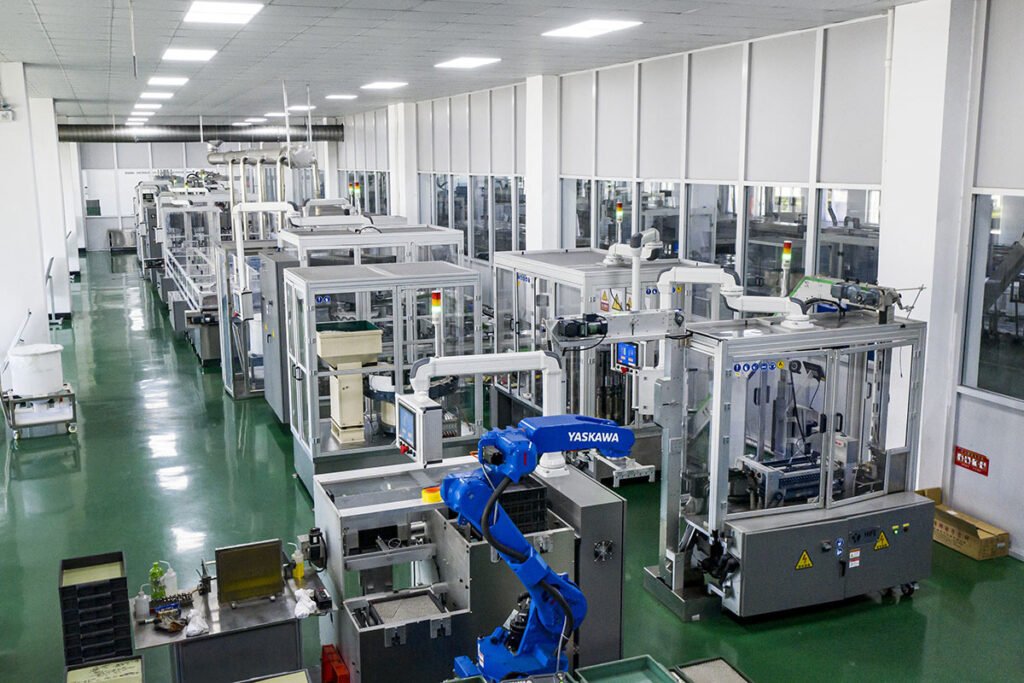
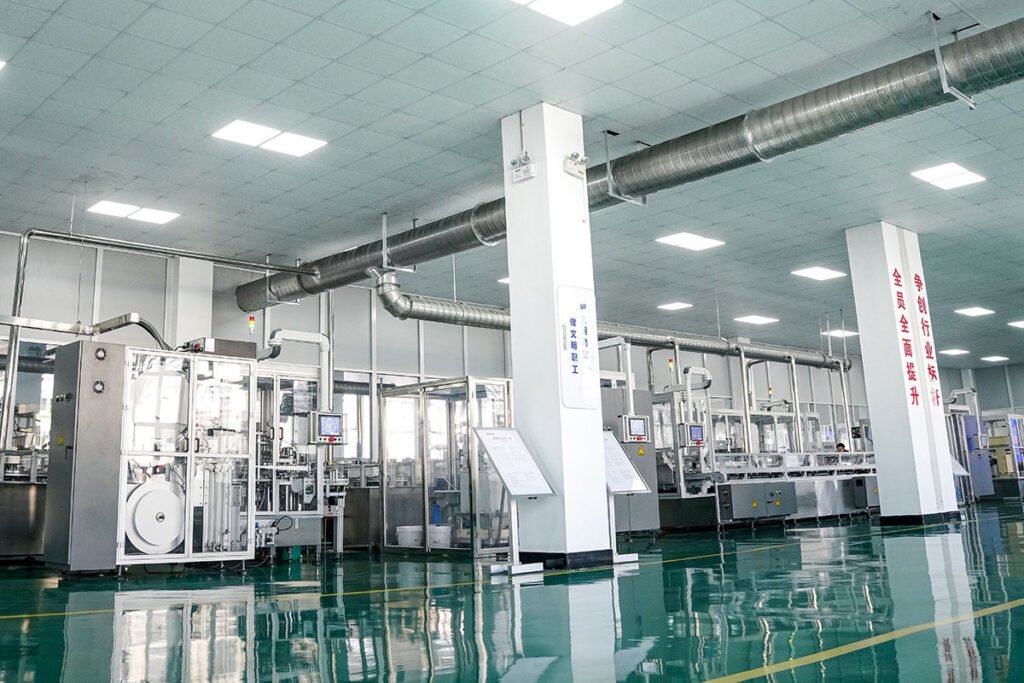
The company operates more than 40 production lines and seven component workshops, including high-speed HIBAR alkaline production lines. Huatai states that its annual battery output exceeds 6 billion pieces and that its products are exported to more than 80 countries.
For the Iranian market, this broader manufacturing portfolio allows different customer groups to source different battery types:
- R6P / AA carbon zinc
- R03P / AAA carbon zinc
- LR6 / AA alkaline
- LR03 / AAA alkaline
- Piles C et D
- Piles 9V
- Piles bouton
- Piles primaires au lithium
- Piles rechargeables Ni-MH
- Batteries au lithium-ion
- LFP energy-storage products
- Batteries OEM/marque de distributeur
For a market with both traditional battery demand and emerging lithium applications, a multi-chemistry supplier can potentially provide a more efficient sourcing relationship than a factory focused on only one battery category.
What Should Iranian Buyers Look for in a China Battery Supplier?
A professional Iranian importer should evaluate a Chinese supplier on more than price.
Important questions include:
- L'usine fabrique-t-elle elle-même les batteries ?
- Which battery chemistries are produced in-house?
- Can the factory provide product specifications and test reports?
- What environmental and safety certifications are available?
- Can the supplier provide samples before mass production?
- What is the MOQ for OEM batteries?
- Can packaging be customized?
- What is the battery shelf life?
- How is leakage performance controlled?
- For lithium batteries, can the supplier provide UN38.3 and relevant transportation documentation?
- Can the supplier maintain consistent quality across repeat orders?
- Can the transaction pass applicable sanctions, payment and logistics reviews?
For Iranian buyers, the final question is especially important.
A technically excellent battery is not commercially useful if the proposed transaction cannot be completed through a compliant payment and logistics structure.
FAQs About the Iran Battery Market
1. Is Iran a potential market for Chinese battery manufacturers?
Yes. Iran has demand for carbon zinc, alkaline, lithium primary, rechargeable and energy-storage batteries. China is already an important supplier of primary batteries to Iran. However, commercial feasibility must be evaluated together with sanctions, payment, logistics and customer due diligence.
2. Are carbon zinc batteries still used in Iran?
Yes. Carbon zinc batteries remain suitable for low-drain household and consumer applications where low purchase cost is important. AA, AAA, C, D and 9V formats can serve different applications.
3. Does Iran import batteries from China?
Yes. In 2024, China exported about US$203,000 of primary cells and batteries under HS 850619 to Iran, involving more than 3.28 million reported units. China has also been a major supplier of primary-battery components.
4. What battery products are suitable for Iranian solar projects?
LFP and other lithium-ion batteries can be suitable for solar-storage and backup applications, depending on system design. Important parameters include capacity, cycle life, BMS, inverter compatibility, operating temperature and safety.
5. Is lithium battery demand growing in Iran?
Lithium batteries have potential in solar storage, industrial equipment, telecom backup, mobility and specialized electronics. However, actual market growth depends on financing, imports, infrastructure, sanctions and the availability of compatible equipment.
6. Can Chinese companies freely export batteries to Iran?
A company should not assume that all battery exports are unrestricted. Product classification, end user, end use, sanctions, export controls, payment institutions, carriers and insurance arrangements should be reviewed before a transaction is accepted.
7. Can a Chinese factory provide private-label batteries for Iranian brands?
OEM/private-label production can be technically possible for products such as carbon zinc, alkaline, button and selected lithium batteries. However, the proposed transaction and end use must still satisfy all applicable compliance requirements.
8. What is the biggest difference between the Iran and Saudi Arabia battery markets?
Saudi Arabia is rapidly building a large formal market for grid-scale energy storage under a relatively open international investment environment. Iran also has potential for solar, backup power and lithium storage, but sanctions, financial restrictions, logistics and technology-access constraints make the commercial environment considerably more complicated.

Conclusion: Iran Has Battery Demand, but Compliance Determines Commercial Feasibility
Iran has a diverse battery market combining conventional consumer batteries with industrial, rechargeable, lithium and emerging energy-storage applications.
Carbon zinc and alkaline batteries remain relevant to everyday consumer products. Lithium primary batteries serve specialized electronics and industrial applications. Rechargeable batteries support telecom, UPS and backup-power systems. Meanwhile, solar development and electricity-system constraints create longer-term opportunities for LFP and other lithium-based energy-storage technologies.
China is already an important supplier to Iran’s primary-battery market, and Chinese battery manufacturers – such as Shandong Huatai New Energy Battery Co. Ltd., have advantages in production scale, product diversity and lithium-battery supply chains.
However, Iran is fundamentally different from many other Middle Eastern markets.
The most important question for a Chinese battery manufacturer is not simply “How large is Iranian battery demand?”
It is: “Can this specific product be sold to this specific customer, for this specific end use, through a compliant payment and logistics structure?”
That distinction should guide every Iran battery inquiry.
Pour un Top China battery manufacturer for Iran - Shandong Huatai New Energy Battery Co. Ltd., the competitive proposition should therefore combine manufacturing capability with disciplined transaction screening. Huatai Battery’s long manufacturing history, carbon zinc and alkaline production, rechargeable and lithium product portfolio, OEM capability and international export experience provide a foundation for serving different battery applications, provided that each Iran-related transaction is independently reviewed for applicable sanctions, export controls, payment and logistics requirements.
In the Iranian market, technical capability creates the opportunity, but transaction compliance determines whether the opportunity can actually become a shipment.