
 English
 Spanish
 French
 Arabic
 Portuguese
 Russian
 Chinese
Middle East vs North America Disposable Battery Markets
Compare Primary Dry battery markets in North America and the Middle East by Shandong Huatai Battery Group, including alkaline and carbon zinc battery demand, product specifications, retail channels, regulations and OEM sourcing opportunities for battery manufacturers.
North America and the Middle East are two important but structurally different markets for disposable batteries. The United States and Canada represent mature consumer markets where alkaline batteries, established retail brands, product reliability and regulatory compliance shape purchasing decisions. The Middle East combines relatively affluent Gulf markets with more price-sensitive economies, creating demand for both alkaline and carbon zinc batteries.
For Chinese primary dry battery manufacturers and international distributors, the difference is not simply which region purchases more batteries. It is how consumers use them, how retailers select suppliers, and what technical and commercial requirements apply to each market.
At Shandong Huatai New Energy Battery Co., Ltd., we view these regions as two distinct sourcing opportunities: North America requires consistent product quality and well-documented compliance, while the Middle East offers opportunities across different price levels, product categories and distribution channels.

North America vs. Middle East: Market and Product Comparison
| Comparison | North America: United States and Canada | Middle East: GCC and surrounding markets |
| Market structure | Mature, brand-conscious and retail-oriented | Mixed market with modern retail and traditional wholesale |
| Main battery chemistry | Alkaline batteries dominate mainstream household retail; carbon zinc remains in selected low-drain and economy segments | Alkaline demand is strong in Gulf consumer markets; carbon zinc remains relevant in price-sensitive channels and countries |
| Core sizes | AA (LR6), AAA (LR03), C (LR14), D (LR20), 9V | AA (LR6), AAA (LR03), C (LR14), D (LR20), 9V |
| Key applications | Remote controls, toys, wireless accessories, flashlights, household sensors and selected safety devices | Remote controls, toys, flashlights, radios, household devices and emergency lighting |
| Purchasing priorities | Consistency, shelf life, leakage resistance, packaging and supplier accountability | Price-performance, product availability, packaging suitability and distribution flexibility |
| Main sales channels | Supermarkets, mass retailers, warehouse clubs, pharmacies and e-commerce | Hypermarkets, electronics retailers, importers, wholesalers and regional distributors |
| Supplier requirements | Product testing, traceability, retailer audits and market-specific compliance | Country-specific conformity procedures, technical documents and local-language labeling |
The table describes broad market tendencies rather than fixed market shares. Actual demand varies by country, retail channel, consumer income and application.
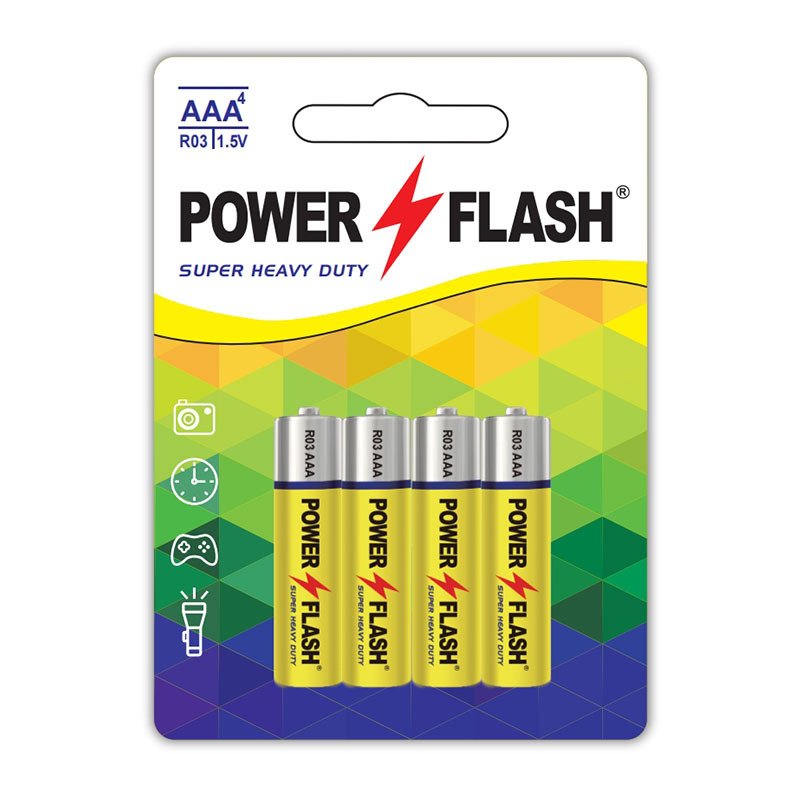
Different Battery Chemistry Structures and Consumer Requirements
North America: Alkaline Batteries Lead Mainstream Household Demand
In the United States and Canada, alkaline batteries are the principal choice for many everyday battery-powered products. Their higher usable capacity than conventional carbon zinc batteries makes them suitable for devices that require more current or operate for longer periods.
AA LR6 and AAA LR03 are particularly important because they fit a wide range of household electronics. Typical applications include wireless keyboards and mice, television remotes, children’s toys, portable thermometers, flashlights and household sensors.
Carbon zinc batteries have not disappeared from the market. They remain suitable for low-drain devices such as basic clocks, simple remote controls and some inexpensive household products. However, their lower capacity and less favorable performance under heavier loads limit their suitability for many modern electronic devices.
For North American buyers, battery performance should be evaluated under defined discharge conditions. Capacity figures alone are insufficient: discharge current, cutoff voltage, operating temperature and test method all affect the result.
Middle East: Alkaline Upgrading and Carbon Zinc Demand Coexist
The Middle Eastern market has a more varied product structure.
In Saudi Arabia, the UAE, Qatar and other relatively affluent Gulf markets, alkaline batteries are widely used in household electronics, toys, gaming accessories and portable devices. Consumers increasingly expect dependable operating life and reduced leakage risk.
At the same time, carbon zinc batteries continue to serve price-sensitive consumers and distribution channels in parts of the region. In some markets, including Iraq and Yemen, affordability and access to economical household products remain important purchasing considerations. Demand, however, differs significantly between countries and should not be generalized across the entire Middle East.
For importers, maintaining both alkaline and carbon zinc product lines can help cover different retail price points. A practical assortment may include AA and AAA batteries for everyday household use, alongside C and D sizes for compatible radios, lanterns and larger portable devices.
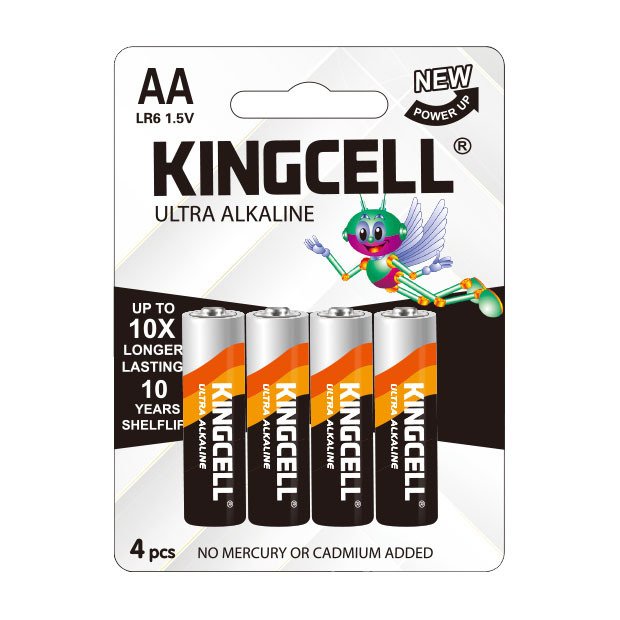
Physical Performance, Storage and Packaging Considerations
Battery performance is influenced by chemistry, internal construction, sealing, storage conditions and the electrical load of the device.
| Product type | Main characteristics | Typical applications |
| Carbon zinc AA/AAA (R6/R03) | 1.5V nominal voltage; economical construction; suitable for low-drain applications | Basic clocks, remote controls and simple toys |
| Alkaline AA/AAA (LR6/LR03) | 1.5V nominal voltage; generally higher capacity and better performance under moderate or higher loads | Wireless accessories, toys, thermometers and flashlights |
| Alkaline C/D (LR14/LR20) | Larger cell dimensions and greater capacity potential than AA/AAA, depending on design and load | Larger flashlights, radios and compatible household equipment |
| 9V alkaline (6LR61) | Rectangular multi-cell battery format | Selected alarms, test instruments and electronic devices |
North American buyers often focus on storage life, leakage resistance and batch-to-batch consistency. Batteries may remain in household devices for extended periods, so sealing performance and controlled manufacturing processes are important. Products used in smoke alarms and other safety-related equipment must also match the device manufacturer’s specified battery type and replacement schedule. Not every smoke alarm uses a replaceable 9V battery; many are hardwired or use sealed long-life batteries.
In the Middle East, high ambient temperatures and prolonged storage deserve particular attention. Batteries may pass through hot ports, warehouses and distribution facilities before reaching retailers. Excessive heat can accelerate self-discharge and chemical aging, while unsuitable storage conditions may increase the risk of leakage or reduced service life.
At Huatai, we consider packaging and storage guidance part of product suitability. Exporters should define recommended storage conditions, use appropriate cartons and pallet protection, and validate shelf-life claims through product-specific testing rather than relying on a general statement for every battery chemistry.

Retail Channels and OEM Purchasing Models
North America: Organized Retail and Private Label
North American distribution includes major retailers such as Walmart, Target, Costco, Walgreens and other supermarket, pharmacy and e-commerce operators. These businesses provide substantial market access, but supplier selection can involve detailed technical reviews, product liability requirements, quality audits and strict delivery procedures.
Private-label batteries are an important purchasing category. Retailers and distributors may source products from qualified manufacturers and sell them under their own brands. For OEM battery suppliers, this creates opportunities, but price alone is rarely sufficient. Buyers also evaluate packaging presentation, production consistency, documentation, defect management and the manufacturer’s ability to support repeat orders.
Middle East: Importers, Wholesalers and Regional Distribution
The Middle East has a combination of modern retail chains and traditional wholesale networks. Carrefour, Lulu and other regional retailers serve organized consumer markets, while independent importers and wholesalers supply smaller shops and secondary distribution channels.
The UAE, particularly Dubai and Jebel Ali, is an important regional trading and logistics center. Importers may distribute products beyond the domestic market, depending on destination-country import rules and commercial arrangements.
For Chinese battery manufacturers, this structure creates opportunities to supply both branded distributors and private-label customers. Arabic-English packaging may be appropriate for some Gulf markets, while other destinations may require additional languages or locally specified information.
Regulatory Requirements: North America and the Middle East
Compliance must be checked by product type, destination, tariff classification and intended application. Button-cell regulations should not be confused with requirements for ordinary AA, AAA, C or D batteries.
United States and Canada
In the United States, Reese’s Law and the Consumer Product Safety Commission’s implementing rules establish specific requirements for button and coin batteries and consumer products containing them. These include child-resistant packaging for covered button and coin batteries, warning labels, and requirements for battery compartments in relevant consumer products. They do not mean that all AA and AAA alkaline or carbon zinc batteries require child-resistant packaging.
Canada also addresses the risks associated with button and coin batteries through consumer product safety requirements and recognized safety standards. Importers should review the applicable Canadian guidance and product-specific standards before shipment.
For transport, UN 38.3 testing applies to lithium cells and batteries offered for transportation. It should not be presented as a universal certification requirement for ordinary alkaline or carbon zinc dry cells. The US Department of Transportation’s PHMSA provides specific guidance on lithium battery transport.
Saudi Arabia and the UAE
Saudi Arabia operates the SABER conformity platform. Its official product classification identifies portable dry batteries under relevant battery tariff codes and specifies applicable conformity documentation. Importers should confirm the exact HS code and whether a Product Conformity Certificate or another accepted route applies; it is inaccurate to assume that every battery shipment follows an identical certification process.
In the UAE, the Ministry of Industry and Advanced Technology issues conformity certificates for products subject to applicable technical regulations. Whether a particular battery requires an ECAS-related conformity procedure should be verified against the current regulatory scope and product classification.
For Iraq and other regional destinations, importers should confirm current conformity assessment, inspection and customs documentation requirements with the relevant authorities or authorized service providers before shipment.

How Huatai Battery Approaches These Two Markets
Shandong Huatai New Energy Battery Co., Ltd. has manufacturing roots dating back to the establishment of Linyi Battery Factory in 1956, with the modern company established in 1993. Our manufacturing portfolio covers carbon zinc and alkaline dry batteries as well as other battery categories.
With 48 dry battery production lines and company-reported annual production capacity exceeding six billion batteries across product categories, we can support different product specifications and OEM requirements.
For North American customers, our focus is on alkaline AA and AAA batteries, stable production quality, leakage-control processes, product documentation and retail-ready private-label packaging. Buyers can evaluate products according to their required discharge standards, shelf-life targets and packaging specifications.
For Middle Eastern customers, we can provide both alkaline and carbon zinc options. This allows importers to develop product ranges for different consumer budgets and retail channels. Depending on the destination, packaging can be adapted for Arabic and English information, multipack formats and distributor branding.
We believe the right product selection should be based on actual device requirements, target retail prices, storage conditions and the buyer’s distribution model—not simply on choosing the lowest factory price.

Frequently Asked Questions
1. Which battery chemistry is more popular in North America?
Alkaline batteries are the mainstream choice for many household applications in the United States and Canada. Carbon zinc batteries remain available in selected low-drain and economy segments.
2. Is carbon zinc battery demand still relevant in the Middle East?
Yes. Carbon zinc batteries remain suitable for price-sensitive consumers and low-drain devices in some markets, although demand varies considerably by country and distribution channel.
3. Which battery sizes should importers prioritize?
AA (LR6) and AAA (LR03) are practical core sizes in both regions. C (LR14), D (LR20) and 9V batteries can be added according to local device usage and customer demand.
4. Do all batteries exported to the United States need UN 38.3 reports?
No. UN 38.3 concerns lithium battery transport testing. Ordinary alkaline and carbon zinc dry batteries should be assessed under their applicable product and transport requirements.
5. Do ordinary AA and AAA batteries require child-resistant packaging in the United States?
The specific federal child-resistant packaging rules under Reese’s Law concern covered button and coin batteries, not ordinary cylindrical AA and AAA batteries.
6. What should buyers check when sourcing batteries for hot climates?
Buyers should review storage-temperature recommendations, shelf-life evidence, sealing performance, packaging protection and test results under relevant environmental conditions.
7. Can Huatai supply private-label alkaline and carbon zinc batteries?
Yes. We support OEM and private-label requirements across both product categories, subject to confirmation of specifications, packaging, order quantities and destination-market compliance.

Conclusion
North America and the Middle East offer different but complementary opportunities for disposable battery manufacturers. North America is a mature market where alkaline battery quality, product consistency, retail compliance and private-label supply capabilities are central to supplier selection. The Middle East is more commercially diverse, with strong alkaline demand in Gulf markets and continuing carbon zinc applications in price-sensitive segments.
For Huatai Battery, a market-specific product strategy is more practical than using one export model for both regions. Reliable alkaline batteries, economical carbon zinc products, suitable packaging and accurate compliance documentation provide the foundation for building long-term relationships with importers, distributors and private-label customers.


