Portuguese
 English
 Spanish
 French
 Arabic
 Russian
 Chinese
Product Demand, Consumer Preferences & Sourcing Opportunities
Compare the Médio Oriente e Southeast Asia primary dry battery markets por Grupo de baterias de Shandong Huatai, incluindo zinco-carbono e pilha alcalina demand, AA, AAA, C, D and 9V sizes, distribution channels, import regulations and OEM sourcing opportunities.
O Médio Oriente e Sudeste Asiático are two important export destinations for disposable batteries, particularly carbon zinc and alkaline batteries. However, their demand structures are quite different. The Middle East offers opportunities in both affordable heavy-duty batteries and higher-performance alkaline batteries, while Southeast Asia maintains a substantial market for economical carbon zinc batteries alongside steadily developing demand for alkaline products. For battery manufacturers and international buyers, understanding these differences is essential when selecting battery specifications, setting product prices and developing private-label distribution strategies.

Em Shandong Huatai New Energy Battery Co., Ltd., we supply carbon zinc batteries, alkaline batteries and customized OEM products for international markets. Based on our manufacturing experience and understanding of overseas purchasing requirements, we believe that successful market development depends not simply on offering the lowest price, but on matching battery chemistry, discharge performance, storage characteristics and packaging specifications to actual local applications.
1. Overview of the Two Regional Battery Markets
Although both regions experience relatively high temperatures, their consumption patterns, purchasing power and distribution structures differ considerably.
| Fator de mercado | Médio Oriente | Sudeste Asiático |
| Main markets | Saudi Arabia, UAE, Iraq, Jordan, Yemen | Indonesia, Philippines, Vietnam, Thailand, Malaysia, Myanmar |
| Major demand drivers | Household electronics, lighting, emergency equipment | Household electronics, flashlights, toys and everyday appliances |
| Carbon zinc demand | Strong in price-sensitive channels | Strong across traditional retail and lower-priced channels |
| Alkaline demand | Established in higher-value retail markets | Growing in urban and modern retail channels |
| Tamanhos comuns | AA, AAA, C, D, 9V | AA, AAA, D, C, 9V |
| Climate challenges | High temperatures and hot-container storage | High humidity, moisture and coastal transportation |
| Major sourcing models | Importers, wholesalers, supermarket suppliers | National distributors, wholesalers, retail chains and OEM brands |
The Middle East is not a uniform market. Gulf countries such as Saudi Arabia and the UAE have relatively developed modern retail systems, while Iraq and Yemen retain substantial demand for affordable household batteries.
Southeast Asia is similarly diverse. Indonesia and the Philippines have large island populations and extensive traditional retail networks, while Thailand, Malaysia and Vietnam have more developed modern retail channels.
2. Carbon Zinc vs. Alkaline Batteries: Different Demand Structures
One of the most important differences between the two regions is the balance between carbon zinc and alkaline battery consumption.
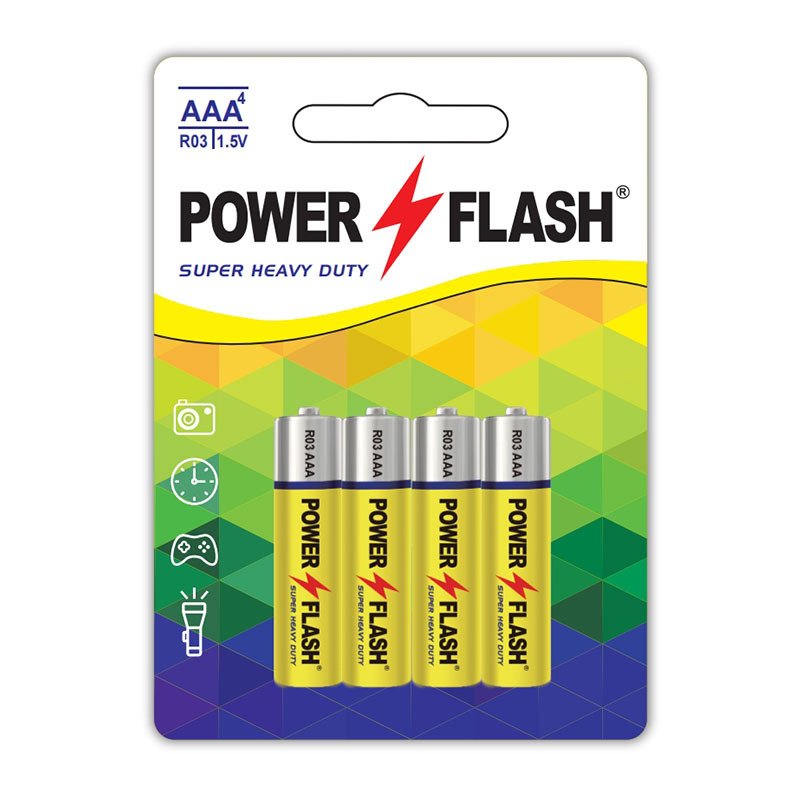
Carbon Zinc Batteries: Cost Efficiency for Everyday Applications
Carbon zinc batteries, also known as zinc-carbon batteries or heavy-duty batteries, remain important in price-sensitive consumer markets.
Their primary advantages include relatively low manufacturing costs, standardized dimensions and reliable performance in low-drain applications.
Entre os produtos típicos contam-se:
- R6P / R6 AA 1.5V carbon zinc batteries
- R03P / R03 AAA 1.5V carbon zinc batteries
- R14P C-size batteries
- R20P D-size heavy-duty batteries
- 6F22 9V carbon zinc batteries
Common applications include television remote controls, wall clocks, simple electronic toys, radios and low-power flashlights.
In Southeast Asia, these products remain particularly relevant in traditional retail channels, where consumers are highly sensitive to the purchase price of individual batteries.
In the Middle East, carbon zinc batteries continue to serve wholesale markets, budget-oriented consumers and applications that do not require high discharge capacity.
Alkaline Batteries: Higher Capacity and More Stable Discharge
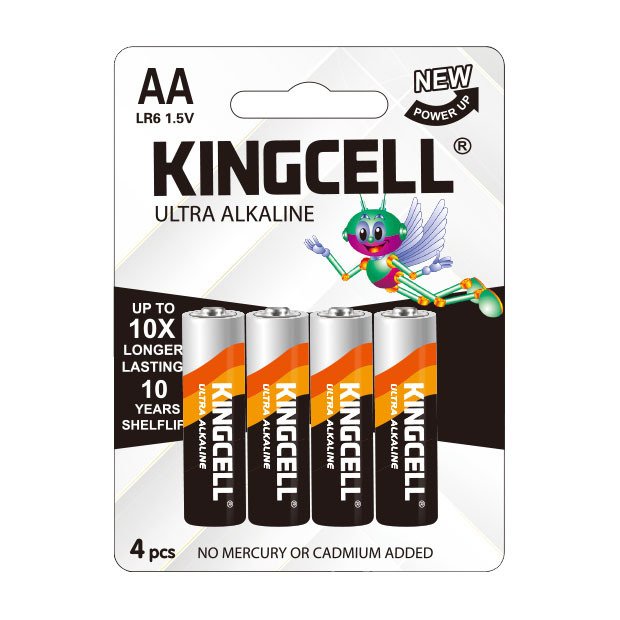
Alkaline batteries use potassium hydroxide (KOH) as their electrolyte, rather than the ammonium chloride or zinc chloride electrolyte systems used in conventional carbon zinc batteries.
For the same standard battery size, alkaline batteries generally offer higher capacity, better performance under moderate and high discharge loads, and longer operating times.
Common specifications include:
- LR6 AA alkaline batteries
- Pilhas alcalinas LR03 AAA
- LR14 C alkaline batteries
- LR20 D alkaline batteries
- 6LR61 Pilhas alcalinas de 9V
These batteries are suitable for wireless keyboards, computer mice, electronic toys, digital thermometers, blood pressure monitors and other household devices.
The Middle East offers attractive opportunities for alkaline batteries, particularly in Gulf retail markets where consumers are more willing to pay for longer operating time and improved product reliability.
Southeast Asian cities also present growing opportunities as household electronics and modern retail distribution expand.
3. Climate Conditions and Battery Performance Requirements
Climate is an important consideration when exporting disposable batteries.
However, high temperature and high humidity create different technical challenges.
Middle East: High Temperature and Long-Term Storage
In Saudi Arabia, the UAE, Iraq and other Middle Eastern markets, batteries may experience high temperatures during warehouse storage, inland transportation and container shipping.
Elevated temperatures can accelerate self-discharge and chemical degradation. They may also increase the risk of seal deterioration and electrolyte leakage if the battery design or manufacturing process is inadequate.
For this reason, importers should evaluate:
- Seal integrity and leakage resistance
- Storage stability under elevated temperatures
- Battery voltage retention during storage
- Outer-shell corrosion resistance
- Packaging durability during container transportation
At Huatai, we place particular emphasis on sealing structures, production consistency and quality inspection for our carbon zinc and alkaline battery products.
Southeast Asia: Humidity, Moisture and Corrosion
Southeast Asian markets present a different challenge.
In Indonesia, the Philippines, Malaysia and other coastal markets, high humidity and long transportation routes can affect battery packaging and external metal components.
For imported batteries, buyers should pay attention to:
- Corrosion-resistant metal components
- PVC jacket and label adhesion
- Moisture-resistant outer packaging
- Carton strength and warehouse storage conditions
- Protection against condensation during transportation
Battery performance and packaging quality must be evaluated together. A technically reliable battery can still create commercial problems if its packaging deteriorates before reaching retail shelves.

4. Consumer Applications and Battery Size Preferences
Different household applications determine the demand for individual battery sizes.
| Battery Size | Aplicações comuns | Médio Oriente | Sudeste Asiático |
| AA / R6 / LR6 | Comandos remotos, brinquedos, dispositivos sem fios | Muito forte | Muito forte |
| AAA / R03 / LR03 | Small remote controls, clocks, compact electronics | Muito forte | Muito forte |
| C / R14 / LR14 | Portable radios, medium-sized equipment | Procura estável | Procura estável |
| D / R20 / LR20 | Large flashlights, radios, emergency lighting | Importante | Importante |
| 9V / 6F22 / 6LR61 | Smoke alarms, meters, electronic equipment | Procura especializada | Procura especializada |
An important point for international buyers is that D-size and C-size batteries should not be overlooked.
Although AA and AAA batteries dominate many modern household electronics applications, larger batteries remain relevant in markets where portable lighting, radios and emergency equipment are widely used.
For manufacturers, maintaining a complete range of battery sizes allows importers to consolidate purchases and reduce the complexity of supplier management.
5. Distribution Channels and Private Label Opportunities
The two markets also differ in their distribution structures.
Middle East: Modern Retail and Regional Wholesale Distribution
The Middle Eastern battery market includes supermarket chains, electronics retailers, hardware distributors and large wholesale importers.
Companies supplying Carrefour, Lulu Hypermarket and other regional retail channels often need stable product specifications, professional packaging and reliable long-term supply.
Dubai is also an important re-export and distribution hub, connecting suppliers with buyers in neighboring Middle Eastern and African markets.
For battery manufacturers, OEM and private-label alkaline batteries offer particularly interesting opportunities.
Importers can develop their own brands while purchasing from established manufacturers with mature production capabilities.
Arabic-English packaging, attractive blister packs and consistent product performance are important commercial considerations.
Southeast Asia: Traditional Retail and High-Volume Distribution
Southeast Asia has a highly fragmented retail structure.
In Indonesia, traditional neighborhood stores are commonly known as Warung. In the Philippines, small community retail outlets are widely referred to as Sari-sari stores.
These channels distribute large volumes of everyday consumer products, including batteries.
For this type of market, affordable carbon zinc batteries in two-piece or four-piece shrink packs can be commercially attractive.
Modern supermarkets and convenience stores provide additional opportunities for alkaline batteries, particularly AA and AAA products.
Private-label manufacturing is also important because local distributors often prefer products carrying their own brands rather than relying entirely on international battery brands.

6. Import Regulations and Market Access
Regulatory compliance should be considered before confirming an export order.
The requirements differ by country and may change over time.
Médio Oriente
- Saudi Arabia: Batteries covered by the applicable SASO technical regulation require conformity assessment and registration through the SABER system. Product and shipment documentation should be confirmed with the importer and certification body.
- United Arab Emirates: Depending on the applicable product category, MoIAT conformity assessment and UAE RoHS requirements may apply.
- Iraq: Importers should confirm current conformity assessment, inspection and shipment documentation requirements before dispatch.
Sudeste Asiático
- Indonesia: Mandatory SNI requirements apply to primary batteries under Regulation No. 69/2024, effective May 20, 2025. The relevant standards include SNI IEC 60086-1 and SNI IEC 60086-2.
- Thailand: Buyers should confirm applicable TISI requirements for the specific battery product.
- Malaysia: Importers should verify whether product-specific standards or other applicable regulatory requirements apply.
Indonesia deserves particular attention because its regulatory framework covers imported as well as domestically produced primary batteries. SNI certification and labeling requirements should therefore be discussed before production begins.
For international OEM buyers, regulatory planning is part of supplier selection, not an administrative task to be postponed until shipment.

7. How Shandong Huatai Supports Buyers in Both Markets
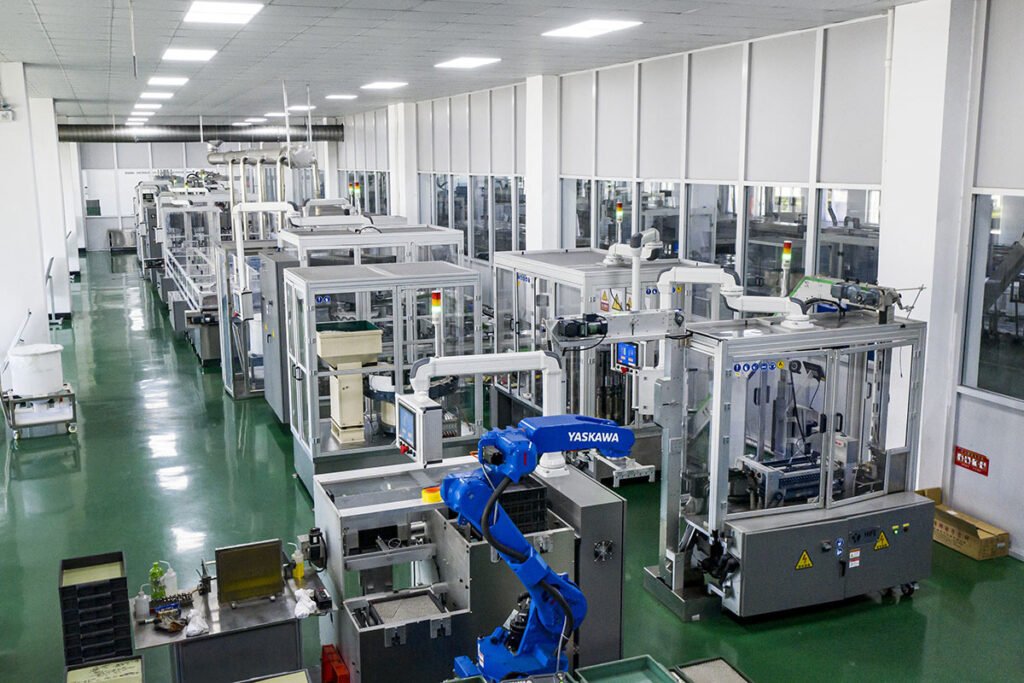
Shandong Huatai New Energy Battery Co., Ltd. has a manufacturing history dating back to the Linyi Battery Factory established in 1956. The company was formally reorganized under the Huatai name in 1993.
Our manufacturing development has focused on two important disposable battery categories: carbon zinc and alkaline batteries.
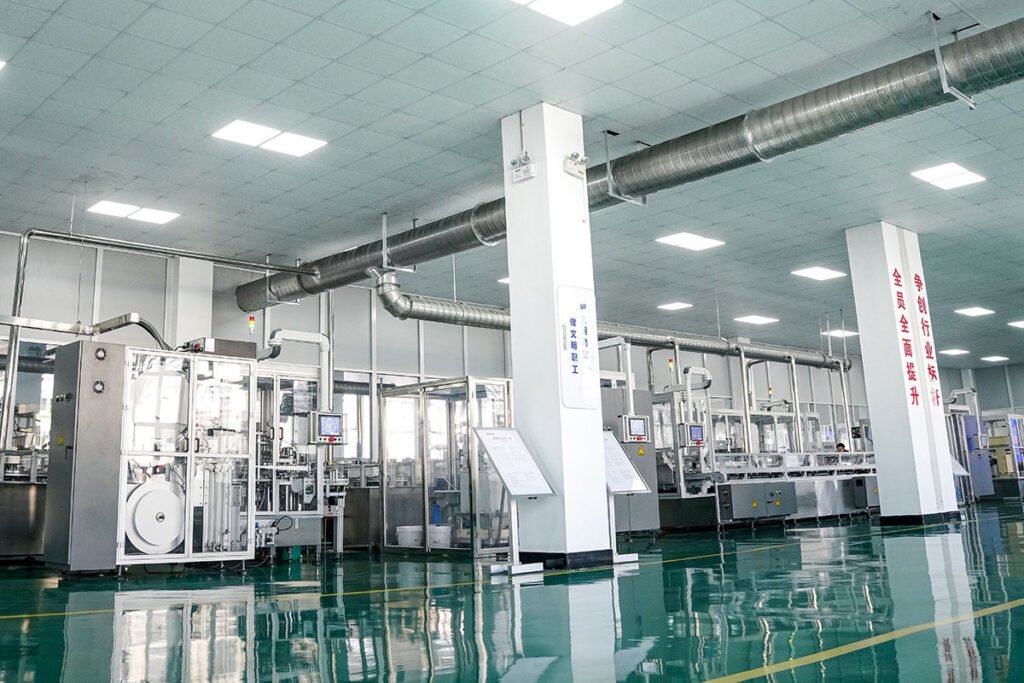
Today, our company operates 48 dry battery production lines and uses advanced Canadian HIBAR automated production equipment for alkaline battery manufacturing. Our company-reported annual production capacity exceeds 6 billion batteries across its product portfolio.
Our product range covers:
- Baterias de carbono-zinco para serviços pesados e superpesados
- AA, AAA, C, D and 9V Alkaline Batteries
- Button Batteries, including AG and CR series
- Rechargeable NiMH and lithium batteries
- Customized OEM and private-label battery products
For Middle Eastern customers, we focus on alkaline battery performance, leakage resistance, storage stability and customized Arabic-English packaging.
For Southeast Asian customers, we emphasize competitive carbon zinc battery costs, stable bulk production, moisture-resistant packaging and a complete range of popular battery sizes.
We also understand that distributors need more than an attractive factory quotation. They need consistent product specifications, reliable delivery schedules, appropriate documentation and sufficient margin to maintain their local distribution networks.
Our objective is to help overseas partners build sustainable battery businesses rather than compete solely on the lowest initial purchase price.
8. Frequently Asked Questions
Q1. Which market has stronger demand for carbon zinc batteries, the Middle East or Southeast Asia?
Both markets have established demand. Southeast Asia has a particularly substantial market for economical carbon zinc batteries because of its large population and extensive traditional retail networks. The Middle East also maintains demand, especially in price-sensitive wholesale channels.
Q2. Are alkaline batteries more popular in the Middle East?
Alkaline batteries have strong positions in Gulf retail markets because of their higher capacity and longer operating time. However, carbon zinc batteries remain important in lower-priced consumer segments.
Q3. Which battery sizes should importers prioritize?
AA and AAA batteries should generally receive the highest priority. C, D and 9V batteries should also be included according to local applications and distributor requirements.
Q4. Why are D-size carbon zinc batteries still important in Southeast Asia?
They are used in larger flashlights, portable radios and emergency lighting equipment. These applications remain relevant in traditional retail markets and areas with less reliable electricity access.
Q5. Can Chinese battery manufacturers provide private-label products for both regions?
Yes. Manufacturers such as Huatai can supply customized carbon zinc and alkaline batteries with customer-specific branding, battery jackets, blister packaging, shrink packs and export cartons. Regulatory requirements should be confirmed for each destination.
Q6. What should buyers consider when importing batteries into Indonesia?
Importers should pay particular attention to mandatory SNI certification, applicable IEC 60086 standards, product marking and electronic labeling requirements. Certification arrangements should be confirmed before placing a production order.
Q7. What is the most important quality consideration for batteries exported to hot and humid regions?
Leakage resistance, storage stability, corrosion protection and packaging integrity are among the most important considerations. Buyers should evaluate actual test results rather than relying only on general product descriptions.

9. Conclusion: Two Markets, Different Battery Strategies
The Middle East and Southeast Asia are both important destinations for disposable battery manufacturers, but they require different product and distribution strategies.
O Médio Oriente offers opportunities for a balanced portfolio of alkaline and carbon zinc batteries, with stronger emphasis on performance, packaging and established wholesale relationships.
Sudeste Asiático offers substantial opportunities for high-volume carbon zinc batteries, while urban retail development creates additional demand for alkaline products.
Em Shandong Huatai New Energy Battery Co., Ltd., we believe that successful international battery sourcing begins with understanding the end user’s actual requirements. By combining large-scale carbon zinc battery manufacturing, automated alkaline battery production and flexible OEM services, we aim to support distributors and private-label customers in both regions with reliable products and sustainable supply partnerships.
Para os importadores que procuram um Chinese carbon zinc battery manufacturer, an alkaline battery supplier or a long-term private-label OEM partner, Huatai offers a comprehensive product portfolio backed by decades of battery manufacturing experience.