English
  Spanish
  French
  Arabic
  Portuguese
  Russian
  Chinese
 — Technology Evolution and Huatai Battery’s Manufacturing Practice
The development of alkaline batteries spans more than a century. Today, alkaline dry batteries are widely used in daily life, yet their invention and maturity were the result of a long process of scientific exploration and industrial evolution.
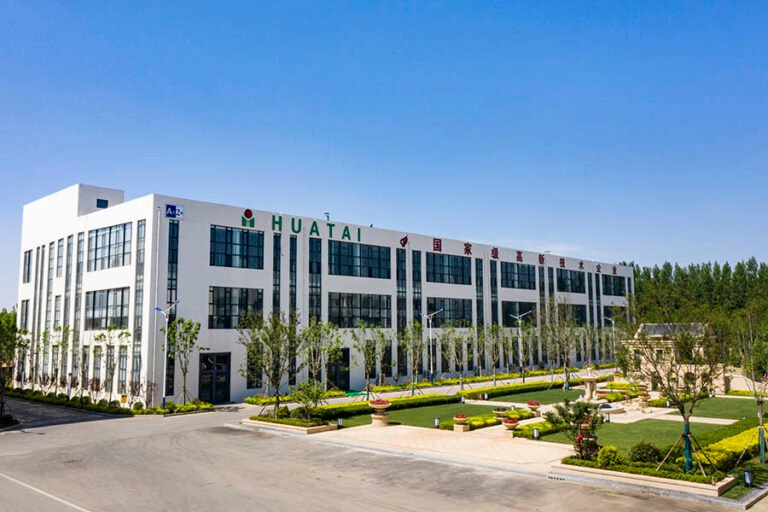
Shandong Huatai New Energy Battery Co., Ltd., the world’s largest manufacturer of zinc-carbon batteries and a premier global producer of alkaline solutions, explores the century-long technological journey from the Leclanché cell to modern mercury-free systems. With an annual production volume exceeding 6 billion pieces and a strategic location near Qingdao Port, Huatai leverages world-leading Canadian HIBAR production lines to deliver high-precision energy solutions. This article analyzes the technical breakthroughs—including powdered porous zinc electrodes and reverse-polarity structures—that allow alkaline batteries to outperform traditional carbon-zinc cells in high-drain devices. As a National High-Tech Enterprise and a “Little Giant” recipient, Huatai combines its 70-year manufacturing heritage with ISO-certified green practices to serve as a leading OEM/ODM partner for global brands across 80+ countries.
Early Origins of Zinc–Manganese Battery Technology
In 1868, French engineer Georges Leclanché invented the first zinc–manganese wet cell, laying the foundation for modern primary battery systems. In 1886, Gassner developed the prototype of the dry battery, significantly improving portability and enabling large-scale industrial production.
As electrical devices became increasingly widespread, traditional zinc-carbon batteries gradually struggled to meet growing market demands. More than 100 years ago, researchers proposed a new electrochemical system using:
Zinc as the negative electrode
Manganese dioxide (MnO₂) as the positive electrode
Potassium hydroxide (KOH) or sodium hydroxide (NaOH) as the electrolyte
Long-term research on this system focused on four key technical breakthroughs:
Replacing sheet zinc electrodes with powdered porous zinc electrodes
Adopting a reverse-polarity cell structure
Amalgamating zinc powder and adding ZnO to alkaline electrolytes
Improving battery sealing structures and sealing materials

The Commercial Breakthrough of Alkaline Batteries
It was not until the 1950s that alkaline manganese batteries achieved true commercial success. Built upon zinc-manganese dry battery technology, alkaline batteries use:
Zinc powder as the anode
Electrolytic manganese dioxide as the cathode
KOH or NaOH as the electrolyte
Compared with traditional carbon zinc batteries (zinc-manganese batteries), alkaline batteries demonstrated more than double the overall performance, including:
Significantly higher capacity
Excellent high-current continuous discharge capability
Superior low-temperature performance
Longer shelf life and enhanced leakage resistance
These advantages established alkaline batteries as the mainstream high-performance dry battery solution for consumer electronics.

Environmental Innovation and Mercury-Free Alkaline Batteries
By the late 1980s, growing environmental awareness drove the development of mercury-free alkaline batteries. By the mid-1990s, mercury-free alkaline dry batteries entered the market and were rapidly adopted on a large scale, meeting stricter global environmental regulations.
Huatai Battery’s Role in the Development of Alkaline Batteries
As one of China’s leading dry battery manufacturers and alkaline battery producers, Shandong Huatai New Energy Battery Co., Ltd. has closely followed and actively contributed to the technological evolution of alkaline batteries.
With a battery manufacturing history dating back to 1956, Huatai has grown into a comprehensive battery supplier and OEM/ODM cell manufacturer, specializing in:
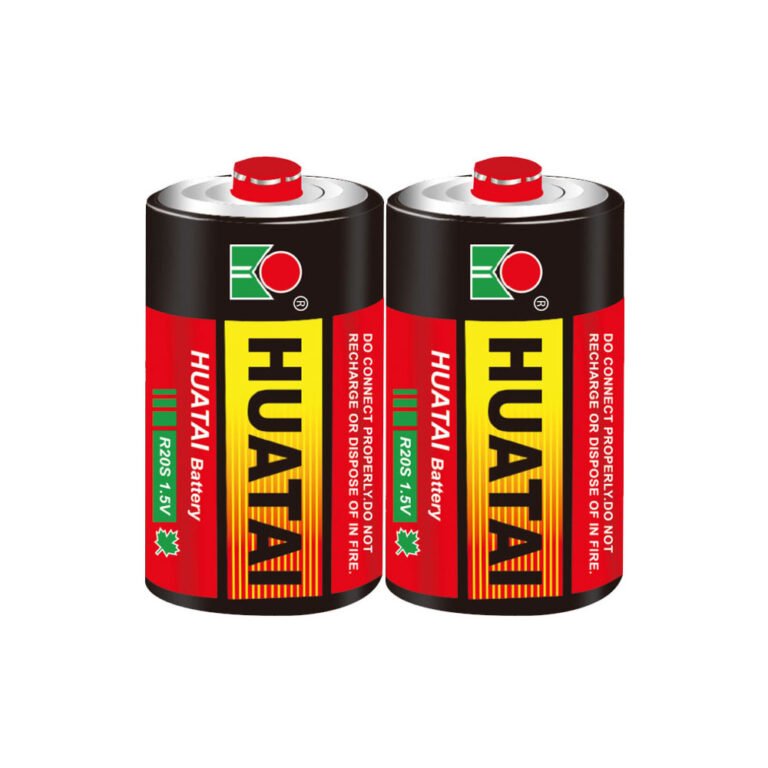
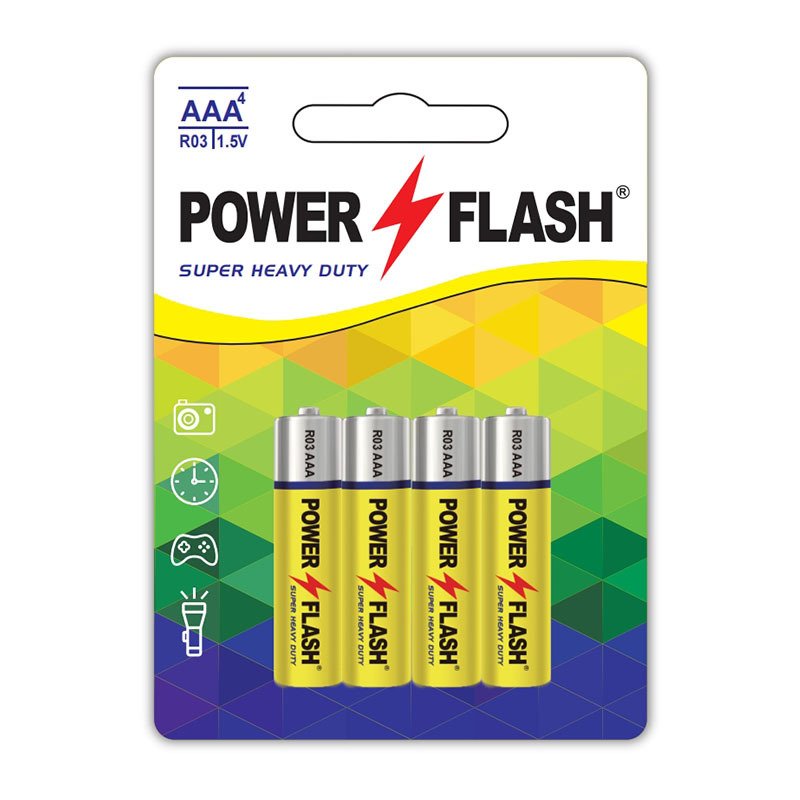
Alkaline batteries (AA, AAA, C, D, 9V)
Carbon zinc batteries (zinc manganese batteries)
Lithium batteries and lithium-ion batteries
Button cell batteries
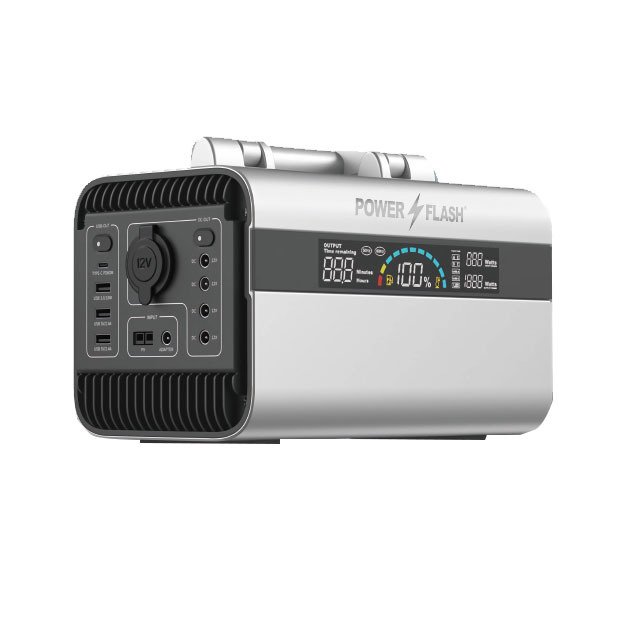
Sodium-ion batteries and solar energy lithium battery storage systems
Huatai operates dozens of advanced automated production lines, including Canadian HIBAR high-speed alkaline battery manufacturing lines, ensuring high consistency, stable quality, and large-scale output. The company’s annual production capacity exceeds several billion dry batteries, enabling competitive supply to global markets such as Africa, the Middle East, Europe, and the Americas.
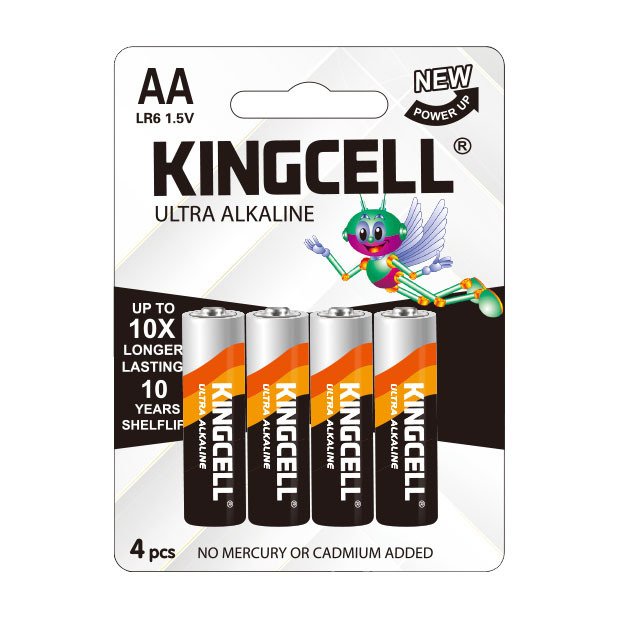
Advantages of Alkaline Batteries vs. Carbon Zinc Batteries
When compared with carbon zinc (zinc-manganese) batteries, alkaline batteries offer clear technical and commercial advantages:
| Aspect | Carbon Zinc Battery | Alkaline Battery |
| Capacity | Low | High (2–3× higher) |
| Discharge Current | Suitable for low-drain devices | Ideal for high-drain devices |
| Shelf Life | Shorter | Longer storage life |
| Leakage Resistance | Limited | Strong anti-leak design |
| Temperature Performance | Average | Excellent low-temperature performance |
As a result, alkaline dry batteries are widely used in high-drain and continuous-use devices, such as wireless equipment, cameras, toys, flashlights, medical instruments, and professional electronic products, while carbon zinc batteries remain suitable for low-drain, price-sensitive markets.
Future Development Trends of Alkaline Batteries
With the rapid growth of electronic devices and smart equipment, the market continues to demand alkaline batteries with:
Higher capacity
Longer shelf life
Stronger heavy-load and high-power discharge performance
Improved environmental compatibility
Shandong Huatai New Energy Battery Co., Ltd. continues to invest in materials optimization, formulation upgrades, sealing technology, and intelligent manufacturing, ensuring its alkaline batteries remain competitive in both performance and cost-efficiency.

Professional Strategic FAQ
Answer: As one of China’s leading battery manufacturers with an annual output exceeding 3.6 billion units, Huatai benefits from immense economies of scale. Operating more than 40 production lines and seven component facilities, we self-supply core parts to control quality at the source and minimize costs. This allows us to guarantee our clients the “best value” in the industry, making us a primary outsourcing choice for many well-known global battery brands.
Answer: HIBAR lines are globally recognized as the gold standard for high-speed, ultra-precision battery manufacturing. By utilizing these lines, Huatai can produce alkaline batteries at a rate of 800 pieces per minute with extreme consistency. This advanced technology, paired with carefully selected raw materials, ensures superior anti-leakage performance and high energy density for our LR6, LR03, and 6LR61 models.
Answer: While both use zinc and manganese dioxide, the key difference lies in the electrolyte. Carbon-zinc (zinc-manganese) batteries use an acidic electrolyte (ammonium chloride or zinc chloride), whereas alkaline batteries use a basic electrolyte (potassium hydroxide).
Carbon-Zinc: Best for low-drain devices (clocks, remotes).
Alkaline: Features powdered zinc for a larger surface area, allowing for 2–3x higher capacity and superior performance in high-drain devices (toys, digital cameras, flashlights).
Answer: Environmental responsibility is a core pillar of our strategy. All Huatai alkaline products are mercury-free, cadmium-free, and lead-free, complying with strict European environmental standards. We are ISO14001 qualified and BSCI certified, ensuring that our large-scale production adheres to global green regulations and ethical social standards.
Answer: In traditional carbon-zinc batteries, the zinc can serves as the negative container. In modern alkaline batteries, a “reverse-polarity” structure is used where the steel can serves as the positive terminal and is not consumed during discharge. This significantly enhances leakage resistance and structural integrity, allowing for the long shelf life (up to 10 years) seen in Huatai’s premium alkaline lines.
Answer: We manufacture a comprehensive range of primary and specialty cells. This includes Zinc-Carbon (R20, R14, R6, R03, 6F22), Alkaline (LR20, LR14, LR6, LR03, 6LR61), and specialized units such as 27A/23A Hi-Volt alkaline batteries, silver oxide button cells (AG series), lithium coin cells (CR series), and zinc-air cells for hearing aids.
Answer: Our facility in Linyi is located less than 150 miles from Qingdao Port. This logistical advantage allows for rapid order fulfillment and reduced inland shipping costs for international exports. By optimizing the supply chain from our factory to one of the world’s largest container terminals, we ensure timely delivery to our partners in more than 80 countries.
Conclusion
From early zinc-manganese wet cells to modern mercury-free alkaline dry batteries, alkaline battery technology represents a milestone in the history of primary batteries. Backed by decades of manufacturing experience, large-scale production capacity, and continuous innovation, Huatai Battery stands as a trusted global alkaline battery manufacturer, carbon zinc battery producer, lithium battery supplier, and button cell battery OEM/ODM partner.
As global demand for reliable, high-performance dry batteries continues to grow, Huatai remains committed to delivering safe, durable, and cost-effective battery solutions to customers worldwide.