English
 Spanish
 French
 Arabic
 Portuguese
 Russian
 Chinese
Top China Battery Manufacturer for Paraguay
Explore the South American Paraguay battery market, including carbon zinc, alkaline, lithium and rechargeable batteries, import licensing, battery regulations, energy trends and private-label supply from China dry battery manufacturer.
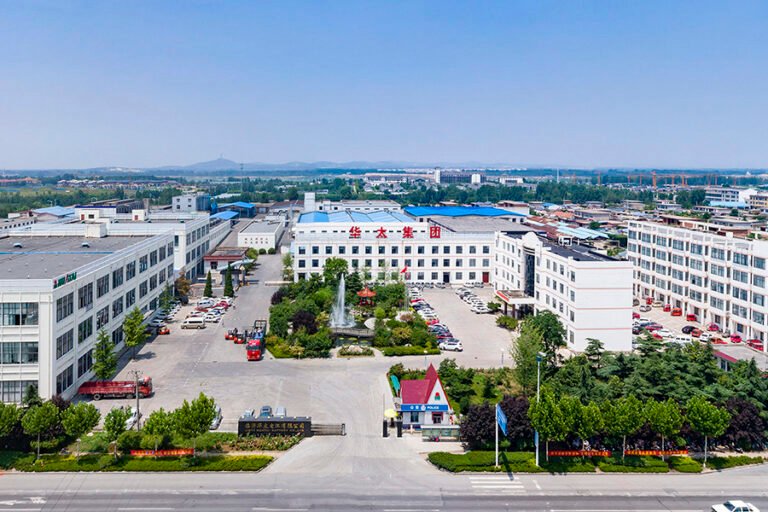
Shandong Linyi Huatai New Energy Battery Co., Ltd. was established in May 1993,but our factory’s history can date back to the establishment of the Linyi Battery Plant in 1956.We are currently one of the leading Eco-friendly & Mercury-free alkaline battery manufacturers and lithium battery manufacturers in China and the world’s largest heavy duty zinc-carbon batteries manufacturer & factory. Our products are produced with HUATAI, Power Flash and KINGCELL brands and customer’s private label, supplied 6 billion annual output by HIBAR high-speed automated production lines, offering OEM solutions for zinc carbon, alkaline, and lithium batteries worldwide.

Paraguay is a relatively small South American market, but its position in the regional trade network gives it a different commercial profile from neighboring Argentina, Brazil and Uruguay. For battery importers and distributors, the opportunity extends from carbon zinc and alkaline household batteries to rechargeable batteries, lithium batteries and emerging energy-storage applications.
The Paraguayan market also has an important regulatory feature that Chinese battery suppliers should understand before quoting prices: imports of household batteries are subject to prior import licensing and technical conformity procedures. Paraguay’s Ministry of Industry and Commerce (MIC) states that the prior import license for batteries is designed to control compliance with technical standards and is required for commercial imports. The current procedure includes importer registration, product documentation, certification of the imported lot and inspection before commercial release.
For this reason, a successful battery supply strategy for Paraguay should combine competitive pricing, reliable product quality, regulatory documentation and flexible product selection rather than focusing on FOB price alone.
What Makes the Paraguay Battery Market Different?
Paraguay has a population and consumer market smaller than Brazil or Argentina, but its location between Brazil, Argentina and Bolivia gives the country an important regional trading role.
For battery distributors, this means the domestic market should be considered together with wholesale distribution and cross-border commercial activity.
The main consumer battery categories include:
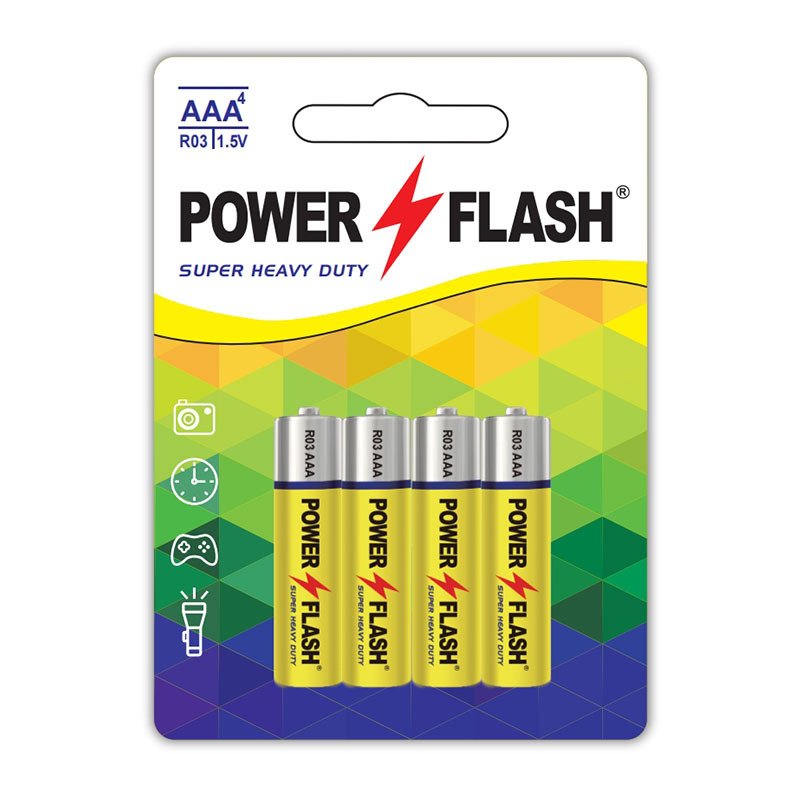
- Carbon zinc AA and AAA batteries
- Alkaline AA and AAA batteries
- C and D batteries
- 9V batteries
- Button batteries
- Lithium primary batteries
- Rechargeable NiMH batteries
- Lithium-ion and LiFePO4 batteries for specialized applications
The market can broadly be divided into two levels.
| Market segment | Main battery products | Typical applications |
| Economy consumer | Carbon zinc AA/AAA/C/D/9V | Clocks, remotes, radios, basic toys |
| Mainstream consumer | Alkaline AA/AAA/C/D/9V | Toys, flashlights, electronics |
| Specialty | Lithium primary, button cells | Sensors, electronics, specialty equipment |
| Rechargeable | NiMH, Li-ion | Consumer electronics and equipment |
| New energy | Li-ion, LiFePO4 | Solar, backup power, energy storage |
This product segmentation gives Paraguayan distributors an opportunity to develop different price points instead of competing entirely on the lowest battery price.
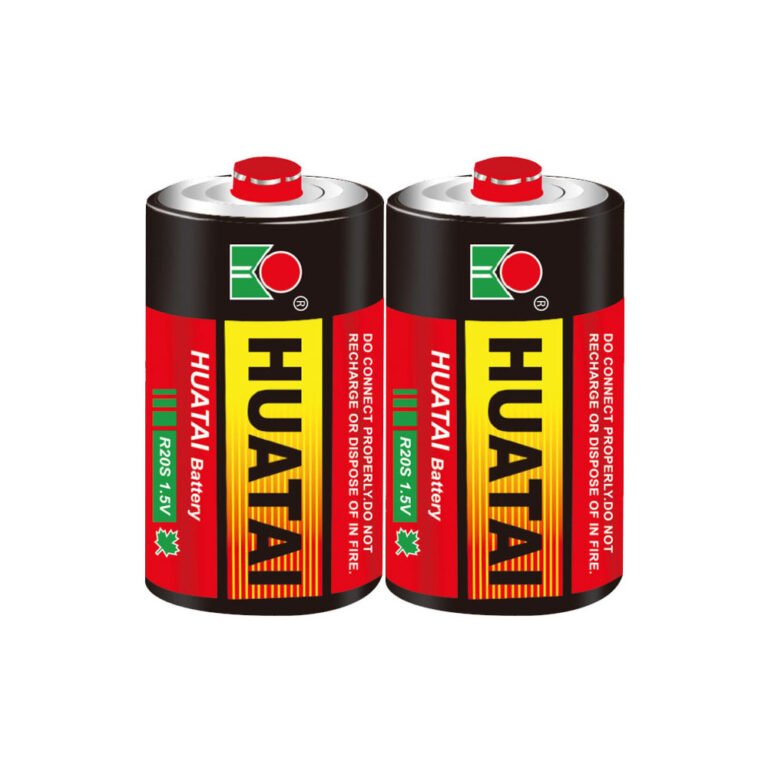
Carbon Zinc Batteries Remain Relevant in Paraguay
For the Paraguay carbon zinc battery market, price remains an important consideration.
Carbon zinc batteries are well suited to low-drain or intermittent-use devices, including remote controls, clocks, radios, simple toys and certain flashlights. In these applications, the customer does not necessarily need the higher discharge performance of an alkaline battery.
This makes carbon zinc particularly useful for:
- Economy retail channels
- Wholesale distributors
- General merchandise stores
- Promotional products
- Low-cost household products
- Private-label value batteries
For Paraguayan importers, the commercial question should therefore not be whether alkaline batteries are technically better. The more useful question is whether the additional performance of alkaline batteries creates enough value for the end user to justify the higher selling price.
Carbon Zinc vs. Alkaline Batteries in Paraguay
| Factor | Carbon Zinc | Alkaline |
| Purchase price | Lower | Higher |
| Low-drain devices | Suitable | Excellent |
| Higher-drain applications | Limited | Better suited |
| Economy positioning | Strong | Moderate |
| Mainstream retail | Suitable | Strong |
| Private label | High potential | High potential |
| Best commercial role | Volume/value | Performance/value |
A distributor carrying both technologies can therefore serve customers across a wider price range.
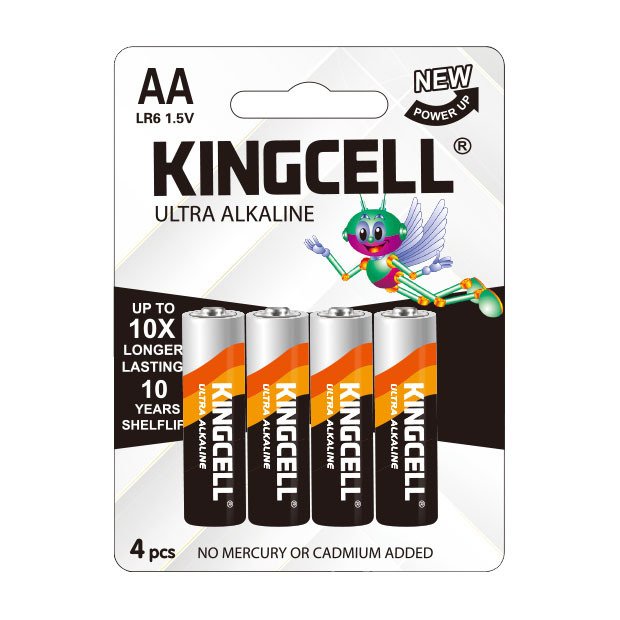
Alkaline Batteries Offer a Higher-Performance Product Line
Alkaline batteries in Paraguay are particularly relevant for consumers who want longer runtime and more stable performance.
AA and AAA alkaline batteries are commonly associated with toys, flashlights, wireless accessories and household electronic devices. C, D and 9V batteries provide additional options for applications requiring larger battery formats.
For a Paraguayan distributor developing its own battery brand, a practical portfolio could start with:
- Carbon zinc AA and AAA
- Alkaline AA and AAA
- Carbon zinc C, D and 9V
- Alkaline C, D and 9V
- Button lithium batteries
- Rechargeable NiMH AA and AAA
- Selected lithium primary products
This creates a value-to-performance product ladder that can be adjusted according to retail channel and customer requirements.
Paraguay Battery Import Regulations Are a Key Purchasing Issue
For companies searching for a China battery supplier for Paraguay, regulatory preparation is particularly important.
Paraguay’s Law No. 5,882/2017 establishes an integrated management framework for household batteries. It covers the manufacture, import, assembly, commercialization, collection, recycling, treatment and final disposal of household batteries, including carbon-zinc primary batteries, manganese alkaline batteries and rechargeable batteries.
The law also establishes limits for mercury, cadmium and lead. For covered household batteries, the limits specified include:
- Mercury: 0.010% by weight
- Cadmium: 0.015% by weight
- Lead: 0.200% by weight
- Button/miniature batteries: 25 mg mercury per element
The law also requires manufacturers, assemblers, importers and commercial sellers to ensure compliance and provides obligations relating to collection containers and used-battery management.
For Chinese manufacturers, this means environmental specifications should be confirmed before production, especially for carbon zinc and alkaline batteries.

Prior Import Licensing Is Essential for Paraguayan Battery Importers
Paraguay’s MIC currently provides a specific Prior Import License – Batteries procedure.
The stated purpose is to control compliance with technical standards, and the license enables customs clearance. The current online process includes importer registration, packing-list and invoice documentation, bill of lading information and certification of the imported lot through an accredited certification body. The MIC also lists a preliminary inspection and subsequent commercial release procedure.
This creates an important difference between Paraguay and markets where an importer can simply order a container and complete general customs procedures.
For a battery importer, the sourcing process should therefore look more like:
Supplier qualification → product specification → compliance documentation → certification → import license → shipment → inspection/release
rather than:
Price quotation → order → shipment.
The Paraguayan government also identifies registration requirements for importers of primary common carbon-zinc and alkaline batteries through its trade-window system.
What Documents Should a Chinese Battery Supplier Prepare?
A Paraguayan importer should ideally request the following information before confirming a large order:
| Supplier document | Purpose |
| Product specification sheet | Confirms battery construction and performance |
| Heavy-metal test report | Supports environmental compliance |
| Product certification | Supports Paraguayan conformity procedures |
| IEC or applicable test reports | Provides technical performance evidence |
| Safety information | Supports product handling and compliance |
| Shelf-life specification | Helps manage imported inventory |
| Leakage-resistance information | Reduces after-sales risk |
| Packing list | Required for import documentation |
| Commercial invoice | Customs and licensing |
| Bill of lading information | Import procedure |
| OEM artwork and labeling | Confirms local-market packaging |
| UN38.3 documentation | Important for applicable lithium products |
A supplier that can prepare these documents efficiently can save the importer considerable time during the licensing and certification process.
Heavy-Metal Control Is Particularly Important
Paraguay’s battery legislation places specific limits on mercury, cadmium and lead. This is not simply an environmental marketing issue; it is directly connected with import and commercialization requirements.
The country’s adoption of the Minamata Convention also reinforces the importance of reducing mercury-containing products. Paraguay’s Law No. 6,036 approves the Minamata Convention on Mercury, whose product provisions include restrictions on mercury-containing batteries.
For a Chinese manufacturer, this reinforces the importance of maintaining consistent raw-material control.
For carbon zinc and alkaline batteries, buyers should ask about:
- Mercury-free formulation
- Cadmium-free materials
- Lead control
- Zinc purity
- Manganese dioxide quality
- Electrolyte formulation
- Sealing technology
- Production-batch testing
This is one reason why an established battery factory can offer more value than a trading company that sources different batteries from different factories.
Climate and Storage Conditions Matter in Paraguay
Paraguay has a hot climate for much of the year, and high temperatures can place additional demands on battery storage and distribution.
For importers, the issue is not simply whether a battery can operate at room temperature. The complete supply chain should be considered:
China factory → ocean transport → customs → Paraguayan warehouse → wholesale distribution → retail storage → end user.
Long storage periods combined with elevated temperatures can increase the importance of battery sealing and shelf-life stability.
For this reason, Paraguayan buyers should pay particular attention to:
- Long shelf life
- Leakage resistance
- Sealing quality
- Storage-temperature recommendations
- Packaging protection
- Batch consistency
For carbon zinc and alkaline batteries, good sealing technology is not a cosmetic feature. It directly affects inventory risk.

Paraguay’s Energy Structure Creates a Different Lithium Opportunity
Paraguay has an unusually strong electricity-generation position because of its major hydroelectric resources, particularly Itaipú, Yacyretá and Acaray.
According to Paraguay’s national electricity administration ANDE, electricity consumption increased 13.1% during the first two months of 2026 compared with the same period of 2025. The majority of electricity supplied during that period came from Itaipú, Yacyretá and Acaray. ANDE also highlighted the contribution of a photovoltaic plant in the Paraguayan Chaco.
At the same time, Paraguay is developing a regulatory framework for additional renewable-energy generation. In May 2026, ANDE reported that Decree 6034/2026 implemented Law 7599/2025 on electricity generation from non-hydraulic renewable sources, including solar, wind, biomass, biogas and geothermal energy.
This creates a potential long-term opportunity for lithium and LiFePO4 batteries in Paraguay.
The country’s battery opportunity is therefore not limited to disposable AA and AAA products.
Potential applications include:
- Solar-plus-storage systems
- Residential backup power
- Commercial energy storage
- Industrial backup systems
- Telecom backup
- Electric mobility
- Off-grid power systems
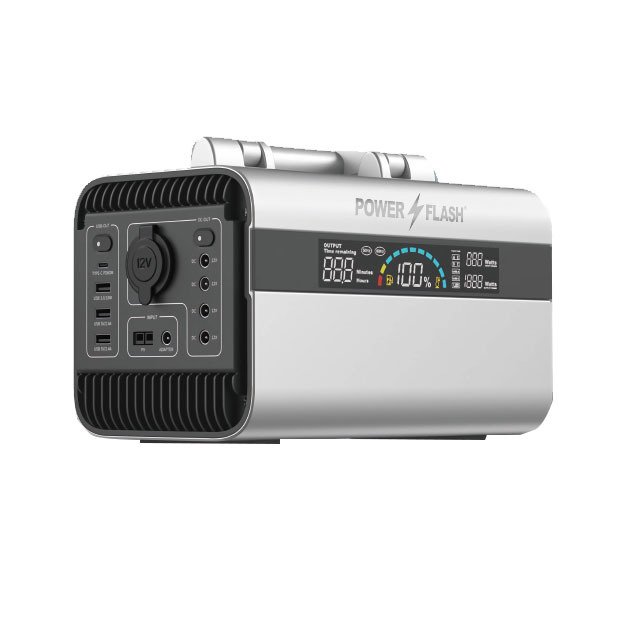
- Portable power stations
The important distinction is that Paraguay’s energy-storage opportunity is developing alongside an already strong hydroelectric system. Battery storage can therefore play roles in distributed generation, backup, solar integration and power management rather than simply replacing conventional electricity generation.
Rechargeable Batteries Can Bridge Consumer and New-Energy Markets
Rechargeable batteries provide another useful middle segment.
NiMH rechargeable AA and AAA batteries can serve consumers who use batteries frequently in toys, flashlights, cameras, wireless accessories and other household equipment.
For distributors, rechargeable batteries can also create a higher-value product category without immediately moving into large lithium-energy systems.
A practical product structure could therefore be:
Carbon zinc → Alkaline → NiMH rechargeable → Lithium primary → Li-ion/LiFePO4
This gives a Paraguayan distributor a natural path toward higher-value battery products.
Paraguay Can Be a Useful Regional Distribution Base
Paraguay should also be considered from a regional supply-chain perspective.
Its location in the center of South America connects it commercially with Brazil, Argentina and Bolivia. This makes the country relevant not only for domestic consumption but also for distributors that operate across multiple neighboring markets.
However, regional distribution should never be confused with automatic access to other countries. Each destination market has its own customs, product and environmental requirements.
For a battery supplier, the practical approach is to help the Paraguayan distributor build a compliant local product range first, then evaluate regional expansion based on the regulations and economics of each destination.

Why Huatai Battery Is More Than a Carbon Zinc Battery Manufacturer
For a Paraguayan buyer searching for a top China battery manufacturer, Huatai Battery offers a broader product structure than its historical carbon-zinc reputation might suggest.
Huatai’s manufacturing heritage can be traced back to Linyi Battery Factory, established in 1956.
Over the following decades, the company developed from a major traditional dry-battery producer into a comprehensive battery manufacturer.
Historically, Huatai became widely recognized as one of the world’s largest carbon zinc battery manufacturers. That remains an important part of the company’s manufacturing heritage, but it is no longer a complete description of its capabilities.
Today, Shandong Huatai New Energy Battery Co., Ltd. covers multiple battery categories, including:
- Carbon zinc batteries
- Alkaline batteries
- Lithium primary batteries
- Rechargeable NiMH batteries
- Li-ion batteries
- LiFePO4 batteries
- Sodium-ion batteries
- Solar batteries
- Energy-storage batteries
- OEM and private-label battery products
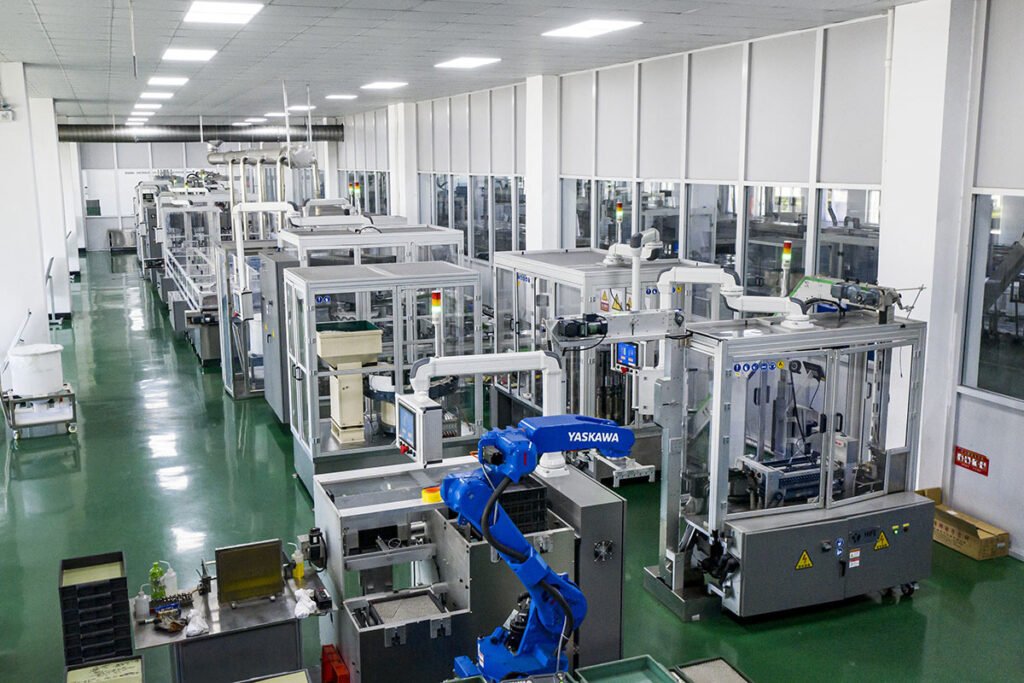
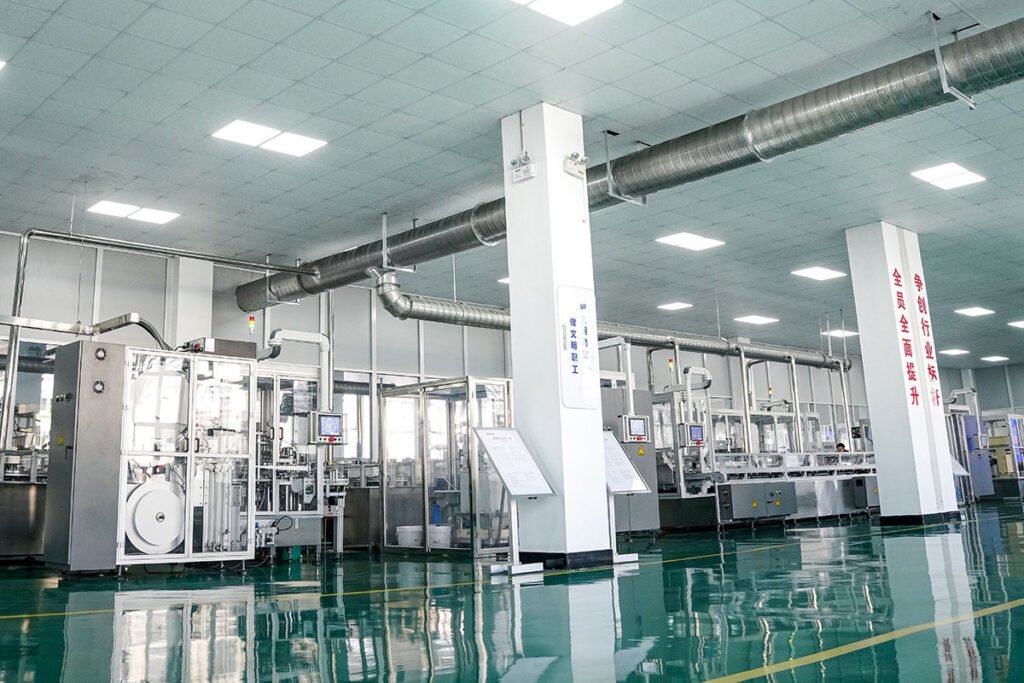
Huatai operates more than 40 production lines and seven component workshops and has developed high-speed alkaline battery production capabilities.
For Paraguay, this broader manufacturing base is useful because importers can develop several battery categories with one experienced supplier rather than managing multiple factories for carbon zinc, alkaline, rechargeable and lithium products.
OEM and Private Label Battery Opportunities in Paraguay
The Paraguayan market can be suitable for private-label battery products, especially for importers with established wholesale or retail channels.
A distributor does not necessarily need to launch every battery technology at once.
A practical private-label portfolio could begin with:
| Product | Commercial positioning |
| Carbon zinc AA/AAA | Economy/value |
| Alkaline AA/AAA | Mainstream |
| Alkaline C/D/9V | Specialty/high-capacity |
| Button lithium | Electronics |
| NiMH rechargeable | Reusable consumer products |
| Lithium primary | Specialty applications |
| LiFePO4 | Solar and energy storage |
Private-label development should include battery performance, packaging, label information, carton design, shelf life, leakage resistance and compliance documentation.
For Paraguay, regulatory compliance should be incorporated into OEM development from the beginning, because the importer will need the appropriate certification and prior import procedures.
What Should Paraguayan Buyers Ask a China Battery Manufacturer?
Before choosing a supplier, Paraguayan importers should ask several practical questions.
Can the factory supply both carbon zinc and alkaline batteries?
This determines whether the supplier can cover different consumer price segments.
Can the factory provide heavy-metal test data?
This is particularly important because Paraguay establishes specific limits for mercury, cadmium and lead.
Can the factory cooperate with Paraguayan certification procedures?
The importer may need product certification and lot certification through an accredited organization as part of the import process.
Can the factory produce private-label batteries?
This is important for distributors building their own brands.
Can the supplier expand into rechargeable and lithium batteries?
This allows the importer to gradually move toward higher-value battery categories.
FAQs About the Paraguay Battery Market
1. Are carbon zinc batteries still suitable for the Paraguay market?
Yes. Carbon zinc batteries remain suitable for low-drain applications such as clocks, remote controls, radios and basic toys. Their lower cost makes them useful for economy-oriented retail and wholesale channels.
2. Should Paraguayan importers choose carbon zinc or alkaline batteries?
The choice depends on the application and target retail price. Carbon zinc is appropriate for lower-drain, price-sensitive applications, while alkaline is generally better suited to higher-drain devices and consumers seeking longer runtime.
3. Does Paraguay require a prior import license for batteries?
Yes. Paraguay’s Ministry of Industry and Commerce operates a specific prior import licensing process for batteries intended for commercial sale. The procedure includes importer registration, product documentation, certification and inspection steps.
4. What are Paraguay’s heavy-metal limits for household batteries?
Law No. 5,882 establishes limits including 0.010% mercury, 0.015% cadmium and 0.200% lead by weight for covered household batteries, with a separate 25 mg mercury limit per element for miniature and button batteries.
5. Does Paraguay require certification for imported carbon zinc and alkaline batteries?
Yes. Paraguay’s battery import framework requires quality certification as part of the prior-import process, with certification performed through accredited product-certification bodies within the applicable scope. The importer should confirm the current product-specific procedure before shipment.
6. Are rechargeable batteries covered by Paraguay’s battery management law?
Law No. 5,882 covers household batteries including rechargeable batteries, as well as appliances containing covered primary and secondary batteries. However, industrial, military and medical applications are excluded from the scope described in the law.
7. Is there a market for lithium and LiFePO4 batteries in Paraguay?
Yes, although this market is different from the traditional disposable battery market. Growing electricity demand, renewable-energy development, solar generation and backup-power requirements can create opportunities for lithium-ion and LiFePO4 applications. Paraguay’s 2026 renewable-energy framework specifically supports non-hydraulic renewable generation such as solar and wind.
8. Can a Chinese battery manufacturer provide private-label batteries for Paraguay?
Yes. A qualified Chinese factory can develop private-label carbon zinc, alkaline, rechargeable and lithium products. For Paraguay, the OEM project should be designed together with the importer so that product specifications, packaging and required certification documents are prepared before mass production.

Conclusion: Paraguay Offers More Than a Low-Cost Battery Market
The Paraguay battery market is relatively small compared with Brazil and Argentina, but it has several characteristics that make it commercially distinctive.
Carbon zinc batteries remain relevant for economical household applications, while alkaline batteries provide a higher-performance mainstream option. Rechargeable and lithium batteries create additional opportunities, and Paraguay’s expanding solar and renewable-energy framework provides a foundation for future demand for lithium and energy-storage products.
At the same time, Paraguay has a relatively clear regulatory framework for household batteries. Prior import licensing, product certification, heavy-metal limits and used-battery management all need to be considered when an importer selects a Chinese supplier.
For Paraguayan distributors, the practical sourcing strategy is therefore to look beyond unit price and evaluate product performance, compliance support, leakage resistance, shelf life, OEM capability and long-term supply stability.
For Huatai Battery, the opportunity in Paraguay extends beyond its historical identity as a major carbon zinc battery producer. With industrial roots reaching back to the 1956 Linyi Battery Factory, Huatai has developed into a comprehensive battery manufacturer covering carbon zinc, alkaline, lithium, rechargeable and new-energy battery products.
For importers looking for a top China battery manufacturer for Paraguay, this broader manufacturing capability provides a foundation for building a product portfolio that can serve today’s household battery market while preparing for tomorrow’s rechargeable, lithium and energy-storage opportunities.