English
 Spanish
 French
 Arabic
 Portuguese
 Russian
 Chinese
Top China Battery Manufacturer for Venezuela
Explore South America Venezuela’s battery market by China Huatai Battery Group, including carbon zinc, alkaline, lithium and rechargeable batteries, import requirements, automotive demand, power backup, energy storage, OEM opportunities and reliable battery supply from China.
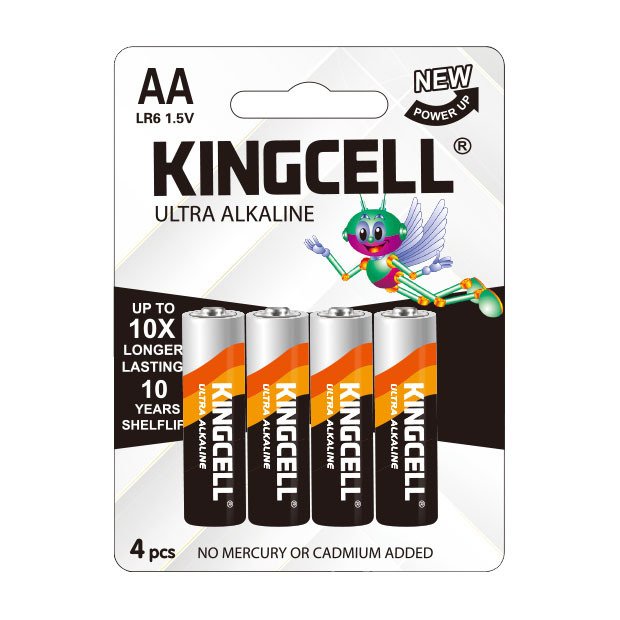
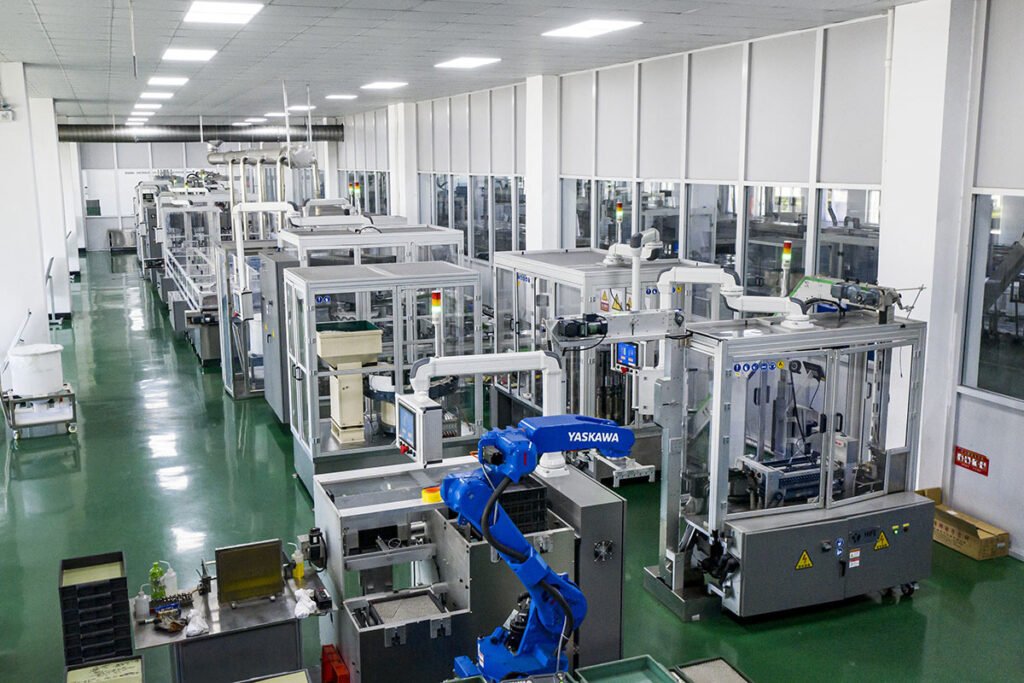
Shandong Linyi Huatai New Energy Battery Co., Ltd. was established in May 1993,but our factory’s history can date back to the establishment of the Linyi Battery Plant in 1956.We are currently one of the leading Eco-friendly & Mercury-free alkaline battery manufacturers and lithium battery manufacturers in China and the world’s largest heavy duty zinc-carbon batteries manufacturer & factory. Our products are produced with HUATAI, Power Flash and KINGCELL brands and customer’s private label, supplied 6 billion annual output by HIBAR high-speed automated production lines, offering OEM solutions for zinc carbon, alkaline, and lithium batteries worldwide.

Venezuela is a distinctive battery market in South America, combining traditional demand for household dry batteries with significant requirements for automotive batteries, backup power, telecommunications, industrial equipment and emerging energy-storage systems. For Chinese battery manufacturers, the market is particularly interesting because unreliable electricity supply has increased the practical importance of batteries and backup-power technologies.
At the consumer level, carbon zinc and alkaline batteries remain relevant for household products, flashlights, toys, remote controls and other portable devices. At the industrial level, rechargeable batteries, lithium batteries, lead-acid batteries and energy-storage systems serve a very different set of applications.
Recent trade data also confirms that Venezuela continues to import batteries from multiple regional and international suppliers. World Bank WITS data shows that China exported about US$45,000 of primary cells and primary batteries under HS 850619 to Venezuela in 2024, while China was also the second-largest exporter of lead-acid automotive accumulators to Venezuela in 2024, with exports valued at approximately US$7.62 million.
For companies searching for a top China battery manufacturer for Venezuela, the most important considerations are therefore not simply factory price. Product quality, technical documentation, logistics, payment compliance, after-sales support and the ability to supply different battery technologies all matter.
Understanding the Venezuela Battery Market
Venezuela’s battery market can be divided into several major segments.
| Market Segment | Main Battery Types | Typical Applications |
| Household & retail | Carbon zinc, alkaline, button | Remote controls, clocks, toys, flashlights |
| Commercial | Alkaline, lithium, rechargeable | Security systems, electronics, communications |
| Automotive | Lead-acid, lithium | Cars, motorcycles, commercial vehicles |
| Industrial | Lead-acid, lithium, rechargeable | Equipment, communications, backup systems |
| Telecom & backup power | Lead-acid, Li-ion, LiFePO4 | Telecom, UPS, emergency power |
| Solar & energy storage | LiFePO4, lithium-ion, lead-acid | Residential, commercial and off-grid systems |
This diversity means that Venezuela should not be approached as a single-chemistry battery market.
A household distributor may need inexpensive AA and AAA carbon zinc batteries, while an automotive distributor may be looking for lead-acid batteries and an energy company may require LiFePO4 storage systems.
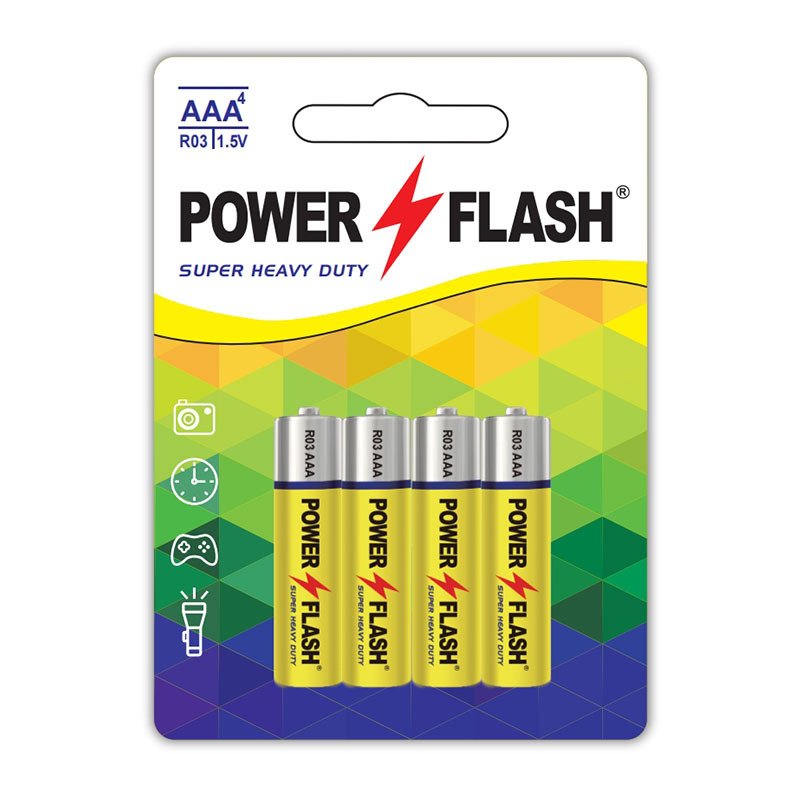
Carbon Zinc Batteries Remain Relevant in Venezuela
Carbon zinc batteries continue to have a place in price-sensitive consumer applications.
Typical sizes include:
- R03 / AAA
- R6 / AA
- R14 / C
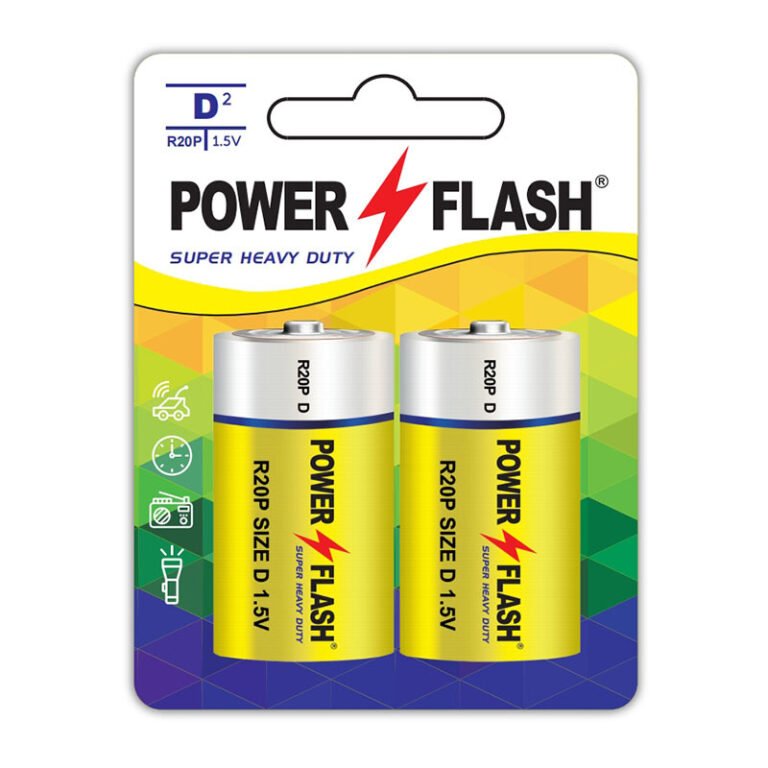
- R20 / D
- 6F22 / 9V
These batteries are suitable for relatively low-drain devices such as clocks, remote controls, basic toys and some flashlights.
For Venezuelan distributors, carbon zinc can provide an economical entry-level product, particularly where consumers prioritize purchase price over maximum operating time.
A manufacturer should nevertheless maintain consistent specifications for:
- Zinc-can dimensions
- Zinc purity
- Manganese dioxide quality
- Carbon-rod dimensions
- Electrolyte formulation
- Separator paper
- Sealing system
- Internal resistance
- Discharge performance
- Leakage resistance
A low unit price does not compensate for poor leakage performance or inconsistent capacity if the batteries damage customer equipment or generate retailer complaints.
Carbon Zinc vs. Alkaline Batteries for Venezuela
Carbon zinc and alkaline batteries should serve different market positions.
| Factor | Carbon Zinc | Alkaline |
| Purchase price | Lower | Higher |
| Capacity | Lower | Higher |
| Low-drain devices | Strong fit | Strong fit |
| Medium/high-drain devices | More limited | Better fit |
| Retail positioning | Economy/value | Mainstream/premium |
| OEM opportunity | Strong | Very strong |
| Common sizes | AA, AAA, C, D, 9V | AA, AAA, C, D, 9V |
For a Venezuelan importer, carrying both chemistries can be more practical than depending entirely on one product.
A private-label brand, for example, can offer carbon zinc AA/AAA as its economy range and alkaline AA/AAA as its higher-performance range.
Venezuela’s Import Environment Requires Careful Preparation
Battery exporters should verify Venezuelan import requirements before production.
The country’s customs and technical-regulation framework involves authorities including SENIAT and SENCAMER, while applicable COVENIN standards and technical regulations may affect particular products.
For an importer, the basic process should include:
- Confirm the correct tariff classification.
- Check the current customs treatment.
- Determine whether a technical regulation applies.
- Confirm whether conformity documentation is required.
- Verify labeling requirements.
- Prepare commercial invoice and packing list.
- Prepare certificate of origin where required.
- Prepare transport and dangerous-goods documentation for applicable lithium batteries.
- Confirm the customs procedure with a qualified Venezuelan customs broker.
SENCAMER’s technical-regulation system specifically requires users to identify the applicable tariff code and allows consultation of technical requirements for imported products.
The key point is that battery compliance should be checked according to the exact product and application, rather than assuming that every battery follows the same procedure.
Payment and Sanctions Compliance Should Be Part of Supplier Screening
Venezuela requires a more careful commercial-risk assessment than many South American markets.
This does not mean that every Venezuelan battery transaction is prohibited. It means that exporters should screen the customer, banks, payment route, end use, shipping parties and applicable sanctions requirements before accepting an order.
Recent reporting on Venezuela’s energy-sector projects illustrates why payment risk remains a major commercial issue. Reuters reported in May 2026 that international energy suppliers were concerned about payment guarantees and unresolved financial obligations when considering work on Venezuela’s power infrastructure.
For battery exporters, a practical internal rule is:
No compliant payment structure, no shipment. No verified customer, no order. No acceptable logistics route, no delivery.
Payment arrangements should be reviewed against applicable sanctions and banking rules. Exporters should not use hidden end users, misleading invoices or payment structures designed to circumvent restrictions.
This is particularly important for larger battery orders involving government-linked entities, state-owned companies or sensitive industrial applications.
Automotive Batteries Represent a Significant Commercial Segment
Venezuela has a substantial need for automotive batteries, and available trade data shows that this segment is materially larger than the country’s trade in small primary cells.
According to World Bank WITS data, Venezuela imported approximately US$7.62 million worth of lead-acid automotive accumulators from China in 2024, compared with about US$14.02 million from Colombia. Peru and Brazil were also significant suppliers.
This illustrates an important feature of the Venezuelan market: regional supply chains remain highly relevant.
For Chinese suppliers, automotive battery opportunities need to be evaluated differently from consumer dry batteries because weight, freight cost, warranty requirements, vehicle compatibility and after-sales service have a much greater effect on commercial performance.
Backup Power Is Becoming More Important
Electricity reliability is one of the most important factors shaping Venezuela’s battery demand.
Reuters reported in May 2026 that less than 40% of Venezuela’s approximately 36,000 MW generation capacity was available at that time, while frequent outages were affecting households and industry. The report said some residents experienced power cuts lasting up to 10 hours a day.
By August 2026, Reuters reported continuing electricity and water shortages amid concerns about drought and El Niño, with hydropower particularly exposed to water availability.
These conditions create practical applications for:
- UPS batteries
- Telecom backup batteries
- Home backup systems
- Solar-plus-storage systems
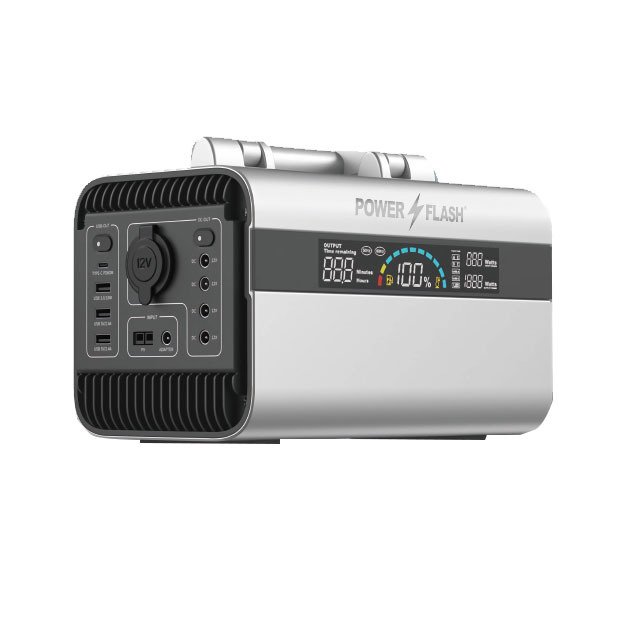
- Portable power stations
- Commercial backup systems
- Industrial emergency power
The market opportunity is therefore not only about selling batteries as components. It can also involve supplying complete backup-power solutions.
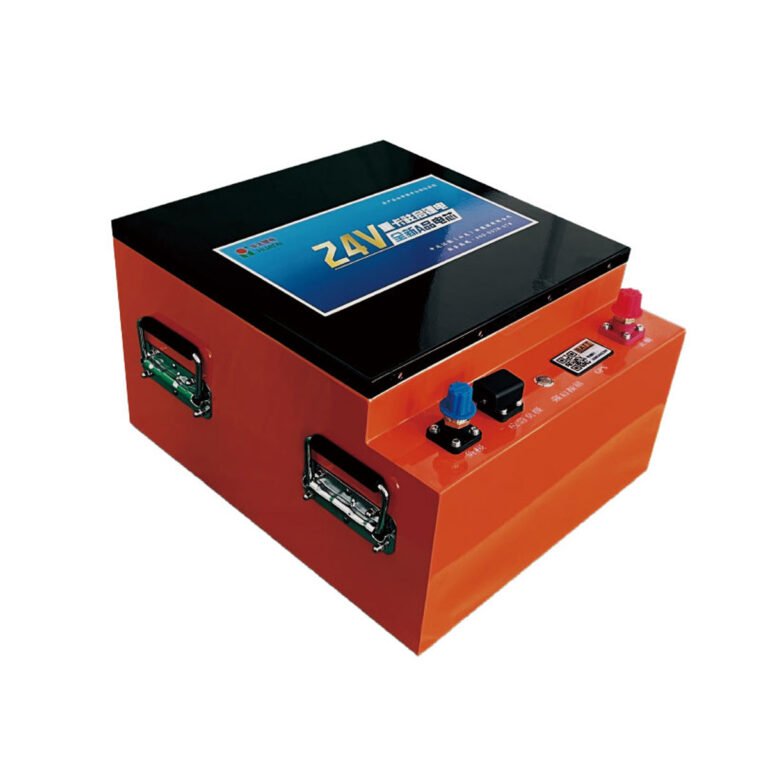
Lithium and LiFePO4 Batteries Have Growing Potential
Lithium batteries serve a different market from AA and AAA dry cells.
Potential applications in Venezuela include:
- Solar energy storage
- UPS systems
- Telecom backup
- Portable power stations
- Electric mobility
- Industrial equipment
- Remote monitoring
- Off-grid power systems
LiFePO4 is particularly relevant for stationary storage because buyers often value long cycle life, thermal stability and predictable performance.
A professional supplier should provide detailed specifications covering:
- Nominal voltage
- Capacity
- Usable energy
- Cycle life
- BMS
- Operating temperature
- Protection functions
- Communication interfaces
- Installation requirements
- Warranty
For lithium products, transportation documentation and applicable dangerous-goods requirements must also be considered before shipment.
Solar and Energy Storage Can Address Specific Local Needs
Venezuela’s electricity problems have made distributed energy solutions commercially relevant.
A 2026 market study estimates that Venezuela’s battery energy-storage market could expand through 2032, covering lithium-ion, lead-acid and other technologies across residential, commercial and utility applications.
Market forecasts should be treated as estimates rather than official statistics, but the underlying application logic is clear: where grid reliability is weak, batteries can provide value by maintaining critical loads.
For Chinese manufacturers, possible applications include:
| Application | Recommended Technology |
| Remote household backup | LiFePO4 |
| Small business backup | LiFePO4 / lithium-ion |
| Telecom | LiFePO4 / lead-acid |
| UPS | Lead-acid / LiFePO4 |
| Solar storage | LiFePO4 |
| Portable power | Lithium-ion / LiFePO4 |
| Industrial backup | LiFePO4 / lead-acid |
| Electric mobility | Lithium-ion / LiFePO4 |
The right technology depends on load profile, budget, required backup duration and installation environment.

Venezuela’s Geography Creates Regional Market Opportunities
Venezuela is not a uniform market.
Demand characteristics differ between Caracas, Maracaibo, Valencia, Barquisimeto and more remote regions.
Maracaibo, for example, has experienced severe electricity constraints and high temperatures, creating particular interest in reliable backup systems. Reuters has reported prolonged rationing and electricity-related disruptions in the city.
Remote oil, mining, telecommunications and industrial sites can have different requirements again.
This means distributors should avoid creating one universal battery portfolio for every customer.
A professional Chinese supplier can instead develop different product packages for:
- Household retail
- Automotive distributors
- Solar installers
- Telecom operators
- Industrial users
- Mining and oil-related applications
- Commercial backup-power providers
Long Shelf Life and Leakage Resistance Matter for Dry Batteries
For imported disposable batteries, Venezuela’s long-distance supply chain makes product stability particularly important.
A professional manufacturer should control:
- Electrolyte formulation
- Zinc-can thickness
- Carbon-rod quality
- Positive-electrode mixture
- Separator paper
- Sealing adhesive
- Compression structure
- Label material
- Finished-battery inspection
For example, high-quality resin sealing can provide stronger sealing performance than low-cost asphalt-based adhesive systems.
Double-sealing construction is also valuable for reducing leakage risk during storage and use.
For private-label batteries, these manufacturing details matter because the importer—not the factory—is usually the first party facing retail complaints.
What Battery Products Have the Best Commercial Fit in Venezuela?
A diversified portfolio can address different customer segments.
| Product | Market Position | Main Applications |
| Carbon zinc AA/AAA | Economy | Remote controls, clocks, toys |
| Carbon zinc C/D/9V | Economy/specialized | Flashlights, household equipment |
| Alkaline AA/AAA | Mainstream | Electronics, toys, household devices |
| Alkaline C/D/9V | Higher performance | Flashlights, professional equipment |
| Button batteries | Specialized | Watches, electronics |
| NiMH rechargeable | Consumer rechargeable | Cameras, toys, electronics |
| Lead-acid | Automotive/backup | Cars, UPS, telecom |
| Li-ion | Higher-value segment | Portable power, mobility |
| LiFePO4 | Energy storage | Solar, UPS, backup |
| Battery packs | Industrial | Telecom, equipment, energy systems |
The important commercial point is that Venezuela has multiple battery markets operating simultaneously.
A consumer-goods importer may focus on carbon zinc and alkaline batteries, while a solar distributor may have little interest in disposable batteries and instead require LiFePO4 storage systems.

OEM and Private Label Battery Opportunities in Venezuela
Private-label programs can be useful for Venezuelan distributors that already have established retail channels.
A Chinese manufacturer can potentially customize:
- Brand logo
- Battery label
- Spanish-language packaging
- Blister cards
- Retail cartons
- Master cartons
- Battery specifications
- Product grades
- Mixed-container portfolios
For consumer batteries, Spanish-language packaging should be prepared according to the importer’s local compliance requirements.
A distributor could build a three-level portfolio:
Economy carbon zinc → Standard alkaline → Premium alkaline/rechargeable
For energy products, a separate brand family could cover:
LiFePO4 battery → Solar storage system → Portable power station
This allows the importer to serve both traditional retail and the growing backup-power segment.
Why Huatai Battery Is More Than a Carbon Zinc Battery Manufacturer
For Venezuelan buyers searching for a top China battery manufacturer, Huatai Battery’s historical strength in carbon zinc batteries provides a foundation, but its current manufacturing capabilities extend well beyond traditional dry cells.
Huatai’s industrial roots can be traced to Linyi Battery Factory, established in 1956. The modern company was established in 1993 and has developed into a comprehensive battery manufacturer.
Today, Huatai Battery covers:
- Carbon zinc batteries
- Alkaline batteries
- Button batteries
- Lithium batteries
- LiFePO4 batteries
- NiMH rechargeable batteries
- Sodium-ion batteries
- Solar batteries
- Energy-storage batteries
- Portable power solutions
- OEM and private-label manufacturing
The company operates more than 40 production lines and multiple component workshops, enabling it to serve both traditional consumer battery markets and newer rechargeable and energy-storage applications.
This broader product range is particularly relevant to Venezuela because demand extends from low-cost AA/AAA batteries to automotive, backup-power and lithium-storage applications.
What Should Venezuelan Importers Look for in a China Battery Supplier?
Supplier selection should consider both technical and commercial risk.
| Evaluation Factor | What Buyers Should Check |
| Product range | Carbon zinc, alkaline, rechargeable and lithium |
| Quality control | Capacity, leakage, voltage and consistency |
| Documentation | Test reports and product specifications |
| OEM capability | Spanish packaging and private-label support |
| Export experience | Latin American shipping experience |
| Lithium capability | Safety and transportation documentation |
| Logistics | FOB/CIF options and realistic transit planning |
| Payment compliance | Customer, bank and transaction screening |
| After-sales | Batch traceability and complaint handling |
| Technical support | Application-based battery recommendations |
For Venezuela, payment and compliance screening deserves the same attention as product quality.
An apparently profitable order can become commercially problematic if the buyer, bank, end user or transaction structure creates sanctions or payment issues.

FAQs About Buying Batteries from China for Venezuela
1. Are carbon zinc batteries still suitable for Venezuela?
Yes. Carbon zinc batteries remain suitable for low-drain applications such as clocks, remote controls, toys and basic flashlights. Their lower purchase price can make them attractive in value-oriented retail channels.
2. What battery sizes are commonly useful in Venezuela?
AA and AAA are important consumer sizes, while C, D and 9V batteries serve flashlights, toys and other equipment. Button batteries address specialized electronic applications.
3. Is alkaline battery demand different from carbon zinc demand?
Yes. Alkaline batteries generally provide higher capacity and better performance under heavier loads, while carbon zinc batteries are more appropriate where low cost and low-drain operation are the priority.
4. Is there demand for lithium batteries in Venezuela?
Yes. Lithium batteries can serve solar storage, backup power, portable power, telecommunications, industrial equipment and electric mobility. The strongest applications should be evaluated according to local power reliability and customer requirements.
5. Why is backup power an important battery application in Venezuela?
Electricity reliability has been a significant issue. Reuters reported in 2026 that available generation capacity remained substantially below Venezuela’s installed capacity and that prolonged outages were affecting households and industry.
6. Can Chinese battery manufacturers provide private-label batteries for Venezuela?
Yes. OEM/private-label programs can include battery specifications, logos, Spanish-language packaging, blister cards, cartons and different product grades.
7. What should exporters check before accepting a Venezuelan battery order?
They should verify the customer, end use, applicable import requirements, payment route, banks, shipping parties and relevant sanctions or export-control requirements. Compliance should be completed before shipment rather than after the goods have been dispatched.
8. Can one China battery manufacturer supply both disposable and rechargeable batteries?
A comprehensive manufacturer can offer carbon zinc, alkaline, NiMH, lithium and LiFePO4 products under one supply relationship. This can help Venezuelan distributors expand from traditional dry batteries into backup power and energy storage.

Conclusion: Venezuela’s Battery Market Combines Consumer Demand with Backup-Power Needs
Venezuela’s battery market is more diversified than a simple household dry-battery market.
Carbon zinc batteries remain relevant for economical low-drain applications, while alkaline batteries provide a stronger mainstream option. Rechargeable batteries, lead-acid batteries, lithium-ion and LiFePO4 technologies serve automotive, telecommunications, backup-power, solar and industrial applications.
The country’s electricity situation makes energy storage particularly important. In 2026, international reporting continued to identify severe constraints in Venezuela’s power system, while efforts to rehabilitate generation and transmission infrastructure were underway.
Trade data also shows that China already participates in Venezuela’s battery supply chain, including primary cells and automotive lead-acid batteries supplied by Shandong Huatai Battery Group.
For importers, however, the Venezuela opportunity has to be approached with disciplined supply-chain management. Product compliance, customer verification, payment compliance, logistics, technical documentation and after-sales support should all be evaluated before an order is confirmed.
For a Venezuelan distributor searching for a top China battery manufacturer,such as Shandong Linyi Huatai New Energy Battery Co., Ltd., a supplier capable of covering carbon zinc + alkaline + rechargeable + lithium + LiFePO4 + energy storage can provide a broader platform for serving both traditional consumer demand and Venezuela’s evolving backup-power market.