2026 年全球电池采购快讯:驾驭原材料激增、人民币升值和政策转变

As Zinc and Lithium prices surge in 2026, Linyi Huatai Battery provides expert guidance on navigating RMB appreciation and new export tax policies for 碱性电池,碳锌电池锂电池.

As of February 2026, the global energy sector is facing a “Perfect Storm.” For procurement managers sourcing Alkaline AA batteries, Super Heavy Duty Carbon Zinc batteries, or high-performance Lithium battery packs, the market landscape has shifted dramatically.

Shandong Huatai New Energy Battery Co., Ltd. (Linyi Huatai Battery), a leader in the industrial power sector, provides this strategic briefing to help global partners understand the cost drivers and optimize their 2026 procurement ROI.

山东华太新能源电池有限公司.
山东华太新能源电池有限公司.

I. Market Reality: The Triple Pressure on Battery Costs

1. Raw Material Surge: Zinc and Lithium Prices

The core components of both primary and secondary batteries are experiencing significant volatility.

Zinc Ingots (for Carbon Zinc & Alkaline): Due to global supply chain tightening and energy costs in smelting, the price of Zinc ingots has seen a persistent upward trend. As of late February 2026, LME Zinc is hovering near $3,200 – $3,400 per ton, a 15% increase compared to Q4 2025.

Lithium Carbonate (for Li-ion Batteries): The demand for Solar Energy Storage Lithium batteries 和 EV Power batteries continues to outpace supply. Battery-grade Lithium Carbonate is currently stabilizing at higher plateaus, impacting the manufacturing costs of Lithium Button Cells (CR2032) 和 UAV (Drone) Lithium batteries.

2. RMB Appreciation & Exchange Rate Sensitivity

The RMB has shown continued strength against the USD in early 2026. For a factory like Linyi Huatai Battery, which operates on thin margins for high-volume Alkaline 9V batteries 和 23A/27A high voltage cells, the 3-5% appreciation of the RMB means the effective export price must rise just to maintain break-even points.

3. New Export Tax Rebate Policies

The Chinese government’s new export tax rebate adjustments for battery products are set to take effect shortly. This policy shift effectively increases the “hidden cost” for exporters, making the previous low-price models for Carbon zinc R6P/R03 batteries unsustainable.

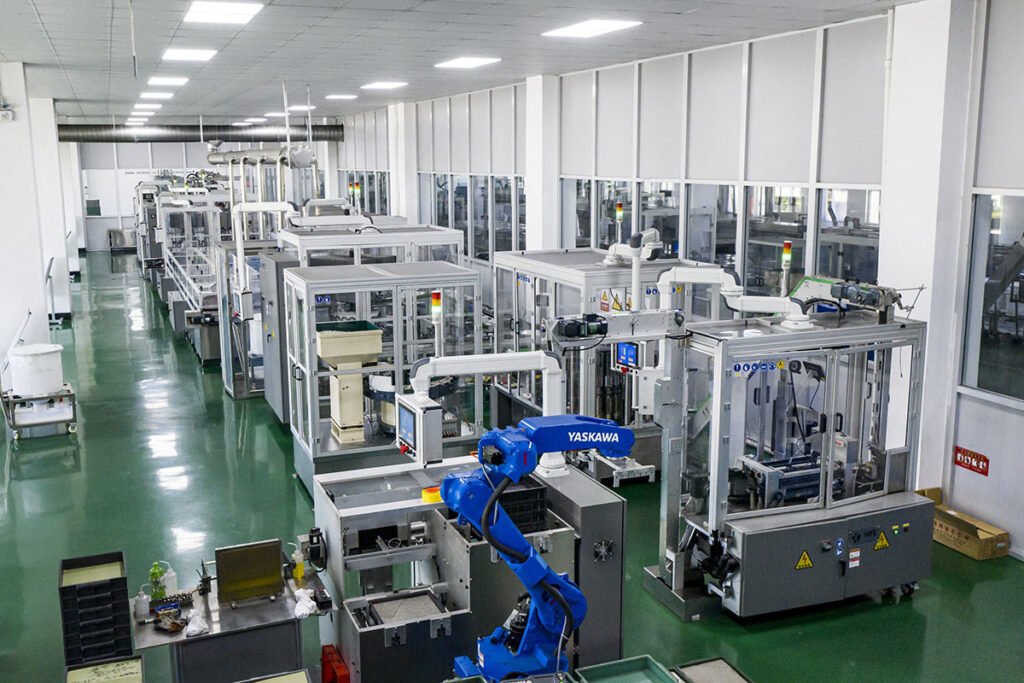
华太电池加拿大 HIBAR 自动化生产线

II. Buyer’s Guide: Strategic Recommendations for 2026

Faced with these uncertainties, Linyi Huatai Battery offers the following guidance for international distributors and OEM partners:

1. Shorten the Quotation-to-Order Cycle

Due to the rapid fluctuations in raw materials, the validity period for quotes has been reduced from the traditional 30 days to 7–10 days. We recommend buyers finalize decisions quickly once a quote is issued to lock in the current material rates.

2. Implement “Forward Sourcing” and Buffer Stocking

To mitigate the risk of further price hikes in mid-2026, consider increasing order volumes now. Stocking up on essential items like Alkaline LR6/LR03 batteries 或 Automotive Start-Stop Lithium batteries at current rates is a proven hedge against the anticipated 10-15% price surge in the second half of the year.

3. Transition to High-Efficiency Smart Lines

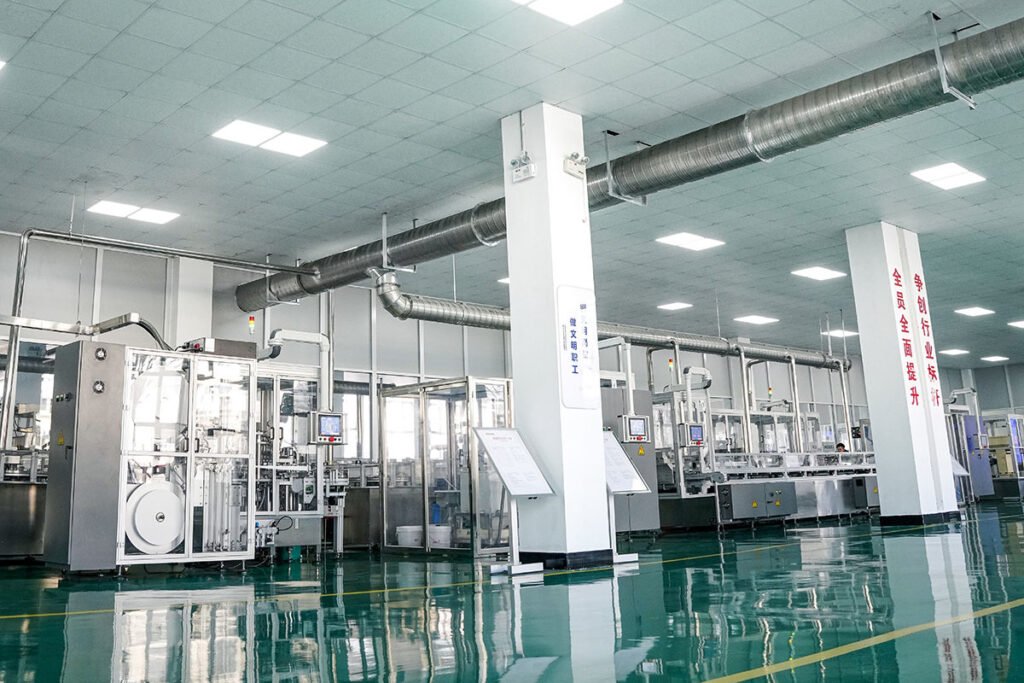
Huatai’s investment in Canadian Hibar high-speed production lines has allowed us to maximize material utilization. By choosing products from a smart factory, you are buying into a more efficient cost structure that minimizes the “waste” typically passed on to the customer by less-automated factories.

华泰电池自动化生产线
华泰电池自动化生产线

❓ Frequently Asked Questions (FAQ)

Q1: Why is the price of Zinc affecting my Carbon Zinc battery orders so heavily? 

A: In a Super Heavy Duty Carbon Zinc battery, the zinc can acts as both the container and the negative electrode. It accounts for a significant portion of the material weight, making the final product price highly sensitive to LME Zinc ingot fluctuations.

Q2: Will Lithium battery prices drop if EV demand slows down? 

A: While EV demand is a factor, the massive growth in Solar Storage Lithium batteries 和 Electric Bike Lithium batteries has created a new demand floor. We do not anticipate a significant price drop in 2026.

Q3: How can Linyi Huatai battery source factory help mitigate the impact of the new Export Tax Rebate policy?

A: We are optimizing our internal logistics and vertical integration (producing our own steel shells and zinc cans). This allows us to absorb a portion of the tax impact, ensuring that the price increase passed to the customer is kept to a minimum.

Q4:Why are Zinc prices impacting Carbon Zinc and Alkaline battery orders so heavily in 2026?

A:Super Heavy Duty Carbon Zinc batteries (like R6P and R03), the zinc can serves a dual role: it is both the outer container and the negative electrode. Because zinc accounts for a substantial portion of the battery’s total weight, fluctuations in LME Zinc ingots—currently hovering near $3,200 – $3,400 per ton—directly dictate the manufacturing cost. Huatai mitigates this by self-supplying zinc cans, capturing the value chain and shielding partners from the full brunt of market volatility.

Q5:How does the current Lithium price surge affect the “Secondary” battery market?

A:While EV demand is often cited, the surge is now driven by Solar Energy StorageUAV (Drone) lithium batteries. As of February 2026, battery-grade Lithium Carbonate has established a new demand floor. This means high-performance packs and Lithium Button Cells (CR series) will maintain a higher price plateau. We recommend implementing “Forward Sourcing” to lock in current rates before anticipated hikes in late 2026.

Q6:What is the “HIBAR Advantage” in a rising cost environment?

A:When raw material costs rise, manufacturing efficiency becomes the only lever for stability. Huatai utilizes world-class Canadian HIBAR high-speed lines that operate at 800 pcs/min. These ultra-precision lines minimize material waste and energy consumption. By sourcing from our smart factory in Linyi, you are accessing a cost structure that is significantly more resilient than traditional, less-automated facilities.

Q7:How should buyers navigate RMB appreciation and the new Export Tax Rebate policies?

A:The 3-5% appreciation of the RMB and the reduction in export tax rebates have effectively increased the “hidden costs” of Chinese exports. Huatai recommends shortening the Quotation-to-Order Cycle to 7–10 days. Furthermore, our strategic proximity to Qingdao Port (less than 150 miles away) allows us to optimize logistics and container loading, helping to offset the tax impact through reduced landed costs.

Q8:Why is “Vertical Integration” critical for procurement ROI in 2026?

A:华泰经营 seven specialized component facilities, producing our own steel shells and zinc cans. This “control at the source” allows us to absorb a portion of the raw material and policy-driven cost increases. Rather than simply passing on 100% of the market surge to the client, our vertical integration enables us to offer a “Quality Insurance” policy—guaranteeing 10-year shelf life and industry-leading performance even during market shifts.

Strategic Partnership for Supply Chain Resilience

Stability Through Technology and Transparency

In 2026, the global market has shifted from seeking the “cheapest” cell to finding the most stable strategic partner. 山东华泰新能源电池有限公司. (est. 1993/1956) combines an annual output of 3.6 billion pieces with rigorous ISO9001, ISO14001, and BSCI certifications. Whether you are an OEM partner for Alkaline LR6/LR03 or a distributor of High-Voltage 23A/27A cells, our “Customer First” philosophy ensures that your supply chain remains robust despite global economic headwinds.

�� Conclusion: Partnering for Stability

The current market is no longer about finding the “cheapest” cell, but about finding the most stable partner. 山东华泰新能源电池有限公司. remains committed to transparency. By leveraging our Hibar automation and 31 years of export expertise in Linyi, Shandong, we ensure that even in a rising market, your supply chain remains resilient.

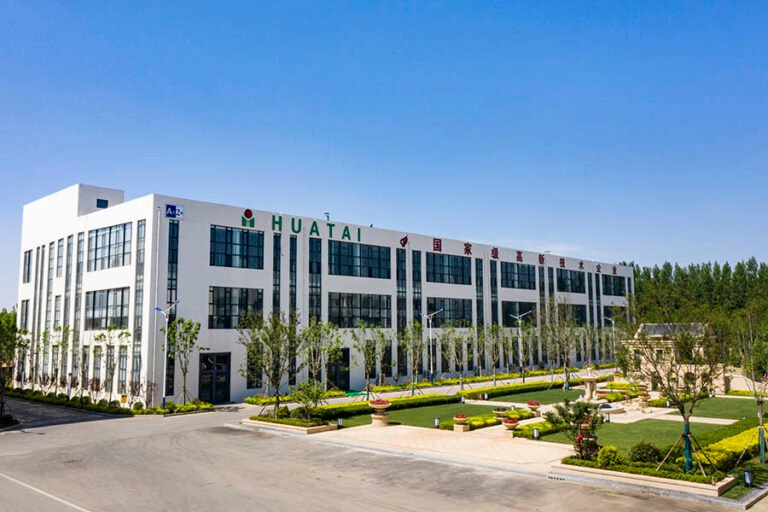
华泰电池研发中心
华泰电池研发中心

相关

发表回复

您的邮箱地址不会被公开。 必填项已用 * 标注