Chinese
 English
 Spanish
 French
 Arabic
 Portuguese
 Russian
伊朗首选的中国电池制造商
探索 中东伊朗的电池市场 由 中国华泰电池集团, ,包括碳锌电池、碱性电池、锂电池和可充电电池、太阳能储能、电动汽车、中伊电池贸易、进口机遇及合规考量。.
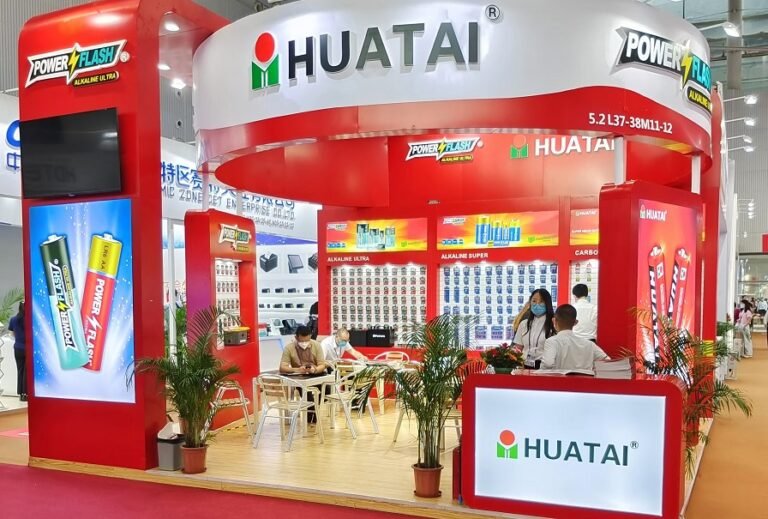
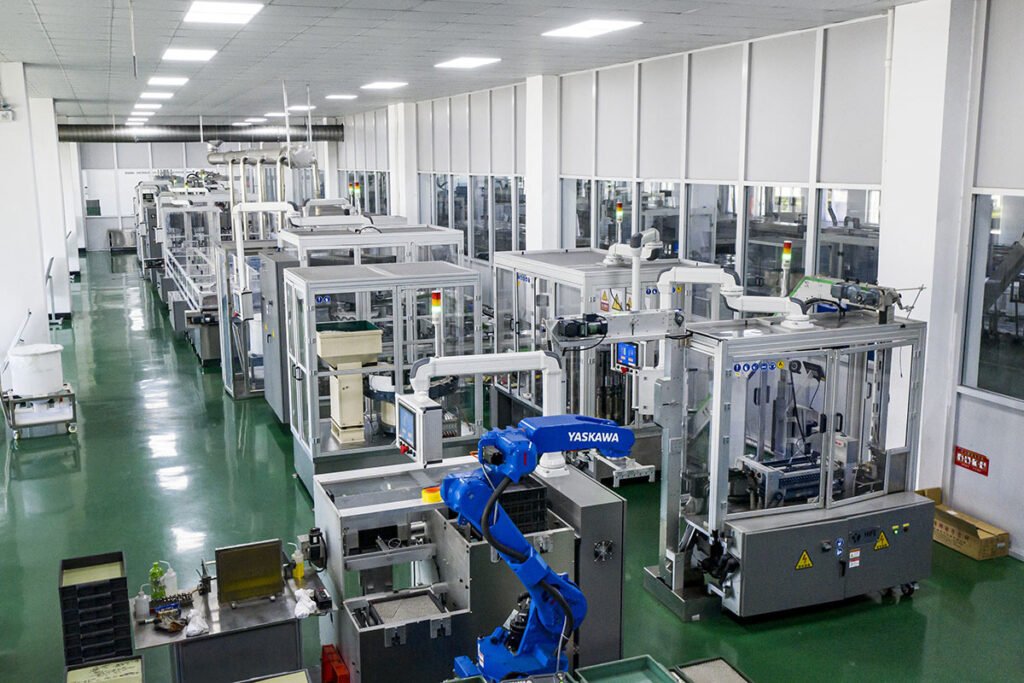
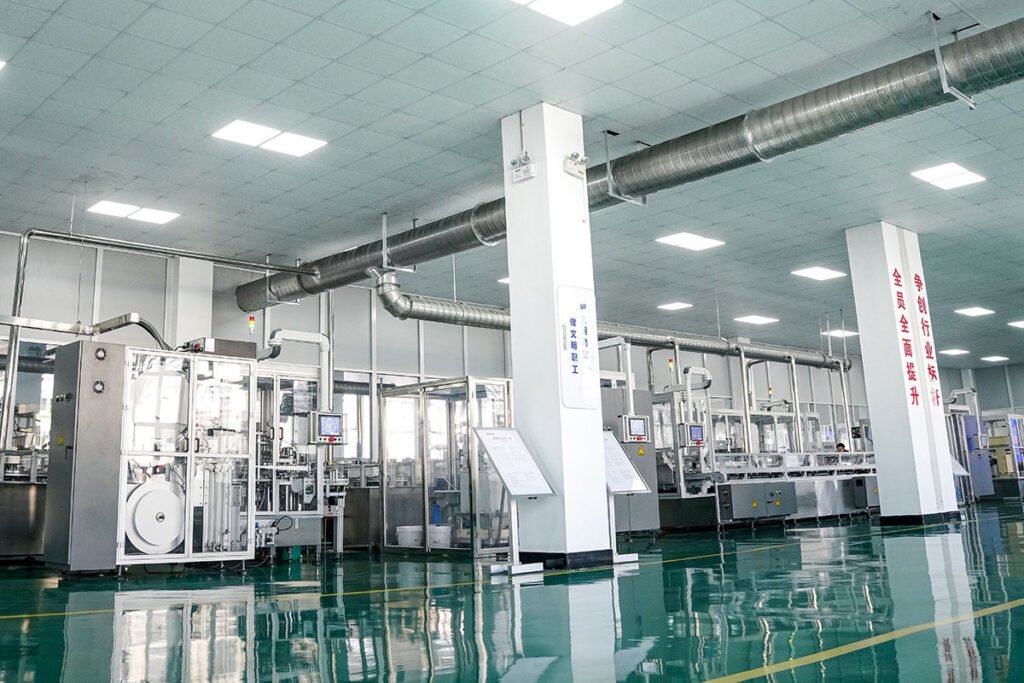
山东临沂华太新能源电池有限公司. 公司成立于 1993 年 5 月,但我们工厂的历史可以追溯到 1956 年临沂电池厂的成立。 领先的环保型及 无汞碱性电池制造商 和 锂电池制造商 在中国和 全球最大的重型锌碳电池制造商和工厂.我们的产品采用 HUATAI, Power Flash 和 KINGCELL 品牌和客户的自有品牌,年产量达 60 亿个。 依托加拿大海霸(HIBAR)高速自动化生产线, OEM干式一次电池制造解决方案 碳锌、碱性和锂电池。.

伊朗 是该地区最具特色之一的电池市场之一 中东. 传统家用电池、工业设备、电信系统、电子产品、车辆、备用电源以及可再生能源应用领域均存在市场需求。与此同时,伊朗的电池供应链深受进口限制、金融制裁、物流制约以及该国对许多制成品日益依赖中国等因素的影响。.
对于一个 中国电池制造商, 因此,不能用评估沙特阿拉伯、阿联酋或其他海湾市场的方式来评估伊朗。市场机遇确实存在,但必须结合客户核实、产品分类、最终用途、付款安排、运输路线以及适用的制裁和出口管制要求,综合评估其商业可行性。.
最近的贸易数据还显示, 中国供应商 在中国已占据伊朗一次电池市场的重要地位。2024年,中国向伊朗出口了约US$203,000的HS 850619类一次电池,根据贸易数据统计,这相当于328万多只。 涵盖2025年的市场调研还指出,就数量而言,中国仍是伊朗最大的原电池和蓄电池供应商。.
了解伊朗电池市场
伊朗的电池市场可分为几个不同的细分市场:
- 碳锌电池
- 碱性电池
- 锂原电池
- 钮扣电池
- 充电电池
- 汽车和工业用电池
- 锂离子电池
- 太阳能储能电池
- 备用电源电池
- 电动出行用电池
传统原电池之所以依然具有重要意义,是因为它们价格低廉、便于分销,且适用于许多日常用品。.
与此同时,伊朗的电力系统和可再生能源发展也催生了电池需求的另一来源。光伏储能系统、不间断电源(UPS)设备、电信备用电源以及分布式供电解决方案,都可能需要使用可充电电池。.
| 电池板块 | 伊朗的典型应用 | 主要商业特征 |
| 碳锌 | 时钟、收音机、手电筒、遥控器 | 注重成本、大批量 |
| 碱性 | 玩具、电子产品、家用电器 | 性能优于碳锌 |
| 一次锂电池 | 仪表、传感器、电子设备、工业设备 | 保质期长且能量密度高 |
| 纽扣电池 | 手表、医疗/电子设备、小型设备 | 小批量但高附加值的应用 |
| 镍氢(Ni-MH)可充电电池 | 消费级和专业级设备 | 可重复使用且成熟的技术 |
| 锂离子 / 磷酸铁锂 | 太阳能储能、不间断电源(UPS)、移动电源、工业系统 | 日益增长的战略重要性 |
| 大型电池系统 | 太阳能、备用电源和工业储能 | 基于项目的采购 |
这种细分非常重要,因为采购AA和AAA电池的伊朗分销商,其需求与采购锂电池组的工业客户截然不同。.
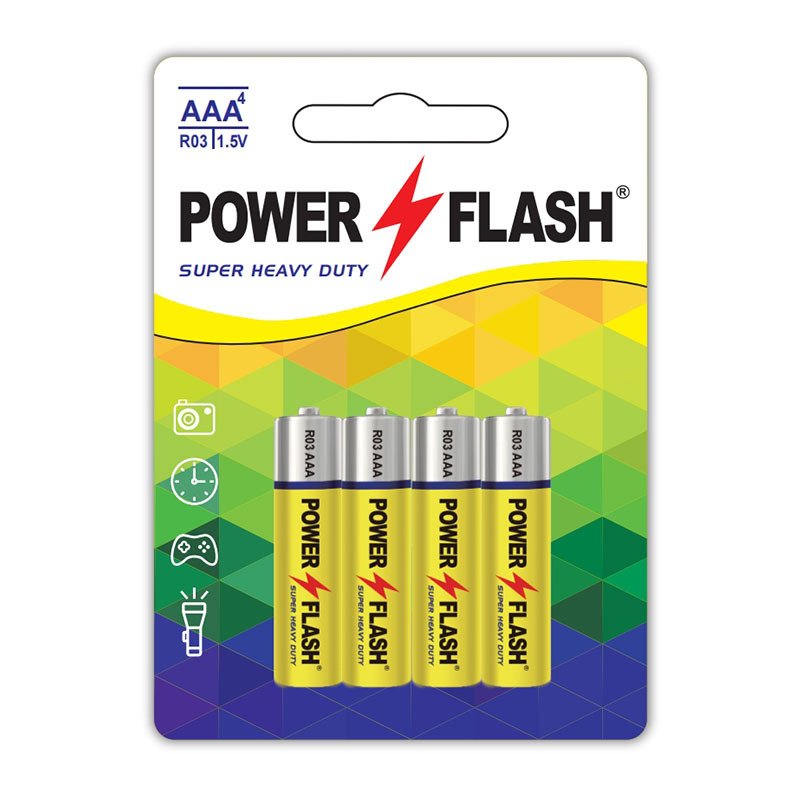
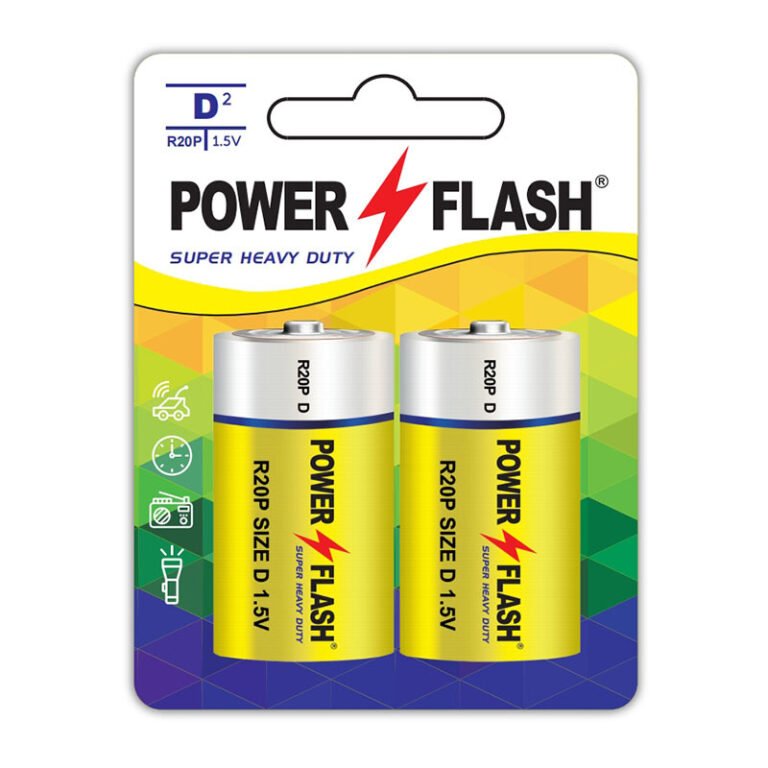
碳锌电池在伊朗依然具有重要意义
在价格是主要购买因素的市场中,碳锌电池仍然占据一席之地。.
典型的应用包括
- 挂钟
- 遥控器
- 手电筒
- 收音机
- 玩具
- 简单的电子产品
- 低耗能家用设备
- 促销及机构类产品
对于伊朗的分销商而言,在无需高放电性能的情况下,碳锌电池可以作为碱性电池的一种经济实惠的替代品。.
然而,低价并不意味着可以忽视质量。.
一家瞄准伊朗市场的中国碳锌电池制造商应注意以下几点:
- 抗渗漏性
- 镀锌罐质量
- 碳纤维杆的一致性
- 放电性能
- 保质期
- 密封质量
- 标签和包装质量
- 重金属控制
- 批次一致性
- 长期存储性能
对于进口商而言,因电池渗漏引发的投诉所造成的成本,可能远高于廉价电池与设计合理的电池之间的差价。.
伊朗市场的碳锌电池与碱性电池对比
伊朗客户应根据具体应用场景选择电池化学体系,而不是仅仅选择单价最低的产品。.
| 要求 | 碳锌 | 碱性 |
| 购买价格 | 较低 | 更高 |
| 能量密度 | 较低 | 更高 |
| 低漏器件 | 非常合适 | 合适 |
| 高漏极电流器件 | 有限公司 | 更合适 |
| 典型应用 | 时钟、收音机、手电筒 | 电子产品、玩具、设备 |
| OEM潜力 | 高 | 高 |
| 主要优势 | 成本效益 | 性能与更长的运行时间 |
对于经营低价家用产品的分销商而言,碳锌电池仍具吸引力。.
对于电子设备、玩具、无线配件以及功耗较高的设备,通常更适合使用碱性AA和AAA电池。.
中国已经是伊朗重要的电池供应伙伴
中国对伊朗电池供应链的重要性绝非纸上谈兵。.
世界银行WITS数据显示,2024年中国出口了约 US$203,000 和 329 万单位 向伊朗出口的归类于HS 850619项下的原电池和蓄电池。土耳其的出口额略高,但中国报告的出口数量则大得多。.
在中国在电池零部件领域的地位方面,这一作用更为显著。2022年,伊朗进口了约 US$4870万 属于HS 850690项下的原电池及原电池组件,其中中国占约US$24.2百万——约占报告进口额的一半。.
这表明,中伊两国在电池领域的合作不仅限于成品电池。零部件和与电池相关的生产投入品也可以成为供应链的一部分。.
对于中国工厂而言,这催生了以下潜在的商业模式:
- 成品电池出口
- OEM电池
- 自有品牌电池
- 电池组件
- 半成品
- 技术合作
- 本地组装相关供应
然而,需要对每种模型分别进行合规性和交易可行性的评估。.
碱性电池为消费者提供了性能更优的选择
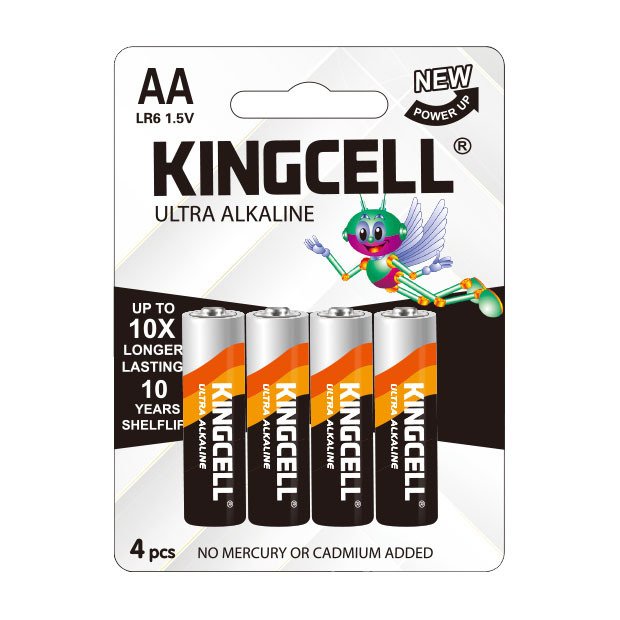
碱性电池对伊朗的消费电子和工业市场具有重要意义,因为与传统的碳锌电池相比,它们具有更高的能量密度和更强的放电性能。.
常见尺寸包括:
- AA / LR6
- AAA / LR03
- C / LR14
- D / LR20
- 9V / 6LR61
对于伊朗分销商而言,商业要求可能包括具有竞争力的价格、可靠的包装、较长的保质期以及稳定的供应。.
对于自有品牌客户,定制服务可包括:
- 品牌名称
- 电池标签
- 吸塑包装
- 零售包装盒
- 纸盒设计
- 电池颜色
- 包装数量
- 经销商专属包装
这使得OEM和自有品牌的碱性电池,相比单纯销售普通电池而言,可能更具吸引力。.

锂一次电池应用于伊朗的特殊领域
锂一次电池应与普通的AA和AAA消费类电池区分开来。.
锂一次电池适用于以下应用场景:
- 使用寿命长
- 自放电率低
- 宽温度范围
- 小巧的尺寸
- 稳定电压
- 存储寿命长
伊朗的潜在应用包括:
- 工业计量表
- 安防设备
- 传感器
- 自动化设备
- 医疗和电子设备
- 电信
- 专用监测系统
伊朗的贸易货运数据还显示,该国进口了CR2032等锂电池以及氯化硫酰锂圆柱形电池,这表明该市场除了普通家用电池外,还涵盖了专业的锂电池应用领域。.
对于这些产品,技术文档的重要性大大增加。客户可能会要求提供详细的规格说明、安全文件、测试报告、运输文件以及针对具体应用的信息。.
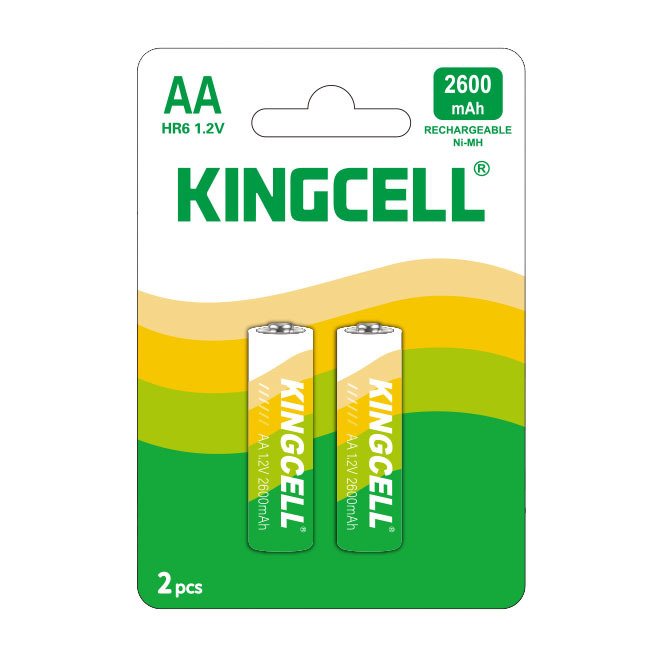
可充电电池和备用电源具有战略重要性
伊朗拥有庞大的工业和电信基础设施,在任何需要保证电力供应连续性的地方,备用电源都至关重要。.
可充电电池的应用包括:
- 电信备份
- 不间断电源系统
- 安全系统
- 太阳能系统
- 工业设备
- 应急照明
- 备用电源
- 便携式设备
在许多备用电源应用中,传统的铅酸电池技术依然占据重要地位,但在客户更看重轻量化、更长循环寿命和更高可用能量的情况下,锂离子电池和磷酸铁锂(LFP)电池提供了另一种选择。.
对于中国制造商而言,这意味着伊朗的可充电电池市场应至少分为两类:
消费类可充电电池
和
工业/储能电池
它们之间的采购流程、技术要求和商业风险可能存在很大差异。.

太阳能开辟了新的电池需求渠道
伊朗拥有巨大的太阳能开发潜力,作为解决能源系统瓶颈和实现发电多样化的一种途径,可再生能源的发展正日益受到关注。.
2026年发表的研究报告继续将太阳能和电力储能视为伊朗未来能源系统发展的重要组成部分。然而,制裁、融资限制以及获取国际技术的渠道受限,仍是阻碍其快速推广的重大障碍。.
这给电池供应商带来了一个悖论。.
伊朗在技术和经济上都有理由开发更多的“光伏+储能”系统,但国际限制可能会给进口设备、融资、保险和支付安排带来困难。.
对于中国电池制造商而言,潜在的应用领域包括:
- 离网太阳能系统
- 电信太阳能备用电源
- 农村电力系统
- 工业太阳能储能
- 商业备份
- 微电网
- 太阳能路灯
- 小型ESS系统
由于其循环寿命和安全性特点,LFP电池在固定式应用中尤为适用。.
伊朗面临的电力挑战可推动备用电池需求
伊朗的电池需求也应结合该国的电力基础设施来考量。.
即使电池并非大型可再生能源项目的一部分,它也能发挥价值。.
例如
市电 → 不间断电源(UPS) → 电池 → 关键负载 或 光伏发电 → 逆变器 → 磷酸铁锂电池 → 家庭/商业用电负荷 或 光伏发电 → 充电控制器/逆变器 → 电池组 → 通信设备
这些应用可能会催生对规格差异极大的电池的需求。.
家庭备用电源系统可能更注重经济实惠。.
电信运营商可能会优先考虑产品寿命和可靠性。.
工业客户可能会优先考虑总体拥有成本。.
太阳能安装商可能会优先考虑与逆变器及电池管理系统(BMS)的通信兼容性。.
因此,中国供应商应根据具体应用场景进行销售,而不是仅仅报价电池容量。.
电动汽车和锂电池是新兴机遇
伊朗拥有成熟的汽车工业,电动汽车也正逐渐成为该国长期交通规划讨论的一部分。.
在全球范围内,锂离子电池制造领域主要由中国、韩国和日本的企业主导,而2025年,中国占全球电池电芯产量的80%以上。这使中国制造商在供应链规模、电池材料和制造成本方面具备显著优势。.
因此,对于伊朗而言,中国的电池技术可能涉及以下方面:
- 电动摩托车
- 电动自行车
- 小型电动汽车
- 商用车
- 电池组
- 充电系统
- 固定式存储
然而,汽车和出行领域的电池所需的工程设计要比普通消费类电池严格得多。.
中国供应商应评估:
- 细胞化学
- 电池组电压
- 容量
- BMS
- 热管理
- 循环寿命
- 机械保护
- UN38.3
- 运输分类
- 最终用途
- 客户的技术能力
伊朗并非一个普通的出口市场
这是伊朗与中东许多其他市场之间最重要的区别之一。.
伊朗面临美国实施的广泛制裁,其他司法管辖区——包括欧盟和英国——也维持着与伊朗相关的限制措施。美国财政部外国资产控制办公室(OFAC)的伊朗制裁计划仍然有效,并在2026年多次进行了更新。英国还宣布了新的伊朗制裁修正案,将于2026年9月29日生效。.
这确实 不 这意味着与伊朗进行的任何电池交易均被自动禁止。.
这确实意味着,供应商不得认为普通商用电池无需核查交易情况即可直接发货。.
在接受伊朗的电池订单之前,负责任的出口商应审查以下内容:
客户 → 所有权 → 产品 → 最终用户 → 最终用途 → 制裁 → 出口管制 → 付款 → 运输 → 保险 → 单证
涉及普通家用电池的交易,其合规情况可能与用于工业设备的锂电池有所不同。.
同样,卖方的国籍、涉及的银行、航运公司、保险公司、目的地、所有权结构以及最终用途都可能影响交易。.
For companies subject to U.S. jurisdiction, OFAC’s rules are particularly important. OFAC guidance also shows that certain consumer communications-related products and accessories can receive specific authorization under defined conditions, illustrating why product classification and applicable regulations matter rather than assuming a blanket rule for all batteries.
没有符合要求的付款方式,就不发货。客户身份未通过验证,就不接受订单。没有可接受的物流路线,就不配送。.
A supplier should never rely on hidden end users, inaccurate product descriptions, deceptive intermediaries or altered shipping documents to bypass restrictions.

Payment and Logistics Are Critical for Iran
Even when a product is technically permissible, payment and logistics can determine whether a transaction is commercially workable.
Potential issues include:
- Banking restrictions
- Correspondent-bank exposure
- Currency settlement
- Shipping availability
- Marine insurance
- Carrier restrictions
- Port restrictions
- Sanctions screening
- Customer ownership
- Third-country involvement
This is especially important for lithium batteries because transportation rules are more complex than for ordinary alkaline or carbon zinc batteries.
For Iranian buyers, a Chinese supplier should therefore conduct transaction-specific due diligence before confirming:
- 价格
- Payment terms
- Incoterms
- Shipping route
- 保险
- Product documentation
- Export classification
- 最终目的地
The correct commercial sequence is:
Demand identification → customer verification → product classification → end-use review → sanctions/export-control review → payment review → logistics review → quotation → shipment
What Battery Products Have Commercial Relevance in Iran?
| Iranian buyer type | Potential products | Main considerations |
| 电池经销商 | Carbon zinc, alkaline, 9V | Price, shelf life, packaging |
| Electronics distributor | 碱性电池、锂一次电池、纽扣电池 | Performance and dimensions |
| Industrial customer | Lithium primary, rechargeable | Reliability and documentation |
| Solar installer | LFP, lithium-ion | Cycle life, BMS, inverter compatibility |
| Telecom company | LFP, rechargeable backup batteries | Reliability and lifecycle |
| OEM/private-label buyer | 碳锌、碱性、锂 | MOQ, branding, packaging |
| Mobility company | Lithium-ion/LFP packs | Safety, BMS, technical qualification |
This diversified structure means that Iran should not be treated simply as a “cheap battery market.”
There are both commodity and specialized segments.
OEM and Private-Label Battery Opportunities in Iran
Iranian distributors and local brands can potentially use OEM manufacturing to develop their own battery products without investing in complete battery production facilities.
For primary batteries, OEM services may include:
- Battery label design
- 品牌定制
- 吸塑包装
- Box packaging
- Carton packaging
- Different pack quantities
- Carbon zinc or alkaline chemistry selection
- AA, AAA, C, D and 9V configurations
For lithium products, OEM may involve:
- 细胞选择
- 电压
- 容量
- Pack configuration
- BMS
- Connector
- Housing
- 标签
- 针对具体应用的设计
However, an OEM order does not remove the need for compliance review. The product’s end use and transaction structure remain important.

为什么华泰电池不仅仅是一家碳锌电池制造商
Shandong Huatai New Energy Battery Co., Ltd. has industrial roots dating back to the establishment of the Linyi Battery Factory in 1956 and was formally established in 1993.
Today, Huatai’s portfolio extends beyond traditional zinc-carbon batteries to alkaline, button, rechargeable, lithium and other new-energy battery products.
The company operates more than 40 production lines and seven component workshops, including high-speed HIBAR alkaline production lines. Huatai states that its annual battery output exceeds 6 billion pieces and that its products are exported to more than 80 countries.
For the Iranian market, this broader manufacturing portfolio allows different customer groups to source different battery types:
- R6P / AA 碳锌电池
- R03P / AAA 碳锌电池
- LR6 / AA碱性电池
- LR03 / AAA碱性电池
- C 型和 D 型电池
- 9V 电池
- 钮扣电池
- 锂原电池
- 镍氢充电电池
- 锂离子电池
- LFP energy-storage products
- OEM/自有品牌电池
For a market with both traditional battery demand and emerging lithium applications, a multi-chemistry supplier can potentially provide a more efficient sourcing relationship than a factory focused on only one battery category.
What Should Iranian Buyers Look for in a China Battery Supplier?
A professional Iranian importer should evaluate a Chinese supplier on more than price.
Important questions include:
- 该工厂是否自行生产电池?
- Which battery chemistries are produced in-house?
- Can the factory provide product specifications and test reports?
- What environmental and safety certifications are available?
- 供应商能在批量生产前提供样品吗?
- What is the MOQ for OEM batteries?
- Can packaging be customized?
- What is the battery shelf life?
- How is leakage performance controlled?
- For lithium batteries, can the supplier provide UN38.3 and relevant transportation documentation?
- Can the supplier maintain consistent quality across repeat orders?
- Can the transaction pass applicable sanctions, payment and logistics reviews?
For Iranian buyers, the final question is especially important.
A technically excellent battery is not commercially useful if the proposed transaction cannot be completed through a compliant payment and logistics structure.
FAQs About the Iran Battery Market
1. Is Iran a potential market for Chinese battery manufacturers?
Yes. Iran has demand for carbon zinc, alkaline, lithium primary, rechargeable and energy-storage batteries. China is already an important supplier of primary batteries to Iran. However, commercial feasibility must be evaluated together with sanctions, payment, logistics and customer due diligence.
2. Are carbon zinc batteries still used in Iran?
Yes. Carbon zinc batteries remain suitable for low-drain household and consumer applications where low purchase cost is important. AA, AAA, C, D and 9V formats can serve different applications.
3. Does Iran import batteries from China?
Yes. In 2024, China exported about US$203,000 of primary cells and batteries under HS 850619 to Iran, involving more than 3.28 million reported units. China has also been a major supplier of primary-battery components.
4. What battery products are suitable for Iranian solar projects?
LFP and other lithium-ion batteries can be suitable for solar-storage and backup applications, depending on system design. Important parameters include capacity, cycle life, BMS, inverter compatibility, operating temperature and safety.
5. Is lithium battery demand growing in Iran?
Lithium batteries have potential in solar storage, industrial equipment, telecom backup, mobility and specialized electronics. However, actual market growth depends on financing, imports, infrastructure, sanctions and the availability of compatible equipment.
6. Can Chinese companies freely export batteries to Iran?
A company should not assume that all battery exports are unrestricted. Product classification, end user, end use, sanctions, export controls, payment institutions, carriers and insurance arrangements should be reviewed before a transaction is accepted.
7. Can a Chinese factory provide private-label batteries for Iranian brands?
OEM/private-label production can be technically possible for products such as carbon zinc, alkaline, button and selected lithium batteries. However, the proposed transaction and end use must still satisfy all applicable compliance requirements.
8. What is the biggest difference between the Iran and Saudi Arabia battery markets?
Saudi Arabia is rapidly building a large formal market for grid-scale energy storage under a relatively open international investment environment. Iran also has potential for solar, backup power and lithium storage, but sanctions, financial restrictions, logistics and technology-access constraints make the commercial environment considerably more complicated.

Conclusion: Iran Has Battery Demand, but Compliance Determines Commercial Feasibility
Iran has a diverse battery market combining conventional consumer batteries with industrial, rechargeable, lithium and emerging energy-storage applications.
Carbon zinc and alkaline batteries remain relevant to everyday consumer products. Lithium primary batteries serve specialized electronics and industrial applications. Rechargeable batteries support telecom, UPS and backup-power systems. Meanwhile, solar development and electricity-system constraints create longer-term opportunities for LFP and other lithium-based energy-storage technologies.
China is already an important supplier to Iran’s primary-battery market, and Chinese battery manufacturers – such as 山东华泰新能源电池有限公司., have advantages in production scale, product diversity and lithium-battery supply chains.
However, Iran is fundamentally different from many other Middle Eastern markets.
The most important question for a Chinese battery manufacturer is not simply “How large is Iranian battery demand?”
It is: “Can this specific product be sold to this specific customer, for this specific end use, through a compliant payment and logistics structure?”
That distinction should guide every Iran battery inquiry.
对于一个 Top China battery manufacturer for Iran - 山东华泰新能源电池有限公司., the competitive proposition should therefore combine manufacturing capability with disciplined transaction screening. Huatai Battery’s long manufacturing history, carbon zinc and alkaline production, rechargeable and lithium product portfolio, OEM capability and international export experience provide a foundation for serving different battery applications, provided that each Iran-related transaction is independently reviewed for applicable sanctions, export controls, payment and logistics requirements.
In the Iranian market, technical capability creates the opportunity, but transaction compliance determines whether the opportunity can actually become a shipment.