Chinese
 English
 Spanish
 French
 Arabic
 Portuguese
 Russian
Top China Battery Manufacturer for Saudi Arabia
探索 Middle East Saudi Arabia’s battery market 由 中国华泰电池集团, including carbon zinc, alkaline, lithium, rechargeable batteries and energy storage, with market demand, SASO requirements, Vision 2030 opportunities and China battery supplier considerations.
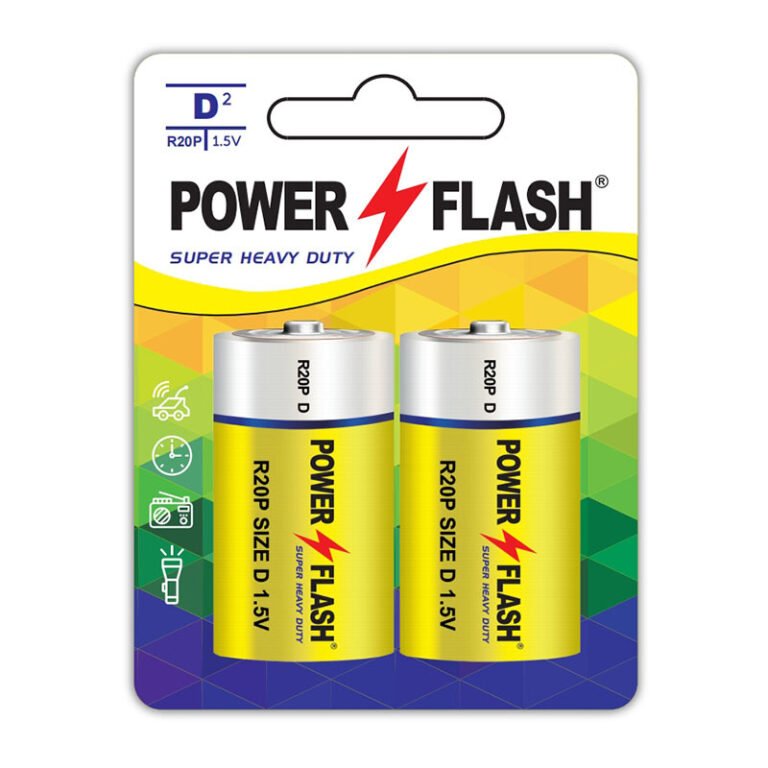
山东临沂华太新能源电池有限公司. 公司成立于 1993 年 5 月,但我们工厂的历史可以追溯到 1956 年临沂电池厂的成立。 leading Eco-friendly & 无汞碱性电池制造商 和 锂电池制造商 在中国和 全球最大的重型锌碳电池制造商及工厂.我们的产品采用 HUATAI, Power Flash 和 KINGCELL 品牌和客户的自有品牌,年产量达60亿,由 依托加拿大海霸(HIBAR)高速自动化生产线, OEM dry primary battery manufacturing solutions 碳锌、碱性和锂电池。.

沙特阿拉伯 is becoming one of the most important battery markets in the Middle East. The country’s battery demand is no longer limited to conventional automotive batteries and household dry cells. Under Saudi Vision 2030, the Kingdom is developing large-scale renewable energy, battery energy storage systems (BESS), electric mobility, smart infrastructure and industrial projects. This is creating demand across multiple battery categories, from carbon zinc and alkaline batteries to lithium-ion batteries and large-scale energy storage systems.
The scale of Saudi Arabia’s energy-storage development is particularly significant. In April 2026, the Saudi Power Procurement Company opened qualification for the second group of BESS projects, comprising six projects with a combined capacity of 3,000 MW / 12,000 MWh. The National Renewable Energy Program aims to increase the share of renewable energy and energy storage in the national energy mix toward approximately 50% by 2030, subject to electricity demand growth.
For Chinese battery manufacturers, Saudi Arabia therefore represents two different markets at the same time: a mature market for conventional primary batteries and a rapidly developing market for lithium batteries, solar storage and grid-scale ESS.
Understanding the Saudi Arabia Battery Market
Saudi Arabia has traditionally generated substantial battery demand from automobiles, telecommunications, consumer electronics, household appliances, security systems and industrial equipment.
Today, this traditional demand is being joined by several fast-growing applications:
- 太阳能储存
- 公用事业级电池储能系统(BESS)
- 备用电源
- 数据中心
- 电信基础设施
- 电动汽车
- 电动交通
- 工业自动化
- Smart meters and sensors
- 消费电子产品
- 应急照明
- 家用电器
This makes the Saudi market considerably broader than a simple Saudi Arabia dry battery market.
| 电池板块 | Typical Saudi applications | Potential supplier opportunity |
| 碳锌 | Clocks, remote controls, flashlights, radios and low-drain devices | OEM and private label |
| 碱性 | Household electronics, toys, security devices and industrial equipment | High-volume OEM and distribution |
| 一次锂电池 | Sensors, meters, electronics and specialty equipment | Button and cylindrical lithium |
| 镍氢(Ni-MH)可充电电池 | Consumer and professional rechargeable equipment | OEM and private label |
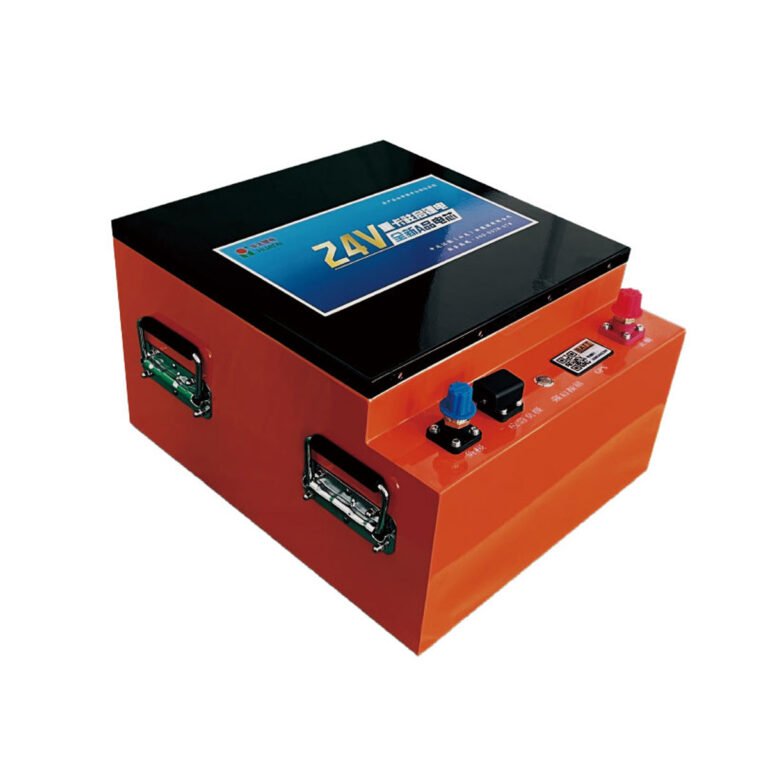
| 锂离子 / 磷酸铁锂 | EVs, ESS, solar storage, UPS and industrial applications | Cells, modules and battery packs |
| Large-scale BESS | Grid storage and renewable-energy integration | Project supply and system integration |
A Chinese manufacturer should therefore segment the Saudi market by application rather than trying to sell every battery product through the same distribution channel.
Carbon Zinc Batteries Still Have Commercial Value in Saudi Arabia
Saudi Arabia is one of the world’s most technologically advanced economies, but this does not eliminate demand for economical primary batteries.
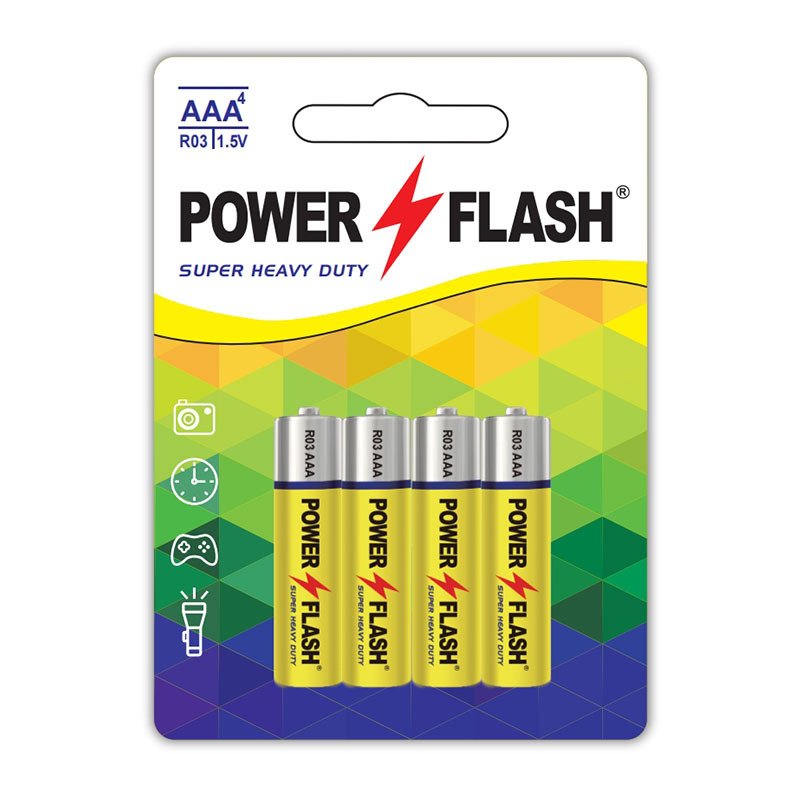
Carbon zinc batteries remain appropriate for low-drain applications where low purchase cost is more important than maximum energy density. Typical applications include clocks, basic radios, flashlights, remote controls and simple consumer devices.
对于一个 carbon zinc battery supplier in Saudi Arabia, the commercial opportunity is usually associated with:
- Distributor supply
- Supermarket and retail private labels
- OEM products
- 促销产品
- 机构采购
- Low-drain electronic equipment
The extremely hot Saudi climate also makes storage and leakage performance important. A battery that performs well under laboratory conditions but suffers from leakage or unstable shelf performance during long transportation and warehouse storage can create significant problems for distributors.
For this reason, buyers should evaluate not only nominal voltage but also:
- 抗渗漏性
- 保质期
- 放电性能
- Zinc-can consistency
- 密封质量
- 贮存稳定性
- 包装质量
- 重金属合规性
Carbon Zinc vs. Alkaline Batteries for the Saudi Market
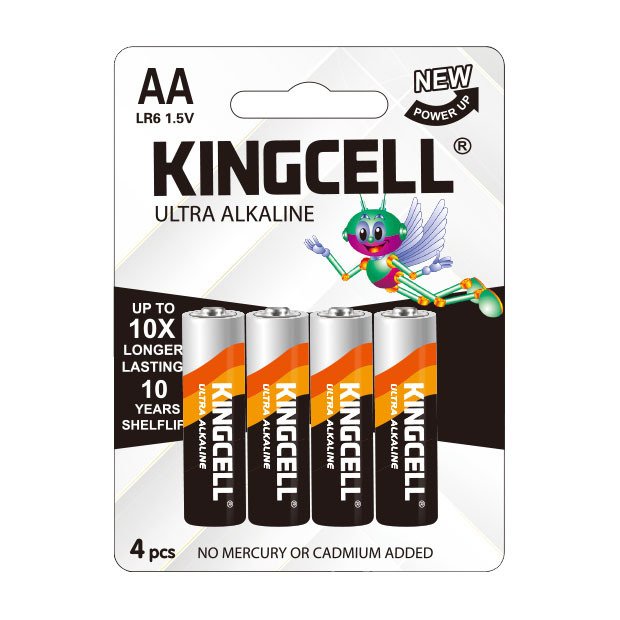
Alkaline batteries generally provide higher energy density and better performance under higher-drain conditions than conventional carbon zinc batteries.
For Saudi consumers and businesses, alkaline AA and AAA batteries are particularly relevant for electronic devices, toys, wireless accessories, security products and other equipment that consumes more power.
| 要求 | 碳锌 | 碱性 |
| 购买价格 | 较低 | 更高 |
| 能量密度 | 较低 | 更高 |
| Low-drain equipment | 非常合适 | 合适 |
| High-drain equipment | Less suitable | 更合适 |
| OEM合作机会 | 大宗经济型产品 | Retail and private-label products |
| Main selling point | 成本效益 | 性能与可靠性 |
The choice therefore depends on the application and target market.
A Saudi importer selling inexpensive household products may require a competitive carbon zinc battery, while a distributor supplying electronic devices may prefer alkaline batteries with longer operating time and better high-drain characteristics.
Saudi Arabia’s Climate Makes Battery Quality Important
One factor that should not be overlooked when supplying batteries to Saudi Arabia is the local climate.
High temperatures can influence battery storage, self-discharge, electrolyte behavior, sealing performance and shelf life. Batteries may also spend significant time in warehouses, containers, distribution centers and retail facilities before reaching the end user.
这使得 high-temperature storage stability and leakage resistance commercially important.
For a Chinese battery manufacturer exporting to Saudi Arabia, quality-control procedures should therefore cover:
- 密封性能
- Electrolyte control
- 镀锌罐质量
- Terminal welding
- 内部阻力
- 放电曲线
- 高温存储测试
- 泄漏测试
- 保质期测试
- 包装保护
For private-label customers, these technical factors can be just as important as the battery’s printed brand.
Saudi Arabia Is Becoming a Major Energy Storage Market
The biggest change in the Saudi battery industry is happening in lithium-ion and energy storage.
Saudi Arabia’s National Renewable Energy Program is driving large-scale solar and wind development. Because renewable electricity generation varies according to weather and time of day, energy storage is becoming increasingly important for grid balancing and electricity reliability.
Saudi Arabia’s Ministry of Energy has stated that the Kingdom aims to develop up to 48 GWh of battery energy storage capacity by 2030. In 2025, the Saudi Press Agency reported that 26 GWh of storage projects had already been tendered at different development stages.
The development continued into 2026.
The second group of Saudi BESS projects announced in April 2026 includes six independent storage projects, each with 500 MW / 2,000 MWh capacity. Together, they represent 3 GW of power capacity and 12 GWh of storage.
This is a major structural shift in the Saudi battery market.
The commercial chain now extends from:
Battery cells → modules → racks → BMS → PCS → containers → EMS → complete BESS → grid services
Therefore, Chinese manufacturers with lithium-ion and LFP capabilities have opportunities that did not exist when the Saudi battery market was dominated mainly by conventional automotive and consumer batteries.
LFP Batteries Are Particularly Relevant to Saudi Energy Storage
Lithium iron phosphate (LFP) technology is increasingly important in stationary energy storage because of its combination of safety, cycle life and cost characteristics.
Saudi Arabia’s large-scale storage projects are particularly relevant to LFP manufacturers because grid storage requires batteries capable of repeated cycling over long operating periods.
潜在的应用包括:
- Utility-scale solar-plus-storage
- Grid stabilization
- Peak shaving
- 可再生能源并网
- 商业和工业 ESS
- 电信备份
- Data-center backup
- Remote-area power systems
- 微电网
对于一个 China lithium battery manufacturer for Saudi Arabia, however, supplying cells alone may not be sufficient. Project customers may also require battery modules, racks, BMS, thermal management, fire protection, testing documentation and complete system integration.

Solar Energy and Battery Storage Are Closely Connected
Saudi Arabia’s enormous solar-resource potential gives batteries an increasingly important role in the electricity system.
The Kingdom has been rapidly developing solar projects as part of its energy diversification strategy. By April 2026, Saudi Arabia had approximately 64 GW of renewable-energy project capacity launched, while 12.3 GW was connected to the national electricity grid. Battery storage projects totaling around 30 GWh had also been launched, with approximately 8 GWh already connected to the grid, according to figures reported from the Ministry of Energy.
This creates opportunities at several market levels.
For residential and small commercial applications:
Solar PV + inverter + LFP battery + energy management system
For larger projects:
Solar PV + grid connection + BESS + power conversion system + energy management system
For Chinese manufacturers, the Saudi market can therefore be approached through both traditional battery distribution and renewable-energy supply chains.
Electric Vehicles Are Creating Another Battery Demand Channel
Saudi Arabia is also developing a domestic electric-vehicle industry.
The country’s Public Investment Fund-backed EV manufacturer Ceer unveiled its first two EV models in September 2026, with sales planned to begin in early 2027. The company plans to expand its vehicle lineup and build a broader regional automotive supply chain.
This development does not mean that every Chinese EV battery manufacturer can immediately enter the Saudi automotive supply chain. Automotive batteries have much higher technical, quality and localization requirements than consumer batteries.
Nevertheless, the emergence of local EV manufacturing creates long-term demand for:
- EV battery cells
- 电池模块
- 电池组
- BMS
- Thermal-management systems
- 电池组件
- 充电基础设施
- 二手电池系统
- Battery recycling
For Chinese suppliers, automotive projects should therefore be treated as a specialized B2B segment rather than simply another lithium battery sales channel.
Saudi Arabia Has Specific Battery Conformity Requirements
Saudi Arabia is not a market where an exporter should simply ship batteries based on CE or RoHS documents.
"(《世界人权宣言》) SASO Technical Regulation of Electrical Batteries establishes conformity requirements for batteries covered by the regulation. The regulation requires suppliers responsible for placing covered batteries on the Saudi market to obtain a Certificate of Conformity through an accredited body, following the specified conformity-assessment procedure. It also requires a technical file containing information such as supplier details, product description, country of origin, safety requirements, test information and applicable specifications.
The regulation also specifies requirements concerning product labeling and packaging.
This means a professional battery supplier for Saudi Arabia should determine the exact conformity route before shipment.
The exporter and Saudi importer should confirm:
- 电池化学
- Product category
- 预期应用
- Applicable Saudi standards
- Certificate of Conformity requirements
- Technical-file requirements
- 产品标签
- Country-of-origin information
- 测试报告
- Importer responsibilities
Requirements can differ according to the product and application, so compliance should be assessed on a transaction-specific basis.
OEM and Private-Label Batteries Have Potential in Saudi Arabia
Saudi Arabia has a large distribution sector serving supermarkets, electronics retailers, industrial customers, automotive businesses and specialized energy companies.
This creates opportunities for OEM battery manufacturing in Saudi Arabia supply chains.
A private-label customer may want:
- Arabic/English packaging
- Customized brand names
- 定制电池标签
- Different blister-card designs
- 零售包装盒
- Carton specifications
- Customized battery capacities
- Different battery chemistries
- 经销商专供产品
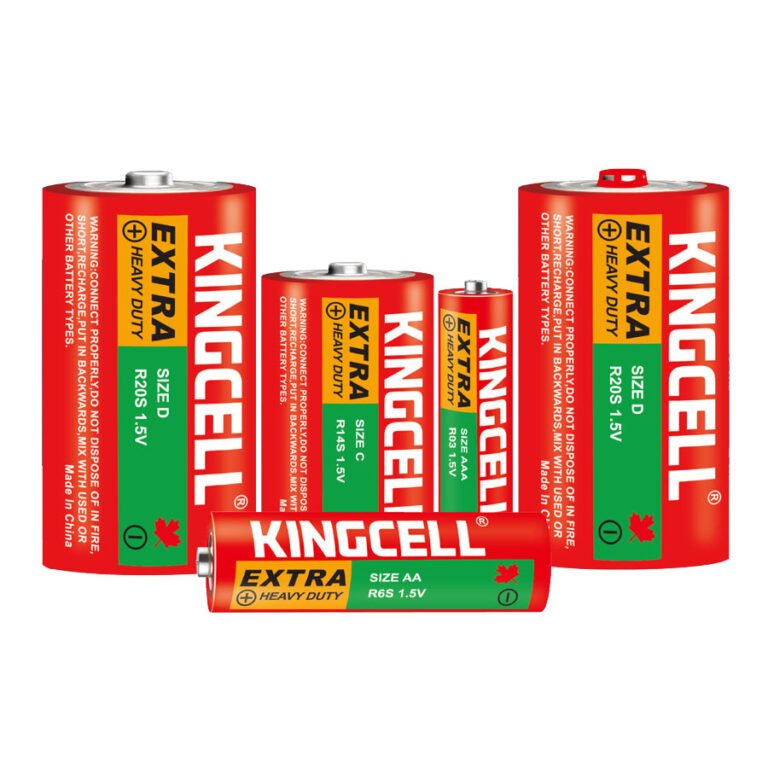
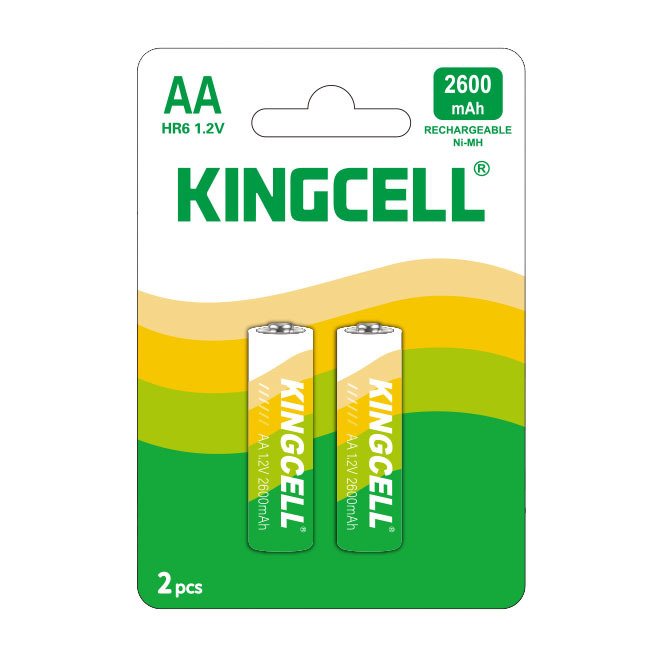
For conventional AA, AAA, C, D and 9V batteries, private-label manufacturing can be a practical entry route because the buyer does not necessarily need to build a battery factory of its own.
For lithium products, customization can extend much further into battery-pack design, BMS configuration and application-specific capacity.
What Battery Products Have the Best Commercial Fit in Saudi Arabia?
The Saudi market is best approached by matching products with buyer type.
| Saudi buyer | 潜在的电池产品 | Main purchasing considerations |
| Consumer battery distributor | Carbon zinc, alkaline, 9V | Price, shelf life, packaging |
| Supermarket/private label | AA、AAA、C、D、9V | Brand, packaging, consistency |
| Electronics company | 碱性电池、锂一次电池、纽扣电池 | Performance, dimensions, reliability |
| Solar distributor | LFP batteries, ESS | Capacity, cycle life, safety |
| Telecom/backup company | 锂电池、磷酸铁锂电池、可充电电池 | Reliability, lifecycle, BMS |
| ESS developer | LFP cells, modules, racks, BESS | Safety, certification, project support |
| EV industry | Lithium-ion cells/modules/packs | Automotive qualification, traceability |
| Industrial customer | Lithium, alkaline, specialized batteries | Technical performance and certification |
This segmentation is important because a buyer looking for inexpensive AAA batteries should not be approached with the same sales strategy as a utility-scale ESS developer.

为什么华泰电池不仅仅是一家碳锌电池制造商
山东华泰新能源电池有限公司. has industrial roots dating back to the establishment of the Linyi Battery Factory in 1956 and was formally established in 1993. Today, Huatai has developed from a traditional dry-battery producer into a broader battery manufacturer covering carbon zinc, alkaline, button, rechargeable, lithium and other battery solutions.
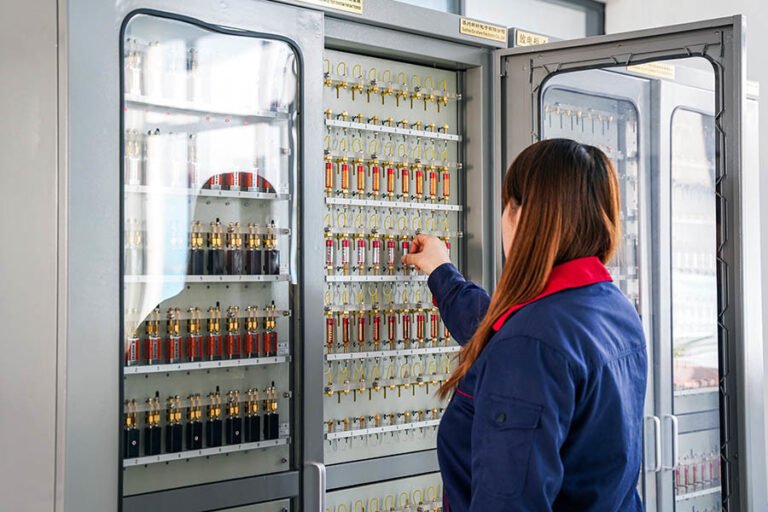
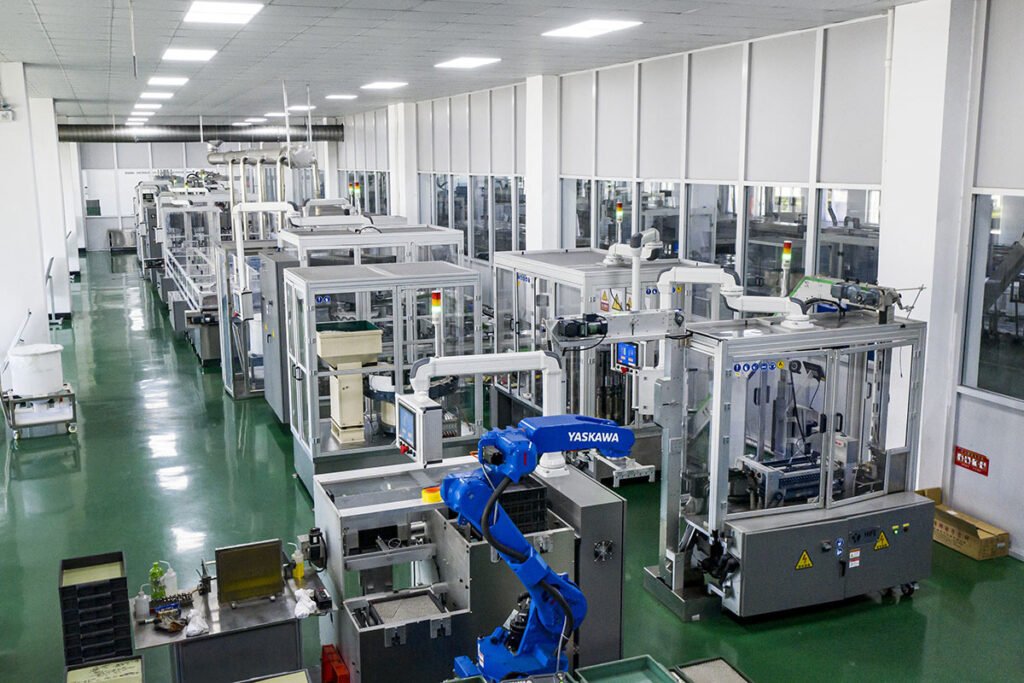
Huatai operates more than 40 production lines and seven battery-component workshops, including high-speed HIBAR alkaline battery production lines. The company states that its annual battery output exceeds 6 billion pieces and that it exports to more than 80 countries.
For the Saudi market, this broad product portfolio allows different customer groups to source different battery categories from one manufacturer:
- R6P / AA 碳锌电池
- R03P / AAA 碳锌电池
- LR6 / AA碱性电池
- LR03 / AAA碱性电池
- C and D alkaline batteries
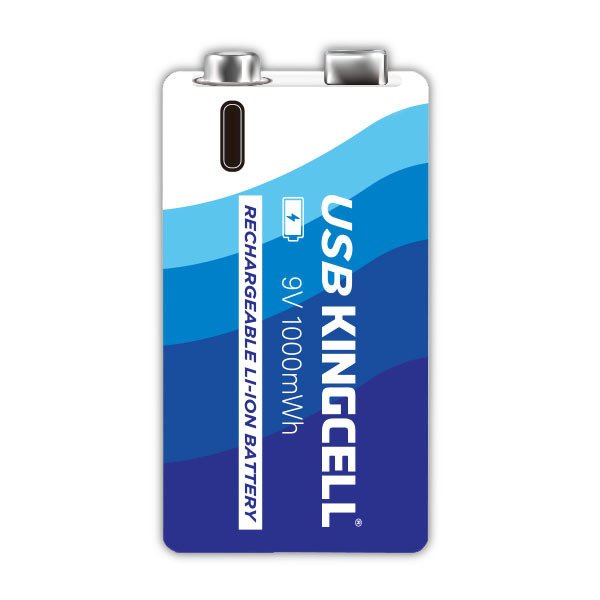
- 9V 电池
- 钮扣电池
- 锂原电池
- 镍氢充电电池
- 锂离子电池
- LFP energy-storage batteries
- OEM and private-label batteries
This combination can be particularly useful for Saudi importers that sell both conventional consumer batteries and newer energy-storage products.
What Should Saudi Buyers Look for in a China Battery Supplier?
A Saudi importer evaluating a Chinese battery manufacturer should look beyond the factory’s quotation.
Important questions include:
- Does the factory manufacture the battery itself or only trade it?
- What battery chemistries and sizes are produced in-house?
- Can the supplier provide complete technical documentation?
- Can the products meet applicable SASO requirements?
- Can the supplier support Certificate of Conformity procedures?
- How are high-temperature storage and leakage performance tested?
- What is the shelf life of the battery?
- Can the manufacturer provide OEM and private-label packaging?
- For lithium batteries, are UN38.3 and relevant safety reports available?
- Can the supplier maintain consistent quality over long-term container shipments?
For large ESS projects, additional questions are necessary:
- What cell chemistry is used?
- What is the expected cycle life?
- What BMS is used?
- What thermal-management system is provided?
- What fire-protection system is included?
- What warranty period is available?
- What degradation model is used?
- What operating-temperature range is supported?
- Has the system been tested under the relevant international and Saudi requirements?
FAQs About the Saudi Arabia Battery Market
1. Is Saudi Arabia a good market for Chinese battery manufacturers?
Saudi Arabia has demand across both conventional and advanced battery segments. Carbon zinc and alkaline batteries remain relevant in consumer applications, while lithium batteries and BESS are becoming increasingly important because of renewable-energy development and energy-storage projects.
2. Are carbon zinc batteries still used in Saudi Arabia?
Yes. Carbon zinc batteries remain suitable for low-drain applications such as clocks, flashlights, radios and basic electronic devices. Their main commercial advantage is cost efficiency.
3. What batteries are most suitable for Saudi Arabia’s solar-energy market?
For modern solar-storage systems, lithium-ion batteries—particularly LFP—are increasingly relevant because of their cycle-life, safety and cost characteristics. The appropriate battery should be selected according to system design, operating conditions and applicable standards.
4. How large is Saudi Arabia’s battery energy-storage opportunity?
It is already substantial. Saudi Arabia has stated a target of up to 48 GWh of battery storage by 2030, while a second group of BESS projects announced in April 2026 alone totals 12,000 MWh.
5. Does Saudi Arabia require certification for imported batteries?
Battery products covered by the relevant SASO technical regulation are subject to conformity-assessment requirements, including certification and technical documentation. Importers and exporters should verify the exact requirements for the specific battery product before shipment.
6. Why is high-temperature performance important for batteries sold in Saudi Arabia?
Saudi Arabia’s climate and logistics environment can expose batteries to high temperatures during transportation and storage. Leakage resistance, sealing quality, shelf stability and temperature-related performance should therefore be considered when selecting a supplier.
7. Are lithium batteries more important than alkaline batteries in Saudi Arabia?
They serve different markets. Alkaline batteries remain relevant for consumer and industrial devices, while lithium-ion and LFP batteries are increasingly important for EVs, solar storage, ESS, backup power and other energy applications.
8. What should Saudi importers look for in a China battery manufacturer?
The key factors include product consistency, SASO compliance support, technical documentation, leakage resistance, high-temperature storage performance, production capacity, OEM flexibility, lithium-battery safety documentation and reliable long-term supply.

Conclusion: Saudi Arabia Is Developing from a Battery Consumption Market into an Energy-Storage Market
Saudi Arabia’s battery market is undergoing a structural transformation.
Traditional demand for carbon zinc, alkaline and other primary batteries remains relevant across household, retail, electronic and industrial applications. However, the larger long-term change is taking place in lithium batteries, solar storage, grid-scale BESS and electric mobility.
The Kingdom’s planned energy-storage projects demonstrate the scale of this transition. The second group of BESS projects announced in 2026 represents 12 GWh of storage capacity, while Saudi Arabia’s broader target is to develop up to 48 GWh of battery storage by 2030.
对于 中国电池制造商, this creates several different entry points. Carbon zinc and alkaline batteries can serve the established consumer market; lithium primary and rechargeable batteries can serve electronics and industrial applications; and LFP-based solutions can participate in the rapidly expanding solar-storage and ESS supply chain.
At the same time, Saudi Arabia is a compliance-sensitive market. SASO conformity requirements, technical files, product testing, labeling and importer responsibilities should be addressed before commercial shipment.
对于一个 Top China battery manufacturer for Saudi Arabia – such as 山东华泰新能源电池有限公司., manufacturing scale alone is therefore not enough. The strongest supply proposition combines competitive production, broad battery chemistry coverage, high-temperature reliability, OEM/private-label capability, technical documentation and the ability to support customers moving from conventional batteries into lithium and energy-storage applications.
With its long manufacturing history dating back to 1956 and a portfolio covering carbon zinc, alkaline, button, rechargeable and lithium battery products, 华泰电池 can position itself as a comprehensive China battery supplier for Saudi distributors, OEM customers and selected energy-storage applications rather than simply as a traditional carbon zinc battery factory.