-Technology Innovation, Environmental Awareness, Intelligent Applications, and Market Strategies
Content Overview
According to available data, China’s 干电池 production increased from 80.316 billion units in 2014 to nearly 151 billion units in 2022, 而 domestic demand rose from 39.94 billion units in 2013 to approximately 111.08 billion units in 2022.
From the perspective of average market pricing, continuous technological advancement in dry batteries has significantly improved production efficiency. Ongoing product upgrades and process optimization have effectively enhanced manufacturing capacity and reduced unit production costs. As a result, the average market price of dry batteries manufacturer in China was approximately RMB 0.54 per unit in 2022.
Overall, the dry battery industry continues to demonstrate stable growth momentum, supported by mature technology, broad application scenarios, and strong global demand.
华泰电池简介
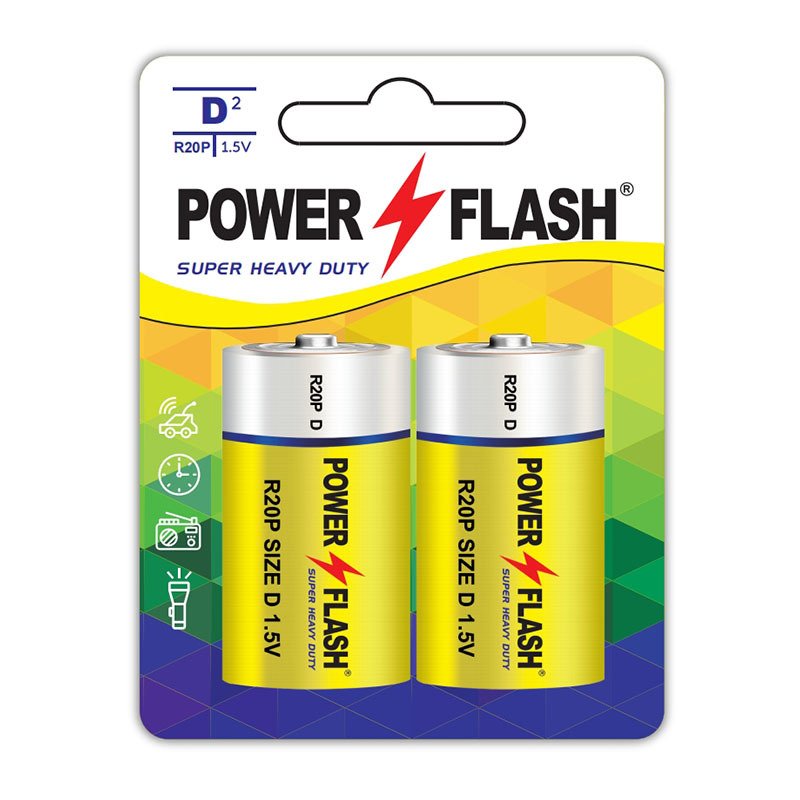
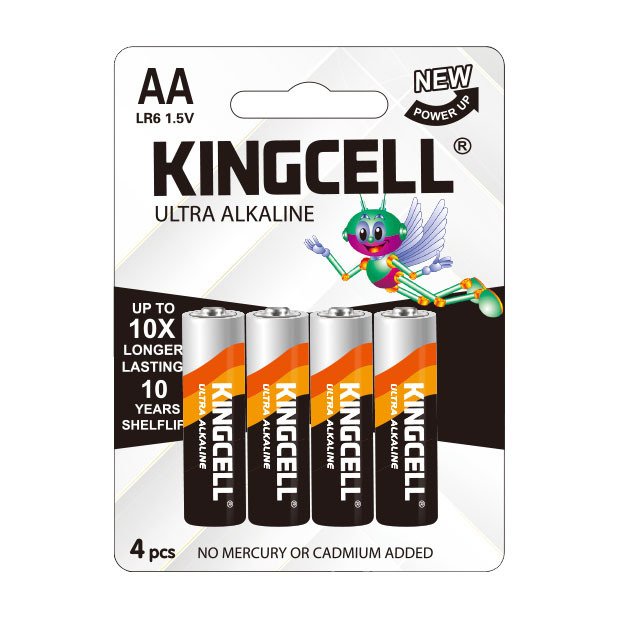
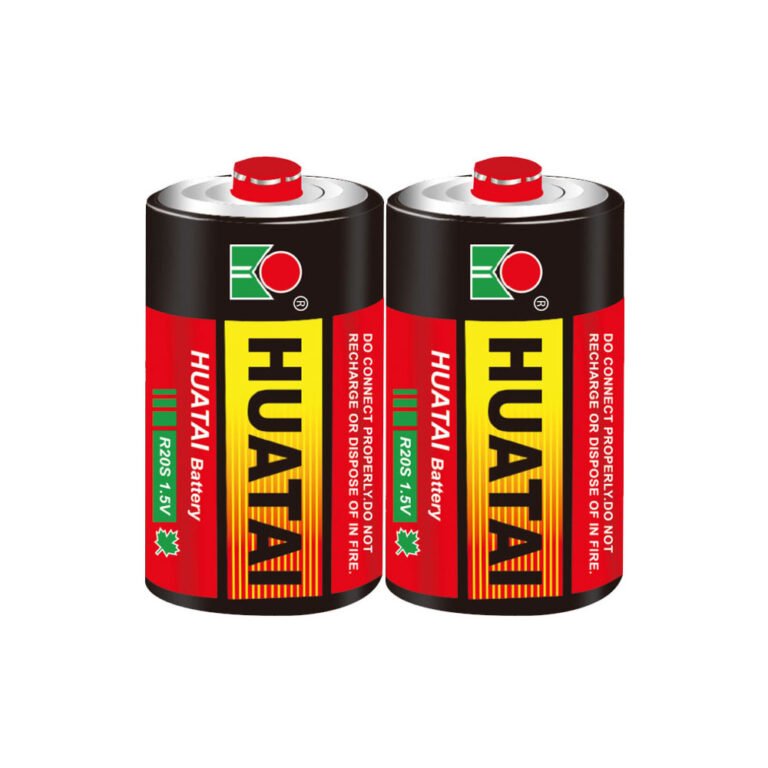
山东临沂华太新能源电池有限公司. 公司成立于 1993 年 5 月,但我们工厂的历史可以追溯到 1956 年临沂电池厂的成立。 领先的环保无汞碱性电池制造商 和 锂电池制造商 在中国和 全球最大的重型锌碳电池制造商和工厂.我们的产品采用 HUATAI,Power Flash 和 KINGCELL 品牌和客户的自有品牌,年产量达到 60 亿个 依托加拿大海霸(HIBAR)高速自动化生产线, OEM 解决方案 欲了解更多信息,请继续关注我们的 新闻版块, 其中涵盖了最新的 公司新闻 和 行业新闻.我们还提供 一站式产品目录服务 为客户服务。.
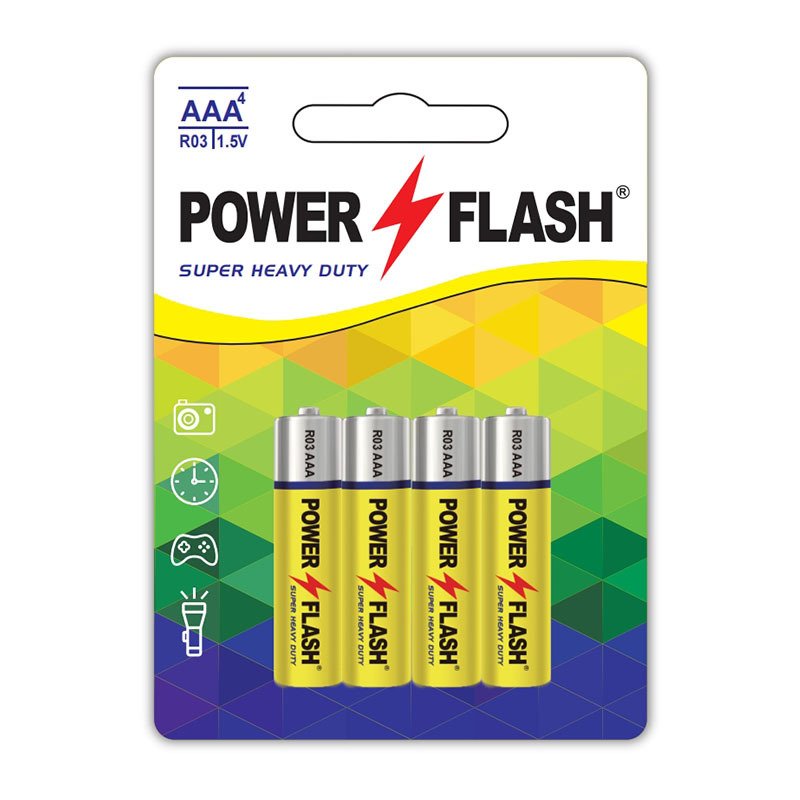
I. Overview of Dry Batteries
A 干电池 is a type of voltaic cell that uses absorbent materials (such as sawdust or gelatin) to immobilize the electrolyte in a paste form, preventing leakage. Dry batteries are widely used as power sources for flashlights, radios, toys, remote controls, clocks, medical devices, and household appliances.
After decades of development, China’s dry battery technology has made notable breakthroughs in specific energy, shelf life, and adaptability to high- and low-temperature environments, significantly narrowing the gap with international leaders.
According to the National Economic Industry Classification and Codes (GB/T 4754–2011) issued by the National Bureau of Statistics of China, the dry battery industry falls under:
制造业
Electrical Machinery and Equipment Manufacturing
Zinc–Manganese Battery Manufacturing
Battery Types by Electrolyte
Silver oxide batteries
Mercury batteries (largely phased out due to environmental regulations)
Each battery type differs in chemical composition, energy density, discharge performance, and application scope.
Battery Types by Size
AAA (Micro)
AA (Standard)
C (Medium)
D (Large)
9V (Rectangular)
These standardized sizes allow dry battery manufacturers and suppliers to serve a wide range of consumer and industrial devices.
II. Industry Chain Analysis
"(《世界人权宣言》) dry battery industry is characterized by mature technology, stable performance, high safety, ease of use, and wide applicability. Among them, zinc-manganese batteries—especially AA and AAA zinc-carbon batteries—are the most commonly used consumer batteries.
Industry data shows that zinc-carbon batteries offer the best cost-performance ratio, making them highly competitive in mass-market applications. Thanks to advantages such as:
Mature manufacturing processes
Low production cost
保质期长
Stable discharge performance
Environmentally friendly materials
Zinc-carbon and alkaline dry batteries remain irreplaceable consumer consumables in the short to medium term.
Key Application Scenarios
电动玩具
Household appliances
Home medical equipment
Outdoor electronic devices
Remote controls, clocks, and flashlights
因此, dry battery manufacturers, producers, and OEM battery suppliers continue to play a vital role in global consumer electronics supply chains.
III. Current Development Status of China’s Dry Battery Industry
Since the 1990s, global manufacturing has gradually shifted toward developing countries, with China emerging as a global manufacturing hub due to its:
Stable economic environment
Complete industrial supply chain
Competitive labor and production costs
With continuous breakthroughs in fully automated battery production lines, China’s zinc-manganese and alkaline battery production capacity has expanded rapidly.
Meanwhile, due to rising labor costs and industrial restructuring, Europe, the United States, and Japan have largely exited large-scale zinc-manganese battery manufacturing, creating favorable conditions for Chinese dry battery factories and suppliers to dominate the global market.
Market Size and Regional Distribution
China’s dry battery market size reached approximately RMB 60.01 billion in 2022
Production is mainly concentrated in Zhejiang Province, accounting for about 29% of total output
Despite temporary disruptions caused by COVID-19 in early 2020, the industry quickly rebounded. Driven by rising alkaline battery output, total dry battery production and demand have continued to grow steadily.
IV. Market Competition Landscape
After years of development, China’s dry battery industry has achieved significant technological progress, with improvements in:
Energy density
Shelf life
Temperature adaptability
China has largely closed the gap with international leaders, and in some core technologies, has reached world-class standards, enabling domestic battery manufacturers and suppliers to expand exports worldwide.
However, the industry remains highly fragmented:
Many enterprises are small in scale
Technical levels vary significantly
Competition is concentrated in low-end products
Overall, industry concentration remains low, and market competition is intense.
Key Industry Players
Linyi Huatai Battery Co., Ltd. (Dry battery manufacturer & global supplier)
Dongguan Gaoli Battery Co., Ltd.
Zhejiang Yonggao Battery Co., Ltd.
Guangxi Wuzhou Xinhua Battery Co., Ltd.
These companies represent the core force of China’s dry battery manufacturing and export industry.
V. Future Development Trends of China’s Dry Battery Industry

1. Technology Innovation and High-Efficiency Energy
With continuous R&D investment, dry batteries are expected to achieve:
Higher capacity materials
Improved structural design
Increased energy density and discharge efficiency
Advanced alkaline batteries and lithium primary batteries will become key growth drivers for battery manufacturers and OEM suppliers.
2. Environmental Protection and Sustainability
Rising global environmental awareness is pushing the industry toward:
Mercury-free and heavy-metal-free batteries
Recyclable and eco-friendly materials
Reduced environmental impact across the battery lifecycle
Research into water-based batteries and organic batteries may accelerate in the future.
3. Intelligent Applications and IoT Integration
With the rapid development of smart devices and the Internet of Things (IoT), dry batteries will increasingly be used in:
Smart home systems
Wearable electronics
Sensors and low-power intelligent terminals
This trend will create new opportunities for battery producers and technology-oriented suppliers.
4. Market Diversification and Customized Solutions
As consumer and industrial demands diversify, dry battery applications will continue to expand. Manufacturers and suppliers will increasingly provide:
Customized battery solutions
OEM and private-label services
Specialized batteries for medical, industrial, and outdoor use.

Strategic FAQ: Dry Battery Industry & Technology Knowledge
请回答: A dry battery is a type of voltaic cell that uses absorbent materials (like sawdust or gelatin) to immobilize the electrolyte into a paste, effectively preventing leakage. This portability makes them the primary power source for household electronics, medical devices, and toys.
请回答: According to industry standards, they are categorized into four main types:
Zinc-carbon batteries: The most cost-effective solution for low-drain devices.
碱性电池 High-energy cells designed for continuous, high-current discharge.
Lithium batteries: Premium cells with high energy density and extreme temperature adaptability.
Silver oxide batteries: Typically used in precision electronics like watches and medical sensors.
请回答: These are standardized international codes:
R denotes a round (cylindrical) zinc-manganese battery.
LR indicates an Alkaline electrolyte.
Numbers represent the size: 03 (AAA/Micro), 6 (AA/Standard), 14 (C/Medium), and 20 (D/Large).
6F22 refers to the rectangular 9V battery.
请回答: HIBAR lines are the world’s most advanced high-speed, ultra-precision automated systems. Operating at speeds of 800 件/分钟, they ensure extreme consistency in chemical filling and sealing. This precision is what guarantees the high leak-resistance and stable discharge performance of Huatai’s alkaline series.
请回答: For a manufacturer like Huatai, it means vertical integration. By operating seven specialized facilities to self-supply core components (such as zinc cans and seals), the factory eliminates the variables of third-party suppliers, ensuring that every layer of the battery meets internal 31-year-old expertise standards.
请回答: The shift is driven by China’s complete industrial supply chain, stable economic environment, and massive breakthroughs in automation. As Europe, the US, and Japan have exited large-scale primary battery manufacturing due to rising costs, Chinese leaders like Huatai have filled the gap by offering “Best Value” through massive scale and proximity to major ports like Qingdao.
请回答: The industry is moving toward four key pillars:
Innovation: Developing higher energy density materials.
Sustainability: Mercury-free and lead-free production to meet European environmental standards.
IoT Integration: Creating specialized, low-power batteries for smart home sensors and wearables.
定制: Expanding OEM/ODM services and private-label manufacturing for global brands.
请回答: These certifications are “passports” for global trade. ISO9001/14001 ensures quality and environmental management, while BSCI confirms social responsibility. For international distributors, these guarantee that the batteries are produced ethically and are safe for sale in regulated markets like the EU and North America.