Next-Generation Alkaline Battery Technology in the Cell Industry

— Insights from Shandong Huatai 细胞 Battery Group

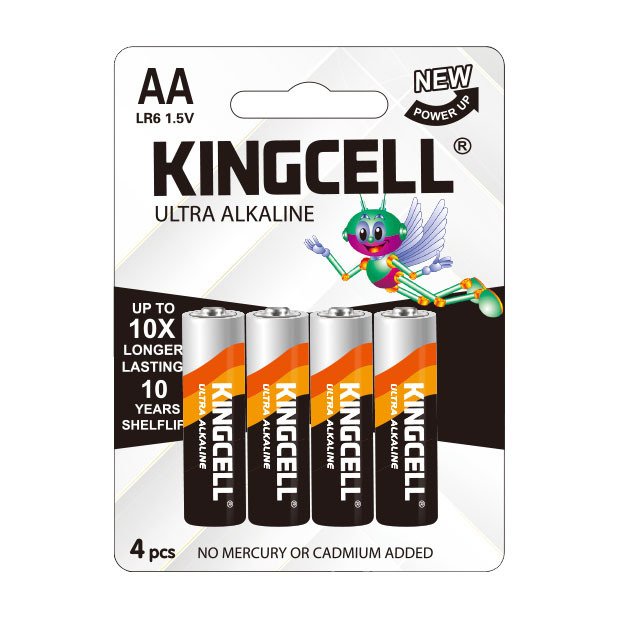
In the global battery industry, continuous technological innovation remains the key driver of performance improvement, cost optimization, and sustainable development. Recently, researchers at Shandong Huatai Battery Group, a leading 干电池制造商 and battery supplier in China, have made notable progress in next-generation 碱性电池 technology, drawing widespread attention across the industry.

山东华太新能源电池有限公司.
山东华太新能源电池有限公司.

Limitations of Traditional Alkaline Batteries and the Need for Innovation

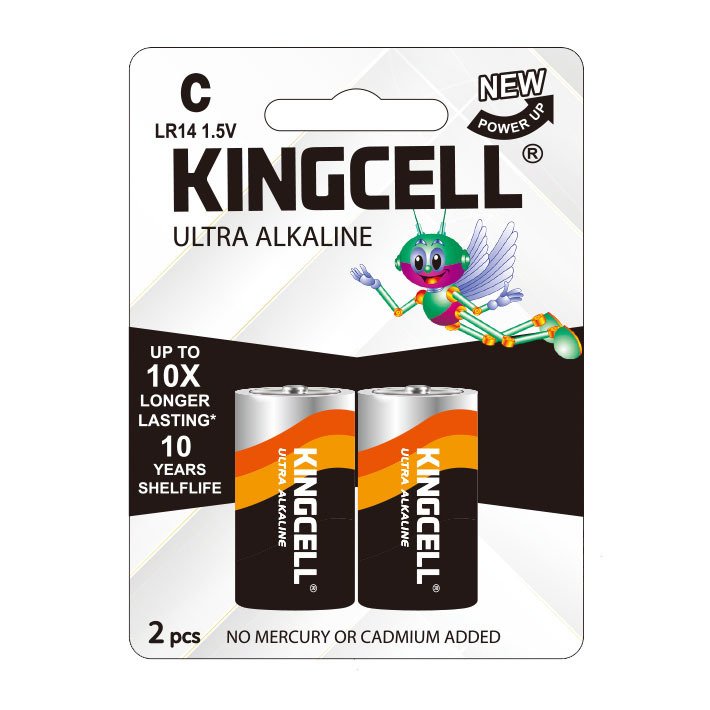
Traditional 碱性电池, widely used in household electronics, toys, remote controls, clocks, and portable devices, are valued for their reliability and cost-effectiveness. However, compared with emerging energy storage technologies, conventional alkaline batteries face inherent limitations in energy density 和 service life, especially under higher performance expectations.

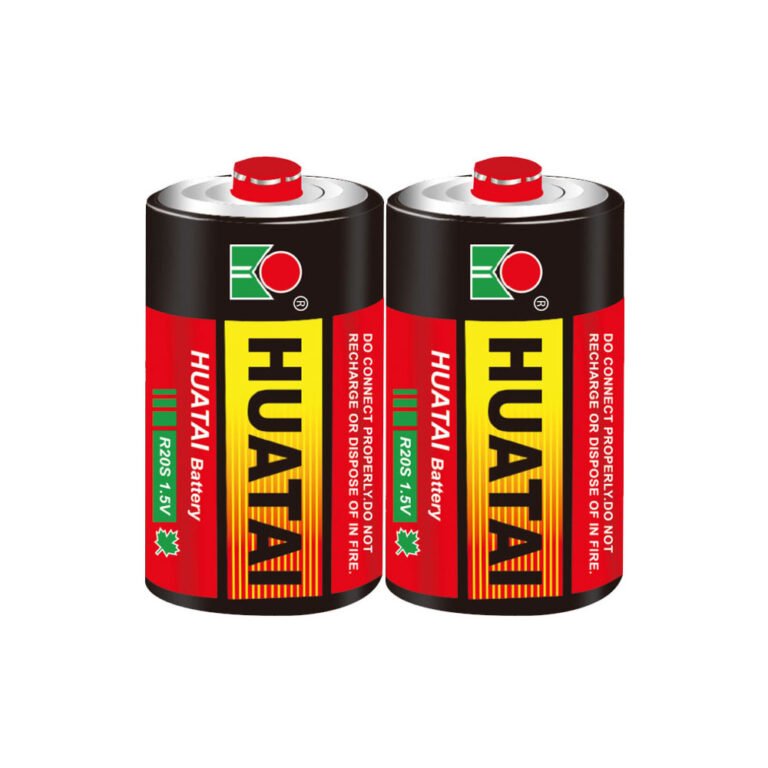
As a long-established alkaline battery factoryzinc carbon battery manufacturer, Huatai has long focused on improving core electrochemical performance while maintaining large-scale manufacturability and global supply stability.

Breakthroughs in Next-Generation Alkaline Battery Technology

The core of this new-generation alkaline battery research lies in material optimization and structural innovation. By improving cathode and anode material formulations and optimizing internal cell structure, Huatai’s R&D team has achieved:

Improved energy utilization efficiency

Enhanced discharge stability

Greater performance consistency under varied operating conditions

Advanced material concepts, including modified electrode materials and optimized electrolyte systems, have demonstrated promising results in laboratory testing, showing the potential to increase energy density and extend usable lifespan compared with traditional alkaline batteries.

While these advancements are still in the technology development and validation stage, they reflect Huatai’s long-term strategy of strengthening its technical foundation as a professional alkaline battery manufacturer and dry battery supplier.

Application Potential Across Multiple Markets

The next-generation alkaline battery concept demonstrates strong potential across several application scenarios:

1. Consumer Electronics
In devices such as remote controls, wireless peripherals, flashlights, toys, and small household electronics, higher energy density can translate into longer operating time and fewer battery replacements, improving user experience and reducing total usage cost.

2. Smart Devices & Low-Power Electronics
For low-drain and intermittent-use applications, next-generation alkaline batteries may offer an optimized balance between performance, cost, and environmental friendliness, complementing existing 锌碳电池 和 button cell batteries.

3. Complementary Role to Lithium Batteries
While 锂电池 dominate high-energy and rechargeable applications, improved alkaline batteries remain highly relevant in markets where simplicity, safety, affordability, and long shelf life are prioritized—especially in Africa, the Middle East, and South America.

Environmental and Sustainability Considerations

Compared with older battery chemistries such as nickel-cadmium systems, modern 碱性电池

Mercury-free and cadmium-free

Easier to recycle and process

More compliant with global environmental regulations

As a responsible battery manufacturer and exporter, Huatai continues to align its alkaline battery, zinc carbon battery, lithium battery, 和 钮扣电池 production with international environmental and safety standards.

From Laboratory Innovation to Commercial Reality: Challenges Ahead

Despite encouraging laboratory results, the commercialization of next-generation alkaline battery technology still faces several challenges:

Cost control to ensure competitiveness in mass markets

Long-term stability and safety validation under diverse climates and usage conditions

Standardization and regulatory alignment to ensure consistent quality at scale

Huatai’s approach emphasizes step-by-step industrial verification, leveraging its existing large-scale dry battery factory infrastructure and decades of manufacturing experience to gradually bridge the gap between research and production.

Huatai Battery Group: A Diversified Battery Manufacturer with Long-Term Vision

With over three decades of industry experience, Shandong Huatai Battery Group has established a comprehensive product portfolio, including:

Dry batteries (primary batteries)

Zinc carbon batteries for low-drain applications

碱性电池 for consumer and industrial use

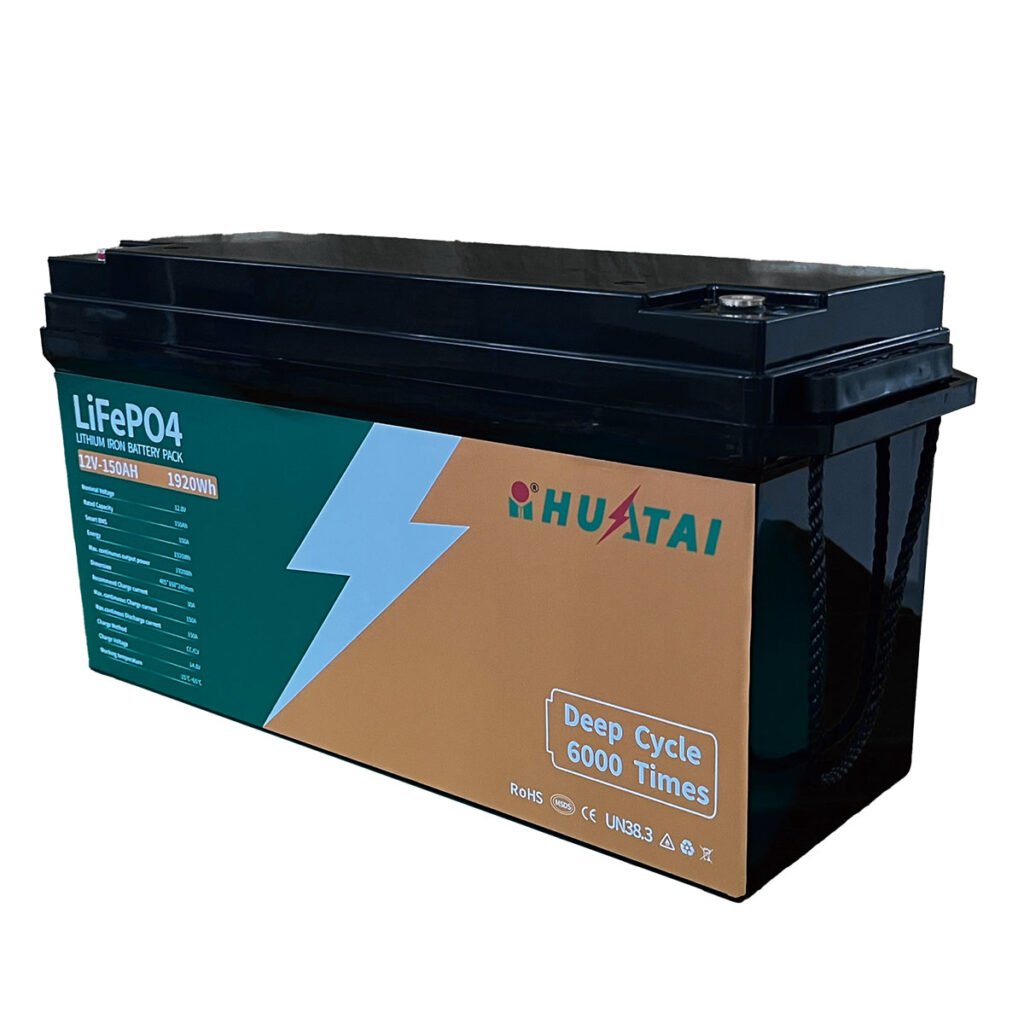
锂电池 for electric vehicles, energy storage, and start-stop systems

钮扣电池 for electronics and precision devices

This diversified layout enables Huatai to serve global customers as a reliable battery manufacturer, OEM supplier, and long-term strategic partner.

Advances in Lithium-Ion Batteries Pave the Way for a Sustainable Future

In recent years, lithium-ion batteries have emerged as a vital technology in the transition towards renewable energy sources and electric vehicles (EVs). The ever-increasing demand for more efficient and affordable batteries has spurred significant developments in the field. This year, experts predict several breakthroughs that could revolutionize the capabilities of lithium-ion batteries.

One notable advancement to keep an eye on is the development of solid-state batteries. Unlike traditional lithium-ion batteries that utilize liquid electrolytes, solid-state batteries employ solid materials or ceramics as electrolytes. This innovation not only increases energy density, potentially extending the range of EVs, but also reduces charging time and improves safety by minimizing the risk of fire. Prominent companies like Quantumscape are focusing on solid-state lithium-metal batteries, aiming to integrate them into vehicles as early as 2025.

While solid-state batteries hold great promise, researchers are also exploring alternative chemistries to address concerns about the availability of key battery materials such as cobalt and lithium. The quest for cheaper, more sustainable options continues to drive innovation. Furthermore, academic institutions and companies worldwide are working diligently to enhance battery performance, increase capacity, accelerate charging speeds, and reduce manufacturing costs.

Efforts to optimize lithium-ion batteries extend beyond electric vehicles. These batteries are finding applications in grid-level electricity storage, allowing for better integration of intermittent renewable power sources like solar and wind energy. By leveraging lithium-ion batteries for grid storage, the stability and reliability of renewable energy systems are significantly improved.

In a recent breakthrough, scientists at Lawrence Berkeley National Laboratory have developed a conductive polymer coating known as HOS-PFM. This coating enables longer-lasting, more powerful lithium-ion batteries for electric vehicles. HOS-PFM simultaneously conducts both electrons and ions, enhancing battery stability, charge/discharge rates, and overall lifespan. It also serves as an adhesive, potentially extending the average lifetime of lithium-ion batteries from 10 to 15 years. Furthermore, the coating has shown exceptional performance when applied to silicon and aluminum electrodes, mitigating their degradation and maintaining high battery capacity over multiple cycles. These findings hold the promise of significantly increasing the energy density of lithium-ion batteries, making them more affordable and accessible for electric vehicles.

As the world strives to reduce greenhouse gas emissions and transition to a sustainable future, advancements in lithium-ion battery technology play a pivotal role. The ongoing research and development efforts are driving the industry forward, bringing us closer to more efficient, affordable, and environmentally friendly battery solutions. With breakthroughs in solid-state batteries, alternative chemistries, and coatings like HOS-PFM, the potential for widespread adoption of electric vehicles and grid-level energy storage becomes increasingly feasible.

华泰牌锂离子电池
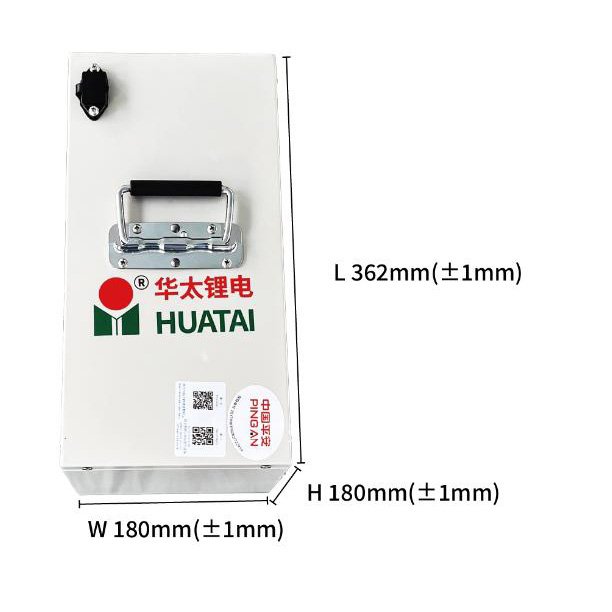
华泰牌锂离子电池

Technical FAQ: Next-Generation Alkaline & Lithium Innovation

Q1: What are the key breakthroughs in Huatai’s next-generation alkaline research?

请回答: Our R&D team has focused on material optimization and structural innovation. By utilizing modified cathode and anode formulations alongside optimized electrolyte systems, we have achieved higher energy utilization efficiency and greater discharge stability compared to traditional alkaline cells.

Q2: How does “Next-Gen” technology improve the user experience?

请回答: The primary benefits include increased energy density and an extended usable lifespan. For consumers, this translates to fewer battery replacements in devices like wireless peripherals, smart home sensors, and medical equipment, effectively lowering the total cost of ownership.

Q3: Is the alkaline battery still relevant in the age of lithium?

请回答: Absolutely. While lithium dominates high-drain and rechargeable sectors, next-generation alkaline batteries are indispensable for markets prioritizing safety, affordability, and long shelf life. They remain the preferred choice for household electronics in Africa, the Middle East, and South America due to their stability and ease of recycling.

Q4: What advancements is Huatai monitoring in the lithium-ion sector?

请回答: We are closely following the transition toward solid-state batteries and alternative chemistries that reduce reliance on cobalt. Additionally, we are looking at breakthroughs like HOS-PFM conductive coatings, which can potentially extend the average lifetime of lithium-ion batteries from 10 to 15 years by enhancing ion conductivity and electrode stability.

Q5: What is the application of Huatai’s Lithium-Ion Start-Stop batteries?

请回答: These batteries are engineered for modern automotive systems and grid-level storage. They provide the high-rate discharge and stability required for frequent start-stop cycles in vehicles and help integrate intermittent renewable energy (solar/wind) into the power grid.

Q6: How does Huatai maintain consistency across its 40+ production lines?

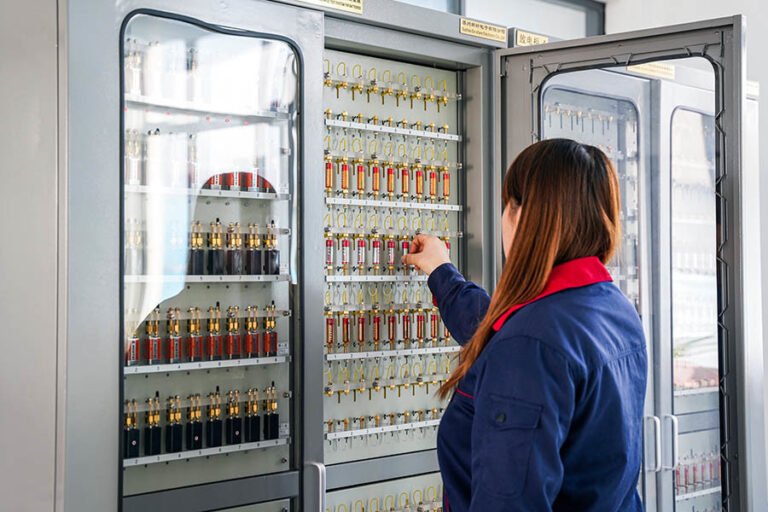
请回答: Consistency is driven by our Canadian HIBAR high-speed ultra-precision lines, which operate at 800 pcs/min. By self-supplying core components and utilizing a “quality at the source” philosophy, we ensure that every cell—whether alkaline, zinc-carbon, or lithium—meets our rigid internal standards and international certifications.

Q7: How does the “3-5-8-10” standard apply to these new innovations?

请回答: Our innovation remains anchored in these four pillars:
3 (Eco-Friendly): Mercury-free and fully compliant with EU environmental standards.
5 (New Tech): Application of new materials and modified electrode concepts.
8 (Power): Energy density up to 8x that of ordinary carbon batteries.
10 (Longevity): A guaranteed 10-year shelf life, ensuring reliability even after long-term storage.

Q8: What certifications support Huatai’s global export operations?

请回答: Shandong Huatai is qualified with ISO9001 和 ISO14001 and is 通过 BSCI 认证. Our products meet all European environmental standards, providing peace of mind for our partners in over 80 countries regarding safety and regulatory compliance.

Q9: What specific battery models are available in the Huatai portfolio?

请回答: We manufacture a comprehensive range of primary batteries, including:
Zinc-Carbon: R20, R14, R6, R03, 6F22.
Alkaline: LR20, LR14, LR6, LR03, 6LR61.
Specialty & Button Cells: 27A, 23A, CR series, AG series, and Zinc-air cells.

Q10: Does Huatai provide OEM/ODM and Private Label services?

请回答: Absolutely. “Customer First, Service Foremost” is our core philosophy. Many well-known global battery brands outsource their production to us to benefit from our large-scale manufacturing and optimized order fulfillment. We are committed to building long-term, high-value strategic partnerships with distributors and brand owners worldwide.

Conclusion: Opportunities and Responsibility in Battery Innovation

The development of next-generation alkaline battery technology represents both opportunity and responsibility for the battery industry. While lithium batteries continue to expand into high-energy applications, alkaline batteries—enhanced through material and structural innovation—remain indispensable in global markets.

Through continuous R&D investment, cautious commercialization planning, and strong manufacturing fundamentals, Shandong Huatai Battery Group is positioning itself to contribute meaningfully to the future of primary batteries, alkaline batteries, 锌碳电池, 锂电池, 和 button cell batteries.

As research progresses and industry standards evolve, next-generation alkaline batteries may play an increasingly important role in portable power, household electronics, and sustainable energy consumption worldwide.

相关

发表回复

您的邮箱地址不会被公开。 必填项已用 * 标注