Executive Summary
Learn how to properly use AA AAA C D 9V 锌碳电池 for better performance and longer life. 华泰电池集团 provides reliable dry battery solutions for global markets.
As a long-established supplier of dry primary batteries,Linyi Huatai Battery Group delivers AA AAA zinc carbon batteries that are optimized for affordability, stability, and large-scale global distribution. Widely used in low-drain devices, these batteries remain a preferred choice in many international markets where cost efficiency and dependable performance are essential.
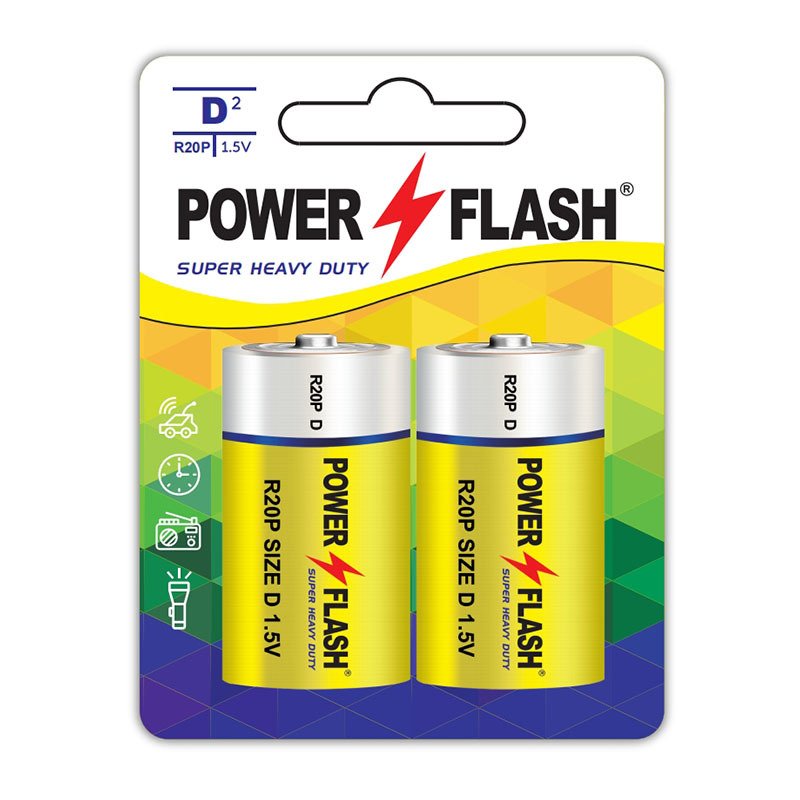
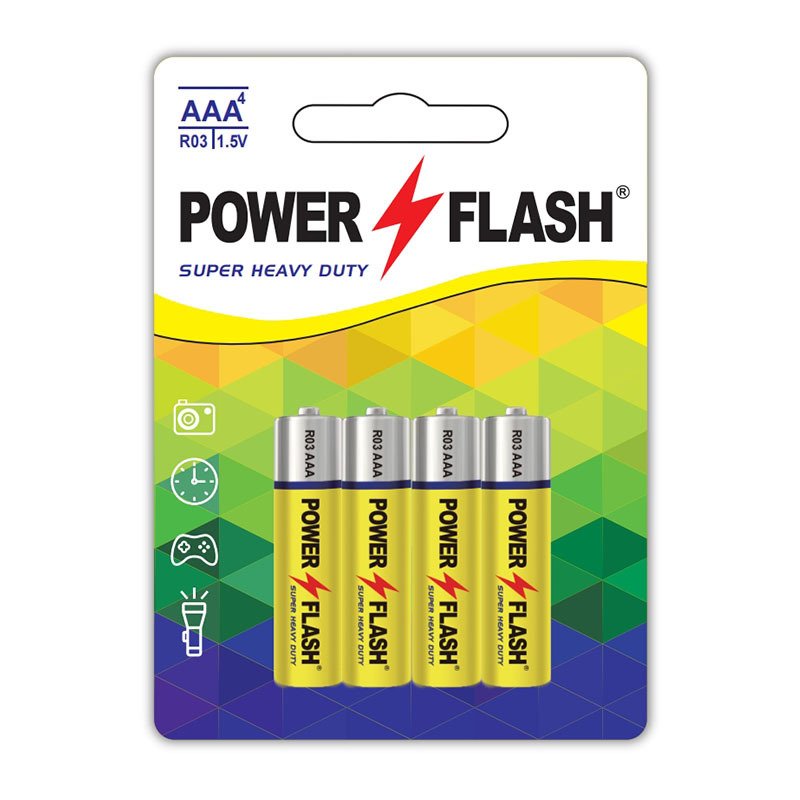
This guide explains how to properly use R03 R6 R14 R20 6F22 zinc carbon batteries, based on real-world applications and industry experience. By following the correct usage methods, distributors, OEM buyers, and end users can maximize battery life, reduce leakage risks, and ensure consistent performance across different devices.
华泰电池简介
山东临沂华太新能源电池有限公司. 公司成立于 1993 年 5 月,但我们工厂的历史可以追溯到 1956 年临沂电池厂的成立。 领先的环保无汞碱性电池制造商 和 锂电池制造商 在中国和 全球最大的重型锌碳电池制造商和工厂.我们的产品采用 华太,电源闪光 和 金赛尔 品牌和客户的自有品牌,年产量达到 60 亿个 HIBAR 高速自动化生产线, 提供 OEM 解决方案 欲了解更多信息,请继续关注我们的 新闻版块, 其中涵盖了最新的 公司新闻 和 行业新闻.我们还提供 一站式产品目录服务 为客户服务。.
1. Understanding Zinc Carbon Batteries and Their Applications
Zinc carbon batteries—also known as dry cell batteries—are designed primarily for low power consumption devices. Their main advantage lies in their low cost and wide compatibility.
Common Applications:
- Remote controls carbon zinc battery
- Wall clocks carbon zinc battery
- Radios carbon zinc battery
- Flashlights carbon zinc battery
- Basic toys carbon zinc battery
In many emerging markets, zinc carbon batteries remain the most practical solution for everyday energy needs, especially where price sensitivity is high.
2. Correct Installation: Ensuring Stable Performance
Proper installation is critical for achieving optimal battery performance.
Best Practices:
- Insert batteries according to correct polarity (+ / −)
- Use the same type and brand within one device
- Replace all batteries at the same time
Avoid:
- Mixing new and used batteries
- Combining zinc carbon batteries with alkaline batteries
Incorrect usage may lead to:
- Power instability
- Faster discharge
- Increased leakage risk
3. Choosing the Right Device for Zinc Carbon Batteries
Zinc carbon batteries are best suited for low-drain applications, where energy is consumed slowly over time.
Recommended Devices:
- Clocks (continuous low power usage)
- Remote controls (intermittent usage)
- Radios (moderate but steady consumption)
- Flashlights (occasional use)
Not Recommended:
- High-drain devices such as digital cameras or gaming controllers
Using the correct battery type helps optimize both performance and cost efficiency, especially for bulk buyers and distributors.
4. Storage Guidelines: Maintaining Battery Quality
Proper storage conditions play a key role in preserving battery life.
Ideal Storage Conditions:
- Temperature: 10°C–25°C
- Dry, low-humidity environment
- Avoid direct sunlight and heat exposure
Zinc carbon batteries typically have a shelf life of 2–3 years, depending on storage conditions and manufacturing quality.
5. Preventing Leakage: A Key Consideration
Leakage is one of the most common concerns when using zinc carbon batteries, especially in long-term applications.
Main Causes:
- Deep discharge (fully draining the battery)
- Leaving batteries inside unused devices
- Low-quality sealing during production
Prevention Tips:
- Replace batteries before they are completely depleted
- Remove batteries from devices when not in use
- Store batteries properly in a controlled environment
With improved production processes and better material control, modern zinc carbon batteries offer more reliable performance than earlier generations.
6. Do Not Recharge Zinc Carbon Batteries
Zinc carbon batteries are non-rechargeable.
Safety Warning:
Do NOT attempt to recharge
Recharging may result in:
- Internal gas buildup
- Leakage
- Possible rupture
Always use rechargeable batteries only where specified.
7. Remove Batteries from Idle Devices
If a device will not be used for an extended period:
✔ Always remove the batteries
This simple step helps prevent:
- Leakage damage
- Contact corrosion
- Device malfunction
8. Expiry Date and Performance Stability
Always check the expiration date before use.
Key Points:
- Zinc carbon batteries gradually lose capacity over time
- Older batteries are more prone to leakage
- Fresh batteries provide more stable voltage output
For distributors and wholesalers, proper stock rotation is essential to maintain product quality.
9. Manufacturing Quality and Supply Reliability
For global buyers, battery performance is closely linked to manufacturing quality.
At Huatai Battery Group, large-scale production systems and strict quality management ensure:
- Stable chemical composition
- Consistent voltage output
- Controlled leakage rates
- Reliable batch consistency
With extensive export experience, Huatai supports clients across Africa, the Middle East, South America, and other high-demand regions, providing cost-effective solutions for mass-market applications.
FAQ (Frequently Asked Questions)
They are ideal for low-drain devices such as clocks, remote controls, radios, and flashlights.
Typically 2–3 years in storage, depending on quality and storage conditions.
They are more sensitive to deep discharge and long-term use inside devices compared to alkaline batteries.
No, they are not suitable for high-drain applications, as performance may drop quickly.
Yes, Huatai offers large-scale supply and flexible OEM solutions for global buyers.
结论
Zinc carbon batteries continue to play a vital role in the global battery market by offering a cost-effective and practical power solution for everyday devices. When used correctly—paired with proper storage and timely replacement—they can deliver stable and reliable performance.
With strong manufacturing capabilities and deep market experience, Huatai Battery Group remains a dependable partner for distributors and OEM buyers seeking consistent quality and competitive pricing in the zinc carbon battery segment.