西非干电池的分布和市场现状

–A Brand-Level Market Analysis by Shandong Huatai New Energy Battery Co., Ltd.

山东华泰新能源电池有限公司. presents below a comprehensive, brand-level analysis of the current West African dry battery market, covering market size and drivers, channel and regional distribution, brand positioning (multinational premium brands, international mass brands, Chinese manufacturers, local producers and distributors), gray-market and counterfeit issues, as well as key considerations for companies entering or expanding in the region.

This analysis is intentionally detailed and lengthy, with the aim of providing a practical reference for understanding today’s West African dry battery market.

山东华太新能源电池有限公司.
山东华太新能源电池有限公司.

Introduction About Huatai Battery

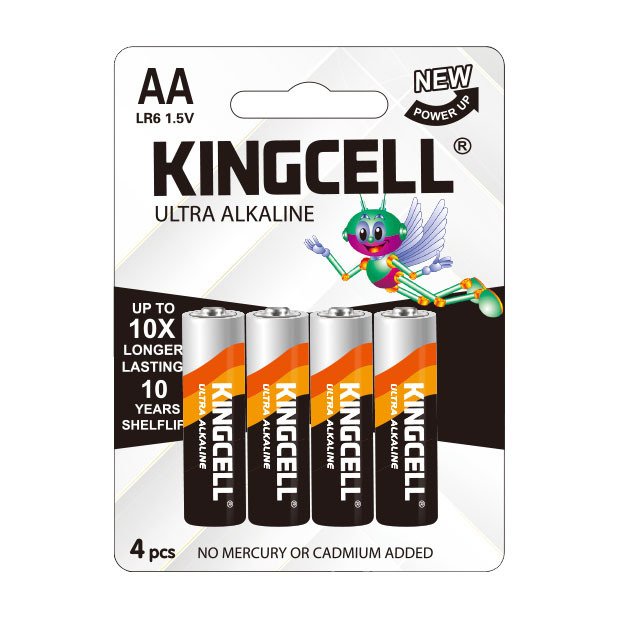
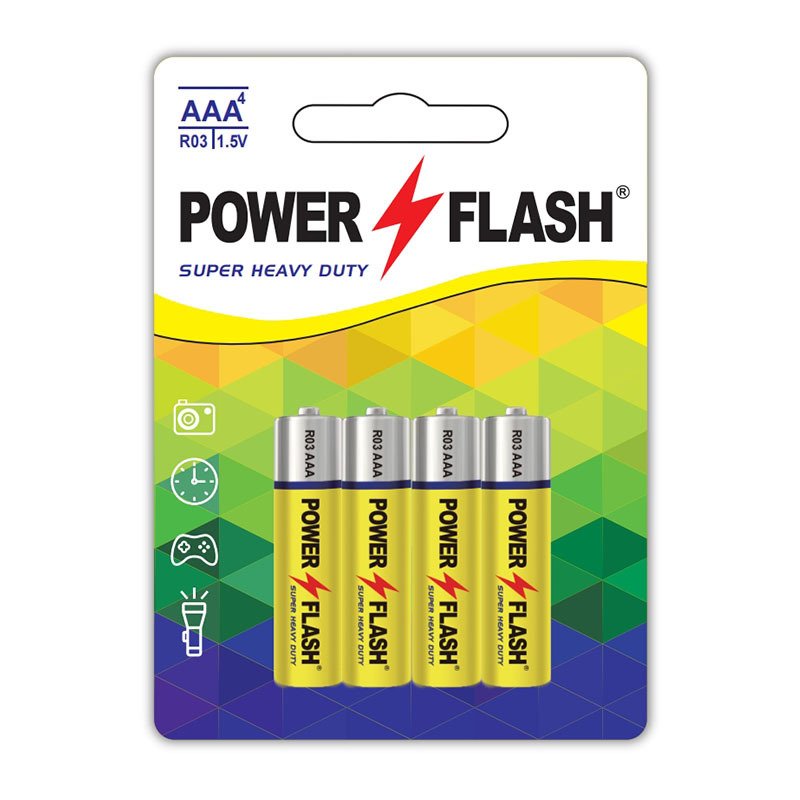
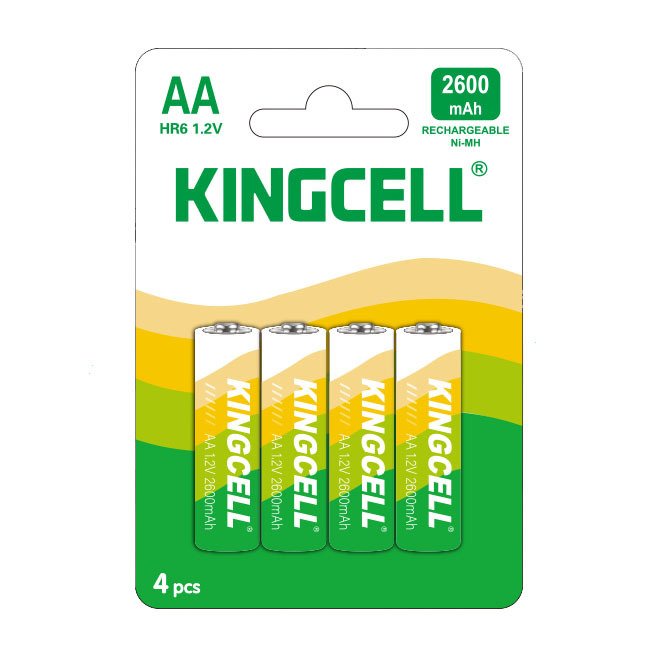
山东临沂华太新能源电池有限公司. 公司成立于 1993 年 5 月,但我们工厂的历史可以追溯到 1956 年临沂电池厂的成立。 领先的环保无汞碱性电池制造商 和 锂电池制造商 在中国和 全球最大的重型锌碳电池制造商和工厂.我们的产品采用 华太,电源闪光 和 金赛尔 品牌和客户的自有品牌,年产量达到 60 亿个 HIBAR 高速自动化生产线, 提供 OEM 解决方案 欲了解更多信息,请继续关注我们的 新闻版块, 其中涵盖了最新的 公司新闻 和行业新闻.我们还提供 一站式产品目录服务 为客户服务。.

Huatai’s manufacturing quality has been validated through long-term cooperation with internationally recognized companies.

Global OEM Partnerships:

Panasonic

Philips

Energizer

Domestic Strategic Clients:

Bull Group

Haier

Hisense

Huatai provides complete OEM / ODM battery services, 包括

private label battery production

customized packaging design

flexible MOQ solutions

fast production turnaround

Many well-known battery brands rely rely on Huatai for zinc carbon battery&alkaline battery&lithium battery OEM production, demonstrating its strong cost-performance advantage in global markets.

I. Market Overview: Size, Structure, and Growth Drivers

1. Market Trends

Based on extensive research, the West African (and broader African) battery market is in a clear growth phase. Demand is driven primarily by:

Household energy consumption and daily-use devices,Mobile power needs and flashlights,Telecommunications base stations and backup power,Off-grid lighting (solar lamps, torches)。

In parallel, microgrids, backup power systems, automotive batteries, and industrial batteries are also expanding, further reinforcing overall battery demand.

2. Product Structure

In the household and consumer primary battery segment, the market generally follows a three-tier structure:

碳锌电池 (zinc manganese dry batteries) – low-end, price-driven

碱性电池 – mass market, better performance

Primary lithium batteries & button cell batteries – small electronics and specialty devices

In many West African countries, price sensitivity remains extremely high, meaning 碳锌电池 still dominate volume sales, especially in rural and informal markets. However, for high-drain or long-life applications (cameras, wireless devices, high-performance flashlights), consumers increasingly choose 碱性电池 or international brands.

Huatai Battery’s Competitive Fit in West Africa

Huatai batteries demonstrate strong advantages in this market due to:

Large-scale production capacity and cost efficiency, ideal for price-sensitive regions

Existing market presence and early-stage success in West Africa, enabling faster expansion

Highly compatible product portfolio, including carbon zinc batteries, alkaline batteries, and button cell batteries that match core consumer demand

Dry battery manufacturer, carbon zinc battery factory, alkaline battery supplier Africa

II. Channel and Regional Distribution

1. E-commerce Platforms

Major local e-commerce platforms such as Jumia 和 Konga play a growing role in urban battery sales. These platforms serve as formal and traceable channels, offering brands such as Duracell, Panasonic, GP, and Huatai directly to consumers.

2. Modern Offline Retail

Modern retail formats—supermarkets and electronics chains—are concentrated in major cities such as Lagos, Accra, and Abidjan. These channels primarily carry mid- to high-end brands and support stronger brand visibility and pricing discipline.

3. Traditional Markets and Small Shops

The largest sales volumes still come from small kiosks, open markets, and street vendors, where low-priced carbon zinc and alkaline batteries dominate. However, these channels carry:

Higher quality inconsistency

Serious traceability risks

Greater exposure to counterfeit products

4. B2B Distribution Networks

Huatai Battery leverages local distributors and wholesalers, using their existing sales networks to rapidly scale market share across multiple West African countries.

SEO keywords: battery supplier West Africa, OEM battery distributor, wholesale dry battery supplier

III. Major Battery Brands and Consumer Segments

A. Multinational Premium / Tier-One Global Brands

1. Duracell

Positioning:
Global premium consumer battery brand, known for long lifespan, strong brand premium, and high retail recognition.

West Africa Presence:
Widely available in Nigeria, Ghana, and Côte d’Ivoire through authorized distributors and e-commerce platforms such as Jumia. Duracell enjoys high brand awareness and strong price premium in urban markets.

2. Energizer

Positioning:
A global premium-to-mass-market hybrid brand, with strong alkaline and high-performance lithium battery lines.

West Africa Presence:
Energizer claims coverage in 160+ countries globally and enters West Africa mainly through local distributors and agents, with availability across retail and e-commerce channels.

3. Panasonic / VARTA / Maxell

Positioning:

Panasonic: alkaline batteries, button cells, and rechargeable batteries

VARTA / Maxell: button cell batteries and specialty batteries for cameras and medical devices

West Africa Presence:
Typically supplied via regional master distributors. Selected models—especially button cell batteries and alkaline batteries—are available in modern retail and online channels.

B. Chinese and Asian Cost-Competitive Brands (Market-Dominant by Volume)

1. Huatai Battery (Established Chinese Manufacturer)

Positioning:
Export-oriented carbon zinc and alkaline battery manufacturer, highly competitive in price, focused on high-volume daily-use markets.

West Africa Presence:
Huatai Battery operates through an authorized agency and distributor system, granting sales rights to large local wholesalers under strict compliance and incentive mechanisms. Supported by consistent quality, competitive pricing, and strong customer reputation, Huatai’s batteries continue to gain market share across West Africa.

Keywords for searching: carbon zinc battery supplier Africa, alkaline battery manufacturer China, OEM dry battery factory

2. Forgo Battery (Nigeria – Local Manufacturer)

Overview:
Forgo is a Nigerian battery manufacturer primarily focused on automotive, solar, and backup power batteries. Corporate information indicates production capabilities in Ilorin, with compliance to local standards.

While Forgo is more concentrated in lead-acid and industrial batteries, it reflects a broader trend toward local manufacturing and upstream industrial development.

IV. Gray Market, Counterfeiting, and Recycling Issues

1. Counterfeit and Non-Authorized Products

Counterfeit batteries and unauthorized imports are extremely common in low-end channels. Weak regulation and large price gaps make fake packaging widespread in street markets, damaging brand trust and increasing after-sales risk.

Authorized distributors and e-commerce platforms are becoming the primary battlegrounds for anti-counterfeiting and product traceability.

2. Recycling and Environmental Challenges

The uncontrolled circulation of used batteries and lead-acid battery waste, including cross-border movement (e.g., large volumes of used batteries flowing out of Nigeria), creates environmental pressure and complicates local recycling efforts.

V. Regional Differences Within West Africa

1. Coastal Economic Hubs (Nigeria, Ghana, Côte d’Ivoire)

Large populations and higher urbanization

Concentrated ports and import infrastructure

Stronger presence of international brands and formal distribution

Preferred entry points for Chinese battery manufacturers and wholesalers

2. Inland and Secondary Markets

Reliance on road-based distribution and informal vendors

Dominance of low-cost carbon zinc batteries

Limited after-sales service and authenticity assurance

VI. Opportunities and Risks by Market Participant Type

1. International / Premium Brands

Opportunities:

Stable demand from urban middle-class consumers

Medical and professional equipment requiring quality assurance

Ability to protect brand value through e-commerce and authorized distribution

Risks:

Strong price sensitivity limits mass-market penetration

High costs for anti-counterfeiting, education, and channel control

2. Chinese Brands (Huatai, Camelion, etc.)

Opportunities:

Natural advantage in high-volume, low-price segments

Well-suited for wholesale and fast-turnover strategies

Huatai already has local distribution foundations for rapid expansion

Risks:

Low brand barriers and intense price competition

Limited acceptance in premium urban scenarios

3. Local Manufacturers and Assemblers (Forgo, Ibeto, etc.)

Opportunities:

Policy support and import substitution

Cost advantages when combined with recycling systems

Strong positioning in lead-acid and industrial batteries

Risks:

Disposable dry battery localization is difficult due to raw materials and scale

Requires significant capital and technical investment

Strategic FAQ: West African Battery Market & Huatai’s Growth Strategy

Q1: Why is West Africa a critical growth market for Huatai Battery?

请回答: The West African market is in a significant growth phase driven by high demand for daily-use devices, flashlights, and off-grid solar solutions. With extreme price sensitivity in the region, Huatai’s large-scale production efficiencycompetitive carbon-zinc & alkaline portfolio align perfectly with the core market demand. Our established presence and authorized distributor networks allow for rapid scaling across major hubs like Nigeria, Ghana, and Côte d’Ivoire.

Q2: How does Huatai manage the “Three-Tier” market structure in West Africa?

请回答: We employ a tiered product strategy to cover all consumer segments:
Tier 1 (Premium): Our high-performance Alkaline batteries (LR6/LR03) produced on Canadian HIBAR lines compete with global brands in urban supermarkets and e-commerce platforms like Jumia.
Tier 2 (Mass Market): 我们的 Carbon-zinc batteries (R6P/R03) provide the most cost-effective power solution for rural and informal markets.
Tier 3 (Specialty): We provide button cells and Hi-Volt batteries for the growing small electronics and medical device sectors.

Q3: What are the primary distribution channels for Huatai batteries in this region?

请回答: Huatai utilizes a multi-channel approach to ensure maximum reach:
Wholesale Networks: Partnering with large local distributors to penetrate traditional open markets and kiosks.
E-commerce: Leveraging platforms like Jumia and Konga for traceable, urban sales and brand building.
Modern Retail: Placing mid-to-high-end alkaline products in supermarkets in major cities such as Lagos and Accra.
B2B: Supplying industrial backup and telecommunications sectors with specialized battery modules.

Q4: How does Huatai differentiate itself from global premium brands (Duracell/Energizer) in Africa?

请回答: While global giants focus on high brand premiums, Huatai offers “Performance Parity with Commercial Agility.” We provide high-quality, mercury-free batteries that meet European standards but at a price point that enables local wholesalers to maintain healthier margins. Additionally, our OEM/private-label flexibility allows local partners to build their own brands, which the major multinationals typically do not support.

Q5: How does Huatai address the challenges of counterfeiting and gray markets in West Africa?

请回答: We combat counterfeiting through Authorized Agency Systems. By granting exclusive sales rights to vetted local wholesalers and implementing strict compliance mechanisms, we ensure product traceability. We also encourage our partners to use formal e-commerce channels and modern retail outlets, which serve as “safe havens” for authentic, high-quality Huatai products.

Q6: What logistical advantages does Huatai offer for African imports?

请回答: Logistics cost is a major factor in Africa. Huatai is located less than 距离青岛港 150 英里, one of China’s largest container terminals. This proximity, combined with our massive annual output of 3.6 billion pieces, ensures that we can offer the best shipping value and maintain a consistent supply chain, even for high-volume orders required by coastal economic hubs.

Q7: Is Huatai expanding into New Energy solutions for the African market?

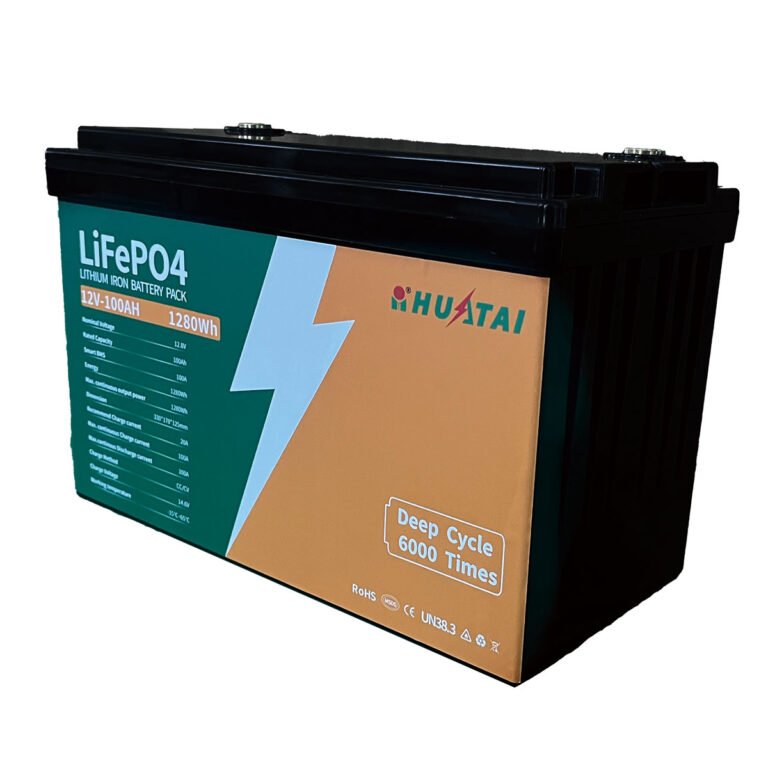
请回答: Absolutely. Recognizing the shift toward renewable energy in West Africa, Huatai is expanding its portfolio to include Portable Power Stations, LiFePO4 (LFP) batteries, and Sodium-ion batteries. These are specifically designed for solar backup and off-grid lighting, providing a long-term energy roadmap for our African partners beyond traditional dry cells.

Final Summary

"(《世界人权宣言》) West African consumer dry battery market is highly price-sensitive and clearly segmented. Primary disposable dry batteries remain the dominant energy source:

Urban formal channels prefer international and higher-quality brands and are willing to pay for longer lifespan—creating opportunities for high-capacity alkaline batteries such as Huatai’s.

Secondary cities and rural areas are dominated by low-priced bulk batteries sold through informal markets.

To successfully enter or expand in the West African battery market, suppliers must operate a dual strategy:

High-end and low-end products simultaneously

Combine authorized distribution and e-commerce in cities with wholesale and traditional market coverage

Build both price competitiveness and supply chain reliability

相关

发表回复

您的邮箱地址不会被公开。 必填项已用 * 标注