Chinese
 English
 Spanish
 French
 Arabic
 Portuguese
 Russian
Overview: Two Neighboring Regions with Different Battery Market Structures
比较 Primary Dry battery markets in the Middle East 和 非洲, 包括 碳锌 和 碱性电池 demand, AA, AAA, C and D battery sizes, consumer applications, distribution channels, import regulations and OEM sourcing opportunities by 山东华泰电池集团.
"(《世界人权宣言》) 中东 和 非洲 are two important destinations for China’s disposable battery exports. Although they are geographically connected through major trade routes, their primary battery markets differ considerably in purchasing power, product preferences, retail structures and import requirements.
The Middle East, particularly the Gulf Cooperation Council (GCC) countries, has a relatively developed modern retail sector and stronger demand for alkaline batteries. At the same time, price-sensitive markets such as Iraq and Yemen continue to provide demand for economical carbon zinc batteries.
Africa is a more diverse and price-sensitive market. In many Sub-Saharan countries, carbon zinc batteries remain important because of their affordability, established distribution networks and suitability for low-power household devices. Large-size D batteries are also widely used in flashlights, radios and emergency lighting equipment.

对于诸如……这样的制造商 山东华泰新能源电池有限公司., these differences require separate product, packaging and distribution strategies rather than one export model for both regions.
Middle East vs. Africa: Key Market Differences
| 市场因素 | 中东 | 非洲 |
| Market structure | A combination of premium retail and price-sensitive wholesale markets | Highly fragmented markets with strong traditional wholesale and informal retail channels |
| 电池化学 | Stronger alkaline presence in developed Gulf retail markets; carbon zinc remains relevant in economical segments | Carbon zinc is particularly important in many Sub-Saharan markets; alkaline demand varies by country and income level |
| Common battery sizes | AA and AAA, with continued demand for C and D sizes | AA, D and AAA; D-size demand is important in many flashlight and radio applications |
| Main applications | Toys, remote controls, household electronics, medical devices and emergency lighting | Flashlights, portable radios, clocks, toys, mosquito bats and emergency lighting |
| 采购优先级 | Performance, leakage resistance, packaging, brand recognition and price | Unit cost, stable supply, usable shelf life, packaging cost and distribution efficiency |
| 发行 | Modern supermarkets, importers, regional wholesalers and re-export traders | Import wholesalers, regional distributors, open markets, kiosks and small retailers |
| Export considerations | Product conformity, labeling and country-specific certification | Pre-export conformity programs, customs procedures, local labeling and payment risks |
These are broad regional tendencies rather than fixed rules. South Africa, for example, has a more developed retail environment than many other African markets, while the Middle East also contains substantial differences between GCC countries and lower-income markets.

Battery Chemistry and Product Demand: Alkaline vs. Carbon Zinc
Carbon Zinc Batteries: A Core Product for Price-Sensitive Markets
Carbon zinc batteries, also known as zinc-carbon or heavy-duty batteries, remain an important choice for devices with relatively low and intermittent power consumption.
Their typical applications include wall clocks, television remote controls, portable radios, basic toys and conventional flashlights. These devices generally do not require the high current output associated with more demanding electronic equipment.
In many African markets, the relatively low purchase price of carbon zinc batteries makes them suitable for consumers who buy batteries frequently and often purchase them individually or in small packs. R20 (D), R6 (AA) and R03 (AAA) are particularly relevant product sizes for manufacturers and importers serving these channels.
Carbon zinc batteries also remain competitive in parts of the Middle East where consumers prioritize affordability over maximum operating time.
Alkaline Batteries: Stronger Demand in Modern Retail and Higher-Performance Applications
Alkaline batteries use potassium hydroxide (KOH) as their electrolyte, while conventional carbon zinc batteries generally use zinc chloride or ammonium chloride-based electrolyte systems.
Both are commonly rated at 1.5V per cell, but their discharge characteristics and practical capacities differ. Under comparable test conditions, alkaline batteries generally provide higher capacity and better performance in devices with greater or more sustained current requirements.
Common applications include wireless keyboards and mice, electronic toys, digital thermometers, certain medical devices, smart locks and household electronics.
In the Middle East, particularly Saudi Arabia and the UAE, modern retail channels and higher household purchasing power support a stronger market for alkaline AA and AAA batteries. However, alkaline products should not be treated as a universal replacement for carbon zinc batteries: the appropriate choice depends on device requirements, operating current and consumer price expectations.
Battery Sizes and Real-World Applications
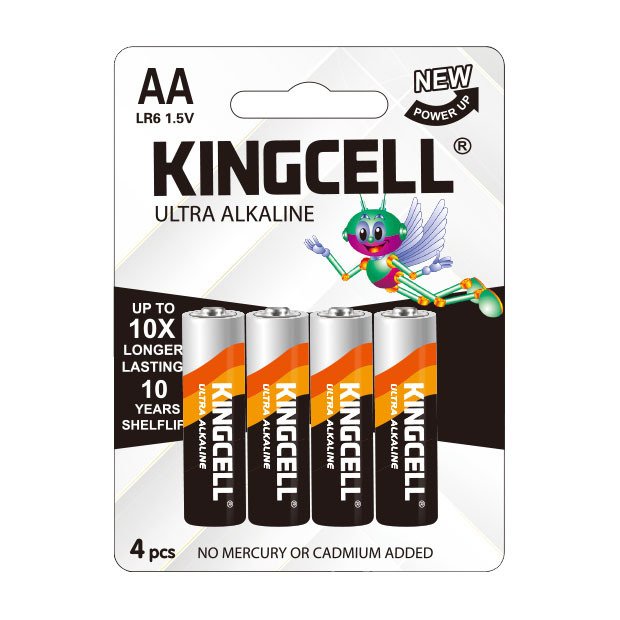
Battery size preferences are closely related to the electrical devices used in each market.
| Battery Size | Carbon Zinc Model | Alkaline Model | 典型应用 |
| AA | R6 | LR6 | Remote controls, toys, clocks and wireless accessories |
| AAA | R03 | LR03 | Small remote controls, compact toys and household electronics |
| C | R14 | LR14 | Medium-size flashlights, radios and portable devices |
| D | R20 | LR20 | Large flashlights, radios and emergency lighting |
| 9V | 6F22 | 6LR61 | Smoke alarms, testing instruments and selected electronic devices |
One important distinction is the role of D-size batteries in Africa. In areas where grid electricity is unreliable, battery-powered flashlights and radios can remain practical household equipment. Their relatively large battery compartments make R20/D cells relevant to local distributors.
In the Middle East, AA and AAA batteries have broader applications in modern household electronics, although C and D batteries continue to serve traditional flashlights and emergency equipment.

Climate, Storage and Packaging Requirements
Both regions experience high temperatures, but their logistics and storage conditions create different challenges.
In the Middle East, batteries may be exposed to high ambient temperatures during inland transportation, port handling and storage in non-air-conditioned warehouses. Heat can accelerate self-discharge and affect long-term product stability. Battery sealing, electrolyte retention and packaging integrity are therefore important purchasing considerations.
In Africa, high temperatures are also common, while humidity, long inland transportation routes and extended distribution cycles can create additional storage challenges. Poor warehouse conditions and repeated handling may increase the risk of corrosion, damaged packaging and product deterioration.
For both markets, manufacturers should pay attention to:
- Reliable cell sealing and electrolyte retention.
- Corrosion-resistant external components and appropriate surface treatment.
- Stable electrical performance throughout the declared shelf life.
- Moisture-resistant packaging and secure shrink wrapping.
- Clear production dates, shelf-life information and storage instructions.
Packaging preferences also vary. Middle Eastern importers may require blister cards, multipacks and bilingual Arabic-English labeling for modern retail. In many African wholesale channels, two-cell or four-cell shrink packs and display boxes can provide a more economical solution for high-volume distribution.
The final packaging specification should be determined by the buyer’s retail channel, local labeling rules and transportation requirements.
Distribution Channels and OEM Private Label Opportunities
The Middle East has a relatively strong modern retail and regional trading structure. Supermarket groups, electrical retailers, hardware stores and professional importers are important channels. Dubai, particularly Jebel Ali, also serves as a major logistics and re-export hub connecting suppliers with buyers across the Middle East and parts of East Africa.
International brands maintain strong positions in premium retail, but regional importers and distributors also have opportunities to develop private label alkaline and carbon zinc batteries. OEM sourcing allows them to control packaging, product positioning and retail pricing.
Africa has a more fragmented distribution structure. In many countries, large importers supply regional wholesalers, who then distribute products to smaller traders, neighborhood shops and open markets. Batteries may ultimately be sold as individual cells or small packs.
This structure creates opportunities for locally recognized private labels. Buyers often prioritize a competitive landed cost, dependable product quality and the ability to maintain regular inventory.
For Chinese manufacturers, OEM and private label production can serve both regions, but the product mix should be different. Middle Eastern buyers may require a broader alkaline range, while many African importers need stable, large-volume supplies of economical carbon zinc batteries.

Import Regulations and Export Compliance
Regulatory requirements should be checked separately for each destination country. There is no single certification that automatically covers all Middle Eastern or African markets.
In Saudi Arabia, exporters should confirm the applicable SASO technical regulations and SABER conformity assessment procedures, including product and shipment certification where required. In the UAE, applicable MoIAT conformity requirements and relevant restricted-substance regulations should be reviewed.
For Iraq and other markets requiring conformity inspections, exporters should verify the current approved inspection program, product scope and documentation requirements before shipment.
African requirements also vary considerably. Examples include SONCAP procedures in Nigeria, KEBS/PVoC requirements in Kenya, TBS procedures in Tanzania and UNBS requirements in Uganda. The exact certificate, testing scope and inspection process depend on the product classification and current national regulations.
Packaging language is another consideration. Arabic may be required for particular Middle Eastern products or markets, while French is important in many West and Central African destinations. English is widely used in several East African markets.
At Huatai, we recommend confirming the destination country’s current import requirements with the buyer and authorized conformity assessment bodies before production and shipment. This helps reduce the risk of documentation errors, inspection delays and unexpected clearance costs.

Huatai Battery’s Approach to These Two Markets
At Shandong Huatai New Energy Battery Co., Ltd., we view the Middle East and Africa as two distinct but complementary export markets.
Our battery manufacturing history can be traced back to Linyi Battery Factory, established in 1956. The modern company was formally established in 1993. Today, our product portfolio covers carbon zinc batteries, alkaline batteries, button cells and rechargeable battery products.
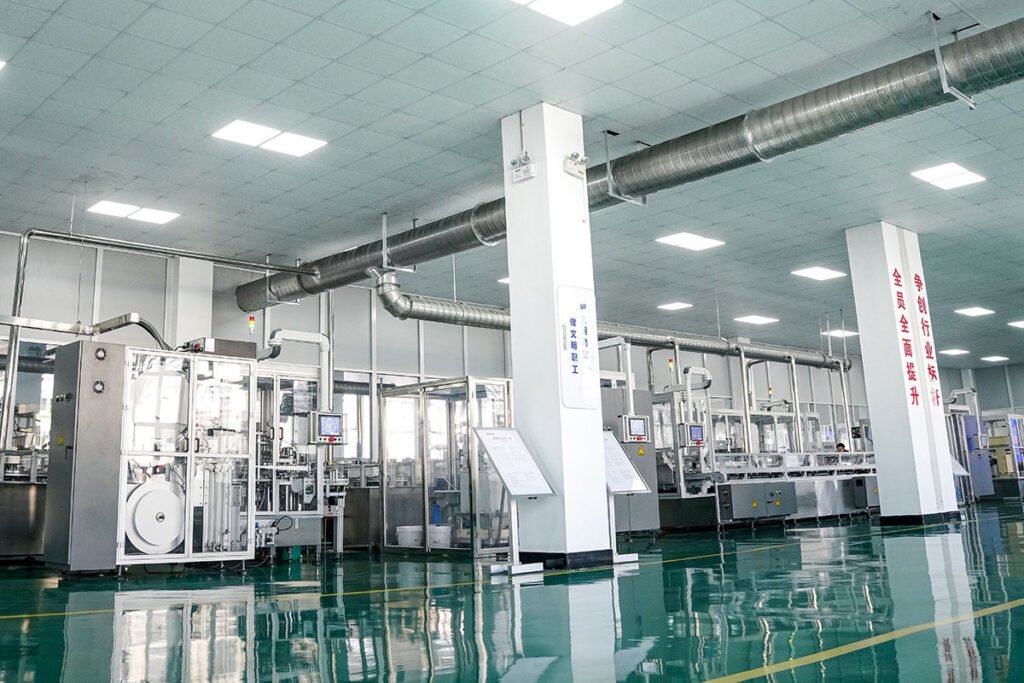
With 48 dry battery production lines and a reported annual production capacity of more than 6 billion batteries across product categories, we can support different purchasing requirements, including regular wholesale orders and OEM/private label programs.
For Middle Eastern customers, we focus on alkaline AA and AAA batteries, suitable carbon zinc alternatives, product sealing, shelf-life stability and retail packaging requirements.
For African customers, we offer carbon zinc batteries in AA, AAA, C and D sizes, with particular attention to R20/D and R6/AA demand. Cost control, consistent specifications, practical shrink-pack packaging and stable production schedules are important considerations for these orders.
We also recognize that competitive pricing alone is not enough. Importers need products that perform consistently, arrive in suitable packaging and can be supplied reliably over multiple purchasing cycles.
常见问题
1. What is the main difference between the Middle East and African disposable battery markets?
The Middle East has stronger demand for alkaline batteries in developed Gulf retail markets, while carbon zinc batteries remain important in price-sensitive markets across both regions. In many Sub-Saharan African countries, economical carbon zinc batteries have a particularly strong position.
2. Which battery types are most suitable for African markets?
Carbon zinc AA, AAA and D batteries are important options for many African distributors. The best product mix depends on local device usage, consumer purchasing power and retail channels.
3. Why are D-size batteries important in Africa?
D-size R20 batteries are commonly used in larger flashlights, portable radios and certain emergency lighting devices. These applications support continued demand in markets where battery-powered equipment remains essential.
4. Are alkaline batteries popular in the Middle East?
Yes. Alkaline batteries have a stronger presence in many Gulf retail markets, especially in AA and AAA sizes. Demand is supported by electronic toys, household devices and other applications requiring longer operating time.
5. Can one battery specification serve both markets?
A technically suitable specification may serve multiple destinations, but packaging, price positioning, labeling and certification requirements often need to be adjusted for individual markets.
6. What certifications are required for exporting batteries to Africa and the Middle East?
Requirements depend on the destination country. Examples include SABER-related procedures in Saudi Arabia, applicable UAE conformity requirements, SONCAP in Nigeria, KEBS/PVoC in Kenya and TBS procedures in Tanzania. Exporters should confirm the current rules before shipment.
7. Why do importers choose OEM or private label battery suppliers?
OEM production allows importers to develop their own brands, customize packaging, select suitable battery types and build a more differentiated distribution strategy. It can also support more consistent long-term sourcing.

Conclusion: Different Market Priorities Require Different Export Strategies
The Middle East and Africa are both important markets for disposable batteries, but their purchasing structures should not be treated as identical.
"(《世界人权宣言》) 中东 offers opportunities in alkaline battery upgrades, branded retail products and private label sourcing, supported by established importers and regional re-export channels. 非洲 offers substantial opportunities for economical carbon zinc batteries, particularly AA and D-size products, through large wholesalers and extensive traditional distribution networks.
For battery manufacturers, the most effective approach is to match chemistry, size, packaging and price positioning to each destination market. At 华泰电池, we believe long-term export partnerships are built not simply on competitive prices, but on suitable product specifications, consistent manufacturing quality and reliable supply.