
 Chinese
 English
 Spanish
 French
 Arabic
 Portuguese
 Russian
Market Overview: Two Regions with Different Consumption Patterns
比较 primary dry battery markets in the Middle East 和 大洋洲 由 华泰电池集团, 包括 carbon zinc cell 和 碱性电池 demand, AA and AAA sizes, outdoor applications, child safety regulations, retail channels and sourcing opportunities.
The Middle East and Oceania represent two distinct markets for disposable batteries. The Middle East combines growing alkaline battery demand in higher-income Gulf countries with continued consumption of economical carbon zinc batteries in price-sensitive markets. Its trading structure also benefits from Dubai’s role as a regional import and re-export hub.
Oceania, particularly Australia and New Zealand, is a smaller but relatively mature consumer market. Household purchasing power is comparatively high, alkaline batteries are widely established, and buyers place considerable emphasis on product reliability, packaging quality and consumer safety. Outdoor activities, household electronics and portable equipment support demand for several battery formats.

对于诸如……这样的制造商 山东华泰新能源电池有限公司., the commercial distinction is clear: the Middle East requires a flexible product portfolio covering both carbon zinc and alkaline batteries, while Oceania places greater emphasis on consistent alkaline battery performance, retail packaging and compliance documentation.
Middle East vs. Oceania: Key Market Differences
| 市场因素 | 中东 | 大洋洲 |
| Market structure | Diverse markets with modern retail, traditional wholesale and re-export trade | Mature retail market with major supermarket, hardware and specialist distributors |
| 电池化学 | Alkaline demand is strong in Gulf markets; carbon zinc remains important in economical segments | Alkaline batteries are widely established; carbon zinc serves selected low-drain applications |
| Main sizes | AA, AAA, C and D | AA and AAA, followed by 9V and button cells for specific applications |
| Main applications | Toys, remote controls, flashlights, household electronics and emergency lighting | Household devices, toys, outdoor equipment, smoke alarms and automotive accessories |
| 采购优先级 | Price-performance, storage stability, leakage resistance and packaging | Product consistency, safety, shelf life, traceability and retail presentation |
| 发行 | Importers, wholesalers, supermarkets and regional traders | National retailers, hardware chains, supermarkets and specialist distributors |
| Main sourcing challenge | Different price levels and import requirements across countries | Product compliance, retailer qualification and packaging expectations |
The two regions should not be treated as uniform markets. Demand in Saudi Arabia and the UAE differs from that in Iraq and Yemen. Similarly, Australia has a much larger consumer base than New Zealand, and retail requirements can differ between individual buyers.
Battery Chemistry: Carbon Zinc vs. Alkaline Demand
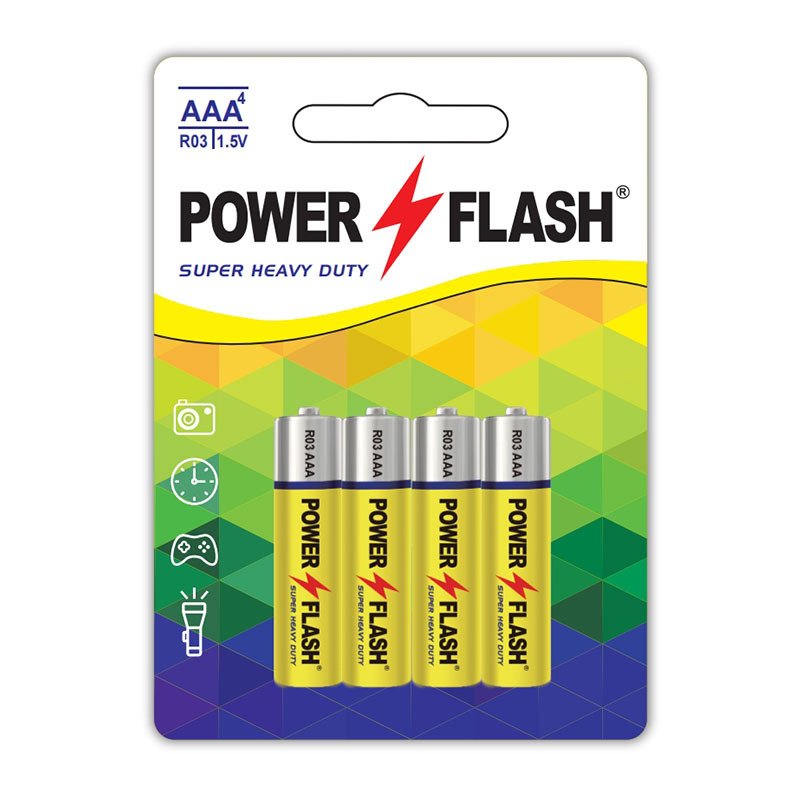
Carbon Zinc Batteries: An Economical Option for Everyday Devices
Carbon zinc batteries, also known as zinc-carbon or heavy-duty batteries, are commonly used in devices with relatively low and intermittent power consumption. Typical applications include wall clocks, television remote controls, basic toys, portable radios and conventional flashlights.
These batteries generally use zinc chloride or ammonium chloride-based electrolyte systems and have a nominal voltage of 1.5V per cell. Their relatively economical price makes them suitable for consumers who prioritize purchase cost over maximum operating time.
In the Middle East, carbon zinc batteries remain important in traditional wholesale channels and price-sensitive markets. In Australia and New Zealand, their role is more limited, but they can still serve low-drain devices and value-oriented retail segments.
Alkaline Batteries: The Mainstream Choice in Oceania
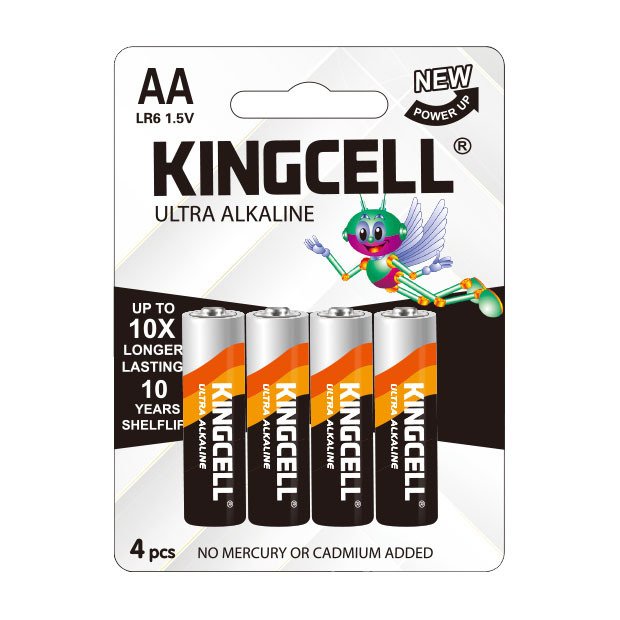
Alkaline batteries use potassium hydroxide (KOH) as their electrolyte. Although their nominal voltage is also typically 1.5V, their internal chemistry provides different discharge characteristics from carbon zinc batteries.
Under comparable testing conditions, alkaline batteries generally deliver higher practical capacity and better performance in devices requiring greater or more sustained current.
AA (LR6) and AAA (LR03) alkaline batteries are widely used in wireless keyboards, computer mice, toys, digital thermometers, household sensors and portable electronics.
In Oceania, these applications support demand for alkaline batteries in multipacks and larger household packs. In the Middle East, alkaline batteries are also important, particularly in higher-income Gulf markets where consumers purchase more electronic household products.
Battery Sizes and Real-World Applications
Battery formats are closely related to the devices used by consumers.
| Battery Size | Carbon Zinc Model | Alkaline Model | 典型应用 |
| AA | R6 | LR6 | Remote controls, toys, clocks and wireless accessories |
| AAA | R03 | LR03 | Small remote controls, compact toys and household devices |
| C | R14 | LR14 | Medium-size flashlights and portable radios |
| D | R20 | LR20 | Large flashlights, radios and emergency lighting |
| 9V | 6F22 | 6LR61 | Smoke alarms, testing instruments and selected electronics |
AA and AAA are central to both markets. The Middle East maintains additional demand for C and D batteries because of traditional flashlights and emergency lighting equipment.
Oceania’s outdoor lifestyle creates applications for portable lighting, camping equipment, GPS accessories and other battery-powered devices. However, battery requirements depend on the equipment: high-drain devices may perform better with suitable alkaline or rechargeable batteries rather than conventional carbon zinc cells.
Nine-volt batteries also serve smoke alarms and other safety devices. In Australia, smoke alarm installation requirements vary by state and territory, and many modern systems use mains power with backup batteries. Therefore, smoke alarm regulations should not be interpreted as a universal requirement for households to purchase replaceable 9V batteries.

Consumer Trends, Retail Channels and Private Label Opportunities
Middle East: Flexible Product Positioning and Regional Wholesale
The Middle Eastern battery market combines international brands, local distributors and growing private label opportunities. Retailers such as Carrefour, Lulu and Panda serve modern consumer channels, while regional wholesalers supply smaller shops and traditional markets.
Dubai is particularly important for international battery trade. Importers operating through Jebel Ali and other logistics facilities can distribute products into neighboring Middle Eastern markets and parts of East Africa.
Buyers may source alkaline AA and AAA batteries for modern household applications while purchasing carbon zinc R6, R03 and R20 products for more economical segments. Packaging often includes blister cards, shrink packs and multipacks, with Arabic and English labeling where required.
Oceania: Established Retailers and Quality-Focused Sourcing
Australia and New Zealand have mature retail structures. In Australia, major channels include Bunnings Warehouse, Woolworths, Coles, Chemist Warehouse and specialist electronics retailers such as Jaycar. New Zealand has its own supermarket, hardware and electronics distribution networks.
These retailers provide opportunities for established brands and private label products. However, supplier selection may involve product testing, packaging reviews, quality audits and delivery performance assessments.
For Chinese OEM battery manufacturers, the opportunity is not simply to offer a lower price. Importers need consistent cell dimensions, stable voltage and discharge characteristics, reliable sealing and packaging that can withstand transportation and retail handling.
Larger multipacks, such as 8-cell, 16-cell or 24-cell packs, can be suitable for household retail, depending on the retailer’s product range and consumer demand.
Climate, Product Reliability and Packaging
The Middle East presents high-temperature storage and transportation challenges. Batteries may spend time in hot containers, warehouses or distribution facilities without continuous climate control. Elevated temperatures can accelerate self-discharge and affect long-term product stability.
Oceania has a different set of operating conditions. Although Australia includes extremely hot inland regions, coastal and urban environments vary considerably. Outdoor use, long storage periods and consumer expectations for reliable household electronics make sealing quality and shelf-life consistency important.
Manufacturers should pay attention to:
- Electrolyte retention and reliable sealing structures.
- Corrosion resistance of external metal components.
- Stable electrical performance during storage.
- Appropriate shelf-life validation under defined test conditions.
- Secure packaging that protects cells from impact and moisture.
Packaging sustainability is also increasingly relevant in Australia and New Zealand. Paper-based and reduced-plastic designs can help suppliers meet retailer preferences and environmental objectives. However, there is no universal rule requiring every disposable battery package to be entirely plastic-free.
Australia’s B-cycle scheme provides a national framework for battery collection and recycling, bringing together importers, retailers and recycling participants. Participation and retailer requirements should be checked individually rather than assumed to be compulsory for every battery supplier.

Regulatory Requirements: Middle East vs. Oceania
Middle Eastern exporters must review destination-specific conformity requirements. Saudi Arabia uses SASO and SABER procedures for applicable regulated products, while UAE importers should check relevant MoIAT conformity requirements. Other destinations may require specific inspection or conformity documentation.
Australia has particularly important requirements for button and coin batteries. The Australian Competition and Consumer Commission (ACCC) administers mandatory safety and information standards covering specified button and coin batteries and consumer products containing them. These include requirements for child-resistant packaging, testing and warning information.
The packaging safety standard applies to lithium button and coin batteries and specified non-lithium button batteries. The information standard covers a broader range of button and coin batteries. These rules do not mean that ordinary AA and AAA cylindrical batteries must use child-resistant packaging. Suppliers should review the exact battery chemistry, dimensions and product classification before designing packaging.
New Zealand also has government guidance encouraging child-resistant packaging, secure battery compartments and appropriate warnings for button battery products. Its policy framework should not automatically be described as identical to Australia’s mandatory standards.
An additional transport distinction is essential: UN 38.3 testing applies to lithium cells and batteries transported by air, sea or other regulated transport modes. It is not a general certification requirement for ordinary alkaline or carbon zinc dry batteries. The applicable transport classification and safety documentation should be determined for each product.

Huatai Battery’s Approach to Both Markets
At Shandong Huatai New Energy Battery Co., Ltd., we recognize that different export markets require different product combinations and sourcing priorities.
Our manufacturing history can be traced back to Linyi Battery Factory, established in 1956. The modern company was formally established in 1993. Our product portfolio includes carbon zinc batteries, alkaline batteries, button cells and rechargeable battery products.
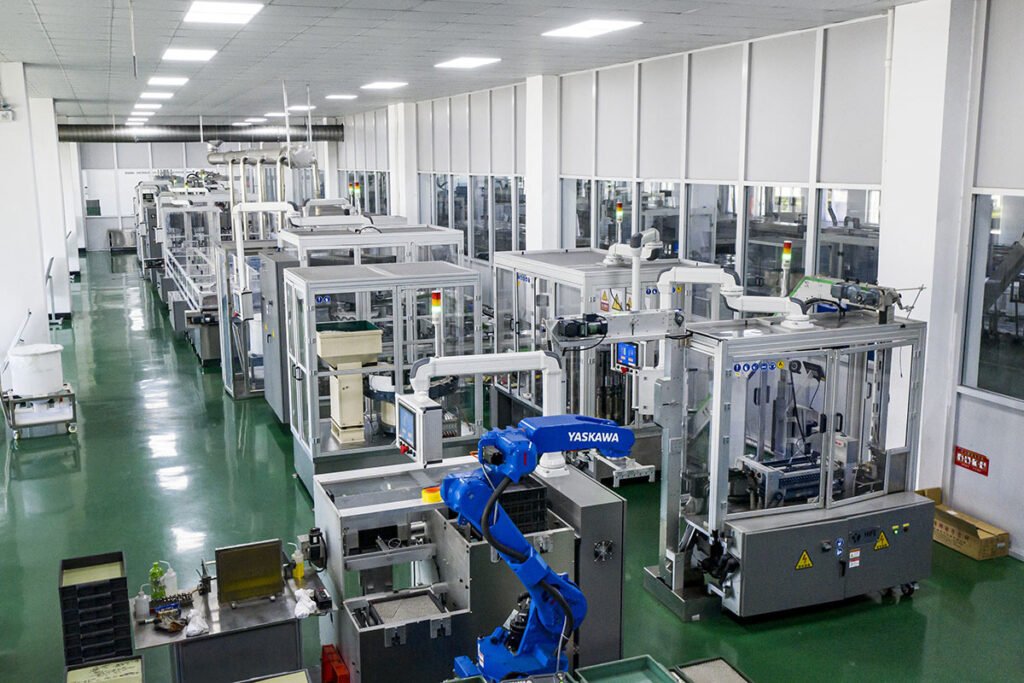
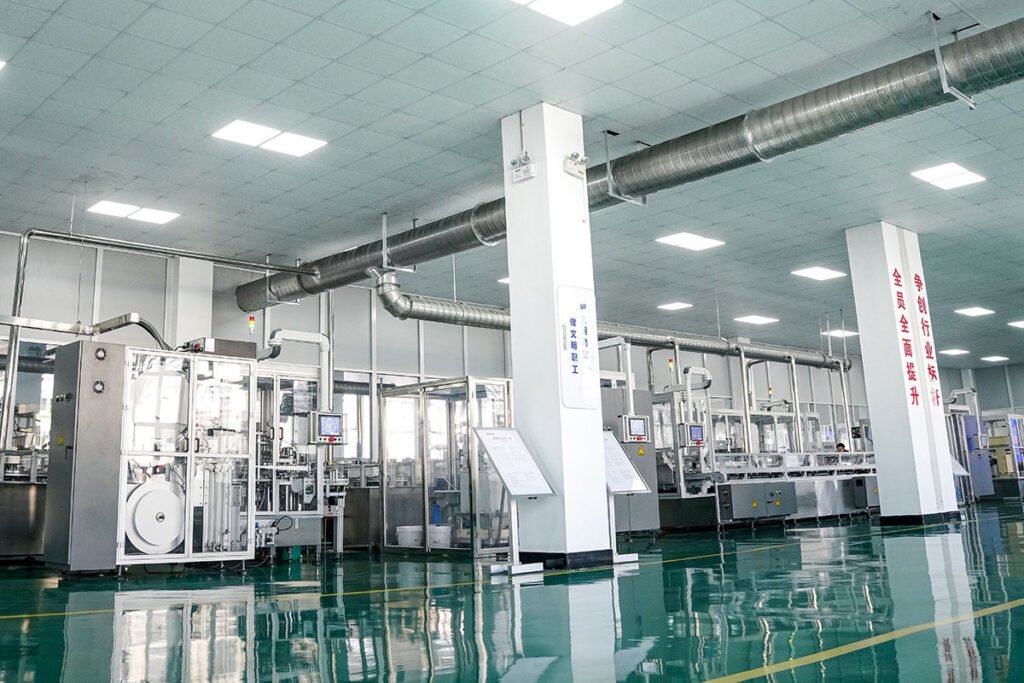
With 48 dry battery production lines and a reported annual production capacity of more than 6 billion batteries across product categories, we can support a range of wholesale and OEM/private label requirements.
For Middle Eastern customers, we focus on alkaline AA and AAA batteries alongside economical carbon zinc products in AA, AAA, C and D sizes. Product sealing, storage stability, competitive cost and Arabic-English packaging requirements are important considerations.
For Australian and New Zealand customers, our focus is primarily on alkaline battery consistency, product testing, shelf-life performance and retail-ready packaging. Where button cells are included in a sourcing program, the applicable child-safety packaging and warning requirements must be considered separately.
Our objective is to provide products that match the actual application, buyer specifications and destination-market requirements.
常见问题
1. What is the main difference between the Middle East and Oceania battery markets?
The Middle East has demand for both carbon zinc and alkaline batteries across different consumer segments. Oceania is a more mature market in which alkaline batteries are widely established and product compliance receives considerable attention.
2. Which battery sizes are most popular in Australia and New Zealand?
AA (LR6) and AAA (LR03) are important household battery formats. Nine-volt batteries and button cells also serve specific applications, including smoke alarms, automotive keys and small electronic devices.
3. Are carbon zinc batteries still used in Oceania?
Yes. They can serve low-drain devices and value-oriented applications, although alkaline batteries are more widely established in mainstream retail.
4. Why are alkaline batteries suitable for camping equipment?
Many portable lights, radios and accessories require dependable energy over extended periods. Alkaline batteries generally offer higher practical capacity than carbon zinc batteries under comparable conditions, although the best chemistry depends on the device’s current requirements.
5. Are all batteries sold in Australia required to have child-resistant packaging?
No. Australia’s mandatory child-resistant packaging requirements apply to specified button and coin batteries. Ordinary cylindrical AA, AAA, C and D batteries are not covered by those button battery packaging rules.
6. Does UN 38.3 apply to alkaline batteries?
No. UN 38.3 is a transport testing requirement for lithium cells and batteries. Ordinary alkaline and carbon zinc batteries have different transport classifications and documentation requirements.
7. What should importers look for in an Oceania private label battery supplier?
Importers should assess product consistency, leakage resistance, shelf-life evidence, packaging quality, traceability, applicable compliance documentation and the supplier’s ability to maintain stable production across repeat orders.

Conclusion: Different Markets Require Different Supply Strategies
"(《世界人权宣言》) 中东 和 大洋洲 offer different opportunities for disposable battery manufacturers. The Middle East is a diversified market where alkaline upgrades and economical carbon zinc products coexist, supported by regional wholesale and re-export channels.
Oceania is a smaller but mature market with strong demand for alkaline AA and AAA batteries, established retail networks and particular attention to product safety and supplier reliability. Button battery safety requirements also create additional compliance responsibilities for manufacturers and importers handling coin cells.
对于 华泰电池, the most practical strategy is to match battery chemistry, size, packaging and documentation to each market. Long-term export cooperation depends on consistent manufacturing quality, suitable product specifications and reliable supply—not price alone.


