English
 Spanish
 French
 Arabic
 Portuguese
 Russian
 Chinese
Brazil Battery Market: A Large and Distinctive Market in Latin America
Explore the Brazil battery market, including carbon zinc batteries, alkaline batteries and lithium batteries, local compliance, reverse logistics, climate requirements and reliable battery supply from China manufacturer – Shandong Huatai New Energy Battery Co., Ltd..
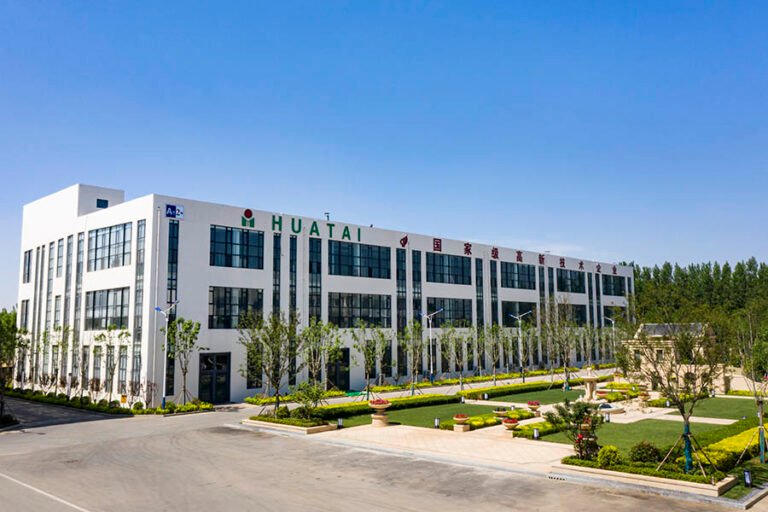
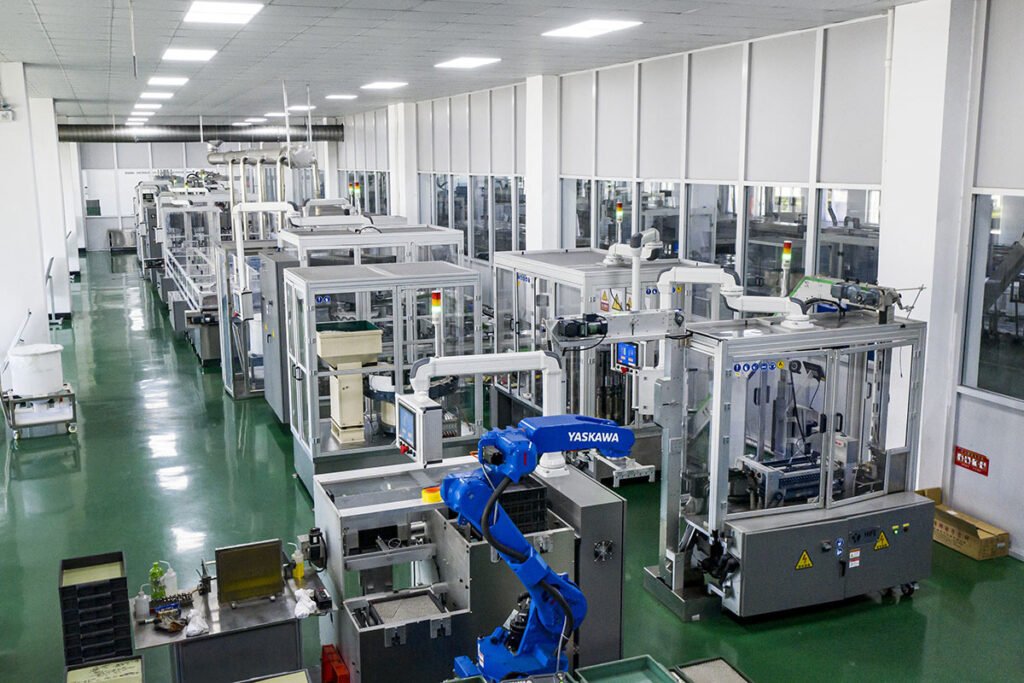
Shandong Linyi Huatai New Energy Battery Co., Ltd. was established in May 1993,but our factory’s history can date back to the establishment of the Linyi Battery Plant in 1956.We are currently one of the leading Eco-friendly & Mercury-free alkaline battery manufacturers and lithium battery manufacturers in China and the world’s largest heavy duty zinc-carbon batteries manufacturer & factory. Our products are produced with HUATAI, Power Flash and KINGCELL brands and customer’s private label, supplied 6 billion annual output by HIBAR high-speed automated production lines, offering OEM solutions for zinc carbon, alkaline, and lithium batteries worldwide.

Brazil is not simply another emerging market for Chinese battery manufacturers. As the largest economy and one of the most geographically extensive countries in Latin America, Brazil has a large and diversified demand base covering household electronics, toys, flashlights, remote controls, clocks, consumer devices, industrial equipment, automotive applications, solar systems and energy storage.
For disposable battery suppliers, the Brazilian market remains particularly relevant for carbon zinc batteries, alkaline batteries and primary lithium batteries. At the same time, Brazil is developing rapidly in rechargeable batteries, electric mobility and energy storage. The International Energy Agency reported that Brazilian electric-car sales reached about 180,000 units in 2025, accounting for 9% of new-car sales, while Chinese-made models represented more than 90% of battery-electric vehicle sales.
This creates an interesting market structure. Traditional disposable batteries continue to serve millions of everyday applications, while lithium-ion, LiFePO4 and other advanced battery technologies are opening new industrial opportunities.
For international battery buyers, therefore, the question is not simply “Which battery sells in Brazil?” It is more useful to ask:
Which battery technology fits the application, price level, climate, distribution channel and Brazilian compliance requirements?
That distinction is especially important for importers looking for a China battery manufacturer for the Brazilian market.
What Makes the Brazilian Battery Market Different?
Brazil combines several characteristics that directly influence battery purchasing decisions.
| Brazilian market characteristic | Impact on battery purchasing |
| Large geographic territory | Stable nationwide supply is important |
| Tropical, subtropical and semi-arid climates | Temperature and storage performance matter |
| Large consumer market | AA and AAA batteries have broad applications |
| Strong price sensitivity | Cost-performance is important |
| Developed retail and wholesale channels | Packaging and private label matter |
| Environmental regulation | Heavy-metal limits and reverse logistics require attention |
| Growing EV and energy-storage sectors | Lithium battery opportunities are expanding |
| Long distribution distances | Shelf life and packaging reliability are important |
Brazil also cannot be treated as a single homogeneous market. A battery distributor serving São Paulo may have very different requirements from one serving the Northeast, Amazonian regions or southern Brazil.
For this reason, a successful Brazil battery supplier needs to consider not only product specifications but also the customer’s distribution network and end-use environment.
Carbon Zinc Batteries: Still Relevant in Brazil’s Price-Sensitive Applications
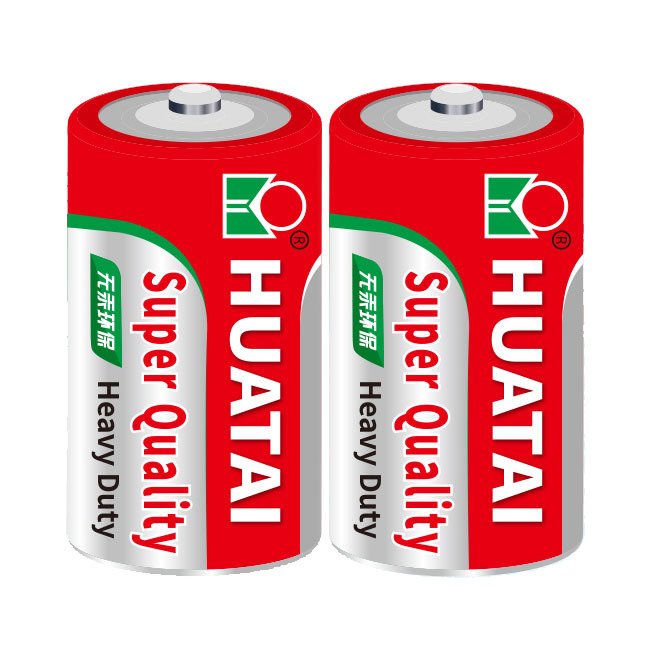
Carbon zinc batteries remain an important category for markets where purchase price, acceptable performance and high-volume consumption are the main considerations.
Typical applications include:
- Wall clocks
- Remote controls
- Basic toys
- Radios
- Flashlights
- Low-drain household devices
- Promotional products
- Entry-level consumer electronics
The most common sizes include:
- R6 / AA
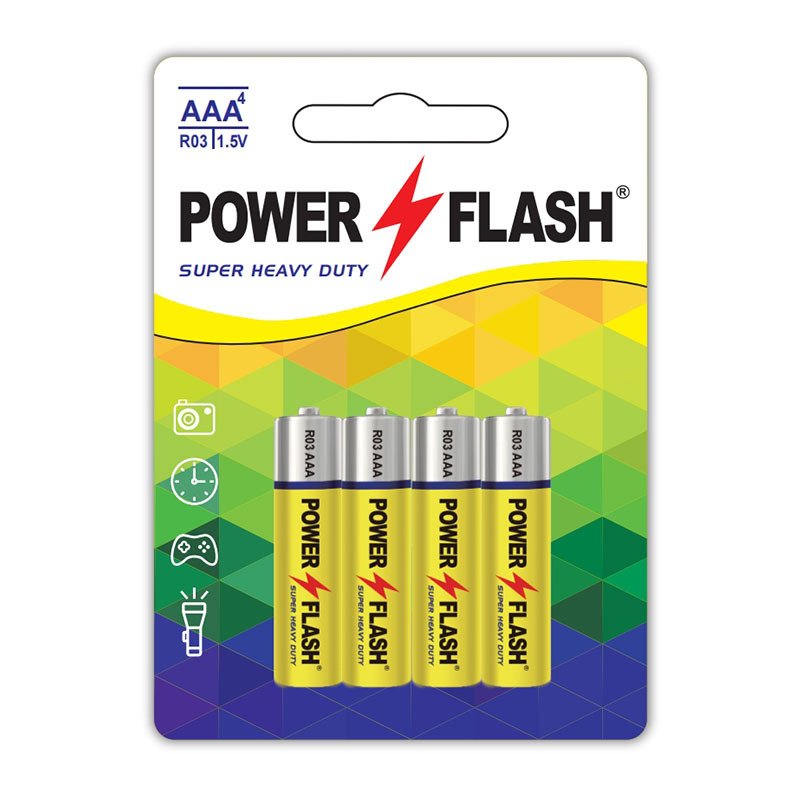
- R03 / AAA
- R14 / C
- R20 / D
- 6F22 / 9V
Brazilian distributors selling economy batteries often need a product that can maintain a competitive retail price without creating excessive quality complaints.
This is where a properly designed zinc carbon battery remains commercially useful.
A low-cost carbon zinc battery should not simply be understood as “the cheapest battery available.” For professional importers, the more important factors include:
stable discharge performance + leakage resistance + shelf life + dimensional consistency + packaging quality + batch-to-batch stability.
For large-volume Brazilian distribution, these factors can have a greater commercial impact than a small difference in factory unit price.
Alkaline Batteries: Where Performance and Brand Value Matter More
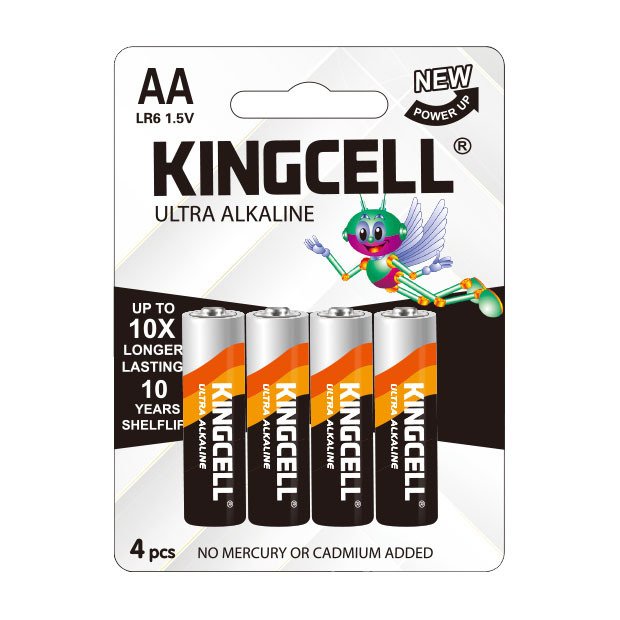
Brazil also has a substantial market for alkaline batteries, especially where consumers expect longer operating time and better performance.
Common products include:
- LR6 / AA alkaline batteries
- LR03 / AAA alkaline batteries
- LR14 / C alkaline batteries
- LR20 / D alkaline batteries
- 9V alkaline batteries
Compared with carbon zinc batteries, alkaline batteries are generally better suited to applications with higher energy requirements.
Examples include:
- Digital cameras and accessories
- Game controllers
- Electronic toys
- High-output flashlights
- Wireless devices
- Electronic measuring equipment
- Household devices with higher current demand
For Brazilian private-label brands, this creates an opportunity to build a two-level battery portfolio:
| Market segment | Recommended battery |
| Economy / high-volume | Carbon zinc |
| Mainstream household | Alkaline |
| Higher-performance applications | Premium alkaline |
| Specialized electronics | Primary lithium |
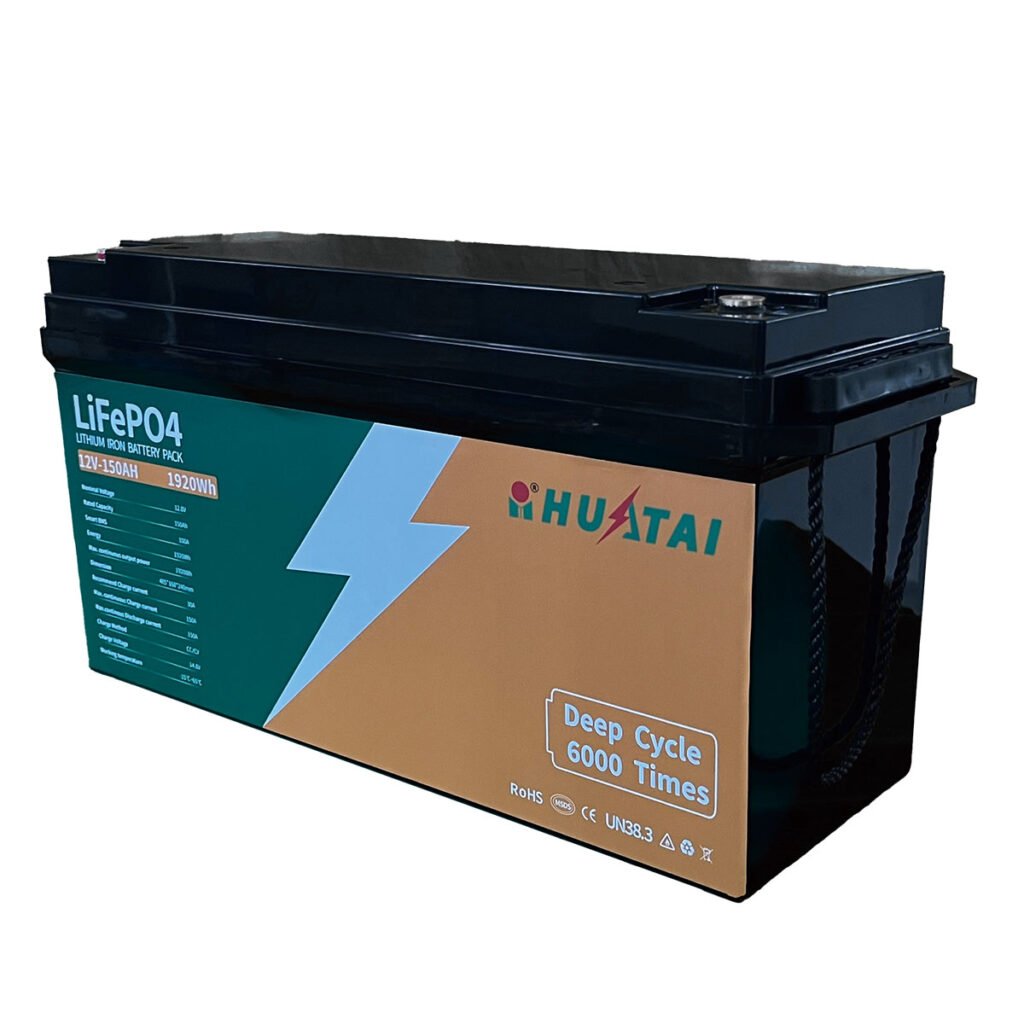
| Energy storage / mobility | Rechargeable lithium / LiFePO4 |
This portfolio approach is often more practical than trying to sell one battery chemistry across every customer segment.
Climate Adaptability Matters in Brazil
Brazil’s geography creates an important technical consideration that should not be overlooked: climate adaptability.
The country contains tropical rainforest, tropical savanna, semi-arid regions and subtropical areas. Consequently, battery products may encounter significantly different temperature and humidity conditions during storage, transportation and final use.
For an importer purchasing thousands or millions of batteries, this matters because the battery may spend considerable time in:
Chinese factory → ocean transport → Brazilian port → importer warehouse → regional distributor → retailer → consumer
A battery designed only around laboratory performance may not necessarily provide the same commercial experience after a long logistics cycle under hot or humid conditions.
Therefore, Brazilian buyers should discuss:
- Storage temperature
- Operating temperature
- Shelf life
- Leakage resistance
- Packaging protection
- Long-distance transportation
- Container loading conditions
with the manufacturer before placing large OEM orders.
This is particularly important for carbon zinc battery wholesale suppliers in Brazil, because lower-cost battery products are frequently stored and distributed in large volumes.
Brazilian Battery Regulations and Environmental Compliance
Environmental compliance is one of the most important differences between simply exporting batteries to Brazil and building a sustainable Brazilian distribution business.
Brazil’s CONAMA Resolution 401/2008 establishes limits for heavy metals including lead, cadmium and mercury in relevant batteries. IBAMA specifically identifies alkaline manganese and zinc-carbon/zinc-manganese batteries within the applicable framework.
For importers, this means product compliance should be considered before shipment rather than after the goods arrive in Brazil.
IBAMA states that importers and domestic manufacturers of covered batteries have obligations relating to registration, waste-management plans and reporting. For alkaline and zinc-carbon batteries, physical-chemical test reports are also part of the applicable requirements.
This is especially relevant for Chinese battery manufacturers supplying Brazilian private-label brands.
A Brazilian importer should therefore confirm with its compliance partner or local authority:
- Applicable product requirements
- Heavy-metal limits
- Required laboratory documentation
- Importer registration obligations
- Waste-management responsibilities
- Reverse-logistics arrangements
- Applicable labeling and documentation
The exact requirements can depend on the battery technology and the importer’s role, so manufacturers should avoid treating Brazilian compliance as a simple copy of European CE or RoHS requirements.

Reverse Logistics Is a Real Part of the Brazilian Battery Business
Brazil’s battery market also has a distinctive environmental feature: reverse logistics.
Under Brazil’s National Solid Waste Policy, manufacturers, importers, distributors and retailers have responsibilities associated with reverse logistics for batteries and other products.
IBAMA explicitly identifies the obligations applicable to batteries under CONAMA Resolution 401/2008 and the National Solid Waste Policy.
Brazil has also developed nationwide collective systems for the collection of portable batteries.
Green Eletron reported that its battery and accumulator system collected approximately 207 tonnes in 2024, with collection points distributed across 26 states and the Federal District.
For a Brazilian importer, this means that choosing a battery manufacturer should not focus only on FOB pricing.
A more complete purchasing evaluation should include:
Product compliance → documentation → import responsibility → reverse logistics → final disposal.
This is increasingly important for major retail chains and established Brazilian distributors that need to demonstrate environmental responsibility.
Choosing Between Carbon Zinc and Alkaline Batteries for Brazil
One of the most common purchasing questions is whether Brazilian distributors should focus on carbon zinc or alkaline batteries.
There is no single answer because the two products serve different market segments.
| Factor | Carbon Zinc | Alkaline |
| Purchase price | Lower | Higher |
| Typical market position | Economy | Mainstream / premium |
| Low-drain devices | Suitable | Suitable |
| Higher-drain devices | More limited | Better suited |
| Retail positioning | Value | Performance |
| Common applications | Clocks, remotes, radios | Toys, flashlights, electronics |
| Private label opportunity | High | High |
| Distributor strategy | Volume-oriented | Margin + performance |
For Brazilian wholesalers, offering both technologies can be more commercially effective than choosing only one.
A distributor can use R6/R03 carbon zinc batteries for price-sensitive customers while offering LR6/LR03 alkaline batteries to consumers who are willing to pay more for longer operating performance.
Brazil as a Regional Gateway for South America
Brazil’s importance extends beyond its domestic market.
Its economic scale, manufacturing base and extensive distribution network make it an important commercial center within the South American battery market.
For Chinese battery manufacturers, a Brazilian customer may therefore operate not only as a domestic importer but also as a regional distributor.
This creates opportunities for:
- Carbon zinc battery wholesale
- Alkaline battery distribution
- Primary lithium batteries
- OEM batteries
- Private label batteries
- Rechargeable batteries
- LiFePO4 battery systems
- Solar energy storage batteries
However, regional expansion should be based on the customer’s actual distribution capability rather than assuming that one Brazilian importer automatically covers the entire continent.
Why Huatai Battery Is More Than a Carbon Zinc Battery Manufacturer
For many years, Huatai Battery was internationally recognized primarily for its large-scale carbon zinc battery manufacturing.
That description is historically accurate, but it no longer fully represents the company.
The industrial history of Shandong Huatai New Energy Battery Co., Ltd. can be traced back to the Linyi Battery Factory established in 1956. After decades of development, Huatai has evolved from a traditional dry-cell manufacturer into a comprehensive battery manufacturer covering multiple technologies.
Today, Huatai’s product portfolio includes:
- Carbon zinc batteries
- Alkaline batteries
- Primary lithium batteries
- Button batteries
- NiMH rechargeable batteries
- Lithium-ion batteries
- LiFePO4 batteries
- Energy-storage batteries
- Other new-energy battery products
Therefore, describing Huatai simply as “one of the world’s largest carbon zinc battery manufacturers” reflects its historical strength, but does not fully describe its current capabilities.
The more accurate positioning is that Huatai has developed into a comprehensive battery manufacturer with strong capabilities in alkaline batteries, lithium batteries and other new-energy battery technologies.
For Brazilian buyers, this broader product portfolio has practical value.
A distributor can work with one established manufacturer for several battery categories instead of sourcing carbon zinc batteries, alkaline batteries and lithium products from unrelated factories.

Huatai Battery’s Manufacturing Background
Huatai’s manufacturing heritage provides an important foundation for international customers.
The company’s battery manufacturing history goes back to 1956, giving it decades of experience in dry battery production and industrial development.
Its modern manufacturing system includes automated production equipment, quality-control processes and multiple battery production categories.
For high-volume Brazilian customers, the key advantages of working with an established manufacturer are not limited to production capacity.
They also include:
- Consistent specifications
- Stable raw-material management
- Batch control
- OEM production
- Private-label packaging
- Multi-category sourcing
- Export experience
- Technical communication
- Long-term supply capability
This is particularly relevant to Brazilian distributors who need stable supply rather than one-off container transactions.
OEM and Private Label Battery Opportunities in Brazil
Brazil’s large consumer market creates room for local brands and regional distributors to develop private-label battery products.
A private-label battery program may include:
Brand design → battery specification → performance target → packaging → compliance documents → sample testing → mass production → shipment.
For example, a Brazilian distributor may develop:
Economy Series:
R6/R03 carbon zinc batteries
Standard Series:
LR6/LR03 alkaline batteries
Premium Series:
High-performance alkaline or primary lithium batteries
Specialized Series:
Rechargeable NiMH or lithium battery products
This product ladder gives distributors more control over pricing and customer segmentation.
Instead of competing only on the lowest battery price, a Brazilian brand can create different products for supermarkets, wholesalers, hardware stores, electronics retailers and specialized channels.

What Should Brazilian Battery Importers Ask a Chinese Manufacturer?
Before placing a large order, Brazilian buyers should ask more than just:
“What is your FOB price?”
A professional inquiry should cover at least five areas:
- Battery performance
- Raw-material and production specifications
- Leakage and shelf-life performance
- Brazilian compliance documentation
- OEM and packaging capability
The importer should also provide the manufacturer with the intended application.
For example, a battery designed for a wall clock does not have the same discharge requirements as one designed for a high-drain electronic toy.
The more accurately the application is described, the easier it is for the manufacturer to recommend the appropriate battery chemistry and performance level.
Frequently Asked Questions About the Brazil Battery Market
What type of battery is most suitable for the Brazilian market?
There is no single battery chemistry suitable for every Brazilian application. Carbon zinc batteries remain useful for cost-sensitive, low-drain applications, while alkaline batteries are better suited to many higher-demand consumer devices. Primary lithium and rechargeable lithium batteries serve more specialized applications.
Are carbon zinc batteries still in demand in Brazil?
Yes. Carbon zinc batteries remain relevant in value-oriented applications such as clocks, remote controls, radios, basic toys and some flashlights. Their lower purchase price makes them suitable for price-sensitive distribution channels.
Should Brazilian distributors buy carbon zinc or alkaline batteries from China?
The choice should depend on the target consumer and application. Carbon zinc is generally more suitable for economy positioning, while alkaline batteries offer stronger performance for many higher-drain applications. A distributor serving multiple price segments may benefit from carrying both.
What Brazilian battery regulations should importers pay attention to?
Importers should review the requirements associated with CONAMA Resolution 401/2008, IBAMA procedures and Brazil’s National Solid Waste Policy. These cover areas including heavy-metal limits, waste management and reverse logistics. The exact obligations should be confirmed according to the battery technology and the importer’s role.
Does a Chinese battery manufacturer need to provide a physical-chemical report for Brazil?
For alkaline and zinc-carbon/zinc-manganese batteries covered by the applicable IBAMA framework, a physical-chemical report is part of the documentation requirements described by IBAMA. Importers should confirm the current documentation needed for their specific products before shipment.
Are long shelf life and leakage resistance important for Brazilian batteries?
Yes. Brazil’s large geographic territory means batteries may experience long transportation and storage cycles. In addition, different regions have different climatic conditions. Therefore, shelf life, leakage resistance, packaging quality and storage performance should be included in supplier evaluation.
Can Huatai manufacture private-label batteries for Brazilian brands?
Yes. Huatai can support OEM and private-label battery projects across carbon zinc, alkaline and other battery categories. Customers can discuss battery specifications, performance targets, branding, packaging and market-specific requirements with the manufacturer.
Can Huatai supply both disposable batteries and lithium batteries?
Yes. Huatai has developed beyond its historical carbon zinc battery business and now has a broader battery portfolio covering alkaline batteries, primary lithium batteries, rechargeable batteries, lithium-ion, LiFePO4 and other new-energy battery products.

Conclusion: The Brazilian Battery Market Rewards Reliable, Compliant Supply
Brazil offers a particularly interesting combination of large consumer demand, price-sensitive battery applications, expanding private-label opportunities and rapidly developing new-energy battery demand.
For disposable batteries, carbon zinc and alkaline batteries should not be viewed as competing products that must replace one another. They serve different price and performance segments and can form a complementary product portfolio for Brazilian distributors.
At the same time, Brazil’s environmental requirements make compliance and reverse logistics increasingly important. Heavy-metal limits, importer responsibilities and post-consumer battery management should be considered before a shipment is arranged, not after the products arrive.
For Huatai Battery, the Brazilian market also represents an opportunity to demonstrate its evolution.
The company may have become internationally known through its large-scale carbon zinc battery manufacturing, but that is now only part of the story. With a manufacturing history tracing back to Linyi Battery Factory in 1956, Huatai has developed into a comprehensive battery manufacturer covering carbon zinc, alkaline, lithium, rechargeable and new-energy battery technologies.
For Brazilian importers, wholesalers and private-label brands, the real value is therefore not simply finding a cheap China battery supplier.
It is finding a manufacturer capable of providing the right chemistry, stable quality, reliable supply, appropriate documentation and long-term cooperation.
That is the direction in which Brazil’s battery market is developing—and it is also where Huatai Battery’s broader manufacturing capabilities can create greater value than its historical carbon-zinc reputation alone.