English
 Spanish
 French
 Arabic
 Portuguese
 Russian
 Chinese
Top China Battery Manufacturer for Costa Rica
Explore Latin America Costa Rica’s battery market by Shandong Huatai Battery Group, including carbon zinc, alkaline, lithium and rechargeable batteries, import trends, battery-waste regulations, renewable energy, electric mobility, energy storage and OEM opportunities from China.
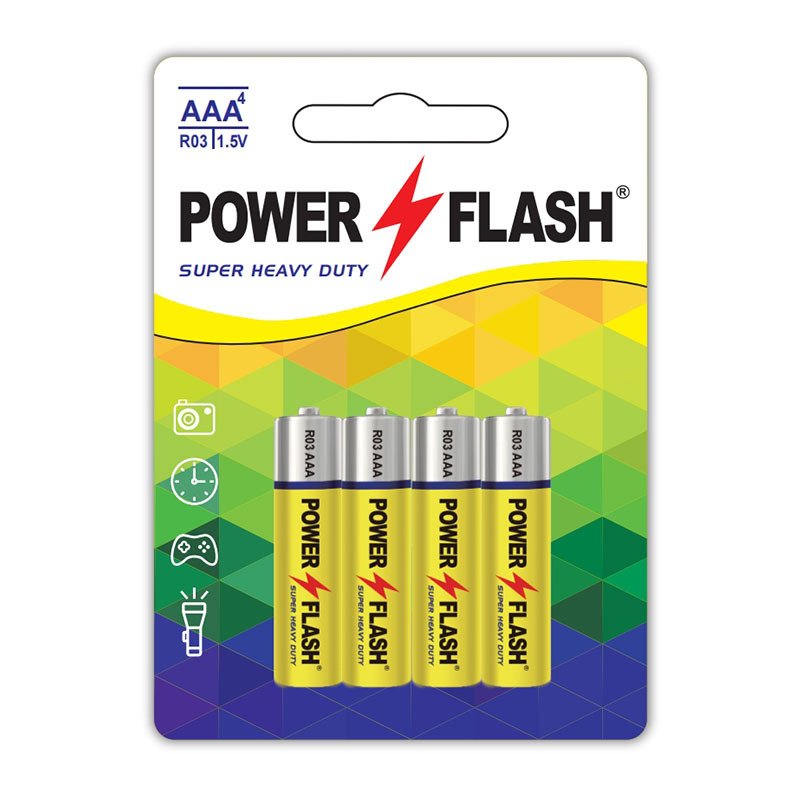
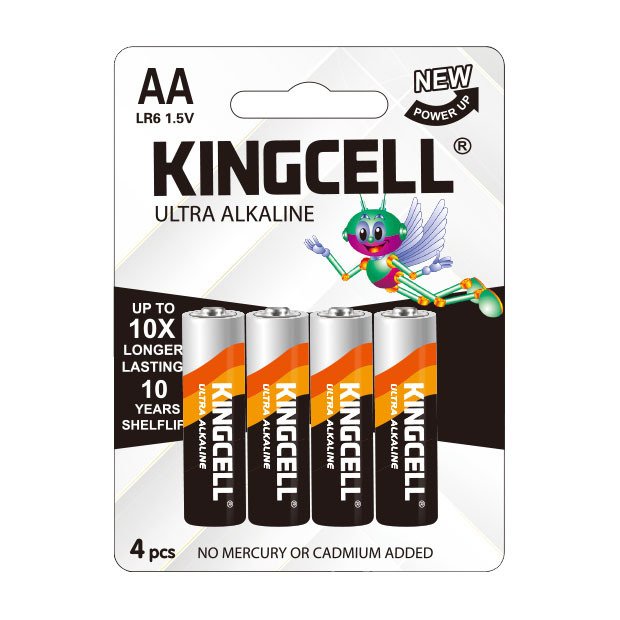
Shandong Linyi Huatai New Energy Battery Co., Ltd. was established in May 1993,but our factory’s history can date back to the establishment of the Linyi Battery Plant in 1956.We are currently one of the leading Eco-friendly & Mercury-free alkaline battery manufacturers and lithium battery manufacturers in China and the world’s largest heavy duty zinc-carbon batteries manufacturer & factory. Our products are produced with HUATAI, Power Flash and KINGCELL brands and customer’s private label, supplied 6 billion annual output by HIBAR high-speed automated production lines, offering OEM dry primary battery manufacturing solutions for zinc carbon, alkaline, and lithium batteries worldwide.

Costa Rica is a distinctive battery market in Latin America. Unlike markets where battery demand is driven mainly by unreliable electricity supply, Costa Rica has a highly developed electricity system with a strong renewable-energy base. At the same time, conventional AA, AAA, C, D and 9V batteries remain necessary for household, retail, commercial and industrial applications. This creates a market in which carbon zinc and alkaline batteries continue to have a practical role, while rechargeable lithium batteries are gaining importance in energy storage, distributed energy resources, electric mobility and backup applications.
For importers searching for a China battery manufacturer for Costa Rica, the opportunity is therefore broader than disposable dry batteries. Costa Rica’s regulatory framework increasingly recognizes batteries as products requiring responsible end-of-life management, while its electricity regulations are becoming more supportive of distributed energy resources and battery storage. Costa Rica’s ARESEP reported that the country had more than 2 million electricity customers in 2025 and generated 13,188 GWh, while the regulator is continuing to update the technical framework for storage and distributed energy resources.
The result is a market where battery suppliers need to combine competitive manufacturing, reliable primary batteries, rechargeable technology, documentation and environmental awareness.
Understanding the Costa Rica Battery Market
Costa Rica’s battery market can be divided into several commercial layers.
The first is the traditional consumer battery segment. Carbon-zinc batteries remain appropriate for low-drain products such as clocks, remote controls, basic toys, radios and flashlights. Alkaline batteries address applications requiring longer runtime or stronger discharge performance.
The second is the specialty primary-battery market, including button batteries, zinc-air batteries and lithium primary cells for electronics, medical equipment, instruments and other specialized applications.
The third is the rechargeable market. NiMH batteries remain relevant for reusable consumer products, while lithium-ion and LiFePO4 batteries are increasingly connected with solar power, backup systems, electric mobility and energy storage.
This creates a useful product structure for Costa Rican distributors:
| Battery segment | Typical applications | Main purchasing priorities |
| Carbon zinc | Clocks, remotes, toys, radios, flashlights | Price, stability, leakage resistance |
| Alkaline | Consumer electronics, toys, lighting, equipment | Runtime, shelf life, leakage resistance |
| Button batteries | Watches, meters, electronics | Dimensions, voltage, chemistry |
| Lithium primary | Cameras, electronics, meters | Energy density, shelf life, reliability |
| NiMH rechargeable | Reusable consumer devices | Capacity, cycle life, consistency |
| LiFePO4 / lithium-ion | Solar, backup, mobility, storage | Safety, cycle life, BMS, documentation |
| OEM/private label | Retail and distributor brands | Packaging, MOQ, consistency, branding |
Carbon Zinc Batteries Still Have a Place in Costa Rica
Costa Rica’s relatively advanced electricity system does not eliminate the need for disposable batteries.
Small electronic devices remain widespread, and many applications do not justify the additional cost of alkaline or rechargeable technology. For these products, carbon-zinc batteries can remain commercially competitive.
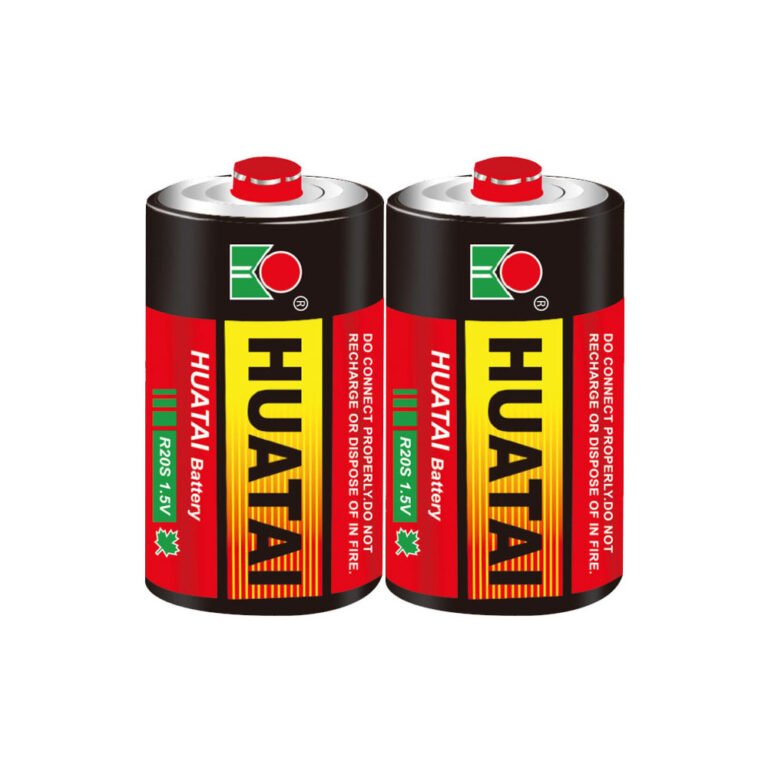
The most common formats for a general-purpose portfolio include AA/R6, AAA/R03, C/R14, D/R20 and 9V/6F22.
For importers, however, price should not be the only specification. A carbon-zinc battery’s performance depends on the quality and formulation of the positive electrode mixture, zinc can, carbon rod, electrolyte system, sealing structure and manufacturing process.
A professional OEM buyer should therefore define the intended application and discharge requirements before selecting a product.
For example, a battery designed for an inexpensive wall clock has different performance requirements from one intended for a flashlight. The same nominal voltage does not mean that two batteries will provide the same useful operating time.
Carbon Zinc vs. Alkaline Batteries for the Costa Rican Market
The commercial difference between carbon-zinc and alkaline batteries is particularly important for distributors that want to build several retail price levels.
| Factor | Carbon Zinc | Alkaline |
| Unit cost | Lower | Higher |
| Energy performance | Standard | Higher |
| Typical positioning | Economy/value | Mainstream/premium |
| Low-drain applications | Suitable | Suitable |
| Higher-drain applications | More limited | More suitable |
| Shelf-life expectations | Good | Generally longer |
| OEM/private label | Strong opportunity | Strong opportunity |
For Costa Rica, a distributor does not necessarily need to choose one chemistry exclusively. A two-level product portfolio can cover economy retail demand with carbon-zinc batteries while using alkaline batteries for customers who prioritize performance.
China Already Has a Meaningful Position in Costa Rica’s Primary Battery Supply
Available 2024 trade data show that Costa Rica imported approximately US$3.25 million of primary cells and primary batteries under HS 850619, with China supplying about US$814,000, behind the United States in that particular category.
The data also show China’s role in battery components. Costa Rica imported about US$803,840 of parts of primary cells and primary batteries under HS 850690 in 2024, including approximately US$331,200 from China.
These figures should not be interpreted as the total size of Costa Rica’s entire battery market because HS categories cover specific battery products and components rather than every rechargeable, automotive or energy-storage product. Nevertheless, they demonstrate that China is already an established sourcing country in Costa Rica’s battery supply chain.
This is important for Chinese battery manufacturers because the market does not have to be developed from zero. The more relevant question is how a supplier can compete on quality consistency, OEM service, product range and long-term supply.
Costa Rica Uses the Central American Tariff System for Import Classification
Battery importers should verify the exact customs classification before arranging commercial shipments.
Costa Rica’s Ministry of Finance operates Ar@ncelNet, which provides access to the national import tariff based on the Central American Tariff System (SAC), together with classification rules, taxes, technical notes and other customs information.
This matters because different battery chemistries and battery components may have different tariff classifications.
Before shipment, a Costa Rican importer should confirm:
- Correct SAC tariff code
- Battery chemistry
- Product description
- Country of origin
- Customs value
- Applicable taxes and duties
- Technical notes or permits
- Packaging requirements
- Transportation documents
- Requirements for lithium or other regulated battery products
Costa Rica’s customs authority also continues to update tariff classifications and technical procedures. The Ministry of Finance’s 2026 documentation shows ongoing changes to the national tariff and customs system.
For large OEM orders, confirming classification before production is preferable to discovering a documentation problem after the goods have already been shipped.

Battery Waste Is an Important Part of Costa Rica’s Market
Costa Rica is relatively advanced in its approach to waste management, and batteries are specifically recognized within the country’s extended producer responsibility framework.
Costa Rica’s waste-management legislation identifies batteries and primary cells (“pilas”) as priority products to which extended producer responsibility can apply through corresponding regulations and recovery obligations.
The Ministry of Health also maintains a system for registered compliance units. These units can be formed by producers and importers whose products generate waste classified as special-management waste, with responsibilities for establishing mechanisms for integrated waste management.
For an importer, this means the commercial relationship does not necessarily end when the batteries are sold.
Depending on the specific product and applicable category, importers may need to consider:
- Product composition
- Waste classification
- Collection arrangements
- Recovery and recycling
- Compliance-unit requirements
- Authorized waste managers
This is especially relevant for companies planning to build a long-term branded battery business in Costa Rica.
Different Battery Chemistries Can Receive Different Waste Treatment
Costa Rica’s official waste-management materials distinguish among battery types.
The Ministry of Health’s classification lists alkaline batteries separately from batteries containing mercury, while other categories include lead batteries, Ni-Cd accumulators and other cells and accumulators.
Costa Rica’s rules for transboundary movements of certain special-management wastes also distinguish batteries according to chemistry. The Ministry of Health identifies lead-acid batteries and batteries containing cadmium, mercury or lithium as subject to the stricter “amber” procedure, while other categories such as carbon-manganese and carbon-zinc batteries are also specifically identified in the applicable waste-control framework.
For battery manufacturers, this reinforces the importance of clear chemistry declarations and accurate product documentation.
A supplier should not describe all batteries simply as “dry batteries” when the importer needs information for environmental or transportation compliance.

Costa Rica’s Renewable Electricity System Creates a Different Battery Opportunity
Costa Rica is internationally known for its renewable electricity system. ARESEP currently reports that hydroelectric generation accounts for approximately 74% of electricity generation, while the electricity system covers 99.5% of the national territory.
This makes Costa Rica different from markets where lithium batteries are primarily purchased because of widespread grid unreliability.
Instead, the commercial logic for energy storage can include:
- Solar self-consumption
- Load management
- Distributed energy resources
- Renewable-energy integration
- Backup power
- Demand management
- Grid-support applications
- Electric mobility
Costa Rica’s distributed-energy framework explicitly includes energy-storage systems and electric vehicles as distributed energy resources.
The country is therefore developing a market in which batteries can complement an already renewable electricity system rather than simply replace unreliable grid electricity.
Battery Energy Storage Is Becoming More Relevant
Costa Rica’s regulatory environment for energy storage is becoming more mature.
In May 2026, ARESEP approved a comprehensive reform of the technical regulation governing planning, operation and access to the national electricity system. The reform specifically incorporates the coordinated integration and operation of distributed energy resources and energy-storage systems.
This is a meaningful development for battery suppliers.
The market opportunity is not limited to large utility-scale batteries. Distributed storage can include residential, commercial and industrial systems connected to solar generation or other distributed-energy resources.
Costa Rica’s CNFL also identifies interactive battery storage as part of its distributed-energy-resource framework and has procedures related to distributed generation and energy-storage systems.
For Chinese manufacturers, this creates a potential market for LiFePO4 battery packs, residential ESS, commercial storage systems and integrated solar-storage products.
Electric Mobility Is Expanding the Rechargeable Battery Market
Electric mobility is another reason Costa Rica should be included in a broader Latin American lithium-battery strategy.
Costa Rica has developed a national charging network and has introduced policies supporting electric mobility. A government study identifies the regulatory framework, rapid-charging network, competition, specialized workshops and fiscal and tariff incentives as important enabling conditions for electric mobility. It also identifies limitations involving grid capacity and charging infrastructure.
For battery suppliers, electric mobility creates opportunities beyond complete EV traction batteries.
Potential applications include:
- Electric bicycles
- Electric motorcycles
- Electric tricycles
- Small commercial vehicles
- Auxiliary battery systems
- Replacement battery packs
- Charging-related equipment
- Fleet energy-storage systems
For these applications, lithium battery specifications need to be much more precise than those for consumer AA or AAA batteries.
Lithium Battery Suppliers Need Better Technical Documentation
A Costa Rican importer purchasing lithium batteries for energy storage or mobility should expect substantially more documentation than a conventional dry-battery order.
Important information can include:
- Cell chemistry
- Nominal voltage
- Rated capacity
- Maximum charging voltage
- Continuous and peak discharge current
- Cycle-life test conditions
- Operating temperature
- BMS functions
- Overcharge and over-discharge protection
- Short-circuit protection
- Communication protocol
- Enclosure rating
- Transportation documentation
- Installation instructions
For LiFePO4 systems, the supplier should also clearly distinguish between cell capacity and usable system capacity.
A quotation that says only “48V 100Ah lithium battery” is insufficient for serious commercial evaluation. Buyers need to know how the battery is constructed, protected, tested and intended to operate.

What Battery Products Have the Best Commercial Fit in Costa Rica?
Costa Rica’s market is suitable for a layered product strategy rather than a single battery category.
| Market segment | Recommended products | Commercial opportunity |
| Economy retail | Carbon zinc AA/AAA/C/D/9V | High-volume everyday applications |
| Mainstream retail | Alkaline AA/AAA/C/D/9V | Performance-oriented consumers |
| Specialty | Button, zinc-air, lithium primary | Electronics and professional equipment |
| Rechargeable consumer | NiMH AA/AAA/C/D/9V | Reusable consumer products |
| Mobility | Li-ion / LiFePO4 packs | E-bikes, motorcycles and other EV applications |
| Energy | LiFePO4 ESS | Solar, backup and distributed storage |
| OEM | Private-label primary and rechargeable batteries | Retail chains and distributors |
The most commercially practical entry point may be primary batteries, while rechargeable and energy-storage products provide opportunities for higher-value technical business.
OEM and Private Label Battery Opportunities in Costa Rica
Costa Rican distributors do not necessarily need to sell batteries under a Chinese factory’s brand.
Private-label programs can support local retailers, wholesalers and specialized distributors that want their own product identity.
A capable Chinese supplier can provide:
- Customized battery labels
- Private-label branding
- Blister-card packaging
- Shrink packaging
- Customized cartons
- Different battery colors
- Mixed SKU combinations
- Retail-ready packaging
- Multilingual artwork
- Customized case quantities
For Costa Rica, environmental positioning may also become increasingly relevant to branding. Importers can emphasize appropriate material declarations, responsible battery design and end-of-life management where those claims can be substantiated.
However, environmental claims should be based on actual product composition and documented compliance rather than generic statements such as “green battery.”

Why Huatai Battery Is More Than a Carbon Zinc Battery Manufacturer
Shandong Huatai New Energy Battery Co., Ltd. traces its battery-manufacturing roots to the Linyi Battery Factory established in 1956.
That history is relevant because Huatai has developed from a traditional dry-battery manufacturing base into a broader battery manufacturer covering carbon-zinc, alkaline, lithium, rechargeable and new-energy battery products.
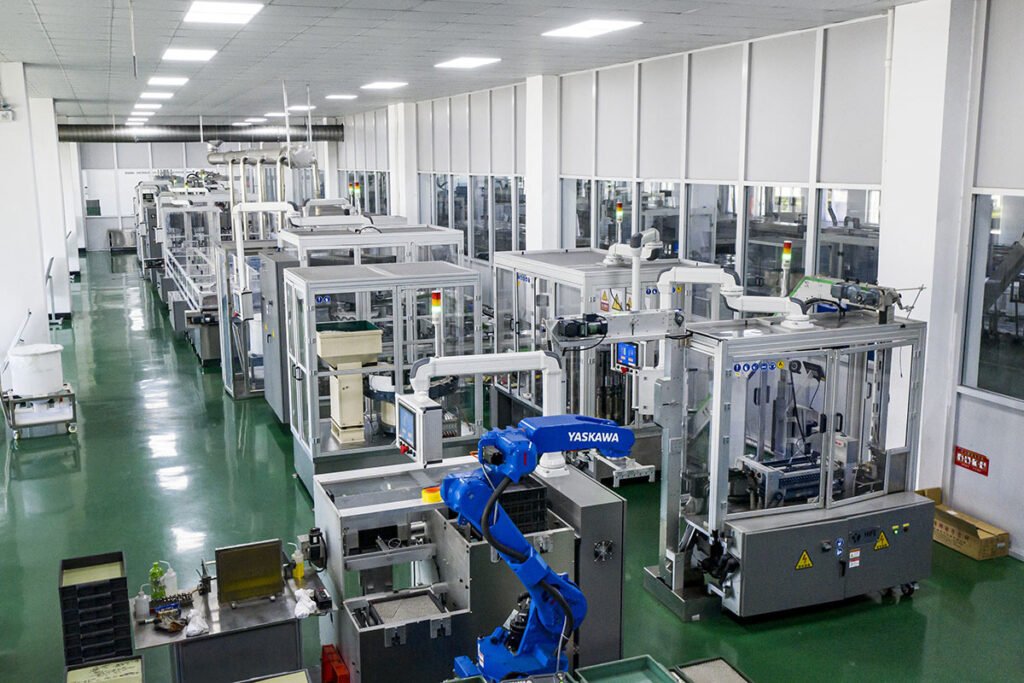
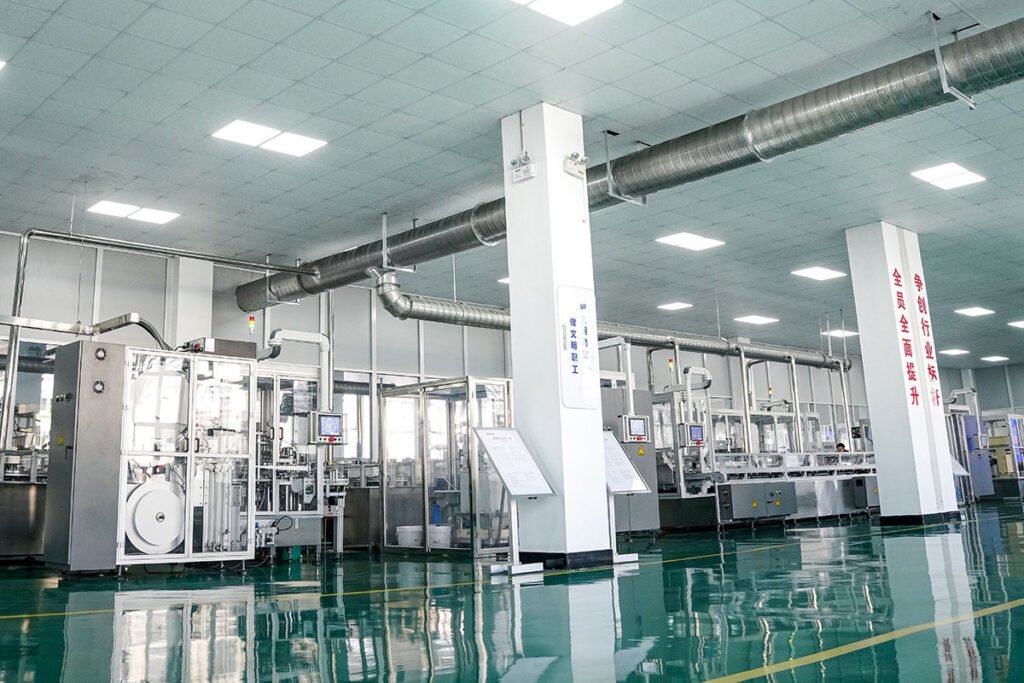
The company has more than 40 production lines and seven component workshops, including high-speed alkaline production capabilities. Its broader product portfolio allows an importer to evaluate multiple battery categories through one manufacturing source.
For Costa Rican customers, the advantage of this model is flexibility.
A distributor may begin with carbon-zinc AA and AAA batteries, add alkaline batteries as its retail network develops, and later introduce NiMH, lithium primary or LiFePO4 products for more specialized applications.
This creates a potential long-term sourcing relationship instead of a single-product transaction.
What Should Costa Rican Importers Look for in a China Battery Supplier?
A serious supplier evaluation should consider more than the FOB price.
For primary batteries, buyers should request:
- Nominal voltage
- Battery dimensions
- Discharge curves
- Leakage test information
- Shelf-life information
- Zinc-can specifications
- Packaging specifications
- Production-batch consistency
For rechargeable batteries, buyers should additionally evaluate:
- Actual capacity
- Cycle-life testing
- BMS
- Protection functions
- Charging parameters
- Operating temperature
- Cell origin and configuration
For lithium products, transportation documentation and applicable safety information should be confirmed before the shipment is booked.
The supplier should also be able to explain how quality is controlled from raw materials through finished-battery inspection.
| Supplier evaluation | What a Costa Rican importer should verify |
| Manufacturing | Production lines and battery categories |
| Quality | Incoming, in-process and final inspection |
| Carbon zinc | Discharge and leakage performance |
| Alkaline | Capacity, shelf life and sealing |
| Rechargeable | Capacity and cycle life |
| Lithium | Cells, BMS, safety and transport documents |
| OEM | MOQ, artwork and packaging |
| Compliance | Product-specific documents |
| Logistics | Packing, shipping terms and delivery capability |
| After-sales | Warranty and technical support |
The goal should be to calculate the total procurement cost, not simply compare the lowest quoted unit price.
Frequently Asked Questions About the Costa Rica Battery Market
1. What batteries are commonly used in Costa Rica?
Carbon-zinc and alkaline AA, AAA, C, D and 9V batteries remain relevant for household and commercial applications. Button batteries, lithium primary cells, NiMH rechargeable batteries and lithium-ion products serve more specialized markets.
2. Is carbon-zinc battery demand still relevant in Costa Rica?
Yes. Carbon-zinc batteries remain suitable for low-drain and price-sensitive applications. They can provide an economical option for distributors serving everyday consumer products.
3. Does Costa Rica import batteries from China?
Yes. In 2024, China supplied about US$814,000 of Costa Rica’s imports under HS 850619 for primary cells and primary batteries, while China was also a significant supplier of primary-battery components.
4. Does Costa Rica have extended producer responsibility for batteries?
Costa Rica’s waste-management framework identifies batteries and primary cells as priority products for extended producer responsibility, with applicable obligations determined through the relevant regulatory framework.
5. Is lithium battery storage developing in Costa Rica?
Yes. Costa Rica’s distributed-energy framework recognizes energy-storage systems, and ARESEP’s 2026 regulatory reform explicitly addresses the integration and coordinated operation of distributed energy resources and storage systems.
6. Is LiFePO4 suitable for Costa Rican solar energy storage?
LiFePO4 is widely used for stationary energy storage because of its cycle-life and safety characteristics. The appropriate battery configuration should be determined by the solar system, load profile, operating environment and applicable technical requirements.
7. Can Chinese battery manufacturers provide private-label batteries for Costa Rica?
Yes. OEM programs can cover battery branding, labels, blister packaging, cartons, colors, case quantities and other retail specifications. The exact MOQ and packaging options depend on the product and factory.
8. What should Costa Rican battery importers check before placing an order?
Importers should verify the SAC tariff classification, product chemistry, technical specifications, applicable environmental obligations, packaging, transportation documentation and quality-control information. Lithium products require particularly careful technical and transportation review.

Conclusion
The Costa Rica battery market has a clear two-level structure. Carbon-zinc and alkaline batteries remain important in everyday consumer applications, while lithium-ion, LiFePO4 and other rechargeable technologies are gaining commercial relevance through distributed energy, solar applications, electric mobility and energy storage.
What makes Costa Rica different from many Latin American battery markets is its relatively advanced renewable-electricity system. ARESEP reports that hydroelectric generation remains the country’s main electricity source, while its 2026 regulatory reforms are explicitly incorporating distributed energy resources and storage.
At the same time, battery waste is becoming a more important commercial consideration. Costa Rica’s legal framework identifies batteries and primary cells as priority products under extended producer responsibility, and the Ministry of Health maintains specific waste-management and compliance mechanisms.
For importers searching for a Top China battery manufacturer for Costa Rica, the most useful sourcing strategy is therefore to look for a supplier capable of covering multiple stages of the market: carbon-zinc and alkaline batteries for high-volume retail, specialty primary batteries for electronics, rechargeable batteries for consumer applications, and lithium/LiFePO4 solutions for mobility and energy storage.
With manufacturing roots dating back to 1956 and a portfolio covering carbon-zinc, alkaline, lithium, rechargeable and new-energy battery products, Huatai Battery can provide a broader sourcing platform for Costa Rican distributors that want to develop their battery business beyond a single chemistry.