English
  Spanish
  French
  Arabic
  Portuguese
  Russian
  Chinese
 Navigating the Libya & North Africa Battery Landscape: Market Insights, Technical Demands, and China’s Premium OEM Solutions
Explore the Africa Libya battery market with professional insights into carbon zinc batteries, alkaline batteries, lithium batteries, LiFePO₄ batteries, and OEM private label battery manufacturing services. Discover North Africa battery market opportunities and learn why Shandong Huatai New Energy Battery Co., Ltd. is a trusted China battery supplier for Libya.
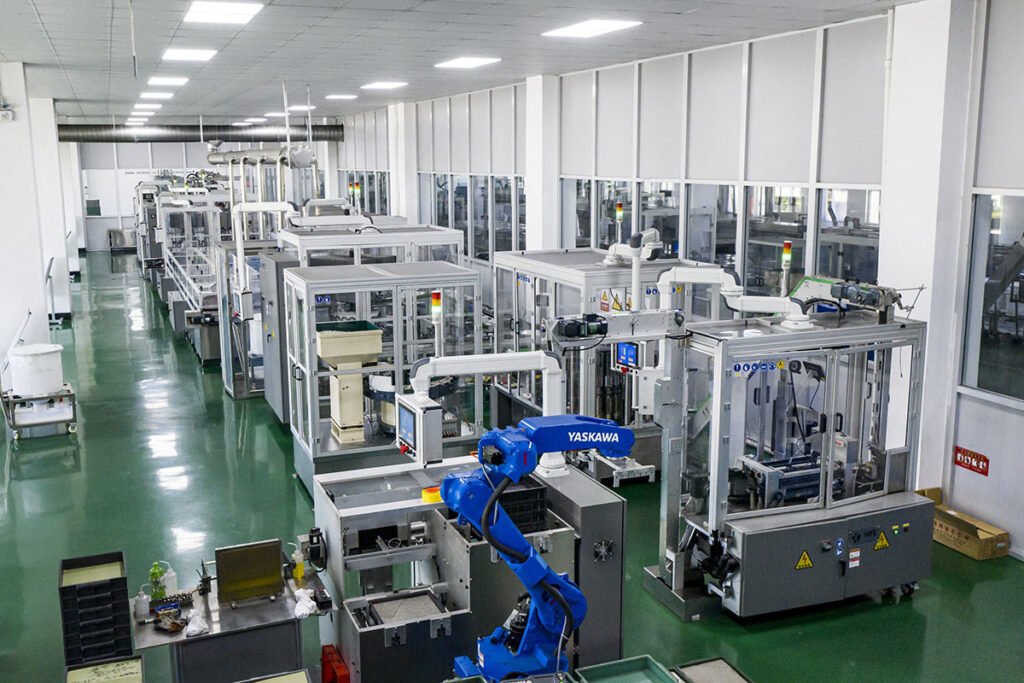
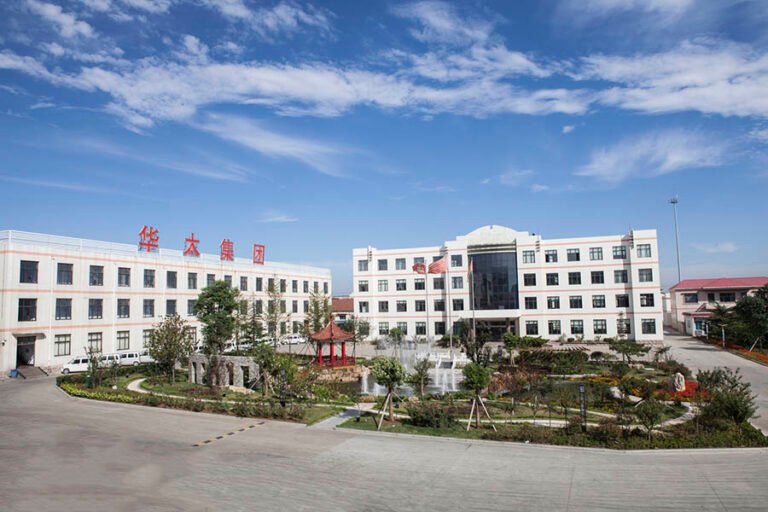
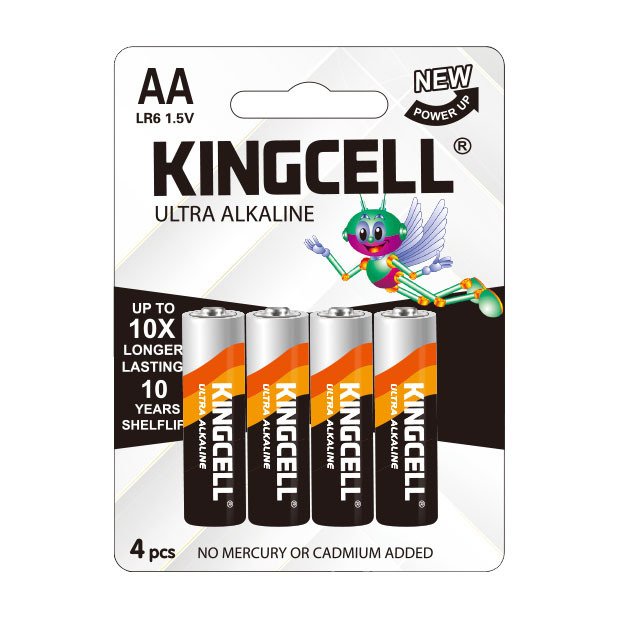
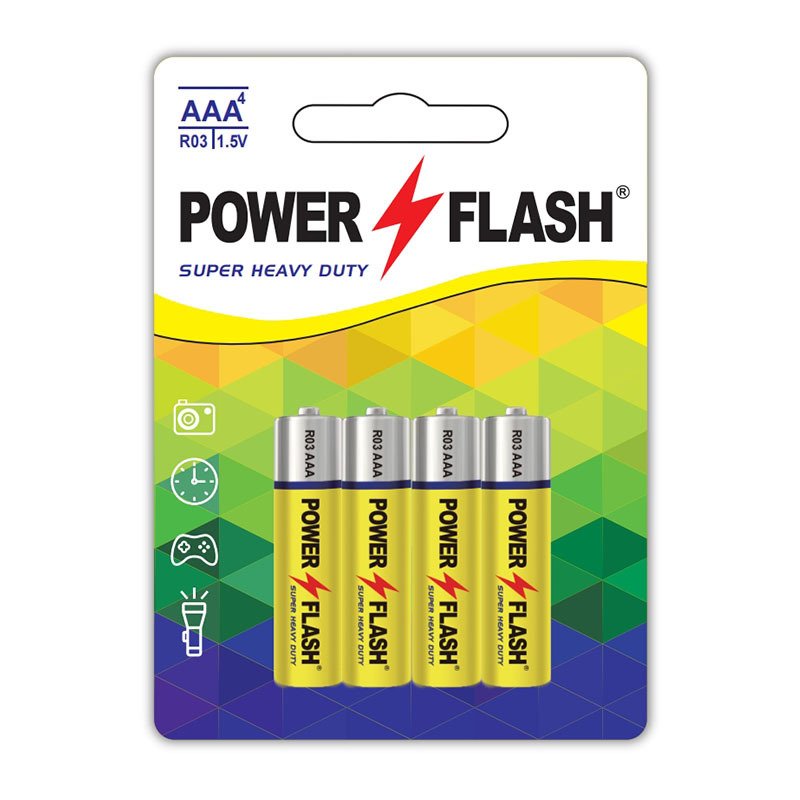
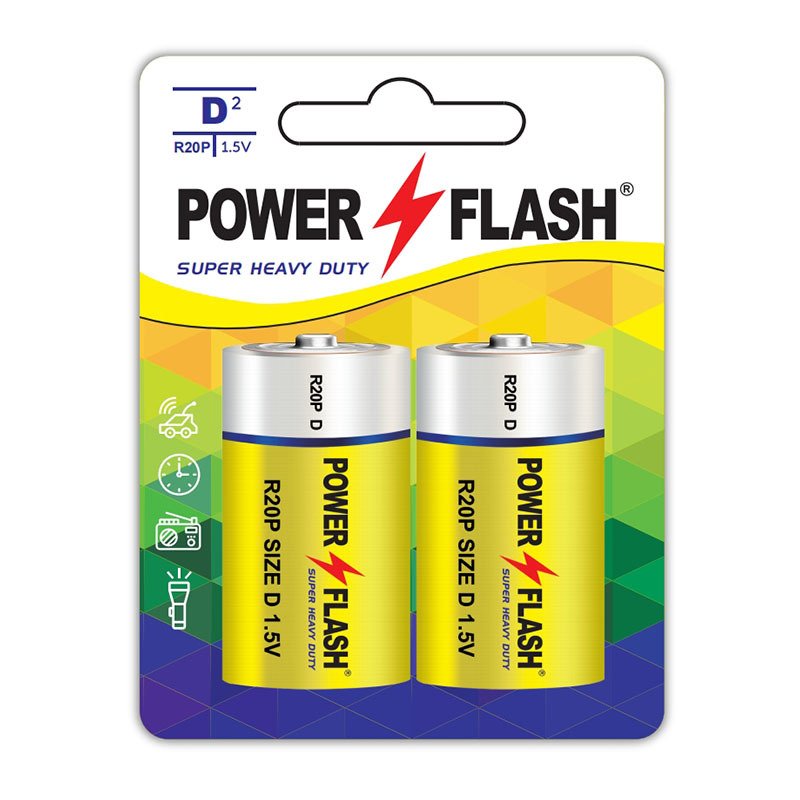
Shandong Linyi Huatai New Energy Battery Co., Ltd. was established in May 1993,but our factory’s history can date back to the establishment of the Linyi Battery Plant in 1956.We are currently one of the leading Eco-friendly & Mercury-free alkaline battery manufacturers and lithium battery manufacturers in China and the world’s largest heavy duty zinc-carbon batteries manufacturer & factory. Our products are produced with HUATAI, Power Flash and KINGCELL brands and customer’s private label, supplied 6 billion annual output by HIBAR high-speed automated production lines, offering OEM solutions for zinc carbon, alkaline, and lithium batteries worldwide.

As one of North Africa’s most resource-rich economies, Libya is experiencing a pivotal period of economic recovery, infrastructure reconstruction, industrial modernization, and renewable energy expansion. Positioned along the southern Mediterranean coastline, Libya serves as a critical commercial bridge connecting North Africa, Southern Europe, the Middle East, and Sub-Saharan trade routes. Driven by ongoing infrastructure projects, oil & gas facility upgrades, telecommunications growth, and expanding off-grid solar deployments, the national demand for primary dry cells (carbon zinc and alkaline), lithium-ion batteries, and LiFePO4 energy storage systems continues to accelerate.
Navigating the Libyan battery market presents distinct operational challenges. Unlike lower-cost regional markets, Libyan procurement—particularly for industrial projects, government tenders, and commercial distribution—operates under stringent performance, durability, and compliance requirements. Importers facing extreme desert heat, fine sand exposure, extended shipping cycles, and complex warehousing logistics routinely confront five core pain points:
Thermal degradation and electrolyte leakage caused by extreme ambient temperatures (>45∘C).
Accelerated self-discharge and capacity loss during long ocean transit, port holds, and inland logistics.
Severe operating conditions in oilfields and remote sites demanding high voltage stability and mechanical durability.
Increasing regulatory demands for international safety and environmental compliance (IEC, UN38.3, MSDS, RoHS, REACH).
Margin compression caused by volatile raw material pricing in unintegrated supply chains.
Shandong Huatai New Energy Battery Co., Ltd. directly solves these operational hurdles. Tracing its manufacturing legacy back to the Linyi Battery Factory established in 1956, Huatai brings nearly 70 years of manufacturing experience, advanced automated Canadian production lines, vertically integrated raw material production (self-produced high-purity zinc powder and electrolytic manganese dioxide), and proprietary innovations like Power Lock Technology (10-year shelf life) and Anti-Leak Mercury-Free Technology. By offering factory-direct pricing, robust heat adaptability, and full international certification compliance, Huatai provides an ideal, high-margin manufacturing partnership tailored for Libyan importers, industrial buyers, and private-label brand owners.
Libya’s Strategic Position in the North African Battery Market
Libya’s extensive Mediterranean coastline, strategic deep-water ports, and extensive land borders position it as a regional distribution hub across North and Central Africa.
| Regional Strategic Advantage | Commercial & Market Opportunity |
| Strategic Mediterranean Gateway | Facilitates bulk ocean import and regional cross-border distribution |
| Energy Sector Infrastructure | High demand for heavy-duty industrial batteries in oil & gas extraction sites |
| Infrastructure Reconstruction | Sustained procurement for security, construction, telecom, and public utility projects |
| Growing Clean Energy Transition | Accelerating adoption of LiFePO4 systems for residential solar and commercial ESS |

Sector-by-Sector Battery Application Matrix
Libya’s rebuilding economy requires specific chemical systems tailored to distinct operational environments:
| Industry Sector | Recommended Battery Type | Primary Applications & Devices |
| Retail & General Trade | Carbon Zinc (R03,R6,R14,R20,6F22) | Household remotes, wall clocks, radios, basic flashlights, toys |
| Consumer Electronics & Security | Alkaline (LR03,LR6,LR14,LR20,6LF22) | Smart home gadgets, CCTV, wireless accessories, digital meters, alarms |
| Oil, Gas & Construction | Industrial Alkaline & Heavy-Duty Lithium | Portable inspection tools, field testing equipment, emergency lighting |
| Renewable Energy & Solar | LiFePO4 Energy Storage Systems | Solar Home Systems (SHS), commercial energy storage, off-grid microgrids |
| Telecommunications & IT | Lithium-ion & LiFePO4 Battery Packs | Base transceiver station (BTS) backup, uninterruptible power supplies (UPS) |
| Healthcare & Medical | High-Spec Alkaline & Lithium Button Cells | Portable diagnostic devices, digital monitors, emergency medical tools |

Best-Selling Battery Categories in Libya
Carbon Zinc Batteries: Economical Mass-Market Volume
Carbon zinc batteries remain an essential high-volume product across traditional wholesale networks, supermarkets, and local hardware stores throughout Libya.
Core Models: R03 (AAA), R6 (AA), R14 (C), R20 (D), 6F22 (9V)
Key Strengths: Cost-effective energy delivery for low-drain devices, offering accessible retail pricing for everyday consumer electronics.
Alkaline Batteries: Performance for High-Drain Devices
As consumer electronics and digital equipment become more prevalent in urban centers, demand for high-density alkaline batteries continues to surge.
Core Models: LR03 (AAA), LR6 (AA), LR14 (C), LR20 (D), 6LF22 (9V)
Key Strengths: Delivers up to 6–10 times longer runtime than standard carbon zinc, flat discharge curves, and enhanced resistance to high electrical loads.
Lithium & LiFePO4 Energy Storage: Rebuilding the Energy Grid
Libya’s vast geography and high solar irradiation make off-grid solar and energy storage critical for residential power stability, telecom resilience, and remote oilfield operations.
Key Strengths: Lithium Iron Phosphate (LiFePO4) delivers superior thermal stability under extreme ambient heat, deep cycle life (>3,000 to 5,000 cycles at 80% DOD), and zero maintenance overhead compared to legacy lead-acid batteries.
Engineering Solutions for High-Temperature Climates & Technical Standards
Extreme Desert Climate Adaptability
Libya’s interior desert reaches some of the highest temperatures recorded globally. Standard battery construction subjected to thermal stress often suffers from internal gas expansion, electrolyte rupture, and rapid chemical breakdown.
Huatai Heat-Resistant Anti-Leak Design: Features high-density steel casings, custom-formulated heat-stable synthetic seals, and optimized internal electrolyte ratios. This maintains structural integrity, prevents leakage, and ensures stable voltage output under harsh desert conditions.
Power Lock Technology for Extended Warehousing
Imported shipments to North Africa frequently encounter maritime transit buffers, port clearance holds, and extended distributor storage.
10-Year Shelf Life: Huatai’s Power Lock Technology utilizes self-produced ultra-high-purity zinc powder and premium electrolytic manganese dioxide (MnO2) to suppress internal chemical self-discharge, guaranteeing up to a 10-year shelf life with over 80% capacity retention under recommended storage parameters.
Environmental & International Compliance
To meet the stringent standards requested by Libyan state enterprises, medical institutions, and regional distributors, Huatai products comply with global standards:
Mercury-Free Standard: 0.00% intentionally added mercury (Hg), cadmium (Cd), and lead (Pb), aligning with international environmental norms including the principles of EU Battery Regulation (EU) 2023/1542.
Technical Documentation: Complete compliance packages including IEC 60086, IEC 62133, UN38.3, MSDS, RoHS, REACH, and official Certificates of Origin (CO).

Why Choose Shandong Huatai as Your Supplier
70 Years of Manufacturing Excellence: Evolved from the Linyi Battery Factory (est. 1956) into a national Well-known Trademark in China and National Little Giant Enterprise.
Cost Stability & Quality Control: Upstream self-production of high-purity zinc powder protects importers from volatile raw material price spikes while ensuring strict batch-to-batch consistency.
Comprehensive OEM / ODM Services: Full private label support—customized retail blister cards, multi-pack shrink wraps, Arabic/English/French artwork design, barcode printing, and master carton customization.
FAQ: Technical & Sourcing Insights
Q1: Which battery categories are currently experiencing the fastest demand growth in Libya?
While AA (R6/LR6) and AAA (R03/LR03) primary batteries remain the largest volume category in consumer retail, LiFePO4 solar energy storage systems and high-capacity lithium battery packs are experiencing the fastest percentage growth due to national solar initiatives, telecom site upgrades, and remote power requirements in the energy sector.
Q2: How does Huatai ensure its primary dry cells won’t leak under high-temperature storage in Libya?
Early zero-mercury batteries generated hydrogen gas during self-discharge under high heat, building internal pressure. Huatai overcomes this by combining ultra-high-purity zinc powder (minimizing gas-producing trace impurities), specialized corrosion inhibitors in the electrolyte, and a reinforced bottom-collector sealing structure fitted with a safety relief valve.
Q3: What documentation is necessary to clear battery shipments through Libyan customs smoothly?
Imporers typically require a comprehensive compliance portfolio: IEC 60086 for primary batteries, IEC 62133 for rechargeable cells, UN38.3 Test Reports and MSDS for air/sea transport safety of lithium products, RoHS/REACH environmental certificates, product specification sheets, and a legalized Certificate of Origin (CO).

Q4: Why is LiFePO4 superior to traditional Lead-Acid for solar projects in North Africa?
LiFePO4 chemistry offers superior thermal tolerance, eliminating the thermal runaway risks common in traditional lead-acid batteries exposed to ambient heat. Furthermore, LiFePO4 delivers over 3,000–5,000 deep cycles (vs. 500–800 for lead-acid), drastically reducing replacement frequency and long-term total cost of ownership (TCO).
Q5: Does Huatai support bilingual Arabic and English artwork for private-label brand production?
Yes. Huatai offers turnkey OEM customization, including full artwork adaptation for Arabic, English, and French typography on blister cards, shrink wrap films, display boxes, master cartons, and custom barcoding.
Executive Summary & Strategic Conclusion
Libya represents one of North Africa’s most promising markets for battery manufacturers and distributors. As reconstruction progresses alongside continuous investments in oil & gas, telecommunications, infrastructure, healthcare, and off-grid solar energy, the nation’s demand for high-performance, heat-resistant, and certified battery solutions will continue its upward trajectory.
For importers, wholesalers, and private-label brand owners, capturing long-term market share in Libya requires partnering with a manufacturer capable of delivering uncompromising heat stability, extended shelf life, competitive factory-direct pricing, and complete compliance documentation.
Shandong Huatai New Energy Battery Co., Ltd. stands ready as your trusted manufacturing partner. Backed by nearly seven decades of battery engineering heritage, advanced Canadian automated manufacturing, complete raw material vertical integration, and proven Power Lock and Mercury-Free technologies, Huatai provides the reliability, scale, and custom OEM flexibility needed to succeed across the Libyan and broader North African battery markets.