Arabic
 English
 Spanish
 French
 Portuguese
 Russian
 Chinese
أكبر مصنع للبطاريات في الصين للمملكة العربية السعودية
استكشف الشرق الأوسط: سوق البطاريات في المملكة العربية السعودية بواسطة مجموعة «هواتاي» للبطاريات الصينية, ، بما في ذلك بطاريات الكربون والزنك، والبطاريات القلوية، وبطاريات الليثيوم، والبطاريات القابلة لإعادة الشحن، وتخزين الطاقة، مع مراعاة الطلب في السوق، ومتطلبات هيئة المعايير والرقابة على الجودة في المملكة (SASO)، والفرص التي تتيحها «رؤية 2030»، واعتبارات موردي البطاريات الصينيين.
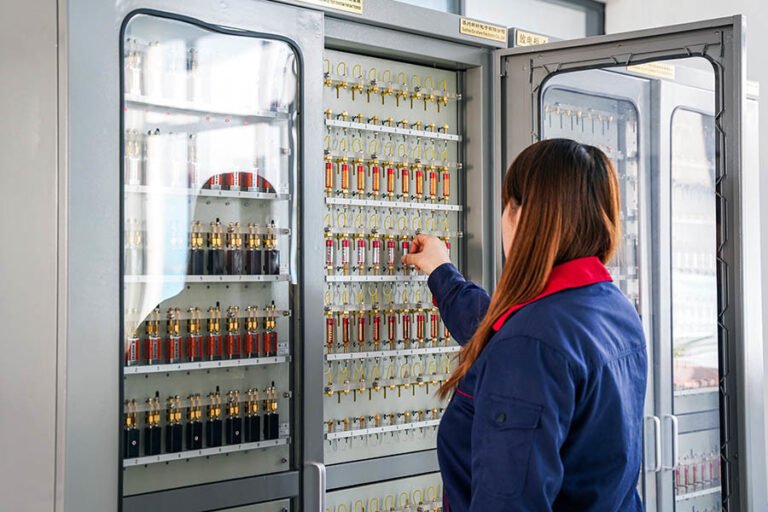
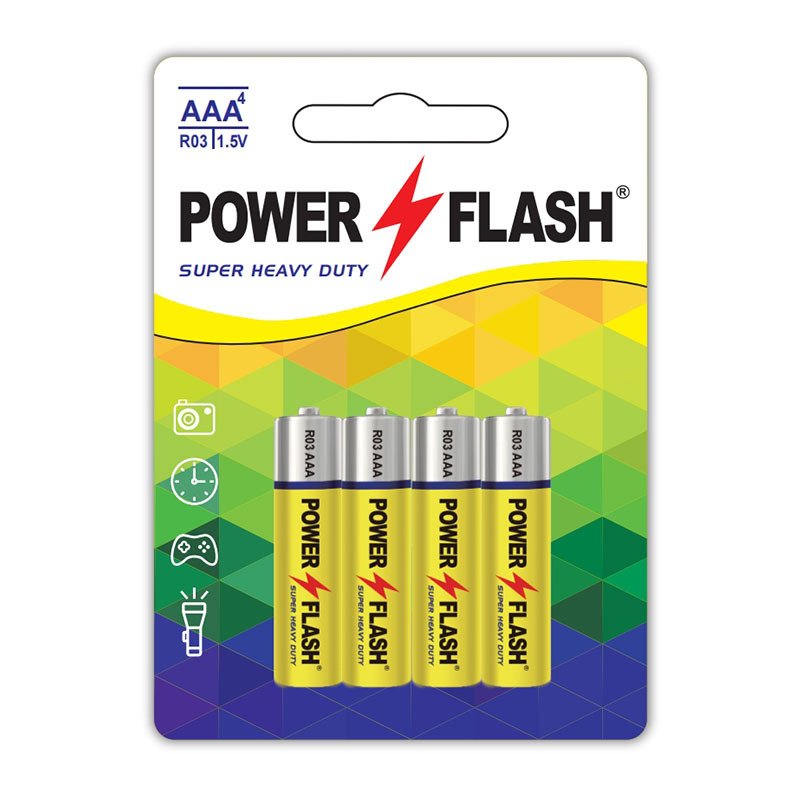
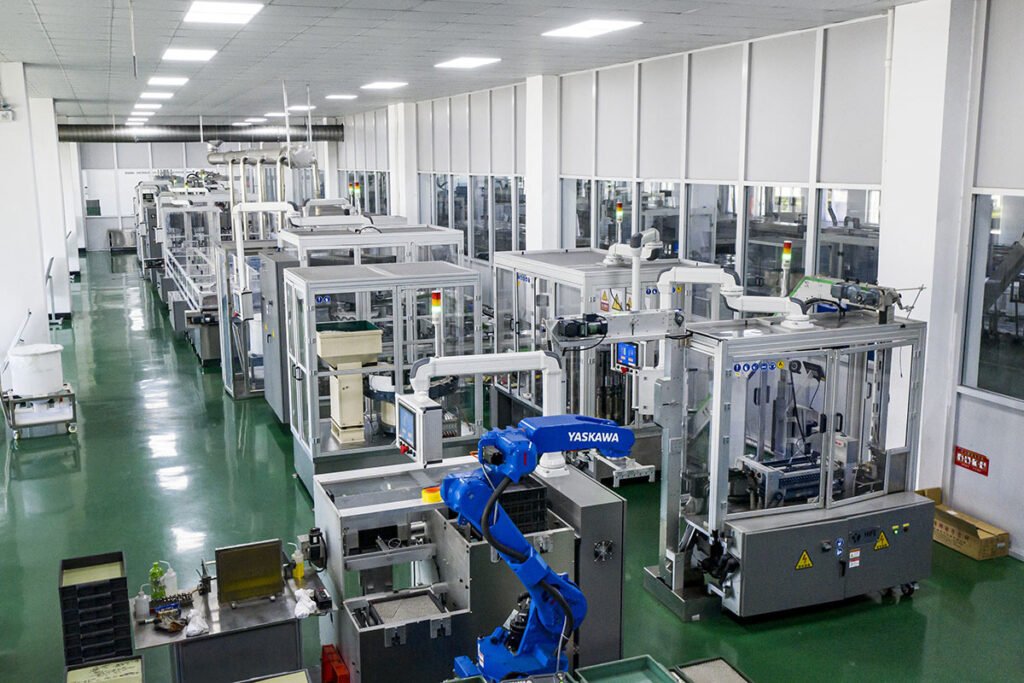
شركة شاندونغ لينيي هواتاي لبطاريات الطاقة الجديدة المحدودة. تأسست في مايو 1993، ولكن تاريخ مصنعنا يعود إلى إنشاء مصنع لينيي للبطاريات في عام 1956، ونحن حاليًا أحد رائدة في مجال المنتجات الصديقة للبيئة و- شركات تصنيع البطاريات القلوية الخالية من الزئبق و الشركات المصنعة لبطاريات الليثيوم في الصين و أكبر مصنع ومُنتج في العالم لبطاريات الزنك والكربون المخصصة للاستخدامات الشاقة. يتم إنتاج منتجاتنا باستخدام HUATAI, Power Flash و KINGCELL العلامات التجارية والعلامات الخاصة بالعملاء، حيث بلغ حجم الإنتاج السنوي 6 مليارات من خلال خطوط الإنتاج المؤتمتة عالية السرعة HIBARتقدم حلول تصنيع البطاريات الأولية الجافة وفقًا لمعايير المصنع الأصلي (OEM) لبطاريات الزنك الكربونية والقلوية والليثيوم في جميع أنحاء العالم.

المملكة العربية السعودية أصبحت واحدة من أهم أسواق البطاريات في الشرق الأوسط. ولم يعد الطلب على البطاريات في البلاد يقتصر على بطاريات السيارات التقليدية والبطاريات الجافة المنزلية. وفي إطار «رؤية المملكة العربية السعودية 2030»، تعمل المملكة على تطوير مشاريع واسعة النطاق في مجالات الطاقة المتجددة، وأنظمة تخزين الطاقة بالبطاريات (BESS)، والنقل الكهربائي، والبنية التحتية الذكية، والمشاريع الصناعية. ويؤدي ذلك إلى خلق طلب على فئات متعددة من البطاريات، بدءًا من بطاريات الكربون والزنك والبطاريات القلوية وصولاً إلى بطاريات الليثيوم أيون وأنظمة تخزين الطاقة واسعة النطاق.
يُعد حجم تطوير قطاع تخزين الطاقة في المملكة العربية السعودية ذا أهمية بالغة. ففي أبريل 2026، أعلنت الشركة السعودية لشراء الطاقة عن فتح باب التأهيل للمجموعة الثانية من مشاريع أنظمة تخزين الطاقة بالبطاريات (BESS)، والتي تضم ستة مشاريع تبلغ طاقتها الإجمالية 3,000 ميغاواط / 12,000 ميغاواط/ساعة. يهدف البرنامج الوطني للطاقة المتجددة إلى زيادة حصة الطاقة المتجددة وتخزين الطاقة في مزيج الطاقة الوطني لتصل إلى حوالي 50% بحلول عام 2030، رهناً بنمو الطلب على الكهرباء.
وبالتالي، تمثل المملكة العربية السعودية بالنسبة لمصنعي البطاريات الصينيين سوقين مختلفين في آن واحد: سوقًا ناضجة للبطاريات الأولية التقليدية، وسوقًا سريع النمو لبطاريات الليثيوم، وتخزين الطاقة الشمسية، وأنظمة تخزين الطاقة على نطاق الشبكة.
فهم سوق البطاريات في المملكة العربية السعودية
لطالما شهدت المملكة العربية السعودية طلبًا كبيرًا على البطاريات في قطاعات السيارات والاتصالات والإلكترونيات الاستهلاكية والأجهزة المنزلية وأنظمة الأمن والمعدات الصناعية.
واليوم، تضاف إلى هذا الطلب التقليدي العديد من التطبيقات سريعة النمو:
- تخزين الطاقة الشمسية
- أنظمة تخزين الطاقة بالبطاريات (BESS) على نطاق المرافق
- طاقة احتياطية
- مراكز البيانات
- البنية التحتية للاتصالات
- السيارات الكهربائية
- التنقل الكهربائي
- الأتمتة الصناعية
- العدادات الذكية وأجهزة الاستشعار
- الإلكترونيات الاستهلاكية
- إضاءة الطوارئ
- الأجهزة المنزلية
وهذا يجعل السوق السعودية أوسع بكثير من مجرد سوق البطاريات الجافة في المملكة العربية السعودية.
| قطاع البطاريات | التطبيقات السعودية النموذجية | فرصة محتملة للموردين |
| الكربون والزنك | الساعات، وأجهزة التحكم عن بُعد، والمصابيح اليدوية، وأجهزة الراديو، والأجهزة ذات الاستهلاك المنخفض للطاقة | المنتجات الأصلية (OEM) والعلامات التجارية الخاصة |
| قلوي | الأجهزة الإلكترونية المنزلية، والألعاب، وأجهزة الأمن، والمعدات الصناعية | التصنيع الأصلي (OEM) والتوزيع بكميات كبيرة |
| بطارية ليثيوم أولية | أجهزة الاستشعار، وأجهزة القياس، والأجهزة الإلكترونية، والمعدات المتخصصة | أزرار وأسطوانات الليثيوم |
| بطارية Ni-MH قابلة لإعادة الشحن | المعدات القابلة لإعادة الشحن المخصصة للمستهلكين والمهنيين | المنتجات الأصلية (OEM) والعلامات التجارية الخاصة |
| ليثيوم أيون / LFP | السيارات الكهربائية، وأنظمة تخزين الطاقة، وتخزين الطاقة الشمسية، وأجهزة الإمداد غير المنقطع (UPS)، والتطبيقات الصناعية | الخلايا والوحدات وحزم البطاريات |
| أنظمة تخزين الطاقة بالبطاريات (BESS) واسعة النطاق | تخزين الطاقة في الشبكة ودمج الطاقة المتجددة | توريد المشاريع وتكامل الأنظمة |
لذلك، ينبغي على الشركة الصينية المصنعة أن تقسم السوق السعودية حسب الاستخدامات المختلفة، بدلاً من محاولة بيع جميع منتجات البطاريات عبر قناة التوزيع نفسها.
لا تزال بطاريات الكربون والزنك تتمتع بقيمة تجارية في المملكة العربية السعودية
تعد المملكة العربية السعودية واحدة من أكثر الاقتصادات تقدماً من الناحية التكنولوجية في العالم، لكن هذا لا يلغي الحاجة إلى البطاريات الأولية ذات التكلفة المعقولة.
لا تزال بطاريات الكربون والزنك مناسبة للاستخدامات التي تتطلب استهلاكًا منخفضًا للطاقة، حيث تكون تكلفة الشراء المنخفضة أكثر أهمية من كثافة الطاقة القصوى. وتشمل الاستخدامات النموذجية الساعات، وأجهزة الراديو البسيطة، والمصابيح اليدوية، وأجهزة التحكم عن بُعد، والأجهزة الاستهلاكية البسيطة.
بالنسبة لـ مورد بطاريات الكربون والزنك في المملكة العربية السعودية, ، وعادةً ما ترتبط الفرصة التجارية بما يلي:
- توريد الموزعين
- العلامات التجارية الخاصة للسوبرماركت ومتاجر البيع بالتجزئة
- منتجات الشركات المصنعة للمعدات الأصلية (OEM)
- المنتجات الترويجية
- المشتريات المؤسسية
- المعدات الإلكترونية ذات الاستهلاك المنخفض للطاقة
كما أن المناخ السعودي شديد الحرارة يجعل أداء البطاريات من حيث التخزين والتسرب أمراً بالغ الأهمية. فالبطارية التي تُظهر أداءً جيداً في الظروف المختبرية، لكنها تعاني من التسرب أو عدم استقرار أدائها أثناء التخزين على المدى الطويل والنقل لمسافات طويلة، يمكن أن تسبب مشاكل كبيرة للموزعين.
ولهذا السبب، يجب على المشترين تقييم ليس فقط الجهد الاسمي، بل أيضًا:
- مقاومة التسرب
- مدة الصلاحية
- أداء التفريغ
- قوام علبة الزنك
- جودة الإحكام
- استقرار التخزين
- جودة التغليف
- الامتثال للمعايير المتعلقة بالمعادن الثقيلة
البطاريات الكربونية الزنك مقابل البطاريات القلوية في السوق السعودية
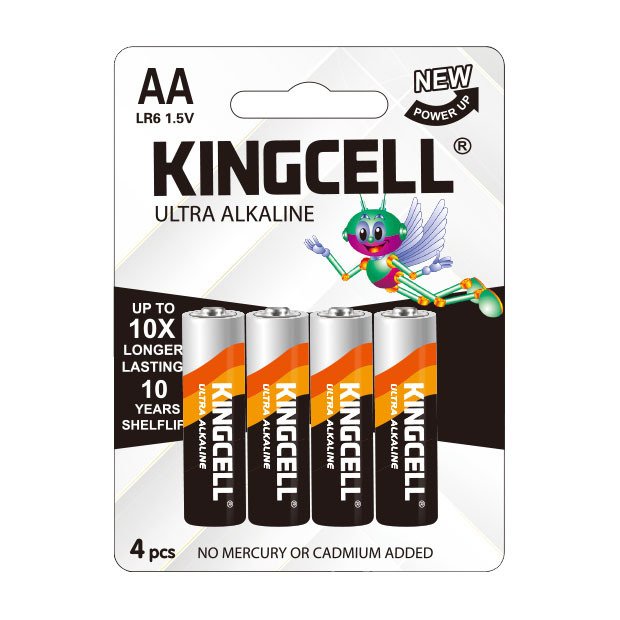
توفر البطاريات القلوية عمومًا كثافة طاقة أعلى وأداءً أفضل في ظروف الاستهلاك المرتفع مقارنةً بالبطاريات التقليدية المصنوعة من الكربون والزنك.
بالنسبة للمستهلكين والشركات السعودية، تُعد البطاريات القلوية من فئتي AA وAAA ذات أهمية خاصة للأجهزة الإلكترونية والألعاب والملحقات اللاسلكية ومنتجات الأمن وغيرها من المعدات التي تستهلك طاقة أكبر.
| المتطلبات | الزنك الكربوني | قلوي |
| سعر الشراء | أقل | أعلى |
| كثافة الطاقة | أقل | أعلى |
| معدات ذات استهلاك منخفض للطاقة | مناسب جدًا | مناسب |
| المعدات ذات الاستهلاك العالي للطاقة | Less suitable | أكثر ملاءمةً |
| فرصة تصنيع المعدات الأصلية (OEM) | منتجات اقتصادية ذات حجم إنتاج كبير | Retail and private-label products |
| Main selling point | الكفاءة من حيث التكلفة | الأداء والموثوقية |
The choice therefore depends on the application and target market.
A Saudi importer selling inexpensive household products may require a competitive carbon zinc battery, while a distributor supplying electronic devices may prefer alkaline batteries with longer operating time and better high-drain characteristics.
Saudi Arabia’s Climate Makes Battery Quality Important
One factor that should not be overlooked when supplying batteries to Saudi Arabia is the local climate.
High temperatures can influence battery storage, self-discharge, electrolyte behavior, sealing performance and shelf life. Batteries may also spend significant time in warehouses, containers, distribution centers and retail facilities before reaching the end user.
وهذا يجعل high-temperature storage stability and leakage resistance commercially important.
For a Chinese battery manufacturer exporting to Saudi Arabia, quality-control procedures should therefore cover:
- أداء الختم
- Electrolyte control
- جودة علب الزنك
- Terminal welding
- المقاومة الداخلية
- منحنيات التفريغ
- اختبار التخزين في درجات حرارة عالية
- اختبار التسرب
- اختبار مدة الصلاحية
- حماية العبوة
For private-label customers, these technical factors can be just as important as the battery’s printed brand.
Saudi Arabia Is Becoming a Major Energy Storage Market
The biggest change in the Saudi battery industry is happening in lithium-ion and energy storage.
Saudi Arabia’s National Renewable Energy Program is driving large-scale solar and wind development. Because renewable electricity generation varies according to weather and time of day, energy storage is becoming increasingly important for grid balancing and electricity reliability.
Saudi Arabia’s Ministry of Energy has stated that the Kingdom aims to develop up to 48 GWh of battery energy storage capacity by 2030. In 2025, the Saudi Press Agency reported that 26 GWh of storage projects had already been tendered at different development stages.
The development continued into 2026.
The second group of Saudi BESS projects announced in April 2026 includes six independent storage projects, each with 500 MW / 2,000 MWh capacity. Together, they represent 3 GW of power capacity and 12 GWh of storage.
This is a major structural shift in the Saudi battery market.
The commercial chain now extends from:
Battery cells → modules → racks → BMS → PCS → containers → EMS → complete BESS → grid services
Therefore, Chinese manufacturers with lithium-ion and LFP capabilities have opportunities that did not exist when the Saudi battery market was dominated mainly by conventional automotive and consumer batteries.
LFP Batteries Are Particularly Relevant to Saudi Energy Storage
Lithium iron phosphate (LFP) technology is increasingly important in stationary energy storage because of its combination of safety, cycle life and cost characteristics.
Saudi Arabia’s large-scale storage projects are particularly relevant to LFP manufacturers because grid storage requires batteries capable of repeated cycling over long operating periods.
تشمل التطبيقات المحتملة ما يلي:
- Utility-scale solar-plus-storage
- Grid stabilization
- Peak shaving
- دمج الطاقة المتجددة
- أنظمة تخزين الطاقة التجارية والصناعية
- النسخ الاحتياطي لخدمات الاتصالات
- Data-center backup
- Remote-area power systems
- الشبكات الصغيرة
بالنسبة لـ China lithium battery manufacturer for Saudi Arabia, however, supplying cells alone may not be sufficient. Project customers may also require battery modules, racks, BMS, thermal management, fire protection, testing documentation and complete system integration.

Solar Energy and Battery Storage Are Closely Connected
Saudi Arabia’s enormous solar-resource potential gives batteries an increasingly important role in the electricity system.
The Kingdom has been rapidly developing solar projects as part of its energy diversification strategy. By April 2026, Saudi Arabia had approximately 64 GW of renewable-energy project capacity launched, while 12.3 GW was connected to the national electricity grid. Battery storage projects totaling around 30 GWh had also been launched, with approximately 8 GWh already connected to the grid, according to figures reported from the Ministry of Energy.
This creates opportunities at several market levels.
For residential and small commercial applications:
Solar PV + inverter + LFP battery + energy management system
For larger projects:
Solar PV + grid connection + BESS + power conversion system + energy management system
For Chinese manufacturers, the Saudi market can therefore be approached through both traditional battery distribution and renewable-energy supply chains.
Electric Vehicles Are Creating Another Battery Demand Channel
Saudi Arabia is also developing a domestic electric-vehicle industry.
The country’s Public Investment Fund-backed EV manufacturer Ceer unveiled its first two EV models in September 2026, with sales planned to begin in early 2027. The company plans to expand its vehicle lineup and build a broader regional automotive supply chain.
This development does not mean that every Chinese EV battery manufacturer can immediately enter the Saudi automotive supply chain. Automotive batteries have much higher technical, quality and localization requirements than consumer batteries.
Nevertheless, the emergence of local EV manufacturing creates long-term demand for:
- EV battery cells
- وحدات البطاريات
- حزم البطاريات
- BMS
- Thermal-management systems
- مكونات البطارية
- البنية التحتية للشحن
- أنظمة بطاريات "سيكوند لايف"
- Battery recycling
For Chinese suppliers, automotive projects should therefore be treated as a specialized B2B segment rather than simply another lithium battery sales channel.
Saudi Arabia Has Specific Battery Conformity Requirements
Saudi Arabia is not a market where an exporter should simply ship batteries based on CE or RoHS documents.
إن SASO Technical Regulation of Electrical Batteries establishes conformity requirements for batteries covered by the regulation. The regulation requires suppliers responsible for placing covered batteries on the Saudi market to obtain a Certificate of Conformity through an accredited body, following the specified conformity-assessment procedure. It also requires a technical file containing information such as supplier details, product description, country of origin, safety requirements, test information and applicable specifications.
The regulation also specifies requirements concerning product labeling and packaging.
This means a professional battery supplier for Saudi Arabia should determine the exact conformity route before shipment.
The exporter and Saudi importer should confirm:
- كيمياء البطارية
- Product category
- التطبيق المقصود
- Applicable Saudi standards
- Certificate of Conformity requirements
- Technical-file requirements
- ملصق المنتج
- Country-of-origin information
- تقارير الاختبار
- Importer responsibilities
Requirements can differ according to the product and application, so compliance should be assessed on a transaction-specific basis.
OEM and Private-Label Batteries Have Potential in Saudi Arabia
Saudi Arabia has a large distribution sector serving supermarkets, electronics retailers, industrial customers, automotive businesses and specialized energy companies.
This creates opportunities for OEM battery manufacturing in Saudi Arabia supply chains.
A private-label customer may want:
- التغليف باللغتين العربية والإنجليزية
- Customized brand names
- ملصقات مخصصة للبطاريات
- Different blister-card designs
- علب البيع بالتجزئة
- Carton specifications
- Customized battery capacities
- Different battery chemistries
- المنتجات الحصرية للموزعين
For conventional AA, AAA, C, D and 9V batteries, private-label manufacturing can be a practical entry route because the buyer does not necessarily need to build a battery factory of its own.
For lithium products, customization can extend much further into battery-pack design, BMS configuration and application-specific capacity.
What Battery Products Have the Best Commercial Fit in Saudi Arabia?
The Saudi market is best approached by matching products with buyer type.
| Saudi buyer | منتجات البطاريات المحتملة | Main purchasing considerations |
| Consumer battery distributor | كربون-زنك، قلوية، 9 فولت | السعر، مدة الصلاحية، التغليف |
| Supermarket/private label | أأ، أأ، أأ، ج، د، د، 9 فولت | Brand, packaging, consistency |
| Electronics company | البطاريات القلوية، وبطاريات الليثيوم الأولية، وبطاريات الأزرار | Performance, dimensions, reliability |
| Solar distributor | LFP batteries, ESS | Capacity, cycle life, safety |
| Telecom/backup company | الليثيوم، LFP، قابلة لإعادة الشحن | Reliability, lifecycle, BMS |
| ESS developer | LFP cells, modules, racks, BESS | Safety, certification, project support |
| EV industry | Lithium-ion cells/modules/packs | Automotive qualification, traceability |
| العميل الصناعي | Lithium, alkaline, specialized batteries | Technical performance and certification |
This segmentation is important because a buyer looking for inexpensive AAA batteries should not be approached with the same sales strategy as a utility-scale ESS developer.

لماذا تُعد شركة «هواتاي للبطاريات» أكثر من مجرد شركة مصنعة لبطاريات الكربون والزنك
شركة شاندونغ هواتاي نيو إنيرجي للبطاريات المحدودة has industrial roots dating back to the establishment of the Linyi Battery Factory in 1956 and was formally established in 1993. Today, Huatai has developed from a traditional dry-battery producer into a broader battery manufacturer covering carbon zinc, alkaline, button, rechargeable, lithium and other battery solutions.
Huatai operates more than 40 production lines and seven battery-component workshops, including high-speed HIBAR alkaline battery production lines. The company states that its annual battery output exceeds 6 billion pieces and that it exports to more than 80 countries.
For the Saudi market, this broad product portfolio allows different customer groups to source different battery categories from one manufacturer:
- R6P / AA كربون-زنك
- R03P / AAA كربون-زنك
- LR6 / بطاريات قلوية من نوع AA
- LR03 / بطاريات قلوية من نوع AAA
- C and D alkaline batteries
- بطاريات 9 فولت
- بطاريات الأزرار
- بطاريات الليثيوم الأولية
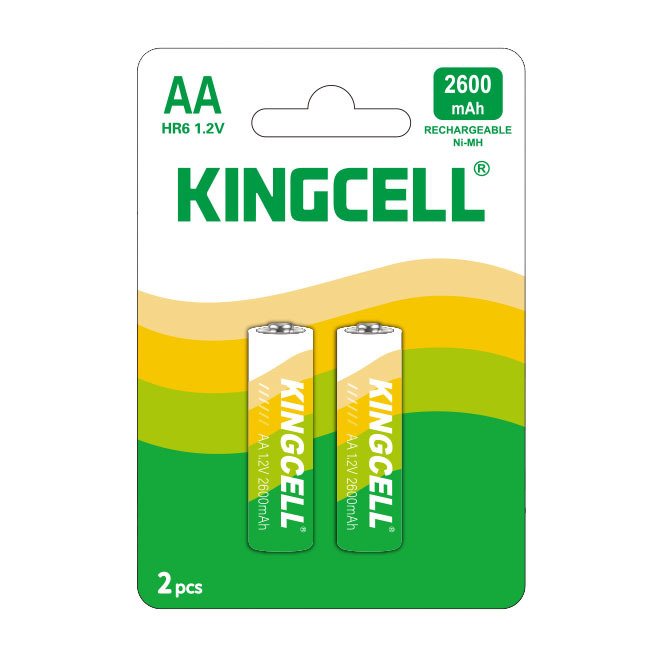
- بطاريات Ni-MH القابلة لإعادة الشحن
- بطاريات الليثيوم أيون
- بطاريات تخزين الطاقة من نوع LFP
- OEM and private-label batteries
This combination can be particularly useful for Saudi importers that sell both conventional consumer batteries and newer energy-storage products.
What Should Saudi Buyers Look for in a China Battery Supplier?
A Saudi importer evaluating a Chinese battery manufacturer should look beyond the factory’s quotation.
ومن بين الأسئلة المهمة ما يلي:
- Does the factory manufacture the battery itself or only trade it?
- What battery chemistries and sizes are produced in-house?
- Can the supplier provide complete technical documentation?
- Can the products meet applicable SASO requirements?
- Can the supplier support Certificate of Conformity procedures?
- How are high-temperature storage and leakage performance tested?
- What is the shelf life of the battery?
- Can the manufacturer provide OEM and private-label packaging?
- For lithium batteries, are UN38.3 and relevant safety reports available?
- Can the supplier maintain consistent quality over long-term container shipments?
For large ESS projects, additional questions are necessary:
- What cell chemistry is used?
- What is the expected cycle life?
- What BMS is used?
- What thermal-management system is provided?
- What fire-protection system is included?
- What warranty period is available?
- What degradation model is used?
- What operating-temperature range is supported?
- Has the system been tested under the relevant international and Saudi requirements?
FAQs About the Saudi Arabia Battery Market
1. Is Saudi Arabia a good market for Chinese battery manufacturers?
Saudi Arabia has demand across both conventional and advanced battery segments. Carbon zinc and alkaline batteries remain relevant in consumer applications, while lithium batteries and BESS are becoming increasingly important because of renewable-energy development and energy-storage projects.
2. Are carbon zinc batteries still used in Saudi Arabia?
Yes. Carbon zinc batteries remain suitable for low-drain applications such as clocks, flashlights, radios and basic electronic devices. Their main commercial advantage is cost efficiency.
3. What batteries are most suitable for Saudi Arabia’s solar-energy market?
For modern solar-storage systems, lithium-ion batteries—particularly LFP—are increasingly relevant because of their cycle-life, safety and cost characteristics. The appropriate battery should be selected according to system design, operating conditions and applicable standards.
4. How large is Saudi Arabia’s battery energy-storage opportunity?
It is already substantial. Saudi Arabia has stated a target of up to 48 GWh of battery storage by 2030, while a second group of BESS projects announced in April 2026 alone totals 12,000 MWh.
5. Does Saudi Arabia require certification for imported batteries?
Battery products covered by the relevant SASO technical regulation are subject to conformity-assessment requirements, including certification and technical documentation. Importers and exporters should verify the exact requirements for the specific battery product before shipment.
6. Why is high-temperature performance important for batteries sold in Saudi Arabia?
Saudi Arabia’s climate and logistics environment can expose batteries to high temperatures during transportation and storage. Leakage resistance, sealing quality, shelf stability and temperature-related performance should therefore be considered when selecting a supplier.
7. Are lithium batteries more important than alkaline batteries in Saudi Arabia?
They serve different markets. Alkaline batteries remain relevant for consumer and industrial devices, while lithium-ion and LFP batteries are increasingly important for EVs, solar storage, ESS, backup power and other energy applications.
8. What should Saudi importers look for in a China battery manufacturer?
The key factors include product consistency, SASO compliance support, technical documentation, leakage resistance, high-temperature storage performance, production capacity, OEM flexibility, lithium-battery safety documentation and reliable long-term supply.

Conclusion: Saudi Arabia Is Developing from a Battery Consumption Market into an Energy-Storage Market
Saudi Arabia’s battery market is undergoing a structural transformation.
Traditional demand for carbon zinc, alkaline and other primary batteries remains relevant across household, retail, electronic and industrial applications. However, the larger long-term change is taking place in lithium batteries, solar storage, grid-scale BESS and electric mobility.
The Kingdom’s planned energy-storage projects demonstrate the scale of this transition. The second group of BESS projects announced in 2026 represents 12 GWh of storage capacity, while Saudi Arabia’s broader target is to develop up to 48 GWh of battery storage by 2030.
بالنسبة لـ الشركات المصنعة للبطاريات الصينية, this creates several different entry points. Carbon zinc and alkaline batteries can serve the established consumer market; lithium primary and rechargeable batteries can serve electronics and industrial applications; and LFP-based solutions can participate in the rapidly expanding solar-storage and ESS supply chain.
At the same time, Saudi Arabia is a compliance-sensitive market. SASO conformity requirements, technical files, product testing, labeling and importer responsibilities should be addressed before commercial shipment.
بالنسبة لـ Top China battery manufacturer for Saudi Arabia – such as شركة شاندونغ هواتاي نيو إنيرجي للبطاريات المحدودة, manufacturing scale alone is therefore not enough. The strongest supply proposition combines competitive production, broad battery chemistry coverage, high-temperature reliability, OEM/private-label capability, technical documentation and the ability to support customers moving from conventional batteries into lithium and energy-storage applications.
With its long manufacturing history dating back to 1956 and a portfolio covering carbon zinc, alkaline, button, rechargeable and lithium battery products, بطارية هواتاي can position itself as a comprehensive China battery supplier for Saudi distributors, OEM customers and selected energy-storage applications rather than simply as a traditional carbon zinc battery factory.