Portuguese
 English
 Spanish
 French
 Arabic
 Russian
 Chinese
Principal fabricante chinês de pilhas alcalinas de carbono-zinco para o México
Explorar América Latina: O mercado de baterias do México por Grupo de baterias de Shandong Huatai, incluindo pilhas de carbono-zinco, alcalinas, de lítio e recarregáveis, regulamentação relativa às pilhas, crescimento dos veículos elétricos, armazenamento de energia, oportunidades para os fabricantes de equipamento original (OEM) e fornecimento fiável de pilhas provenientes da China.
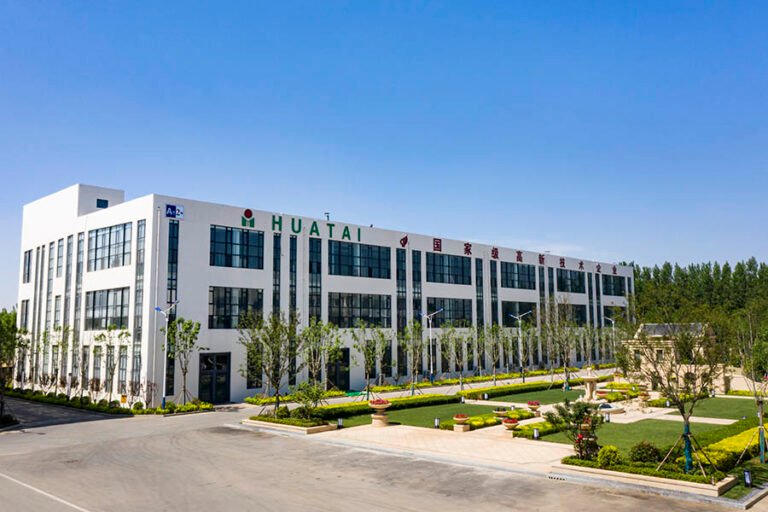
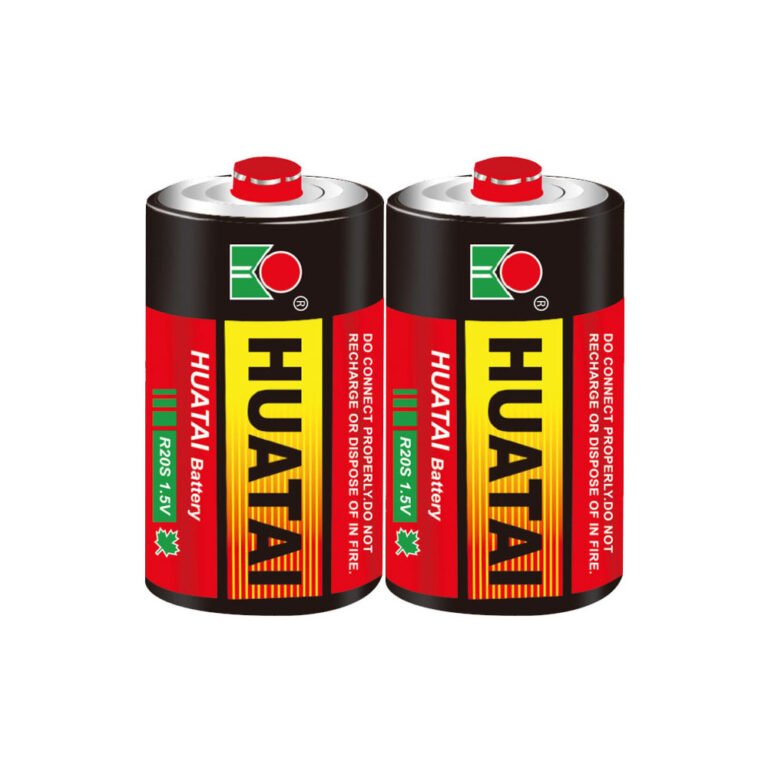
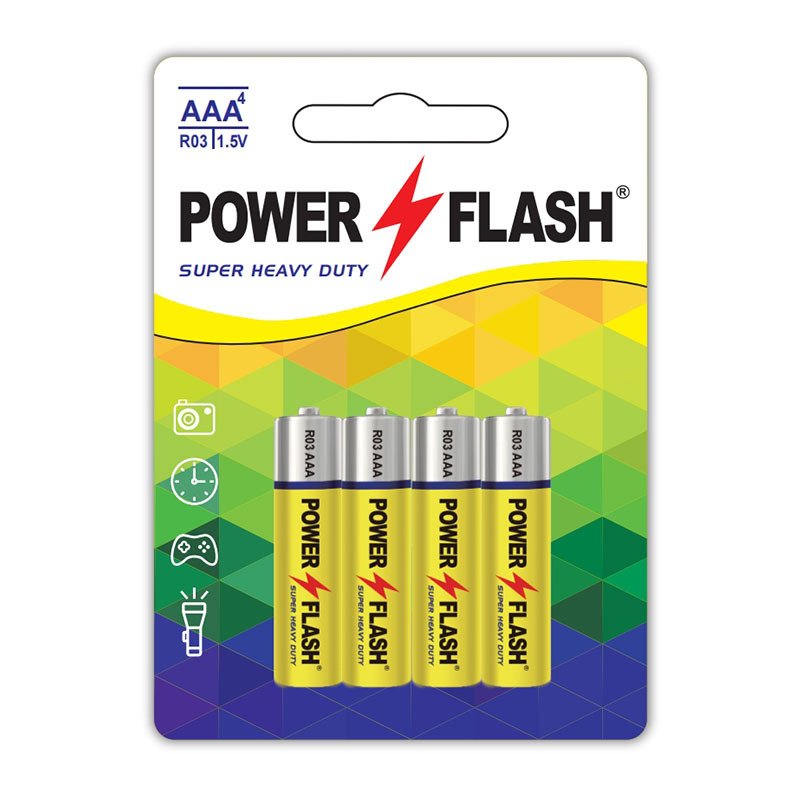
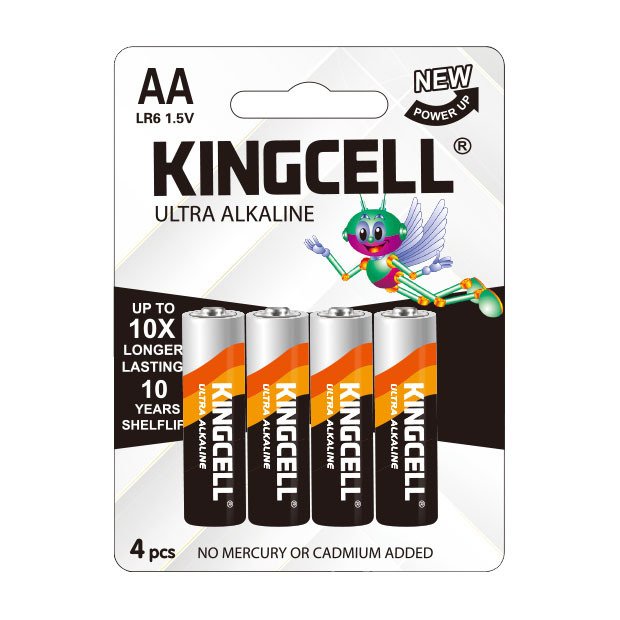
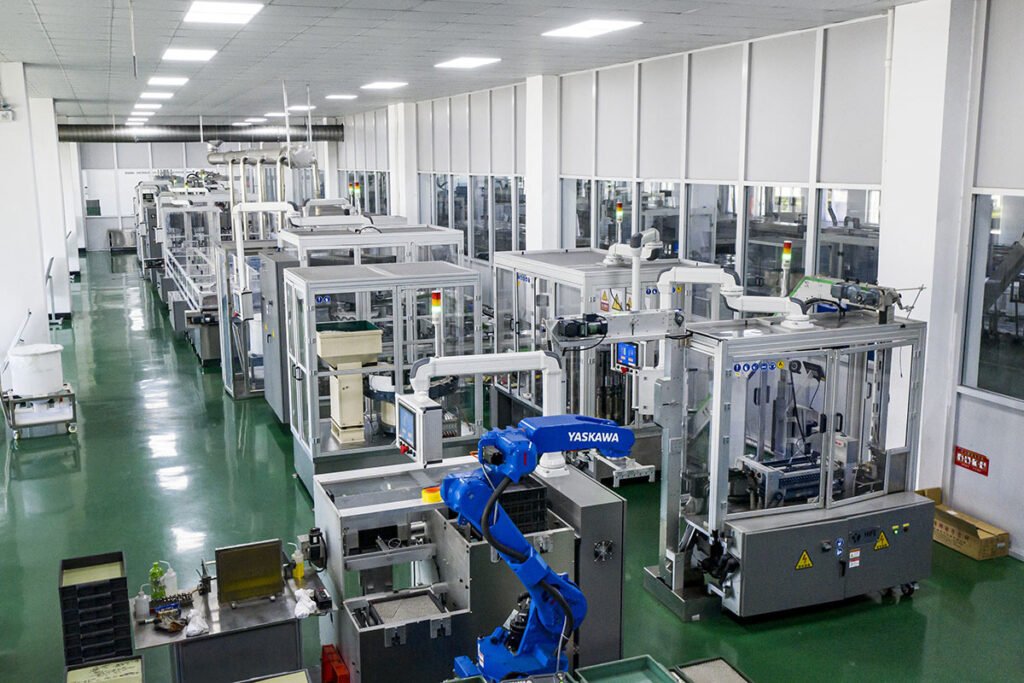
Shandong Linyi Huatai New Energy Battery Co., Ltd. foi fundada em maio de 1993, mas a história da nossa fábrica remonta ao estabelecimento da fábrica de baterias de Linyi em 1956. líder em produtos ecológicos e Fabricantes de pilhas alcalinas sem mercúrio e fabricantes de baterias de lítio na China e o o maior fabricante e fábrica do mundo de baterias de zinco-carbono para trabalhos pesados. Os nossos produtos são produzidos com HUATAI, Power Flash e KINGCELL marcas e marcas de distribuidor dos clientes, fornecendo 6 mil milhões de euros de produção anual até Linhas de produção automatizadas de alta velocidade HIBAR, oferecendo Soluções OEM para pilhas de zinco-carbono, alcalinas e de lítio em todo o mundo.

México é um dos mercados de baterias mais importantes estrategicamente em América Latina porque combina um vasto mercado de consumo com a produção automóvel, a produção industrial, a mobilidade elétrica, as energias renováveis, as telecomunicações e a procura de armazenamento de energia. Para os fabricantes chineses de baterias, o México também se distingue de muitos mercados sul-americanos, uma vez que está profundamente integrado nas cadeias de abastecimento da indústria norte-americana.
O mercado abrange tudo, desde pilhas secas de carbono-zinco e alcalinas desde produtos de uso doméstico até às baterias de iões de lítio e LiFePO₄ utilizadas em veículos elétricos, sistemas de alimentação de emergência, equipamento industrial e armazenamento de energia.
O mercado de veículos elétricos do México está a expandir-se rapidamente. De acordo com a Agência Internacional de Energia, as vendas de carros elétricos no México mais do que triplicou em 2025, elevando a quota dos carros elétricos para mais de 7% do total de vendas de automóveis, em comparação com cerca de 2% em 2024. A AIE referiu ainda que aproximadamente 85% das vendas de carros elétricos no México, em 2025, corresponderam a importações provenientes da China.
Ao mesmo tempo, o quadro regulamentar do México está a tornar-se mais pormenorizado. A norma NOM-212-SCFI-2017 estabelece requisitos para as pilhas primárias no que diz respeito aos limites de mercúrio e cádmio, aos ensaios e à rotulagem, enquanto o programa nacional de infraestruturas de qualidade do México para 2026 inclui trabalhos sobre segurança, requisitos de ensaio e rotulagem para baterias recarregáveis utilizadas na eletromobilidade e requisitos de segurança para sistemas eletroquímicos estacionários de armazenamento de energia.
Para as empresas que procuram um principal fabricante chinês de baterias para o México, por conseguinte, a seleção de fornecedores deve ter em conta não só o preço de fábrica, mas também a conformidade do produto, a documentação técnica, a capacidade de fornecimento a fabricantes de equipamento original (OEM), a logística, a consistência da qualidade e a capacidade de dar resposta a várias tecnologias de baterias.
Compreender o mercado de baterias do México
A procura de baterias no México pode ser dividida em vários segmentos principais.
| Segmento de mercado | Principais tipos de baterias | Aplicações típicas |
| Produtos para o lar e retalho | Carbono-zinco, alcalina, tipo botão | Relógios, comandos remotos, brinquedos, lanternas |
| Eletrónica | Alcalinas, de lítio, de botão | Eletrónica de consumo, aparelhos de medição |
| Automóvel | Chumbo-ácido, iões de lítio | Carros, motociclos, veículos comerciais |
| Industrial | Recarregáveis, de lítio, de chumbo-ácido | Equipamento, comunicações, automação |
| Telecomunicações e UPS | Chumbo-ácido, LiFePO₄ | Telecomunicações, dados, alimentação de emergência |
| Energia solar e armazenamento | LiFePO₄, iões de lítio | Residencial, comercial, apoio à rede elétrica |
| Mobilidade eléctrica | Iões de lítio, LiFePO₄ | Veículos elétricos, veículos híbridos plug-in, motociclos elétricos |
Esta diversidade torna o México um mercado em que um fabricante de baterias com uma oferta abrangente pode ter uma vantagem em relação a um fornecedor que se concentre apenas numa única composição química.
Um retalhista tradicional pode precisar de milhões de pilhas AA e AAA, enquanto um cliente do setor automóvel ou energético pode necessitar de conjuntos de baterias com sistemas sofisticados de gestão de baterias.
As pilhas de carbono-zinco continuam a ser importantes no México
As pilhas de carbono-zinco continuam a ser utilizadas em aplicações destinadas a consumidores sensíveis ao preço.
Os tamanhos mais comuns incluem:
- R03 / AAA
- R6 / AA
- R14 / C
- R20 / D
- 6F22 / 9 V
Em geral, são adequados para dispositivos com consumo de energia relativamente baixo, tais como:
- Controlos remotos
- Relógios de parede
- Brinquedos básicos
- Rádios
- Lanternas
- Produtos eletrónicos domésticos
A grande população do México e a extensa rede de distribuição a retalho constituem um vasto mercado potencial para pilhas secas económicas.
Para os distribuidores, a lógica comercial é simples: as pilhas de zinco-carbono podem ser utilizadas nos casos em que o cliente procura uma pilha a um preço acessível e a aplicação não requer a maior capacidade da tecnologia alcalina.
Pilhas de carbono-zinco vs. pilhas alcalinas para o México
As pilhas de carbono-zinco e as pilhas alcalinas não devem ser apresentadas como produtos idênticos.
| Fator | Carbono Zinco | Alcalino |
| Preço de compra | Inferior | Mais alto |
| Capacidade | Inferior | Mais alto |
| Dispositivos de baixa drenagem | Ajuste firme | Ajuste firme |
| Dispositivos de consumo médio/elevado | Mais restrito | Melhor ajuste |
| Posicionamento no retalho | Economia/valor | Convencional/premium |
| OEM/marca própria | Forte | Muito forte |
| Tamanhos comuns | AA, AAA, C, D, 9V | AA, AAA, C, D, 9V |
Um distribuidor mexicano pode, portanto, criar um portfólio de produtos de dois níveis.
Uma gama económica pode utilizar pilhas de carbono-zinco para canais de retalho sensíveis ao preço, enquanto as pilhas alcalinas podem ser direcionadas para produtos eletrónicos, brinquedos, lanternas e outros artigos em que os consumidores esperam um tempo de funcionamento mais prolongado.
O México tem requisitos específicos para pilhas primárias
A conformidade das baterias deve ser verificada antes do início da produção.
Do México NOM-212-SCFI-2017 abrange pilhas e baterias primárias e estabelece os níveis máximos admissíveis de mercúrio e cádmio, os métodos de ensaio e os requisitos de rotulagem. A norma estabelece limites máximos de 0.0005% mercury by weight and 0.0020% cadmium by weight per battery unit, with a specific provision for button batteries concerning mercury.
This is important for Chinese battery exporters because a supplier should not simply provide a generic declaration that its batteries are “environmentally friendly.”
For Mexican customers, the supplier should be prepared to provide relevant:
- Especificações do produto
- Material declarations
- Heavy-metal test reports
- Battery test results
- Labeling information
- Manufacturing information
- Applicable conformity documentation
For OEM batteries, compliance information should be confirmed before packaging artwork is finalized.
Primary Battery Standards Go Beyond Heavy Metals
Mexico also has a Mexican standard, NMX-J-160-1-ANCE-2020, covering general requirements for primary batteries.
The standard addresses areas including dimensions, nomenclature, terminal configurations, marking, test methods, typical performance, safety and environmental aspects. It also establishes standardized classification of electrochemical systems and test methods.
For importers, this means that battery quality should be discussed in technical terms.
A professional supplier should be able to provide specifications for:
- Tensão nominal
- Desempenho de descarga
- Resistência interna
- Dimensions
- Terminal configuration
- Capacity or service performance
- Segurança
- Resistência a fugas
- Storage life
The more sophisticated the Mexican buyer, the less useful a simple “1.5V AA battery” quotation becomes.
Mexico’s Battery Market Is Closely Connected to Automotive Manufacturing
The automotive industry makes Mexico fundamentally different from many Latin American consumer markets.
Mexico is a major vehicle-production and export base, with extensive manufacturing clusters in northern, central and Bajío regions.
This creates demand for multiple battery technologies:
- Lead-acid starting batteries
- 12V auxiliary batteries
- Lithium-ion EV batteries
- Hybrid-vehicle batteries
- Baterias industriais
- Baterias de reserva
- Battery components and packs
For Chinese suppliers, automotive opportunities should be separated from the conventional consumer-battery business.
Automotive customers usually require stricter requirements for:
- Rastreabilidade
- Vida útil
- Consistência na qualidade
- Automotive standards
- Warranty
- Process control
- Batch management
- Documentação técnica
A factory that is excellent at AA/AAA production should not automatically be presented as an automotive battery supplier without the relevant capabilities.

Mexico’s Electric-Vehicle Market Is Growing Rapidly
Mexico has become one of the most important electric-vehicle growth markets in Latin America.
The IEA reported that Mexican electric-car sales mais do que triplicou em 2025, and electric cars exceeded 7% of total car sales. Plug-in hybrid sales increased particularly rapidly. The IEA also reported that Chinese imports represented about 85% of electric-car sales in Mexico in 2025.
This has direct implications for battery suppliers.
Demand can develop across:
- Baterias para veículos eléctricos
- PHEV battery systems
- Battery modules
- Battery cells
- BMS systems
- Auxiliary batteries
- Infraestrutura de carregamento
- Stationary storage
Mexico is therefore moving from a traditional dry-battery market toward a broader battery ecosystem.
Mexico Is Developing a Regulatory Framework for EV Batteries
Mexico’s 2026 Programa Nacional de Infraestructura de la Calidad includes development work concerning rechargeable batteries for electromobility.
The proposed framework addresses lithium-ion and other rechargeable technologies used as the primary energy source for electric vehicles, plug-in hybrids and other electric-traction systems. The stated scope includes safety, testing and commercial labeling, with manufacturers, importers, assemblers and battery integrators identified as covered parties.
This is an important development for Chinese battery manufacturers.
It means that EV battery suppliers entering Mexico should monitor the regulatory process rather than assuming that requirements applicable to ordinary consumer batteries will also apply to traction batteries.
Energy Storage Is Becoming a New Battery Market in Mexico
Mexico’s battery opportunity is also expanding beyond transportation.
The 2026 national quality-infrastructure program includes work on stationary electrochemical energy-storage systems and safety requirements. Mexico’s 2026 institutional lithium program also notes that energy storage has been recognized within the electricity-sector framework and that administrative provisions were issued for integrating energy-storage systems into the national electricity system.
This creates potential applications for:
- Solar-plus-storage
- Armazenamento de energia comercial
- Industrial backup
- Telecom systems
- Centros de dados
- Microrredes
- Peak-shaving systems
- Residential backup
- Aplicações de apoio à rede
For stationary storage, LFP is particularly important. Globally, the IEA reports that LFP batteries accounted for around 90% of new battery-storage deployments in 2025, reflecting their cost, safety and cycling characteristics.
Lithium Batteries Have Multiple Commercial Applications
For Mexican buyers, lithium batteries should not be treated as one homogeneous product.
Different applications require different designs.
| Aplicação | Typical Technology | Key Requirements |
| EV traction | Li-ion / LFP / NMC | High power, thermal management, BMS |
| Armazenamento solar | LFP | Cycle life, safety, BMS |
| UPS | LFP / lead-acid | Reliability, backup duration |
| Energia portátil | Li-ion / LFP | Energy density, weight |
| Telecom | LFP / lead-acid | Reliability, cycle life |
| Motociclos eléctricos | Li-ion / LFP | Weight, power, range |
| Equipamento industrial | Li-ion / LFP | Durability, safety |
A Mexican buyer should therefore specify the application before asking for a lithium-battery quotation.
A 12V LiFePO4 battery for residential backup is a very different product from a high-voltage EV battery pack.
Mexico’s Position in North American Manufacturing Adds Supply-Chain Opportunities
Mexico’s proximity to the United States and its role in North American manufacturing create an additional dimension for battery suppliers.
Battery demand can come from:
- Automotive manufacturers
- Tier-1 and Tier-2 suppliers
- Fabricantes de eletrónica
- Industrial equipment companies
- Solar companies
- Distribuidores
- Cadeias de retalho
- Vendedores de comércio eletrónico
- Battery assemblers
This means that a Chinese supplier may encounter very different customer requirements within the same country.
A consumer distributor may purchase finished batteries in cartons, while an industrial customer may need cells, modules or customized battery packs.
For this reason, Mexican customers should evaluate whether a supplier can scale from standardized batteries to customized products when required.
Battery Logistics and Transportation Need More Attention for Lithium Products
Ordinary carbon zinc and alkaline batteries are relatively straightforward compared with lithium batteries.
Lithium products can require additional transportation controls concerning:
- UN classification
- Embalagem
- Labels and marks
- Test documentation
- State of charge
- Shipping mode
- Dangerous-goods declarations
Mexico’s national dangerous-goods framework includes requirements concerning the marking and labeling of packages containing lithium batteries.
For Chinese exporters, this means lithium shipments should be prepared according to the exact battery type and transport mode.
The supplier should be able to provide the relevant safety and transportation documentation before booking the shipment.
Environmental Management Is Becoming More Important
Mexico’s environmental framework treats battery waste according to its composition and characteristics.
SEMARNAT explains that discarded batteries can become hazardous or special-management waste depending on their heavy-metal content and chemistry. The federal framework also places responsibilities on producers, importers, exporters and distributors for certain battery products and waste-management plans.
Mexico’s 2026 national waste-management strategy is also moving toward stronger circular-economy and resource-recovery approaches. SEMARNAT’s 2026 Basic Diagnosis for Integrated Waste Management is being used as a national technical reference for waste policy, recycling and circular-economy development.
This is especially important for battery importers because the commercial responsibility does not necessarily end when the product is sold.
For private-label brands, buyers should understand their role under Mexican environmental rules before launching large-scale battery programs.

Lithium-Battery Recycling Is an Emerging Regulatory Challenge
Mexico’s battery industry is moving faster than its specific lithium-battery waste framework.
A 2025 SEMARNAT technical report identified the management of lithium-ion batteries as an urgent environmental and regulatory issue and noted the need for a more specific and updated national framework covering their management as waste, transportation and recycling.
This is particularly relevant because EV and energy-storage battery volumes are growing.
Chinese manufacturers supplying Mexico should therefore prepare for increasing customer requests concerning:
- Química da bateria
- Composição do material
- Safety data
- End-of-life handling
- Recycling
- Second-life applications
- Rastreabilidade
The regulatory situation should be monitored because Mexico’s battery framework is evolving alongside electric mobility and energy storage.
What Battery Products Have the Best Commercial Fit in Mexico?
Mexico’s diversified economy supports a broad battery portfolio.
| Produto | Posição no mercado | Principais aplicações |
| Zinco-carbono AA/AAA | Economia | Clocks, remotes, toys |
| Carbono-zinco C/D/9V | Economy/specialized | Flashlights, household devices |
| Alcalino AA/AAA | Mainstream | Electronics, toys, household equipment |
| Alcalinas C/D/9 V | Maior desempenho | Lanternas, equipamento profissional |
| Pilhas de botão | Especializado | Watches, electronics |
| Recarregável NiMH | Consumer rechargeable | Câmaras, brinquedos, aparelhos eletrónicos |
| Lead-acid | Automotive/backup | Vehicles, UPS, telecom |
| Íon-lítio | EV/portable applications | Mobility, electronics |
| LiFePO4 | Armazenamento de energia | Solar, UPS, backup |
| Baterias para veículos eléctricos | Industrial | Veículos eléctricos |
| Stationary storage systems | Energia | Commercial/grid applications |
The right product mix depends on the customer’s channel.
For retail, AA/AAA carbon zinc and alkaline batteries remain fundamental.
For industrial customers, rechargeable and lithium batteries become more important.
For automotive customers, technical qualification and system integration matter much more than retail packaging.
OEM and Private Label Battery Opportunities in Mexico
Mexico’s large consumer market provides strong opportunities for private-label batteries.
A Chinese battery manufacturer can potentially customize:
- Logótipo da marca
- Battery label
- Embalagens em espanhol
- Cartões em blister
- Retail cartons
- Master cartons
- Battery color
- Especificações do produto
- Carbon zinc and alkaline grades
- Rechargeable battery programs
A Mexican distributor could create a product hierarchy such as:
Economy carbon zinc → Standard alkaline → Premium alkaline → Rechargeable
The same brand can later expand into button batteries, lithium products and portable power.
For larger industrial customers, OEM can go much further, including:
- Battery-pack design
- Cell selection
- Capacity configuration
- BMS integration
- Enclosure
- Connectors
- Interface de comunicação
- Thermal-management design
The key is to match the OEM program with the manufacturer’s actual engineering and production capabilities.
Por que é que a Huatai Battery é mais do que um fabricante de pilhas de carbono-zinco
For Mexican buyers searching for a principal fabricante de baterias da China, Huatai Battery’s carbon zinc heritage provides a strong manufacturing foundation, but its current business extends well beyond traditional dry batteries.
Huatai’s industrial roots can be traced to Fábrica de Baterias de Linyi, fundada em 1956. The modern company was established in 1993 and has developed into a comprehensive battery manufacturer.
Atualmente, a Huatai Battery abrange:
- Pilhas de zinco-carbono
- Pilhas alcalinas
- Pilhas de botão
- Baterias de lítio
- Baterias LiFePO4
- Pilhas recarregáveis NiMH
- Baterias de iões de sódio
- Baterias solares
- Baterias de armazenamento de energia
- Soluções de energia portáteis
- Fabrico de baterias para OEM e marcas próprias
The company operates more than 40 production lines and multiple component workshops, allowing it to serve both high-volume consumer battery programs and newer rechargeable and energy-storage applications.
For Mexico, this broader product capability is relevant because the market itself spans traditional retail, industrial manufacturing, automotive, electric mobility and energy storage.

What Should Mexican Importers Look for in a China Battery Supplier?
Supplier evaluation should be based on the customer’s actual application.
| Fator de avaliação | What Mexican Buyers Should Check |
| Gama de produtos | Carbon zinc, alkaline, rechargeable and lithium |
| Controlo de qualidade | Capacity, voltage, leakage and batch consistency |
| Conformidade | NOM-related requirements and applicable test reports |
| Capacidade OEM | Spanish packaging and customized specifications |
| Automotive capability | Process control, traceability and technical support |
| Lithium capability | BMS, safety and transport documentation |
| Logística | FOB/CIF options and container planning |
| Environmental support | Chemistry and end-of-life information |
| Pós-venda | Batch traceability and complaint handling |
| Desenvolvimento de produtos | Ability to move from dry cells to advanced batteries |
Mexico is a market where the phrase “battery supplier” can mean very different things.
A retail buyer needs finished consumer batteries.
An EV company needs traction battery technology.
A solar company needs energy-storage systems.
An industrial manufacturer may need a customized battery pack.
The supplier should therefore be evaluated according to the specific business model.
FAQs About Buying Batteries from China for Mexico
1. Are carbon zinc batteries still suitable for the Mexican market?
Yes. Carbon zinc batteries remain commercially useful for low-drain consumer applications where price is important, including clocks, remote controls, toys and some flashlights.
2. What are the most common consumer battery sizes for Mexico?
AA and AAA are important mass-market sizes, while C, D and 9V batteries serve flashlights, toys, household equipment and other applications. Button batteries address watches and compact electronics.
3. What Mexican standard applies to primary batteries?
NOM-212-SCFI-2017 establishes maximum permissible mercury and cadmium limits, testing methods and labeling requirements for primary batteries. Mexico also has NMX-J-160-1-ANCE-2020 covering general requirements for primary batteries.
4. Is Mexico’s electric-vehicle battery market growing?
Yes. The IEA reported that electric-car sales in Mexico more than tripled in 2025, with electric cars exceeding 7% of total car sales. Chinese imports represented about 85% of electric-car sales in Mexico in 2025.
5. Is LiFePO4 suitable for Mexico’s energy-storage market?
LiFePO4 can be suitable for stationary storage because of its cycle-life, safety and cost characteristics. Mexico’s 2026 regulatory framework is also developing specific provisions for stationary electrochemical energy-storage systems.
6. Can Chinese battery manufacturers provide private-label batteries for Mexico?
Yes. OEM/private-label programs can include battery specifications, brand printing, Spanish-language packaging, blister cards, cartons and different product grades.
7. Do Mexican importers need to consider battery recycling?
Yes. SEMARNAT identifies responsibilities for producers, importers, distributors and other actors concerning certain battery products and their waste management. The exact obligations depend on battery chemistry, waste classification and the applicable regulatory framework.
8. Should a Mexican importer choose one battery supplier for all battery products?
That depends on the business. A comprehensive manufacturer can simplify sourcing when a distributor needs carbon zinc, alkaline, rechargeable and lithium products, while specialized automotive or energy-storage projects may require additional technical qualification.

Conclusion: Mexico Is a Strategic Multi-Technology Battery Market
Mexico’s battery market is broader and more sophisticated than a conventional consumer dry-battery market.
Carbon zinc batteries remain relevant for economical low-drain applications, while alkaline batteries provide higher-performance mainstream products. Rechargeable batteries, lithium-ion and LiFePO4 technologies are increasingly important in automotive, electric mobility, backup power and energy storage.
The country’s electric-mobility expansion is particularly significant. The IEA reported that Mexican electric-car sales more than tripled in 2025, while Chinese-made vehicles accounted for a large share of the country’s EV imports.
At the same time, Mexico is developing its regulatory framework for rechargeable electromobility batteries and stationary energy storage. The 2026 national quality-infrastructure program specifically identifies safety, testing and labeling for electromobility batteries and safety requirements for stationary electrochemical storage systems.
Environmental management is another important consideration. Mexico already regulates primary-battery heavy-metal content through NOM-212-SCFI-2017, while SEMARNAT is working toward broader waste-management and circular-economy systems and has identified lithium-battery recycling as an emerging regulatory challenge.
For Chinese battery manufacturers, Mexico therefore offers opportunities across several levels of the value chain:
Carbon zinc → Alkaline → Rechargeable → Lithium → EV batteries → Energy storage
For a Mexican importer searching for a principal fabricante de baterias da China, tais como Shandong Huatai New Energy Battery Co., Ltd., the most useful long-term supplier is one that can combine stable mass production, regulatory documentation, OEM/private-label capability, export experience and a broad technology portfolio rather than focusing on only one battery chemistry.