Portuguese
  English
  Spanish
  French
  Arabic
  Russian
  Chinese
 O tempo de vida do seu bateria solar é uma mistura de química, ambiente e gestão inteligente. Para quem procura a maior durabilidade, Baterias LiFePO4 com BMS integrado são a escolha recomendada para 2026.
À medida que a transição global para as energias renováveis se acelera em 2026, a energia solar tornou-se a pedra angular de um futuro sustentável. A bateria de armazenamento de energia solar é o "coração" de qualquer sistema fotovoltaico (PV) - não só determina a fiabilidade do seu fornecimento de energia nocturna, como também dita o custo total de Retorno do investimento (ROI) e a longevidade do sistema.
Porque é que algumas unidades se degradam ao fim de apenas 3 anos, enquanto outras permanecem estáveis durante mais de 15 anos? Shandong Huatai New Energy Battery Co., Ltd. fornece uma análise aprofundada dos ciclos de vida das baterias solares e da moderna tecnologia de armazenamento.
Shandong Linyi Huatai New Energy Battery Co., Ltd. foi fundada em maio de 1993, mas a história da nossa fábrica remonta ao estabelecimento da fábrica de baterias de Linyi em 1956. Líder no fabrico de pilhas alcalinas ecológicas e sem mercúrio e fabricantes de baterias de lítio na China e o o maior fabricante e fábrica do mundo de baterias de zinco-carbono para trabalhos pesados. Os nossos produtos são produzidos com HUATAI,Power Flash e KINGCELL marca e marca própria do cliente, forneceu 6 mil milhões de euros de produção anual até Linhas de produção automatizadas de alta velocidade HIBAR, oferecendo Soluções OEM para pilhas de zinco-carbono, alcalinas e de lítio em todo o mundo. Para mais informações, fique atento à nossa Secção de notícias, que cobre as últimas Notícias da empresa e Notícias do sectorTambém fornecemos serviço completo de Catálogo de Produtos para os nossos clientes.
1. Tipos de baterias solares mais comuns e comparação do tempo de vida (edição de 2026)
A escolha da composição química correta é o primeiro passo para determinar a durabilidade do seu sistema. Em 2026, o mercado está dividido em quatro categorias principais:
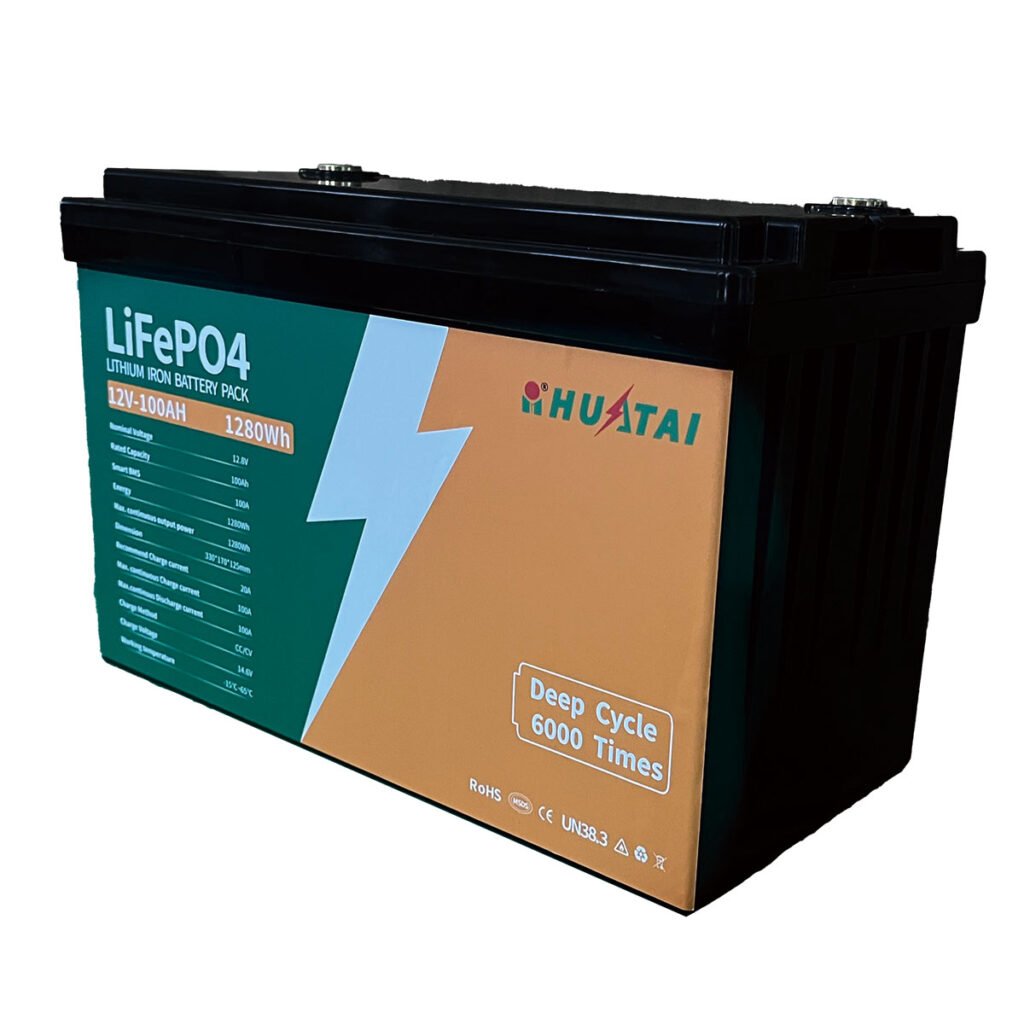
Baterias solares de fosfato de ferro e lítio (LiFePO4)
Tempo de vida médio: 10 - 15+ anos
Borda técnica: Alta densidade de energia e estabilidade térmica superior.
2026 Tendência: Com a ascensão do células LFP de ciclo elevado, unidades premium como Série de lítio de ciclo profundo da Huatai excedem agora 6.000 a 8.000 ciclos a 80% DOD.
Baterias solares de GEL (eletrólito coloidal)
Tempo de vida médio: 5 - 8 anos
Borda técnica: O eletrólito é imobilizado num gel, evitando fugas e oferecendo uma resistência a temperaturas extremas.
Melhor para: Centrais eléctricas exteriores fora da rede e regiões com temperaturas elevadas.
Baterias AGM (Absorbent Glass Mat)
Tempo de vida médio: 3 - 5 anos
Borda técnica: Livre de manutenção com baixa resistência interna.
Melhor para: Energia de reserva económica e instalações solares mais pequenas.
Baterias de chumbo-ácido de ciclo profundo
Tempo de vida médio: 4 - 6 anos
Borda técnica: Tecnologia comprovada e rentável, embora exija uma maior área de implantação e uma monitorização ambiental regular.

2. Factores técnicos que afectam a longevidade das baterias solares
Gestão da profundidade de descarga (DOD)
Existe uma correlação inversa direta entre o DOD e o ciclo de vida.
Chumbo-ácido/AGM: Melhor manter-se a um nível igual ou inferior a 50% DOD para evitar a sulfatação prematura da placa.
Soluções de Lítio Huatai: Concebido para 80%-90% DODpermitindo aos utilizadores utilizar mais capacidade sem sacrificar a saúde da bateria.
O papel do BMS (sistema de gestão de baterias) inteligente
Em 2026, uma bateria "inteligente" não é negociável.
Huatai Professional Insight: O nosso Baterias solares com BMS integrado utilizam algoritmos de IA para prever os desequilíbrios de tensão das células. Este equilíbrio proactivo pode prolongar a vida útil total do sistema até 30% em comparação com as baterias tradicionais não geridas.
Gestão térmica e alojamento
O calor excessivo é o assassino silencioso das baterias. Utilizando caixas em liga de alumínio ou aço reforçado garante uma melhor dissipação de calor, o que é fundamental para soluções industriais de armazenamento de energia que operam em ambientes agressivos.

3. Os 5 principais factores que determinam o ROI da sua bateria solar
| Fator | Impacto na vida útil |
| Eficiência de carga/descarga | Uma maior eficiência significa uma menor produção de calor interno e uma degradação mais lenta. |
| Temperatura ambiente | O funcionamento ideal é entre 15°C - 25°C. Cada aumento de 10°C pode envelhecer significativamente os tipos de chumbo-ácido. |
| Compatibilidade do inversor | Os inversores de onda sinusoidal pura de alta qualidade evitam a distorção harmónica que danifica as células da bateria. |
| Qualidade de fabrico | Marcas com Certificação ISO9001/BSCI (como a Huatai) asseguram uma selagem e uma consistência interna superiores. |
| Hábitos de manutenção | A limpeza regular dos terminais e as actualizações de firmware das baterias de lítio inteligentes evitam a drenagem parasitária. |
4. Tabela de comparação do sector para 2026
| Química da bateria | Contagem de ciclos (80% DOD) | Design Life | Custo nivelado de armazenamento (LCOE) |
| Pacote Huatai LiFePO4 | 6,000 - 8,000 | 15 anos | Mais baixo (melhor valor a longo prazo) |
| Bateria GEL | 1,200 - 1,500 | 6-8 anos | Médio |
| Ciclo profundo chumbo-ácido | 500 - 800 | 4-6 anos | Elevado (devido à substituição frequente) |

5. FAQ: Conselhos de especialistas para compradores
Resposta:Sem dúvida. Embora o custo inicial seja mais elevado, o custo por ciclo do lítio é significativamente inferior ao do chumbo-ácido. Para qualquer projeto residencial ou comercial a longo prazo, o lítio é o padrão da indústria em termos de eficiência.
Resposta:Procure estas "bandeiras vermelhas":
Quedas rápidas de tensão: A bateria perde carga muito mais rapidamente do que quando é nova.
Deformação física: Quaisquer sinais de abaulamento, fissuras ou fugas.
Perda de capacidade: Se a bateria tiver menos de 70-80% da sua capacidade nominal original.
Resposta:Com mais de 31 anos de experiência, fornecemos Fabrico de baterias OEM/ODM com linhas de produção HIBAR líderes a nível mundialA empresa é responsável por garantir que cada célula cumpre as rigorosas normas europeias em matéria de ambiente e segurança.
Resposta: Em 2026, a química determina o “ciclo de vida”. Embora as baterias tradicionais de chumbo-ácido ou AGM sejam económicas, têm normalmente uma duração de apenas 3 a 5 anos. Em contrapartida, Fosfato de lítio e ferro (LiFePO4) As baterias tornaram-se o padrão da indústria porque oferecem uma estabilidade térmica superior e podem exceder 6 000 a 8 000 ciclos. Isto resulta numa vida útil prevista superior a 15 anos, oferecendo o menor Custo nivelado de armazenamento (LCOE) para projetos de longo prazo.
Resposta: O DOD refere-se à percentagem da capacidade da bateria que é utilizada antes da recarga. Descarregar profundamente uma bateria (DOD elevado) todos os dias pode acelerar a sua degradação. É aconselhável manter as baterias tradicionais com um DOD de 50%, o que, na prática, duplica o número de baterias necessárias. A Huatai’s Série de baterias de lítio de ciclo profundo foi concebido para 80%-90% DOD, permitindo-lhe obter mais potência num espaço mais reduzido sem comprometer a vida útil da bateria, maximizando assim o seu retorno sobre o investimento.
Resposta: Em 2026, uma bateria “inteligente” será essencial. A Huatai’s Baterias solares com BMS integrado utilizar algoritmos de IA para monitorizar o estado das células em tempo real, evitando sobrecargas, descargas excessivas e sobreaquecimento. Ao equilibrar proativamente as tensões das células, um BMS inteligente pode prolongar a vida útil total do sistema em até 30% em comparação com baterias não controladas.
Resposta: O calor é o principal inimigo da química das baterias. Para sistemas industriais que operam em ambientes adversos, uma dissipação de calor eficiente é vital. A Huatai utiliza caixas em liga de alumínio ou aço reforçado nos nossos conjuntos de armazenamento de energia para facilitar uma troca térmica superior. A manutenção de uma temperatura de funcionamento ideal (15 °C - 25 °C) evita o envelhecimento químico acelerado que ocorre em sistemas mal ventilados.
Resposta: Esteja atento a três principais “sinais de alerta”:
Perda de capacidade: O sistema tem uma capacidade nominal inferior a 70-80% da sua capacidade nominal original.
Quedas rápidas de tensão: A bateria descarrega-se significativamente mais depressa quando está sob carga do que quando era nova.
Sinais físicos: Qualquer protuberância, fissura ou corrosão grave. A Huatai fornece um software de monitorização integrado que alerta os utilizadores para estas alterações de desempenho antes de ocorrer uma falha total do sistema.
Resposta: Com raízes que remontam a 1956, a Huatai combina 31 anos de experiência em fabrico moderno com tecnologia de ponta a nível mundial Linhas de alta velocidade HIBAR. Oferecemos um serviço completo Soluções OEM/ODM que cumprem as rigorosas normas europeias em matéria de ambiente e segurança. Quer necessite de Baterias de LiFePO4 Quer seja para uso residencial ou para armazenamento industrial em grande escala, as nossas instalações com certificação ISO 9001/BSCI garantem a máxima consistência interna e fiabilidade.
Aprovisionamento estratégico para um futuro sustentável
O coração do seu sistema fotovoltaico merece uma engenharia profissional
Na transição energética global de 2026, a durabilidade da sua bateria resulta de uma combinação de fatores químicos, ambientais e de uma gestão inteligente. Shandong Huatai New Energy Battery Co., Ltd. fornece a base técnica para o seu crescimento, especializando-se em Baterias solares de LiFePO4 com BMS integrado. Oferecemos preços diretos de fábrica, com uma capacidade anual de 6 mil milhões e especialistas consultoria centrada nas aplicações para garantir que o seu sistema de armazenamento de energia ofereça a maior estabilidade possível e valor a longo prazo.
Conclusão
A vida útil da sua bateria solar é uma mistura de química, ambiente e gestão inteligente. Para quem procura a maior durabilidade, Baterias LiFePO4 com BMS integrado são a escolha recomendada para 2026.
Gostaria de obter um orçamento personalizado para um projeto específico de armazenamento de energia residencial ou industrial? Contacto Huataibattery hoje para otimizar o seu futuro energético.