English
  Spanish
  French
  Arabic
  Portuguese
  Russian
  Chinese
 Current Landscape, Future Trends & Strategic Opportunities for Global Suppliers
Explore the U.S. battery market trends, including alkaline batteries, lithium batteries, rechargeable batteries, and energy storage batteries. Discover growth opportunities, future outlook, and OEM partnership strategies with Huatai Battery Group.
Introduction About Huatai Battery
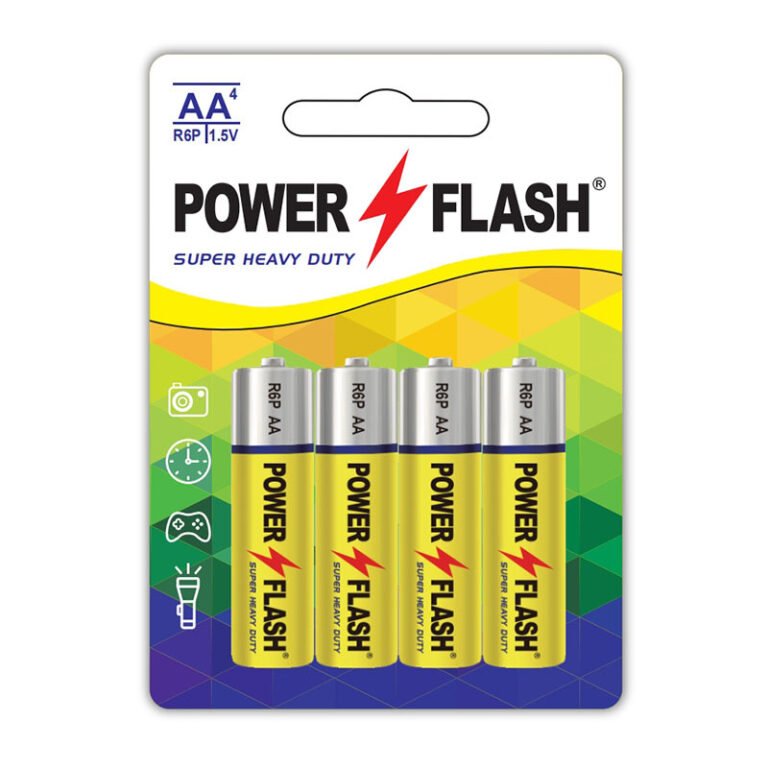
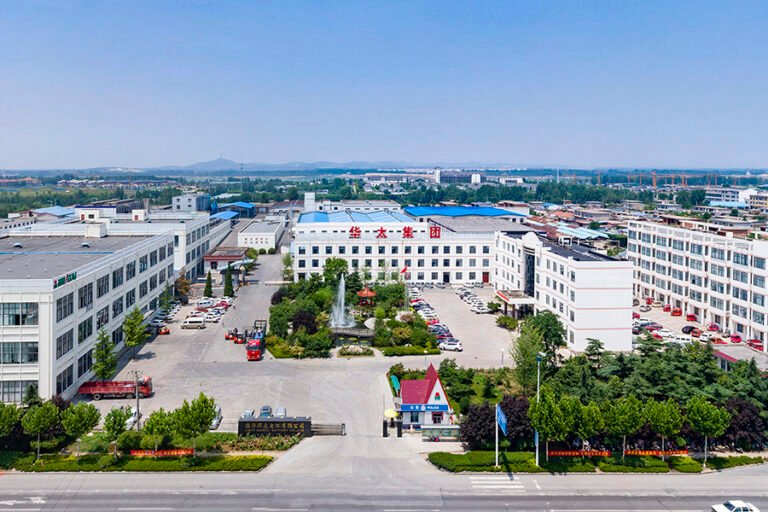
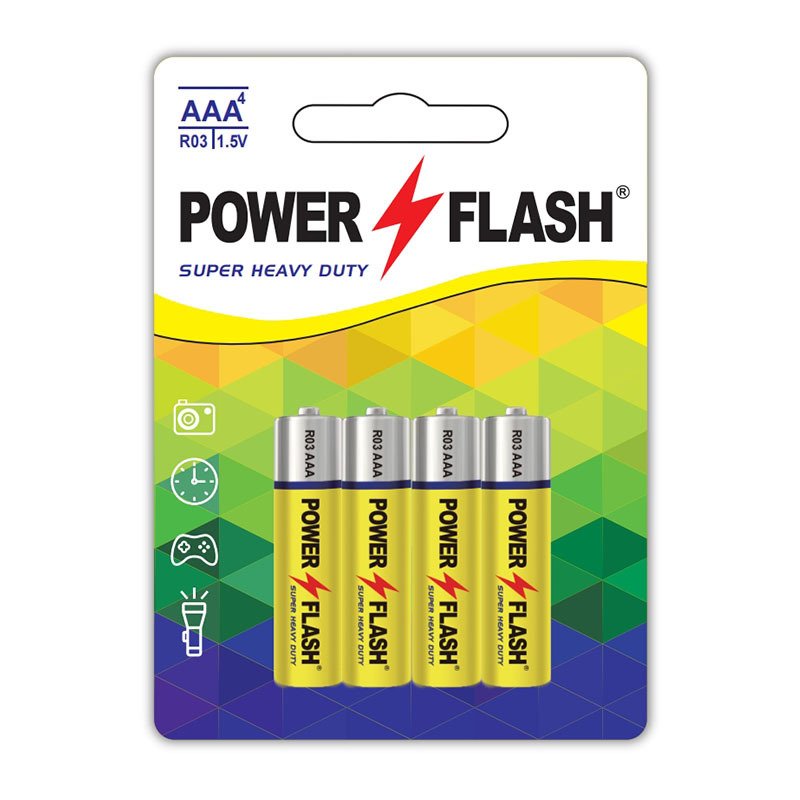
Shandong Linyi Huatai New Energy Battery Co., Ltd. was established in May 1993,but our factory’s history can date back to the establishment of the Linyi Battery Plant in 1956.We are currently one of the leading Eco-friendly&Mercury-free alkaline battery manufacturers and lithium battery manufacturers in China and the world’s largest heavy duty zinc-carbon batteries manufacturer&factory. Our products are produced with HUATAI,Power Flash and KINGCELL brand and customer’s private label, supplied 6 billion annual output by HIBAR high-speed automated production lines, offering OEM solutions for zinc carbon, alkaline, and lithium batteries worldwide.For more insights, please stay tuned to our News section, which covers the latest Company News and Industry News.We also supply one-stop Product Catalog service for our customers.

The United States battery market is one of the most technologically advanced and competitive in the world, characterized by strong demand for alkaline batteries, rapid growth in lithium battery and energy storage systems, increasing adoption of rechargeable batteries, and a highly developed OEM private label ecosystem—making it a high-value but high-barrier market that requires strategic positioning, product differentiation, and reliable manufacturing partnerships.
Current State of the U.S. Battery Market
The U.S. market is driven by a combination of consumer demand, industrial applications, and energy transition policies.
Key Characteristics
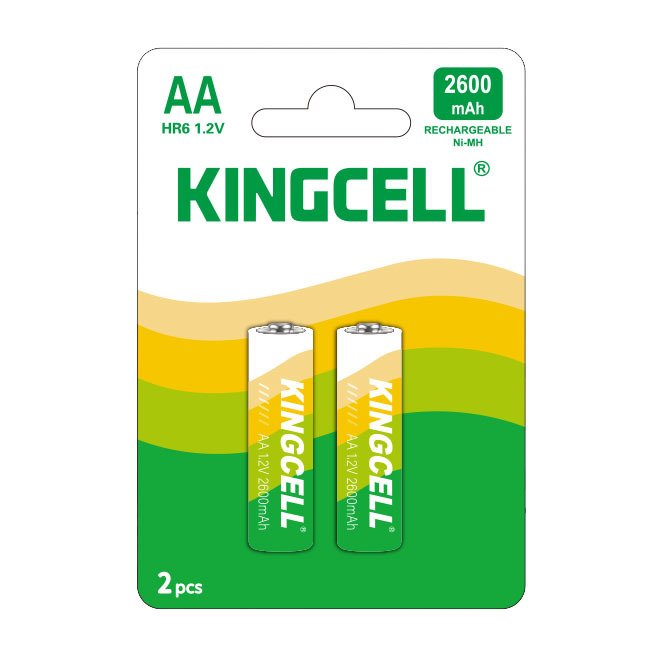
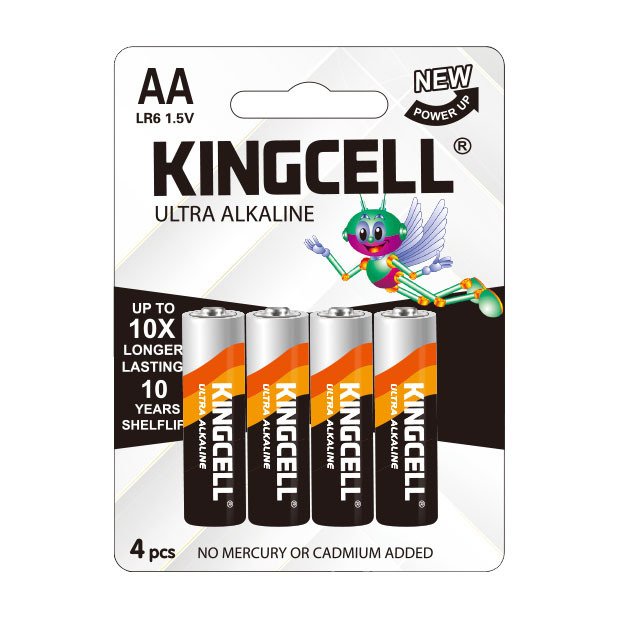
- Dominance of alkaline batteries (AA, AAA, C, D, 9V) in everyday consumer use
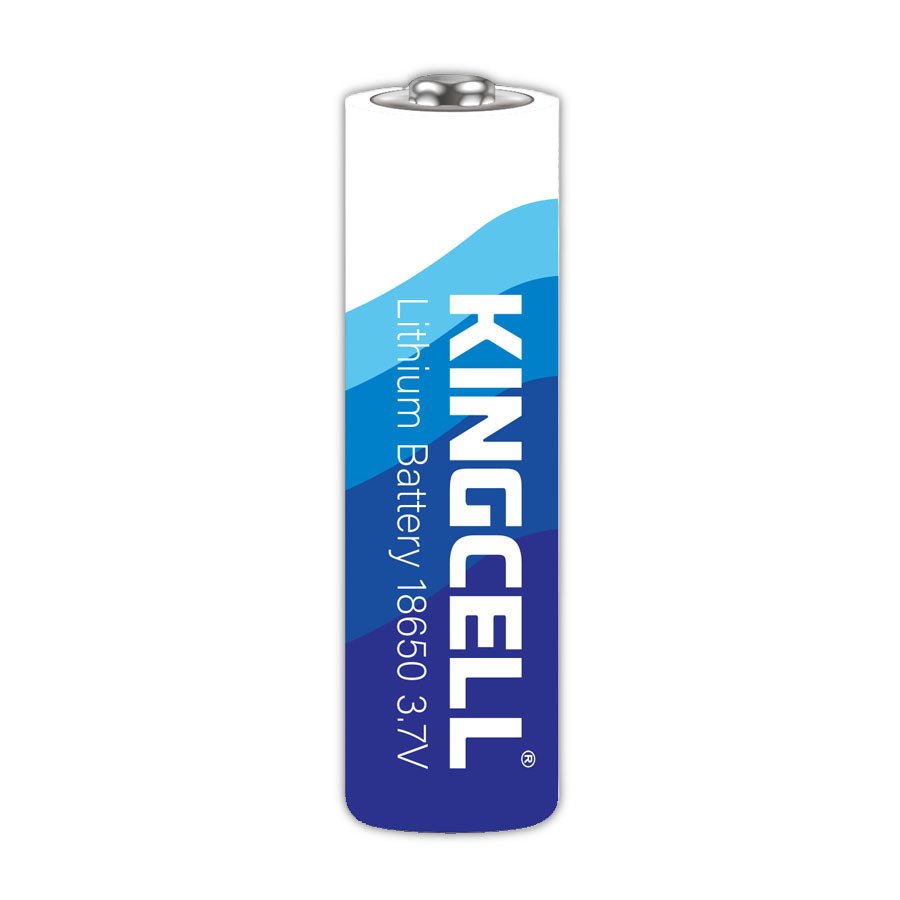
- Rapid expansion of lithium-ion batteries (18650, 21700, LiFePO4)
- Increasing popularity of rechargeable batteries (NiMH, lithium rechargeable)
- Strong demand for button cells (CR series, zinc-air)
- Mature OEM private label battery market
�� Unlike emerging markets, the U.S. prioritizes performance, safety, and brand reputation over price alone.

U.S. Battery Market Structure
| Battery Type | Key Products | Main Applications | Market Role |
| Alkaline | AA, AAA, C, D, 9V | Household electronics | Core segment |
| Lithium | 18650, 21700, LiFePO4 | EV, ESS, electronics | High-growth |
| Rechargeable | NiMH, USB lithium | Consumer sustainability | Expanding |
| Button Cells | CR, AG, Zinc-air | Medical, wearables | Niche but stable |
| Carbon Zinc | AA, AAA | Low-drain devices | Declining |
| Sodium-ion | Emerging | Energy storage | Future potential |
Key Demand Drivers
Consumer Electronics and Household Demand
- Remote controls, toys, smart home devices
- Continued reliance on AA and AAA alkaline batteries
Energy Storage and Renewable Energy Growth
- Expansion of solar energy systems
- Rising demand for LiFePO4 battery energy storage systems (ESS)
Electrification and Mobility
- Growth of electric vehicles (EVs)
- Demand for high-performance lithium batteries
Sustainability and Environmental Awareness
- Increasing shift toward rechargeable batteries
- Interest in eco-friendly battery solutions
Competitive Landscape
The U.S. battery market includes:
- Global premium brands
- Private label retail brands
- OEM suppliers
Key competition factors:
- Product performance
- Safety certifications
- Brand positioning
- Supply chain reliability
�� Entry barriers are high, but so are profit margins.
Emerging Trends in the U.S. Battery Market
Lithium Battery Dominance
- Rapid growth in Li-ion and LiFePO4 batteries
- Expansion into energy storage and mobility
Rise of Private Label Brands
- Retailers and e-commerce sellers building their own brands
- Increasing demand for OEM battery manufacturers
Growth of Rechargeable Solutions
- NiMH and lithium rechargeable batteries gaining traction
- Driven by sustainability concerns
Sodium-Ion Battery Development
- Emerging alternative to lithium
- Potential for cost-effective energy storage
Challenges in the U.S. Market
- Strict regulatory requirements (safety, transport, labeling)
- High expectations for product consistency
- Strong competition from established brands
- Logistics and supply chain complexity
Huatai Battery: A Global Manufacturer Ready for the U.S. Market
Huatai Battery’s history dates back to the Linyi Battery Factory established in 1956, providing over six decades of manufacturing expertise.
Today, Huatai has evolved:
- From a global leader in carbon zinc batteries
- Into a comprehensive battery manufacturer, including:
- Alkaline batteries
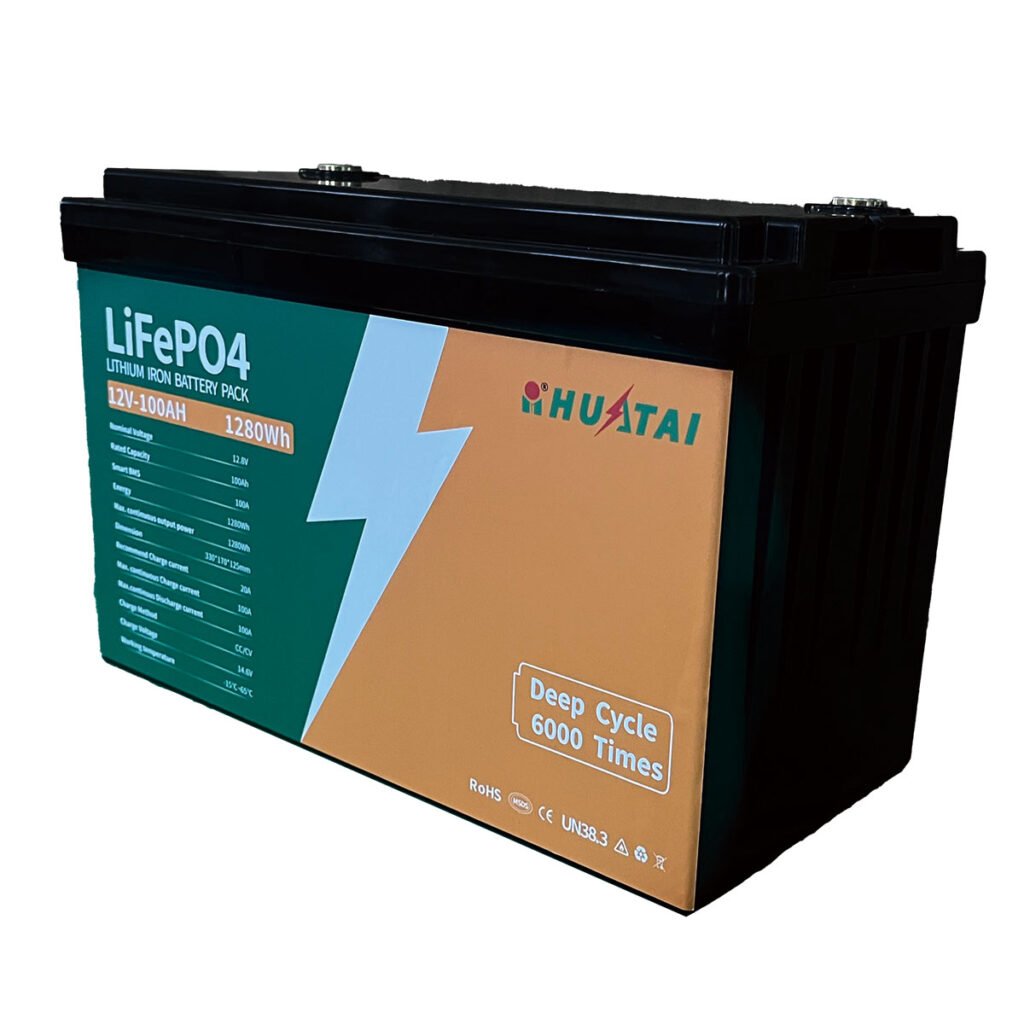
- Lithium batteries (LiFePO4, 18650, 21700)
- Rechargeable batteries
- Button cells
- Sodium-ion battery R&D
- OEM private label solutions
�� Huatai is now positioned as a full-category battery supplier for global markets.

Strategic Opportunities for Huatai in the U.S.
1. Focus on Alkaline Battery Core Market
- Provide AA AAA alkaline batteries bulk supply
- Competitive pricing with stable quality
- Target retail and e-commerce channels
2. Expand Lithium Battery Solutions
- Develop LiFePO4 energy storage systems
- Supply cylindrical lithium cells (18650, 21700)
- Target industrial and renewable energy sectors
3. Develop Private Label Partnerships
- Support OEM battery branding
- Offer customized packaging and product design
- Enable distributors to build their own brands
4. Promote Rechargeable and Eco-Friendly Products
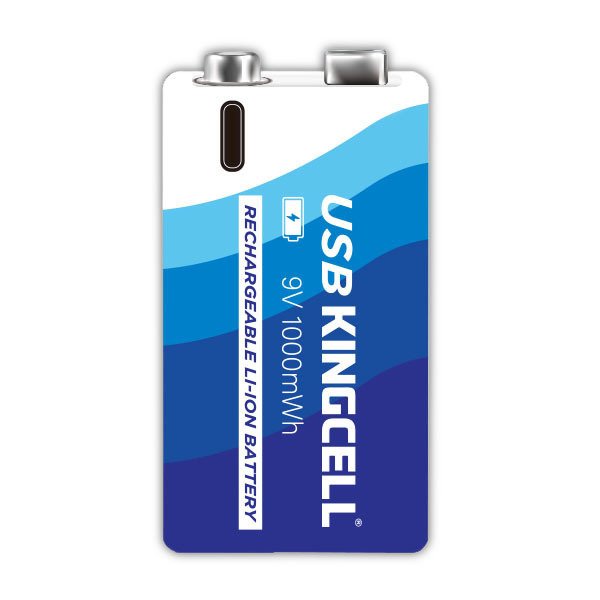
- Expand NiMH and USB rechargeable batteries
- Align with sustainability trends
5. Invest in Emerging Technologies
- Sodium-ion battery development
- Future-ready energy solutions

Recommended Product Strategy for U.S. Market Entry
| Product Category | Strategy | Business Value |
| Alkaline | Core offering | Stable demand |
| Lithium | Growth engine | High margin |
| Rechargeable | Differentiation | Long-term trend |
| Button Cells | Niche coverage | Specialized demand |
| Carbon Zinc | Limited use | Entry-level only |

FAQ – U.S. Battery Market
Lithium batteries offer the highest margins due to their applications in energy storage, mobility, and electronics, while alkaline batteries provide consistent revenue through high-volume sales.
�� A combination of alkaline (volume) and lithium (profit) is the most effective strategy.
Compared to Africa → less price-sensitive, more performance-driven
Compared to the Middle East → more mature and regulated
Compared to Russia → less climate-driven, more technology-driven
Compared to Latin America → higher brand competition
�� The U.S. is the most advanced and brand-driven market.
Alkaline batteries → core retail products
Lithium batteries → high-performance and ESS
Rechargeable batteries → eco-conscious consumers
Button cells → specialized applications
�� Product selection should align with application and market positioning.
Key criteria:
Compliance with safety and transport regulations
Consistent product quality
OEM private label capability
Competitive pricing
Reliable supply chain
�� A supplier like Huatai, with global experience and full-category production, can meet these requirements.
Yes. Private label batteries offer:
Higher margins
Brand control
Market differentiation
�� It is one of the fastest-growing segments in the U.S. battery market.
Continued growth in lithium batteries and ESS
Expansion of rechargeable battery usage
Development of sodium-ion technology
Strong demand for high-quality alkaline batteries

Conclusion: A High-Barrier, High-Value Market
The U.S. battery market offers significant opportunities for manufacturers and distributors who can meet its high standards for quality, safety, and innovation.
From its origins in 1956 to its evolution into a global energy solutions provider, Huatai Battery has transformed from a carbon zinc leader into a comprehensive battery manufacturer, with strong capabilities in alkaline, lithium, rechargeable, and OEM battery production.
�� With the right strategy, product mix, and partnerships, Huatai is well-positioned to succeed in the U.S. battery market and build long-term value with distributors and brand owners.