English
 Spanish
 French
 Arabic
 Portuguese
 Russian
 Chinese
Top China Battery Manufacturer for Peru
Explore the South America Peru battery market, including carbon zinc, alkaline, lithium and rechargeable batteries, import requirements, technical standards, mining and energy-storage demand, and private-label battery opportunities from China Huatai Battery Factory.
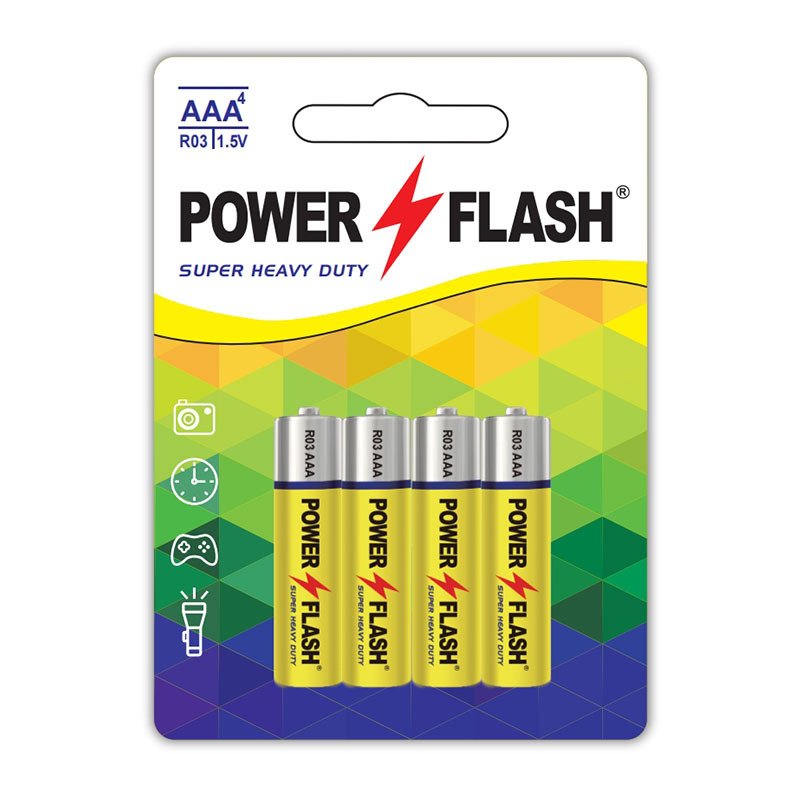
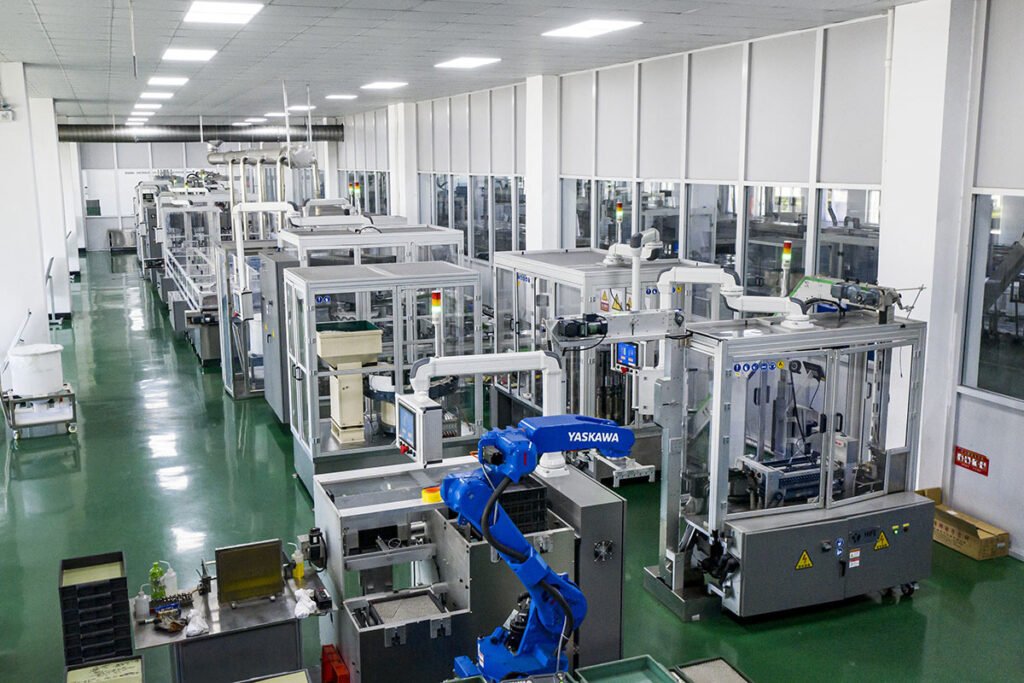
Shandong Linyi Huatai New Energy Battery Co., Ltd. was established in May 1993,but our factory’s history can date back to the establishment of the Linyi Battery Plant in 1956.We are currently one of the leading Eco-friendly & Mercury-free alkaline battery manufacturers and lithium battery manufacturers in China and the world’s largest heavy duty zinc-carbon batteries manufacturer & factory. Our products are produced with HUATAI, Power Flash and KINGCELL brands and customer’s private label, supplied 6 billion annual output by HIBAR high-speed automated production lines, offering OEM solutions for zinc carbon, alkaline, and lithium batteries worldwide.

Peru is an important battery market in South America because its demand is connected to several very different sectors at the same time. Carbon zinc and alkaline batteries serve everyday household and commercial applications, while lithium, rechargeable and industrial batteries are increasingly relevant to mining, telecommunications, renewable energy, electric mobility and backup-power systems.
For Chinese battery manufacturers, Peru should therefore not be approached simply as another market for low-cost AA and AAA batteries. The country has a large geographic area, major mining activity, remote industrial sites and growing interest in energy transition technologies. These characteristics create demand for both economical disposable batteries and higher-value rechargeable and lithium battery solutions.
Peru also has specific import and technical requirements for batteries. The Peruvian Ministry of Production provides a dedicated procedure for obtaining a technical-regulation compliance certificate for imported zinc-carbon batteries, while INACAL continues to develop and adopt technical standards covering batteries, electric mobility and energy-related equipment.
For importers and distributors, the most practical sourcing strategy is therefore to combine competitive cost, product consistency, compliance documentation, long shelf life and reliable supply.
Understanding the Peru Battery Market
Peru has a highly concentrated urban consumer market around Lima and other major cities, but its commercial and industrial economy extends far beyond the capital.
Mining, construction, telecommunications, agriculture, transportation and remote infrastructure all create battery demand. This makes Peru somewhat different from markets where batteries are primarily sold through supermarkets and electronics retailers.
The market can be divided into several major segments:
| Market segment | Main battery products | Typical applications |
| Economy consumer | Carbon zinc AA/AAA/C/D/9V | Clocks, remotes, radios, toys |
| Mainstream consumer | Alkaline AA/AAA/C/D/9V | Toys, flashlights, electronics |
| Specialty consumer | Lithium primary, button cells | Sensors, electronics, specialty devices |
| Rechargeable | NiMH, Li-ion | Consumer and commercial equipment |
| Industrial | Lead-acid, lithium, specialized batteries | Mining, telecom, backup power |
| New energy | Li-ion, LiFePO4 | Solar, ESS, backup power, mobility |
This creates room for a Chinese battery supplier to serve several customer groups rather than competing in only one product category.
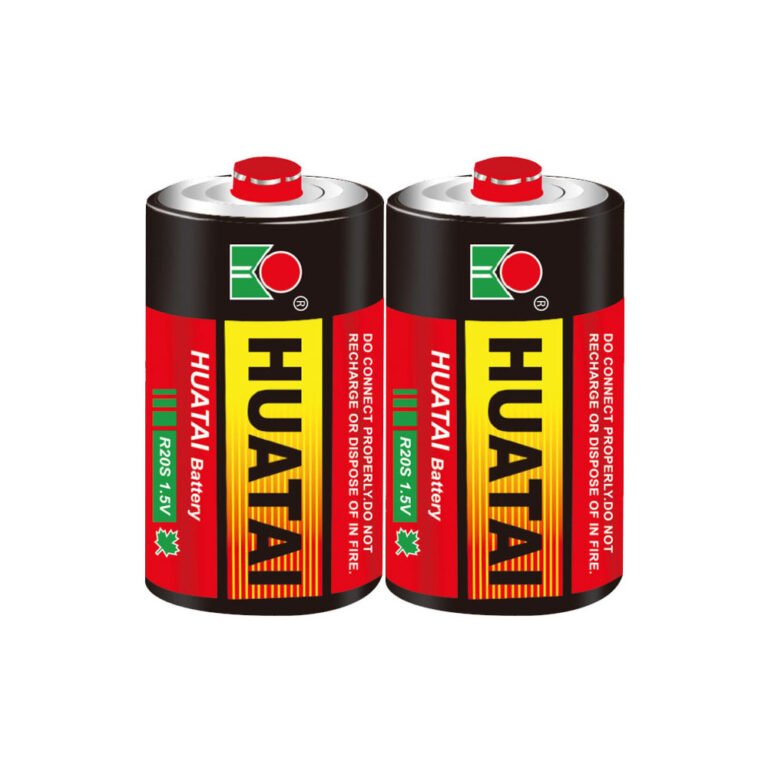
Carbon Zinc Batteries Remain Relevant in Peru
The carbon zinc battery market in Peru continues to have a practical role in price-sensitive applications.
Carbon zinc batteries are particularly suitable for devices with low or intermittent power consumption, including:
- Remote controls
- Wall clocks
- Radios
- Basic toys
- Low-power flashlights
- Household devices
- Promotional products
For these applications, the lower purchase cost of carbon zinc can be more important than maximizing runtime.
This makes carbon zinc batteries attractive to wholesalers, general merchandise distributors and private-label brands looking for an economical product line.
However, Peruvian importers should pay attention to compliance rather than treating carbon zinc batteries as a simple commodity. Peru’s Ministry of Production specifically provides a procedure for obtaining a Constancia de Reglamento Técnico for the importation of zinc-carbon batteries.
Carbon Zinc vs. Alkaline Batteries for Peru
| Purchasing factor | Carbon Zinc | Alkaline |
| Unit cost | Lower | Higher |
| Low-drain devices | Suitable | Very suitable |
| Higher-drain devices | More limited | Better suited |
| Economy retail | Strong | Moderate |
| Mainstream retail | Suitable | Strong |
| Private-label potential | High | High |
| Best commercial role | Value/volume | Performance/value |
For a distributor, carrying both products is often more practical than trying to replace carbon zinc completely with alkaline.
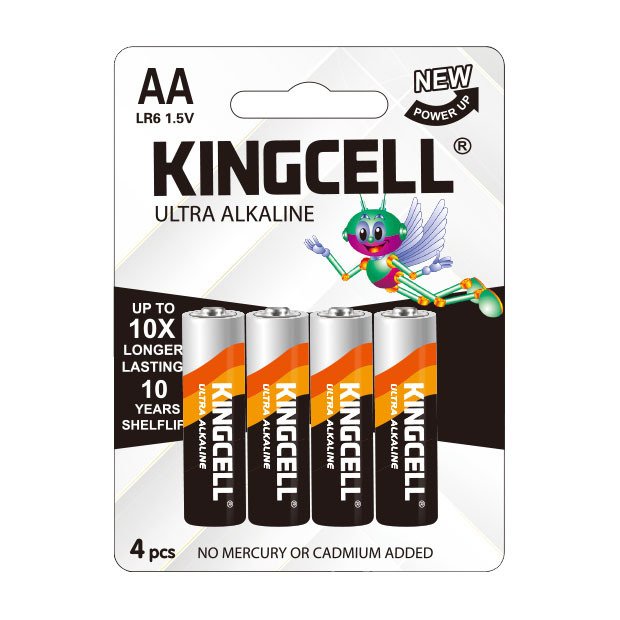
Alkaline Batteries Provide the Mainstream Performance Option
Alkaline batteries in Peru are increasingly important for consumers and commercial users who require longer runtime and stronger discharge performance.
AA and AAA alkaline batteries are suitable for toys, wireless accessories, flashlights, household electronics and other medium-drain devices. C, D and 9V batteries can address products that require larger formats or different capacity characteristics.
A practical Peruvian battery portfolio could therefore include:
- Carbon zinc AA and AAA
- Alkaline AA and AAA
- Carbon zinc C, D and 9V
- Alkaline C, D and 9V
- Lithium button cells
- Rechargeable NiMH AA and AAA
- Selected lithium primary batteries
This gives distributors an economy-to-performance product ladder that can be adapted to different sales channels.
Peru’s Battery Import Compliance Should Be Checked Before Shipment
One of the most important points for companies sourcing batteries from China is that Peru has specific technical-regulation procedures for certain imported battery products.
The Ministry of Production lists a procedure called “Obtener Constancia de Reglamento Técnico para la importación de neumáticos, pilas, baterías y cables eléctricos.” The service specifically states that the certificate can be used for importing zinc-carbon batteries.
This means an importer should not wait until the container has already left China to determine whether the required documentation is available.
A better procurement sequence is:
Product selection → technical specification → supplier documentation → conformity procedure → import preparation → production → shipment.
For general customs clearance, SUNAT also requires import documentation according to the applicable customs regime, including commercial documentation and any sector-specific authorization or control document required for restricted goods.
The exact requirements can vary according to the battery type, HS classification and applicable technical regulation, so the Peruvian importer should verify the current requirements for each product before placing the order.
What Should a Chinese Battery Manufacturer Provide?
For a Peruvian importer, a professional supplier should be able to provide a technical documentation package rather than only a quotation and product photos.
| Supplier information | Why it matters |
| Product datasheet | Confirms voltage, capacity and application |
| Technical specifications | Supports conformity assessment |
| Applicable test reports | Demonstrates product performance |
| Heavy-metal test data | Supports environmental requirements |
| Shelf-life information | Helps manage imported inventory |
| Leakage-resistance information | Reduces after-sales risk |
| Production batch information | Supports traceability |
| Packaging artwork | Helps meet local labeling requirements |
| OEM specifications | Ensures repeat-order consistency |
| UN38.3 documents | Important for applicable lithium products |
For zinc-carbon batteries in particular, the supplier should be prepared to cooperate with the importer when technical-regulation documentation is required.
Heavy-Metal Control and Product Consistency Matter
For primary batteries, environmental performance is increasingly part of international procurement.
A professional carbon zinc or alkaline manufacturer should maintain control over:
- Mercury content
- Cadmium content
- Lead content
- Zinc materials
- Manganese dioxide
- Electrolyte formulation
- Carbon rod quality
- Sealing materials
- Label and packaging specifications
This is especially important for private-label customers.
If the first container passes the import process but later batches use different raw materials or production specifications, the distributor can face quality problems and regulatory uncertainty.
For this reason, factory-level quality control is more valuable than simply having a third-party trading company issue a certificate after production.
Long Shelf Life and Leakage Resistance Are Important in Peru
Peru’s geography creates significant differences in operating and storage environments.
The coastal region, Andean highlands and Amazonian areas have very different climates. Batteries may also spend considerable time moving between ports, warehouses, regional distributors and retail outlets.
This makes shelf life and leakage resistance particularly important for imported disposable batteries.
For carbon zinc and alkaline products, Peruvian buyers should evaluate:
- Shelf life
- Leakage resistance
- Sealing technology
- Storage-temperature recommendations
- Voltage stability
- Packaging durability
- Batch consistency
A battery with a slightly lower FOB price is not necessarily the lower-cost product if leakage or premature capacity loss creates retailer claims.
Mining Makes Peru Different from Many Consumer Battery Markets
One of Peru’s most important characteristics is the scale of its mining economy.
Mining operations often work in locations far from major cities and require dependable power for communications equipment, monitoring systems, portable instruments, lighting, vehicles and backup systems.
This creates potential demand for more than ordinary household batteries.
Applications can include:
- Industrial rechargeable batteries
- Lithium battery packs
- Backup batteries
- Telecom batteries
- Portable power systems
- Solar-plus-storage systems
- Battery systems for remote facilities
- Specialized battery packs for instruments and equipment
For a Chinese manufacturer, this means the Peruvian market can provide opportunities at both ends of the value chain:
consumer dry batteries + industrial/new-energy batteries.
The product specifications, certification and after-sales requirements are very different between these two markets, so distributors should keep the segments clearly separated.
Lithium and Energy Storage Have Growing Strategic Importance
Peru is also paying increasing attention to lithium and energy-storage technologies.
In July 2026, Peru’s Ministry of Energy and Mines highlighted lithium as a strategic mineral for energy storage, electromobility and technological development. The ministry specifically linked lithium to the country’s broader energy-transition strategy.
This does not mean Peru has suddenly become a large lithium-battery consumer market. Rather, it indicates a developing strategic environment around lithium, energy storage and related technologies.
For battery suppliers, the more immediate commercial opportunities are likely to come from applications such as:
- Solar energy storage
- Backup power
- Telecommunications
- Industrial power systems
- Electric mobility
- Portable power stations
- LiFePO4 battery systems
Peru’s electrical-sector outlook is also being actively monitored by the Ministry of Energy and Mines through its 2026 national electricity-sector prospective reports, covering electricity supply and demand trends.

Rechargeable Batteries Can Bridge Consumer and Industrial Demand
Rechargeable batteries are an important middle segment between disposable household batteries and large lithium-energy systems.
NiMH rechargeable AA and AAA batteries can serve consumers who use batteries frequently in toys, flashlights, cameras, wireless devices and other equipment.
For distributors, rechargeable batteries offer several advantages:
- Higher selling value than standard carbon zinc
- Reusable product positioning
- Longer-term customer relationships
- Opportunity for bundled charger products
- Natural transition toward rechargeable technology
A distributor can therefore develop a product ladder such as:
Carbon zinc → Alkaline → NiMH rechargeable → Lithium primary → Li-ion/LiFePO4
This is more commercially flexible than relying on one battery chemistry.
Peru’s Technical Standards Are Becoming More Sophisticated
Peru’s national standards body, INACAL, continues to develop technical standards relevant to batteries and energy technologies.
For example, INACAL approved NTP-IEC 62485-3:2025, covering safety requirements for secondary batteries and battery installations used in traction applications. The standard covers various secondary battery technologies and addresses safety during assembly, use, inspection, maintenance and disposal.
The standard is not a blanket certification requirement for every battery sold in Peru—the INACAL listing identifies it as not mandatory—but it demonstrates the direction of technical standardization in Peru’s battery and electric-mobility sectors.
For Chinese manufacturers supplying industrial or mobility batteries, understanding applicable NTP and IEC standards can therefore become an important part of supplier qualification.
Peru’s Environmental Framework Is Also Becoming More Important
Peru has an established regulatory framework for waste management, including special management rules for waste electrical and electronic equipment.
The Ministry of Environment’s current RAEE framework assigns responsibilities to producers, marketers, waste generators and operators across segregation, storage, collection, transportation, recovery and final disposal. The current special regime is based on Supreme Decree No. 009-2019-MINAM.
This is relevant for battery businesses because rechargeable batteries and lithium batteries increasingly appear inside electrical and electronic products.
However, importers should distinguish between:
- Standalone batteries
- Batteries incorporated into equipment
- Used batteries
- Electrical and electronic equipment containing batteries
- Industrial battery systems
The applicable environmental obligations may differ.
For imported used or waste batteries, the rules are even more specific. Peru’s Ministry of Environment requires authorization for the importation of hazardous solid waste, including used automobile batteries and other hazardous batteries when imported for recycling or recovery.
This distinction is important: importing new batteries for sale is fundamentally different from importing used batteries as waste.

What Battery Products Have the Best Commercial Fit in Peru?
Instead of looking for one “best” battery, importers should match technology with application.
| Customer requirement | Appropriate battery technology |
| Lowest purchase price | Carbon zinc |
| General household use | Alkaline |
| Higher-drain consumer products | Alkaline |
| Compact specialty electronics | Lithium primary |
| Frequent reusable applications | NiMH |
| Remote industrial equipment | Lithium / rechargeable |
| Solar backup | LiFePO4 / Li-ion |
| Industrial energy storage | Li-ion / LiFePO4 |
| Electric mobility | Lithium-based rechargeable |
This approach allows distributors to build a portfolio based on actual applications rather than technology trends alone.
OEM and Private Label Battery Opportunities in Peru
Peru’s battery distribution market can provide opportunities for private-label battery brands, especially for importers with established retail or wholesale networks.
A staged private-label strategy can reduce inventory risk.
Stage 1: High-Volume Consumer Products
- Carbon zinc AA/AAA
- Alkaline AA/AAA
- Carbon zinc C/D/9V
Stage 2: Higher-Value Consumer Products
- Alkaline C/D/9V
- Lithium button cells
- NiMH rechargeable batteries
Stage 3: Industrial and New-Energy Products
- Lithium battery packs
- LiFePO4 batteries
- Solar storage batteries
- Backup power systems
For OEM development, the importer should define the battery chemistry, capacity, discharge characteristics, packaging, label information, shelf life and required compliance documentation before mass production.
Why Huatai Battery Is More Than a Carbon Zinc Battery Manufacturer
For a Peruvian importer searching for a top China battery manufacturer, Huatai Battery’s historical carbon-zinc strength is only one part of the company’s current manufacturing capability.
Huatai’s industrial heritage can be traced back to Linyi Battery Factory, established in 1956.
Over more than six decades, the company has developed from traditional dry-battery manufacturing into a comprehensive battery manufacturer serving international customers.
Historically, Huatai became known as one of the world’s largest carbon zinc battery manufacturers. That remains an important part of its manufacturing heritage, but it is no longer an adequate description of the company today.
Shandong Huatai New Energy Battery Co., Ltd. now covers a broader range of battery products, including:
- Carbon zinc batteries
- Alkaline batteries
- Lithium primary batteries
- Rechargeable NiMH batteries
- Li-ion batteries
- LiFePO4 batteries
- Sodium-ion batteries
- Solar batteries
- Energy-storage batteries
- OEM and private-label battery solutions
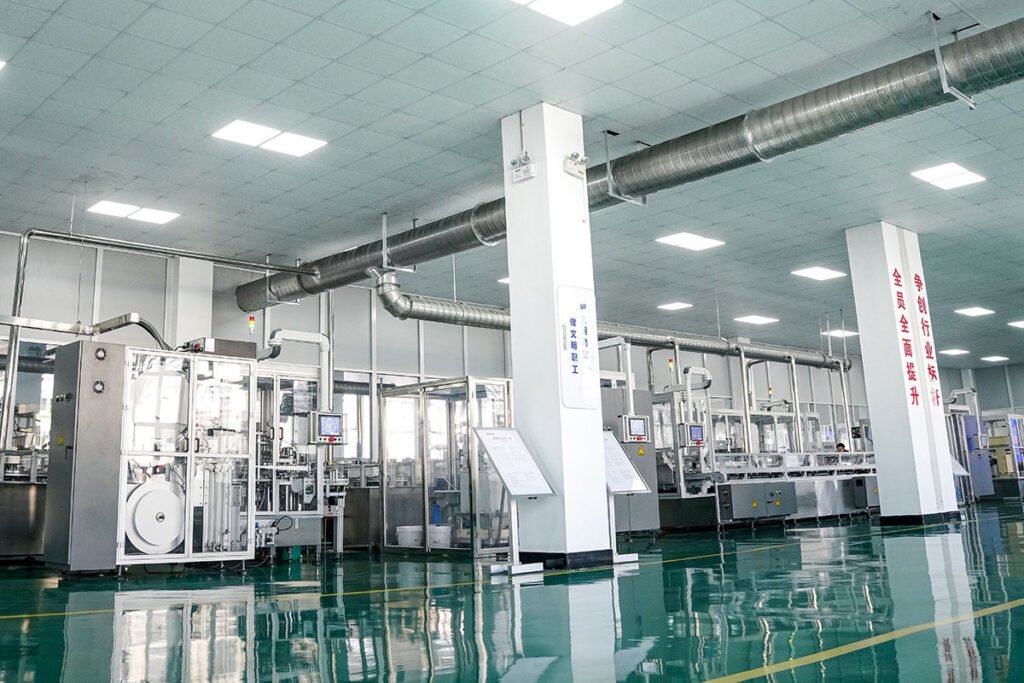
Huatai operates more than 40 production lines and seven component workshops, with high-speed alkaline battery production capabilities.
For Peru, this broader product portfolio is particularly relevant because the market has both a large consumer-battery segment and a significant industrial economy.
What Should Peruvian Importers Look for in a China Battery Supplier?
A serious supplier evaluation should cover at least five areas.
Manufacturing capability:
Is the supplier an actual battery manufacturer with its own production lines?
Product breadth:
Can the factory provide carbon zinc, alkaline, rechargeable and lithium products?
Technical documentation:
Can it support applicable Peruvian technical-regulation and customs requirements?
Quality consistency:
Can the same specifications be maintained across repeat container orders?
OEM capability:
Can the factory manufacture private-label batteries with stable packaging and technical specifications?
For industrial and lithium products, additional questions should cover cell origin, BMS design, cycle life, safety testing, UN38.3 documentation and warranty terms.

FAQs About the Peru Battery Market
1. Are carbon zinc batteries still suitable for the Peru market?
Yes. Carbon zinc batteries remain suitable for low-drain applications such as clocks, remote controls, radios and basic toys. Their lower cost makes them useful for economy-oriented retail and wholesale channels.
2. Does Peru have specific requirements for imported zinc-carbon batteries?
Yes. Peru’s Ministry of Production provides a specific procedure for obtaining a technical-regulation compliance certificate for the importation of zinc-carbon batteries. Importers should confirm the current applicable technical regulation and documentation before shipment.
3. Should Peruvian distributors choose carbon zinc or alkaline batteries?
Both can have a role. Carbon zinc is generally more appropriate for low-drain and price-sensitive applications, while alkaline batteries are better suited to higher-drain devices and customers seeking longer runtime.
4. What documents should a Chinese battery supplier prepare for Peru?
Depending on the product, the importer may need technical specifications, conformity or technical-regulation documents, test reports, commercial documents, packaging information and other sector-specific documentation. For applicable lithium products, transport documentation such as UN38.3 is also important.
5. Is there demand for rechargeable batteries in Peru?
Yes. Rechargeable batteries can serve consumer electronics, professional equipment, telecommunications, industrial applications and other sectors. NiMH is useful for certain consumer applications, while lithium-based rechargeable systems are more relevant to higher-energy applications.
6. Is Peru a potential market for LiFePO4 batteries?
Yes, particularly for solar storage, backup power, telecommunications and industrial applications. Peru’s growing attention to energy transition, lithium and energy storage provides a broader context for future lithium-battery demand.
7. Why are lithium batteries relevant to Peru’s mining sector?
Mining operations often require reliable power for remote equipment, communications, monitoring, transportation and backup systems. Lithium batteries can provide advantages in applications where weight, cycle life, energy density or maintenance requirements are important.
8. Can a Chinese battery manufacturer provide private-label batteries for Peru?
Yes. A capable Chinese manufacturer can produce private-label carbon zinc, alkaline, rechargeable and lithium batteries. For Peru, the OEM program should incorporate applicable technical-regulation requirements and documentation before mass production.

Conclusion: Peru Combines Consumer Battery Demand with Industrial Opportunities
The Peru battery market has a broader structure than a conventional household dry-battery market.
Carbon zinc batteries remain relevant for price-sensitive applications, while alkaline batteries provide a mainstream performance option. Rechargeable NiMH batteries can serve frequent-use consumers, while lithium primary and lithium-ion technologies address specialty, industrial and new-energy applications.
Peru’s mining economy adds another dimension. Remote industrial operations can require dependable rechargeable and backup battery systems, creating opportunities beyond supermarket battery sales.
At the same time, importers need to pay close attention to technical compliance. Peru provides a specific technical-regulation certificate procedure for imported zinc-carbon batteries, while SUNAT requires appropriate customs and sector-specific documentation for imports.
The country’s standards system is also evolving. INACAL has adopted technical standards relevant to traction and secondary battery safety, while the Ministry of Energy and Mines is increasingly discussing lithium, energy storage and electromobility as part of Peru’s future energy and industrial development.
For Peruvian importers looking for a top China battery manufacturer, therefore, the right supplier is not simply the factory offering the lowest price. The more useful long-term partner is a manufacturer that can combine competitive consumer batteries, stable quality, technical documentation, OEM capability, rechargeable technology and lithium/new-energy products.
With industrial roots dating back to the 1956 Linyi Battery Factory, Huatai Battery has developed from its historical position as a major carbon zinc battery producer into a comprehensive battery manufacturer covering carbon zinc, alkaline, lithium, rechargeable and new-energy battery products.
That broader manufacturing capability gives Huatai a practical basis for serving Peru’s traditional consumer battery market today while supporting the country’s developing industrial, rechargeable and energy-storage battery opportunities tomorrow.